
Marine Aluminum Fencing and Railings for Offshore Safety Fencing and Guardrails
Marine aluminum fencing and railings are engineered for harsh offshore environments where salt spray, wind load, vibration, and continuous human traffic challenge every exposed structure. Used on workboats, offshore platforms, floating docks, gangways, service decks, marinas, and coastal industrial sites, these systems provide durable perimeter protection without the excessive weight and maintenance burden of carbon steel.
Unlike ordinary architectural railings, offshore safety fencing and guardrails must combine structural strength, corrosion resistance, weldability, grip comfort, and predictable long-term performance. Marine-grade aluminum profiles meet these requirements through carefully selected alloys, controlled tempering, anodized or coated surfaces, and practical connection designs.
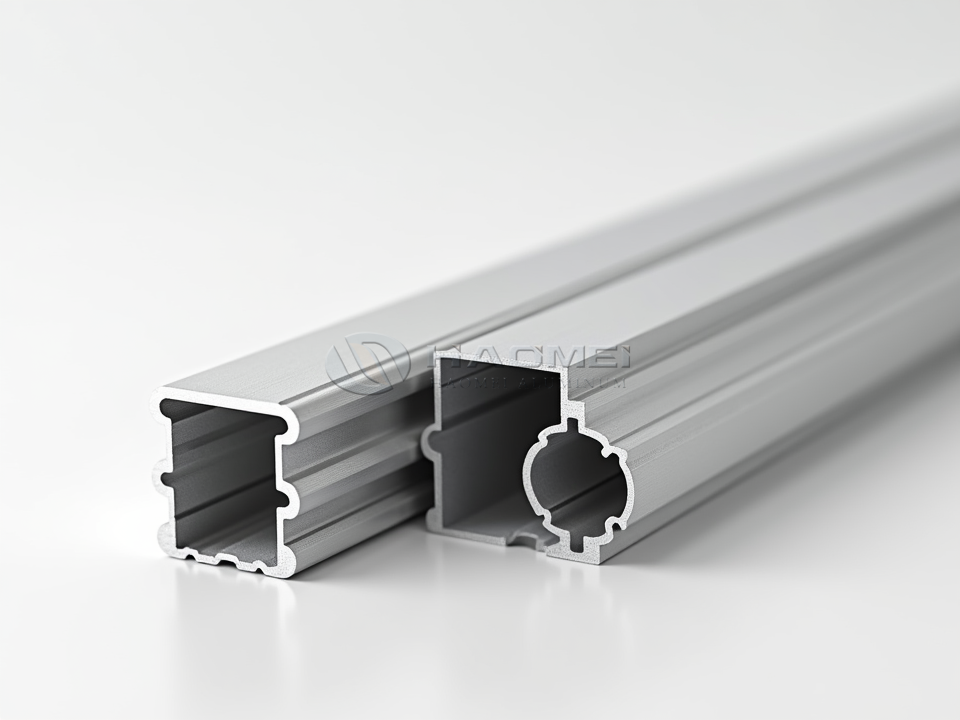
Product Function and Safety Value
Marine aluminum guardrails are designed to reduce fall risk, separate pedestrian zones from equipment areas, and protect access routes exposed to sea conditions. The system can include top rails, mid rails, toe boards, vertical posts, mesh infill panels, gate frames, kick plates, and mounting base plates.
Typical safety functions include:
- Edge protection around decks, platforms, hatch areas, and stair landings
- Safe hand support along gangways, ramps, pontoons, and vessel walkways
- Barrier separation for machinery zones, mooring areas, and restricted access points
- Corrosion-resistant fencing around offshore service modules and coastal terminals
- Lightweight replacement for galvanized steel guardrails in marine refit projects
For projects requiring fitted rail sections, curved corners, special post bases, or matched extrusion systems, Marine aluminum fencing and railings can be customized to suit vessel layouts and offshore structure interfaces.
Material Options for Marine Rail Systems
The most common alloys for marine fencing are 6061, 6082, 6005A, 5083, and 5052. Extruded 6xxx-series aluminum is widely used for handrails, posts, and shaped profiles because it offers excellent strength after T6 tempering and good surface finishing quality. 5xxx-series aluminum is preferred for plates, toe boards, sheet infill, and welded marine assemblies requiring very high seawater resistance.
| Alloy | Typical Temper | Main Use in Fencing and Railings | Marine Performance |
|---|---|---|---|
| 6061 | T5, T6 | Handrails, posts, brackets, base plates | Strong, weldable, widely specified |
| 6082 | T5, T6 | Heavy-duty guardrails, structural posts | Higher strength than 6061 in many sections |
| 6005A | T5, T6 | Extruded railing profiles and modular systems | Good extrusion quality and surface finish |
| 5083 | H111, H112, H116 | Toe boards, plates, welded marine panels | Excellent seawater corrosion resistance |
| 5052 | H32, H34 | Sheet infill, light panels, covers | Good forming ability and corrosion resistance |
Chemical Composition Reference
Actual chemical composition should be confirmed by mill test certificate. The following ranges are typical values used for marine aluminum alloy selection.
| Alloy | Mg % | Si % | Mn % | Cr % | Cu % | Zn % | Fe % | Al |
|---|---|---|---|---|---|---|---|---|
| 6061 | 0.80-1.20 | 0.40-0.80 | Max 0.15 | 0.04-0.35 | 0.15-0.40 | Max 0.25 | Max 0.70 | Balance |
| 6082 | 0.60-1.20 | 0.70-1.30 | 0.40-1.00 | Max 0.25 | Max 0.10 | Max 0.20 | Max 0.50 | Balance |
| 6005A | 0.40-0.70 | 0.50-0.90 | Max 0.50 | Max 0.30 | Max 0.30 | Max 0.20 | Max 0.35 | Balance |
| 5083 | 4.00-4.90 | Max 0.40 | 0.40-1.00 | 0.05-0.25 | Max 0.10 | Max 0.25 | Max 0.40 | Balance |
| 5052 | 2.20-2.80 | Max 0.25 | Max 0.10 | 0.15-0.35 | Max 0.10 | Max 0.10 | Max 0.40 | Balance |
Mechanical Properties
Marine railing design depends on alloy, temper, wall thickness, profile geometry, weld condition, and installation method. The values shown are common reference ranges for material comparison.
| Alloy and Temper | Tensile Strength MPa | Yield Strength MPa | Elongation % | Typical Hardness HB | Weldability |
|---|---|---|---|---|---|
| 6061-T6 | 260-310 | 240-275 | 8-12 | 90-100 | Very good |
| 6082-T6 | 290-340 | 250-300 | 8-12 | 95-110 | Good |
| 6005A-T6 | 255-300 | 215-255 | 8-12 | 85-100 | Good |
| 5083-H116 | 305-350 | 215-260 | 10-16 | 80-95 | Excellent |
| 5052-H32 | 210-260 | 160-215 | 8-14 | 60-75 | Excellent |
Technical Specifications
Marine aluminum fencing and railing systems are commonly supplied as extruded profiles, welded assemblies, modular bolt-together rails, or semi-finished kits for yard installation.
| Parameter | Common Range or Option |
|---|---|
| Top rail outside diameter | 32 mm, 38 mm, 42 mm, 48 mm, 50 mm, custom |
| Post section | Round tube, square tube, rectangular profile, custom extrusion |
| Wall thickness | 2.0-6.0 mm for tubes and extrusions |
| Standard rail height | 900-1200 mm depending on project rules |
| Post spacing | 900-1500 mm typical, load dependent |
| Toe board height | 100-150 mm typical |
| Surface finish | Mill finish, anodized, powder coated, PVDF coated, brushed |
| Anodizing thickness | 15-25 microns for marine use |
| Powder coating thickness | 60-100 microns typical |
| Fabrication | Cutting, bending, CNC drilling, welding, tapping, assembly |
| Connection type | Welded base, bolted flange, socket mount, clamp mount |
| Packing | Protective film, foam separation, wooden case, steel pallet |
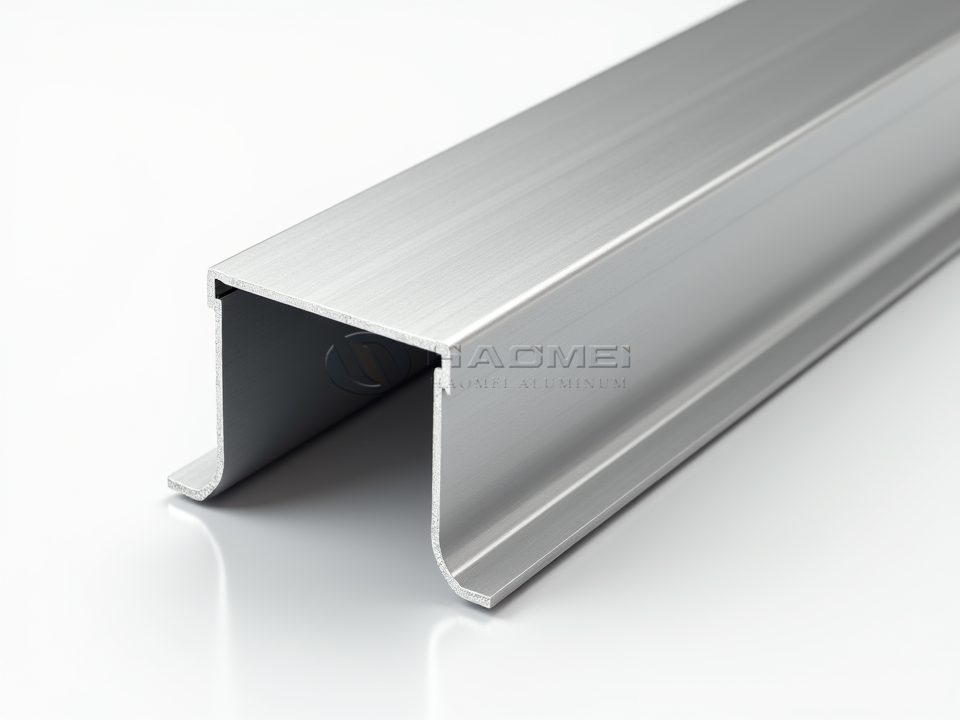
Surface Protection Choices
Marine aluminum naturally forms an oxide layer, but offshore exposure is aggressive. Salt, humidity, UV radiation, and galvanic contact can shorten service life if surface protection and installation details are ignored.
| Finish | Best Use | Advantages | Notes |
|---|---|---|---|
| Mill finish | Interior marine areas, budget projects | Lowest cost, easy welding | Requires cleaning and inspection |
| Clear anodized | Handrails, visible guardrails | Hard surface, clean metallic look | Good for touch surfaces |
| Hard anodized | High-wear zones | Better abrasion resistance | Color may vary by alloy |
| Marine powder coating | Colored safety rails | UV resistance, attractive appearance | Use proper pretreatment |
| PVDF coating | Coastal infrastructure | Strong weathering resistance | Higher cost, excellent durability |
Isolation washers, non-conductive pads, compatible fasteners, and proper drainage holes help prevent galvanic corrosion when aluminum connects to stainless steel or painted carbon steel.
Fabrication and Installation Details
A good offshore railing system is not only strong on paper; it must be easy to install and inspect. Welded systems offer clean appearance and high rigidity, while modular bolted rails simplify transport and replacement. For vessels and floating structures, weight saving is valuable because every kilogram affects stability, fuel use, lifting work, and deck loading.
Important design details include:
- Smooth top rail radius for safe hand contact
- Drain holes at low points to avoid trapped seawater
- Sealed or capped tube ends where appropriate
- Reinforced base plates for high-traffic zones
- Rounded corners to reduce snagging of ropes and clothing
- Anti-slip compatibility near walkways and stair transitions
- Clear coating specification for color-coded safety zones
Offshore Applications
Marine aluminum fencing and guardrails serve many environments where steel may rust quickly or require frequent recoating.
| Application Area | Typical Product Form | Benefit |
|---|---|---|
| Offshore platforms | Heavy-duty post and rail assemblies | Corrosion resistance with lower dead load |
| Workboats and patrol vessels | Welded handrails and perimeter rails | Strong, lightweight deck protection |
| Floating docks and marinas | Modular fencing, gangway rails | Easy handling and clean appearance |
| Fish farms and aquaculture | Walkway rails, cage access barriers | Excellent resistance to seawater spray |
| Coastal plants | Safety fencing, machinery guards | Low maintenance in humid air |
| Shipyards | Temporary or permanent guardrails | Reusable and easy to fabricate |
| Passenger ferries | Handrails and boarding barriers | Smooth finish and passenger safety |
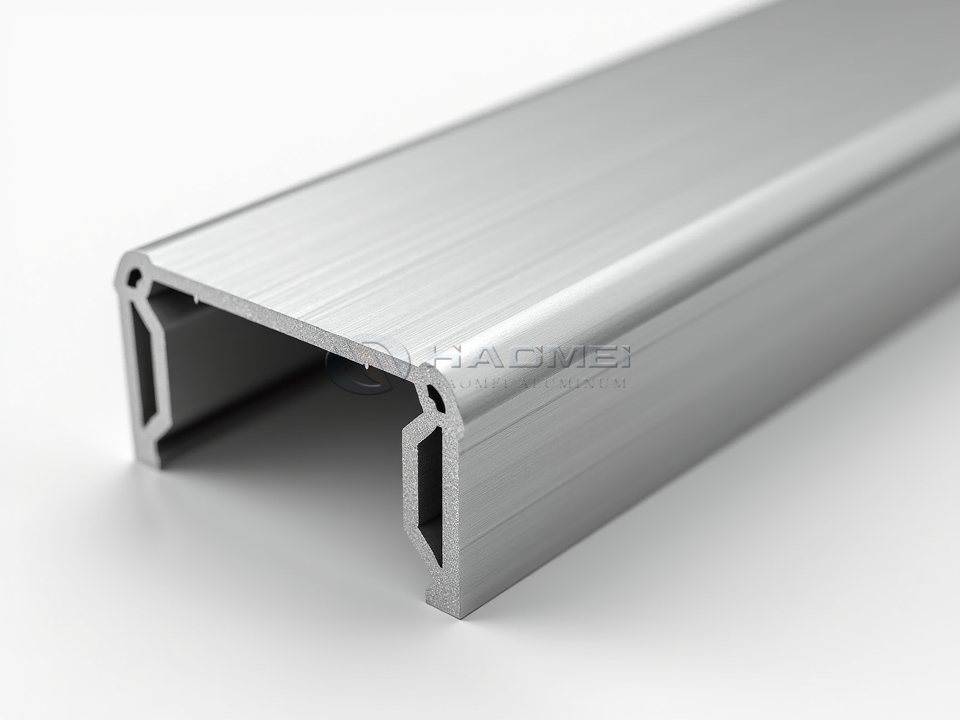
Performance Advantages
Compared with galvanized steel, marine aluminum can reduce railing system weight by a large margin while maintaining excellent stiffness through optimized profile geometry. It does not produce red rust, is easier to cut and drill on site, and can be recycled at high value after service.
| Performance Factor | Marine Aluminum Railings | Carbon Steel Railings |
|---|---|---|
| Weight | Low | High |
| Red rust risk | None | High if coating fails |
| Maintenance | Low | Medium to high |
| Fabrication | Easy cutting, drilling, welding | Strong but heavier to handle |
| Surface appearance | Clean, modern, stable | Paint damage may spread corrosion |
| Recyclability | Excellent | Good |
Quality Control and Inspection
Reliable marine railing production should include alloy verification, dimensional inspection, surface checks, weld inspection, coating thickness testing, and packing review. For offshore projects, traceability is especially important because replacement work at sea is costly.
| Inspection Item | Control Method |
|---|---|
| Alloy and temper | Mill test certificate, PMI if required |
| Dimensions | Caliper, gauge, profile template |
| Straightness | Visual and measured tolerance control |
| Weld quality | Visual inspection, dye penetrant if specified |
| Coating thickness | Eddy current thickness meter |
| Surface defects | Check for dents, scratches, pits, stains |
| Assembly fit | Trial installation or jig inspection |
Purchasing Guidance
When selecting marine aluminum fencing and railings, customers should provide drawings, alloy preference, rail height, load requirement, surface finish, installation method, and environmental exposure level. If drawings are not available, samples, sketches, deck layout photos, or performance requirements can help develop a practical extrusion or fabrication plan.
A well-designed marine aluminum guardrail system delivers long service life, reduced maintenance, safer access, and faster installation for offshore and coastal operations. With the right alloy, temper, profile design, and finish, aluminum becomes a dependable safety material for demanding marine environments.

Related Products
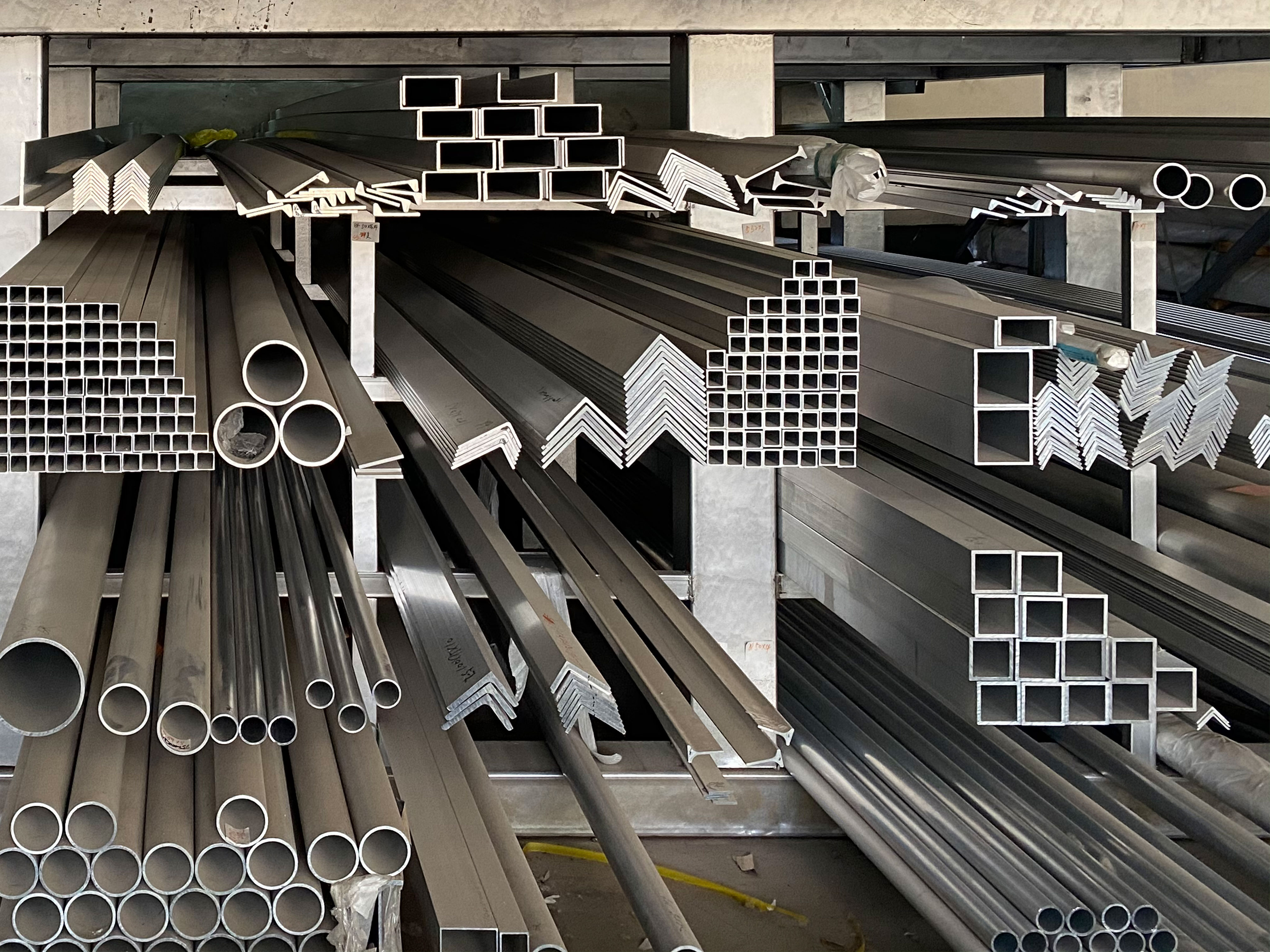
Marine aluminum fencing and railings
Marine Grade Aluminum Fencing and Railings are fabricated using marine-grade aluminum alloys such as 5083, 5052, and 6061, which are engineered specifically for protection against saltwater corrosion and marine atmospheric conditions.
View Details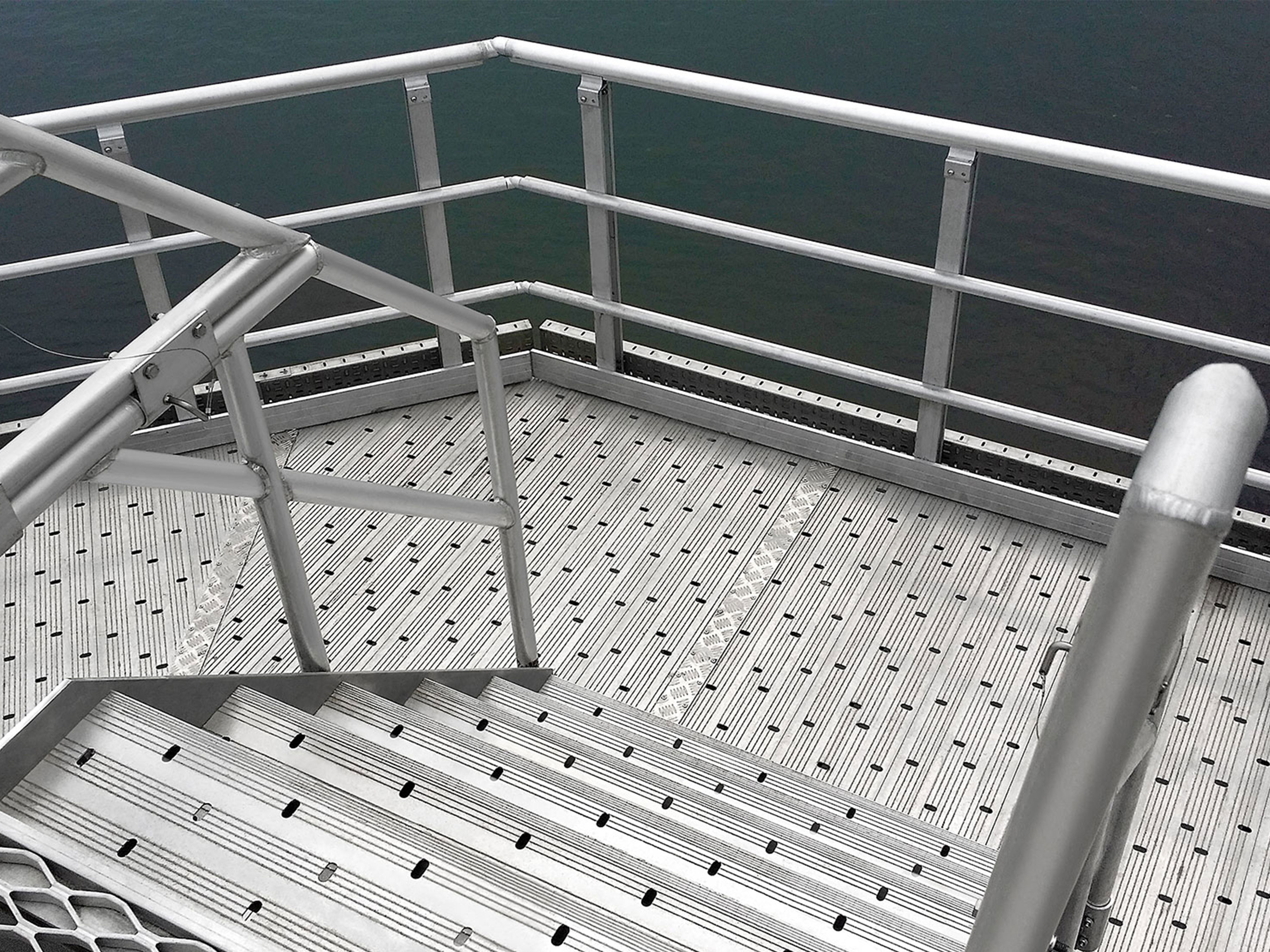
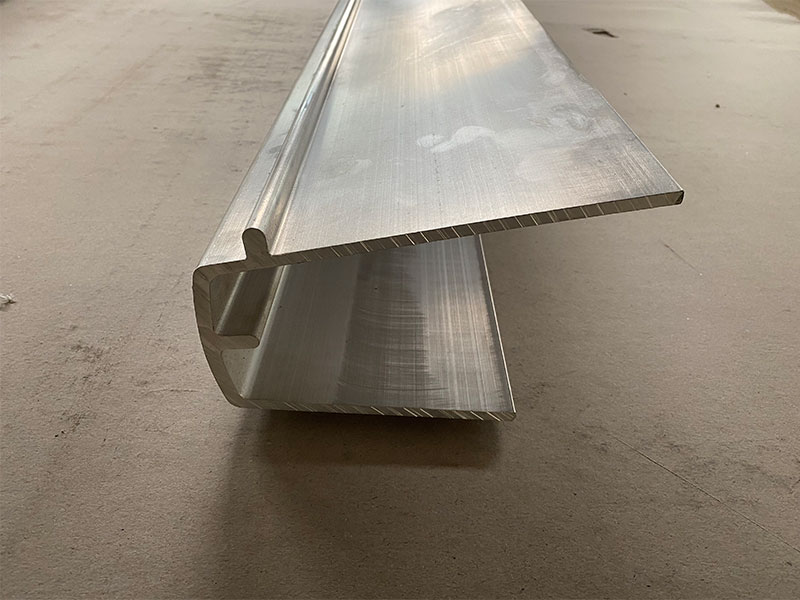
Marine aluminum customized shapes
Marine Grade Aluminum Customized Shapes encompass a broad range of aluminum extrusions and fabrications engineered beyond standard profiles—such as channels, angles, tubes, and beams—into complex, project-specific geometries.
View Details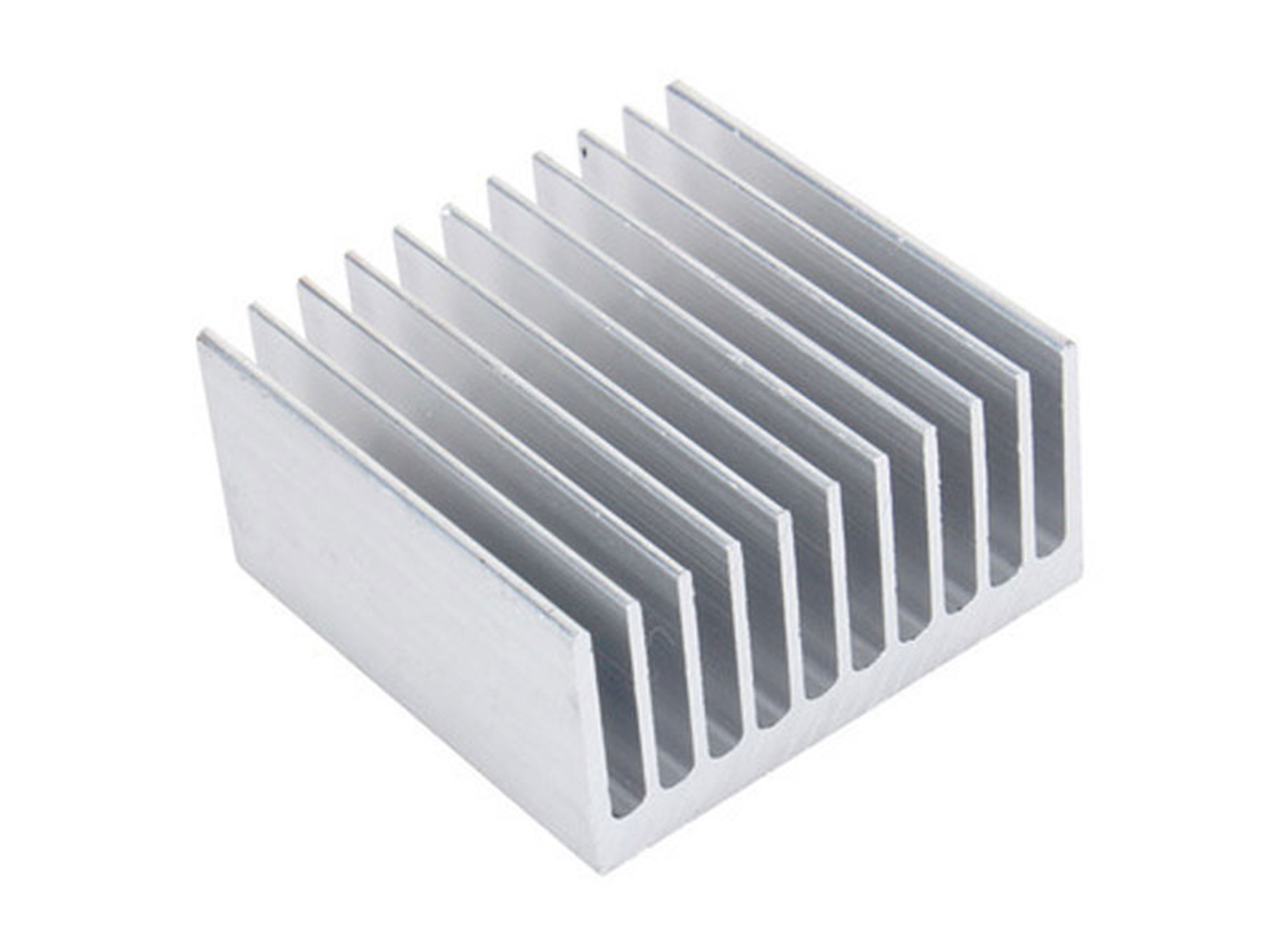
Marine aluminum heat sink profile
Marine Grade Aluminum Heat Sink Profiles utilize alloys such as 6061 and 6063 that not only exhibit high thermal conductivity but also possess excellent corrosion resistance required for saltwater exposure.
View DetailsRelated Blog
Marine Aluminum Fencing and Railings for Seawater Proof Guardrails for Coastal Areas
Marine aluminum fencing and railings are specially designed solutions for implementing guardrails in coastal environments. These structures are constructed using high-strength marine-grade aluminum alloys to provide exceptional durability and aesthetics.
View Details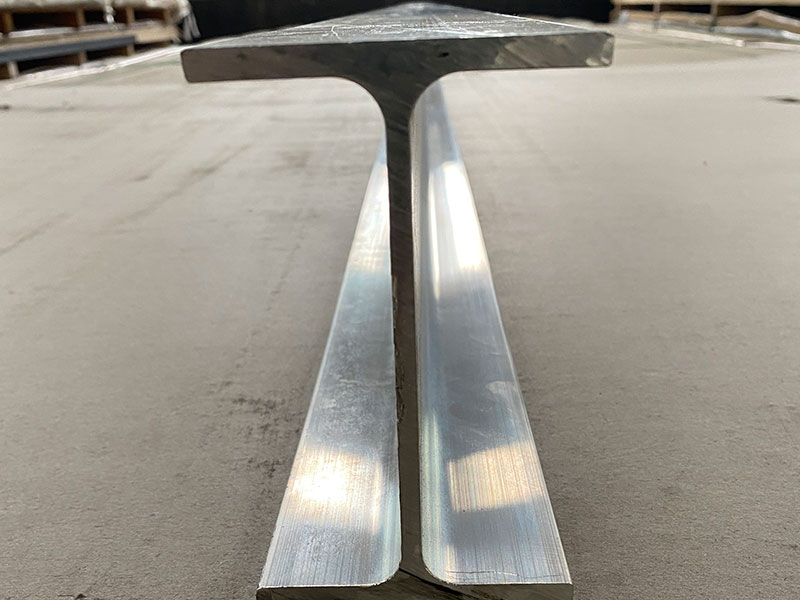
Marine Aluminum Heat Sink Profile for Offshore Vessel Engine Cooling Systems
In the demanding environment of offshore vessels, engine cooling efficiency becomes a pivotal factor in operational reliability and safety.
View Details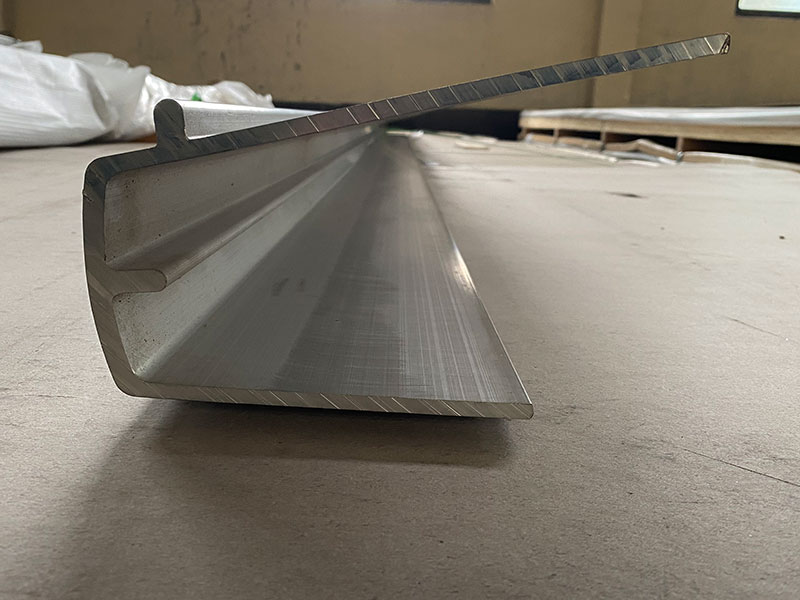
5052 Marine Aluminum Fencing and Railings for Durable Offshore Vessel Guardrails
When it comes to constructing durable and reliable guardrails on offshore vessels, 5052 marine aluminum stands out as a premier choice.
View Details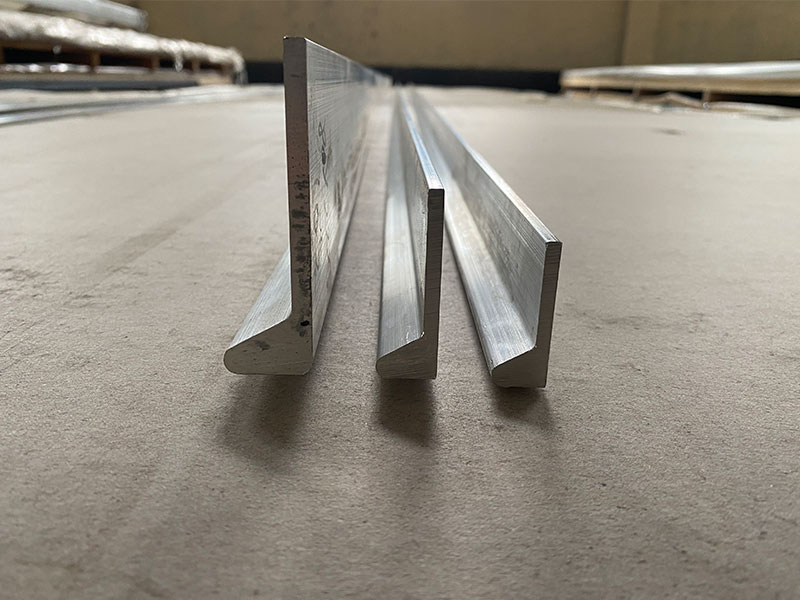
6061 Marine Aluminum Fencing and Railings for High Strength Boat Deck Railings
6061 Marine Aluminum Fencing and Railings for High Strength Boat Deck RailingsOn a modern boat or yacht, the deck railing is no longer just a decorative boundary.
View Details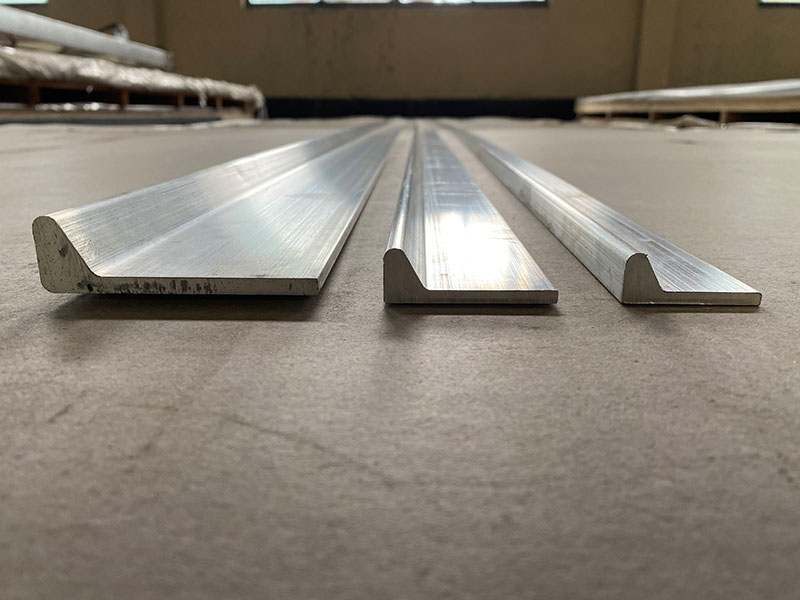
Marine Aluminum Customized Shapes for Offshore Equipment and Structural Components
Offshore projects demand materials that thrive where steel often struggles: salt spray, cyclic loading, tight installation windows, and relentless maintenance costs.
View Details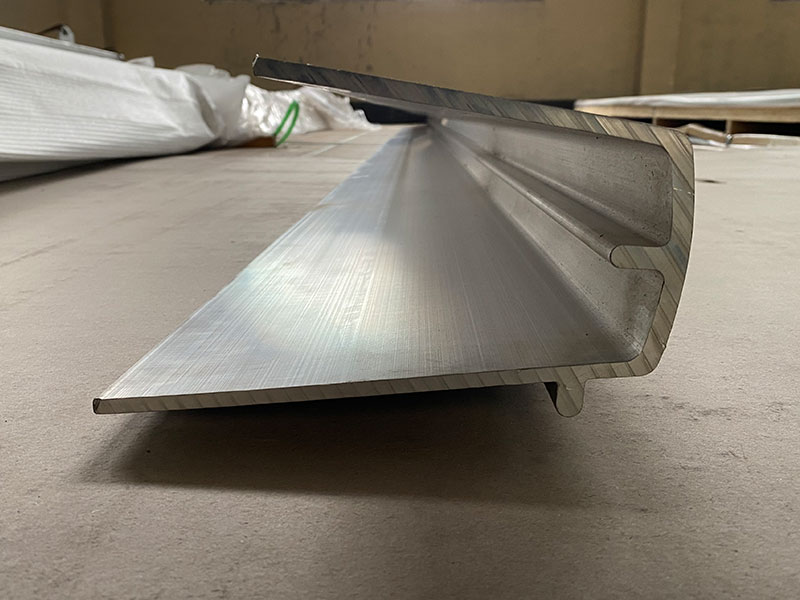
5083 Marine Aluminum Fencing and Railings for High Strength Coastal Railings
When it comes to constructing fencing and railings along coastal environments, the material choice plays a significant role in long-term performance, strength, and resistance to harsh conditions.
View Details
Leave a Message