
Marine Aluminum Flat Bar for Durable Boat Hull Fabrication
When it comes to building boats that brave the unpredictable, often harsh marine environment, the choice of materials determines their longevity, safety, and performance. One crucial but sometimes overlooked component in sturdy boat hull fabrication is the marine aluminum flat bar. While a flat bar may seem like a modest steel alternative, its role in maritime structural integrity is nothing short of vital.
Marine aluminum alloys, notably grades like 5052, 5083, and 6061, have become industry favorites due to their superior corrosion resistance, strength-to-weight ratio, and malleability. Specifically, the flat bar variant enhances these benefits by providing a reliable, flat, and uniform structural element commonly used in hull frameworks, reinforcements, stringers, and cleats.
Corrosion Resistance at Its Core: Unlike steel, which suffers from persistent rusting especially when exposed to saltwater, marine aluminum flat bars naturally develop a thin, protective oxide layer that wards off corrosion. This trait drastically reduces maintenance costs and improves the boat's lifespan.
Strength Without the Weight: Aluminum's high tensile strength combined with a lightweight profile ensures that these flat bars maintain hull rigidity and resilience against impact stresses without burdening the vessel. This characteristic leads to better fuel efficiency and easier handling in varying marine conditions.
Superior Weldability and Machinability: Marine aluminum flat bars accept welding, drilling, and cutting processes better than many other metals. This versatility allows fabricators to produce custom hull designs and fittings without compromising structural coherence.
The Physics of Flat Bars in Reinforcing Boat Hulls
From an engineering lens, the flat bar's rectangular cross-section directly influences how stress and strain distribute across the hull assembly. The flat surface acts like a cantilever beam, dispersing bending moments more evenly and mitigating localized points of failure frequently observed in round or angle profiles.
When mounted along the keel, chine, or deck interfaces, marine aluminum flat bars enhance the hull’s composite action – working synergistically with the surrounding plates and ribs to create a stiff but somewhat flexible framework capable of dampening vibrations and absorbing wave energy shocks. This harmonization keeps the hull integrity intact, especially in turbulent waters.
Choosing the Right Dimension and Grade
Boat builders must carefully select flat bars considering thickness, width, alloy grade, and temper (e.g., 6061-T6).
Thickness & Width: Often, flat bars come in thicknesses ranging from 3mm to 25mm and widths customizable according to design load requirements. Thicker bars translate to higher bending resistance but add more weight; an optimal balance is crucial.
Alloy Grade: For the harsh murky seawater, 5083 flat bars strike a perfect balance by marrying strength and unmatched corrosion resistance, ideal for structural framing within a hull.
Innovations & Industry Trends
Recent advancements also see marine aluminum flat bars integrated with anodized coatings or powder paint finishes, enhancing aesthetic appeal and further reducing oxidation. Moreover, friction stir welding is increasingly paired with aluminum flat bars to forge tighter, more durable hull joins.

Related Products
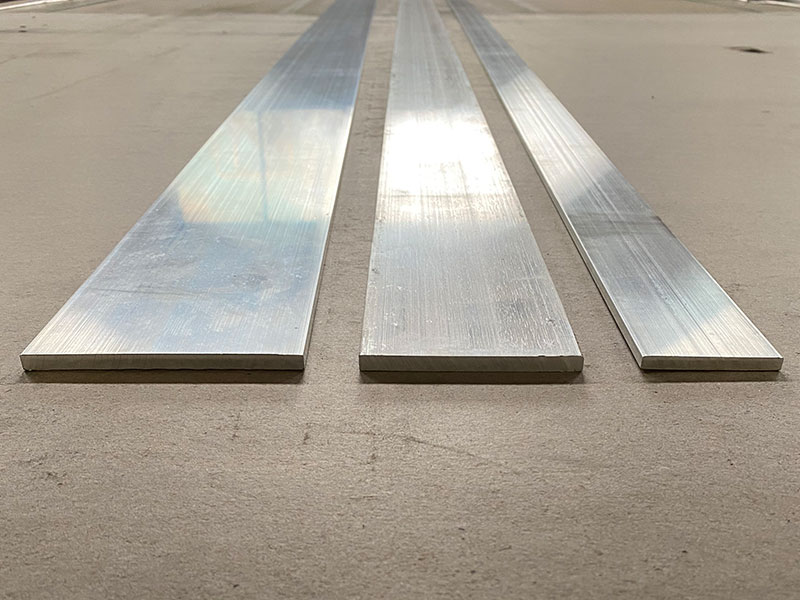
6061 T6 marine aluminum flat bar
6061 aluminum is classified as a heat-treatable 6xxx series alloy, alloyed primarily with magnesium and silicon. The T6 temper designation indicates that the flat bar has been solution heat-treated and artificially aged to achieve optimum strength and hardness.
View Details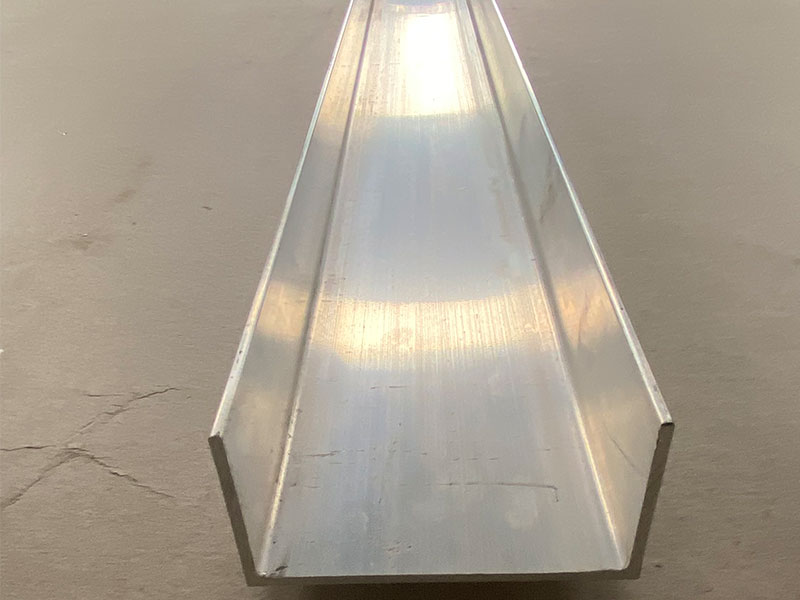
Marine aluminum channels
Marine Aluminum Channels are U-shaped aluminum profiles produced from alloys such as 5083, 5052, and 6061, known for their excellent marine corrosion resistance and superior mechanical strength.
View Details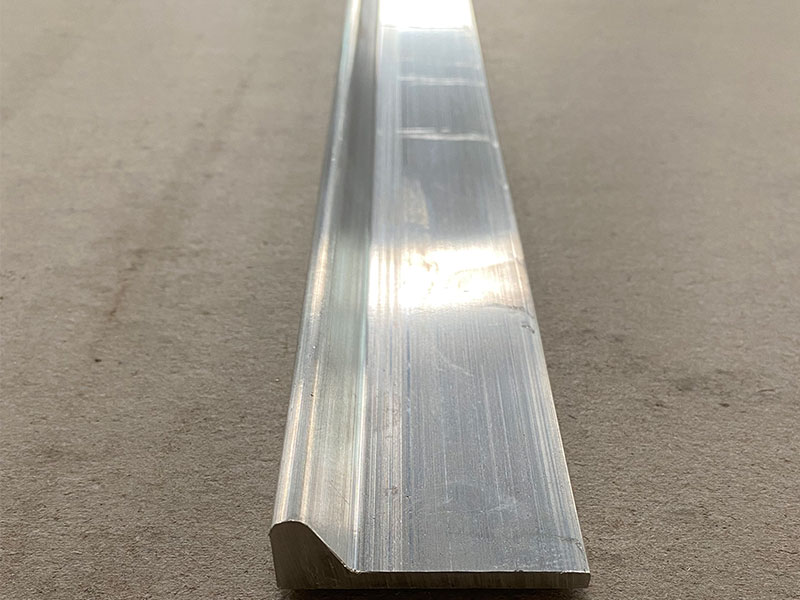
Marine aluminum I-beams
Marine Aluminum I-Beams feature the traditional “I” cross-sectional profile fabricated from marine-grade aluminum alloys like 5083, 5086, and 6061. These alloys are renowned for their outstanding corrosion resistance, especially in saltwater and marine atmospheres, making them ideal for offshore and naval construction.
View Details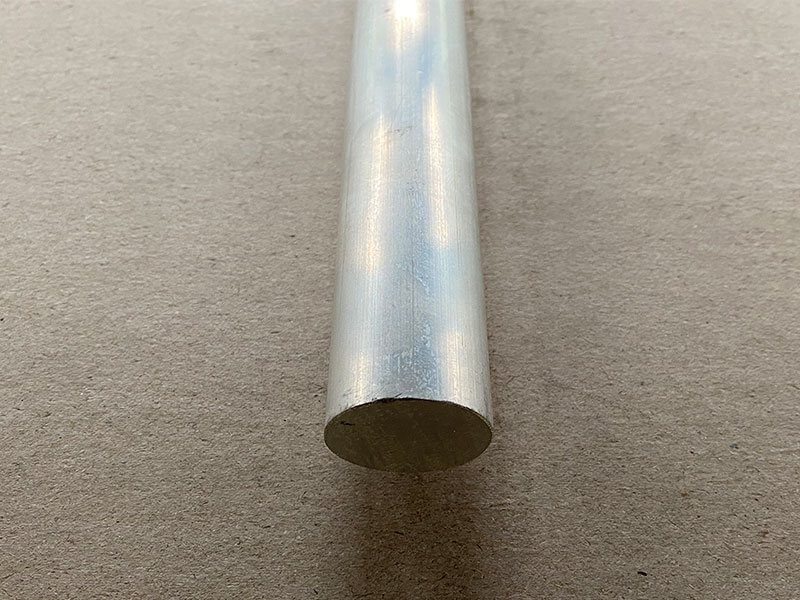
6061 marine aluminum round bar
6061 aluminum belongs to the 6xxx series alloys, alloyed primarily with magnesium and silicon. In the T6 temper, it undergoes solution heat treatment and artificial aging, resulting in enhanced mechanical properties while maintaining excellent corrosion resistance.
View Details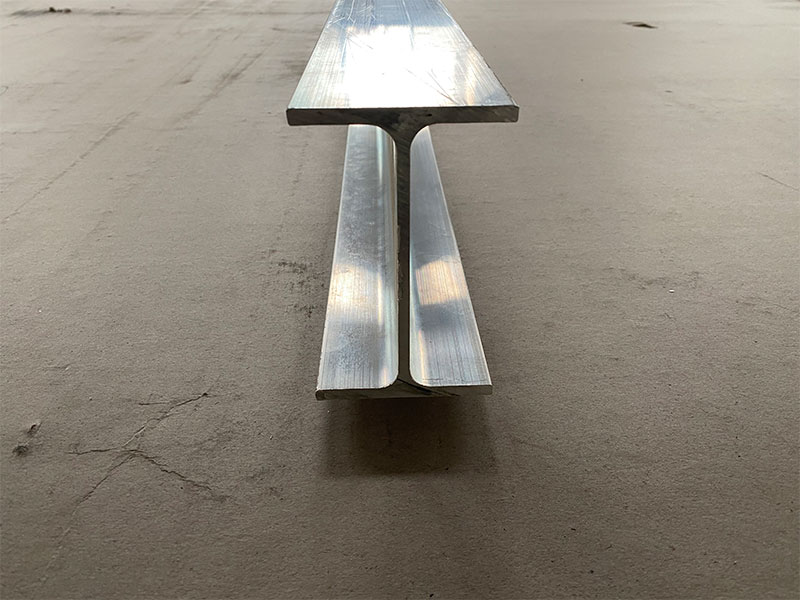
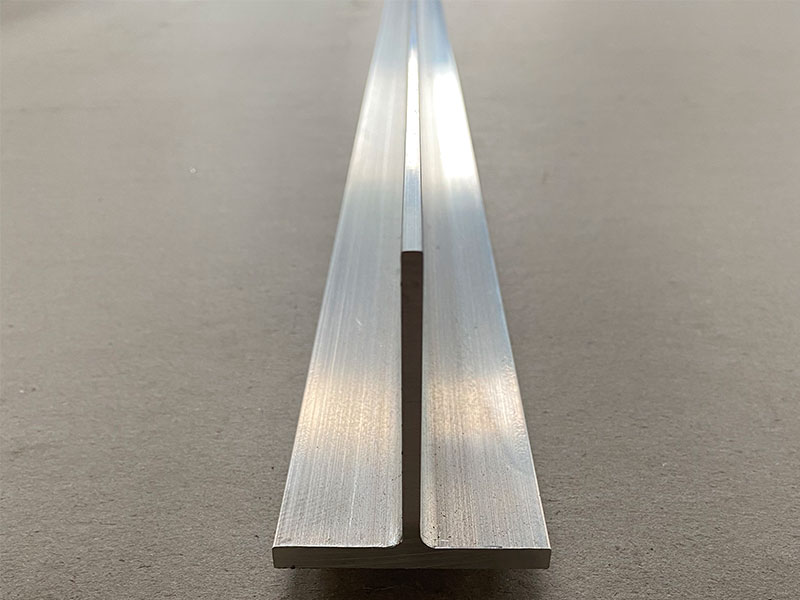
Marine aluminum Z-shaped sections
Marine Aluminum Z-shaped Sections are fabricated from premium marine-grade aluminum alloys such as 5083, 5052, and 6061. These alloys are well-regarded for their superior corrosion resistance in seawater and marine atmospheres, along with good mechanical strength and excellent weldability.
View Details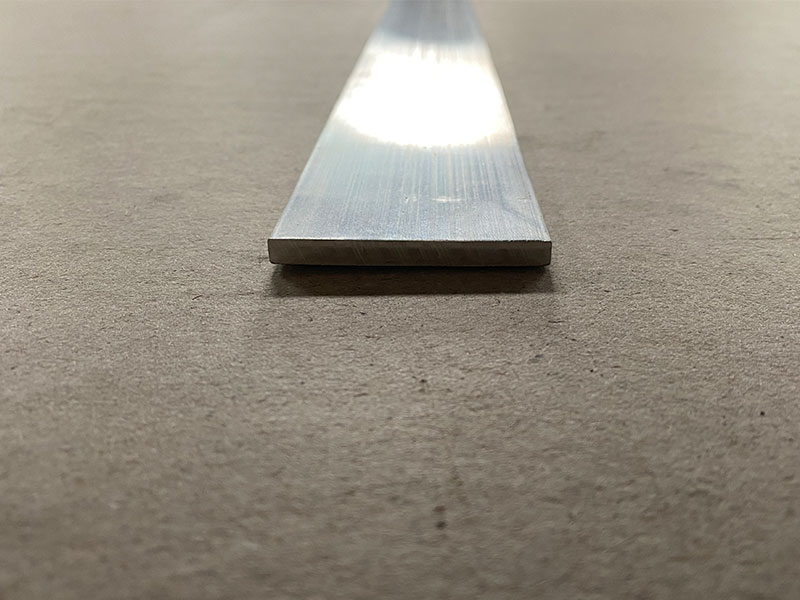
5083 marine aluminum flat bar
5083 aluminum flat bars belong to the 5xxx series of aluminum-magnesium alloys, known primarily for their superior resistance to seawater corrosion and salt spray.
View DetailsRelated Blog
5052 Marine Aluminum Z Shaped Sections for Lightweight Offshore Ship Design
5052 marine aluminum Z shaped sections deliver high strength-to-weight performance, excellent corrosion resistance, and easy weldability for lightweight offshore ship design.
View Details
5083 Marine Aluminum Round Bar for High Strength Offshore Reinforcements
In the demanding world of offshore engineering, materials must withstand severe environmental conditions without compromising structural integrity. One such pivotal material is the 5083 Marine Aluminum Round Bar.
View Details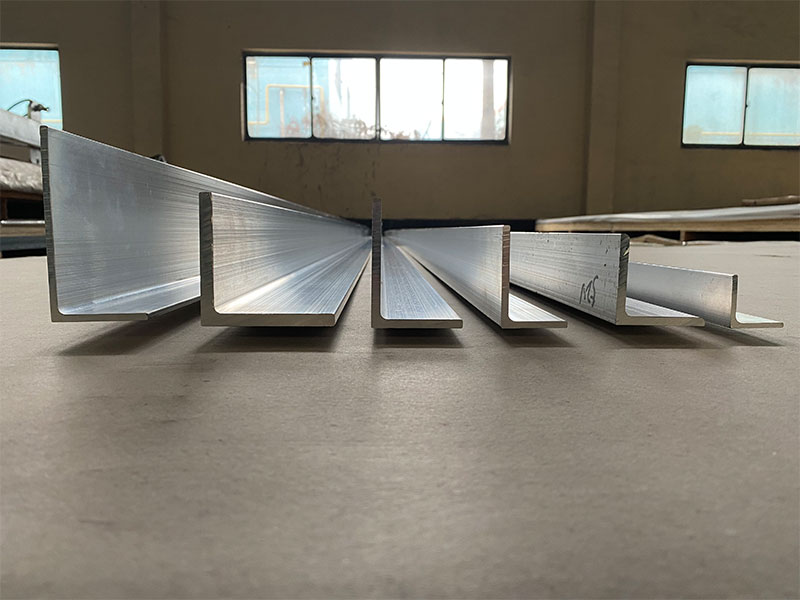
5083 Marine Aluminum Round Bar for Custom Coastal Marine Engineering
When it comes to custom coastal marine engineering, material selection is crucial for ensuring durability, strength, and resistance to harsh marine environments.
View Details
6082 Marine Aluminum Rod & Bar for Custom Coastal Marine Engineering
Coastal and near-shore structures live in a demanding world: salt spray, tidal wet/dry cycling, abrasive sand, stray currents, and constant maintenance pressure.
View Details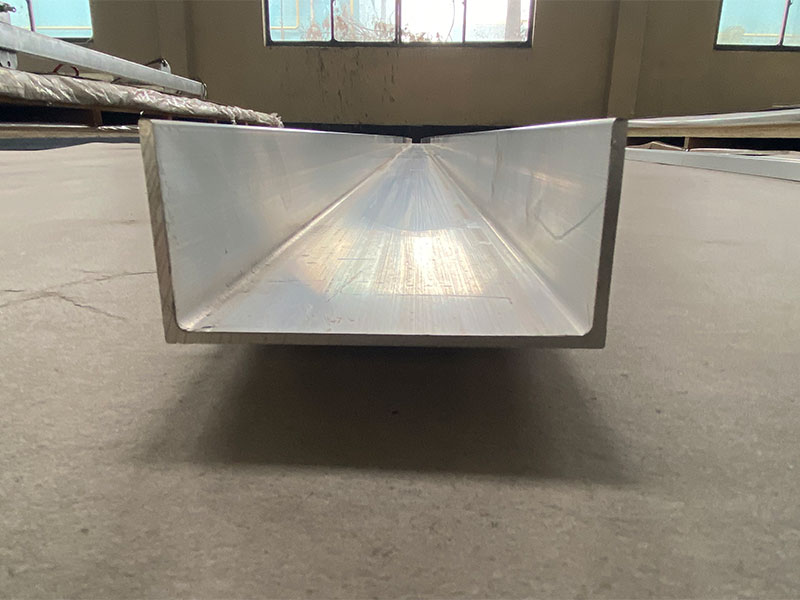
Marine Aluminum Round Bar for Saltwater Resistant Boat Design
When designing boats destined for saltwater environments, materials selection is paramount for ensuring long-lasting performance and reliable structural integrity.
View Details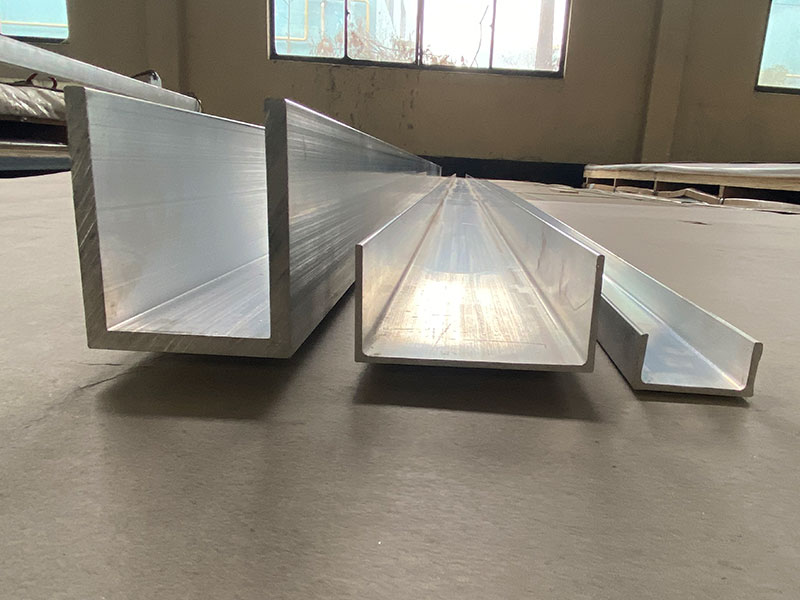
5083 Marine Aluminum I Beams for Seawater Resistant Boat Hull Design
Constructing seawater resistant boat hulls demands not only impeccable design but also the right choice of materials engineered for marine environments. Among available metals.
View Details
Leave a Message