
Marine Aluminum Heat Sink Profile for Cooling Coastal Offshore Engineering Equipment
Coastal and offshore engineering equipment operates where heat, salt spray, moisture, vibration, and limited installation space meet. Power converters, communication cabinets, LED floodlights, battery enclosures, radar modules, control panels, and monitoring devices all require stable heat removal to maintain reliable operation. A marine aluminum heat sink profile provides a lightweight, corrosion-conscious thermal path that transfers heat away from sensitive components and releases it efficiently into surrounding air.
Designed for demanding marine duty, these extruded aluminum profiles combine high thermal conductivity with fin geometry, mounting features, and surface protection suitable for vessel decks, port facilities, offshore platforms, coastal substations, and floating energy systems. Compared with fabricated steel cooling structures, aluminum heat sink profiles reduce structural mass while offering faster heat transfer and straightforward machining.
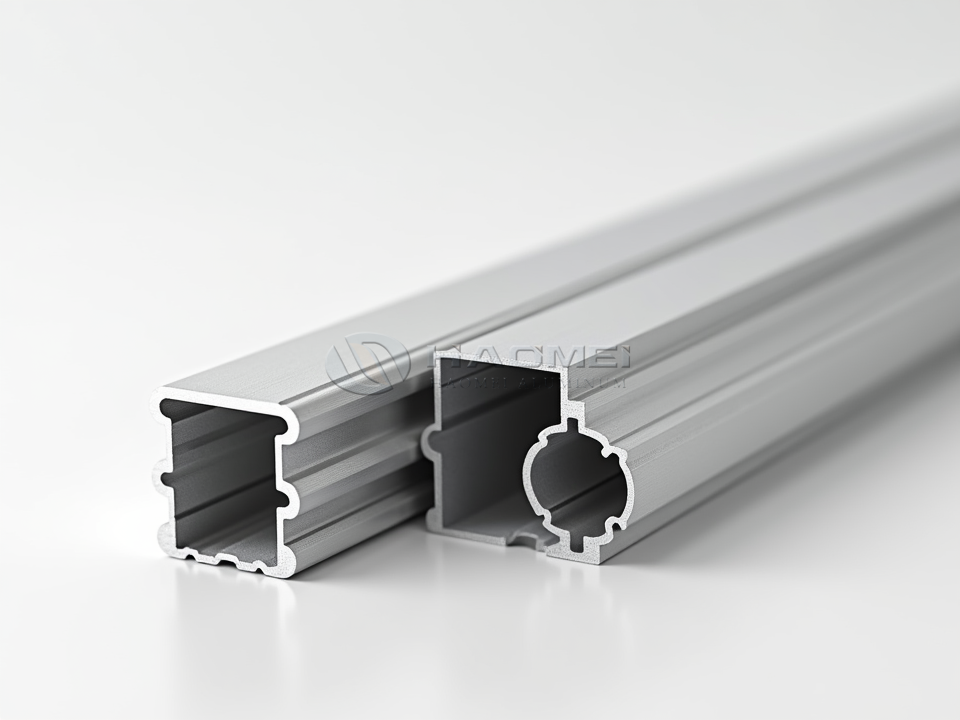
Thermal Performance Built Into the Extrusion
A heat sink works by conducting heat from the equipment mounting surface into a network of fins. The fins expand the exposed area, allowing convection to transfer heat into moving or still air. In coastal environments, wind can improve cooling performance, but salt deposits, humidity, and restricted cabinet airflow may reduce long-term efficiency. For this reason, marine profiles are designed with practical fin spacing and drainage-aware details rather than relying only on maximum fin count.
Common profile configurations include straight-fin sections for compact electrical housings, pin-fin-inspired extrusions for multidirectional airflow, wide-base sections for inverter mounting, and deep-fin designs for high-wattage power electronics. Integral screw channels, T-slots, cable-routing grooves, and reinforced mounting walls can be included directly in the extrusion design, reducing secondary assembly work.
| Performance Feature | Marine Engineering Benefit |
|---|---|
| High aluminum thermal conductivity | Rapid transfer of heat from the device base to cooling fins |
| Extruded fin geometry | Large heat-dissipation area with repeatable dimensions |
| Low density | Reduces dead load on vessel structures and offshore frames |
| Corrosion-resistant alloy selection | Supports long service life in humid, salt-laden atmospheres |
| Integrated mounting channels | Simplifies attachment of modules, covers, fans, and brackets |
| Machinable aluminum substrate | Supports drilling, tapping, cutting, milling, and custom lengths |
| Protective finishing options | Improves resistance to oxidation, salt spray, and cosmetic weathering |
Suitable Aluminum Alloys for Marine Heat Sink Profiles
Alloy choice depends on heat load, mechanical demand, expected salt exposure, finishing method, and production volume. AA 6063 is widely used for complex heat sink extrusion because it produces clean surface quality and intricate fin shapes. AA 6061 is selected where greater strength, more robust mounting regions, or higher mechanical loading is required.
For severe splash zones or installations with constant wetting, corrosion prevention also depends on enclosure design, drainage, gasket integrity, fastener selection, and separation from dissimilar metals. Aluminum profiles should not be treated as isolated components; their service life is influenced by the entire assembled cooling system.
| Chemical Composition, Typical Limits by Weight % | AA 6063 | AA 6061 |
|---|---|---|
| Silicon, Si | 0.20-0.60 | 0.40-0.80 |
| Magnesium, Mg | 0.45-0.90 | 0.80-1.20 |
| Iron, Fe, max. | 0.35 | 0.70 |
| Copper, Cu, max. | 0.10 | 0.15-0.40 |
| Chromium, Cr | 0.10 max. | 0.04-0.35 |
| Manganese, Mn, max. | 0.10 | 0.15 |
| Zinc, Zn, max. | 0.10 | 0.25 |
| Titanium, Ti, max. | 0.10 | 0.15 |
| Aluminum, Al | Balance | Balance |
Chemical values may be adjusted within applicable alloy standards and customer specifications. For demanding engineering projects, material certificates and temper records should be matched to the final drawing and environmental requirement.
Typical Technical Parameters
| Parameter | Typical Range or Option |
|---|---|
| Alloy | 6063, 6061, or project-specified extrudable aluminum alloy |
| Temper | T5, T6, or as agreed for forming and strength requirements |
| Thermal conductivity | Approx. 170-210 W/m·K, depending on alloy and temper |
| Density | Approx. 2.70 g/cm³ |
| Profile width | Custom, commonly 20-400 mm |
| Fin height | Custom, commonly 10-150 mm |
| Fin thickness | Often 0.8-3.0 mm, depending on extrusion feasibility |
| Standard supply length | Commonly 3-6 m, with precision cut lengths available |
| Surface finish | Mill finish, clear anodizing, hard anodizing, powder coating, marine paint system |
| Secondary processing | CNC machining, drilling, tapping, slotting, bending, assembly |
| Corrosion design options | Drain holes, radiused corners, isolation pads, sealed end covers |
Thermal ratings should be verified through the actual installation conditions. Heat load, airflow velocity, ambient temperature, enclosure volume, fin orientation, solar exposure, and contamination all influence final cooling capacity. Computational fluid dynamics analysis or prototype testing is recommended for high-power systems.
Protection Against Salt Spray and Galvanic Corrosion
Marine air contains chlorides that can attack exposed metal surfaces, especially in stagnant wet areas. Aluminum naturally forms an oxide layer, yet this layer benefits from additional protection in coastal and offshore use. Anodizing increases surface hardness and improves resistance to environmental attack. Powder coating or a marine-grade paint system may be specified where color coding, visual consistency, or further barrier protection is needed.
Fastener selection is equally important. Stainless steel fasteners may be used with suitable insulating washers, joint compounds, or non-conductive barriers to limit galvanic interaction. Water-trapping crevices should be avoided. Fin channels should allow rainwater and condensation to drain rather than collecting salt-rich moisture at the heat sink base.
For installations requiring matched structural components, Marine Grade Aluminum Profiles can provide compatible extruded sections for frames, covers, mounting rails, and equipment supports.
Applications Across Coastal and Offshore Systems
Marine aluminum heat sink profiles are used wherever electrical and electronic systems generate heat in exposed or semi-enclosed marine locations. Their low weight makes them especially effective for aluminum vessels, modular offshore skids, floating platforms, and rooftop coastal installations where every kilogram affects handling and structural design.
Typical applications include:
- Variable-frequency drives and motor-control cabinets for pumps, winches, cranes, and conveyors
- LED searchlights, navigation lighting, floodlighting, and marine signal units
- DC-DC converters, shore-power equipment, battery-management systems, and charging stations
- Radar, radio, AIS, satellite communication, and network communication enclosures
- Offshore sensor nodes, data loggers, remote terminal units, and monitoring stations
- Solar inverter housings and coastal renewable-energy control equipment
- Cooling plates for instrument cabinets located on docks, piers, breakwaters, and port facilities
For installations with unusual housing sizes, heavy electronics, or integrated cooling channels, Marine aluminum customized shapes allow the profile cross-section to be developed around the actual thermal and mounting requirements.
Design Notes for Efficient Service Life
The most effective marine heat sink is not always the largest extrusion. Fin spacing must fit the expected airflow. Closely packed fins can provide more surface area, but they may trap salt deposits or restrict natural convection. Vertical fin orientation is often favorable for passive cooling, while forced-air equipment should be designed around fan pressure and airflow direction.
The contact surface between the electronic module and heat sink should be flat, clean, and sized to distribute heat evenly. Thermal interface pads, grease, or phase-change materials may be used to reduce contact resistance. Where the heat sink is mounted outside an enclosure, sealed joints and properly selected gaskets help preserve the enclosure protection rating.
A well-engineered marine aluminum heat sink profile delivers more than temperature reduction. It supports equipment reliability, extends electronic component life, lowers maintenance demands, and helps coastal offshore systems remain stable through long exposure to heat, humidity, vibration, and salt air.

Related Products
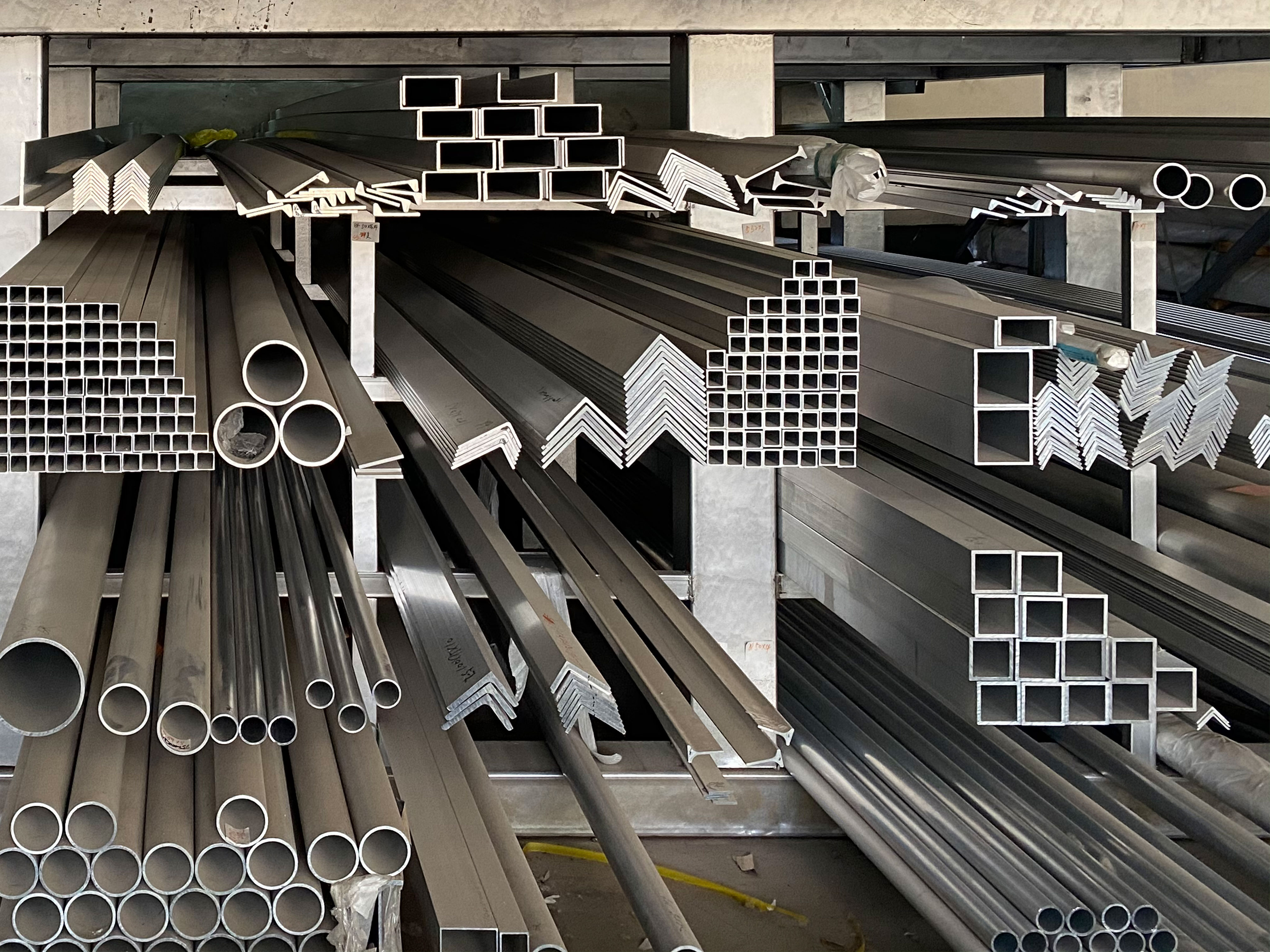
Marine aluminum fencing and railings
Marine Grade Aluminum Fencing and Railings are fabricated using marine-grade aluminum alloys such as 5083, 5052, and 6061, which are engineered specifically for protection against saltwater corrosion and marine atmospheric conditions.
View Details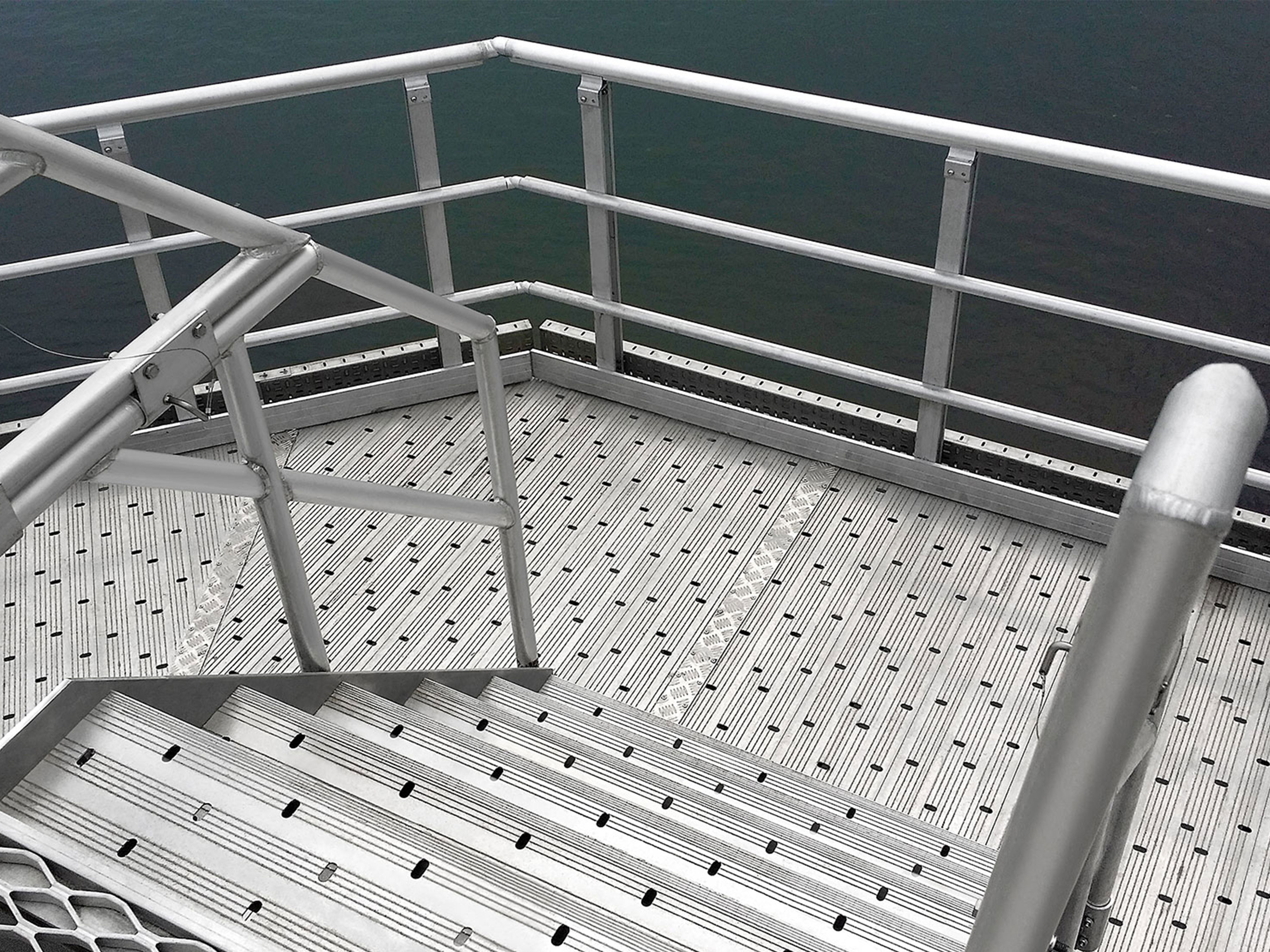
Marine aluminum customized shapes
Marine Grade Aluminum Customized Shapes encompass a broad range of aluminum extrusions and fabrications engineered beyond standard profiles—such as channels, angles, tubes, and beams—into complex, project-specific geometries.
View Details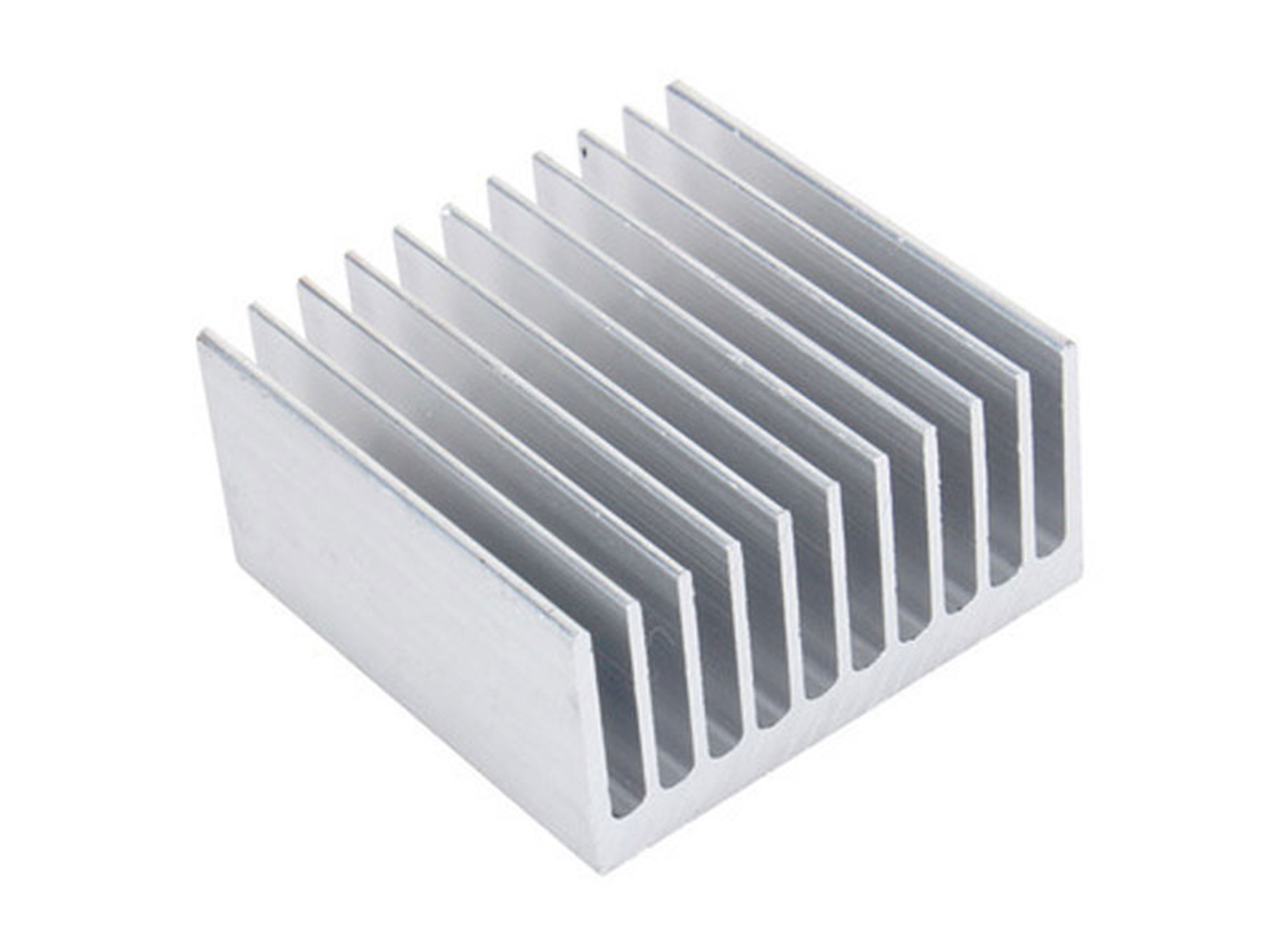
Marine aluminum heat sink profile
Marine Grade Aluminum Heat Sink Profiles utilize alloys such as 6061 and 6063 that not only exhibit high thermal conductivity but also possess excellent corrosion resistance required for saltwater exposure.
View DetailsRelated Blog
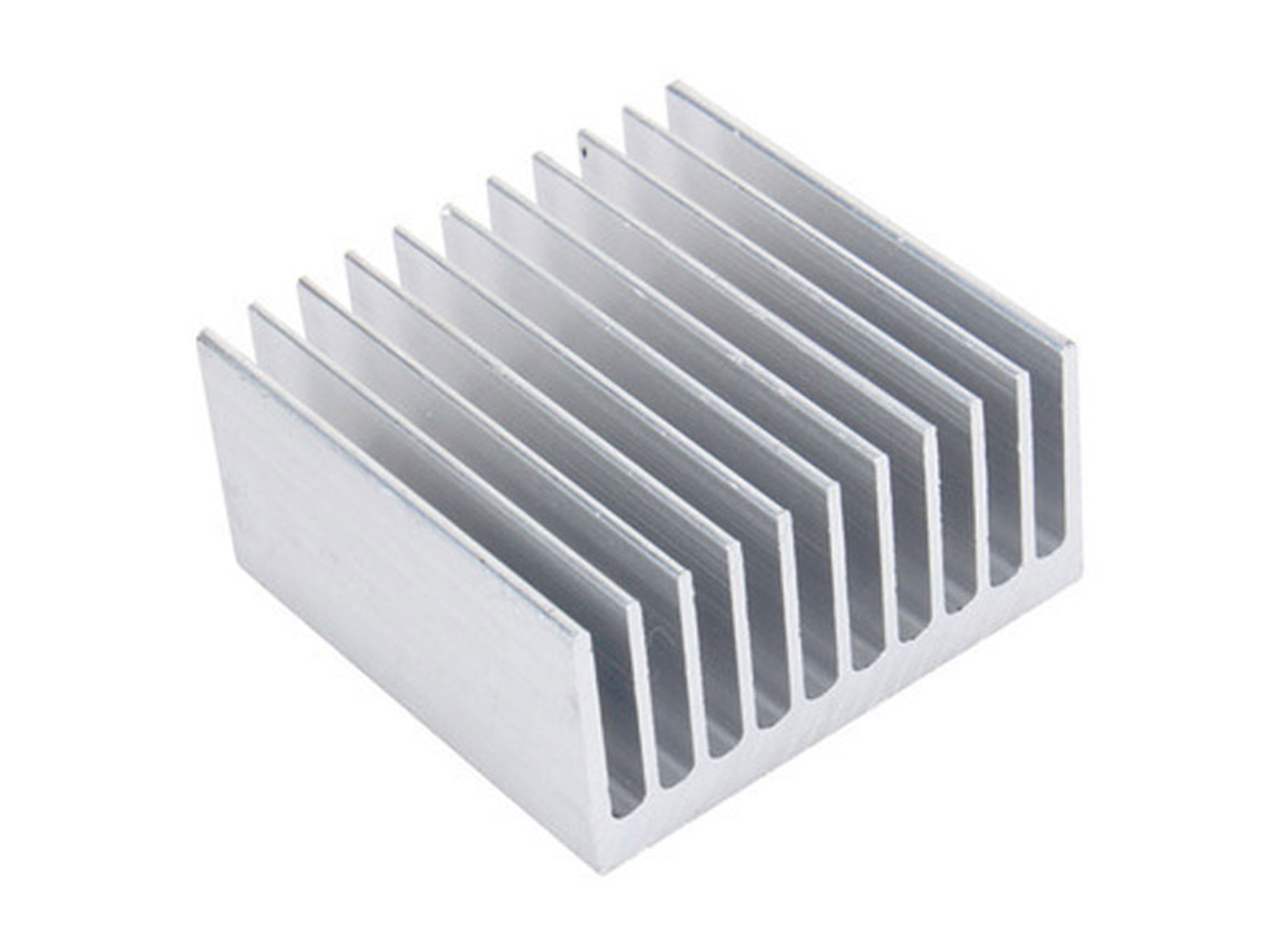
6063 Marine Aluminum Heat Sink Profile for Cooling High Performance Offshore Equipment
6063 Marine Aluminum Heat Sink Profile for Cooling High Performance Offshore EquipmentOffshore equipment rarely fails because it is "underpowered." It fails because heat, salt, vibration.
View Details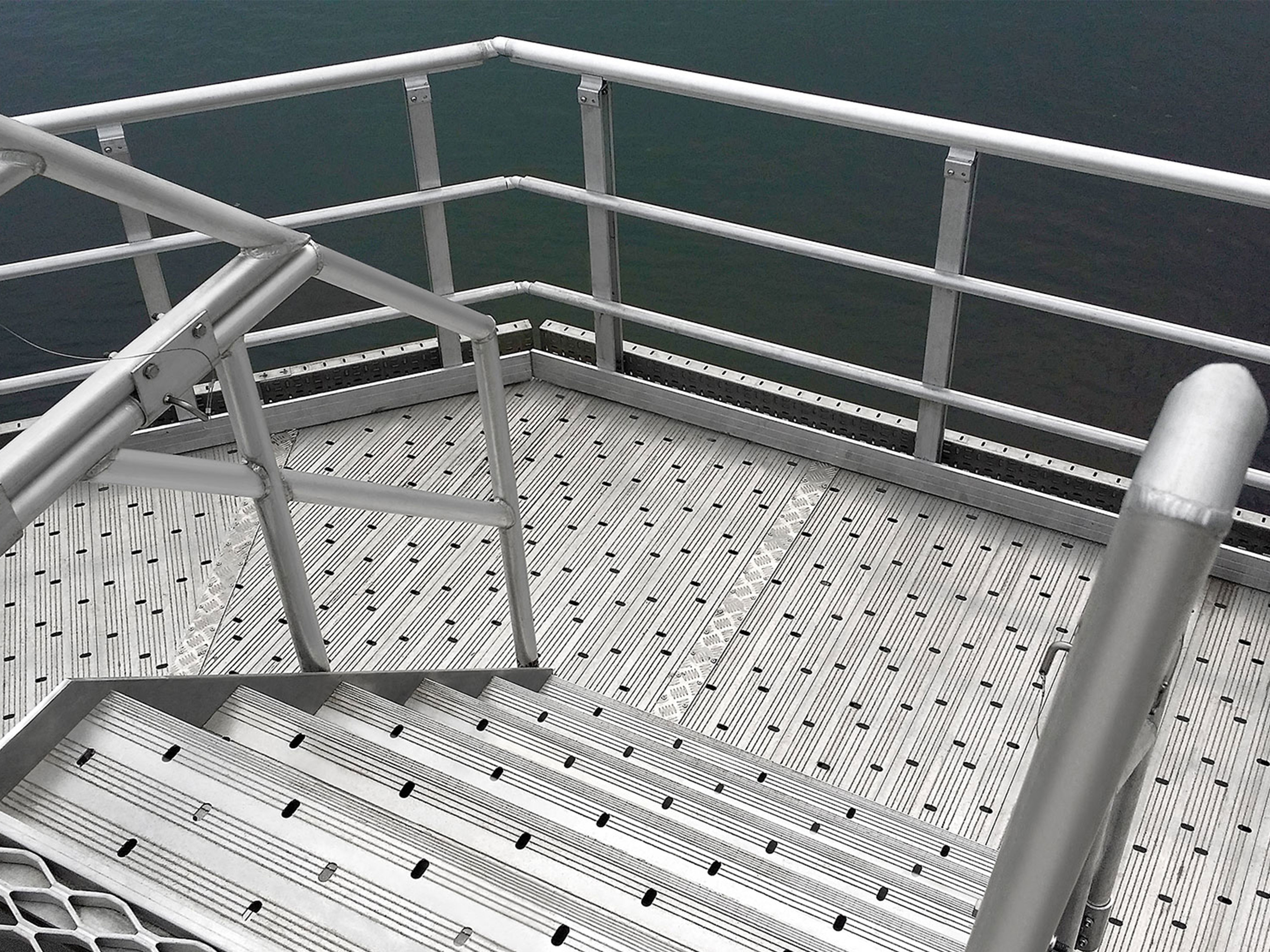
6061 Marine Aluminum Fencing and Railings for Custom Marine Deck Safety Solutions
6061 marine aluminum fencing and railings are a practical, high-strength choice for deck safety systems in saltwater and coastal environments. Built from a heat-treatable Al-Mg-Si alloy, 6061 combines corrosion resistance, structural reliability.
View Details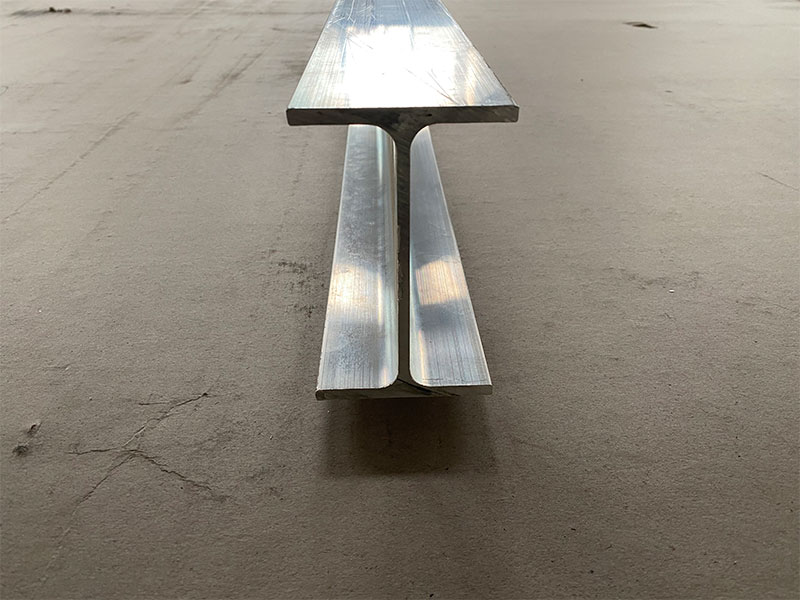
6061 Marine Aluminum Customized Shapes for High Performance Offshore Vessel Design
Explore the advantages of 6061 Marine Aluminum customized shapes engineered for high performance offshore vessel design. detailed specifications, temper conditions, mechanical properties, and corrosion resistance features tailored for marine environments.
View Details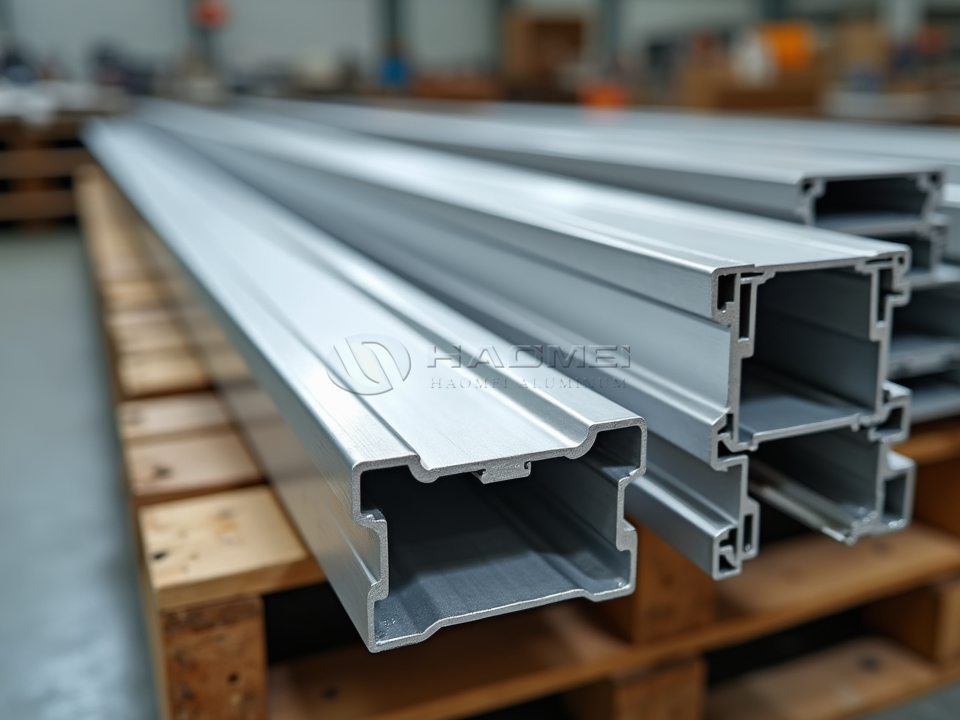
Marine Aluminum Fencing And Railings For Lightweight Boat And Ship Deck Railings
Explore marine aluminum fencing and railings for boat and ship decks, with alloy data, performance specs, installation guidance, and use cases.
View Details
Marine Aluminum Customized Shapes for Marine Engineering Custom Fabrications
High-quality marine aluminum customized shapes tailored for marine engineering custom fabrications. Enhance durability, corrosion resistance, and structural integrity with precision-engineered aluminum solutions designed specifically for maritime applicat
View Details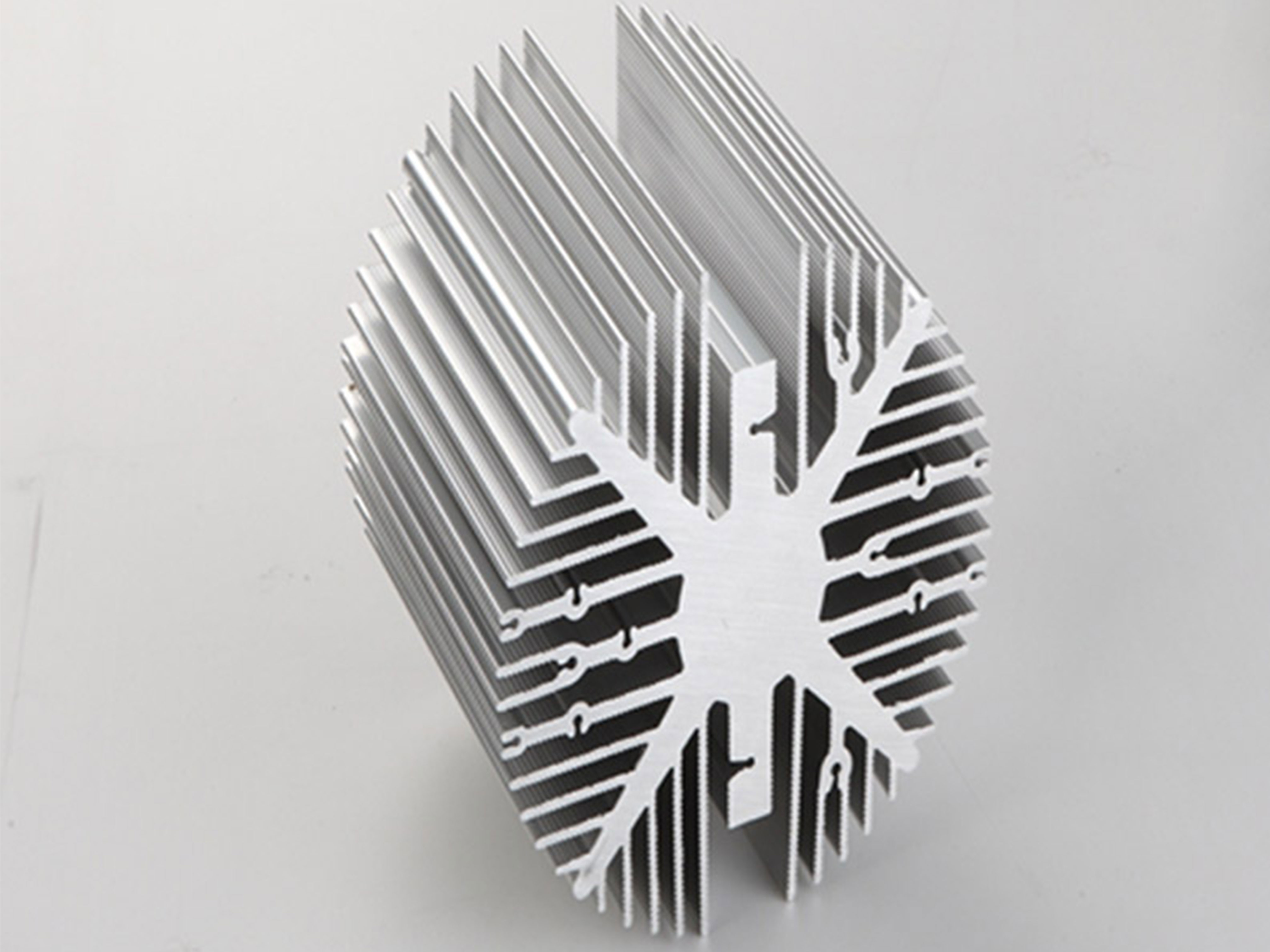
6061 Marine Aluminum Heat Sink Profile for Coastal Ship Electronics Cooling
Coastal vessels run electronics in some of the harshest everyday environments: salt-laden air, high humidity, frequent temperature swings, and continuous vibration.
View Details
Leave a Message