
Marine Aluminum Elbow for Water Cooling Systems on Offshore Platforms
Offshore cooling circuits operate in one of the most demanding environments for pipe fittings: salt spray, humid air, vibration, cyclic pressure, and often chlorinated seawater. A marine aluminum elbow provides a lightweight, corrosion-resistant directional fitting for cooling-water piping where system design, alloy selection, and electrical isolation are properly controlled.
Designed for 45-degree, 90-degree, or custom-angle routing, these elbows help engineers build compact cooling networks around generators, heat exchangers, hydraulic power units, compressors, HVAC skids, and auxiliary machinery. Compared with heavier steel fittings, aluminum elbows reduce supported pipe weight and simplify handling in constrained platform modules.
Product Characteristics
Marine aluminum elbows are commonly fabricated from 5xxx-series aluminum-magnesium alloys, especially 5083 and 5086, for wet marine environments. These alloys develop a stable oxide film and offer strong resistance to atmospheric corrosion and seawater exposure when galvanic coupling, stagnant zones, and unsuitable water chemistry are avoided.
The elbow may be supplied as a seamless formed fitting, a welded fabricated bend, or a machined connection component. Long-radius bends are generally preferred for cooling-water service because they reduce turbulence, pressure loss, and localized erosion. Short-radius elbows are useful where installation space is limited, provided the hydraulic design allows for the higher flow disturbance.
| Feature | Customer Value |
|---|---|
| Low density | Reduces pipe-support load, lifting effort, and platform topside weight |
| Marine-grade 5xxx alloy options | Supports corrosion resistance in salt-laden offshore conditions |
| Smooth internal flow path | Helps limit head loss, turbulence, and erosion at directional changes |
| Weldable construction | Enables integration into fabricated aluminum piping spools |
| Custom geometry | Accommodates tight skid layouts, nonstandard offsets, and special connection details |
| Surface treatment options | Provides additional protection for atmospheric exposure and splash-zone conditions |
Recommended Materials for Offshore Cooling Duty
For seawater-facing or exposed cooling loops, 5083 and 5086 are widely selected because of their magnesium-based chemistry, weldability, and corrosion performance. For closed-loop fresh-water or glycol systems, 6061-T6 may also be considered where higher strength or machined flange features are required. Material selection should always reflect fluid chemistry, temperature, velocity, operating pressure, joining method, and adjacent metals.
| Alloy | Typical Temper | Suitable Cooling Service | Practical Notes |
|---|---|---|---|
| 5083 | H111, H112 | Seawater, brackish water, chilled water | Strong marine corrosion resistance and good welded performance |
| 5086 | H111, H116 | Seawater and exposed offshore piping | Good resistance to marine atmosphere and saltwater exposure |
| 5052 | H32 | Low-to-medium pressure closed loops | Useful for formed components and moderate-duty applications |
| 6061 | T6 | Fresh water, glycol, treated closed loops | High strength, but requires careful corrosion and galvanic-control planning in seawater systems |
For associated straight sections, engineers can specify Marine Grade Aluminum Tubing matched to the elbow alloy, wall thickness, and welding procedure. Material compatibility between elbows and pipes supports more predictable weld behavior and corrosion performance.
Typical Chemical Composition
The following ranges represent common composition limits for 5083 aluminum alloy. Final chemistry must comply with the applicable material standard and mill certification requirements.
| Element | 5083 Typical Range, wt.% | Function in the Alloy |
|---|---|---|
| Magnesium, Mg | 4.0-4.9 | Improves strength and marine corrosion resistance |
| Manganese, Mn | 0.4-1.0 | Supports strength and grain structure control |
| Chromium, Cr | 0.05-0.25 | Enhances resistance to stress-corrosion effects |
| Iron, Fe | 0.40 max | Controlled impurity element |
| Silicon, Si | 0.40 max | Controlled impurity element |
| Copper, Cu | 0.10 max | Kept low for marine corrosion performance |
| Zinc, Zn | 0.25 max | Controlled residual element |
| Aluminum, Al | Balance | Base metal |
Technical Specifications
Dimensions can be manufactured to project drawings or aligned with common piping practices. Actual pressure ratings depend on diameter, wall thickness, alloy temper, design code, joining configuration, corrosion allowance, and operating temperature.
| Parameter | Typical Supply Range | Project Consideration |
|---|---|---|
| Elbow angle | 45 degrees, 90 degrees, custom | Select angle based on routing and allowable pressure loss |
| Nominal outside diameter | 20 mm to 300 mm | Larger sizes available by fabrication agreement |
| Wall thickness | 2 mm to 15 mm | Determined by pressure design and welding allowance |
| Bend radius | 1D to 3D or custom | Long-radius bends improve hydraulic efficiency |
| Connection end | Plain end, beveled end, flange-ready, machined end | Match the site welding and installation method |
| Operating temperature | -40°C to 80°C typical | Confirm limits for fluid, gasket, coating, and design code |
| Surface finish | Mill finish, brushed, anodized, coated | Choose according to atmospheric and splash exposure |
| Inspection options | Dimensional check, PMI, visual weld inspection, NDT | Documentation can be tailored to offshore project requirements |
Mechanical Performance
Mechanical values vary with alloy, temper, wall thickness, and fabrication route. The figures shown are typical reference values for 5083-H111 material and should not replace certified test data.
| Property | Typical 5083-H111 Value | Relevance to Cooling Piping |
|---|---|---|
| Tensile strength | 270-350 MPa | Resists handling loads and operating stresses |
| Yield strength | 125-200 MPa | Supports pressure-containing design calculations |
| Elongation | 12-20% | Helps accommodate forming and localized strain |
| Density | 2.66 g/cm³ | Approximately one-third the weight of steel |
| Thermal conductivity | Approximately 117 W/m·K | Supports effective heat transfer through pipe walls |
| Elastic modulus | Approximately 70 GPa | Important for support spacing and vibration assessment |
Cooling-System Applications
Marine aluminum elbows are suitable for carefully engineered low-to-medium pressure cooling circuits across offshore facilities. Their value is especially strong where modular construction and weight reduction influence project cost and installation time.
| Application Area | Elbow Function | Benefit |
|---|---|---|
| Generator cooling skids | Routes jacket-water or treated cooling lines around equipment | Compact routing with lower structural load |
| HVAC chilled-water systems | Connects air-handling units, pumps, and chilled-water headers | Corrosion-resistant solution for enclosed or semi-exposed areas |
| Heat-exchanger packages | Directs cooling media into exchanger nozzles | Smooth bends help maintain stable flow |
| Firewater auxiliary circuits | Supports non-primary, design-approved piping branches | Lightweight installation in congested modules |
| Hydraulic power units | Connects oil-cooler water loops | Helps simplify fabricated skid piping |
| Desalination support equipment | Routes treated water or compatible cooling media | Suitable for corrosion-conscious support systems |
Where a standard right-angle fitting is appropriate, the 6061-T6 90-Degree Marine Aluminum Pipe Elbow can be considered for closed-loop fresh-water or glycol cooling assemblies.
Corrosion Control and Installation Practice
Aluminum fittings perform best when the complete piping system is designed as an integrated corrosion-control package. Direct contact with copper alloys, carbon steel, stainless steel, or other dissimilar metals can create galvanic corrosion in the presence of conductive seawater. Non-conductive gaskets, isolation sleeves, compatible fasteners, protective coatings, and controlled electrical bonding practices should be evaluated during design.
Avoid stagnant seawater pockets and sharp internal burrs. Maintain fluid velocities within the limits established by the system engineer, because excessive velocity, entrained solids, or aggressive chlorination can accelerate erosion-corrosion. Drainable routing, accessible inspection points, and properly designed pipe supports further improve operating reliability.
Customer Benefits
A properly specified marine aluminum elbow delivers more than a change in flow direction. It supports lighter offshore modules, faster spool handling, corrosion-conscious cooling layouts, and flexible fabrication around complex equipment. With alloy selection matched to water quality and service conditions, these fittings provide a practical solution for offshore cooling networks that demand low weight, dependable weldability, and durable marine performance.

Related Products
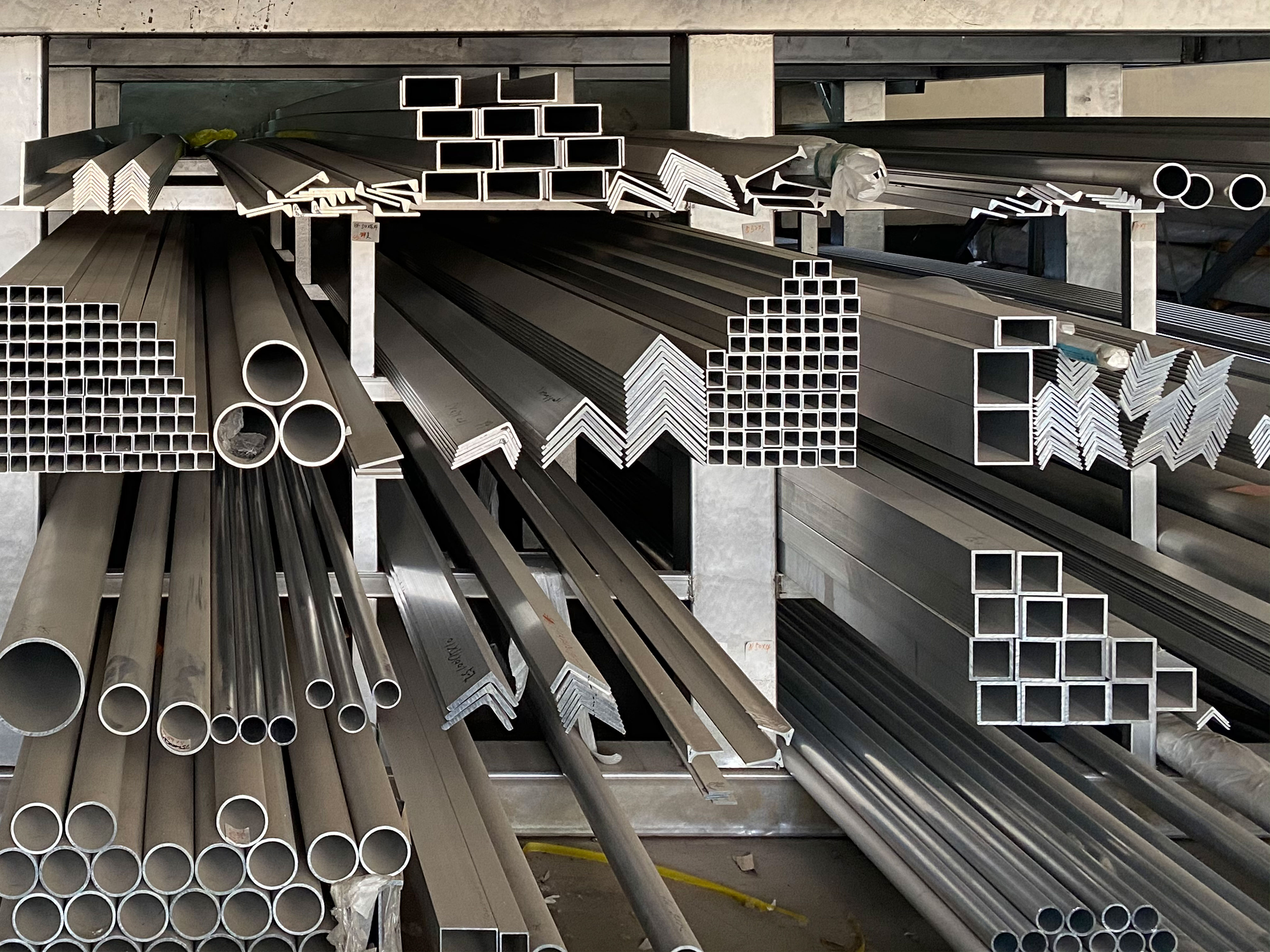
Custom marine aluminum profile tubes
Custom Marine Grade Aluminum Profile Tubes are manufactured from premium marine aluminum alloys such as 5083, 5052, 6061, and 6082.
View Details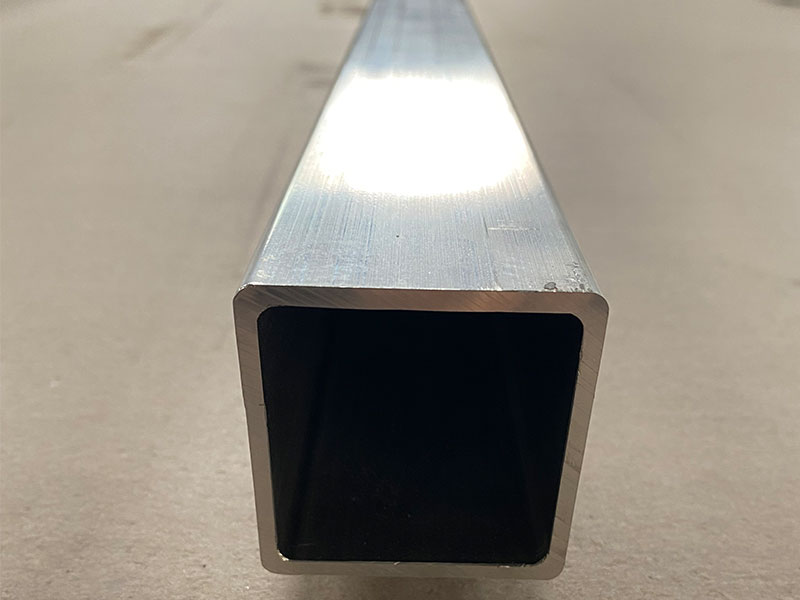
Marine aluminum square tubes
Marine Grade Aluminum Square Tubes are typically constructed from marine-grade alloys such as 5083, 5052, 6061, and 6082—well-known for their ability to withstand the aggressive effects of saltwater and marine atmospheres.
View Details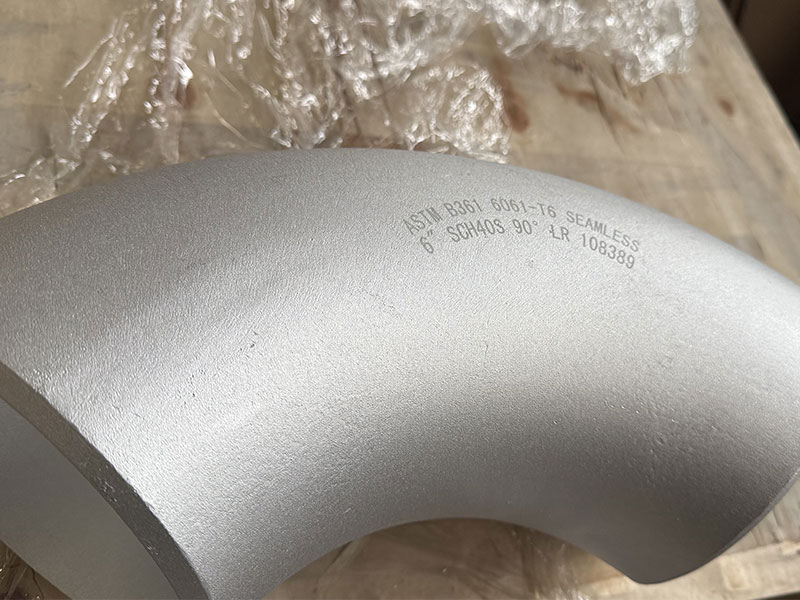
6061-T6 90-Degree Marine Aluminum Pipe Elbow
Manufactured from premium 6061-T6 marine-grade aluminum alloy, this elbow fitting is engineered to provide reliable and efficient pipe direction changes within shipbuilding, offshore platforms, and marine infrastructure systems.
View Details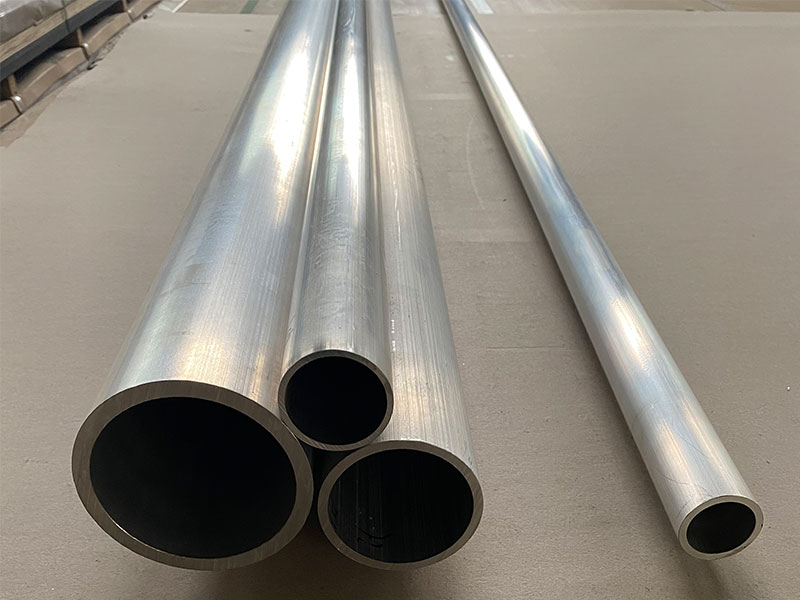
Marine aluminum round tubes
Marine Grade Aluminum Round Tubes are manufactured from premium marine alloys such as 5083, 5052, 6061, and 6082, all selected for their proven resistance to seawater corrosion and marine atmosphere degradation.
View Details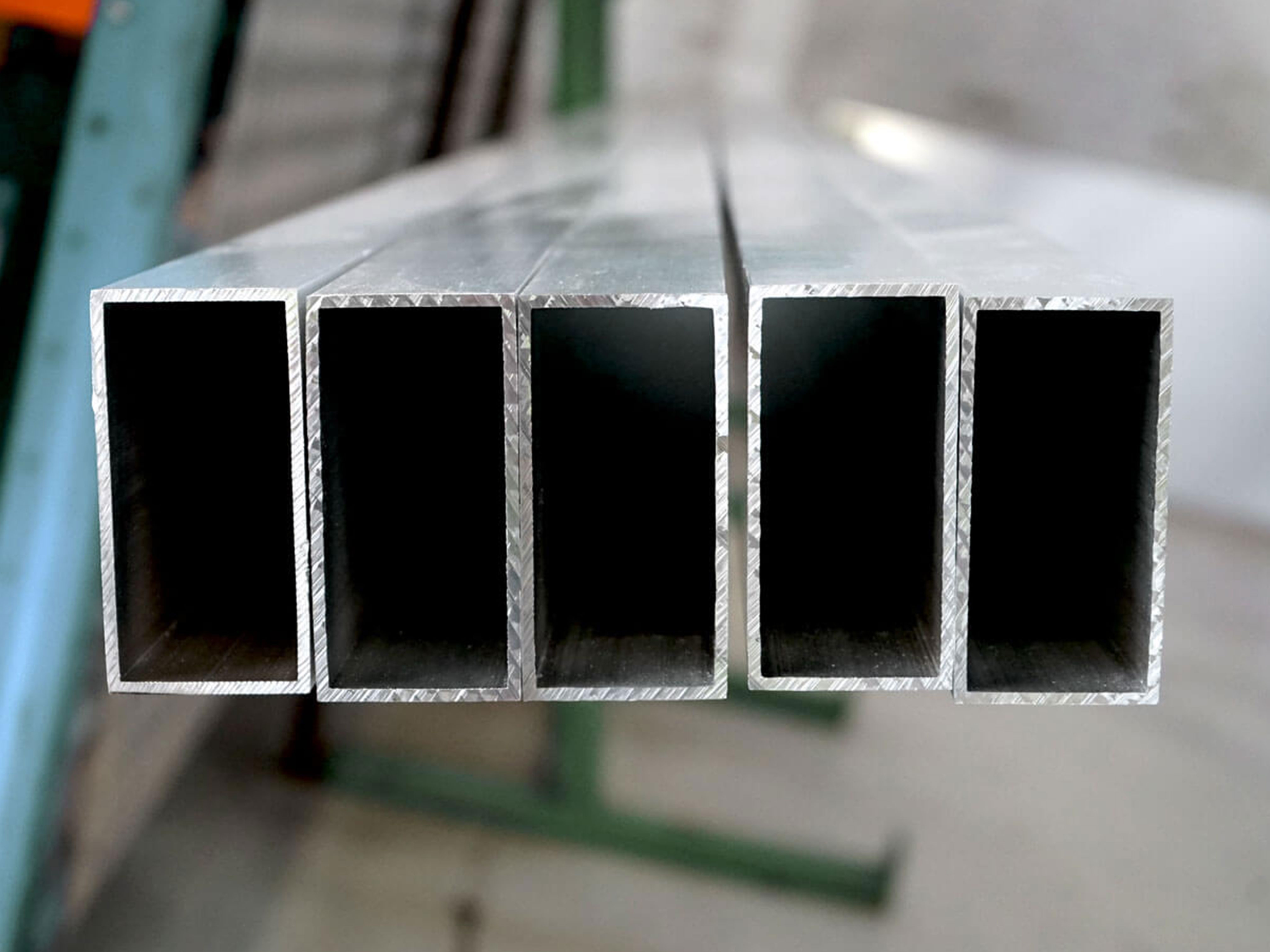
Marine aluminum rectangular tubes
Marine Grade Aluminum Rectangular Tubes are made from high-performance alloys such as 5083, 5052, 6061, and 6082. These alloys are renowned for their ability to resist corrosive seawater and marine atmospheres while providing excellent mechanical strength and toughness.
View DetailsRelated Blog
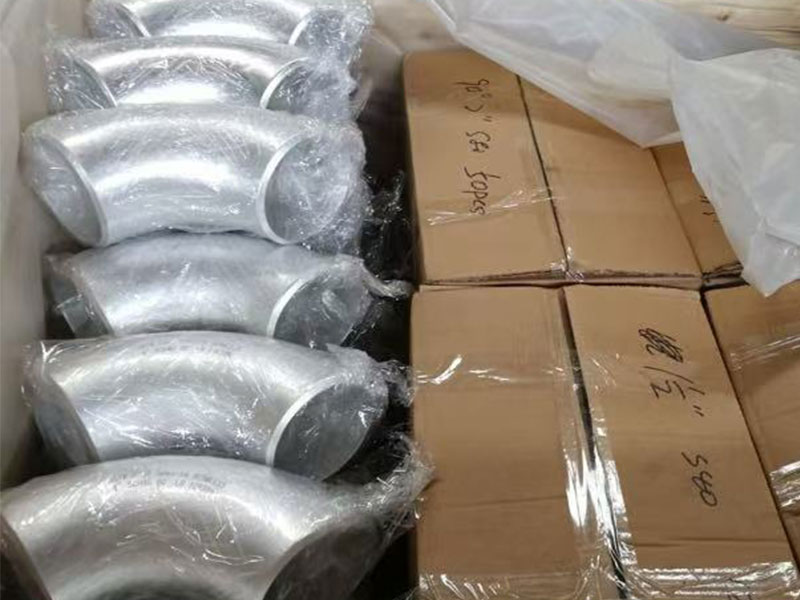
3D Marine Aluminum Pipe Elbow for Offshore Pipelines
The 3D marine aluminum pipe elbow is a critical component for modern offshore and subsea pipelines. Designed with a smooth, long-radius 3D bend (centerline radius ≈ 3 × pipe diameter), it ensures gentle flow direction changes, reduced pressure loss, a.
View Details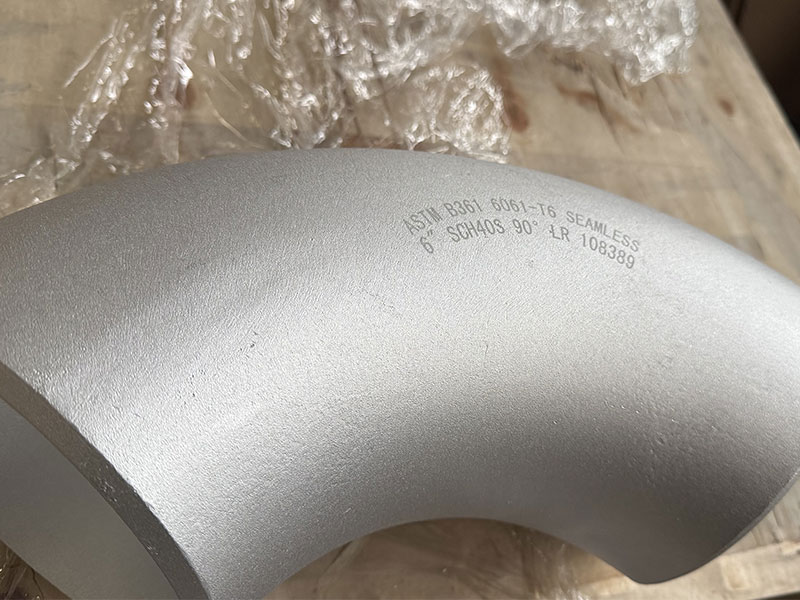
Aluminum Elbow for Ship Hot Water and Heating Systems
High-performance Aluminum Elbow designed for ship hot water and heating systems. Featuring optimal corrosion resistance, precise alloy specifications, and industry-standard tempering, this marine-grade fitting ensures durability and superior heat conducti
View Details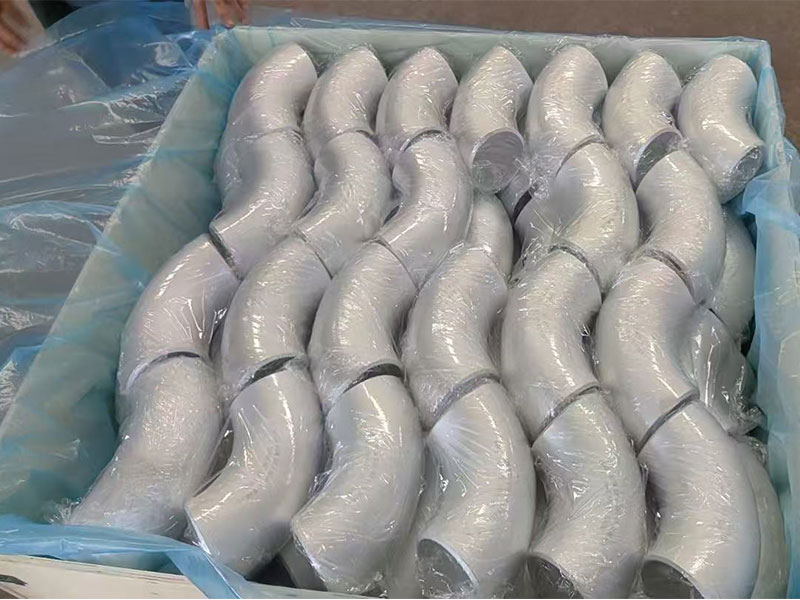
High Quality Marine Aluminum Elbow for Boat Exhausts
High Quality Marine Aluminum Elbow for Boat Exhausts: Functions, Applications and Technical Insight Marine exhaust systems work in one of the harshest environments on a vessel.
View Details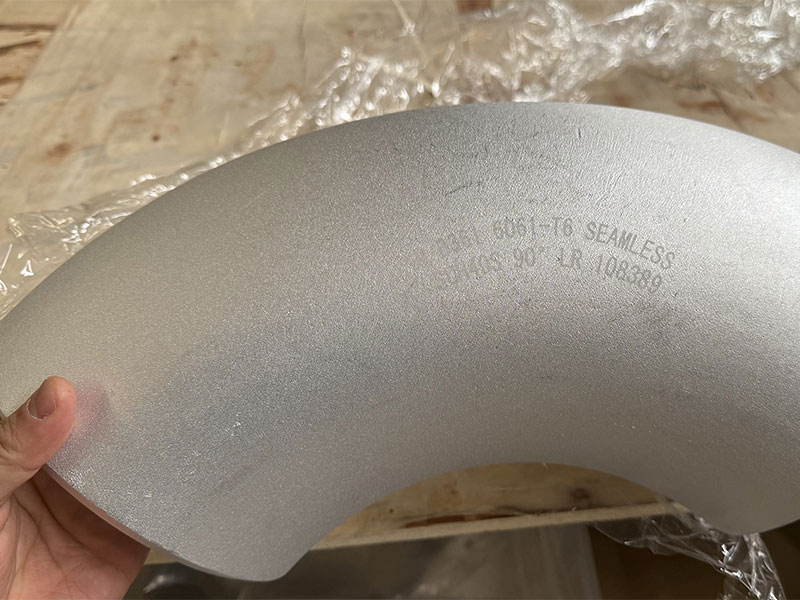
Marine Aluminum Elbow for Exhaust Ventilation Systems
Marine aluminum elbows are precision-formed duct components designed specifically for exhaust and ventilation systems aboard commercial ships, yachts, offshore platforms, and other marine environments.
View Details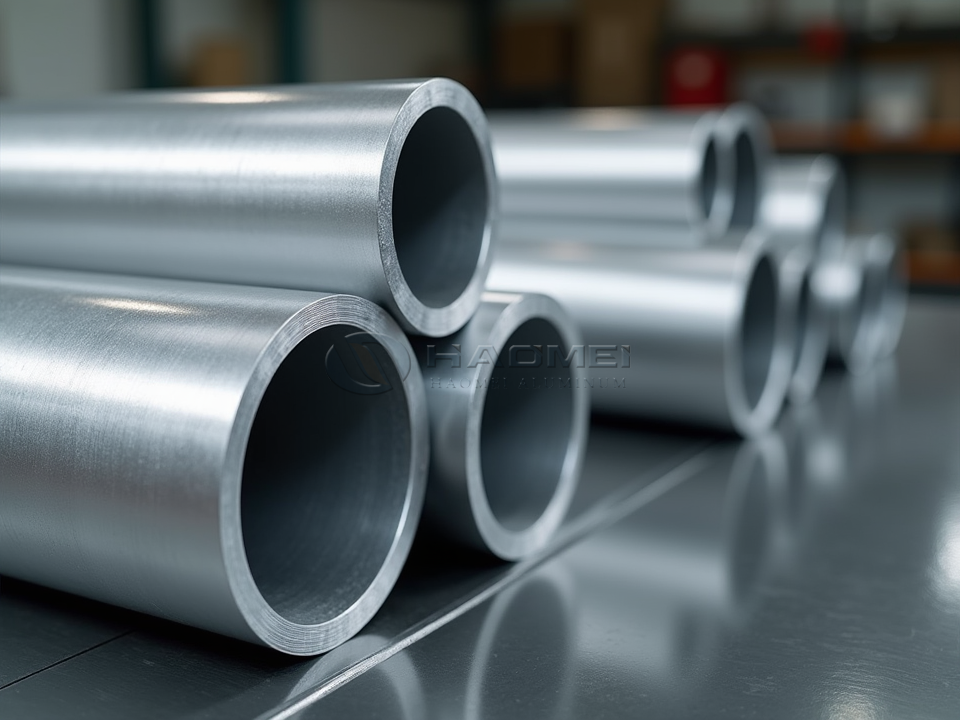
Marine Aluminum Pipe Elbow for Offshore Power and Fluid Piping
Technical guide to marine aluminum pipe elbows for offshore power and fluid piping, covering alloys, standards, uses, and specifications.
View Details
Marine Aluminum Elbow for Fuel Line and Power System Piping on Vessels
Marine aluminum elbow for vessel fuel, cooling, and power piping, with alloy data, pressure ranges, corrosion benefits, and fabrication guidance for yards.
View Details
Leave a Message