
5052 Marine Aluminum Customized Shapes
5052 marine aluminum customized shapes are often selected for parts that must bend, absorb vibration, resist seawater exposure, and maintain a clean finish over time. Rather than treating aluminum as a simple substitute for steel, marine fabricators use 5052 as a responsive material: it can be cut, formed, welded, rolled, and machined into components that follow the real geometry of a hull, deck, cabin, dock, or onboard system.
The practical value of 5052 lies in its magnesium-rich composition. It has strong corrosion resistance in marine atmospheres and coastal environments, while remaining more formable than many higher-strength aluminum alloys. This balance makes it suitable for custom channels, folded brackets, splash guards, deck edging, hatch surrounds, reinforcement plates, curved trim, equipment housings, and protective rub rail components.
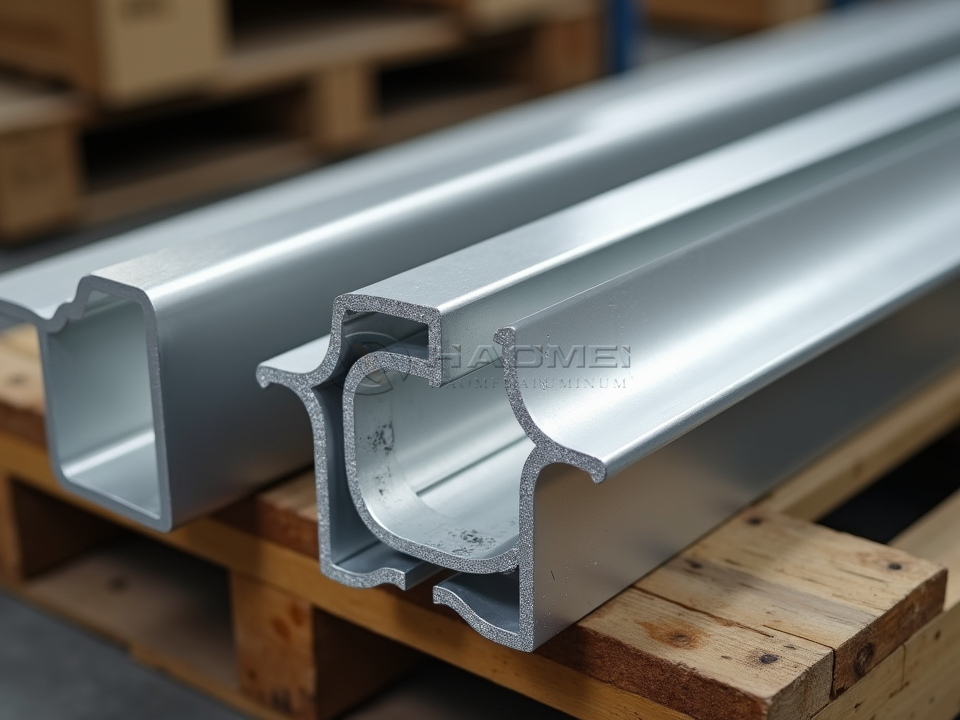
A useful way to evaluate 5052 is to start with the finished part, not the raw sheet. A narrow U-channel may require a softer temper for tight bends. A flat reinforcement panel may need greater hardness to resist deformation. A curved guard or handrail base may need controlled springback and a consistent grain direction. The material choice, temper, thickness, bend radius, and welding plan should work together from the beginning.
Why 5052 Performs Well in Marine Shapes
5052 belongs to the 5xxx aluminum-magnesium alloy family. Magnesium improves strength and helps create a stable oxide layer that protects the surface from normal atmospheric and seawater-related corrosion. It is non-heat-treatable, meaning its strength is developed mainly through strain hardening rather than solution heat treatment and artificial aging.
For marine fabrication, this creates a practical advantage. Custom parts can be made through press braking, rolling, deep drawing, stamping, laser cutting, waterjet cutting, CNC machining, and welding. Compared with more rigid alloys, 5052 generally handles forming operations with less cracking risk when the correct temper and bend radius are selected.
It is important to distinguish formed custom shapes from complex extruded profiles. Although 5052 can be supplied in certain extruded forms, it is more commonly used for sheet-, plate-, and coil-based fabrication. Complex hollow or highly detailed extrusion sections are often better suited to 6xxx-series alloys. For vessel components requiring corrosion resistance plus folded or curved geometry, Marine aluminum customized shapes made from 5052 offer an efficient solution.
Chemical Properties of 5052 Aluminum Alloy
The chemical composition of 5052 is controlled to provide corrosion resistance, weldability, and dependable forming behavior. Values may vary slightly according to the governing standard and mill certificate.
| Element | Typical Specification Range, % by Weight |
|---|---|
| Magnesium, Mg | 2.2-2.8 |
| Chromium, Cr | 0.15-0.35 |
| Iron, Fe | 0.40 max |
| Silicon, Si | 0.25 max |
| Copper, Cu | 0.10 max |
| Manganese, Mn | 0.10 max |
| Zinc, Zn | 0.10 max |
| Titanium, Ti | 0.15 max |
| Aluminum, Al | Balance |
The moderate magnesium level gives 5052 better saltwater resistance than general-purpose aluminum grades with lower corrosion performance. Chromium supports grain structure stability and helps improve resistance to stress-corrosion effects in suitable service conditions.
Common Tempers and Their Marine Uses
Temper selection has a direct effect on how a customized shape can be fabricated. A stronger temper is not automatically the better marine choice. The best condition depends on whether the part is primarily structural, decorative, impact-resistant, or heavily formed.
| Temper | Condition | Typical Marine Application |
|---|---|---|
| O | Fully annealed, soft | Deep-drawn parts, tightly curved panels, complex formed covers |
| H32 | Strain hardened and stabilized | Deck components, brackets, panels, folded channels, trim |
| H34 | Higher strain hardening level | Stiffer covers, side panels, guards, moderate-forming parts |
| H36 | High hardness condition | Flat or lightly formed reinforcement sections |
| H38 | Full-hard condition | Rigid panels where little or no forming is required |
| H111 | Slightly strain hardened | General marine sheet fabrication and welded components |
| H112 | As fabricated | Plate or shaped products with mechanical properties set by processing |
H32 is widely used for 5052 marine aluminum customized shapes because it offers a practical middle ground between strength and formability. For sharply folded angles or rolled curves, O temper or H32 may be preferable. For a stiff panel with limited bending, H34 or H36 may be considered.
Welding locally reduces the strain-hardened strength near the weld zone. Designers should account for this when specifying a welded custom shape. Proper joint design, reinforcement placement, and compatible filler wire are often more important than selecting the highest initial temper.
Typical Parameters for Customized Marine Parts
5052 can be supplied as sheet, coil, strip, plate, cut blanks, or fabricated sections. Final dimensions depend on the part geometry and production method.
| Parameter | Common Range or Condition |
|---|---|
| Thickness | 0.5-6.0 mm for sheet and formed parts; thicker plate available for structural items |
| Width | Custom slit widths; standard sheet widths commonly up to 2,000 mm or more |
| Length | Cut-to-length, nesting blanks, coil-fed production, or project-based dimensions |
| Surface | Mill finish, brushed, polished, anodized, powder coated, or protective film |
| Fabrication | Cutting, punching, bending, rolling, welding, machining, deburring |
| Density | Approximately 2.68 g/cm³ |
| Melting range | Approximately 605-650°C |
| Electrical conductivity | Approximately 35% IACS |
| Thermal conductivity | Approximately 138 W/m·K |
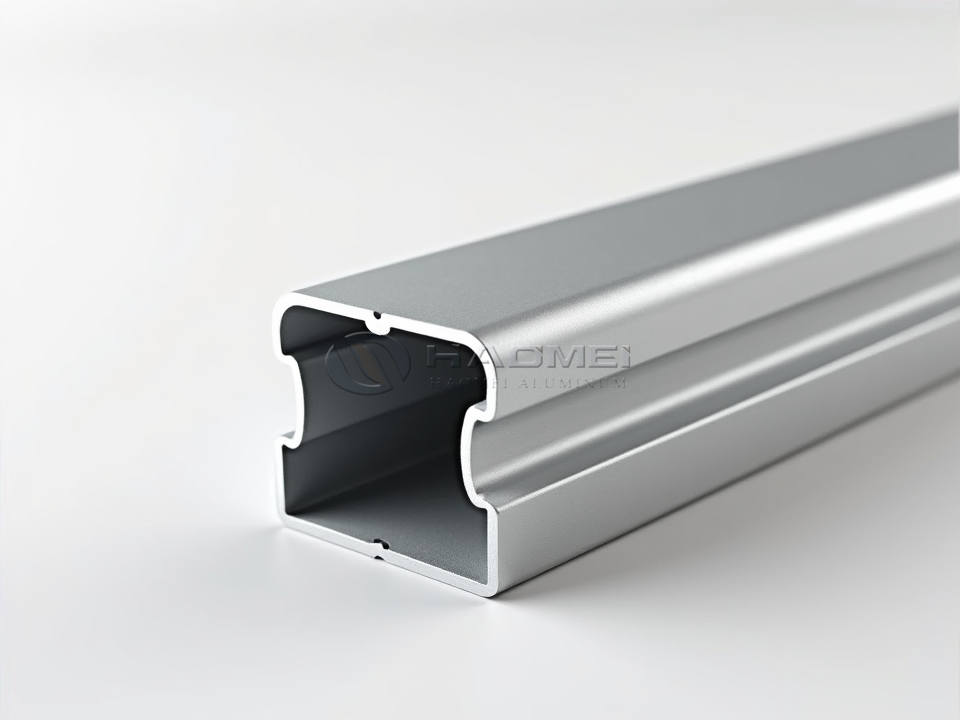
Surface treatment should be chosen according to the component's location. Interior cabin panels may use a brushed or powder-coated finish. Exposed external parts can benefit from anodizing or a marine-grade coating system, particularly where appearance retention matters. Where aluminum contacts stainless steel, copper-bearing metals, or carbon steel, electrical isolation is recommended to reduce galvanic corrosion risk.
Implementation Standards and Quality Control
Material for 5052 marine applications is commonly produced and inspected according to internationally recognized aluminum standards. The applicable standard depends on product form, destination market, and project requirements.
| Standard | Typical Scope |
|---|---|
| ASTM B209 | Aluminum and aluminum-alloy sheet and plate |
| ASTM B221 | Aluminum-alloy extruded bars, rods, wire, profiles, and tubes |
| EN 573 | Aluminum alloy chemical composition and designation system |
| EN 485 | Tolerances and mechanical properties for sheet, strip, and plate |
| EN 755 | Extruded aluminum bars, tubes, and profiles |
| ISO 6361 | Wrought aluminum sheet, strip, and plate requirements |
| ASTM B928 | Marine service aluminum-alloy plate, where applicable |
For commercial vessels, workboats, offshore equipment, and classed marine structures, project specifications may also require third-party documentation or approval from organizations such as ABS, DNV, Lloyd's Register, or Bureau Veritas. Certification requirements should be confirmed before material production, especially when traceability, ultrasonic testing, mechanical testing, or mill test certificates are required.
Fabrication Details That Protect Service Life
The strongest custom shape is often the one designed to avoid unnecessary stress concentration. Internal bend radii should match the selected temper and thickness. Sharp inside corners can promote cracking during forming, while over-bending can create excessive springback correction. Grain direction should also be considered for narrow bends and elongated formed panels.
For welded 5052 parts, 5356 and 5183 filler alloys are commonly considered for marine work, subject to the joint design and service conditions. Clean preparation is essential. Oil, moisture, oxide buildup, and embedded steel contamination can reduce weld quality and create corrosion concerns later.
Custom sections such as window surrounds, hatch frames, gunwale covers, deck interfaces, and railing bases often benefit from combining 5052 formed pieces with Marine Grade Aluminum Profiles. This approach allows the fabricated sheet component to provide corrosion-resistant geometry while the profile supplies a continuous edge, rail, or mounting interface.
5052 marine aluminum customized shapes deliver their best value when the alloy is specified as part of a complete fabrication plan. With the right temper, dimensional tolerance, surface condition, corrosion isolation, and welding procedure, 5052 becomes more than a sheet material. It becomes a durable marine component shaped around the vessel's actual working environment.

Related Products
Marine aluminum fencing and railings
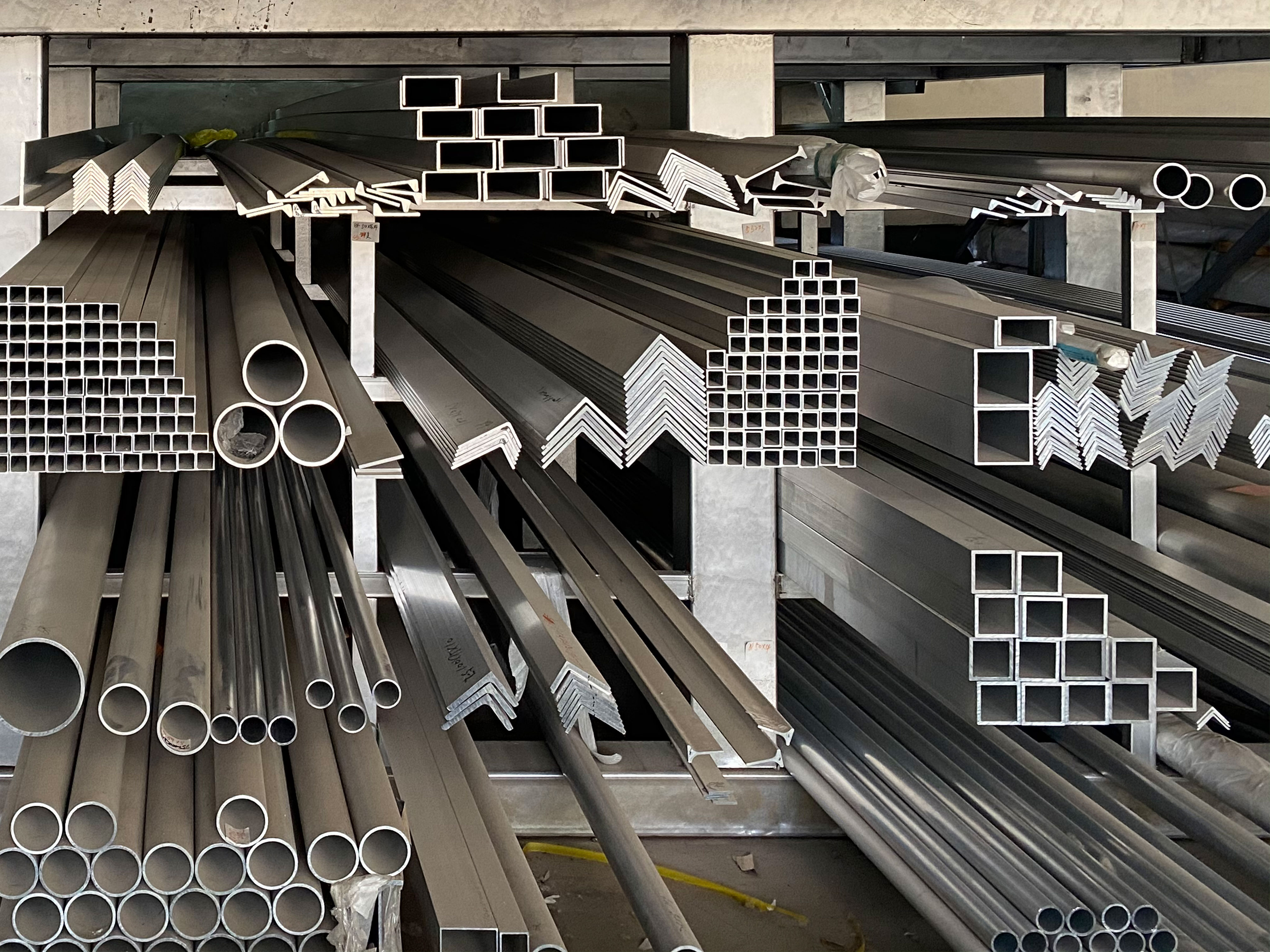
Marine Grade Aluminum Fencing and Railings are fabricated using marine-grade aluminum alloys such as 5083, 5052, and 6061, which are engineered specifically for protection against saltwater corrosion and marine atmospheric conditions.
View Details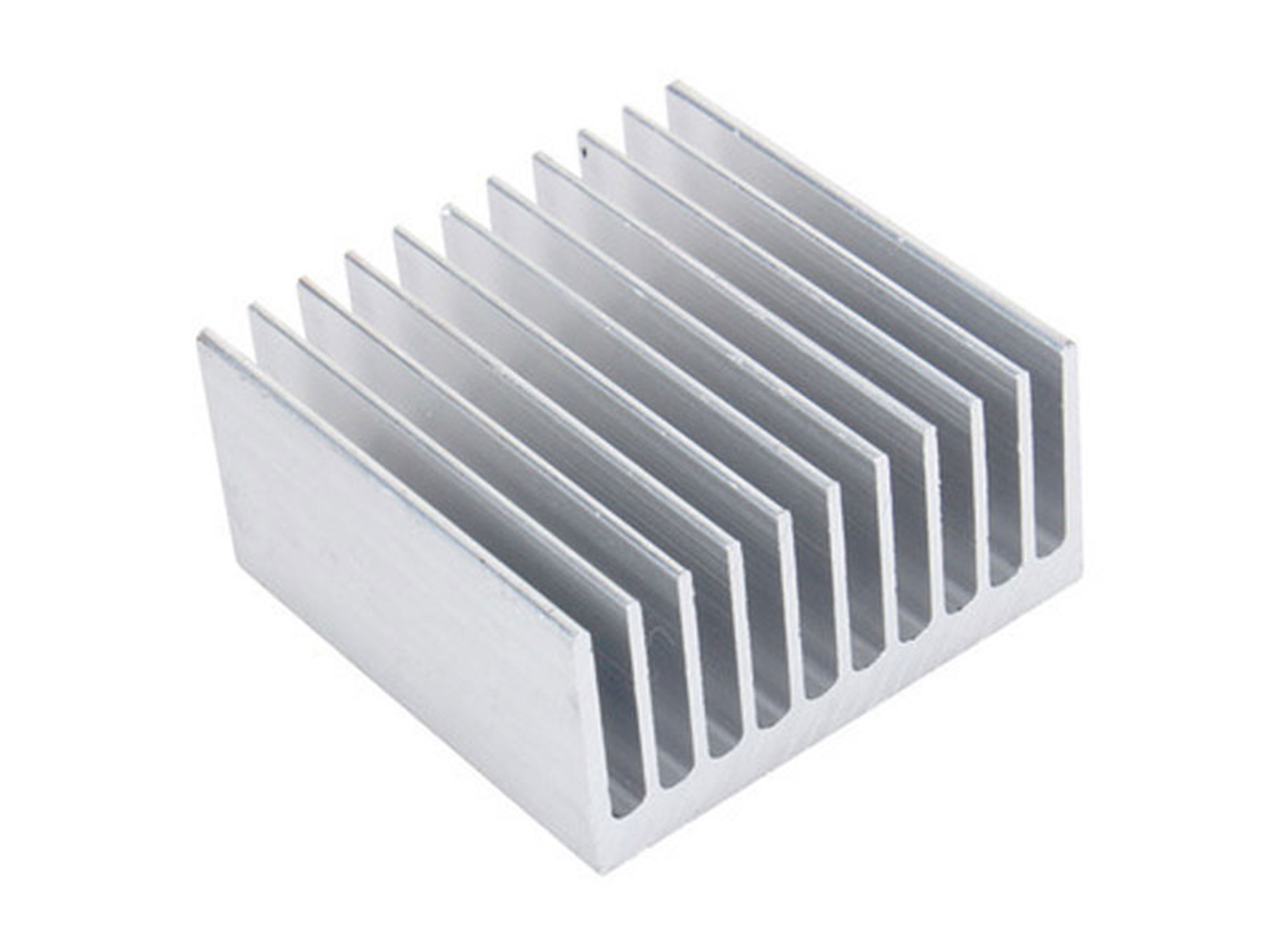
Marine aluminum heat sink profile
Marine Grade Aluminum Heat Sink Profiles utilize alloys such as 6061 and 6063 that not only exhibit high thermal conductivity but also possess excellent corrosion resistance required for saltwater exposure.
View Details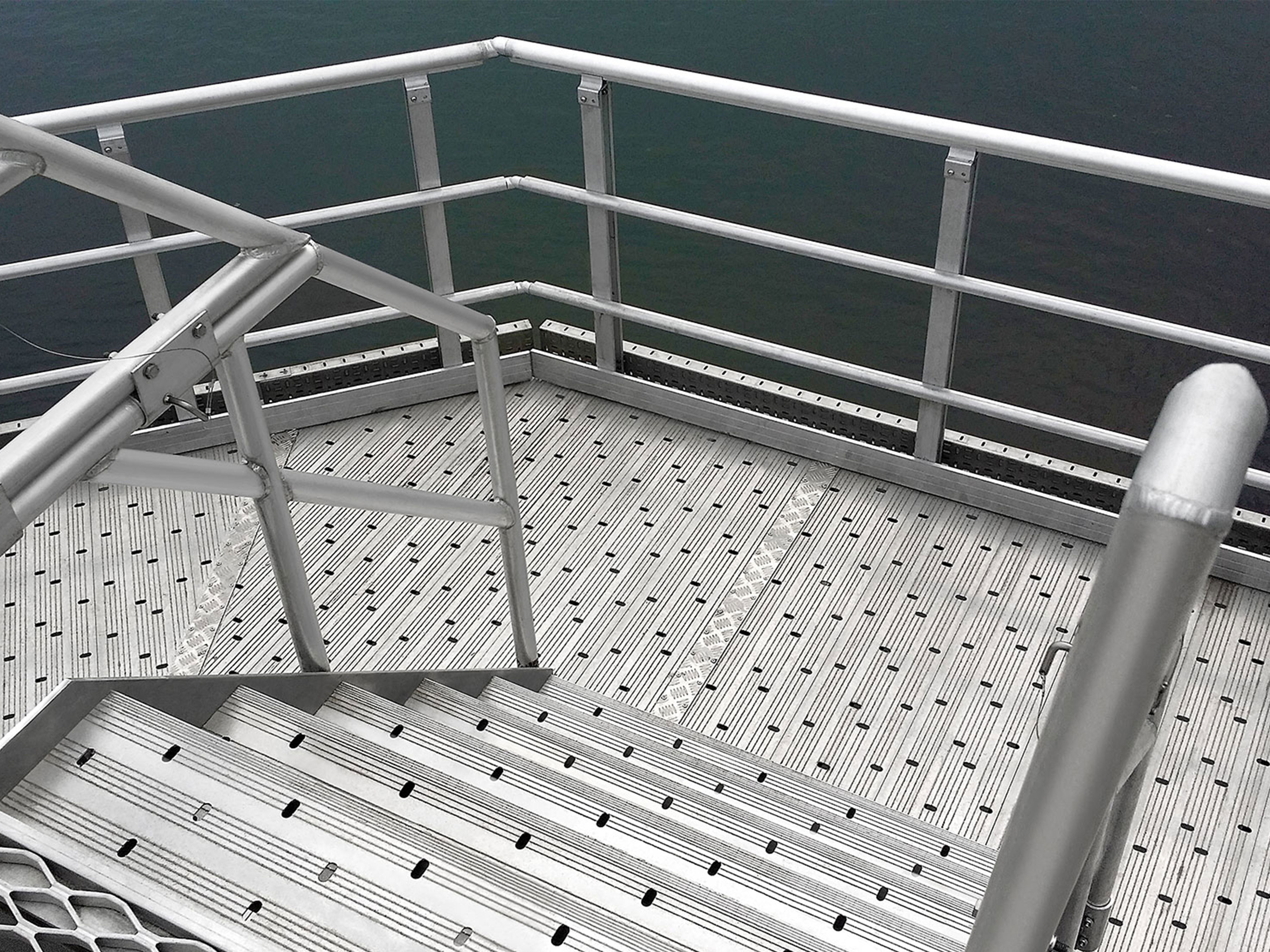
Marine aluminum customized shapes
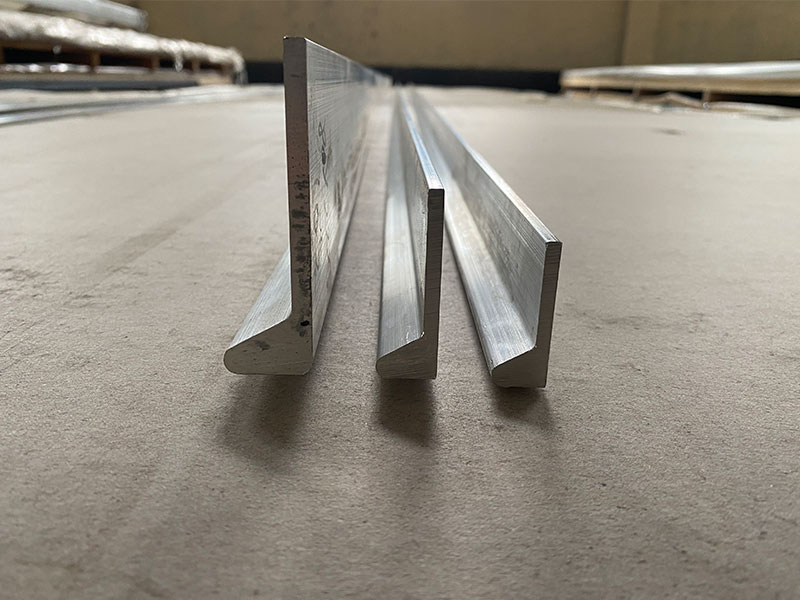
Marine Grade Aluminum Customized Shapes encompass a broad range of aluminum extrusions and fabrications engineered beyond standard profiles—such as channels, angles, tubes, and beams—into complex, project-specific geometries.
View DetailsRelated Blog
Marine Aluminum Heat Sink Profile for Efficient Marine Equipment Cooling
Marine environments require robust, corrosion-resistant, and thermally efficient materials for equipment enclosures and components.
View Details
Marine Aluminum Heat Sink Profile for Offshore Vessel Engine Cooling Systems
In the demanding environment of offshore vessels, engine cooling efficiency becomes a pivotal factor in operational reliability and safety.
View Details
Marine Aluminum Heat Sink Profile for Cooling Coastal Offshore Engineering Equipment
Marine aluminum heat sink profiles combine conductive fin geometry, corrosion control, and low mass to cool exposed coastal and offshore electrical equipment.
View Details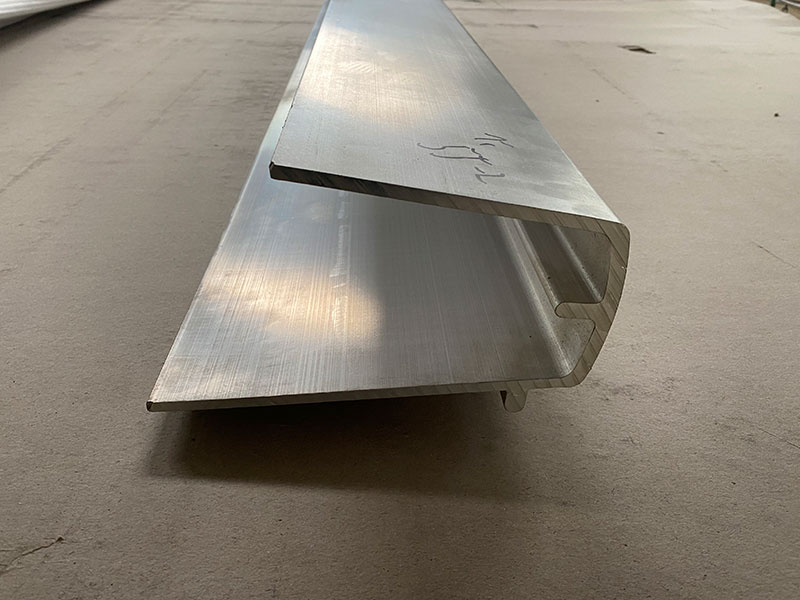
5052 Marine Aluminum Customized Shapes for High Performance Coastal Engineering Projects
When it comes to marine and coastal engineering projects, material performance directly impacts durability, safety, and longevity. 5052 Marine Aluminum Customized Shapes is know as an ideal choice due to their exceptional corrosion resistance.
View Details
5083 Marine Aluminum Fencing and Railings for Lightweight Offshore Guardrail Systems
When it comes to offshore guardrail systems, ensuring safety, durability, and corrosion resistance are paramount. 5083 Marine Aluminum has emerged as an excellent material choice for fencing and railings in marine environments.
View Details
6061 Marine Aluminum Fencing and Railings for Seawater Resistant Marine Safety Rails
6061 Marine Aluminum Fencing and Railings for Seawater Resistant Marine Safety Rails: Built for Salt, Motion, and Maintenance RealityMarine safety rails do more than "separate people from danger.
View Details
Leave a Message