
5083 Marine Aluminum Hexagonal Bars for Saltwater Resistant Boat Hull Parts
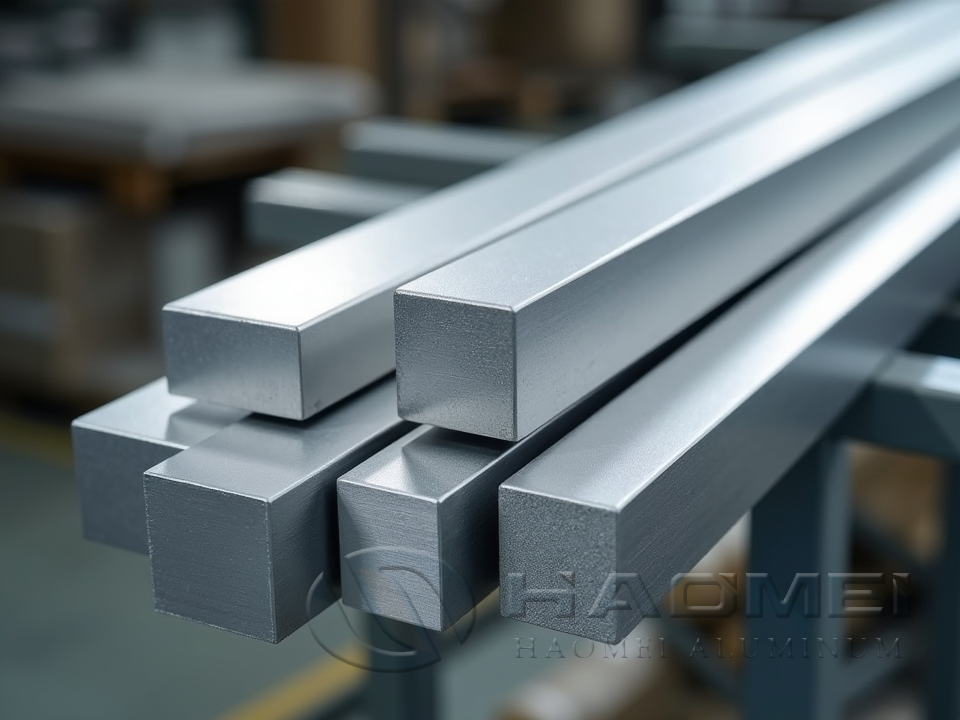
5083 marine aluminum hexagonal bars are built for boat builders, refit yards, and marine hardware manufacturers that need strong, corrosion-resistant bar stock for saltwater service. The alloy combines high magnesium content, excellent seawater resistance, strong weldability, and stable performance in demanding hull environments. The hexagonal profile also gives fabricators ready-made wrench flats, making it practical for machined fittings, structural inserts, threaded connectors, and custom boat hull components.
Product Snapshot
| Item | Details |
|---|---|
| Product | 5083 marine aluminum hexagonal bar |
| Alloy family | Al-Mg-Mn, non-heat-treatable aluminum alloy |
| Main service environment | Saltwater, brackish water, coastal air, bilge zones |
| Common tempers | O, H111, H112, H116, H321 where available |
| Shape | Six-sided solid bar |
| Processing routes | Extruded, drawn, straightened, cut-to-length |
| Surface options | Mill finish, brushed, polished, anodized on request |
| Main value | Corrosion resistance, weldability, strength, low weight |
For customers comparing bar forms, Marine aluminum hexagonal bars are especially useful where a component must be both structural and easy to tighten, align, or machine into fastener-style parts.
Why 5083 Works in Saltwater Boat Hull Parts
5083 aluminum is one of the most respected marine alloys because it keeps its strength without heat treatment and performs well in chloride-rich environments. Its magnesium content improves resistance to general corrosion, while manganese and chromium help control grain structure and durability. Compared with many general-purpose aluminum grades, 5083 provides a better balance of strength and seawater endurance for hull-side hardware.
The hexagonal bar shape brings a practical fabrication advantage. Instead of machining flats from round stock, the six-sided form reduces material removal and shortens production time for nuts, plugs, standoffs, adjustable supports, and custom threaded pieces.
Main Features
| Feature | Customer Benefit |
|---|---|
| Excellent seawater resistance | Helps reduce premature pitting and corrosion in saltwater exposure |
| High strength-to-weight ratio | Supports lighter hull assemblies without sacrificing mechanical reliability |
| Strong weldability | Suitable for welded brackets, inserts, and fabricated hull systems |
| Hexagonal geometry | Easier gripping, indexing, tightening, and machining |
| Non-heat-treatable stability | Strength is maintained by strain hardening rather than post-weld heat treatment |
| Good fatigue behavior | Useful for vibrating hull and engine-room components |
| Low maintenance surface | Performs well with proper isolation from dissimilar metals |
Chemical Composition
Typical composition ranges are shown for 5083 aluminum. Final certification should follow the requested standard, such as ASTM, EN, or customer specification.
| Element | Typical Range, wt.% | Role in Performance |
|---|---|---|
| Aluminum, Al | Balance | Base metal, light weight, corrosion resistance |
| Magnesium, Mg | 4.0-4.9 | Strength and marine corrosion resistance |
| Manganese, Mn | 0.40-1.0 | Grain control and strength stability |
| Chromium, Cr | 0.05-0.25 | Corrosion resistance and structure refinement |
| Iron, Fe | 0.0-0.40 | Controlled impurity |
| Silicon, Si | 0.0-0.40 | Controlled impurity |
| Zinc, Zn | 0.0-0.25 | Limited to preserve corrosion behavior |
| Titanium, Ti | 0.0-0.15 | Grain refinement |
| Copper, Cu | 0.0-0.10 | Kept low for seawater resistance |
| Others, each | 0.0-0.05 | Residual elements |
| Others, total | 0.0-0.15 | Residual elements |
Mechanical Properties by Temper
Actual values depend on bar size, production method, and governing standard. The data offers a practical reference for engineering selection.
| Temper | Tensile Strength MPa | Yield Strength MPa | Elongation % | Typical Use |
|---|---|---|---|---|
| O | 270-350 | 110-160 | 12-20 | Forming, bending, softer machined parts |
| H111 | 290-370 | 125-200 | 10-18 | General marine fabrication |
| H112 | 305-385 | 140-230 | 8-16 | Machined hull fittings and structural details |
| H116 | 305-385 | 215-280 | 8-14 | Marine service where exfoliation resistance is specified |
| H321 | 305-385 | 215-280 | 8-14 | Stabilized marine applications with corrosion control requirements |
H112 is commonly selected for bars because it offers reliable strength after hot working with minimal additional strain hardening. For highly critical saltwater applications, buyers may request corrosion testing, intergranular corrosion evaluation, or marine classification documentation.
Technical Specifications
| Parameter | Standard Supply Range |
|---|---|
| Across flats | 6 mm to 100 mm, custom sizes available |
| Length | 1 m to 6 m, cut-to-size available |
| Straightness | Commercial tolerance or precision straightened on request |
| Corner condition | As-extruded radius or lightly dressed edges |
| Surface finish | Mill finish, bright finish, brushed, or polished |
| Diameter equivalent | Can be calculated from across-flat dimension |
| Density | 2.66 g/cm³ approximately |
| Melting range | 570-640 °C approximately |
| Electrical conductivity | Around 28-30 % IACS |
| Thermal conductivity | Around 120 W/m·K |
| Weldability | Excellent with suitable filler selection |
| Machinability | Moderate, improved with sharp tooling and coolant |
Boat Hull and Marine Hardware Applications
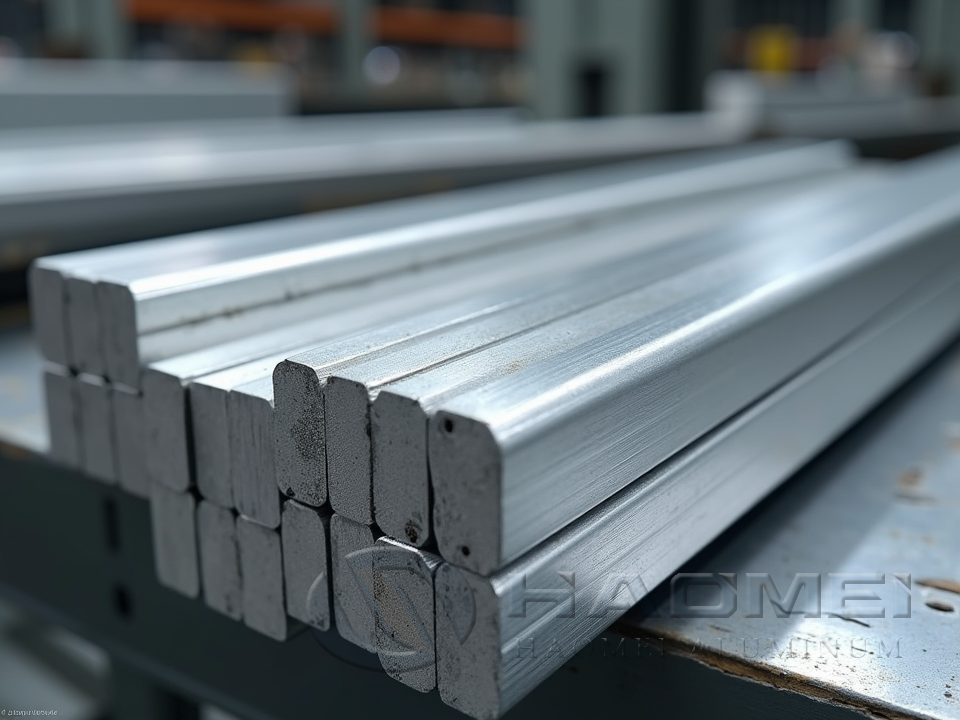
5083 hex bars are used wherever corrosion resistance and compact strength are more important than decorative appearance alone. They are especially useful for hull fittings that face salt spray, wet storage, or bilge moisture.
| Application Area | Typical Parts |
|---|---|
| Hull reinforcement | Spacer blocks, backing inserts, threaded support pieces |
| Deck and rail hardware | Standoffs, cleat components, hinge pins, custom nuts |
| Bilge and pump systems | Pump brackets, gland supports, valve bodies, sensor mounts |
| Engine-room fabrication | Support rods, vibration-resistant mounts, clamp components |
| Keel and chine details | Alignment pieces, reinforcing connectors, machined pads |
| Refitting and repair | Replacement fittings, corrosion-resistant adapter parts |
The alloy is also suitable for custom CNC parts where the hex form can reduce cycle time. A fabricator can hold the bar securely, index it repeatably, and machine threaded sections with less setup complexity than round stock.
Machining and Fabrication Guidance
5083 aluminum is not as free-machining as 6061, but it performs well when processed correctly. Sharp carbide tools, generous chip clearance, rigid fixturing, and flood coolant help produce clean surfaces. For threaded boat hardware, roll tapping or high-quality cut tapping can be selected depending on wall thickness and thread depth.
| Operation | Recommendation |
|---|---|
| Saw cutting | Use non-ferrous carbide blades and firm clamping |
| CNC turning | Use sharp inserts, positive rake geometry, and coolant |
| Drilling | Apply peck drilling for deep holes and prevent chip packing |
| Threading | Use lubricant and avoid overheating at the thread root |
| Welding | Use 5183, 5356, or 5556 filler depending on design requirements |
| Surface protection | Anodizing, passivation-style cleaning, or coating may be used |
When 5083 is welded, the heat-affected zone may soften compared with cold-worked areas. Design calculations should account for post-weld properties, especially in load-bearing hull parts.
Corrosion Performance in Marine Service
5083 performs very well in seawater, but good boatbuilding practice still matters. Isolate aluminum from stainless steel, copper alloys, and carbon steel to reduce galvanic corrosion. Use proper sealants, non-conductive washers, drainage paths, and periodic inspection in crevice-prone areas.
| Risk Factor | Recommended Control |
|---|---|
| Galvanic contact | Use insulating sleeves, washers, coatings, or sealants |
| Crevice corrosion | Avoid trapped saltwater and design for drainage |
| Abrasion | Protect exposed surfaces in high-wear contact zones |
| Welding contamination | Clean surfaces before welding and use compatible filler |
| High temperature service | Avoid long-term use above about 65 °C in stressed marine conditions |
Standards and Test Options
| Category | Available Documentation |
|---|---|
| Material certificate | EN 10204 3.1 on request |
| Alloy standard | ASTM B221, EN 573, EN 755, or agreed specification |
| Dimensional inspection | Across-flat size, length, straightness, surface condition |
| Chemical analysis | Spectrometer composition report |
| Mechanical test | Tensile strength, yield strength, elongation |
| Marine corrosion checks | Available when specified by project requirements |
| Traceability | Heat number and batch identification |
Packaging and Supply
Bars are typically bundled, wrapped with moisture-resistant material, and protected against handling marks during transport. For export shipments, wooden cases or reinforced pallets can be used. Cut-to-length service helps boatyards reduce scrap, while bundle labeling improves traceability during hull fabrication.
| Supply Option | Benefit |
|---|---|
| Full-length bars | Lower cost per kilogram for production machining |
| Cut blanks | Less handling and reduced shop waste |
| Custom tolerance | Better fit for automated machining lines |
| Protective packing | Helps preserve surface quality during sea freight |
| Batch traceability | Supports marine project quality records |
Purchasing Notes
When ordering 5083 marine aluminum hexagonal bars, specify the across-flat size, temper, length, tolerance, surface finish, certification requirement, and final application. For hull-critical components, share drawings, load conditions, welding plans, and corrosion exposure details so the bar can be matched to the correct temper and inspection level.
5083 marine aluminum hexagonal bars offer a strong combination of seawater resistance, mechanical reliability, weldability, and efficient machining geometry. For saltwater resistant boat hull parts, they provide dependable performance in a compact form that fits the needs of modern marine fabrication.

Related Products
6082 marine aluminum rod & bar
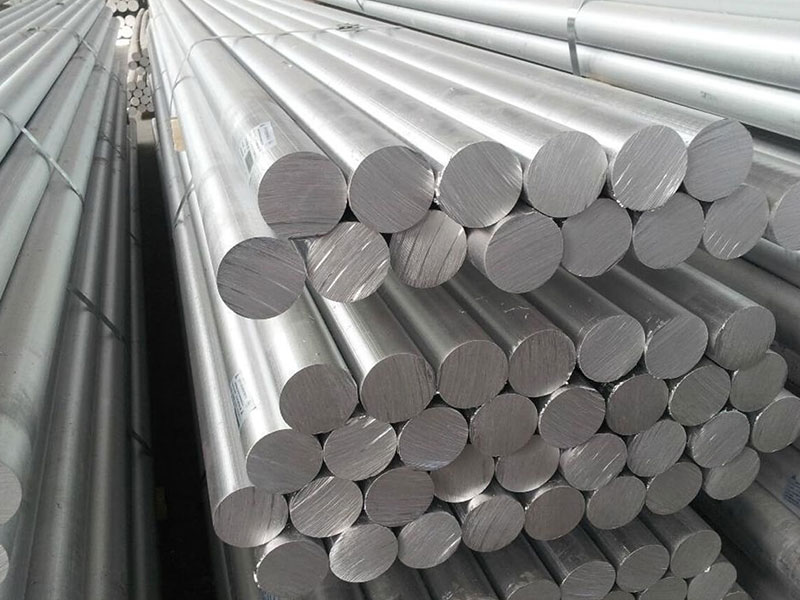
6082 Aluminum Rods & Bars are extruded or rolled products manufactured from 6082 aluminum alloy — a thermally treated (typically T6 temper) aluminum-magnesium-silicon alloy that balances high tensile strength, good weldability, and excellent corrosion resistance.
View Details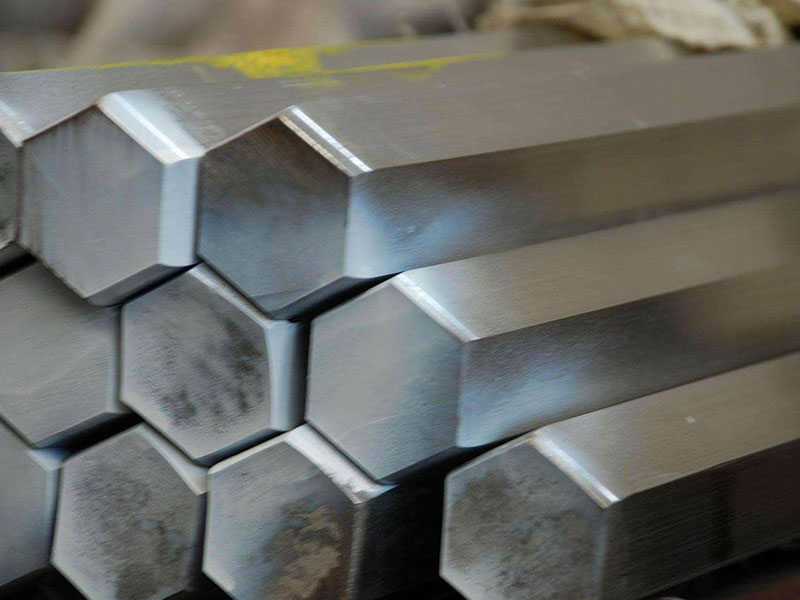
Marine aluminum hexagonal bars
Marine Grade Aluminum Hexagonal Bars are produced from premium corrosion-resistant aluminum alloys such as 5083, 5052, 6061, and 6082.
View Details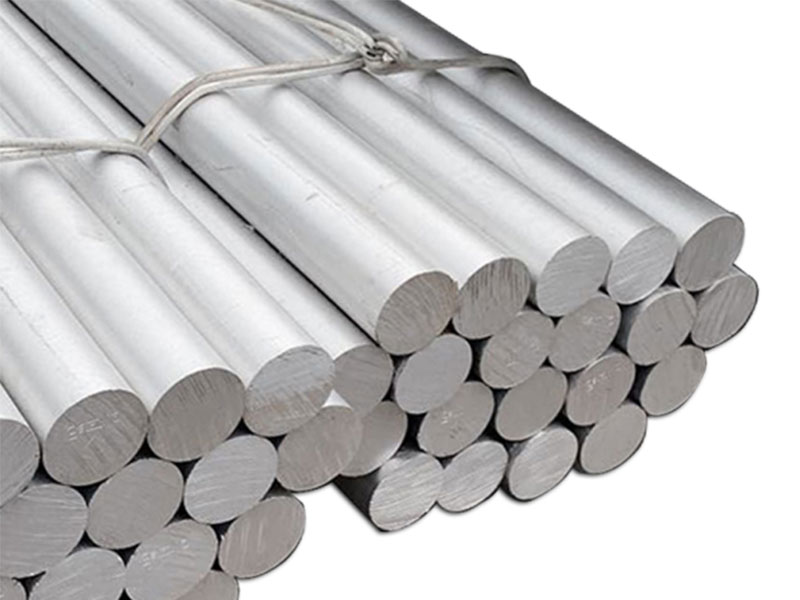
Marine grade aluminum solid bar
Marine Grade Aluminum Solid Bars are produced from premium aluminum alloys optimized for saltwater exposure, such as 5083, 5052, 6061, and 6082. These alloys offer unparalleled resistance to corrosion caused by seawater, salt spray, and marine atmospheres, while maintaining excellent mechanical strength and toughness.
View Details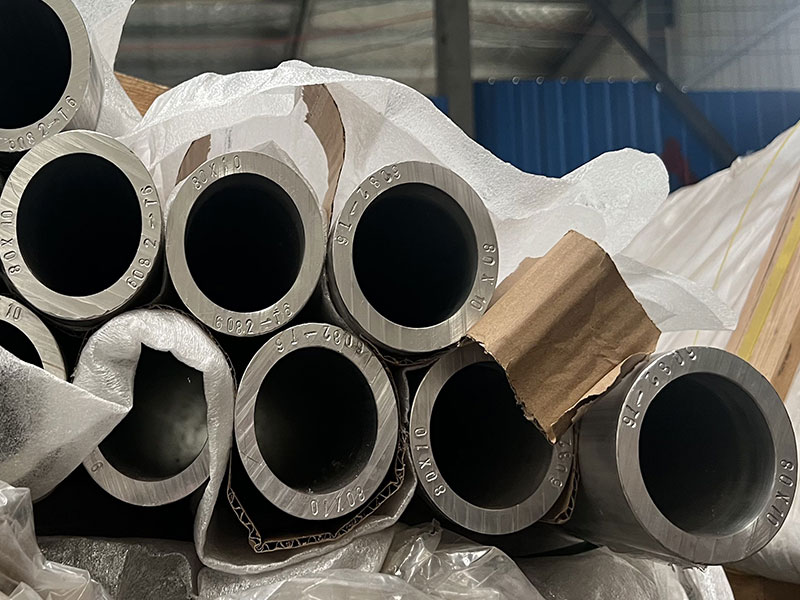
Marine aluminum hollow bars
Marine Grade Aluminum Hollow Bars are fabricated from high-quality alloys such as 5083, 5052, 6061, and 6082, all known for their exceptional resistance to seawater corrosion, salt spray, and marine atmospheres.
View DetailsRelated Blog
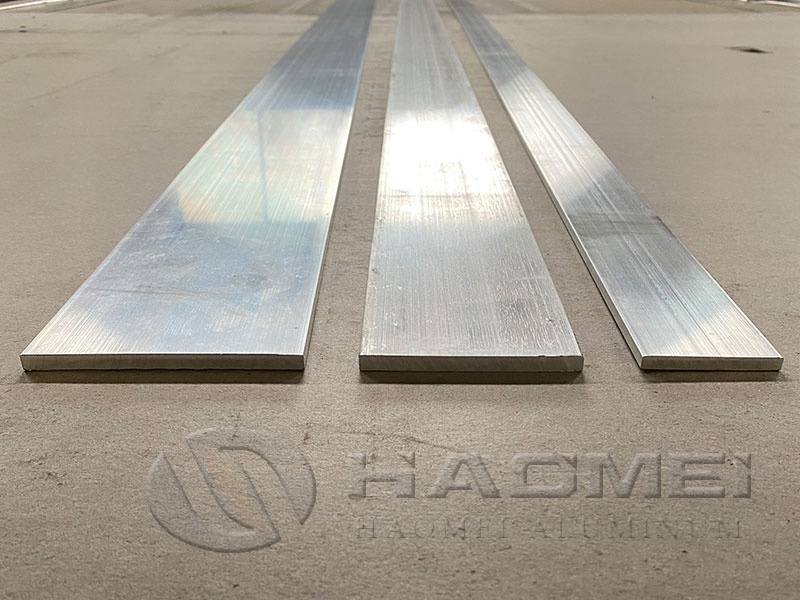
5083 Marine Aluminum Hollow Bars for Offshore Vessel Support Parts
Concise guide to 5083 marine aluminum hollow bars for offshore vessel support parts, covering specs, corrosion resistance, fabrication, uses, and buying notes.
View Details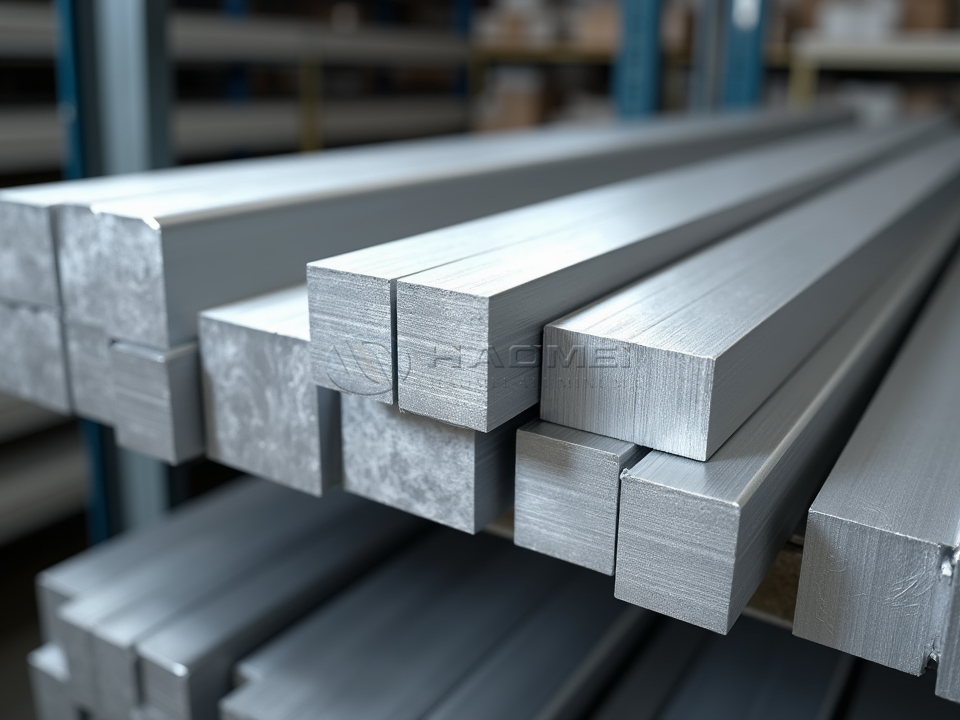
6061 Marine Aluminum Hollow Bars for Lightweight Marine Frame Fabrication
Learn how 6061 marine aluminum hollow bars help fabricators create lighter, rigid boat frames with practical welding, corrosion, and design guidance.
View Details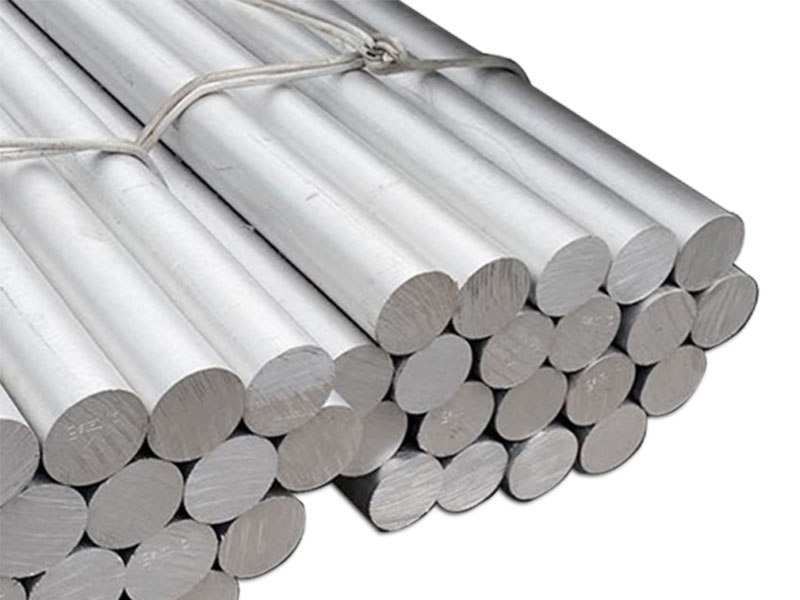
5083 Marine Aluminum Bar for Saltwater Corrosion Resistant Boat Frames
In the demanding marine environment, selecting the right materials for boat frames is vital to ensuring longevity, performance, and safety. Among the myriad of alloys.
View Details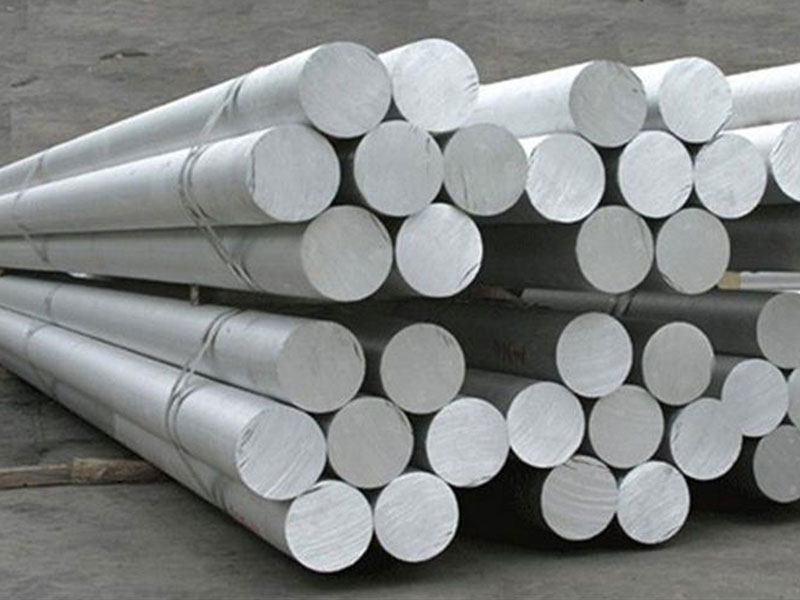
6082 Marine Grade Aluminum Solid Bar for Industrial Marine Equipment
6082 Marine Grade Aluminum Solid Bar for Industrial Marine Equipment: The "Quiet Backbone" of Reliable SystemsIndustrial marine equipment rarely fails because of one dramatic overload.
View Details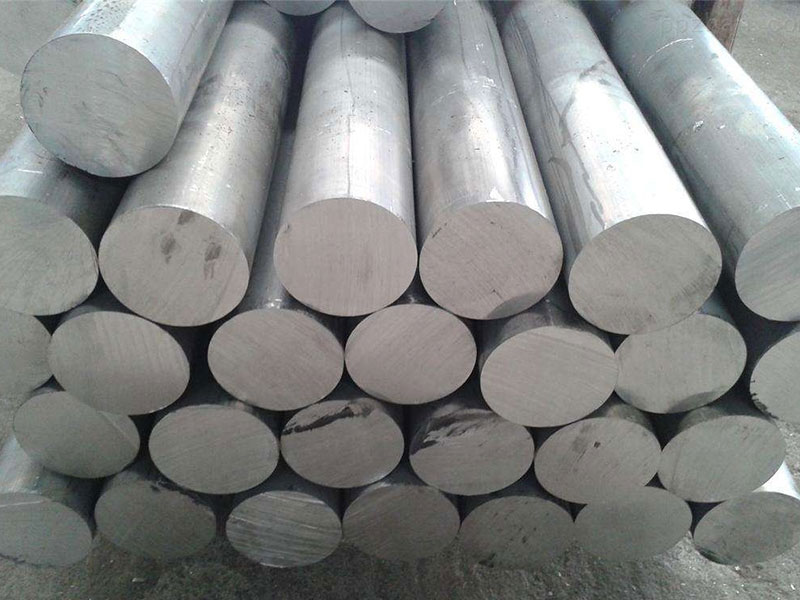
6082 Marine Grade Aluminum Solid Bar for Industrial Marine Support
6082 Marine Grade Aluminum Solid Bar for Industrial Marine Support: The "Quiet Backbone" of Working VesselsIn marine engineering, the most important parts are rarely the loudest.
View Details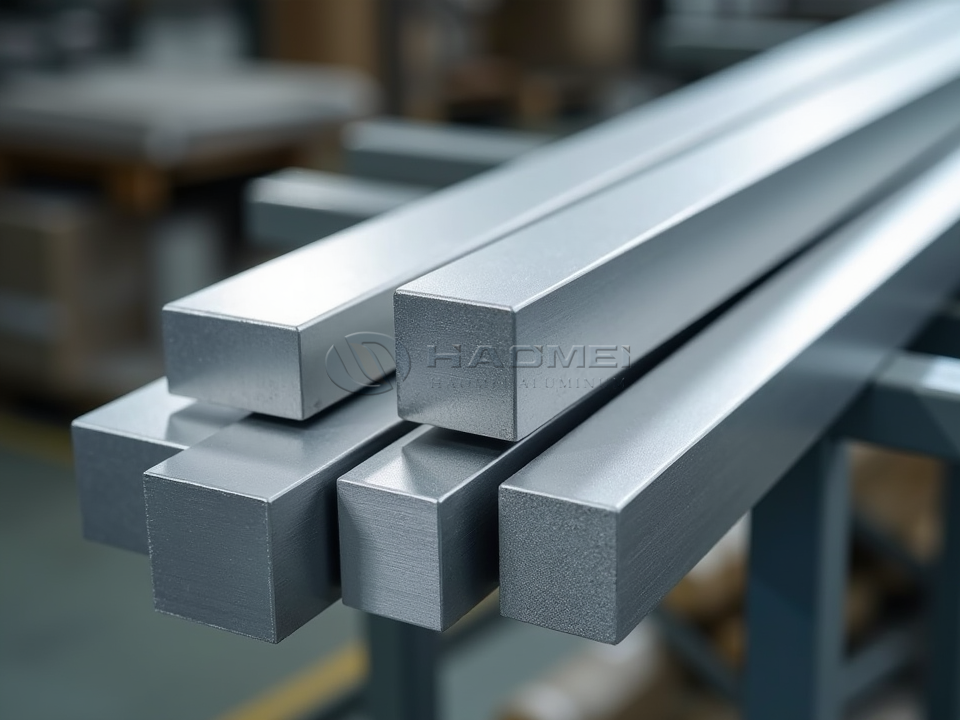
5083 Marine Aluminum Hollow Bars for Custom Marine Engineering Parts
5083 marine aluminum hollow bars provide corrosion resistance, weldable strength, and efficient machining for vessel, offshore, and dock components.
View Details
Leave a Message