
Hot Rolled Alloys Boat Aluminium Sheet Coil Strip 5083
A boatyard does not judge aluminium by a catalog page. It judges it when a hull panel is pulled into shape, when a welder runs a long seam at dusk, when salt spray dries white on the deck, and when the vessel comes back after years of work without hidden corrosion around the welds. From that practical viewpoint, hot rolled alloys boat aluminium sheet coil strip 5083 is not just a metal choice. It is a decision about how smoothly the build will move and how confidently the boat will age.
5083 belongs to the aluminium-magnesium-manganese family. It is non-heat-treatable, which means its strength comes mainly from alloying and controlled working rather than heat treatment. For marine builders, that is often an advantage. Welding does not destroy a heat-treated structure in the same way it can with some other alloys, and the finished boat keeps a balanced mix of strength, toughness, and seawater resistance.
Why Hot Rolled 5083 Feels Right in a Boatyard
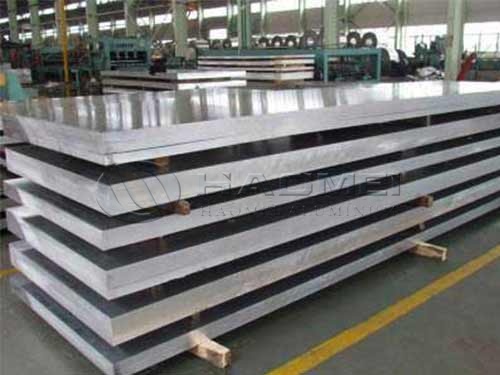
Hot rolling gives 5083 sheet, coil, and strip a practical character. The metal is processed at elevated temperature, then controlled through finishing steps to reach the required thickness, flatness, and temper. For thicker hull sheets and structural plates, this route helps create a stable product that can be cut, bent, formed, and welded with fewer surprises.
A designer may see 5083 as a set of mechanical values. A fabricator sees whether the sheet lies flat on the cutting table, whether it behaves consistently along a bend line, and whether the weld area stays sound. A purchasing team sees whether one batch matches the next. Hot rolled 5083 serves all three groups because it is strong enough for hull structure yet workable enough for real production.
Common boat applications include bottom plates, side shell plates, transoms, decks, bulkheads, fuel tanks, pontoons, workboat structures, cabin components, stiffeners, and formed parts. Sheet is often selected for hull panels and decks. Coil can support continuous cutting or processing lines. Strip is useful for narrow structural members, brackets, edging, reinforcements, and fabricated profiles.
For customers comparing marine options, Marine 5083 aluminum sheet is usually the first material to review when the project involves welded hulls, patrol boats, fishing boats, ferries, or other vessels exposed to demanding seawater service.
The Temper Matters More Than Many Buyers Think
The alloy number 5083 tells only part of the story. The temper tells how the material has been processed and what behavior the boatyard can expect.
O temper is soft and highly formable. It is often considered for parts requiring heavy bending or shaping. H111 offers light strain hardening and is friendly to fabrication. H116 is widely respected in marine service because it is controlled for resistance to exfoliation and intergranular corrosion in seawater. H321 is also used for marine structures and is stabilized to support reliable performance after working.
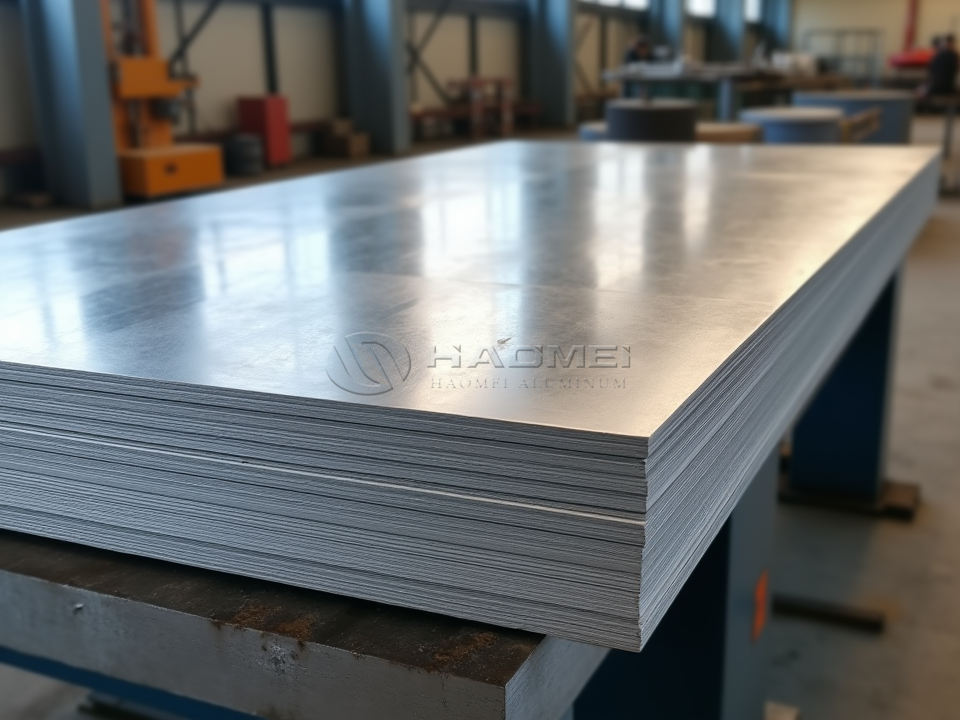
For a simple cabin panel, the temper choice may be flexible. For a hull shell that faces wave impact, vibration, welding stress, and saltwater exposure, H116 or H321 is often preferred. This is where low-cost substitutions can become expensive later. A sheet that looks bright on delivery may not be the right sheet for a welded hull.
Typical 5083 marine sheet offers tensile strength roughly in the 275 to 350 MPa range depending on temper and thickness. Yield strength, elongation, and bend performance vary, so customers should confirm values against the standard and certificate rather than relying on a single internet number. Useful standards may include ASTM B928, ASTM B209, EN 485, EN 573, and classification society requirements from ABS, DNV, LR, BV, or CCS when the project demands them.
Welding: Where 5083 Earns Its Place
A marine alloy must weld well because boats are full of seams. 5083 performs strongly in MIG and TIG welding, especially with suitable filler wires such as 5183 or 5356 depending on design requirements. Weld zones should be clean, dry, and free from oxide, oil, and shop contamination. Good edge preparation and proper heat input help reduce distortion and preserve corrosion performance.
Unlike heat-treatable alloys, 5083 does not rely on solution heat treatment and artificial aging for its main strength. That makes it more forgiving after welding. Even so, weld design still matters. Long hull seams should be planned to control shrinkage. Thin sheet needs correct fixture support. Heavy plate needs careful procedure control. The alloy is dependable, but it is not magic; it rewards disciplined fabrication.
Corrosion Resistance Is a System, Not a Slogan
5083 is famous for seawater resistance, but corrosion resistance is not only about alloy chemistry. It is also about temper, welding practice, drainage design, fastener selection, surface condition, and contact with other metals.
In boat construction, trapped seawater is often a bigger enemy than open seawater. Crevices, poor drainage, stainless fasteners without isolation, and damp timber contact can create local attack. A well-chosen 5083 H116 plate may still suffer if the boat design allows saltwater to sit in pockets for months. Customers should think of 5083 as the strong center of a corrosion-control system rather than a standalone cure.
For decks and walkways, designers may combine smooth marine sheet with tread plate or perforated material. Broader material planning often starts with Marine Grade Aluminum Sheets, then narrows by alloy, temper, thickness, and surface requirement.
Sheet, Coil, or Strip: Same Alloy, Different Work Rhythm
The form you buy affects production speed. Sheet is convenient for nesting hull panels, bulkheads, and flat components. Coil is efficient when a processor needs repeated blanks, slitting, or roll forming. Strip reduces waste for narrow parts and repeat profiles.
A small custom boatyard may prefer cut-to-size sheets because it keeps handling simple. A high-volume builder may choose coil for automated lines. A component shop making stiffeners or trim may choose strip because it reduces cutting time. The best choice is not always the cheapest per kilogram; it is the one that lowers total waste, handling, rework, and lead time.
5083 Compared With Nearby Marine Alloys
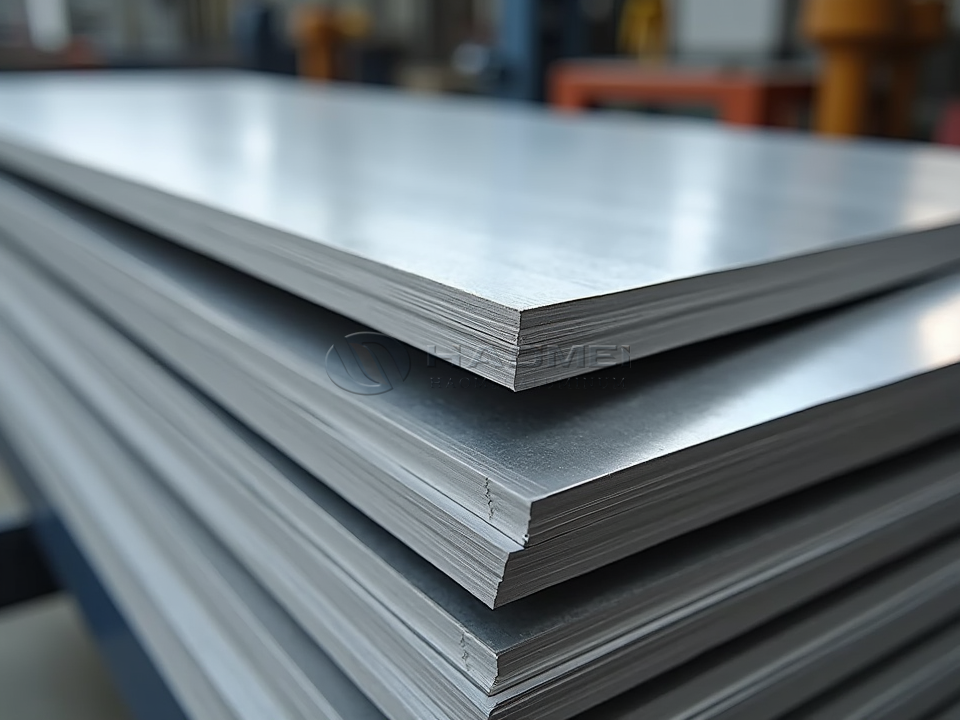
5083 is often compared with 5052 and 5086. 5052 is easier to form and works well for lighter marine parts, small boats, covers, and interior or deck components, but it is usually not the first choice for heavy welded hull structures requiring higher strength. 5086 has good marine performance and is used in many boat applications, while 5083 generally offers higher strength and is widely selected for demanding hull plates.
6061 is another common aluminium alloy, but it serves a different role. It machines well and offers good strength after heat treatment, yet its welded strength and seawater behavior make it less suitable than 5083 for many hull shell applications. In marine work, choosing the familiar alloy is not enough; the alloy must match the wet, welded, vibrating life of a boat.
What to Check Before Ordering
Customers should confirm alloy, temper, thickness tolerance, width, length or coil size, surface finish, flatness, mechanical properties, and certification. For marine-grade 5083, ask for mill test certificates and confirm compliance with the required standard. If the boat is classed, approval from the relevant classification society should be discussed before production begins.
Surface quality also matters. Scratches, dents, oil stains, and water marks can slow fabrication and finishing. Proper packaging should protect the metal during transport, especially for export shipments or humid routes. Sheets should be kept dry, separated from aggressive materials, and handled with clean lifting equipment.
The Practical Takeaway
Hot rolled 5083 aluminium sheet, coil, and strip succeed because they fit the working reality of boatbuilding. They bring strength without excessive weight, weldability without unnecessary complication, and corrosion resistance suited to saltwater life. When the temper, standard, thickness, and delivery form are chosen carefully, 5083 becomes more than a material line on a purchase order. It becomes part of the vessel's reliability, from the first cut in the workshop to years of service on open water.

Related Products
Marine 5086 aluminum sheet
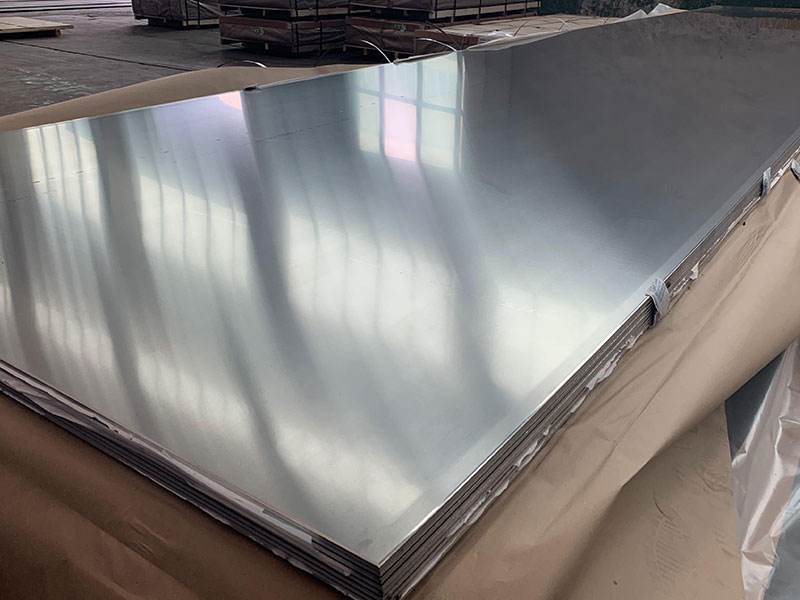
This product article provides an in-depth and comprehensive understanding of Marine 5086 Aluminum Sheets, including their chemical composition, mechanical properties, corrosion resistance, fabrication capabilities, and typical marine applications.
View Details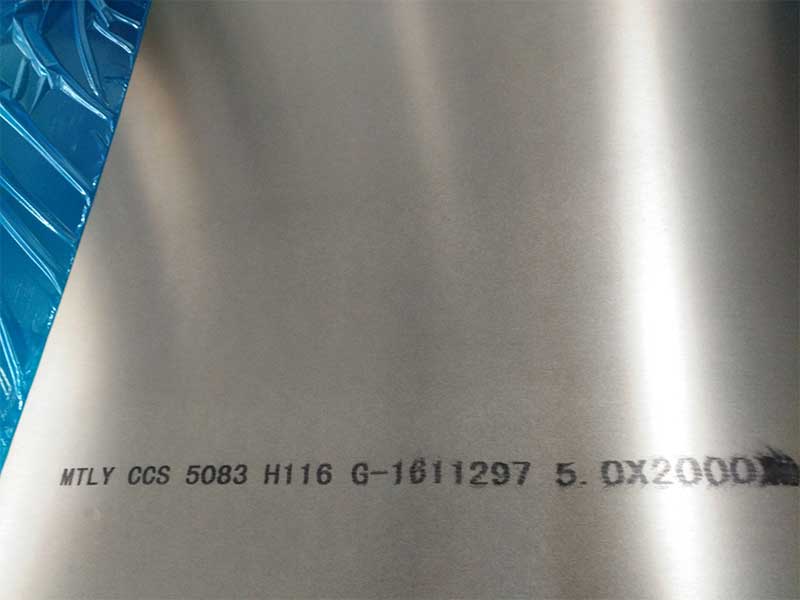
Marine 5083 aluminum sheet
Aluminum alloy 5083 is a non-heat-treatable alloy primarily composed of magnesium and trace elements that deliver outstanding protection against corrosion, particularly in seawater and saline atmospheres.
View Details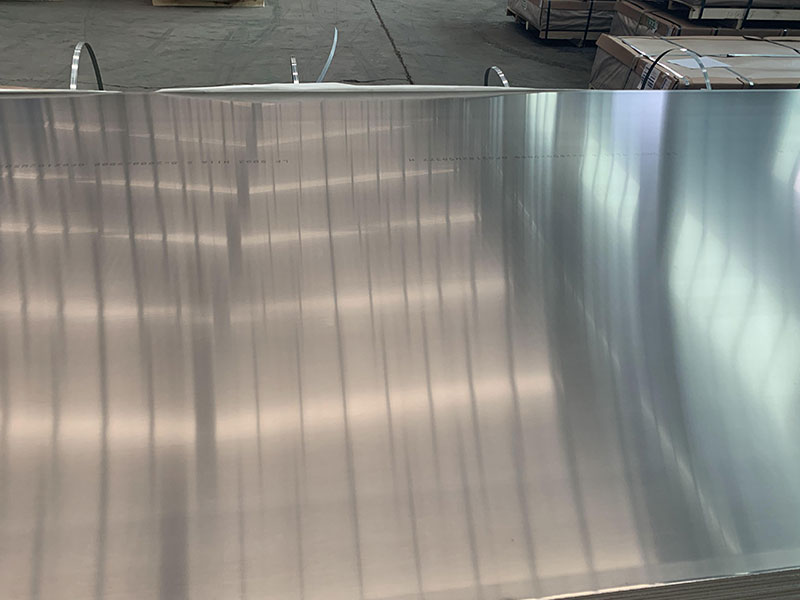
Marine 5383 aluminum sheet
5383 aluminum is a strain-hardened, non-heat-treatable alloy from the 5xxx series primarily alloyed with magnesium. It exhibits a unique balance of corrosion resistance and mechanical properties particularly suited for marine applications.
View Details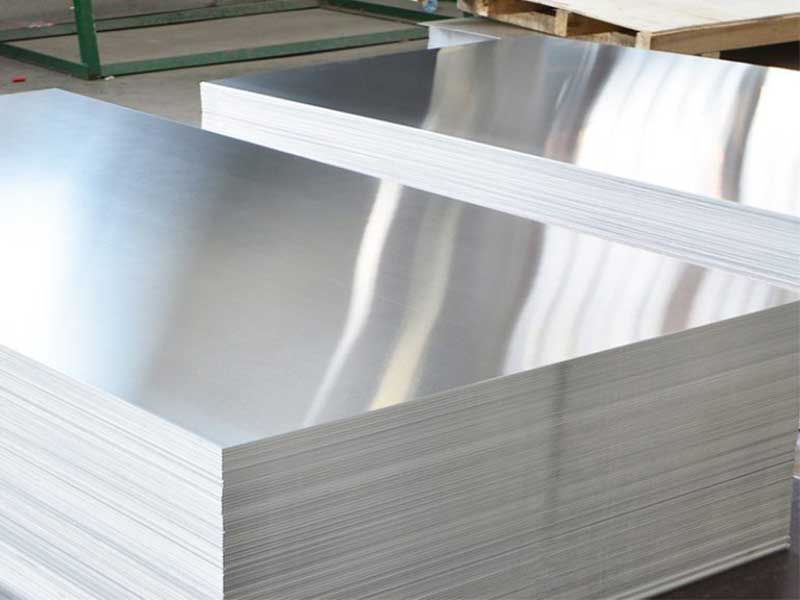
Marine anodized aluminum sheets
Marine Anodized Aluminum Sheets start with premium marine-grade aluminum alloys such as 5000 and 6000 series (typically 5083, 5052, and 6061).
View Details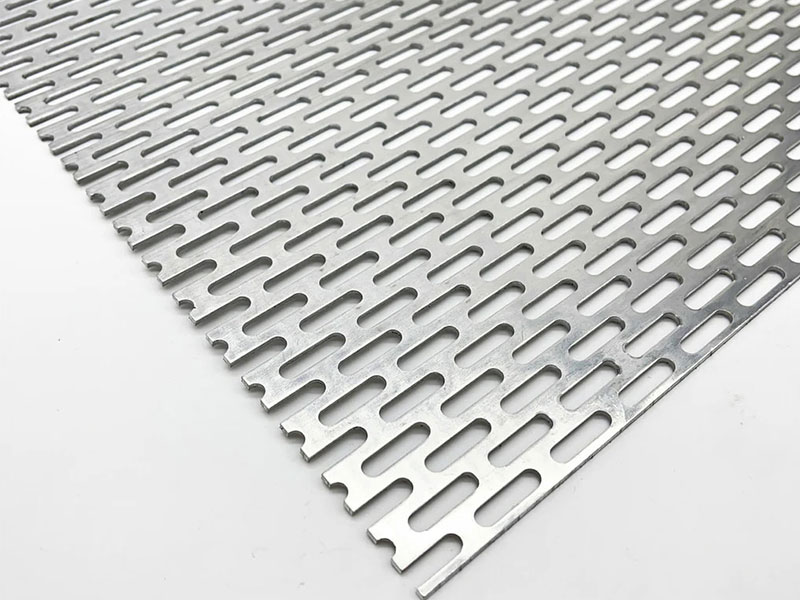
Marine perforated aluminum sheets
Marine Perforated Aluminum Sheets feature a series of uniform holes or shapes punched through the aluminum surface. These perforations can vary in size, pattern, and open area to tailor the sheets for specific applications.
View Details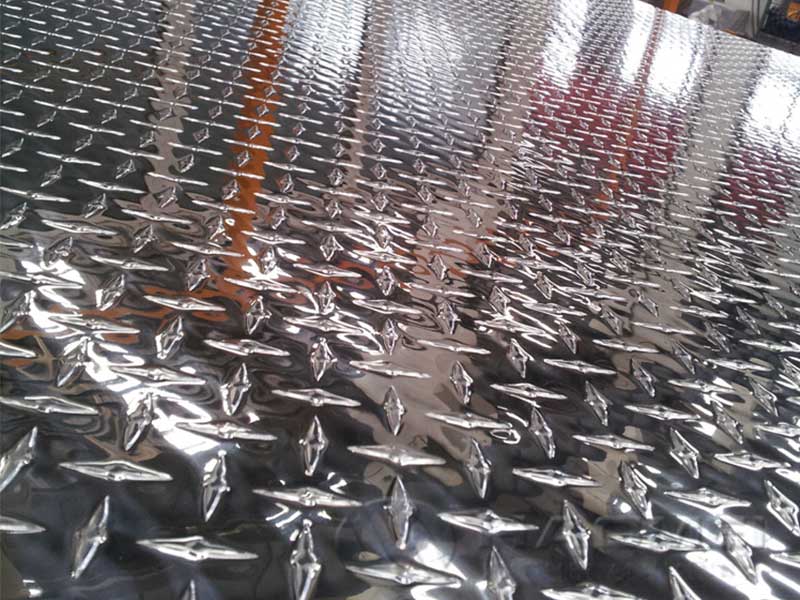
Marine Aluminum Tread Sheets
Marine Aluminum Tread Sheets are aluminum alloy plates featuring a raised surface pattern, commonly referred to as a tread design or diamond plate.
View DetailsRelated Blog
Aluminium sheet 8mm alloy 5052 h112 for boat
When selecting materials for marine applications, especially in boat building, the balance between strength, corrosion resistance, and workability is crucial. Aluminium sheet 8mm thick made from alloy 5052 in temper H112 epitomizes this balance.
View Details
Marine Aluminium Plate for Boat
Marine aluminium plate for boat hulls, decks, tanks, and fittings, with alloy grades, tempers, standards, chemistry, and fabrication data.
View Details
Hot Rolled Alloys Boat Aluminium Sheet Coil Strip 5083
Learn how hot rolled 5083 aluminium sheet, coil, and strip perform in boat hulls, welding, forming, seawater corrosion, and practical buying checks.
View Details
5083 Marine Heavy Duty Aluminum Plate
Practical guidance on 5083 marine heavy duty aluminum plate, covering strength, corrosion behavior, tempers, welding, sizing, and purchase checks for shipyards.
View Details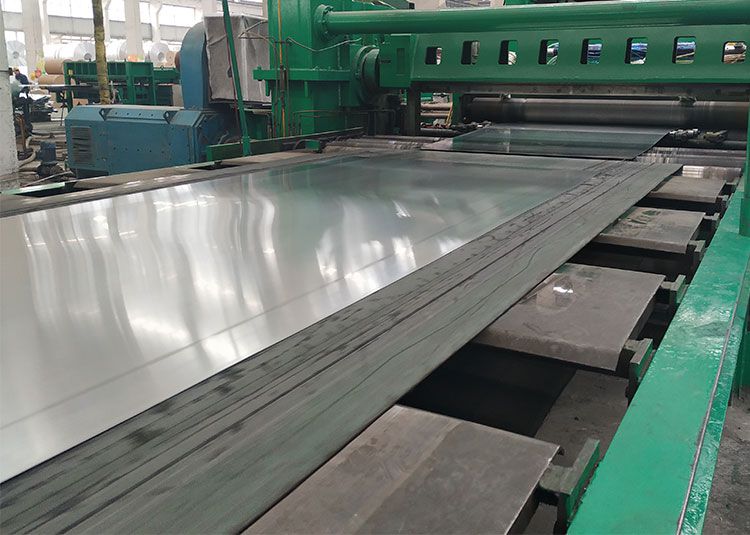
Aluminum sheet for boat 5083 5052 5754
When selecting aluminum sheets for marine applications, particularly boats, alloy choice plays a vital role in ensuring durability, corrosion resistance, and mechanical strength.
View Details
Marine 5059 aluminum sheet
Marine applications demand materials that can withstand harsh environmental conditions while providing exceptional performance. Among the multitude of aluminum alloys available, the Marine 5059 aluminum sheet stands out as a premier choice.
View Details
Leave a Message