
5383 Marine Aluminum Sheet
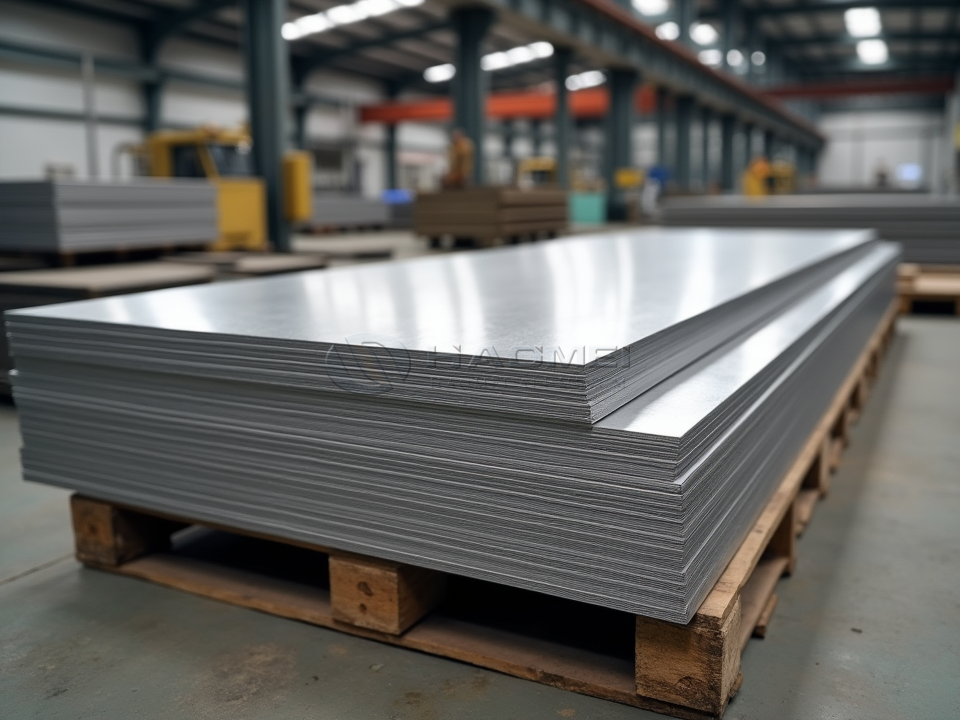
5383 marine aluminum sheet is a high-magnesium aluminum alloy developed for demanding shipbuilding and offshore service. It belongs to the 5xxx Al-Mg-Mn alloy family and is often selected when a builder needs more strength than conventional 5083 while retaining excellent weldability, fatigue resistance, and seawater corrosion performance. For workboats, patrol vessels, ferries, fishing boats, yachts, and offshore platforms, 5383 provides a practical balance between lighter structure and reliable service life.
Material Character
The performance of 5383 comes from controlled magnesium and manganese additions, combined with tight limits on impurity elements. Magnesium improves solid-solution strengthening and corrosion behavior in marine atmospheres. Manganese supports strength and helps stabilize the grain structure during rolling and forming. The alloy is non-heat-treatable, so strength is obtained mainly through cold working and temper control rather than solution heat treatment.
Compared with Marine 5083 aluminum sheet, 5383 is designed to deliver higher welded strength and improved toughness in heavy-duty marine structures. It is especially attractive in hull plating, decks, bulkheads, and superstructures where welding quality and long-term corrosion resistance directly affect vessel safety.
Main Features Customers Care About
5383 marine aluminum sheet is valued because it performs well in the real marine environment, not only in laboratory testing. Salt spray, wet-dry cycling, vibration, wave impact, and structural welding all place stress on the material. A good 5383 plate or sheet keeps its strength after welding, resists pitting and exfoliation, and supports efficient fabrication in shipyards.
| Feature | Customer Benefit |
|---|---|
| High magnesium marine alloy | Stronger hull panels and reduced structural weight |
| Excellent seawater resistance | Longer service life with lower maintenance demand |
| Good weldability | Suitable for MIG, TIG, and automated welding lines |
| High welded joint efficiency | Better strength retention around seams and stiffeners |
| Good fatigue resistance | Reliable performance under wave load and vibration |
| Non-magnetic behavior | Useful for special marine and defense-related structures |
| Smooth surface quality | Easier painting, coating, and inspection |
The sheet can be supplied in common marine tempers such as O, H111, H116, and H321. H116 and H321 are widely used for hull and offshore applications because they provide controlled corrosion resistance in marine service, especially against exfoliation and intergranular corrosion.
Chemical Composition
The exact composition range may vary slightly according to the standard applied, such as EN, ASTM, or ship classification requirements. The typical 5383 alloy chemistry is shown for reference.
| Element | Typical Range, % |
|---|---|
| Magnesium, Mg | 4.0-5.2 |
| Manganese, Mn | 0.70-1.00 |
| Silicon, Si | Max 0.25 |
| Iron, Fe | Max 0.25 |
| Copper, Cu | Max 0.20 |
| Zinc, Zn | Max 0.40 |
| Chromium, Cr | Max 0.25 |
| Titanium, Ti | Max 0.15 |
| Zirconium, Zr | Max 0.20 |
| Other elements | Controlled trace levels |
| Aluminum, Al | Balance |
This chemistry gives 5383 its corrosion stability and strength. Low iron and copper levels are important because these elements can reduce corrosion performance if not properly controlled. For marine-grade production, melt purity and rolling control are just as important as the nominal alloy grade.
Mechanical Performance
5383 marine aluminum sheet provides dependable strength without becoming difficult to fabricate. The values in the table are typical reference ranges; final values depend on thickness, temper, testing direction, and applicable standard.
| Temper | Tensile Strength, MPa | Yield Strength, MPa | Elongation, % | Typical Use |
|---|---|---|---|---|
| O | 275-340 | 110-150 | 16-22 | Deep forming and parts needing maximum ductility |
| H111 | 285-355 | 125-170 | 14-20 | General welded marine structures |
| H116 | 305-380 | 160-220 | 10-16 | Hull plating and seawater-exposed structures |
| H321 | 305-380 | 160-230 | 10-16 | High-strength hull and offshore panels |
In welded structures, designers pay close attention to the heat-affected zone. 5383 performs well because it maintains good welded joint strength and does not require post-weld heat treatment. This simplifies production and reduces manufacturing time for large panels, deck sections, and hull assemblies.
Available Product Forms
5383 is commonly supplied as sheet and plate in thicknesses suitable for marine fabrication. Thin sheet can be used for cabins, interior marine components, and light superstructure panels. Medium and heavy plate are used for hull shells, decks, ribs, and offshore load-bearing parts.
| Item | Common Supply Capability |
|---|---|
| Product type | Sheet, plate, cut-to-size panel |
| Thickness | About 2 mm to 80 mm, depending on mill capability |
| Width | Commonly up to 2500 mm or wider by project request |
| Length | Standard length or custom shipyard length |
| Surface | Mill finish, brushed, film protected, coated on request |
| Standards | ASTM, EN, ABS, DNV, LR, BV, CCS, or project specification |
| Inspection | Chemical test, tensile test, ultrasonic test, surface inspection |
For buyers already comparing Marine 5383 aluminum sheet with other marine alloys, the decision often depends on the vessel type, welding plan, corrosion class, and weight target. A passenger ferry may value light weight and fatigue performance, while an offshore service vessel may focus more on strength, impact resistance, and classification approval.
Fabrication Behavior
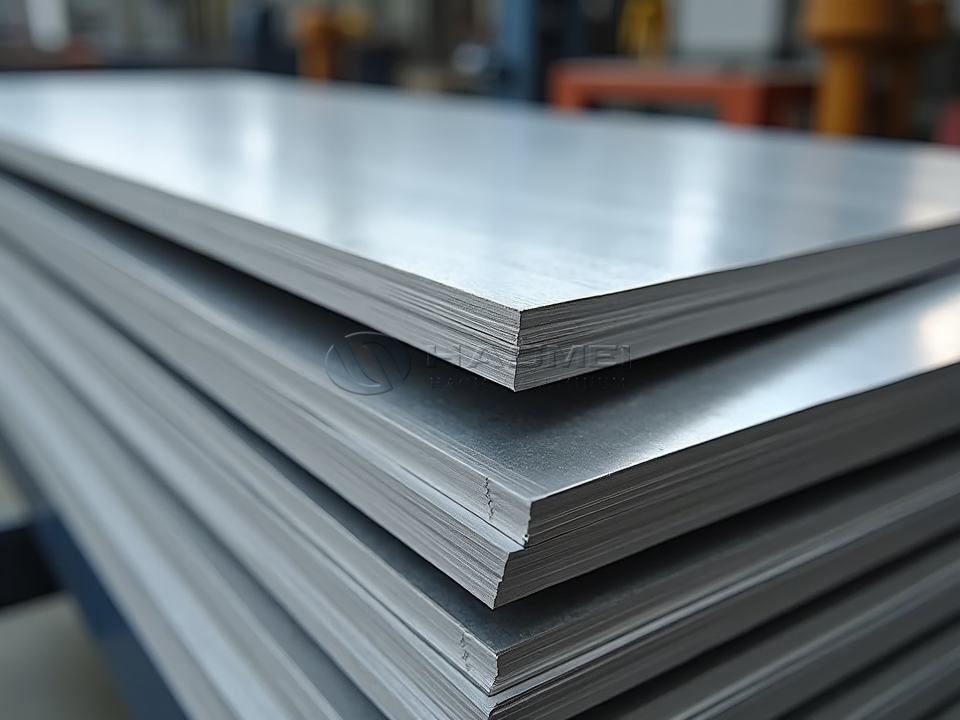
Shipyards appreciate 5383 because it cuts, bends, rolls, and welds efficiently. Plasma cutting, laser cutting, waterjet cutting, and CNC machining are all suitable when parameters are matched to thickness. During bending, a proper radius should be selected to prevent edge cracking, especially in harder tempers.
Welding is one of the strongest reasons to use 5383. It works well with common marine filler metals such as 5183, 5356, and related Al-Mg wires, depending on the design requirement and classification rules. Clean joint preparation is essential. Oil, oxide, moisture, and salt contamination should be removed before welding to prevent porosity and loss of joint quality.
After fabrication, 5383 accepts marine coating systems, primers, anti-fouling paints, and insulation bonding. Although the alloy has strong natural corrosion resistance, proper coating is still recommended for areas exposed to abrasion, bilge water, fuel residues, or galvanic contact with dissimilar metals.
Marine Applications
5383 marine aluminum sheet is used wherever strength, weldability, and corrosion resistance must work together. It is suitable for fast vessels, commercial vessels, and specialized marine equipment.
| Application Area | Typical Parts |
|---|---|
| Ship and boat hulls | Bottom plates, side shell, transom panels, bow sections |
| Deck structures | Main decks, working decks, ramps, hatch covers |
| Superstructures | Cabin walls, bridge structures, lightweight upper sections |
| Offshore engineering | Platform panels, access structures, gangways, service modules |
| Marine transport | Ferry panels, patrol craft, rescue boats, fishing vessels |
| Cryogenic and low-temperature service | Tanks and components where Al-Mg toughness is useful |
For high-speed boats, lower weight helps improve fuel efficiency and payload. For workboats, strength and repairability matter more. 5383 supports both priorities, which is why it has become a preferred material for modern welded aluminum vessels.
Purchasing Notes
When purchasing 5383 marine aluminum sheet, customers should confirm alloy grade, temper, thickness tolerance, flatness, surface condition, and required certification. For hull construction, classification approval is often required before delivery. Mill test certificates should show chemical composition, mechanical properties, and batch traceability.
Packaging should protect the sheet from moisture, impact, and surface scratches during sea or land transport. For export orders, waterproof paper, plastic film, wooden pallets, and edge protection are commonly used. Proper storage is also important: keep sheets dry, ventilated, and separated from carbon steel dust or copper-based materials.
5383 marine aluminum sheet is a smart choice for builders who need stronger welded aluminum structures with proven seawater durability. Its combination of strength, corrosion resistance, formability, and weld performance makes it well suited for modern vessels where every kilogram and every weld line matters.

Related Products
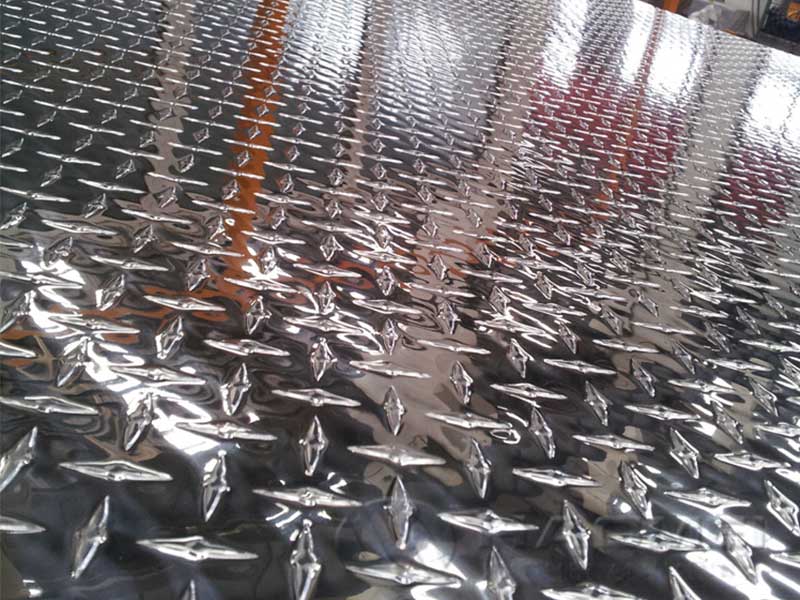
Marine Aluminum Tread Sheets
Marine Aluminum Tread Sheets are aluminum alloy plates featuring a raised surface pattern, commonly referred to as a tread design or diamond plate.
View Details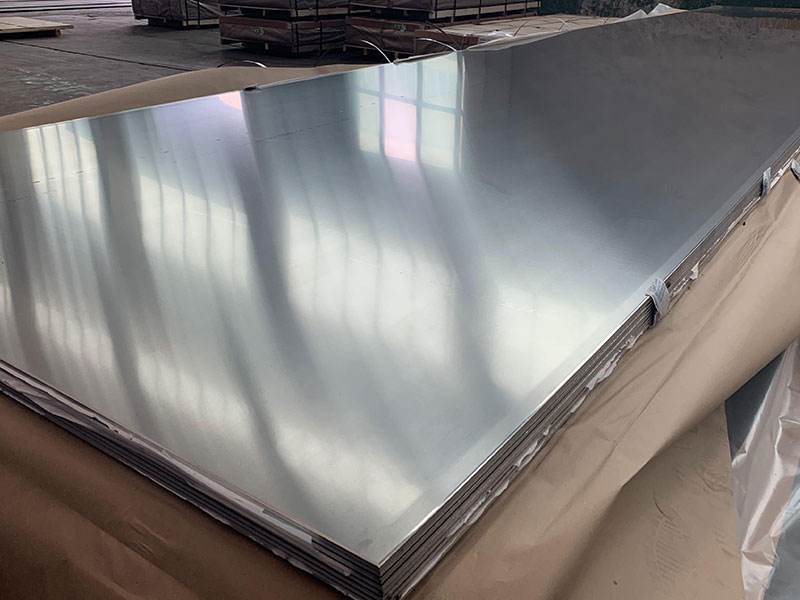
Marine 5086 aluminum sheet
This product article provides an in-depth and comprehensive understanding of Marine 5086 Aluminum Sheets, including their chemical composition, mechanical properties, corrosion resistance, fabrication capabilities, and typical marine applications.
View Details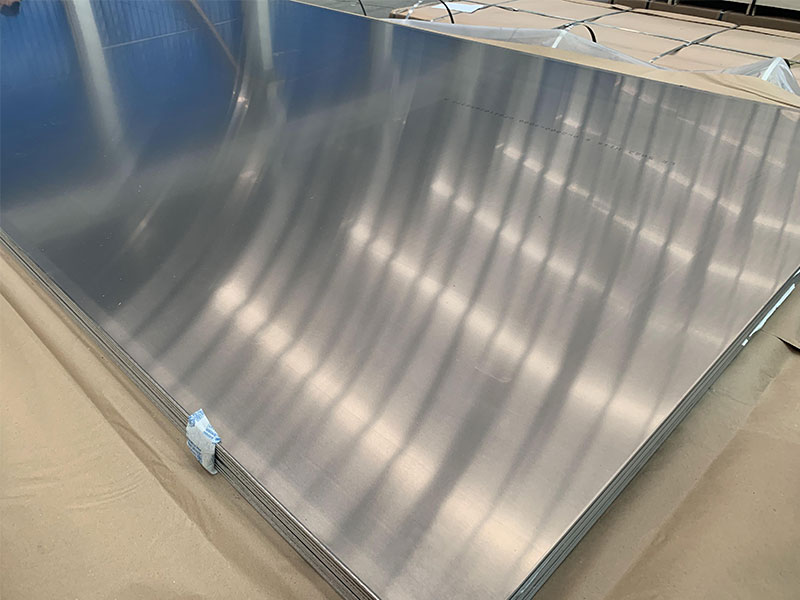
Marine 5052 aluminum sheet
Aluminum alloy 5052 is a non-heat-treatable, strain-hardened alloy with magnesium as the primary alloying element. It is designed to offer superior corrosion resistance in marine and saline environments, making it a dependable choice for components exposed directly to seawater or coastal atmospheric conditions.
View Details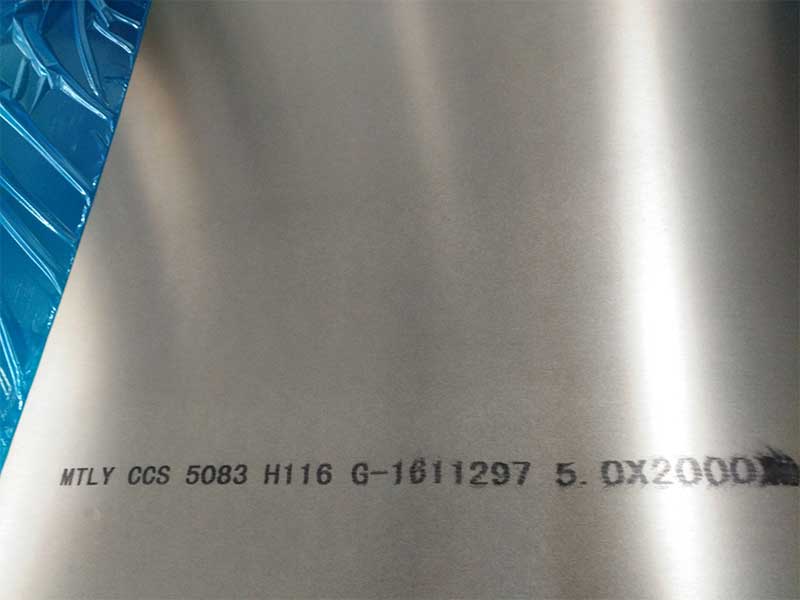
Marine 5083 aluminum sheet
Aluminum alloy 5083 is a non-heat-treatable alloy primarily composed of magnesium and trace elements that deliver outstanding protection against corrosion, particularly in seawater and saline atmospheres.
View Details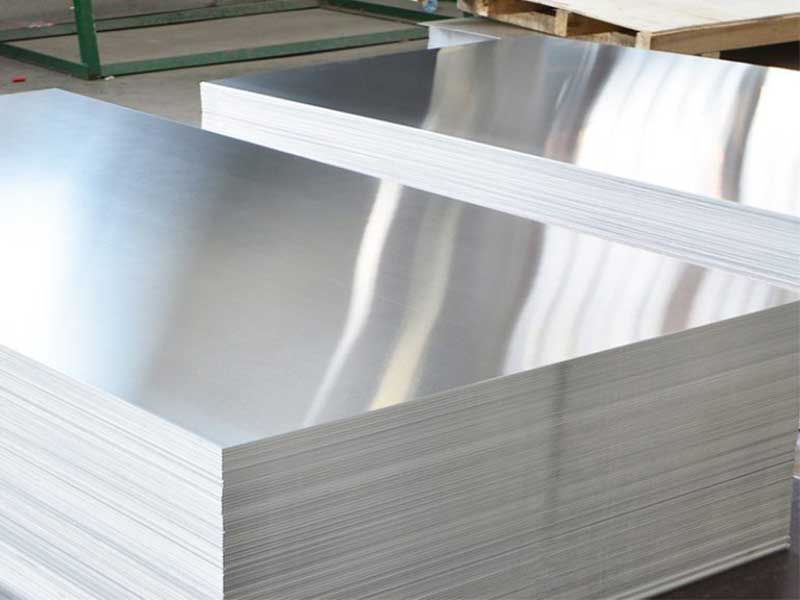
Marine anodized aluminum sheets
Marine Anodized Aluminum Sheets start with premium marine-grade aluminum alloys such as 5000 and 6000 series (typically 5083, 5052, and 6061).
View Details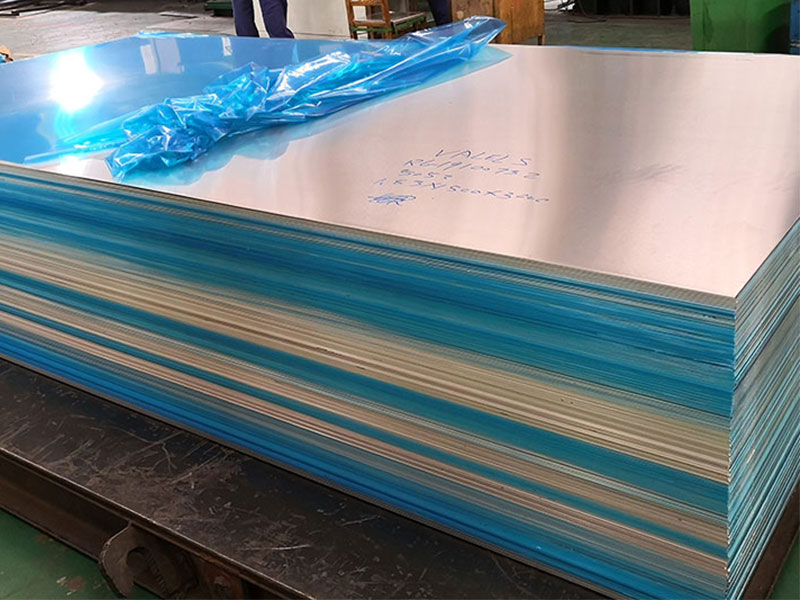
Marine 5059 aluminum sheet
5059 aluminum alloy is a strain-hardened material with a unique addition of magnesium and chromium, which provides outstanding resistance to localized corrosion like pitting and stress corrosion cracking.
View DetailsRelated Blog
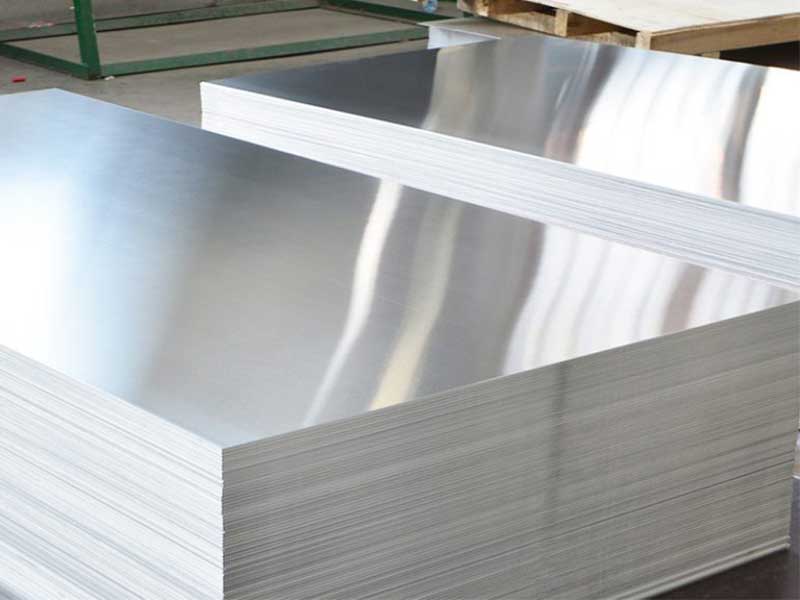
Naval Aluminium Sheet Marine 5052 H32
Naval Aluminium Sheet Marine 5052 H32 is a premium-grade aluminum alloy sheet specifically engineered for marine and naval applications. Known for its excellent corrosion resistance, high strength-to-weight ratio, and superior weldability.
View Details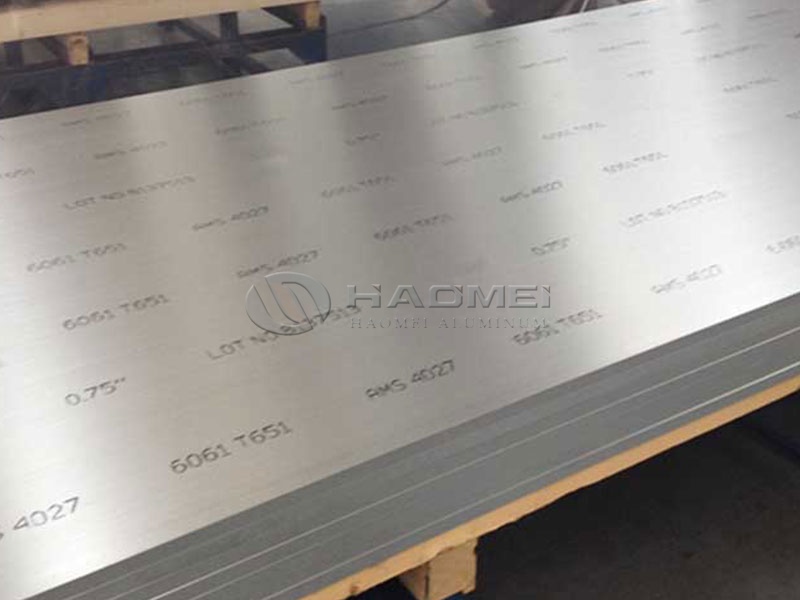
6061 Marine Anodized Aluminum Sheets
Explore 6061 marine anodized aluminum sheets, with corrosion resistance, stable strength, clean finish, fabrication data, and boat component guidance.
View Details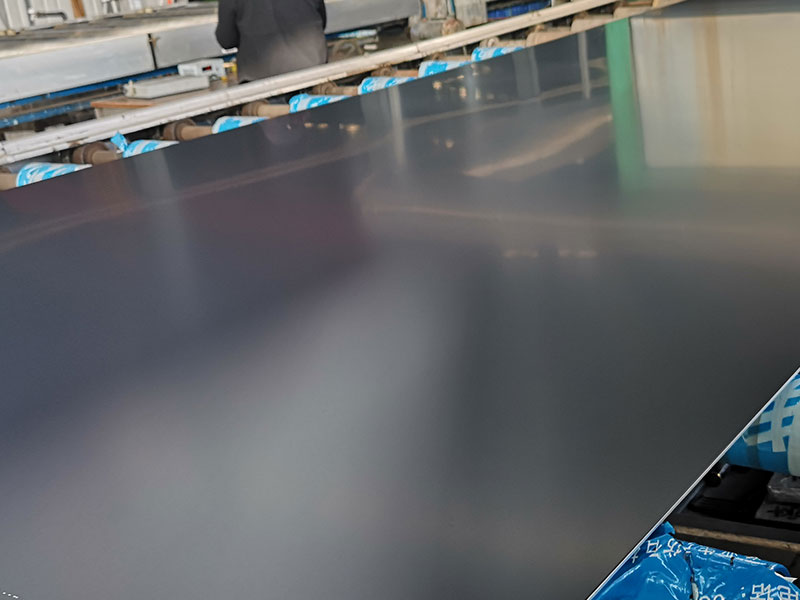
Marine 3 gauge 4 x 8 x 1 4 aluminum sheet
Marine 3 Gauge 4 x 8 x 1/4 Aluminum Sheet: A Seaworthy "Thickness Story" Told in MetalA marine 3 gauge 4 x 8 x 1/4 aluminum sheet is more than a size callout-it's a practical promise.
View Details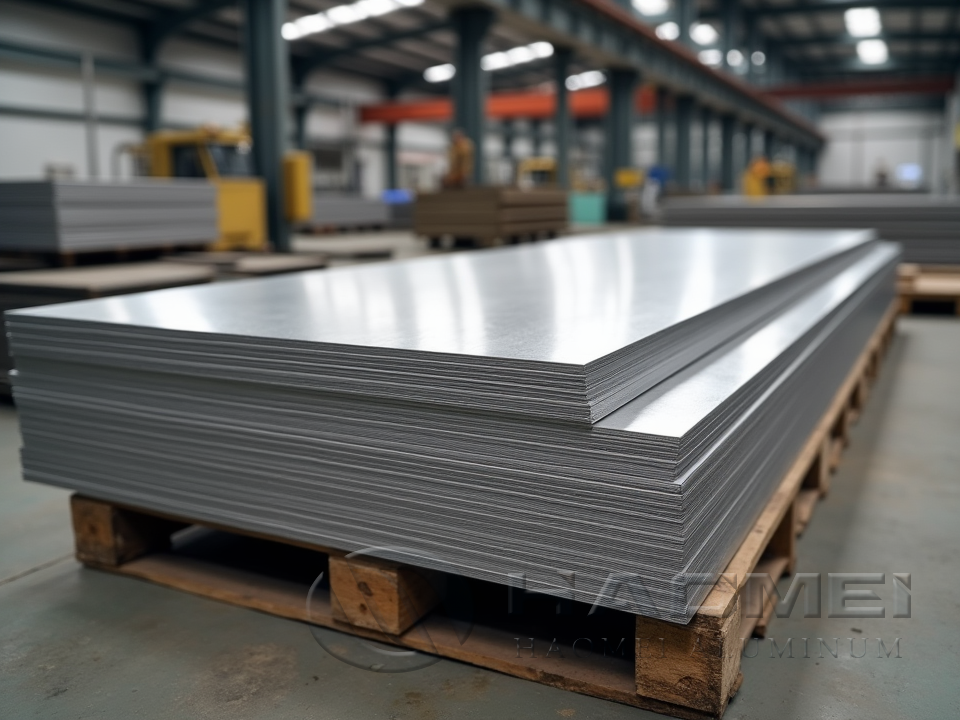
Marine Aluminum Steel Clad Plate
Marine aluminum steel clad plate joins aluminum superstructures to steel hulls with strong bonding, corrosion control, weldable layers, and approved marine grades.
View Details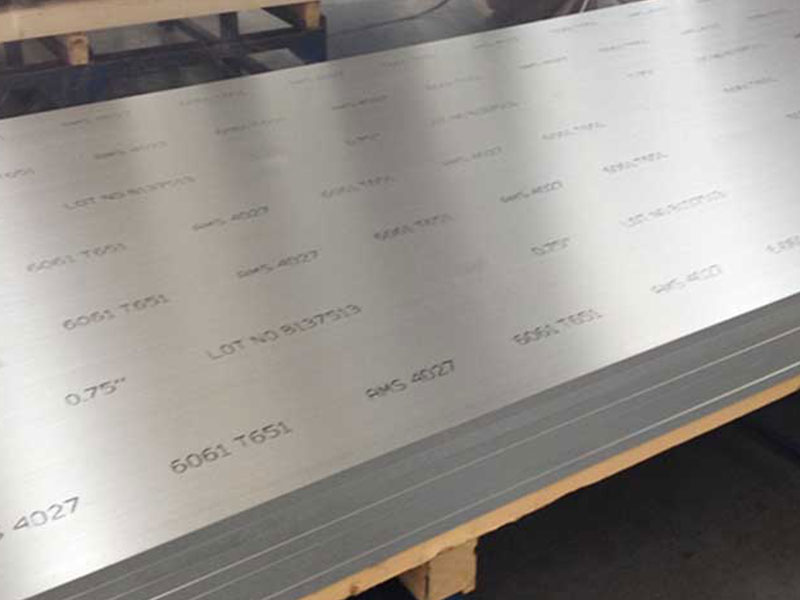
2mm Thick Aluminum Sheet Marine Grade
Navigating the marine industry requires robust materials that exhibit unparalleled durability, resilience, and corrosion resistance. Among these materials, the 2mm thick aluminum sheet, specifically tailored for marine applications.
View Details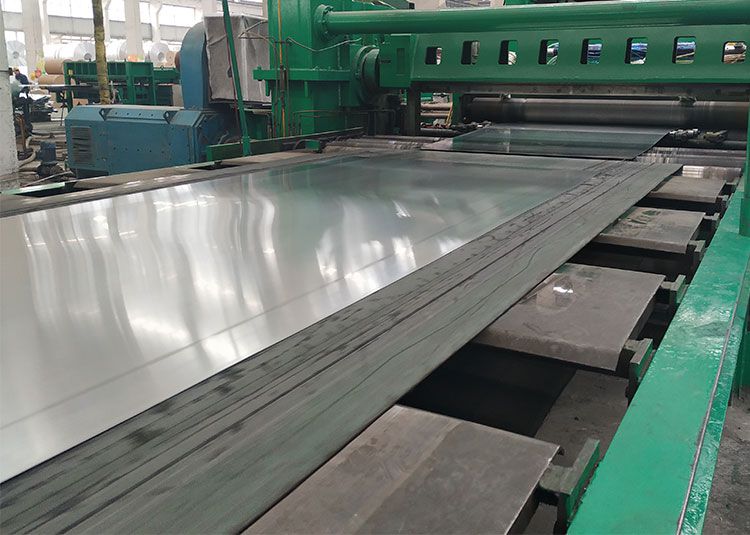
3mm Thickness 8x4 Aluminum Sheet 5083 For Boat
Marine builders choose materials that survive salt spray, wave impact, and years of cyclic loading without becoming a maintenance burden. 3mm thickness 8x4 aluminum sheet 5083 is a proven marine-grade plate/sheet option used worldwide for boat hulls.
View Details
Leave a Message