
Alloy Aluminium Checkered Plate For Marine
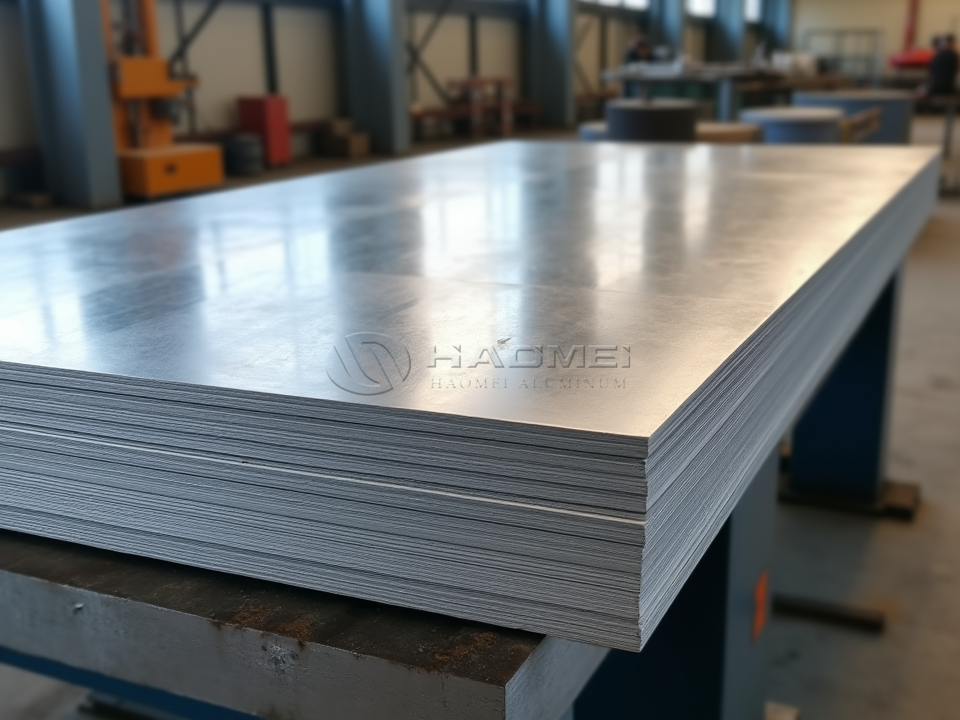
Alloy aluminium checkered plate for marine use is designed for surfaces that must remain strong, lightweight, corrosion resistant, and safe under wet operating conditions. Its raised tread pattern improves grip on decks, gangways, ramps, stairs, engine-room floors, pontoons, and service platforms where seawater, oil, mud, or fish residue may be present.
Unlike plain plate, checkered plate combines structural support with surface traction. In marine environments, the choice of alloy is especially important because the material must resist saltwater corrosion, vibration, abrasion, and repeated cleaning. Common marine alloys include 5052, 5083, and 5086, each offering a different balance of strength, formability, weldability, and long-term durability.
Product Character
Marine aluminium checkered plate is typically produced by rolling a raised pattern into one side of the plate. The pattern can be diamond, five-bar, lentil, or customized depending on traction demand and appearance preference. For boat decks and commercial vessels, five-bar and diamond patterns are widely selected because they drain easily and provide stable foot contact.
| Item | Typical Description |
|---|---|
| Product name | Alloy aluminium checkered plate for marine |
| Common alloys | 5052, 5083, 5086 |
| Surface style | Diamond, five-bar, three-bar, lentil, custom tread |
| Main function | Anti-slip flooring, protection, structural decking |
| Marine advantage | Low weight, seawater resistance, weldability |
| Common temper | H32, H34, H111, H112, H116, H321 |
| Delivery form | Sheet, plate, cut-to-size panel, coil-derived plate |
For projects requiring broader material selection, related Marine Aluminum Tread Sheets can be matched with vessel layout, deck load, and surface safety requirements.
Alloy Selection for Marine Service
The alloy determines how the plate behaves after welding, bending, cleaning, and exposure to salt spray. For lighter duty decks and cabin floors, 5052 provides excellent forming ability and corrosion resistance. For hull-adjacent walkways, workboats, offshore platforms, and heavy-duty ramps, 5083 and 5086 are preferred because of their higher strength and better resistance to marine atmosphere.
| Alloy | Marine Performance | Typical Use Case | Main Advantage |
|---|---|---|---|
| 5052 | Very good corrosion resistance with excellent formability | Boat interiors, cabin floors, lockers, light decks | Easy to bend and fabricate |
| 5083 | High strength with excellent seawater resistance | Workboat decks, ramps, access platforms, structural floors | Strong performance after welding |
| 5086 | Strong corrosion resistance with good toughness | Patrol boats, gangways, marine stairs, wet platforms | Durable in harsh marine exposure |
Chemical Composition
Chemical composition affects corrosion resistance, weld quality, and mechanical behavior. Magnesium is the main strengthening element in 5xxx marine aluminium alloys, while manganese and chromium help improve stability and toughness.
| Alloy | Mg | Mn | Cr | Si | Fe | Cu | Zn | Al |
|---|---|---|---|---|---|---|---|---|
| 5052 | 2.2-2.8 | Max 0.10 | 0.15-0.35 | Max 0.25 | Max 0.40 | Max 0.10 | Max 0.10 | Balance |
| 5083 | 4.0-4.9 | 0.40-1.0 | 0.05-0.25 | Max 0.40 | Max 0.40 | Max 0.10 | Max 0.25 | Balance |
| 5086 | 3.5-4.5 | 0.20-0.70 | 0.05-0.25 | Max 0.40 | Max 0.50 | Max 0.10 | Max 0.25 | Balance |
These values are typical reference ranges and should be confirmed against the required standard, inspection document, or classification society specification for each project.
Technical Specifications
Marine aluminium checkered plate is supplied in different thicknesses and sizes to match vessel design and installation methods. Thickness selection should consider unsupported span, expected traffic, point load, welding distortion, and weight target.
| Parameter | Common Range |
|---|---|
| Thickness | 1.5-12.0 mm |
| Width | 1000-2000 mm |
| Length | 2000-6000 mm or cut to size |
| Pattern height | 0.8-2.5 mm, depending on base thickness |
| Width tolerance | Typically +/-1.0 to +/-3.0 mm |
| Length tolerance | Typically +/-2.0 to +/-5.0 mm |
| Surface finish | Mill finish, bright finish, brushed, anodized on request |
| Edge condition | Mill edge, slit edge, trimmed edge |
| Standards | ASTM B209, EN 485, EN 573, ABS, DNV, LR on request |
Mechanical Properties
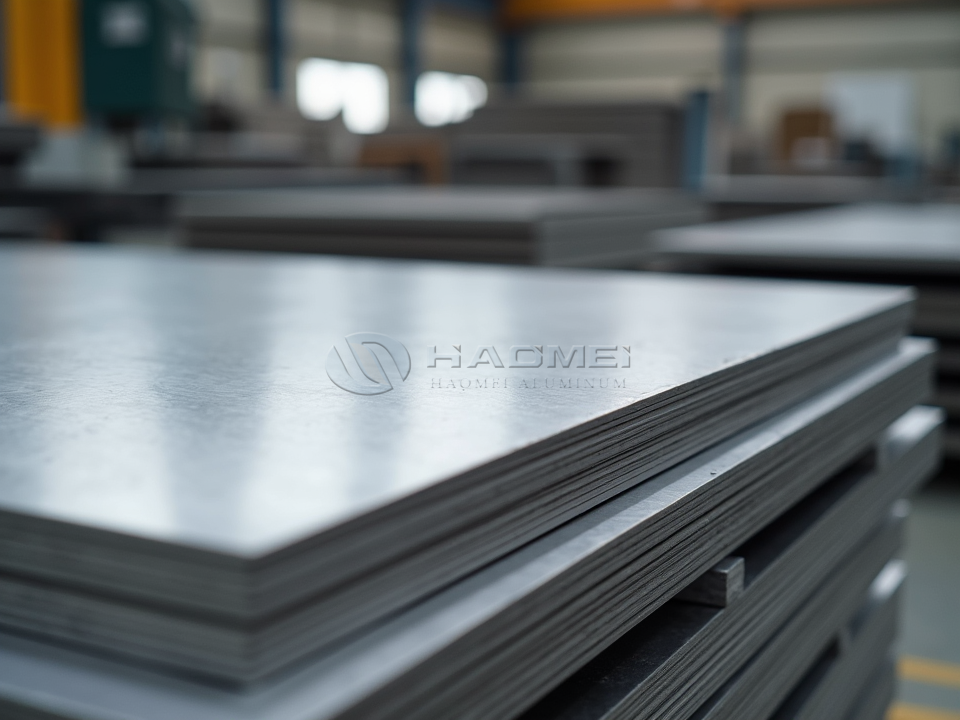
The figures in this table represent typical values for marine-grade plate. Actual values depend on alloy, temper, plate thickness, and production route.
| Alloy and Temper | Tensile Strength MPa | Yield Strength MPa | Elongation % | Suitable Marine Role |
|---|---|---|---|---|
| 5052-H32 | 210-260 | 160-215 | 8-12 | Light deck panels, interior floor plates |
| 5052-H34 | 230-280 | 180-230 | 6-10 | Cabin steps, utility platforms |
| 5083-H111 | 275-350 | 125-215 | 12-16 | Welded deck structures, access panels |
| 5083-H116 | 305-385 | 215-285 | 10-14 | Heavy-duty marine deck and ramp surfaces |
| 5086-H32 | 260-330 | 190-250 | 8-12 | Gangways, stairs, working platforms |
For demanding deck structures where strength and saltwater resistance are priorities, Marine 5083 aluminum sheet is often selected as a base material for tread plate and welded assemblies.
Surface Traction and Safety
The raised pattern is the practical reason many shipyards specify checkered plate. It reduces slip risk while keeping the surface easy to wash. In fishery vessels, ferry decks, pilot boats, and floating docks, the tread pattern helps workers maintain balance during motion, rain, spray, or cleaning operations.
| Pattern Type | Grip Level | Cleaning Ease | Typical Application |
|---|---|---|---|
| Diamond | High | Good | Ramps, small boat decks, tool zones |
| Five-bar | Very high | Very good | Walkways, work decks, engine-room flooring |
| Three-bar | Medium-high | Very good | Decorative and functional cabin flooring |
| Lentil | Medium | Excellent | Interior floors, panels, light traffic areas |
A correct pattern should provide traction without creating dirt traps. For food-processing boats and fishing vessels, smoother tread profiles may reduce cleaning time, while offshore service areas may benefit from deeper raised patterns.
Performance Benefits
Alloy aluminium checkered plate offers a strong combination of engineering and economic advantages for marine builders and maintenance teams.
| Benefit | Customer Value |
|---|---|
| Lightweight structure | Reduces vessel weight and may improve fuel efficiency |
| Corrosion resistance | Extends service life in saltwater and humid environments |
| Anti-slip surface | Improves walking safety on wet or oily decks |
| Good weldability | Supports fabrication of stairs, hatches, ramps, and platforms |
| Low maintenance | Requires less painting and surface treatment than steel |
| Attractive finish | Suitable for visible deck and cabin applications |
Compared with steel floor plate, aluminium checkered plate is much lighter and naturally resistant to rust. This makes installation easier and reduces maintenance work, especially in areas where repainting steel would be frequent.
Common Marine Applications
Marine aluminium checkered plate is used across both new vessel construction and repair work. It can be cut, welded, bent, drilled, and fastened with standard fabrication equipment.
| Application | Recommended Alloy | Reason for Selection |
|---|---|---|
| Boat deck flooring | 5052, 5083 | Anti-slip surface and corrosion resistance |
| Gangways and access bridges | 5083, 5086 | Strength, stiffness, and safe footing |
| Engine-room floor panels | 5052, 5086 | Lightweight and easy removal for maintenance |
| Dock plates and pontoon surfaces | 5083-H116 | Good durability under outdoor marine exposure |
| Marine stairs and ladder steps | 5052-H34, 5086-H32 | Formability plus surface grip |
| Fishing vessel working zones | 5083, 5086 | Resistance to seawater, cleaning agents, and abrasion |
| Ferry and passenger vessel walkways | 5052, 5083 | Clean appearance with reliable traction |
Fabrication and Installation Notes
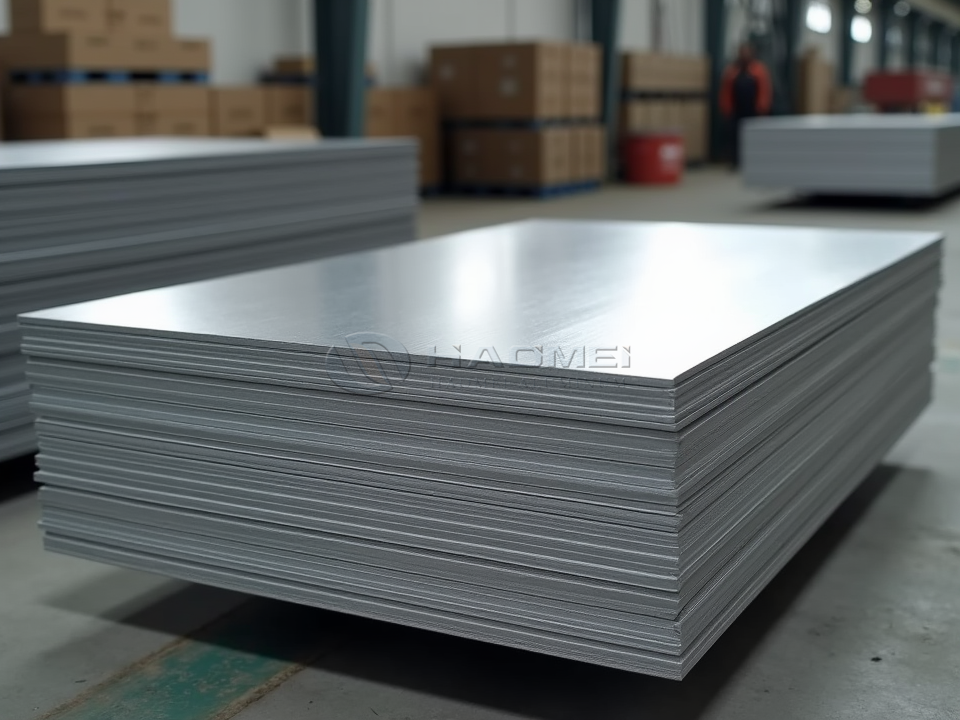
Marine checkered plate can be welded by MIG or TIG processes using suitable filler wire such as 5356 or 5183, depending on alloy and service requirement. During installation, designers should avoid water traps, untreated contact with dissimilar metals, and sharp crevices where chloride deposits can accumulate.
| Fabrication Step | Practical Recommendation |
|---|---|
| Cutting | Use saw, plasma, laser, or waterjet with burr removal |
| Welding | Select marine-compatible filler and control heat input |
| Fastening | Use stainless or coated fasteners with isolation washers |
| Bending | Choose 5052 for tighter bends; allow larger radius for 5083 |
| Cleaning | Use neutral detergent and fresh water rinse after salt exposure |
| Storage | Keep dry, ventilated, and separated from carbon steel |
If plate is installed on steel frames, use non-conductive barriers or sealants to reduce galvanic corrosion. Drainage design is also important because stagnant seawater can shorten service life even for marine-grade aluminium.
Purchasing Considerations
Before ordering, confirm the alloy, temper, base thickness, tread pattern, width, length, tolerance, certification, and packaging method. For classification-controlled vessels, request material certificates and confirm compliance with the required marine society rules.
| Purchase Item | Why It Matters |
|---|---|
| Alloy and temper | Controls strength, bendability, and corrosion resistance |
| Base thickness | Determines load capacity and panel stiffness |
| Pattern depth | Influences traction and cleaning performance |
| Flatness | Affects installation fit and deck appearance |
| Certification | Supports vessel inspection and project documentation |
| Packaging | Prevents moisture staining and transport scratches |
Alloy aluminium checkered plate for marine use is more than an anti-slip panel. It is a practical engineering material that helps vessels reduce weight, improve safety, resist seawater corrosion, and simplify deck fabrication. With the right alloy and surface pattern, it delivers reliable performance from light recreational boats to demanding commercial marine platforms.

Related Products
Marine 5052 aluminum sheet
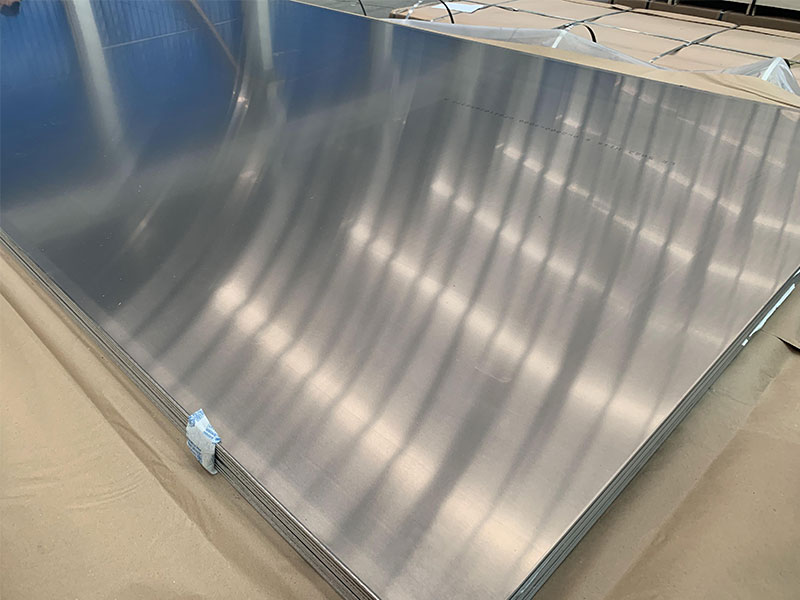
Aluminum alloy 5052 is a non-heat-treatable, strain-hardened alloy with magnesium as the primary alloying element. It is designed to offer superior corrosion resistance in marine and saline environments, making it a dependable choice for components exposed directly to seawater or coastal atmospheric conditions.
View Details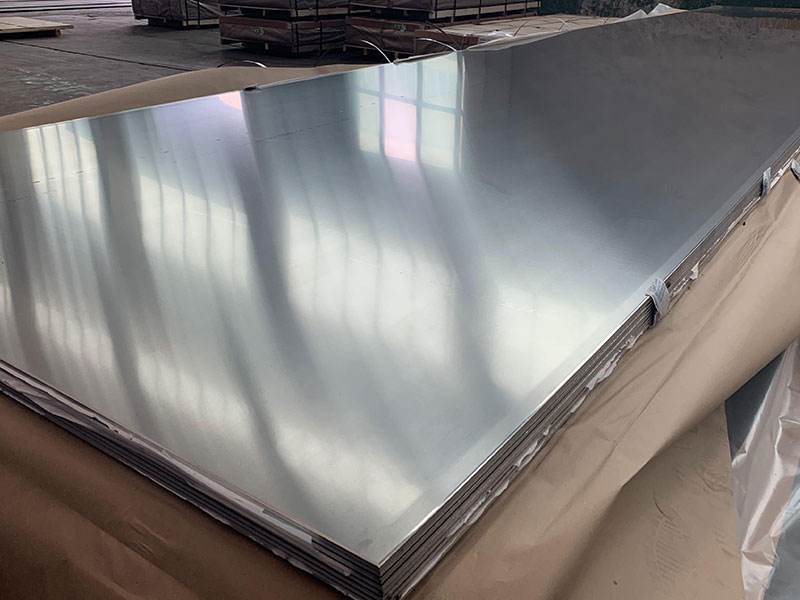
Marine 5086 aluminum sheet
This product article provides an in-depth and comprehensive understanding of Marine 5086 Aluminum Sheets, including their chemical composition, mechanical properties, corrosion resistance, fabrication capabilities, and typical marine applications.
View Details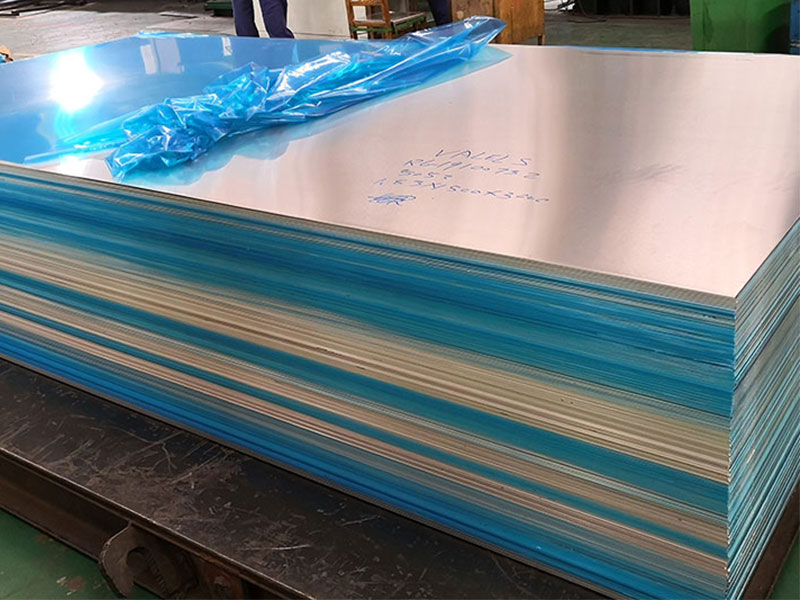
Marine 5059 aluminum sheet
5059 aluminum alloy is a strain-hardened material with a unique addition of magnesium and chromium, which provides outstanding resistance to localized corrosion like pitting and stress corrosion cracking.
View Details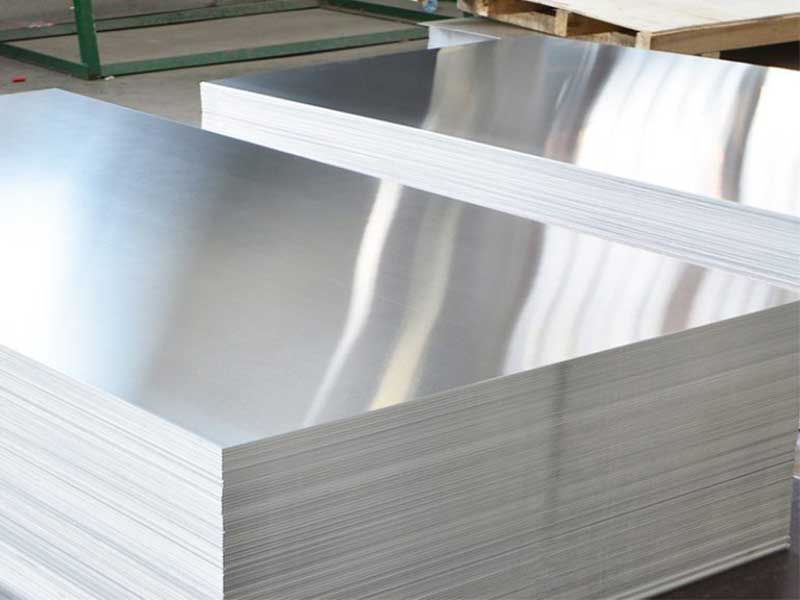
Marine anodized aluminum sheets
Marine Anodized Aluminum Sheets start with premium marine-grade aluminum alloys such as 5000 and 6000 series (typically 5083, 5052, and 6061).
View Details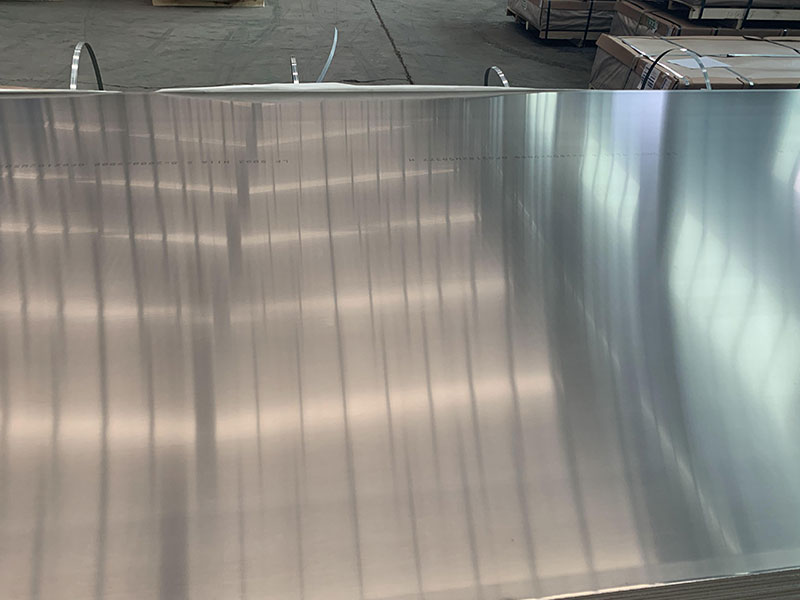
Marine 5383 aluminum sheet
5383 aluminum is a strain-hardened, non-heat-treatable alloy from the 5xxx series primarily alloyed with magnesium. It exhibits a unique balance of corrosion resistance and mechanical properties particularly suited for marine applications.
View Details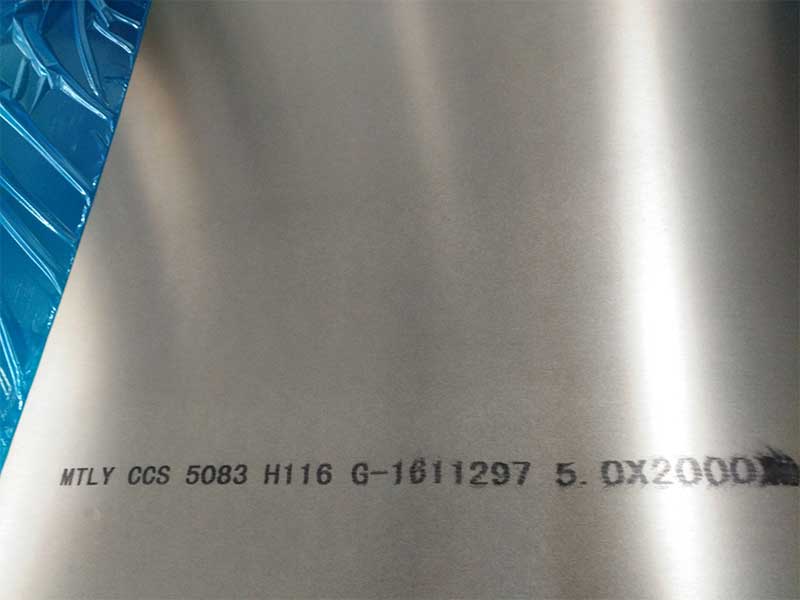
Marine 5083 aluminum sheet
Aluminum alloy 5083 is a non-heat-treatable alloy primarily composed of magnesium and trace elements that deliver outstanding protection against corrosion, particularly in seawater and saline atmospheres.
View DetailsRelated Blog
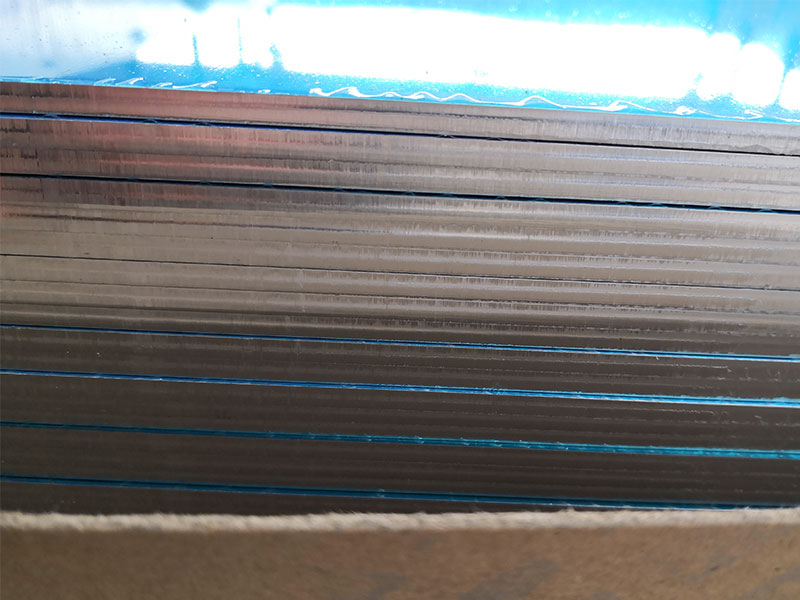
2mm 3mm 4mm marine grade 5083 aluminum sheet
When considering materials for marine applications, the demand for durability, adaptability, and weight efficiency comes to the forefront of innovation. One leading solution in this arena is the 5083 aluminum alloy.
View Details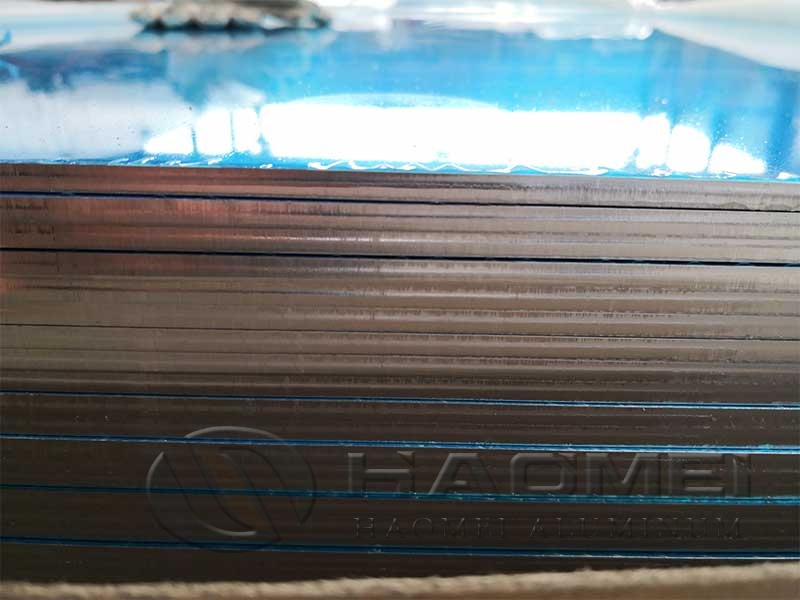
Marine 5059 Aluminum Plate
Marine 5059 aluminum plate offers high strength, seawater corrosion resistance, weldability, and certified performance for hulls and naval structures.
View Details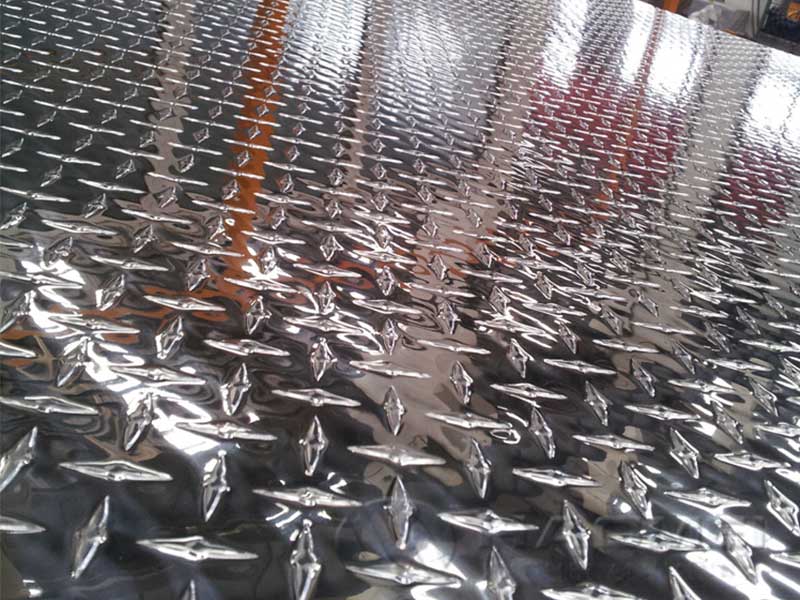
Marin grade aluminum sheet 5052 5mm thick for boat
What is Marine Grade Aluminum 5052?Aluminum 5052 is a non-heat-treatable aluminum-magnesium alloy primarily known for excellent corrosion resistance, high strength among the non-heat treatable grades, and superb weldability.
View Details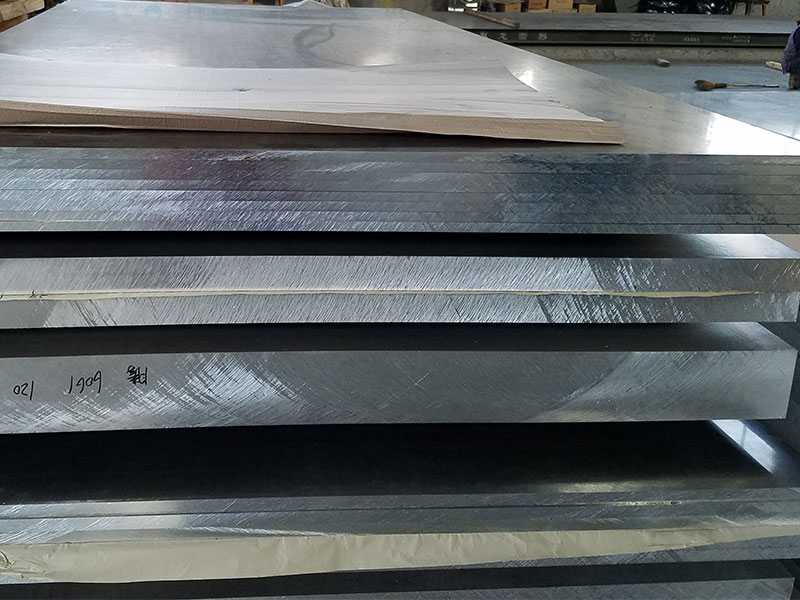
Alloy 5052 5757 5005 5083 h24 h32 aluminium coil for marine application
Marine environments demand materials that combine corrosion resistance, strength, weldability, and low weight. Among non-heat-treatable aluminum-magnesium alloys, 5052, 5754, 5005, and 5083 aluminium coil are widely selected for shipbuilding.
View Details
Marine 5086 Aluminum Plate
Marine 5086 aluminum plate offers strong corrosion resistance, weldability, and stable strength for hulls, decks, tanks, and offshore use.
View Details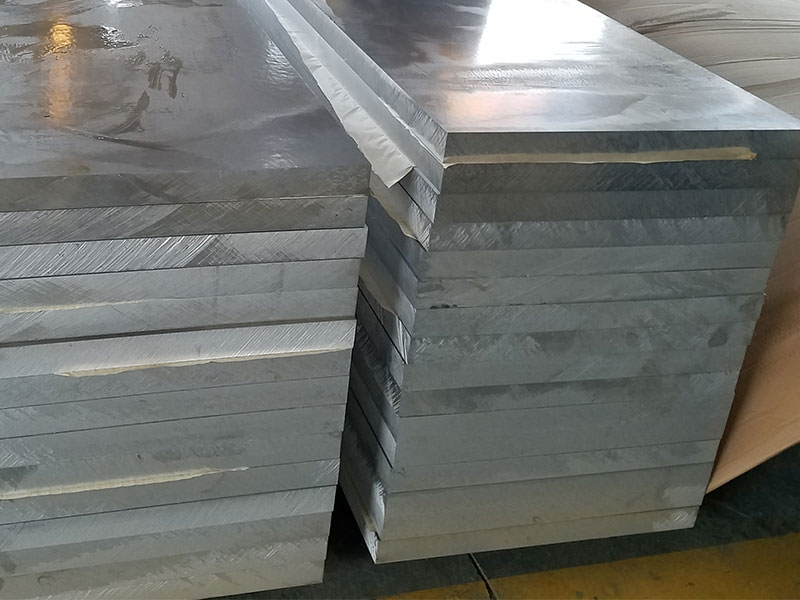
Marine grade 6063 5083 5052 H32 Aluminium Coil Roll
When engineers discuss marine aluminum coil roll, the conversation often starts with strength, corrosion resistance, or weldability. But the ocean does not read datasheets the way people do.
View Details
Leave a Message