
5052 Marine Aluminum Round Tubes
5052 marine aluminum round tubes are often selected for components that may not attract attention but perform essential work every day: handrails, canopy frames, ladder tubes, tank connections, console supports, pipe sleeves, protective guards, and lightweight structural members. Their value comes from a practical balance of corrosion resistance, formability, weldability, and low weight rather than maximum mechanical strength.
In a marine environment, a tube is rarely exposed to saltwater alone. It may experience salt spray, trapped moisture, vibration, cleaning chemicals, dissimilar-metal contact, and repeated loading from passengers or equipment. 5052 aluminum responds well to these conditions because it belongs to the aluminum-magnesium alloy family. Magnesium improves strength while helping the material retain strong resistance to atmospheric and seawater corrosion.
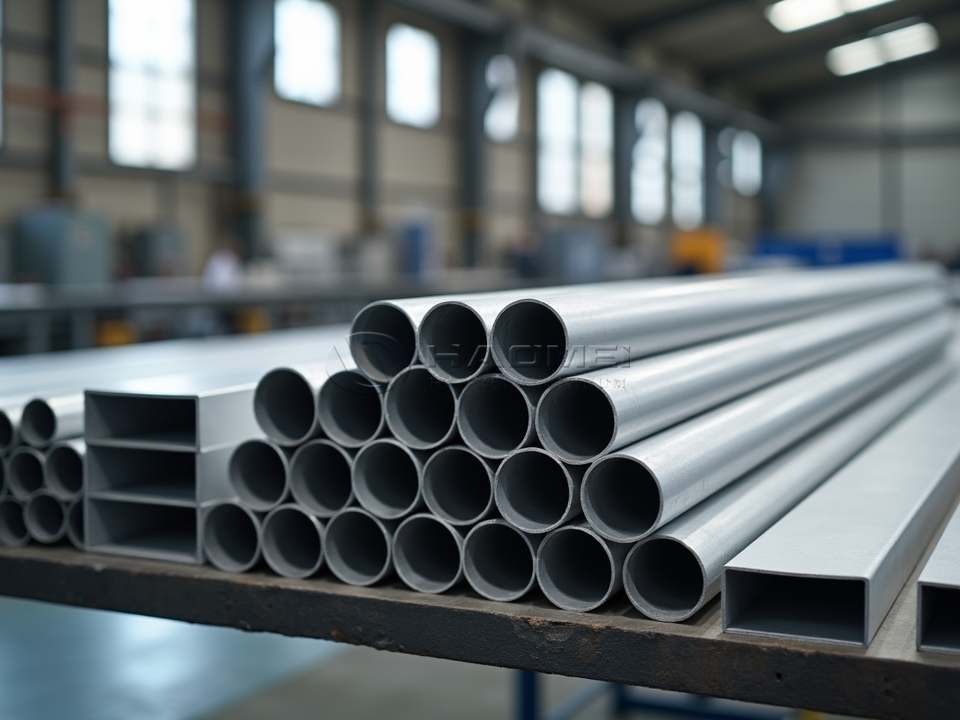
Why the Round Shape Matters at Sea
Round tubing distributes load around its circumference, making it especially suitable for rails, frames, supports, and curved marine fabrications. Compared with flat bars or open channels, a closed round section offers good stiffness for its weight and has fewer exposed corners where salt deposits can collect.
For designers, 5052 round tube is often the material of choice when a component must be bent, shaped, or welded without becoming excessively brittle. A bow rail, for example, needs enough rigidity to support a person, but it also needs clean bends and a surface that remains presentable after exposure to weather. 5052 supports that combination well, particularly in softer tempers such as O and H32.
It is important to distinguish between a structural tube and a fluid-carrying pipe. A round tube can be specified for fabrication, framing, or decorative marine structures, while pipe may be selected according to pressure, connection method, wall-thickness requirements, and applicable vessel regulations. For broad sizing choices, buyers can review Marine aluminum round tubes for applications ranging from handrail systems to fabricated boat equipment.
Chemistry That Supports Marine Service
5052 is a non-heat-treatable wrought aluminum alloy. It does not gain strength through a T6 heat treatment as 6061 does. Instead, its strength is developed mainly through cold working, identified by H-series temper designations.
The alloy contains magnesium as its main strengthening element, with chromium helping improve corrosion behavior and resistance to stress-corrosion concerns. Its copper content is tightly restricted, which is beneficial because excessive copper can reduce corrosion resistance in wet chloride environments.
| Chemical Element | 5052 Composition, % by Weight |
|---|---|
| Silicon, Si | 0.25 max |
| Iron, Fe | 0.40 max |
| Copper, Cu | 0.10 max |
| Manganese, Mn | 0.10 max |
| Magnesium, Mg | 2.2-2.8 |
| Chromium, Cr | 0.15-0.35 |
| Zinc, Zn | 0.10 max |
| Titanium, Ti | 0.15 max |
| Other elements, each | 0.05 max |
| Other elements, total | 0.15 max |
| Aluminum, Al | Balance |
This chemistry makes 5052 a sound choice for many exposed or semi-exposed marine parts. Still, corrosion performance depends heavily on fabrication quality. Saltwater trapped inside an unsealed tube, contact with stainless steel without insulation, or damaged coatings can create localized corrosion conditions that no alloy can fully eliminate.
Temper Conditions and Mechanical Behavior
Temper selection changes the way 5052 marine aluminum round tubes behave during bending, welding, and service. The correct temper is often more important than simply choosing a thicker wall.
| Temper | Condition | Typical Marine Use |
|---|---|---|
| O | Annealed, softest condition | Tight bends, complex forming, formed fittings |
| H32 | Strain hardened and stabilized, quarter-hard | Rails, frames, supports, general fabrication |
| H34 | Strain hardened and stabilized, half-hard | Stiffer fabricated parts with moderate forming needs |
| H36 | Strain hardened and stabilized, three-quarter-hard | Higher-strength formed sections with limited bending |
| H38 | Full-hard condition | Applications requiring maximum cold-worked strength and minimal forming |
| H112 | Slightly strain-hardened or as-fabricated condition | Certain extruded structural tube requirements |
Typical physical properties include a density of approximately 2.68 g/cm³, an elastic modulus near 70 GPa, and a melting range of roughly 607-649°C. In H32 temper, 5052 commonly offers tensile strength around 210 MPa minimum and yield strength around 130 MPa minimum, depending on wall thickness and applicable standard. Values should always be confirmed on the mill test certificate for the ordered tube size and temper.
Because 5052 is non-heat-treatable, welding does not create the same heat-affected-zone behavior seen in T6 structural alloys. However, welding will still reduce the cold-worked strength near the weld. A fabricator should design the joint, wall thickness, and support spacing around the reduced strength in that local zone.
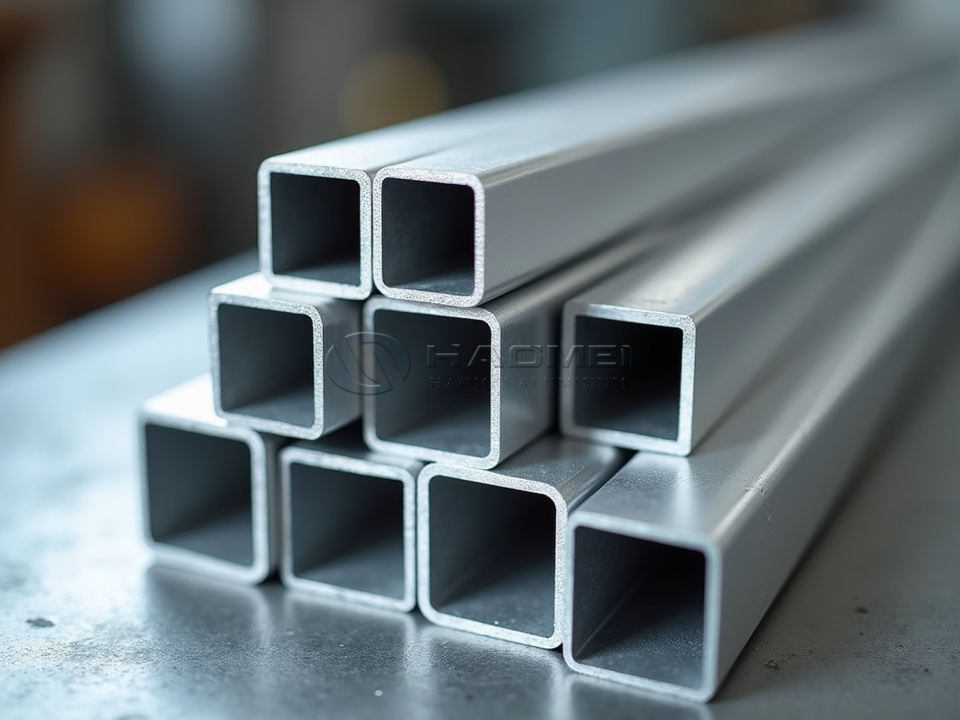
Dimensions, Production Forms, and Standards
5052 round tubes can be supplied as seamless drawn tube, extruded seamless tube, or welded tube, depending on the required dimensions, finish, tolerance, and service duty. Seamless tubing is often preferred where a uniform wall, cleaner internal passage, or dependable response under forming is required. Extruded tubes can be economical for structural applications and larger sections.
Common order parameters include outside diameter, inside diameter, wall thickness, length, temper, straightness, surface finish, and end condition. Practical dimensions may range from small-diameter instrument or framework tube to large handrail and structural sizes. Typical outside diameters can extend from approximately 6 mm to 250 mm, while common wall thicknesses range from about 0.8 mm to 12 mm. Actual production capability depends on the manufacturing route and tolerance requirements.
Relevant implementation standards may include ASTM B210 for drawn seamless aluminum-alloy tube, ASTM B241/B241M for extruded seamless pipe and tube, ASTM B221/B221M for extruded aluminum-alloy bars, rods, wire, profiles, and tubes, and EN 755-2 for extruded products. Marine projects may also require compliance with class society rules, customer drawings, or vessel-specific specifications.
Fabrication Practices That Extend Service Life
5052 round tube is readily TIG and MIG welded. Common filler alloys include 5356 and 5183, selected according to joint design, strength requirements, anodizing expectations, and corrosion exposure. Thorough cleaning before welding is essential. Oxide, moisture, oils, and salt residue can cause porosity and reduce weld quality.
For bending, select the temper around the bend radius. O temper supports the tightest bends, while H32 provides a more balanced option for many rail and frame assemblies. Internal mandrel bending can help preserve roundness and reduce wall thinning in visible marine fittings.
When 5052 tubing is connected to stainless steel, copper alloys, or carbon steel, use isolating washers, sleeves, sealants, or compatible coatings. This reduces galvanic corrosion risk in wet service. Tube ends should be capped, drained, or sealed appropriately. A seemingly minor detail, such as an open rail tube that holds saltwater, can shorten the life of an otherwise well-made assembly.
Where 5052 Round Tubes Deliver the Most Value
5052 marine aluminum round tubes are particularly effective in lightweight, corrosion-conscious assemblies that need fabrication flexibility. They are used in fishing boat rails, pontoon boat frameworks, yacht canopy structures, boarding ladders, dinghy fittings, equipment guards, fuel and utility support structures, navigation hardware, and dockside accessories.
For projects requiring several tube geometries in one assembly, Marine Grade Aluminum Tubing can help match round sections with square, rectangular, or custom-profile components. This allows builders to place round tubes where smooth handling and directional stiffness matter, while using other profiles where flat mounting surfaces are needed.
5052 is not always the strongest option, but strength alone is not the full marine design equation. When corrosion resistance, low mass, clean fabrication, and dependable forming are the priorities, 5052 marine aluminum round tubes provide a durable and efficient solution for the working details that keep vessels functional, safe, and comfortable.

Related Products
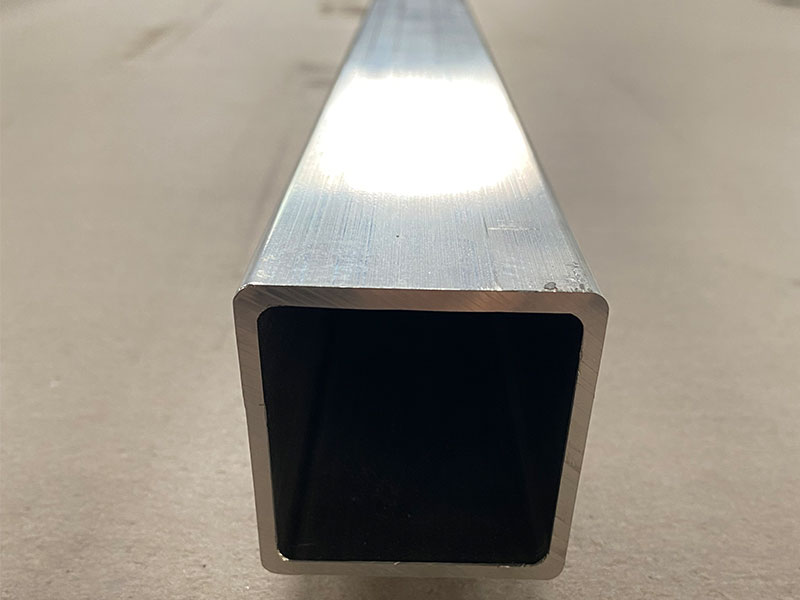
Marine aluminum square tubes
Marine Grade Aluminum Square Tubes are typically constructed from marine-grade alloys such as 5083, 5052, 6061, and 6082—well-known for their ability to withstand the aggressive effects of saltwater and marine atmospheres.
View Details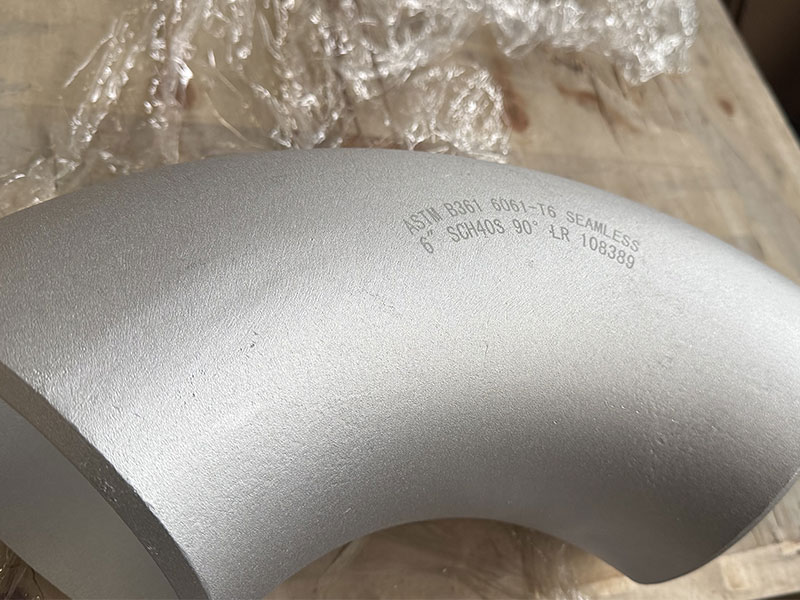
6061-T6 90-Degree Marine Aluminum Pipe Elbow
Manufactured from premium 6061-T6 marine-grade aluminum alloy, this elbow fitting is engineered to provide reliable and efficient pipe direction changes within shipbuilding, offshore platforms, and marine infrastructure systems.
View Details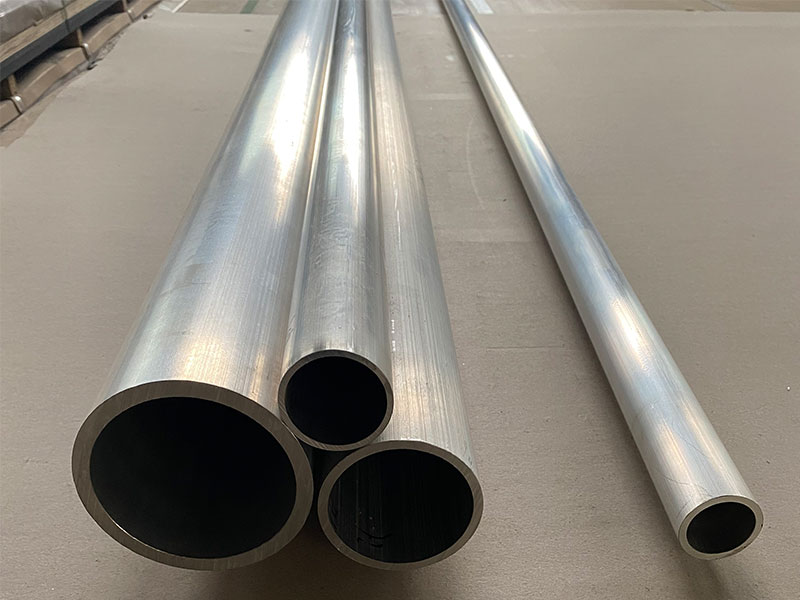
Marine aluminum round tubes
Marine Grade Aluminum Round Tubes are manufactured from premium marine alloys such as 5083, 5052, 6061, and 6082, all selected for their proven resistance to seawater corrosion and marine atmosphere degradation.
View Details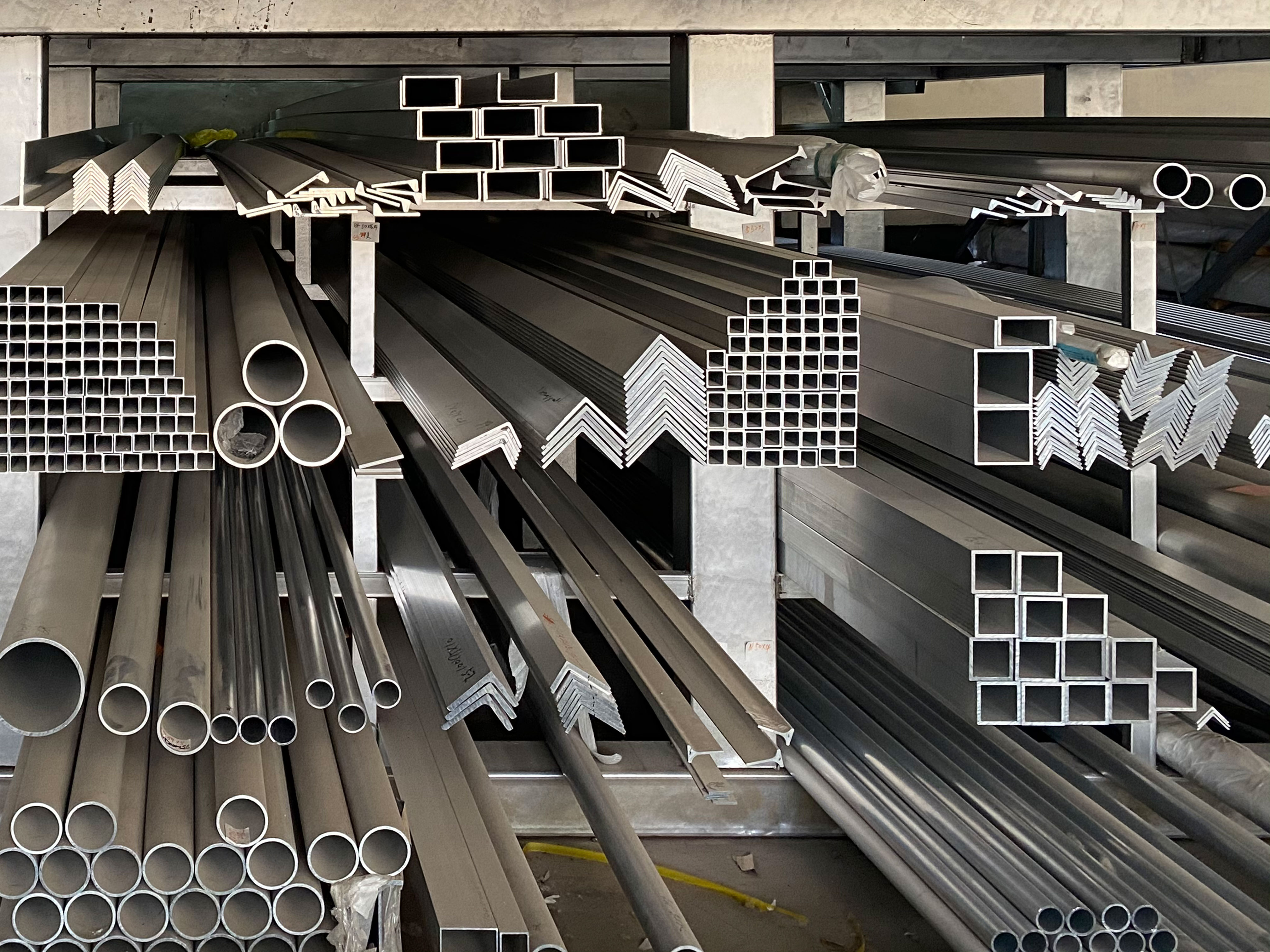
Custom marine aluminum profile tubes
Custom Marine Grade Aluminum Profile Tubes are manufactured from premium marine aluminum alloys such as 5083, 5052, 6061, and 6082.
View Details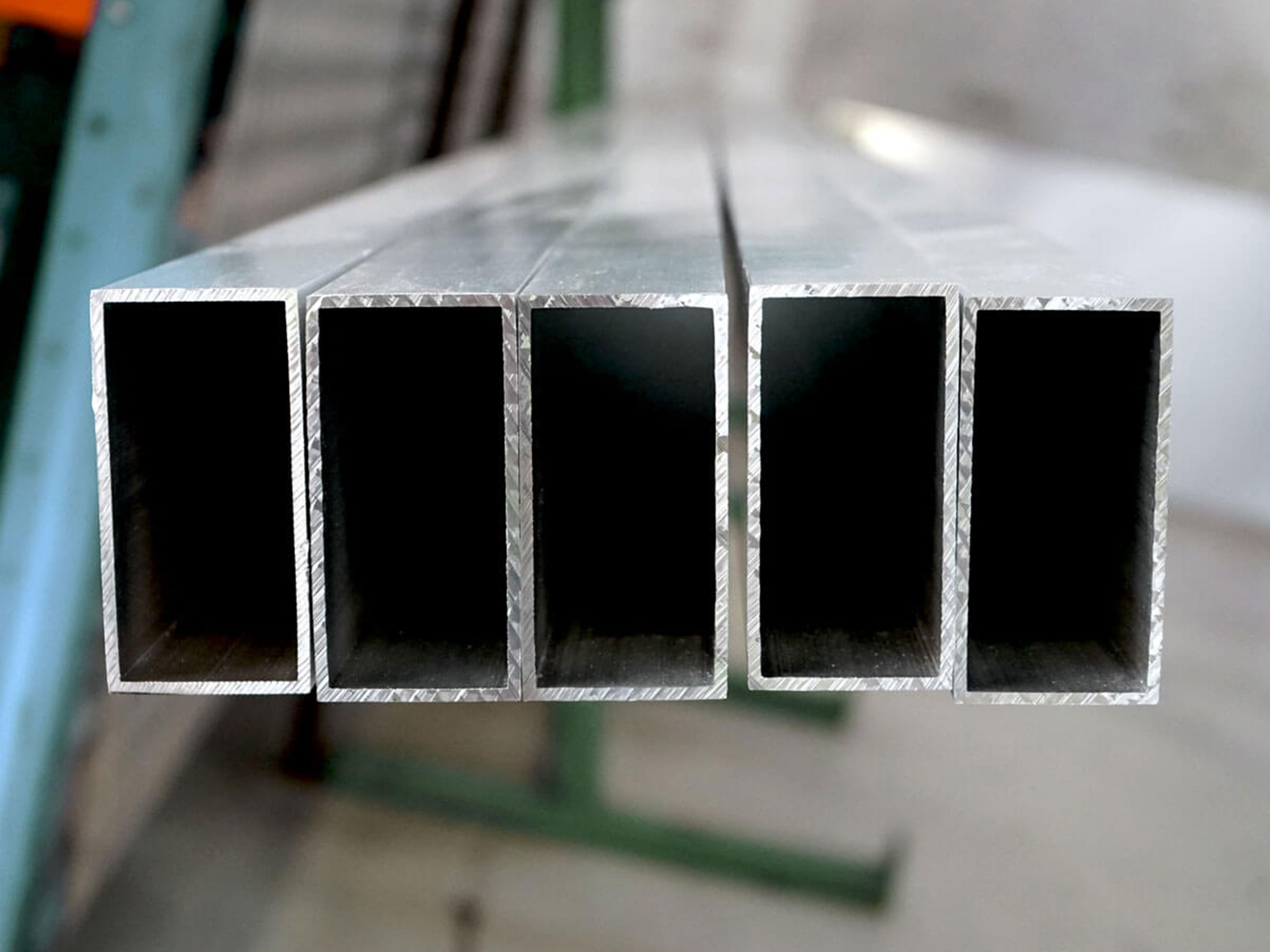
Marine aluminum rectangular tubes
Marine Grade Aluminum Rectangular Tubes are made from high-performance alloys such as 5083, 5052, 6061, and 6082. These alloys are renowned for their ability to resist corrosive seawater and marine atmospheres while providing excellent mechanical strength and toughness.
View DetailsRelated Blog
Marine Aluminum Elbow for Saltwater Inlet and Treatment Systems
Practical details on marine aluminum elbows for seawater inlet and treatment piping, covering corrosion behavior, materials, sizing, and applications.
View Details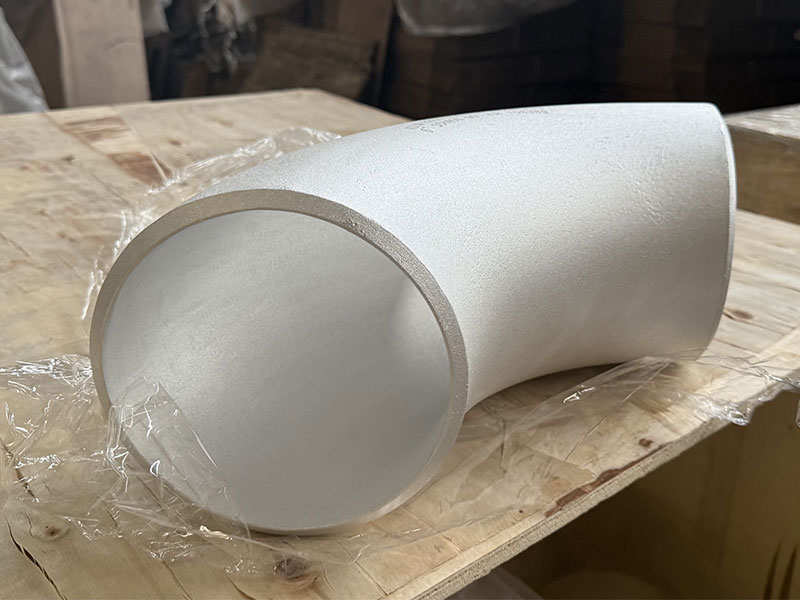
Marine Aluminum Pipe Elbow for Waste Heat Exhaust Systems
In the demanding environment of marine engineering, selecting the right components for waste heat exhaust systems is decisive for both efficiency and durability.
View Details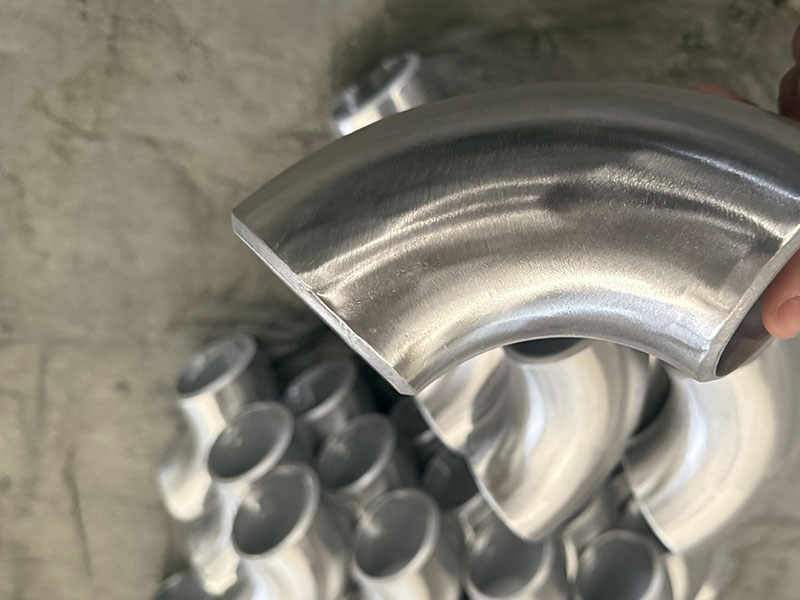
Marine Aluminum Elbow for Seawater Drainage Systems
Our high-performance Marine Aluminum Elbow designed specifically for seawater drainage systems, offering exceptional corrosion resistance, superior strength, and compatibility with marine-grade piping systems. Learn about its alloy composition, tempering,
View Details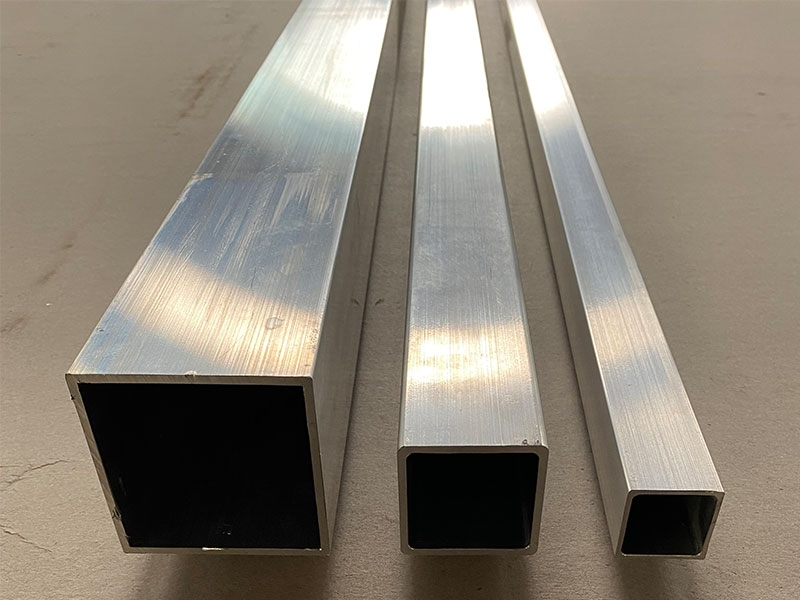
6061 Marine Aluminum Tubes for Marine Machinery Support Systems
6061 Marine Aluminum Tubes: Essential for Marine Machinery Support SystemsIn the complex machinery and construction of the marine industry, the materials crafted for durability and management play a pivotal role.
View Details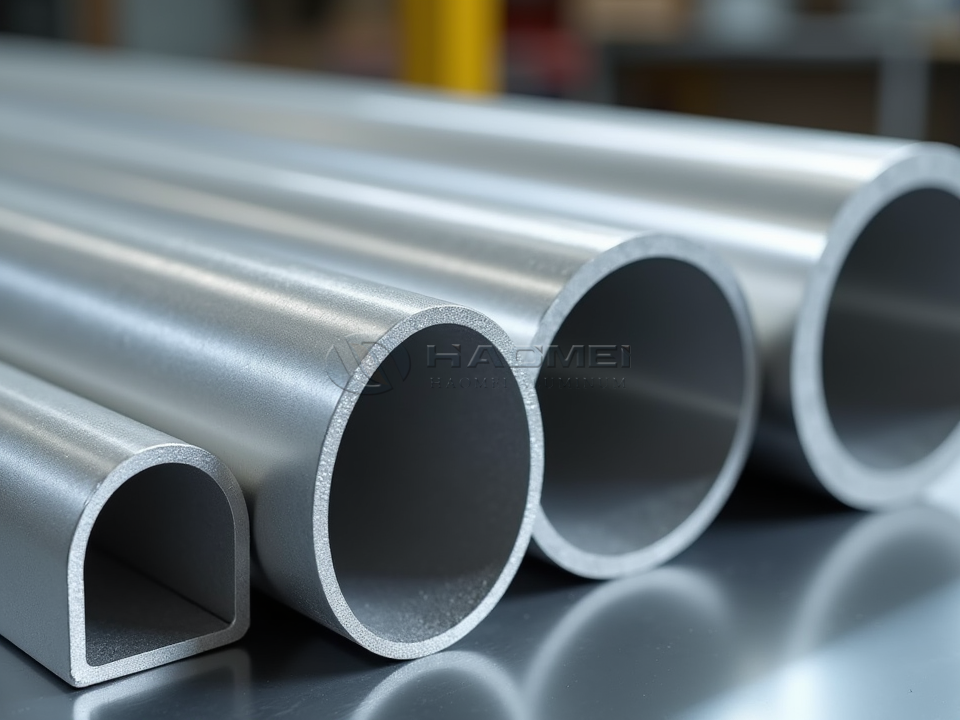
Aluminum Elbow for Fluid Handling in Marine Pumping Systems
Marine aluminum elbows guide seawater, ballast, bilge, and cooling flows with low weight, corrosion resistance, alloy data, standards, and fitting guidance.
View Details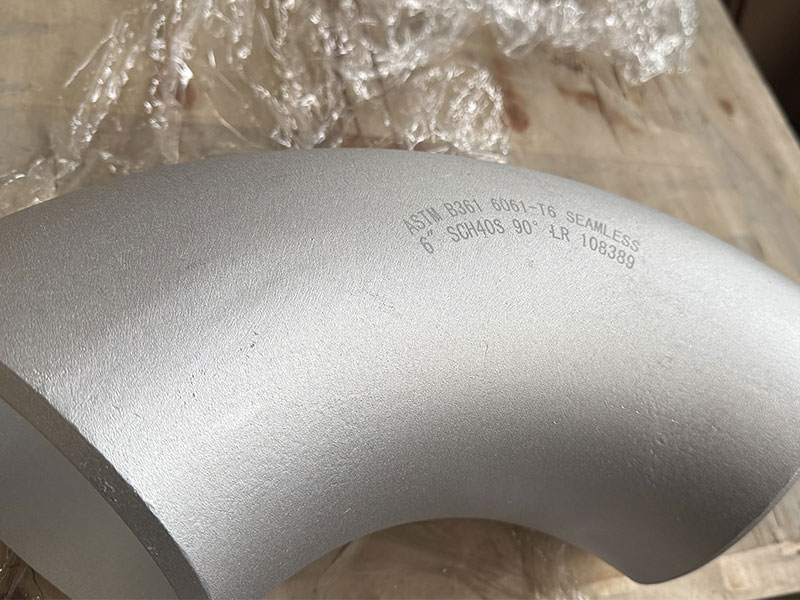
5083 Marine Aluminum Tubes for Saltwater Environment Durability
When it comes to marine applications, durability, corrosion resistance, and mechanical performance are paramount for structural materials. Among the various aluminum alloys available, 5083 aluminum alloy stands out as a premium choice.
View Details
Leave a Message