
Aluminum Elbow for Fluid Handling in Marine Pumping Systems
An aluminum elbow is a direction-changing fitting used to route liquid through marine piping without excessive resistance, vibration, or added weight. Installed at pump inlets and outlets, engine cooling circuits, ballast lines, bilge networks, deck-wash systems, and freshwater transfer pipes, the elbow creates compact flow paths where straight tubing cannot fit.
Marine vessels operate in a demanding mix of saltwater, vibration, changing pressure, and confined spaces. A properly selected marine aluminum elbow helps maintain flow continuity while reducing the mass of the piping system. Compared with steel fittings, aluminum elbows are easier to handle during installation and contribute less weight above the vessel's center of gravity.
Functions in Marine Fluid Systems
The main purpose of an aluminum elbow is to redirect liquid flow through 45-degree, 90-degree, or custom-angle turns. The fitting connects pipe sections, creates access around bulkheads and machinery, and allows pumps to be positioned efficiently within a compact engine room or service compartment.
Smooth-radius elbows are especially valuable near centrifugal pump suction lines. Their gradual internal curvature limits turbulence and pressure loss compared with sharp fabricated corners. This supports steadier pump operation and can help reduce cavitation risk when suction conditions are carefully engineered.
| Function | Marine System Example | Practical Benefit |
|---|---|---|
| Flow direction control | Seawater cooling loop | Routes water around engines, heat exchangers, and strainers |
| Space-efficient piping | Bilge and ballast manifolds | Fits piping into narrow compartments and behind bulkheads |
| Pump connection | Fire pump discharge line | Aligns outlet piping with valves and distribution headers |
| Vibration accommodation | Auxiliary machinery circuits | Supports sensible pipe routing with fewer stressed connections |
| Weight reduction | High-speed craft and workboats | Reduces installed piping mass compared with many steel alternatives |
Common Marine Applications
Aluminum elbows are used where aluminum pipe or tube is already selected for corrosion resistance, fabrication flexibility, and low vessel weight. They are particularly suitable for non-potable and utility fluid services when the alloy, joining method, pressure design, and corrosion-control plan match the operating environment.
| Application | Typical Fluid | Preferred Design Consideration |
|---|---|---|
| Engine cooling circuits | Seawater or treated coolant | Smooth bore, reliable corrosion isolation, pressure-tested joints |
| Ballast and transfer systems | Seawater | Seawater-resistant 5xxx alloy or protected 6xxx alloy |
| Bilge pumping | Oily water, seawater, drainage | Weld quality and access for inspection |
| Deck-wash lines | Seawater | Abrasion-resistant routing and secure pipe supports |
| Firefighting systems | Seawater or freshwater | Class-approved design where required by vessel rules |
| Freshwater service | Potable or utility water | Compatible seals and appropriate internal cleanliness |
| Fish-farm and aquaculture vessels | Seawater process flow | Corrosion-resistant alloy with low-maintenance finish |
For installations requiring a compact right-angle connection, a 6061-T6 90-Degree Marine Aluminum Pipe Elbow can provide a practical fitting solution for fabricated marine pipe assemblies.
Alloy Choices and Temper Conditions
The alloy selected for an elbow affects corrosion behavior, weldability, strength, bendability, and long-term maintenance. Aluminum elbows may be machined from thick-wall tube, formed from extruded pipe, or fabricated from cut-and-weld sections.
| Alloy | Common Temper | Marine Suitability | Typical Use |
|---|---|---|---|
| 5083 | H111, H116, H321 | Excellent resistance to seawater exposure | Ballast, seawater utility lines, welded structures |
| 5086 | H111, H116, H32 | Very good seawater corrosion resistance | Marine piping and welded fittings |
| 6061 | T6, T651 | Good general corrosion resistance; needs careful galvanic protection in seawater duty | Cooling lines, freshwater lines, structural pipe assemblies |
| 6082 | T6 | High strength with good corrosion performance | Heavy-duty fabricated pipe sections and supports |
| 6063 | T5, T6 | Good formability and surface finish | Light-duty tubing and protected utility systems |
The T6 condition indicates solution heat treatment followed by artificial aging. It delivers high strength, though bending or welding may reduce strength in the heat-affected area. H111, H116, and H321 tempers are common for 5xxx marine alloys because they retain strong seawater corrosion performance and are well suited to welded construction.
Chemical Composition of Common Marine Alloys
Values are percentage by mass and represent commonly specified composition ranges. Material certificates should govern final purchasing requirements.
| Alloy | Mg | Si | Mn | Cr | Cu | Fe | Zn | Al |
|---|---|---|---|---|---|---|---|---|
| 5083 | 4.0-4.9 | 0.40 max | 0.40-1.0 | 0.05-0.25 | 0.10 max | 0.40 max | 0.25 max | Balance |
| 5086 | 3.5-4.5 | 0.40 max | 0.20-0.70 | 0.05-0.25 | 0.10 max | 0.50 max | 0.25 max | Balance |
| 6061 | 0.8-1.2 | 0.4-0.8 | 0.15 max | 0.04-0.35 | 0.15-0.40 | 0.70 max | 0.25 max | Balance |
| 6082 | 0.6-1.2 | 0.7-1.3 | 0.40-1.0 | 0.25 max | 0.10 max | 0.50 max | 0.20 max | Balance |
Magnesium contributes strongly to the seawater corrosion resistance of 5xxx alloys. In 6xxx alloys, magnesium and silicon form magnesium silicide, allowing heat treatment to develop higher mechanical strength.
Typical Technical Parameters
Dimensions are commonly customized to match the vessel piping layout, pump flange elevation, and applicable design pressure. The parameters shown are representative procurement ranges rather than universal ratings.
| Parameter | Typical Range or Option | Notes |
|---|---|---|
| Elbow angle | 45 degrees, 90 degrees, 180 degrees, custom | 90 degrees is most common in marine pump rooms |
| Outside diameter | 20-168 mm | Larger diameters available by fabrication |
| Wall thickness | 1.5-12 mm | Selected from pressure, corrosion allowance, and welding needs |
| Centerline radius | 1D, 1.5D, 2D, 3D, custom | Larger radius improves flow behavior |
| End connection | Plain end, butt weld, flange, threaded, grooved | Threaded joints are generally limited to smaller lines |
| Surface finish | Mill finish, anodized, painted, epoxy-coated | Coating selection depends on exposure and service fluid |
| Test method | Hydrostatic or pneumatic test | Test pressure and procedure follow project requirements |
| Density | Approximately 2.66-2.70 g/cm³ | Supports lower system weight than steel pipe fittings |
Pressure capacity must be calculated from actual outside diameter, wall thickness, alloy temper, corrosion allowance, operating temperature, weld efficiency, joining method, and classification requirements. A fitting should never be assigned a pressure rating solely from its diameter.
Standards and Quality Controls
Marine aluminum elbows are commonly produced to material, welding, and vessel-class requirements specified by the shipyard, designer, or classification society. Compliance documentation is especially important for safety-related pumping systems.
| Area | Common Standard or Requirement | Purpose |
|---|---|---|
| Aluminum extruded pipe and tube | ASTM B241/B241M | Dimensions, tolerances, and general requirements for aluminum pipe and tube |
| Aluminum alloy plate for marine use | ASTM B928/B928M | Relevant when elbows are fabricated from marine plate |
| Aluminum welding | AWS D1.2/D1.2M | Welding procedure and workmanship guidance for aluminum structures |
| Welding quality management | ISO 3834 | Welding production quality requirements |
| Marine classification | DNV, ABS, Lloyd's Register, BV, CCS rules | Project-specific approval for vessel piping applications |
| Quality traceability | EN 10204 3.1 certificate | Chemical composition and mechanical property verification |
Dimensional inspection should confirm elbow angle, center-to-end distance, ovality, wall thickness, and weld profile. For critical services, non-destructive examination such as dye penetrant testing, radiographic testing, or ultrasonic testing may be specified.
Installation Practices for Long Service Life
Aluminum has excellent marine potential when galvanic corrosion is controlled. Direct contact with copper alloys, stainless steel, or carbon steel in the presence of seawater can create a galvanic cell. Use electrically isolating gaskets, sleeves, washers, compatible coatings, and planned drainage to reduce this risk.
| Installation Factor | Recommended Practice |
|---|---|
| Dissimilar metals | Isolate aluminum from copper-based alloys and avoid stagnant seawater traps |
| Welding | Use qualified procedures and compatible filler wire, commonly 5356 or 5183 where appropriate |
| Pipe supports | Use non-metallic liners or coated clamps to prevent fretting and crevice corrosion |
| Coatings | Repair damaged paint or anodic coatings after fabrication and installation |
| Flow direction | Avoid abrupt restrictions close to pump suction connections |
| Maintenance | Inspect joints, supports, coatings, and signs of pitting during scheduled vessel service |
A correctly engineered aluminum elbow combines light weight, practical fabrication, and dependable fluid routing. With the right alloy, temper, wall thickness, corrosion protection, and inspection plan, it becomes a durable part of marine pumping systems operating in demanding saltwater environments.

Related Products
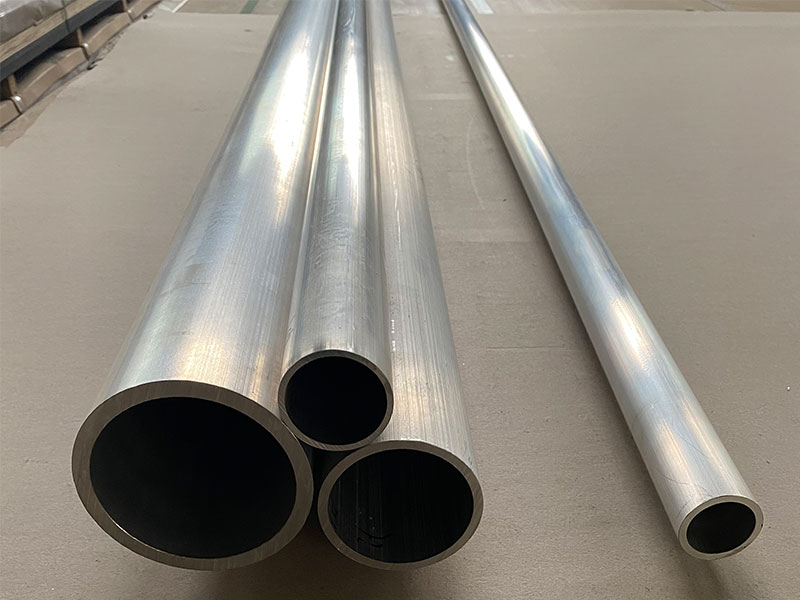
Marine aluminum round tubes
Marine Grade Aluminum Round Tubes are manufactured from premium marine alloys such as 5083, 5052, 6061, and 6082, all selected for their proven resistance to seawater corrosion and marine atmosphere degradation.
View Details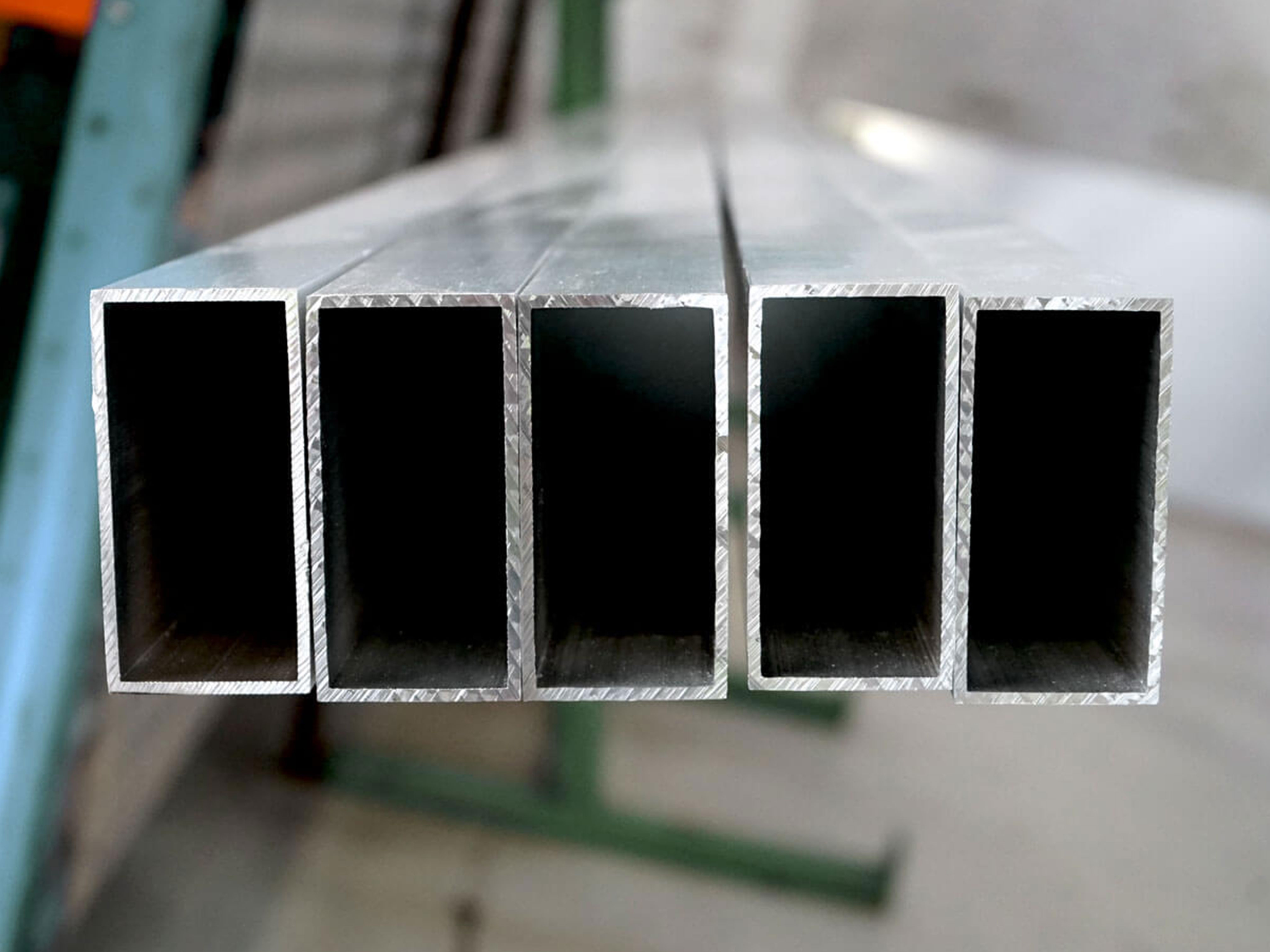
Marine aluminum rectangular tubes
Marine Grade Aluminum Rectangular Tubes are made from high-performance alloys such as 5083, 5052, 6061, and 6082. These alloys are renowned for their ability to resist corrosive seawater and marine atmospheres while providing excellent mechanical strength and toughness.
View Details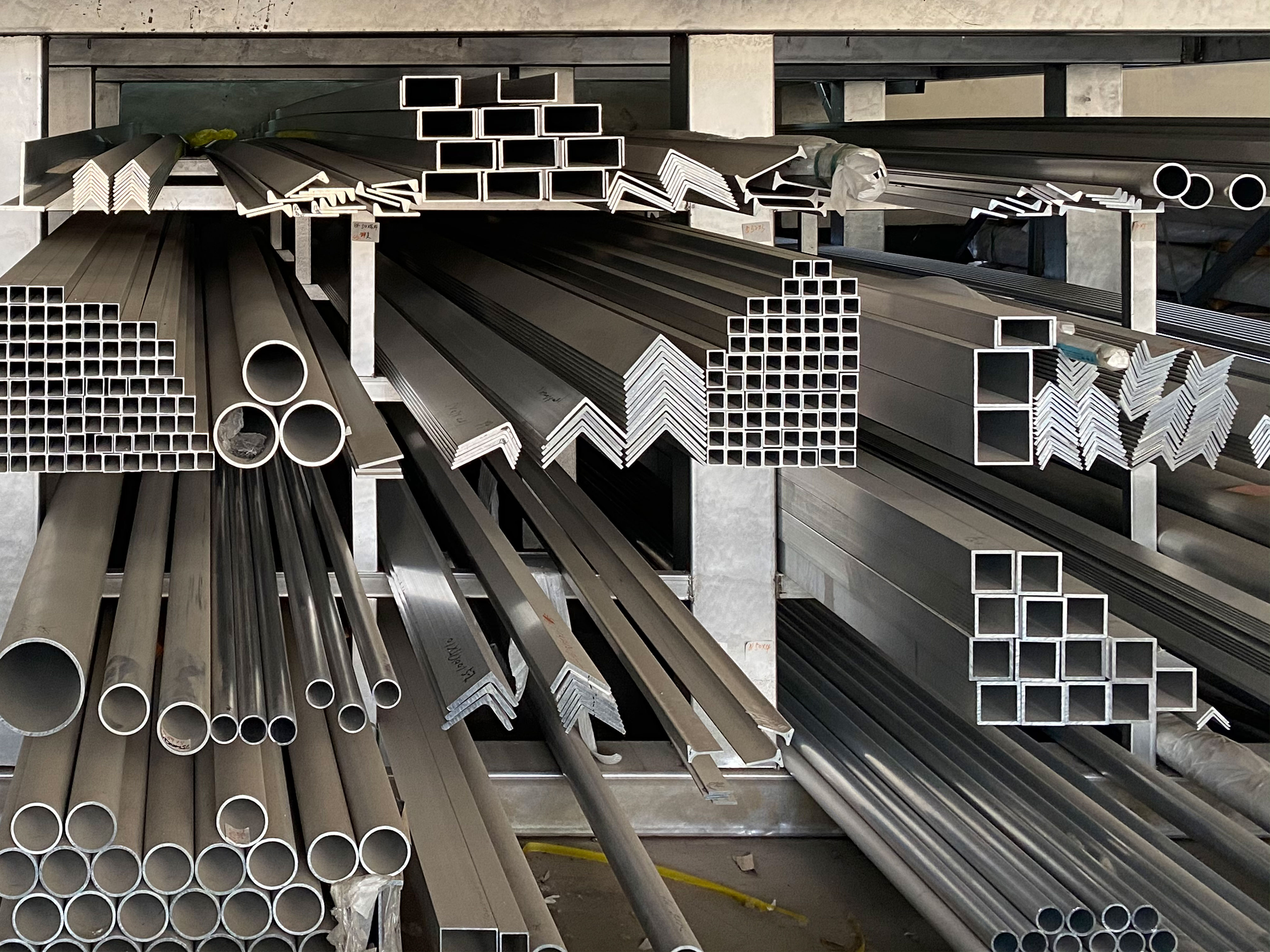
Custom marine aluminum profile tubes
Custom Marine Grade Aluminum Profile Tubes are manufactured from premium marine aluminum alloys such as 5083, 5052, 6061, and 6082.
View Details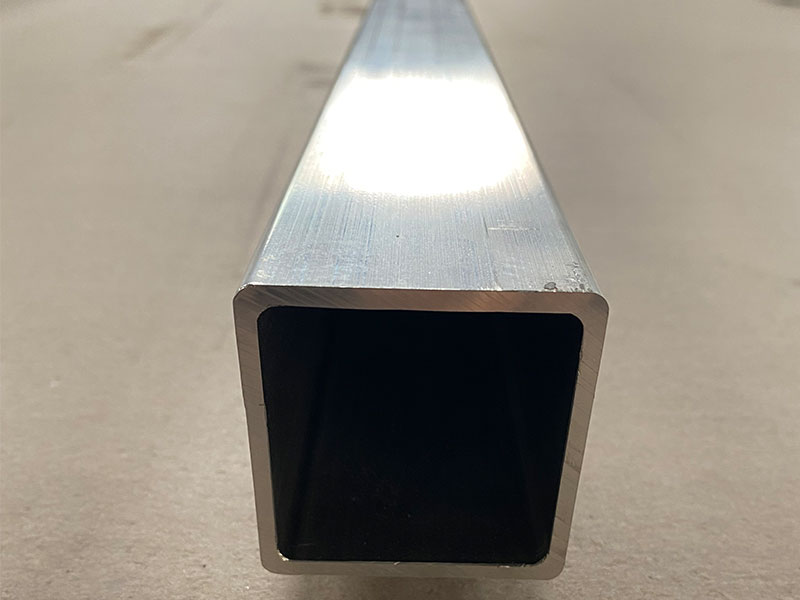
Marine aluminum square tubes
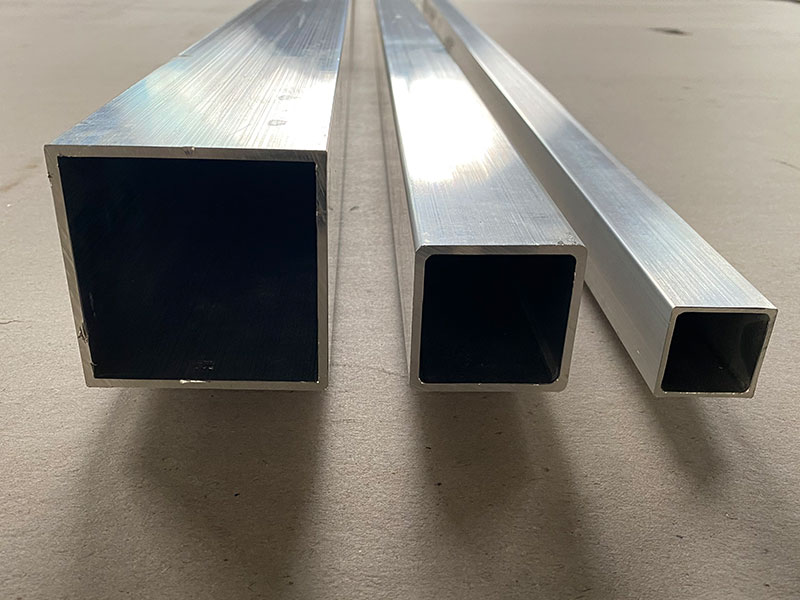
Marine Grade Aluminum Square Tubes are typically constructed from marine-grade alloys such as 5083, 5052, 6061, and 6082—well-known for their ability to withstand the aggressive effects of saltwater and marine atmospheres.
View Details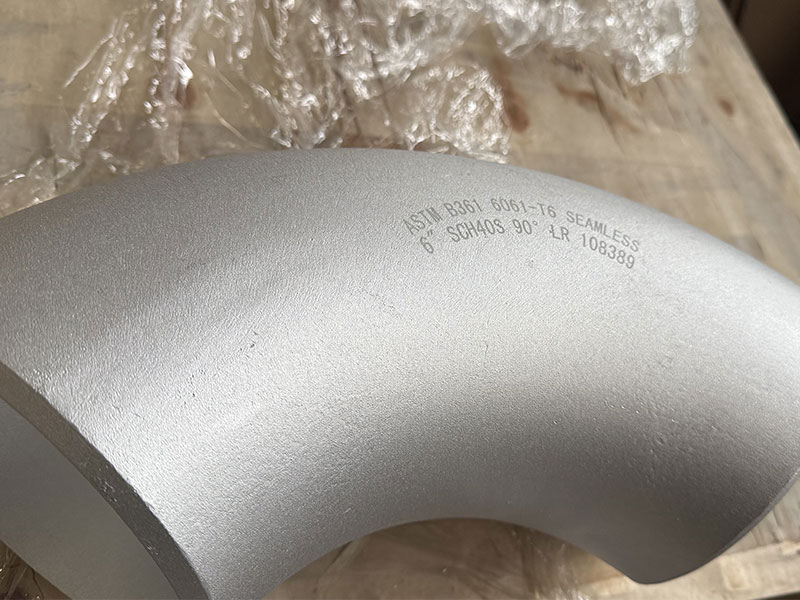
6061-T6 90-Degree Marine Aluminum Pipe Elbow
Manufactured from premium 6061-T6 marine-grade aluminum alloy, this elbow fitting is engineered to provide reliable and efficient pipe direction changes within shipbuilding, offshore platforms, and marine infrastructure systems.
View DetailsRelated Blog
6061 Marine Aluminum Tubes for Commercial Marine Vessels
In the realm of commercial marine construction, choosing the right materials is paramount. Among the best options, 6061 marine aluminum tubes have become the undeniable standard for their balance of strength, lightweight, and corrosion resistance.
View Details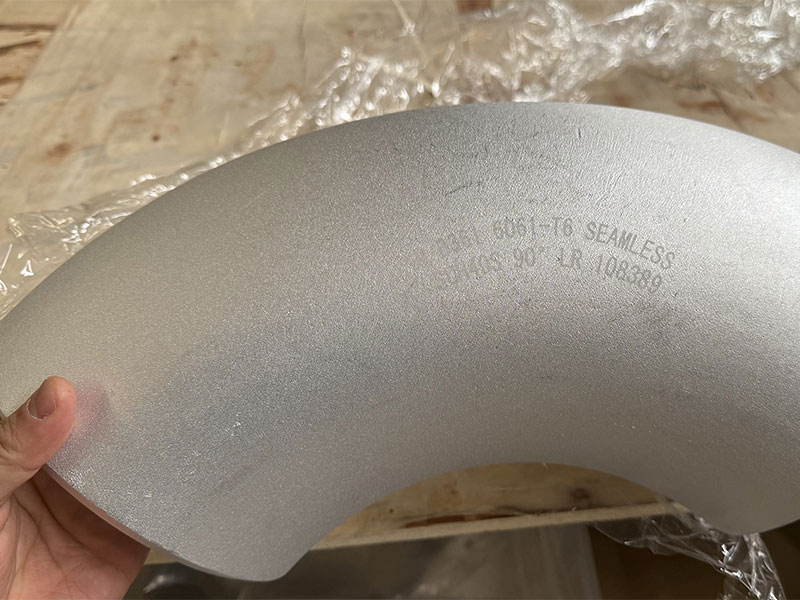
Custom Marine Aluminum Elbow for Ship to Ship Fuel Transfer
In the intricate and highly demanding marine environment, efficient and reliable fuel transfer is paramount — especially during ship-to-ship (STS) operations. Central to this process is the often unsung hero: the custom marine aluminum elbow.
View Details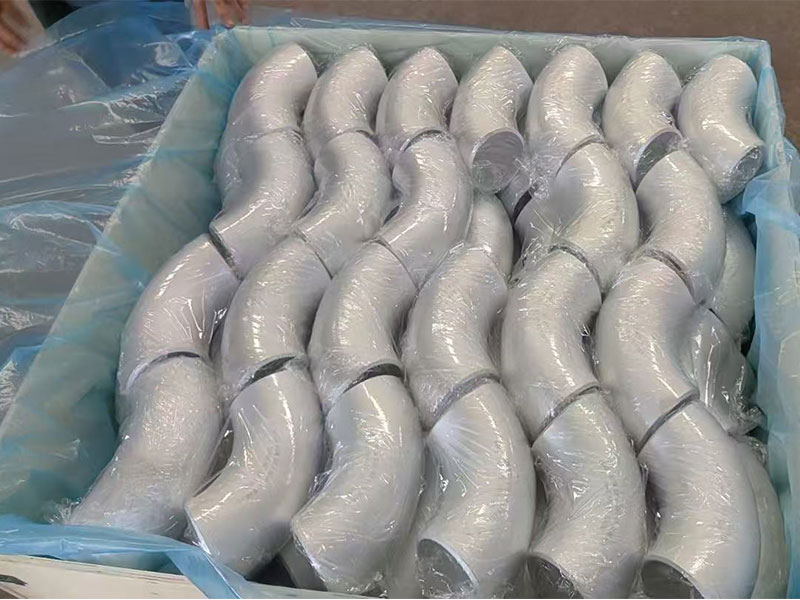
Marine Grade Aluminum Pipe Elbow for Offshore Projects
Marine environments pose unique challenges—including corrosion, mechanical stress, and exposure to harsh elements—necessitating the use of specialized materials and components.
View Details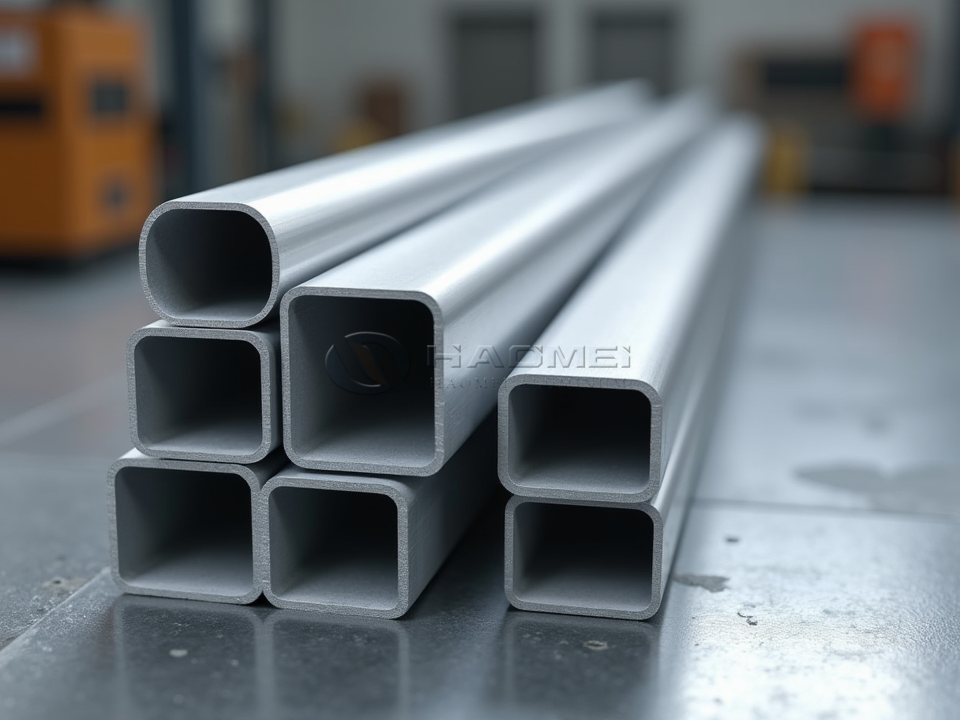
Aluminum Elbow for Offshore Water Injection and Supply Systems
Learn how marine aluminum elbows support offshore water injection and supply lines with low weight, corrosion resistance, and reliable flow control.
View Details
Marine Grade Aluminum Pipe Elbow for Ship Engines
Marine-grade aluminum pipe elbows are critical components in modern ship engine systems, connecting straight pipes while allowing directional changes in cooling water, exhaust gas, fuel, and compressed air lines.
View Details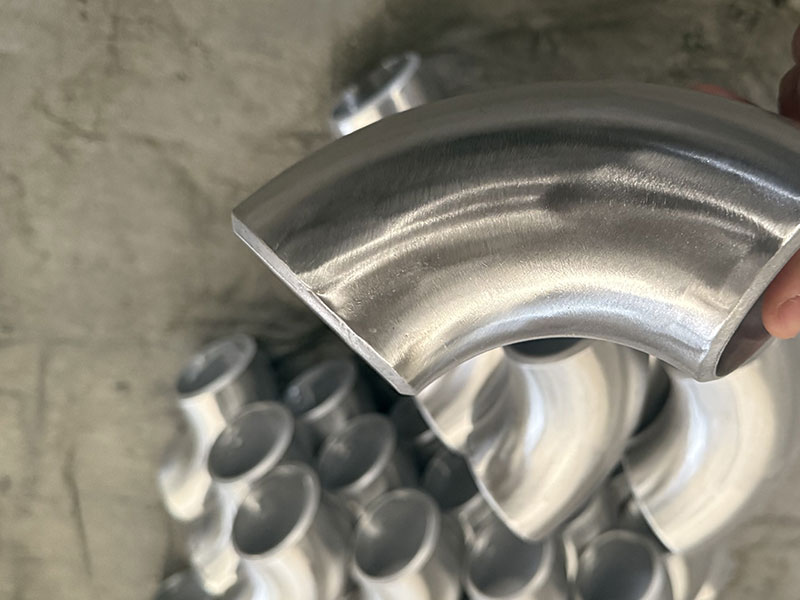
Marine Aluminum Pipe Elbow with Anti Corrosion Coating
Marine Aluminum Pipe Elbow with Anti‑Corrosion Coating: The “Silent Joint” That Decides Your System’s LifespanMost engineers look at a marine pipeline and focus on the straight runs: wall thickness, flow rate, pump head.
View Details
Leave a Message