
Marine Grade Aluminum Tubing
Marine grade aluminum tubing is engineered for structures that must remain light, strong, and dependable in wet, salt-laden environments. From welded boat rails to high-load deck frames and offshore access equipment, aluminum tubes provide an efficient alternative to heavier steel components. Their low density helps reduce vessel weight, improve fuel economy, and make handling easier during fabrication and installation.
The term marine grade does not describe one single alloy. It refers to aluminum alloys, tempers, tube designs, and finishing practices selected to resist seawater exposure, vibration, humidity, and cyclic loading. The correct choice depends on whether the tube is used for a handrail, canopy frame, piping support, T-top, hull reinforcement, ladder, davit, or custom marine structure.
Why Aluminum Tubing Performs Well at Sea
Aluminum naturally develops a thin oxide layer when exposed to air. This surface film helps protect the metal from further oxidation. Marine alloys strengthen this natural defense through carefully controlled chemistry, particularly magnesium-containing 5xxx alloys and heat-treatable 6xxx alloys.
Compared with carbon steel tubing, marine aluminum tubing offers a substantial weight advantage. Aluminum weighs approximately one-third as much as steel, allowing designers to reduce top-side mass and improve vessel stability. It is also non-magnetic, readily recyclable, and easy to fabricate through cutting, bending, machining, and welding.
Common performance benefits include:
- Excellent strength-to-weight ratio for lightweight structural assemblies
- Good resistance to atmospheric and marine corrosion when properly specified
- Clean, modern appearance with mill finish, brushed finish, anodizing, or powder coating
- Strong thermal conductivity for heat-transfer frames and equipment supports
- Good fabrication flexibility for formed rails, enclosures, platforms, and custom frameworks
- Long service life when galvanic isolation and drainage are considered in the design
Common Alloys for Marine Aluminum Tubes
6061-T6 is widely used for structural tubing due to its balanced strength, machinability, and availability in round, square, and rectangular sections. It is suitable for deck hardware supports, frames, rails, towers, walkways, and general marine fabrication. Since welding reduces the strength in the heat-affected zone, joint design and post-weld load requirements should be reviewed carefully.
6063-T5 and 6063-T6 tubes are favored where appearance, precise extrusion profiles, and a smooth anodized surface are important. They are frequently selected for cabin trim, light frames, rail systems, and decorative architectural elements on vessels and waterfront facilities.
6082-T6 provides higher strength than many standard 6xxx alloys and is often chosen for demanding structural work. It is useful for workboats, commercial vessel platforms, equipment bases, and load-bearing fabricated sections.
5083 and 5086 are magnesium-rich marine alloys known for impressive seawater corrosion resistance and good welded performance. While these alloys are more common in plate and sheet, they are also available in selected pipe and tube forms for specialized applications. They are valuable where continuous saltwater exposure and welded fabrication are priorities.
| Alloy | Typical Temper | Main Strengths | Suitable Marine Uses |
|---|---|---|---|
| 6061 | T6 | High strength, machinability, broad availability | Frames, handrails, T-tops, brackets, towers |
| 6063 | T5, T6 | Fine finish, good extrudability, anodizing response | Trim, rails, light-duty profiles, cabins |
| 6082 | T6 | High structural strength, good corrosion resistance | Workboat frames, platforms, heavy supports |
| 5083 | H-series or specified condition | Outstanding seawater resistance, weldability | Offshore components, specialized pipe systems |
| 5086 | H-series or specified condition | Excellent corrosion performance, welded durability | Marine piping, hull-related structures, wet areas |
Typical Chemical Properties
Marine aluminum tube chemistry is controlled to achieve corrosion resistance, extrusion behavior, weldability, and mechanical performance. Values vary by applicable standard and mill certification, but the following ranges illustrate the role of major alloying elements.
| Alloy | Magnesium, Mg | Silicon, Si | Manganese, Mn | Chromium, Cr | Copper, Cu |
|---|---|---|---|---|---|
| 6061 | 0.8-1.2% | 0.4-0.8% | 0.15% max | 0.04-0.35% | 0.15-0.40% |
| 6063 | 0.45-0.9% | 0.2-0.6% | 0.10% max | 0.10% max | 0.10% max |
| 6082 | 0.6-1.2% | 0.7-1.3% | 0.4-1.0% | 0.25% max | 0.10% max |
| 5083 | 4.0-4.9% | 0.4% max | 0.4-1.0% | 0.05-0.25% | 0.10% max |
| 5086 | 3.5-4.5% | 0.4% max | 0.2-0.7% | 0.05-0.25% | 0.10% max |
Magnesium is particularly important in 5xxx series alloys because it improves strength and seawater corrosion resistance. Silicon and magnesium work together in 6xxx series alloys to form magnesium silicide, enabling precipitation hardening after heat treatment.
Tube Shapes and Section Selection
Round tubes are ideal for rails, grab handles, pipe-like frames, towers, ladders, and curved fabrications. Their smooth profile is comfortable to grip and distributes loads evenly around the circumference. For tubing used in rail construction or tubular supports, Marine aluminum round tubes offer a practical balance of appearance, bending capability, and structural efficiency.
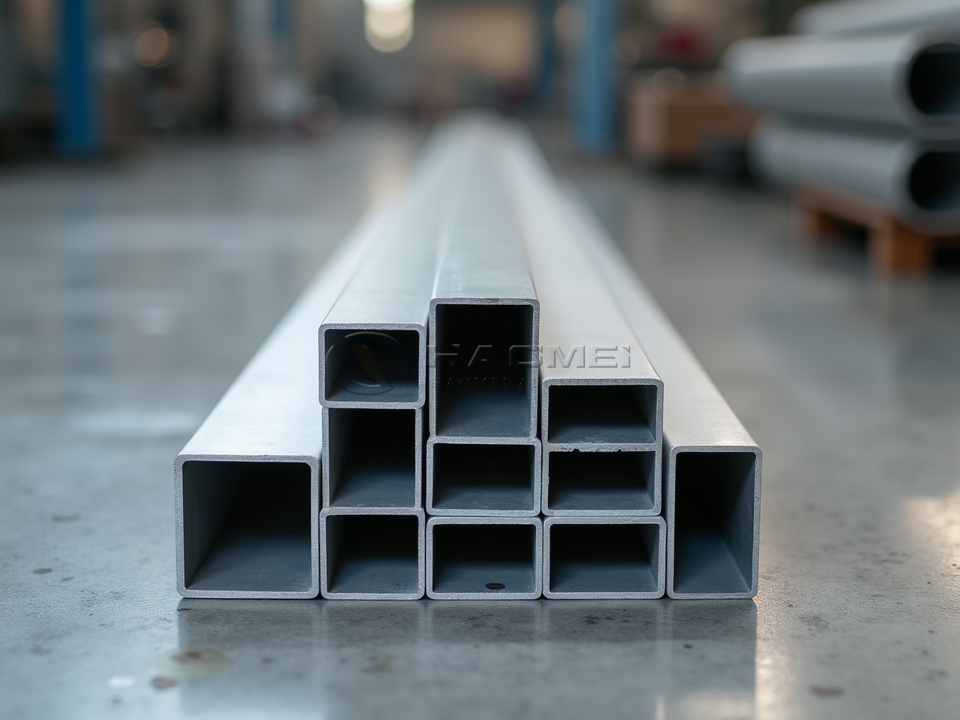
Square tubes create flat joining faces that simplify bolted connections, gussets, brackets, and panel attachment. They are widely used in storage racks, equipment stands, canopy frames, fish-box supports, and dock structures. Rectangular tubes are especially effective where bending stiffness is required in one direction, such as long beams, deck frames, hatch supports, and cross members.
| Tube Form | Structural Advantage | Typical Applications |
|---|---|---|
| Round | Smooth appearance and even load distribution | Rails, ladders, towers, handholds |
| Square | Easy joining and flat mounting surfaces | Frames, racks, machine bases |
| Rectangular | High directional stiffness | Beams, deck supports, cross members |
| Custom profile | Optimized fit and integrated functional features | Rub rails, cabin systems, specialized extrusions |
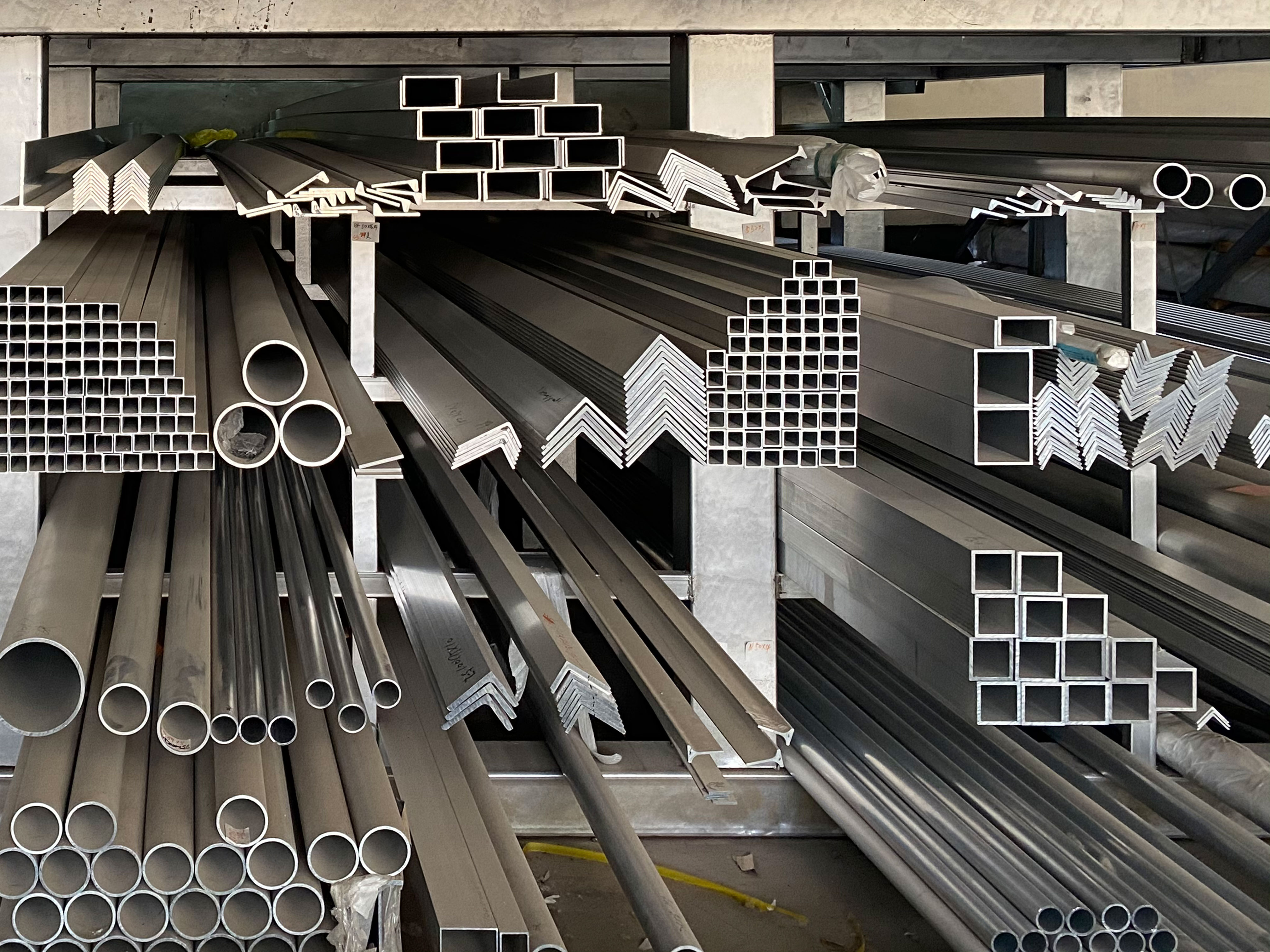
Projects with non-standard geometry can benefit from Custom marine aluminum profile tubes, which can combine mounting channels, drainage paths, reinforcement ribs, and aesthetic contours in one extrusion.
Fabrication and Corrosion Control
Good marine performance depends on fabrication details as much as alloy selection. Tubes should be cut with clean tools, deburred thoroughly, and protected from iron contamination. Stainless steel brushes, grinding debris, or carbon steel particles can create localized staining and corrosion if transferred to the aluminum surface.
Welding is commonly performed using GTAW or GMAW processes with compatible filler wire. 5xxx alloys generally retain favorable corrosion behavior after welding, while 6xxx-T6 products lose some strength adjacent to the weld. Designers should account for this softened zone by adjusting wall thickness, reinforcement, or joint configuration.
Galvanic corrosion deserves close attention. Aluminum should be electrically isolated from copper alloys, carbon steel, and stainless steel where moisture may remain trapped. Non-conductive pads, sealants, nylon washers, protective coatings, and careful drainage reduce the risk. Avoid closed sections that collect saltwater. Venting, drain holes, and accessible cleaning paths are valuable features for long-term service.
Marine Applications
Marine grade aluminum tubing serves both recreational and commercial sectors. On pleasure boats, it appears in bimini frames, T-tops, wake towers, handrails, rod holders, boarding ladders, seat structures, electronics mounts, and tender davits. Its low weight is especially beneficial above the waterline, where excessive mass can affect balance and handling.
Commercial vessels use aluminum tubes for guardrails, work platforms, wheelhouse structures, access ladders, service racks, safety barriers, fish-processing equipment supports, and machinery enclosures. In offshore and coastal facilities, tubing can form walkways, protective guards, solar-panel frames, pontoon assemblies, and corrosion-resistant utility structures.
Selecting the right marine grade aluminum tubing means matching alloy, temper, dimensions, finish, and fabrication method to the real operating environment. With thoughtful design and proper corrosion control, aluminum tube structures can remain strong, clean, and efficient through years of marine exposure.

Related Products
Custom marine aluminum profile tubes
Custom Marine Grade Aluminum Profile Tubes are manufactured from premium marine aluminum alloys such as 5083, 5052, 6061, and 6082.
View Details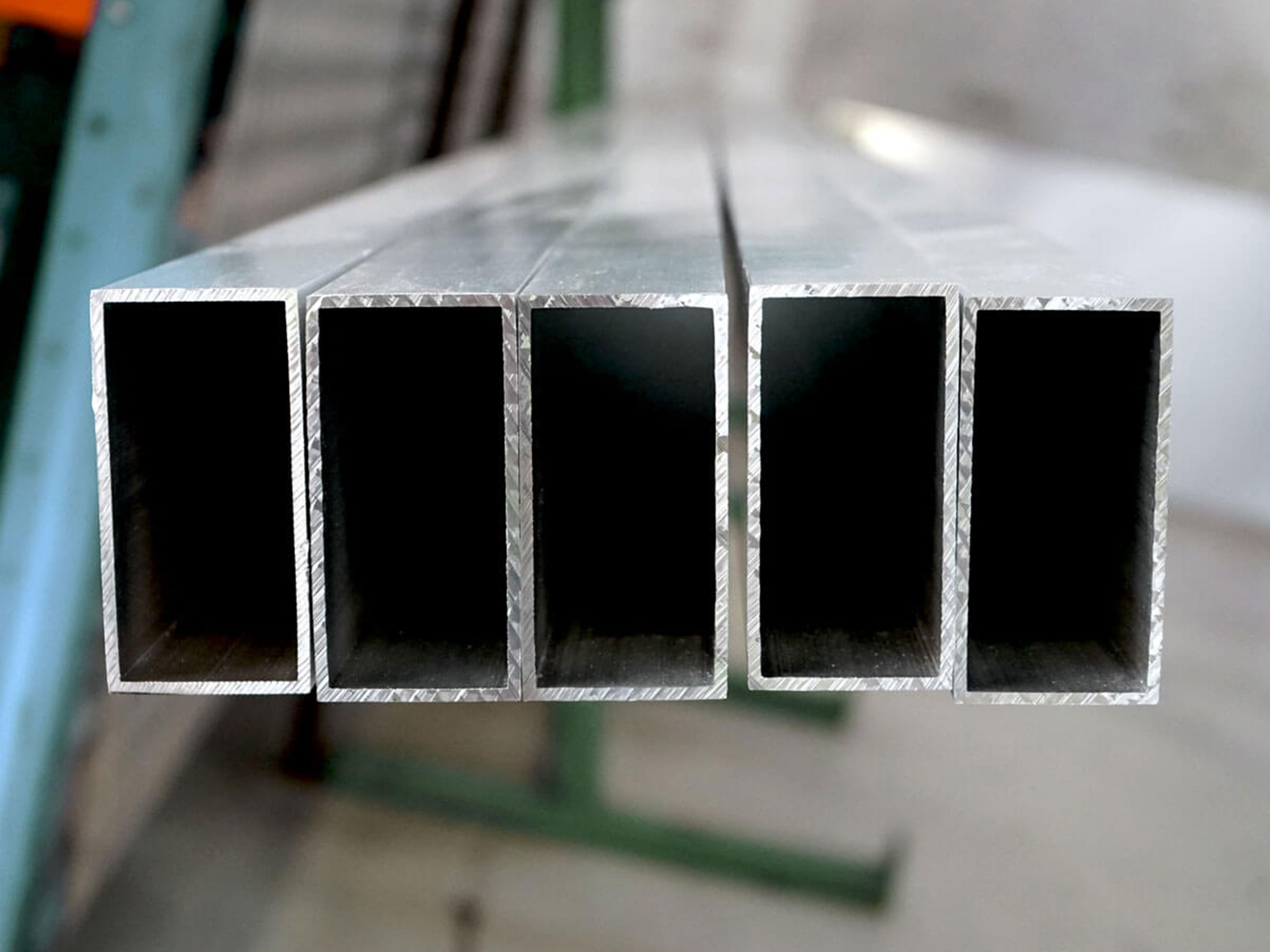
Marine aluminum rectangular tubes
Marine Grade Aluminum Rectangular Tubes are made from high-performance alloys such as 5083, 5052, 6061, and 6082. These alloys are renowned for their ability to resist corrosive seawater and marine atmospheres while providing excellent mechanical strength and toughness.
View Details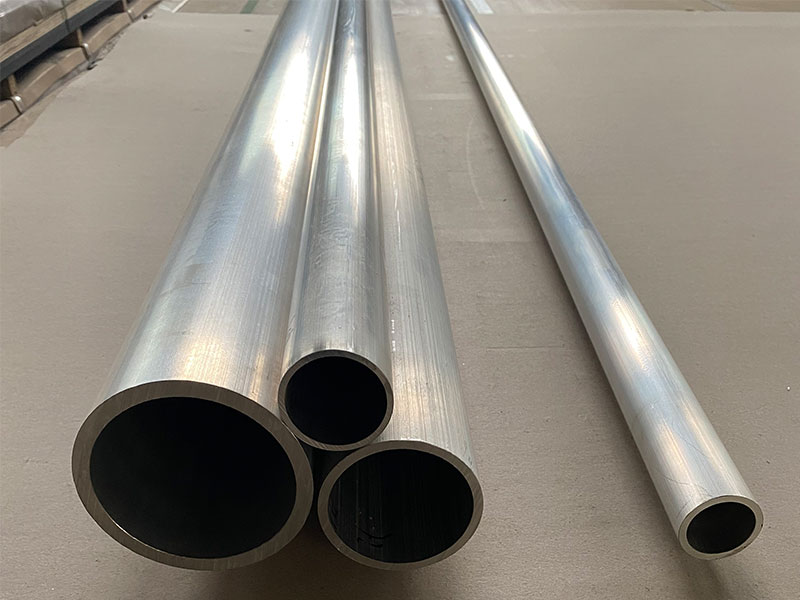
Marine aluminum round tubes
Marine Grade Aluminum Round Tubes are manufactured from premium marine alloys such as 5083, 5052, 6061, and 6082, all selected for their proven resistance to seawater corrosion and marine atmosphere degradation.
View Details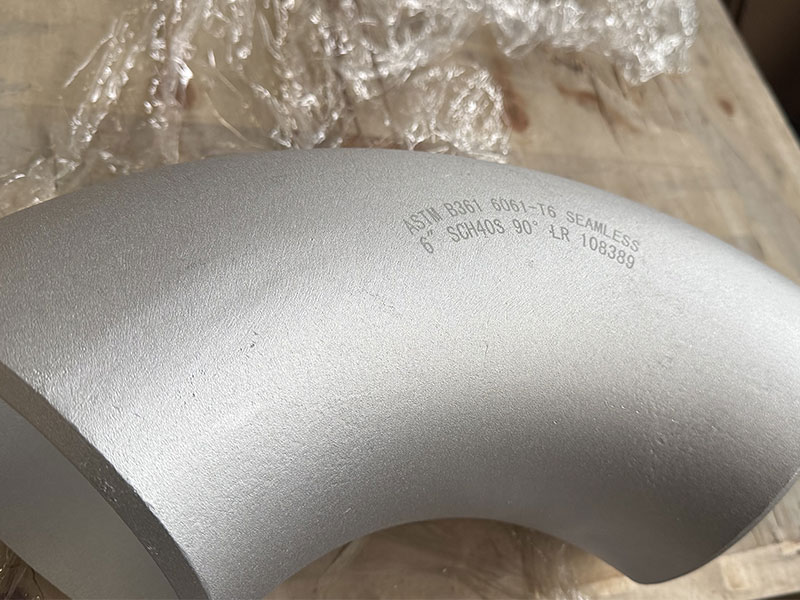
6061-T6 90-Degree Marine Aluminum Pipe Elbow
Manufactured from premium 6061-T6 marine-grade aluminum alloy, this elbow fitting is engineered to provide reliable and efficient pipe direction changes within shipbuilding, offshore platforms, and marine infrastructure systems.
View Details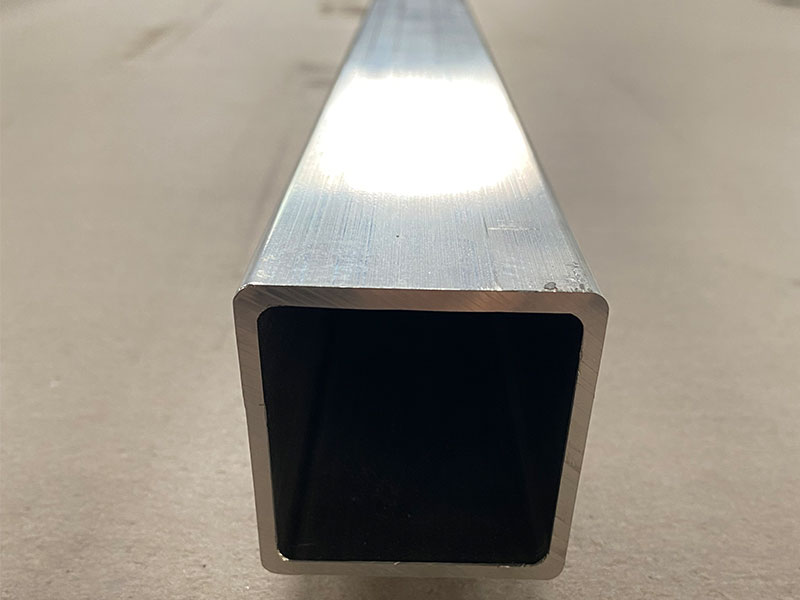
Marine aluminum square tubes
Marine Grade Aluminum Square Tubes are typically constructed from marine-grade alloys such as 5083, 5052, 6061, and 6082—well-known for their ability to withstand the aggressive effects of saltwater and marine atmospheres.
View DetailsRelated Blog
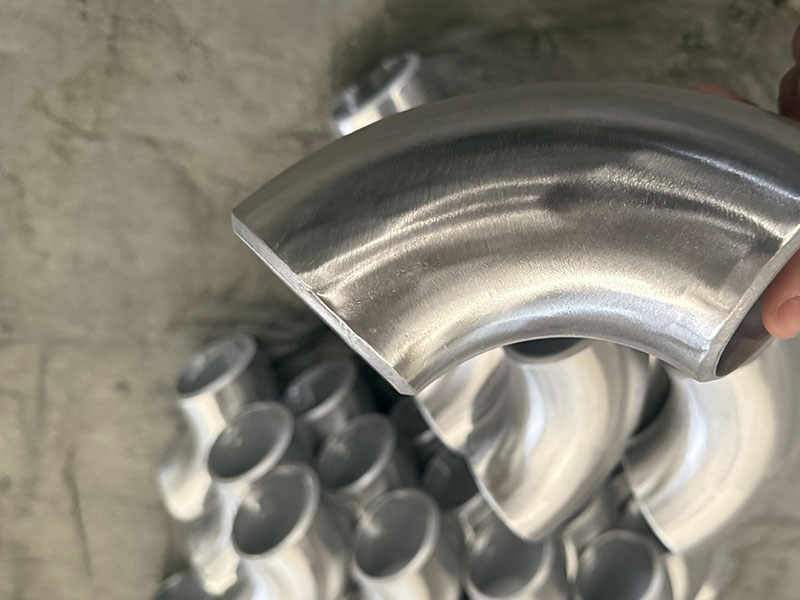
Aluminum Pipe Elbow for Marine Waste Water Systems
Aluminum Pipe Elbow for Marine Waste Water Systems: A Focused Technical Guide In modern shipbuilding and offshore platforms, the humble aluminum pipe elbow is doing a lot more work than most people realize—especially in marine waste water systems.
View Details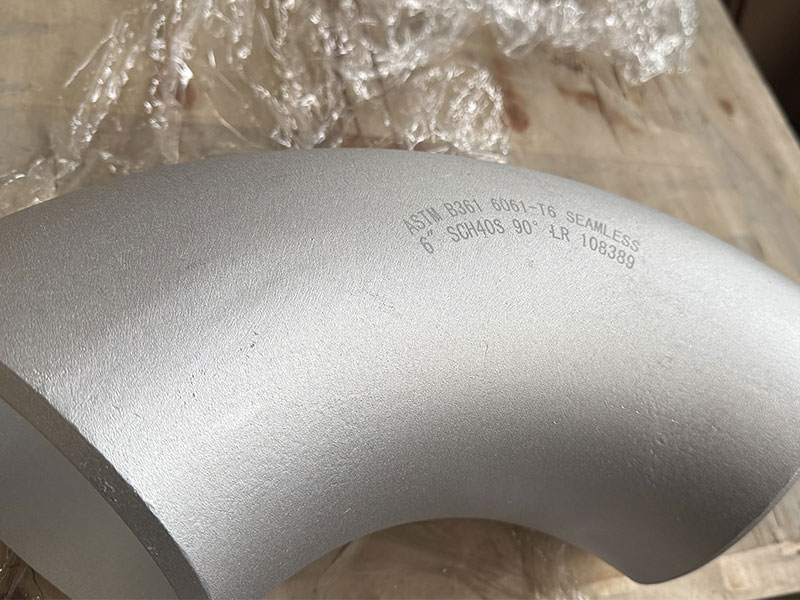
Marine Aluminum Pipe Elbow for Shipbuilding
In the ever-evolving shipbuilding industry, the choice of materials plays a pivotal role in ensuring vessel performance, safety, and longevity.
View Details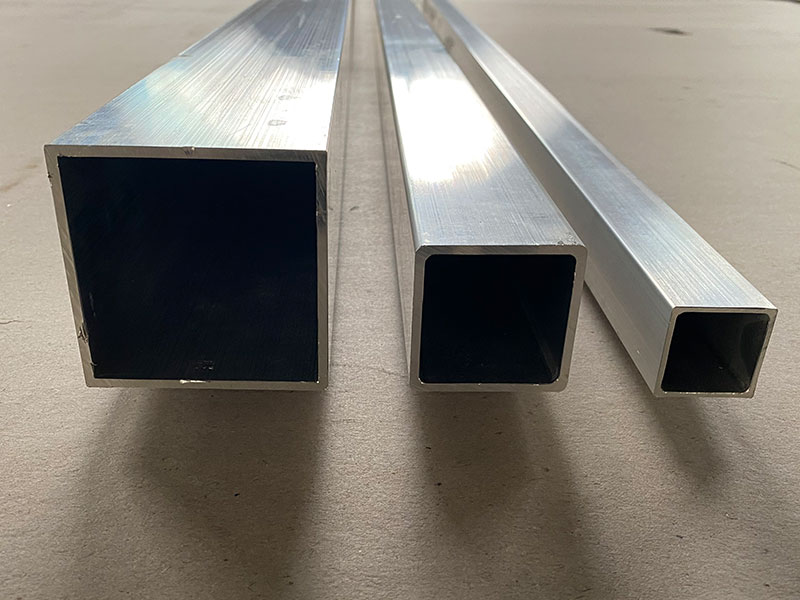
5083 Marine Aluminum Tubes for Offshore Oil and Gas Platforms
5083 marine aluminum tubes are widely used in offshore oil and gas platform structures where a combination of high strength, exceptional corrosion resistance and good weldability is required.
View Details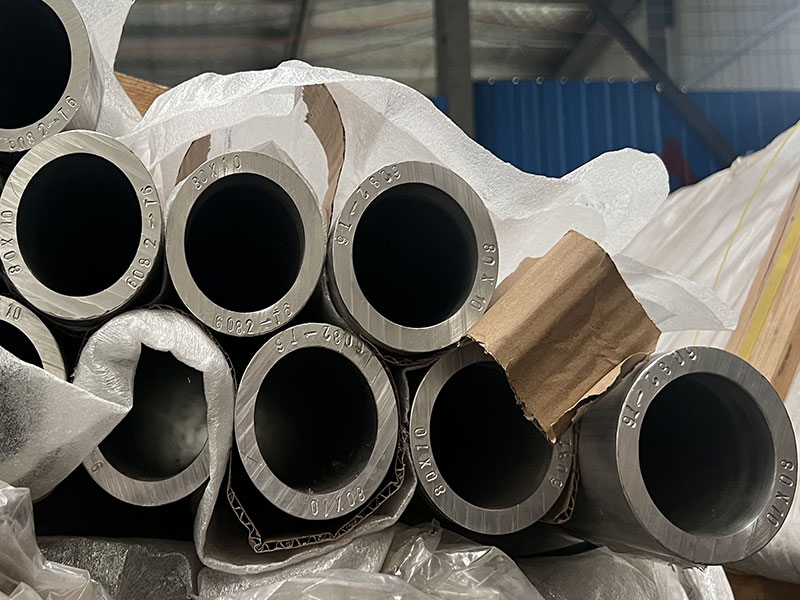
6082 Marine Aluminum Round Tubes for Offshore Construction
In the demanding arena of offshore construction, selecting materials that combine strength, corrosion resistance, and manufacturability is crucial for ensuring durability and safety.
View Details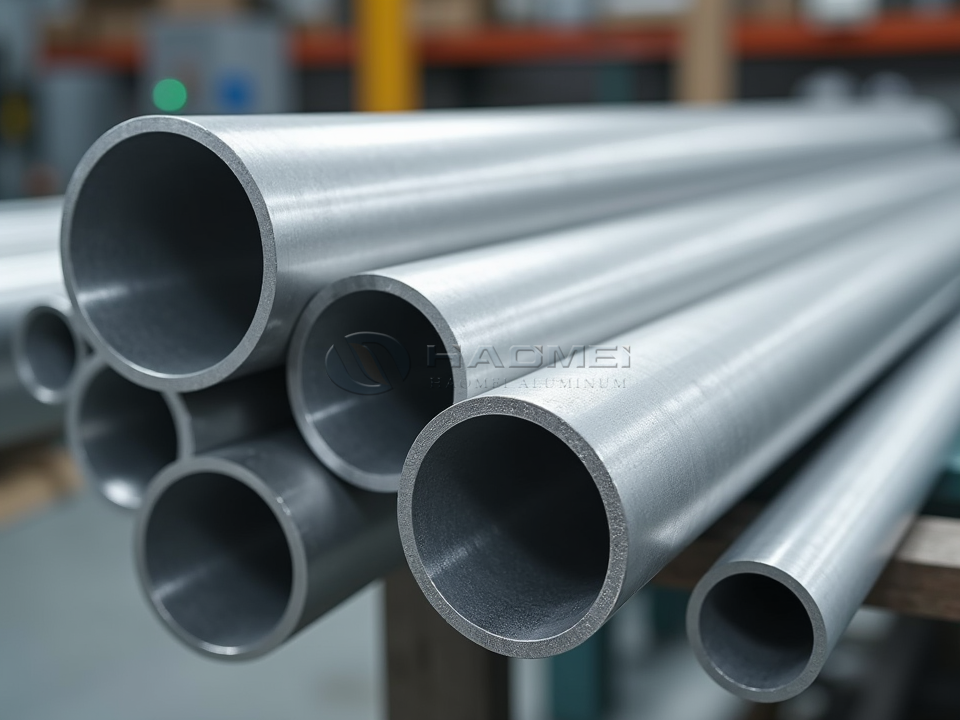
Marine Aluminum Pipe Elbow for Wastewater Filtration on Offshore Platforms
Marine aluminum pipe elbows guide offshore wastewater through filtration skids with low weight, corrosion control, sound alloy, temper, and welding guidance.
View Details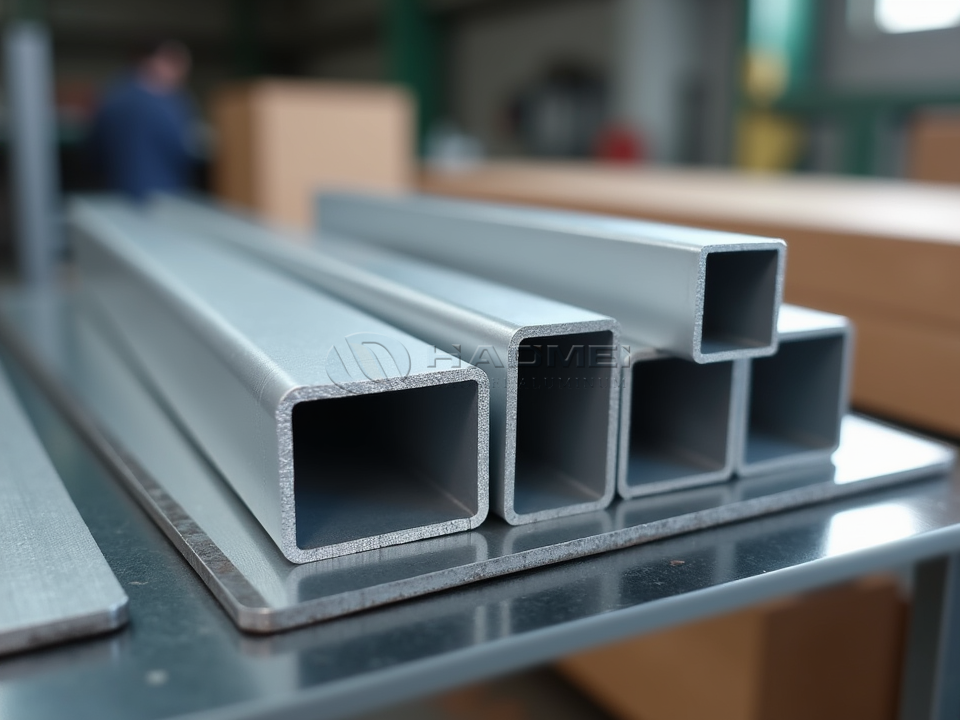
Marine Aluminum Square Tubes
Marine aluminum square tubes combine low weight, strong load support, clean geometry, and corrosion resistance for durable boat structures.
View Details
Leave a Message