
Marine Aluminum Elbow for Saltwater Inlet and Treatment Systems
A marine aluminum elbow for saltwater inlet and treatment systems is a compact flow-direction fitting designed for seawater service where corrosion resistance, low weight, weldability, and long-term stability matter. It is commonly used to turn piping around bulkheads, pumps, strainers, heat exchangers, dosing skids, desalination modules, and ballast or cooling-water lines without adding excessive mass to the vessel or coastal facility.
In a saltwater circuit, the elbow is not a simple bend. It must handle chloride exposure, flow turbulence, vibration, pressure cycling, and maintenance cleaning. A well-made marine aluminum elbow gives the piping layout a smooth directional change while helping reduce pressure loss, stagnant zones, and crevice-prone joints.
Built for Saltwater Contact
Marine aluminum alloys form a thin oxide film that protects the metal in many seawater environments. For elbows used in saltwater inlet and treatment systems, alloy selection is especially important because the fitting may face raw seawater, filtered seawater, brine concentrate, chemical dosing residues, and periodic flushing.
Alloys such as 5083, 5086, 5052, 6061-T6, and 6082-T6 are frequently considered depending on system design. 5xxx series alloys are valued for chloride resistance and weldability, while 6xxx series alloys are often selected where higher dimensional accuracy, machining performance, or structural strength is needed. For many welded piping assemblies, Marine Grade Aluminum Tubing is paired with formed or fabricated elbows to keep the system consistent in metallurgy and performance.
The right elbow helps reduce the risk of galvanic mismatch. When connected to stainless steel, copper-nickel, bronze, or coated carbon steel components, proper isolation, gasket choice, and cathodic protection planning should be reviewed. Aluminum performs best when the whole piping assembly is designed as a system, not as separate parts.
Common Material Choices
| Alloy | Typical Temper | Main Benefit | Suitable Service Notes |
|---|---|---|---|
| 5083 | O, H111, H116 | Excellent seawater resistance and strong welded performance | Preferred for harsh marine piping, intake manifolds, and treatment skids |
| 5086 | H32, H116 | Good corrosion resistance with reliable fabrication behavior | Suitable for welded elbows, deck-level piping, and coastal equipment |
| 5052 | H32, H34 | Strong formability and stable corrosion resistance | Useful for lighter-duty bends, auxiliary seawater lines, and compact assemblies |
| 6061 | T6 | High strength, good machinability, common pipe compatibility | Often used for precision elbows, flanged sections, and pump connections |
| 6082 | T6 | High mechanical strength and good structural performance | Used where rigidity and load resistance are required |
Chemical Composition Reference
| Alloy | Mg % | Si % | Mn % | Cr % | Cu % | Al |
|---|---|---|---|---|---|---|
| 5083 | 4.0-4.9 | Up to 0.40 | 0.40-1.0 | 0.05-0.25 | Up to 0.10 | Balance |
| 5086 | 3.5-4.5 | Up to 0.40 | 0.20-0.70 | 0.05-0.25 | Up to 0.10 | Balance |
| 5052 | 2.2-2.8 | Up to 0.25 | Up to 0.10 | 0.15-0.35 | Up to 0.10 | Balance |
| 6061 | 0.8-1.2 | 0.40-0.80 | Up to 0.15 | 0.04-0.35 | 0.15-0.40 | Balance |
| 6082 | 0.6-1.2 | 0.70-1.30 | 0.40-1.0 | Up to 0.25 | Up to 0.10 | Balance |
Composition may vary by standard and mill certificate. For seawater treatment projects, customers usually request certificates to EN, ASTM, ABS, DNV, LR, BV, or CCS requirements according to vessel class or plant specification.
Flow Design and Geometry
A marine aluminum elbow is available in common angles such as 45 degrees, 90 degrees, and 180 degrees. The most widely used version for seawater inlet piping is the 90-degree elbow because it allows compact routing around equipment foundations, tanks, and hull penetrations.
Long-radius elbows are preferred where smoother flow is needed. They reduce turbulence compared with short-radius bends and help protect pumps, filters, membranes, and dosing equipment from unstable inlet conditions. Short-radius elbows save space but may increase pressure drop and local wear, especially where sand, shell fragments, or suspended solids are present.
| Parameter | Common Options | Selection Guidance |
|---|---|---|
| Bend angle | 45 degrees, 90 degrees, 180 degrees | Choose based on routing and pressure-loss limits |
| Radius type | Short radius, long radius, custom radius | Long radius is better for high-flow seawater lines |
| End style | Plain end, beveled end, flanged, threaded, grooved | Welded and flanged ends are common in marine systems |
| Surface finish | Mill finish, brushed, anodized, coated | Coating may be used in splash zones or mixed-metal assemblies |
| Production method | Formed, welded, mandrel bent, machined | Mandrel bending supports smoother internal flow |
| Inspection | Visual, dimensional, pressure, weld test | Required level depends on class and system pressure |
For customers already using standardized aluminum pipe systems, the 6061-T6 90-Degree Marine Aluminum Pipe Elbow is a practical option where strength, neat machining, and repeatable dimensions are required.
Performance Features Customers Notice Quickly
The first advantage is weight reduction. Compared with steel elbows, aluminum fittings are much lighter, making installation easier in cramped engine rooms, pump compartments, containerized desalination units, and offshore service modules. Reduced weight also lowers support loads and can simplify skid design.
The second advantage is corrosion performance in marine environments. A properly selected aluminum elbow resists many forms of atmospheric and seawater-related corrosion, especially when the system avoids galvanic contact and stagnant dirty water pockets.
The third advantage is fabrication flexibility. Aluminum elbows can be welded, cut, machined, flanged, or integrated into prefabricated pipe spools. This allows builders to assemble compact seawater inlet lines before installation, reducing hot work and alignment time onboard.
The fourth advantage is thermal behavior. Aluminum transfers heat efficiently, which can be useful near cooling-water systems, heat exchangers, and treatment modules. At the same time, insulation or protective coverings may be added where condensation or personnel protection is required.
Applications in Saltwater Inlet and Treatment Systems
Marine aluminum elbows are used at the front end of seawater circuits, where water enters through sea chests, intake strainers, or hull penetrations. Their low weight makes them suitable for vessels, workboats, patrol boats, ferries, aquaculture platforms, and offshore support equipment.
In desalination systems, elbows route water from intake pumps to pre-filters, cartridge filter housings, ultrafiltration skids, and reverse osmosis units. Smooth internal geometry helps protect flow stability before membranes and instruments. In ballast water treatment systems, elbows connect pumps, UV chambers, filtration modules, bypass lines, and discharge headers.
They are also found in aquaculture and coastal water-treatment plants. Saltwater farms often require corrosion-resistant piping for intake, aeration, circulation, and discharge. Aluminum elbows provide a good balance of durability and easy handling for modular piping racks.
In engine cooling circuits, marine aluminum elbows help route seawater to heat exchangers, intercoolers, and exhaust cooling sections. For these applications, vibration resistance and secure support spacing are important because pumps and engines create continuous dynamic loads.
Fabrication and Surface Protection
Weld quality has a direct effect on service life. Clean preparation, correct filler metal, controlled heat input, and full removal of contamination are essential. For 5xxx alloys, compatible marine filler wire is commonly used to preserve corrosion resistance in the weld zone. For 6xxx alloys, post-weld strength and heat-affected-zone behavior should be considered during design.
Surface finish should match the location. Interior piping in dry machinery spaces may use a clean mill finish. Piping near splash zones, bilges, or chemical dosing areas may require anodizing, epoxy coating, powder coating, or a specified marine coating system. Coatings are most effective when edges, welds, and flange faces are properly treated.
Buying Considerations
When selecting a marine aluminum elbow, customers should confirm pipe outside diameter, wall thickness, bend radius, alloy, temper, end connection, pressure rating, and inspection requirements. The system fluid should also be described clearly: raw seawater, chlorinated seawater, brine, treated seawater, cooling water, or mixed chemical solution.
If the elbow will connect to dissimilar metals, include gasket, fastener, and isolation details in the specification. If the line carries solids or high-velocity seawater, consider a larger bend radius and thicker wall. If space is limited, a compact elbow can work, but pressure loss and maintenance access should still be reviewed.
A well-specified marine aluminum elbow gives saltwater inlet and treatment systems a clean routing solution with dependable corrosion resistance, low installed weight, and practical fabrication value. For shipyards, water-treatment integrators, and marine equipment builders, it is a small fitting that can make a noticeable difference in system reliability.

Related Products
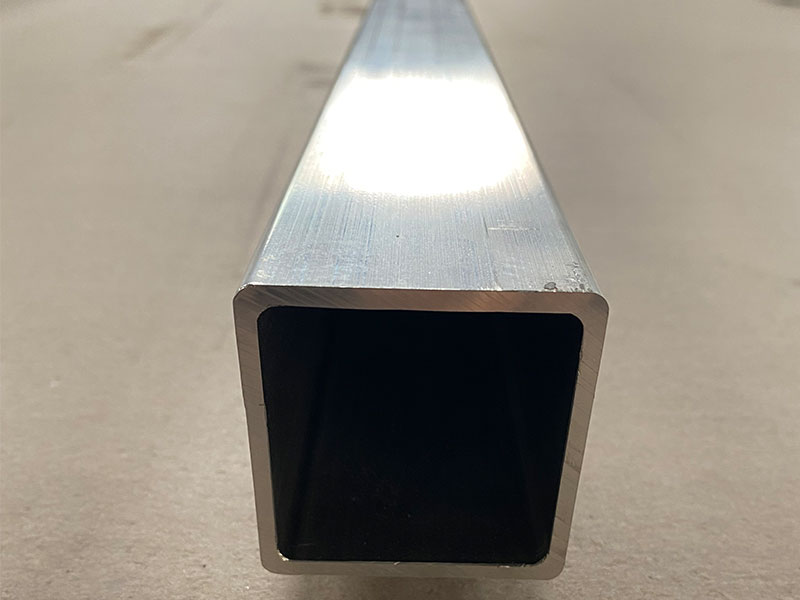
Marine aluminum square tubes
Marine Grade Aluminum Square Tubes are typically constructed from marine-grade alloys such as 5083, 5052, 6061, and 6082—well-known for their ability to withstand the aggressive effects of saltwater and marine atmospheres.
View Details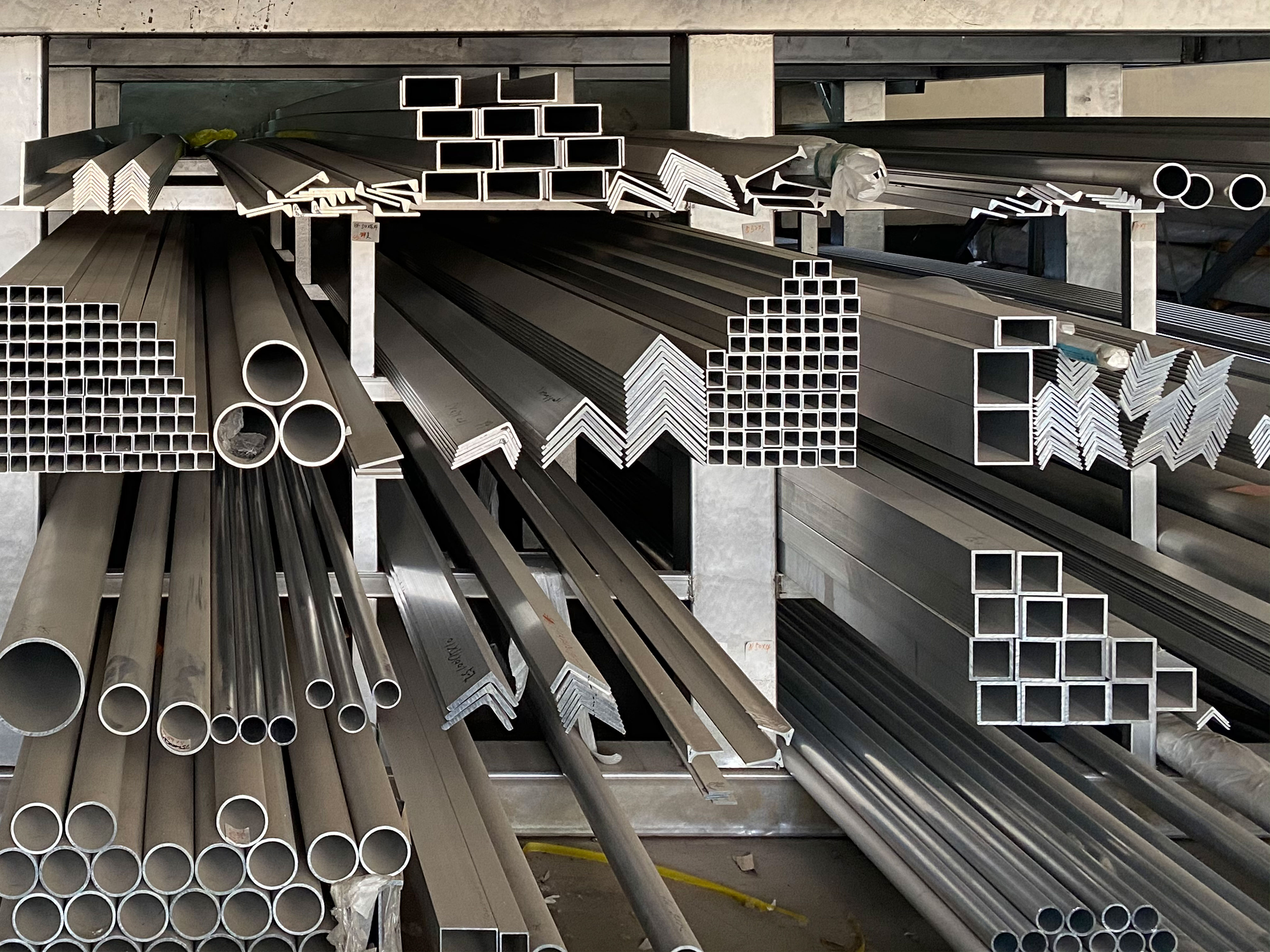
Custom marine aluminum profile tubes
Custom Marine Grade Aluminum Profile Tubes are manufactured from premium marine aluminum alloys such as 5083, 5052, 6061, and 6082.
View Details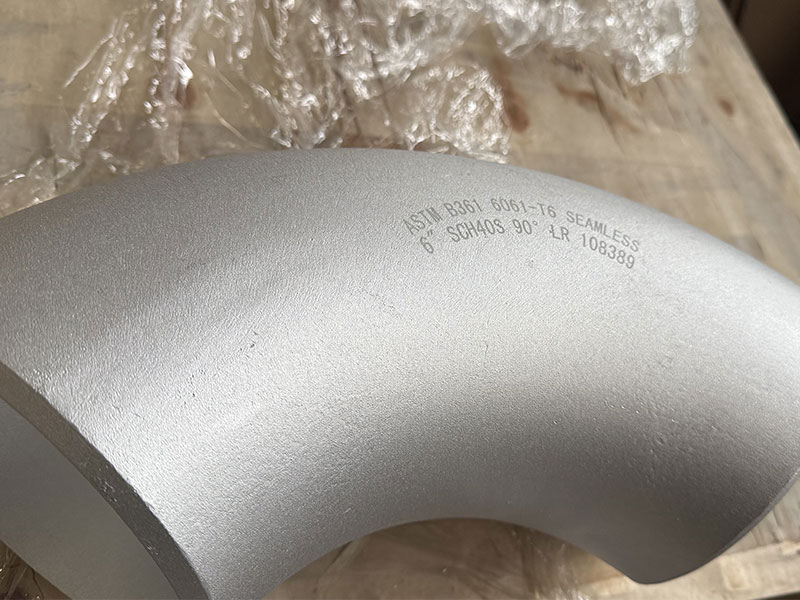
6061-T6 90-Degree Marine Aluminum Pipe Elbow
Manufactured from premium 6061-T6 marine-grade aluminum alloy, this elbow fitting is engineered to provide reliable and efficient pipe direction changes within shipbuilding, offshore platforms, and marine infrastructure systems.
View Details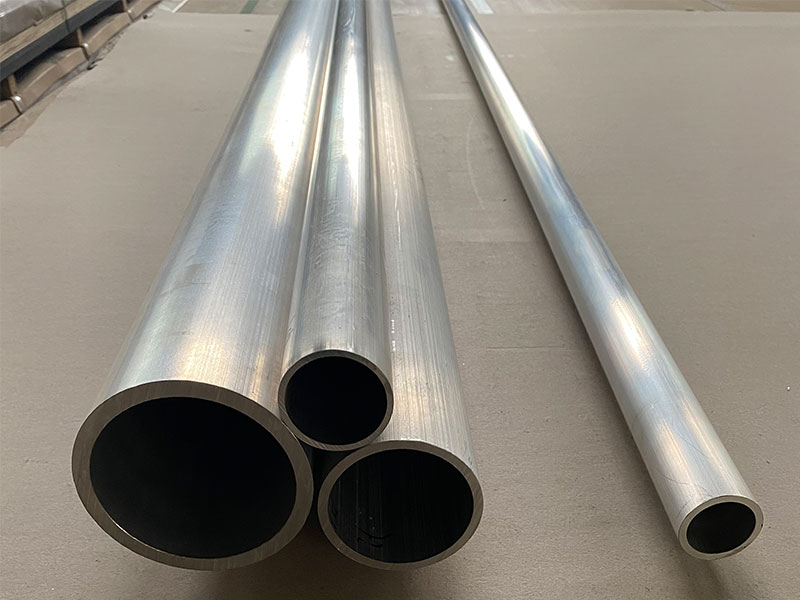
Marine aluminum round tubes
Marine Grade Aluminum Round Tubes are manufactured from premium marine alloys such as 5083, 5052, 6061, and 6082, all selected for their proven resistance to seawater corrosion and marine atmosphere degradation.
View Details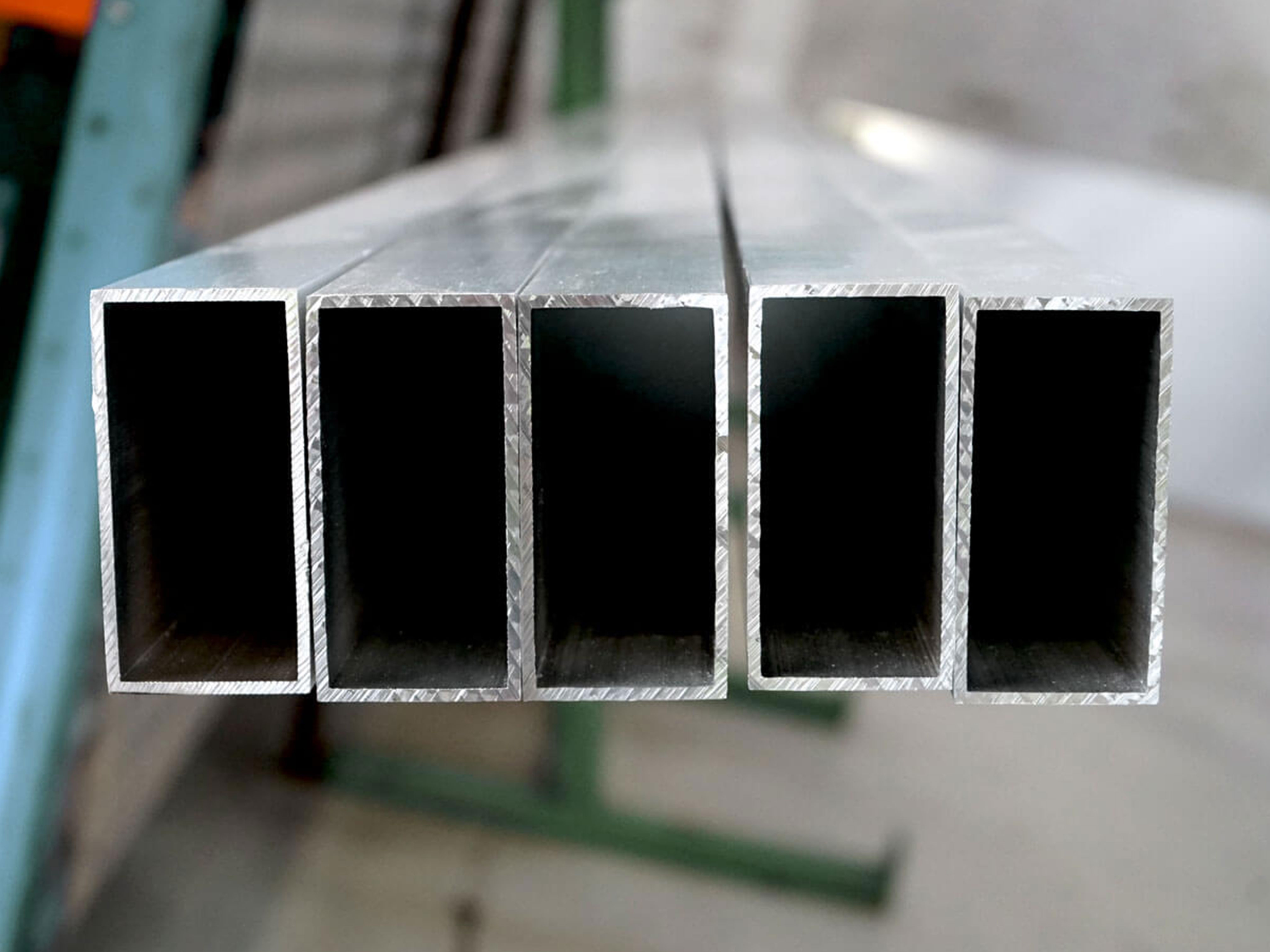
Marine aluminum rectangular tubes
Marine Grade Aluminum Rectangular Tubes are made from high-performance alloys such as 5083, 5052, 6061, and 6082. These alloys are renowned for their ability to resist corrosive seawater and marine atmospheres while providing excellent mechanical strength and toughness.
View DetailsRelated Blog
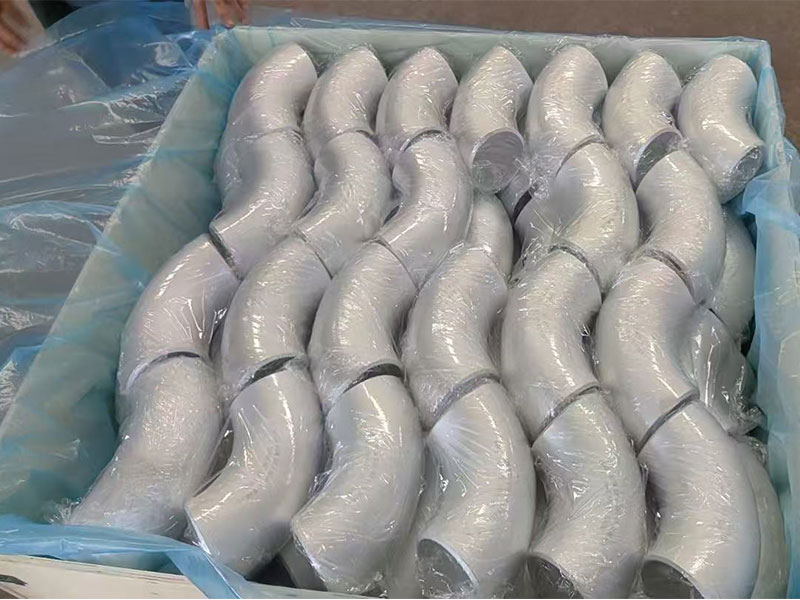
Marine Aluminum Pipe Elbow for Emergency Fire Suppression Lines
In the domain of marine safety systems, reliability and durability are paramount. Among the essential components in fire suppression systems onboard ships and offshore platforms is the Marine Aluminum Pipe Elbow used in emergency fire suppression lines.
View Details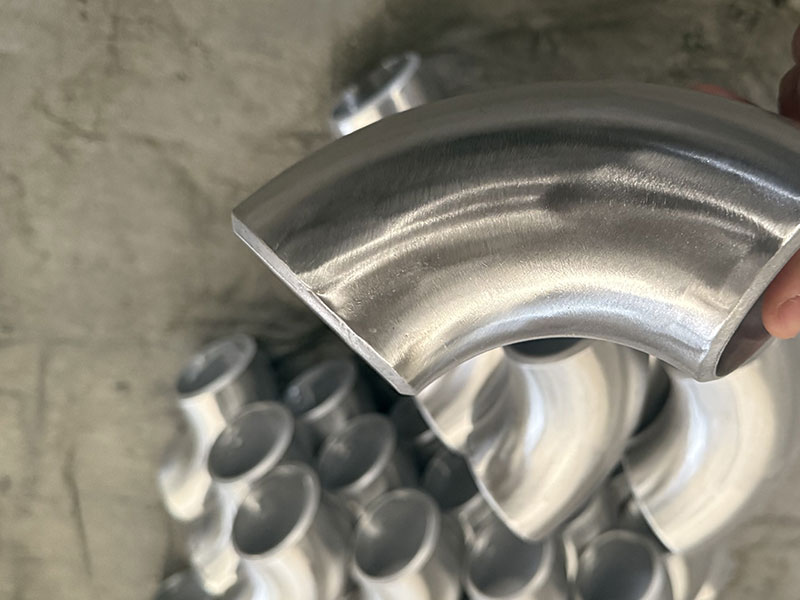
Aluminum Marine Elbow with High Corrosion Resistance
FeaturesHigh corrosion resistance compatible with seawater and brackish environmentsLightweight compared to steel or bronze fittings.
View Details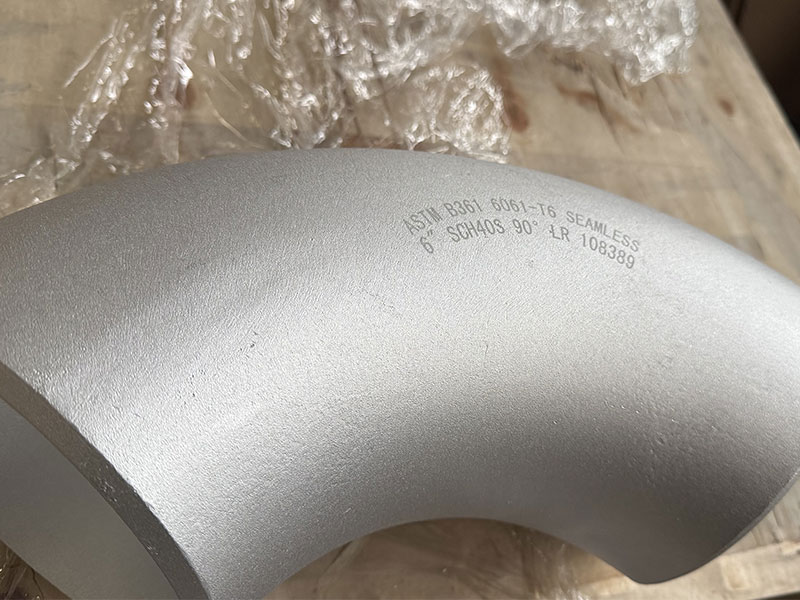
Marine Aluminum Pipe Elbow for Shipbuilding
In the ever-evolving shipbuilding industry, the choice of materials plays a pivotal role in ensuring vessel performance, safety, and longevity.
View Details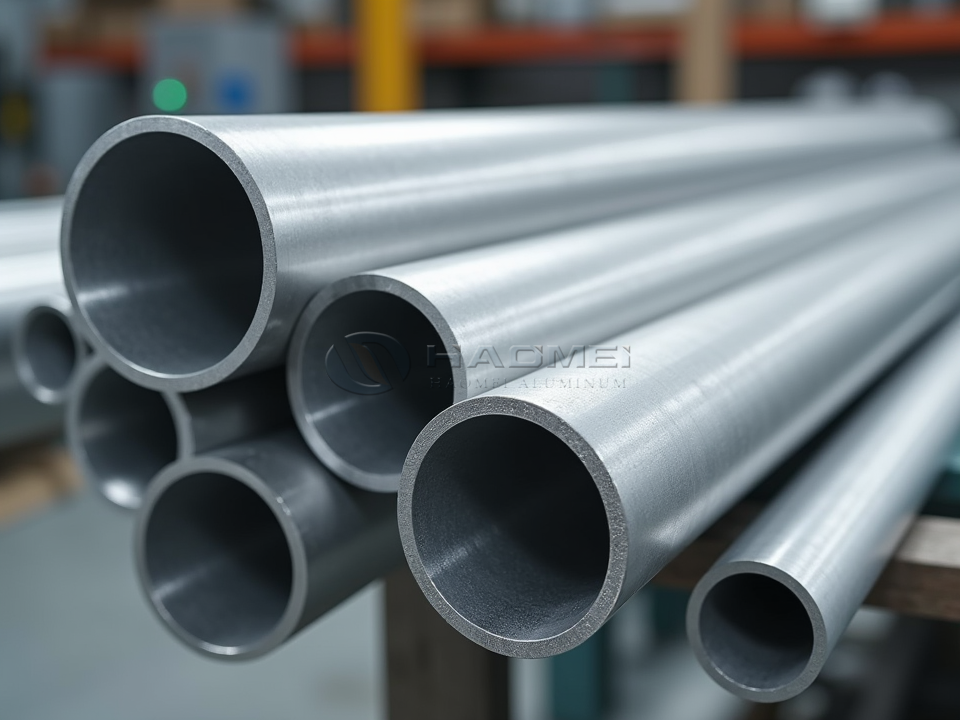
Marine Aluminum Elbow for Shipboard Chemical Handling Systems
Marine aluminum elbows guide chemical lines through compact ship spaces with low weight, corrosion resistance, sound geometry, and fit-for-service alloy choices.
View Details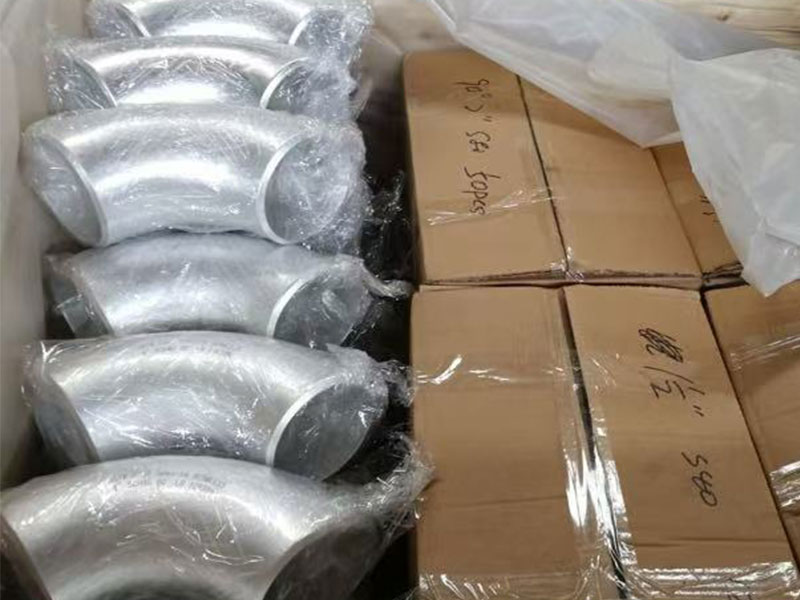
Aluminum Pipe Elbow for Saltwater Marine Piping
Aluminum pipe elbows are essential fittings in saltwater marine piping systems. Designed to change the direction of flow, they combine lightweight construction, corrosion resistance.
View Details
Marine Aluminum Pipe Elbow for Marine HVAC Systems
In the marine industry, HVAC (Heating, Ventilation, and Air Conditioning) systems play a pivotal role in maintaining a comfortable and functional environment on ships and offshore platforms.
View Details
Leave a Message