
Marine Grade Aluminum Pipe 5059 5083 5086 5383
Marine aluminum pipe is often selected by strength figures alone. That approach can miss the real challenge. A pipe fitted high on a dry deck lives a very different life from one installed in a wet bilge, near a dissimilar-metal fitting, or inside a fast patrol craft exposed to constant vibration. For 5059, 5083, 5086, and 5383 alloys, the best decision starts with the service environment, then moves toward fabrication and mechanical demands.
These 5xxx-series aluminum-magnesium alloys are valued because they do not depend on a heat-treatment response for their corrosion resistance. Their performance in seawater comes from alloy chemistry, temper selection, clean fabrication, and thoughtful installation. In practical boatbuilding, this makes them strong candidates for welded pipe sections, structural tubes, handrails, cooling-water supports, deck structures, masts, and fabricated marine components.
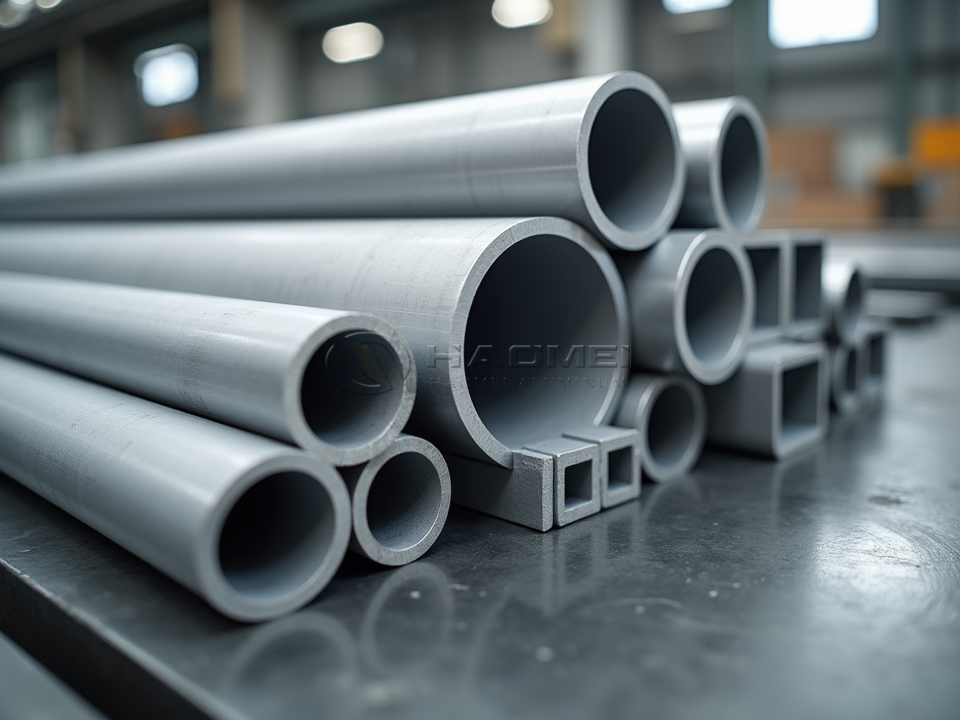
Think Like a Boatbuilder, Not a Metal Buyer
A marine pipe is not simply a hollow product with an outside diameter and wall thickness. It is part of a system. Saltwater can remain trapped behind clamps. Stainless fasteners can create galvanic attack if insulation fails. Weld beads may become exposed to standing water. A pipe supporting equipment can experience bending, torsion, and cyclic fatigue at the same time.
This is why alloy selection should begin with a simple question: where will water collect, and how long will it stay there? A well-drained pipe exposed to salt spray may need a different balance of properties than a pipe installed in a permanently damp compartment. For serious seawater exposure, a proper marine temper such as H116 or H321 is often more meaningful than a generic hardness label. These tempers are commonly associated with improved resistance to exfoliation corrosion and stress-corrosion issues in suitable 5xxx marine applications.
Pipe buyers should also distinguish between seamless pipe, extruded tube, and fabricated welded tube. The terms are frequently used interchangeably in everyday purchasing, but the manufacturing route affects dimensional range, weld planning, surface appearance, and suitability for pressure or structural duty. Confirm the product standard, temper, inspection requirements, and whether the material is intended for structural use, fluid conveyance, or decorative marine fabrication.
5059: High Strength for Demanding Structures
5059 is a high-magnesium marine alloy developed for applications that need greater strength while retaining strong seawater corrosion resistance. It is often considered when weight reduction matters but the structure still needs robust load capacity. High-speed vessels, naval structures, workboats, and heavily loaded frames are examples where its strength potential can be attractive.
For pipe and tube applications, 5059 deserves careful sourcing because availability may be more limited than conventional 5083 or 5086 products. It is especially important to verify whether the proposed section is extruded, fabricated, or produced from material originally intended for another product form. A technically correct alloy name is not enough; the mill certificate must match the supplied product and temper.
Welding procedures should be qualified for the real service condition. Like other high-magnesium 5xxx alloys, 5059 can lose some strength in the heat-affected zone after welding. Designers should size the section based on the welded condition rather than the parent-material strength alone.
5083: The Proven Choice for Severe Seawater Exposure
5083 is one of the most established marine aluminum alloys. It has a long record in hull plating, structural fabrications, tanks, and vessel components where corrosion resistance and weldability are central concerns. In pipe-related work, 5083 is especially useful for fabricated sections, larger structural diameters, and components integrated into welded hull or superstructure assemblies.
Its appeal comes from balance. 5083 offers strong mechanical properties among non-heat-treatable aluminum alloys, good weldability, and dependable behavior in marine atmospheres and seawater when properly specified. For a vessel builder, it often feels familiar because the same alloy may already be used in adjacent plates, brackets, or reinforcing members.
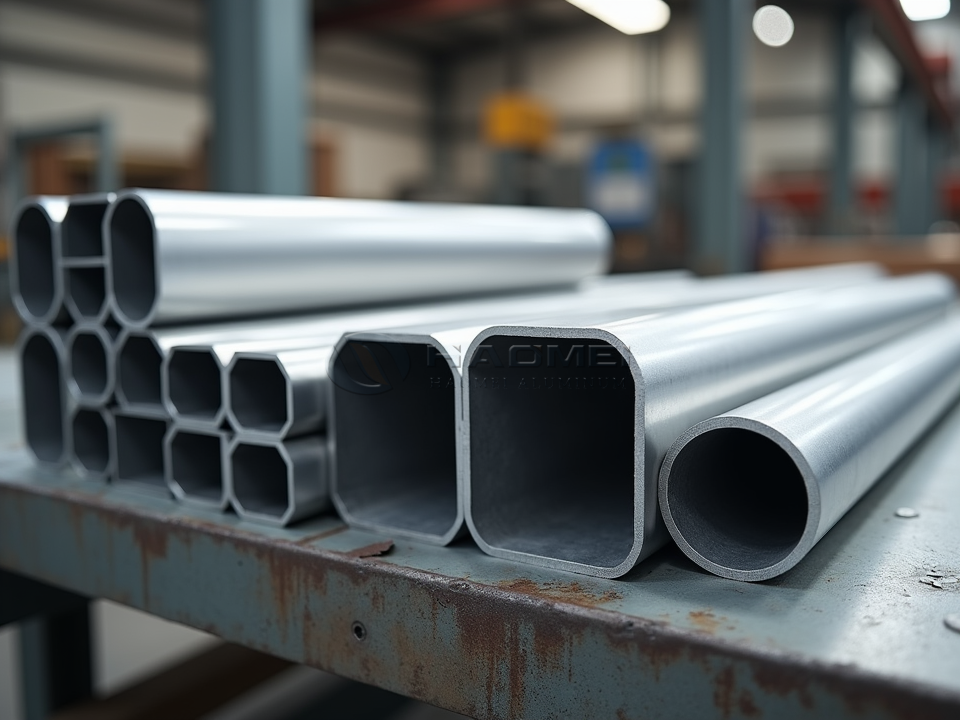
When a project requires round structural members, Marine aluminum round tubes can provide a practical route for rails, frames, supports, and curved assemblies. Matching the pipe or tube alloy to nearby welded material can simplify welding consumable selection and corrosion-management planning.
5086: A Reliable Alloy for Welded Marine Fabrication
5086 is closely associated with marine construction because it combines very good corrosion resistance with favorable weldability. Compared with 5083, it may offer somewhat lower strength in many tempers, but it remains an excellent choice for many welded boat structures. It is widely considered for workboats, small craft, deck equipment supports, tank-related fabrication, and components that need to tolerate a wet, salt-laden environment.
From a fabrication perspective, 5086 can be a sensible choice when corrosion performance and forming behavior carry more weight than maximizing strength. It is frequently chosen for fabricated tube sections or pipe assemblies that include bends, end closures, mounting pads, and welded brackets.
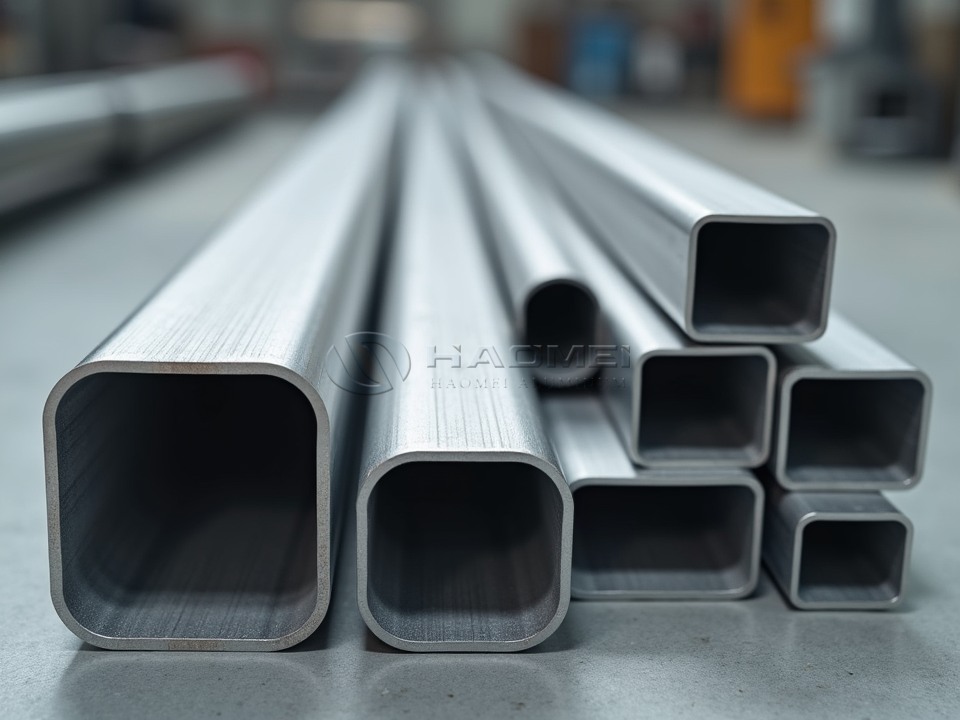
For installations where geometry is non-round, Marine Grade Aluminum Tubing may be specified in square, rectangular, or purpose-designed profiles. Flat-sided profiles can make mounting easier, while round sections generally offer efficient resistance to bending from multiple directions.
5383: Modern Strength with Marine Capability
5383 is a newer-generation high-strength aluminum-magnesium alloy developed for demanding marine and transport structures. It is often discussed alongside 5059 because both aim to raise strength beyond traditional marine alloys while preserving useful corrosion and welding performance.
For a pipe project, 5383 can be appealing where payload, speed, or structural mass are tightly controlled. A lighter section may be possible when engineering calculations support it, although material availability should be confirmed early. Not every diameter, wall thickness, or pipe form is stocked in 5383. A project may require a custom extrusion or fabricated solution rather than an off-the-shelf pipe.
The practical value of 5383 is most visible when design teams account for the entire assembly: welded strength reduction, local buckling, joint geometry, vibration loads, and drainage. Selecting a stronger alloy does not replace sound bracket spacing or proper support design.
Details That Protect Marine Pipe in Service
Good marine performance is often decided at the joints. Keep chloride-containing water from sitting inside crevices. Avoid direct contact between aluminum and copper-bearing alloys. Isolate stainless steel clamps and fasteners with suitable non-absorbent barriers. Seal penetrations where water can enter hidden interfaces, but do not create a sealed pocket that traps moisture permanently.
Surface treatment should match the location. Bare marine aluminum can perform well, yet coated or anodized systems may be preferred for appearance, reduced maintenance, or added separation from other materials. Before coating, weld spatter, oxide contamination, sharp edges, and fabrication residues should be removed. Coatings cannot compensate for poor drainage or uncontrolled galvanic contact.
For piping that carries fluids, define the actual medium and operating conditions. Seawater, freshwater, fuel, hydraulic fluid, cleaning chemicals, and compressed air can impose very different requirements. Pressure rating should be based on the finished system, including joints, bends, welds, fittings, temperature, fatigue loading, and applicable marine regulations. Structural aluminum pipe should never be assumed suitable for pressure service without engineering confirmation.
What to Request Before Ordering
A clear purchase specification prevents expensive substitutions. State the alloy as 5059, 5083, 5086, or 5383; specify temper; identify outside diameter, wall thickness, length, straightness, and surface condition; and clarify whether the product will be welded, bent, anodized, painted, or used in contact with seawater.
Request mill test certification with chemical composition and mechanical properties. For critical vessel work, add traceability, ultrasonic inspection where applicable, corrosion-related temper requirements, and dimensional tolerances. If the pipe will be welded into a regulated craft, align the material documents with the shipyard's welding procedure and class requirements before production begins.
The strongest marine aluminum pipe choice is not automatically the highest-strength grade. 5059 and 5383 suit demanding weight-sensitive structures, 5083 remains a trusted option for severe marine fabrication, and 5086 provides dependable corrosion resistance and welding practicality. When alloy, temper, product form, and installation details work together, the finished pipe assembly can remain reliable through years of salt spray, vibration, washdowns, and changing tides.

Related Products
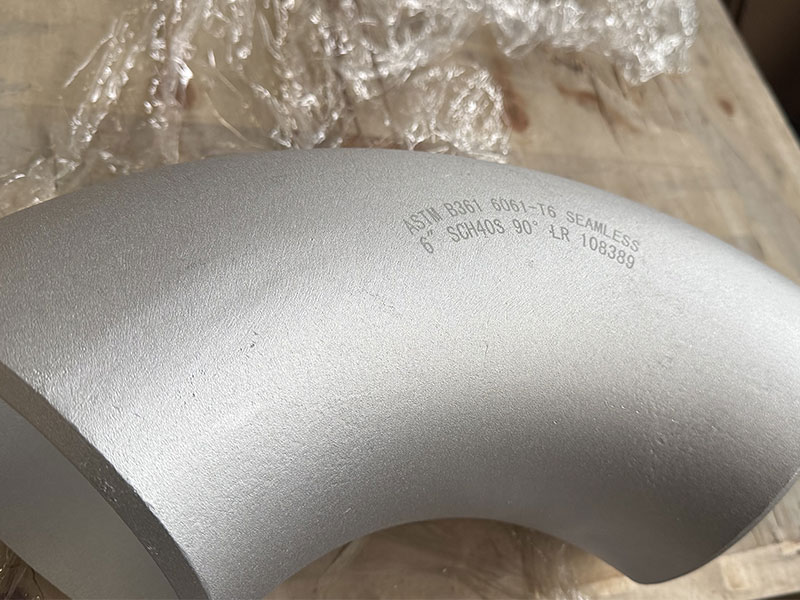
6061-T6 90-Degree Marine Aluminum Pipe Elbow
Manufactured from premium 6061-T6 marine-grade aluminum alloy, this elbow fitting is engineered to provide reliable and efficient pipe direction changes within shipbuilding, offshore platforms, and marine infrastructure systems.
View Details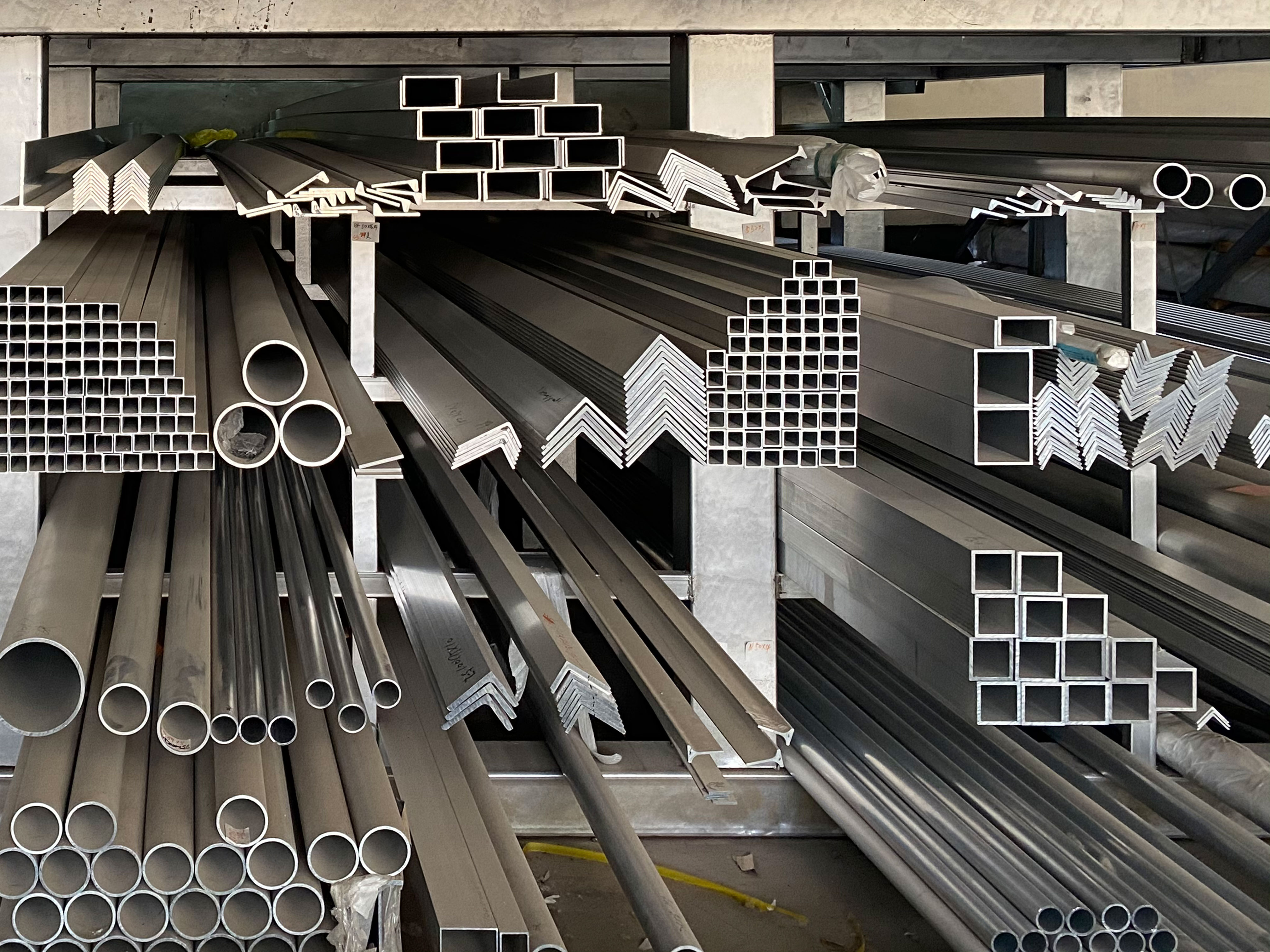
Custom marine aluminum profile tubes
Custom Marine Grade Aluminum Profile Tubes are manufactured from premium marine aluminum alloys such as 5083, 5052, 6061, and 6082.
View Details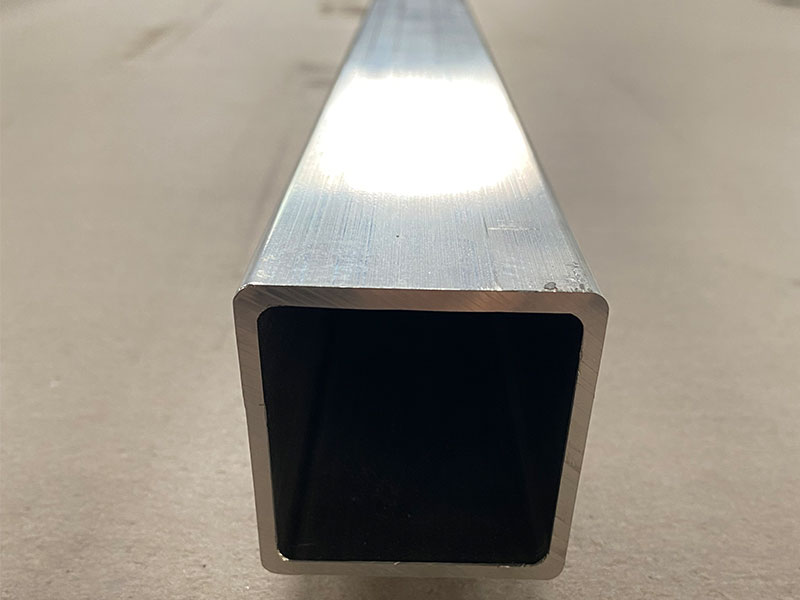
Marine aluminum square tubes
Marine Grade Aluminum Square Tubes are typically constructed from marine-grade alloys such as 5083, 5052, 6061, and 6082—well-known for their ability to withstand the aggressive effects of saltwater and marine atmospheres.
View Details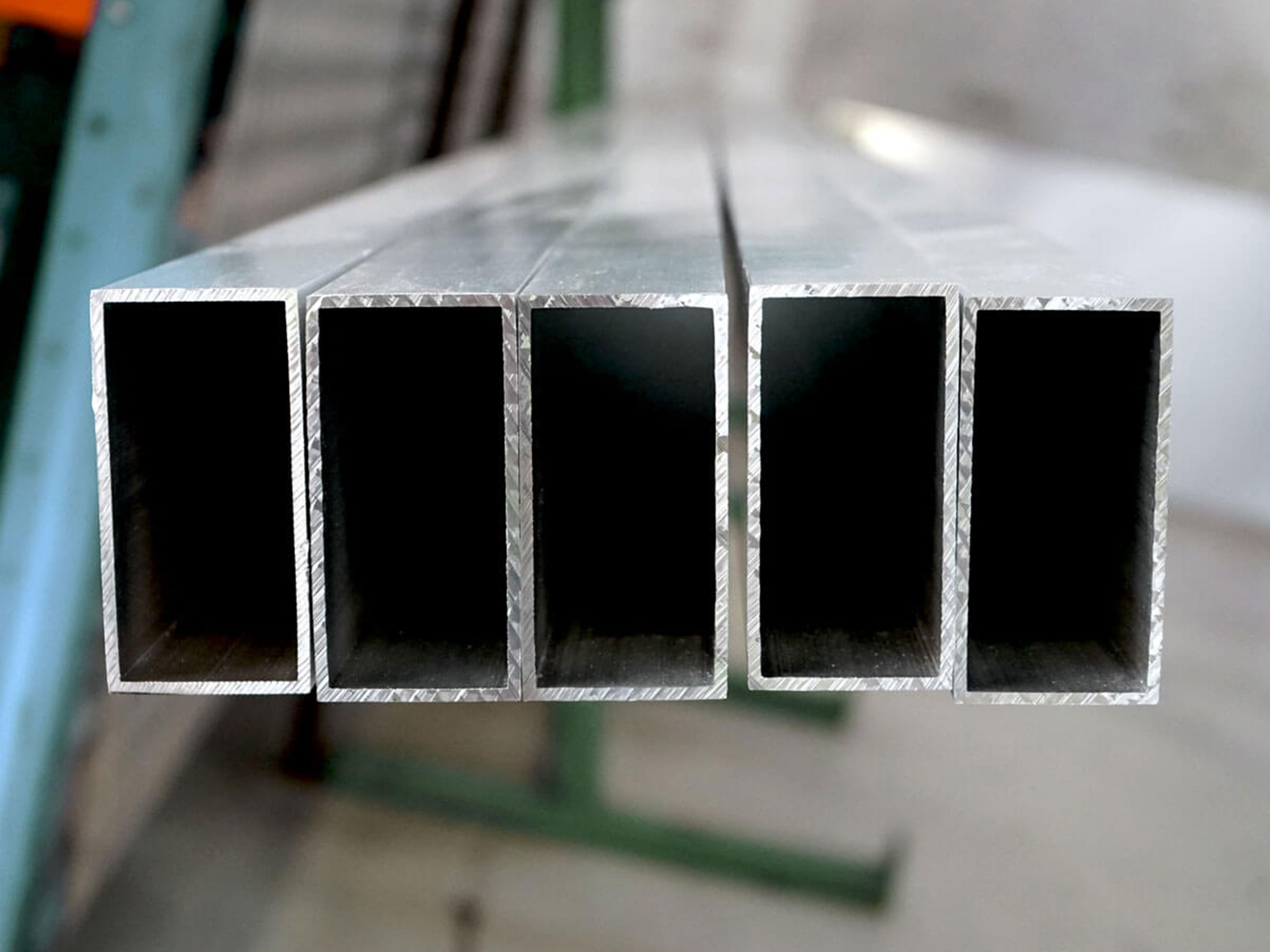
Marine aluminum rectangular tubes
Marine Grade Aluminum Rectangular Tubes are made from high-performance alloys such as 5083, 5052, 6061, and 6082. These alloys are renowned for their ability to resist corrosive seawater and marine atmospheres while providing excellent mechanical strength and toughness.
View Details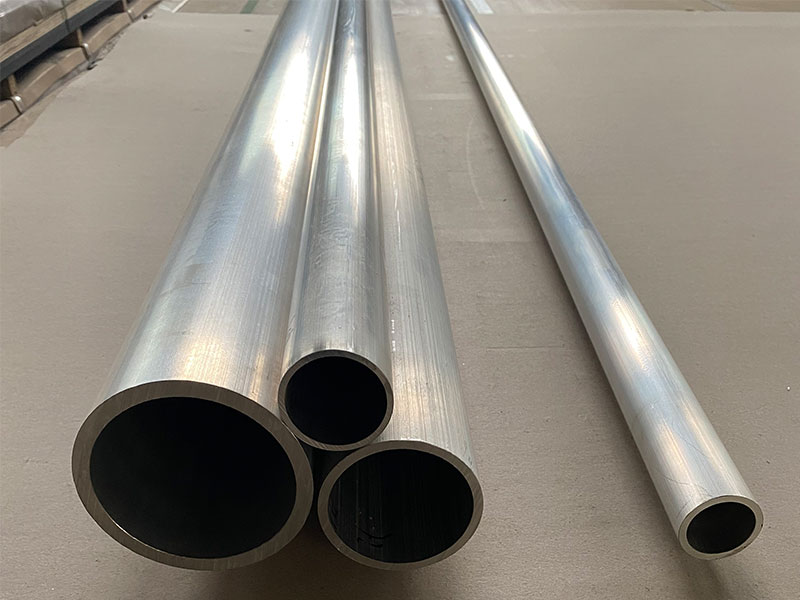
Marine aluminum round tubes
Marine Grade Aluminum Round Tubes are manufactured from premium marine alloys such as 5083, 5052, 6061, and 6082, all selected for their proven resistance to seawater corrosion and marine atmosphere degradation.
View DetailsRelated Blog
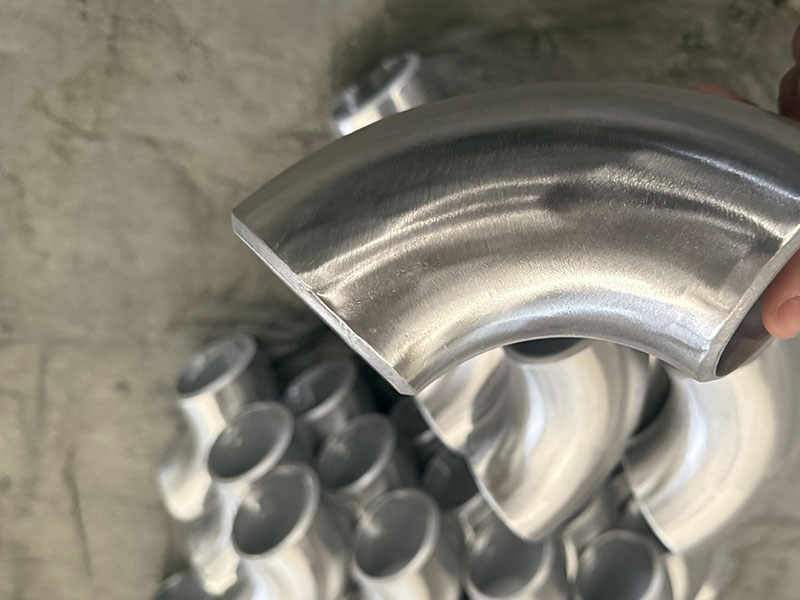
Aluminum Elbow for High Pressure Saltwater Pipelines on Ships
In modern shipbuilding and marine engineering, the integrity and durability of high pressure saltwater pipelines stand as a critical priority.
View Details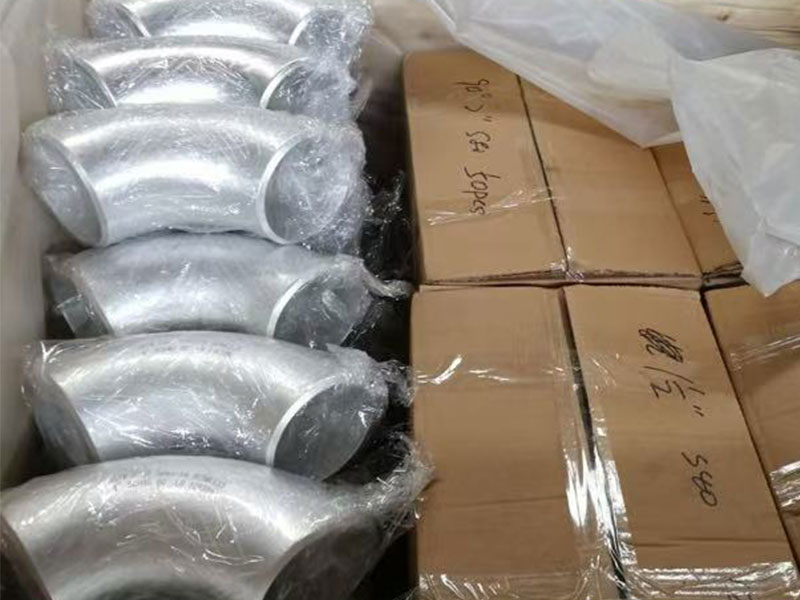
Seamless Marine Aluminum Pipe Elbow for Ship Applications
Seamless Marine Aluminum Pipe Elbow for Ship Applications: Where Metallurgy Meets Hydrodynamics In a ship’s piping system, the humble elbow is where fluid direction changes and engineering disciplines collide.
View Details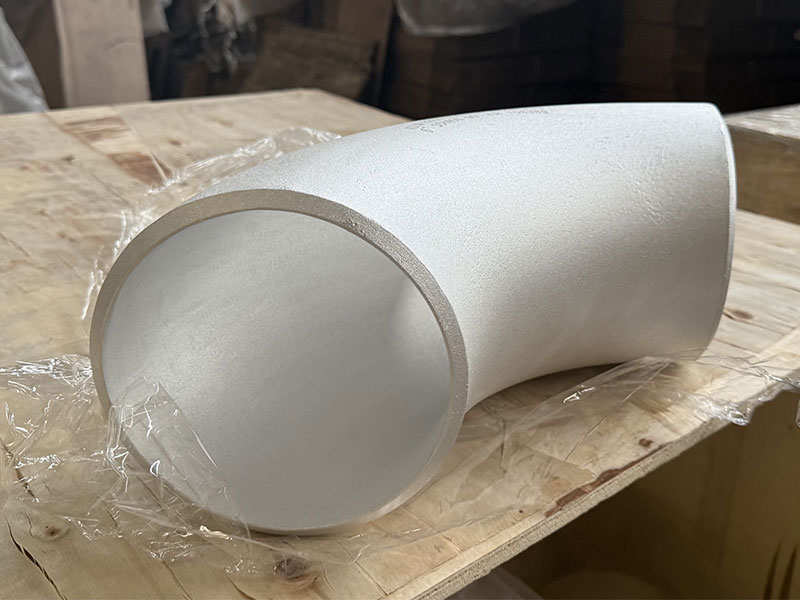
Seamless Marine Aluminum Elbow for Emergency Ventilation Systems
In the demanding realm of maritime safety and engineering, emergency ventilation systems serve as a cornerstone for onboard operational security and crew welfare.
View Details
Marine Grade Aluminum Pipe 5059 5083 5086 5383
Compare 5059, 5083, 5086, and 5383 marine aluminum pipe by exposure, weld design, temper, and fabrication route for durable boat structures at sea.
View Details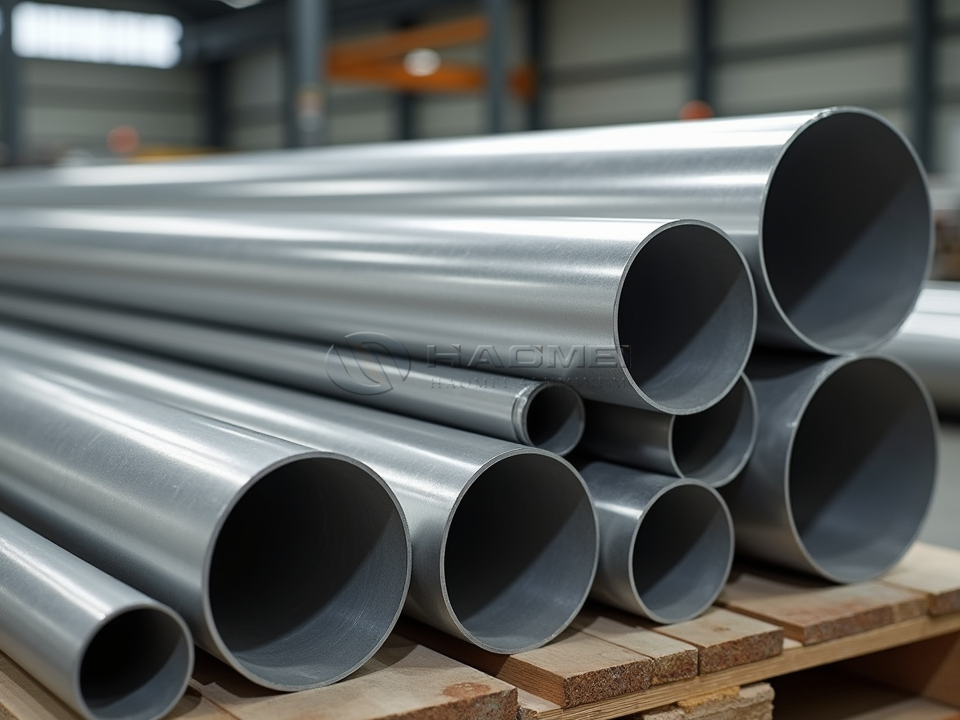
Aluminum Pipe Elbow for Shipboard Hydraulic Fluid and Gas Systems
Marine aluminum pipe elbows route hydraulic fluid and compatible gases through compact shipboard lines with low weight, smooth flow, and corrosion resistance.
View Details
Aluminum Pipe Elbow for Marine Waste Water Systems
Aluminum Pipe Elbow for Marine Waste Water Systems: A Focused Technical Guide In modern shipbuilding and offshore platforms, the humble aluminum pipe elbow is doing a lot more work than most people realize—especially in marine waste water systems.
View Details
Leave a Message