
5052 Marine Aluminum Square Tubes
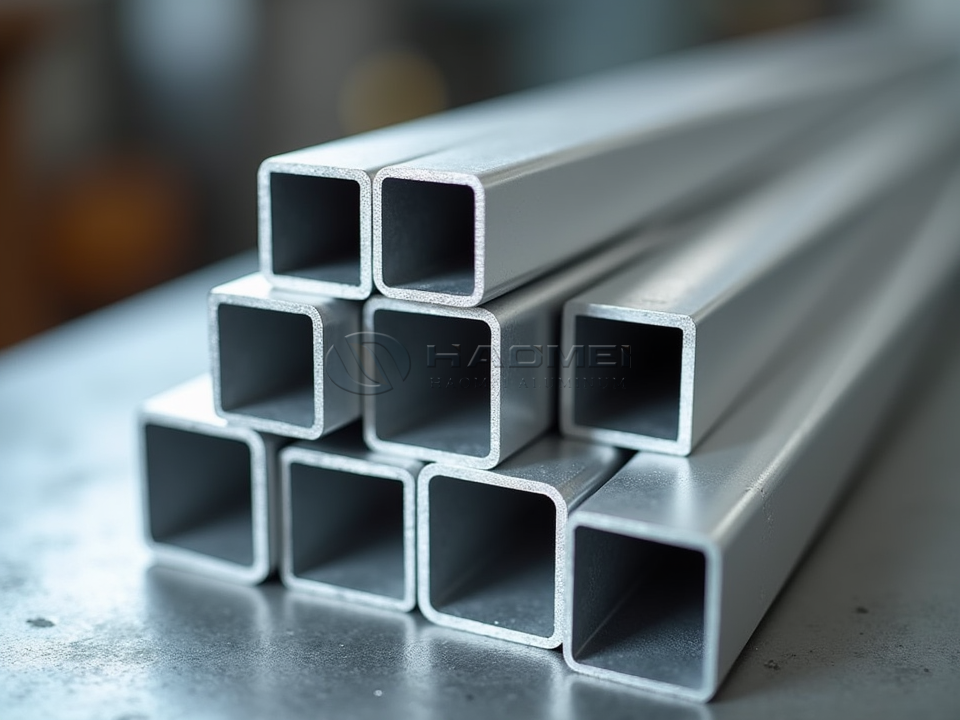
5052 marine aluminum square tubes are lightweight structural profiles designed for marine environments where moisture, salt spray, vibration, and frequent loading are routine. Made from an aluminum-magnesium alloy, 5052 square tubing delivers excellent resistance to seawater corrosion, strong forming performance, and reliable weldability. Its square geometry also provides flat mounting faces and balanced resistance to bending in multiple directions.
Compared with steel tubing, 5052 aluminum square tube reduces vessel weight significantly while avoiding the extensive coating maintenance commonly required by carbon steel. It is widely selected for non-pressure marine structures, deck equipment, frames, rails, enclosures, access platforms, and fabricated components exposed to coastal or offshore conditions.
Why 5052 Performs Well at Sea
The alloy's magnesium content supports high natural corrosion resistance without relying on copper-rich chemistry. In saltwater service, 5052 develops a thin and tightly adherent oxide film that helps protect the underlying metal. This makes it a practical material for marine structures that require long-term durability with a clean mill finish, brushed surface, or protective coating.
5052 is a non-heat-treatable alloy. Its strength is developed mainly through strain hardening, which is represented by H-series tempers such as H32 and H34. It cannot gain strength through a T6 heat-treatment cycle like 6061. This difference matters during material selection: 5052 offers better formability and corrosion performance, while heat-treatable alloys may be selected when higher structural strength is the dominant requirement.
| Property | 5052 Marine Aluminum Square Tube Value | Practical Benefit |
|---|---|---|
| Alloy family | Aluminum-magnesium, 5xxx series | Strong resistance to marine corrosion |
| Density | 2.68 g/cm³ | Low vessel and equipment weight |
| Melting range | Approx. 607-649°C | Suitable for conventional aluminum fabrication |
| Modulus of elasticity | Approx. 70 GPa | Predictable structural stiffness |
| Electrical conductivity | Approx. 35% IACS | Useful for selected marine equipment structures |
| Thermal conductivity | Approx. 138 W/m·K | Dissipates heat effectively |
| Corrosion behavior | Excellent in seawater and atmosphere | Reduced maintenance demand |
| Weldability | Excellent | Suitable for MIG and TIG fabrication |
Chemical Composition of 5052 Aluminum
The composition of 5052 is controlled to maintain corrosion resistance, workability, and stable mechanical behavior. Magnesium is the principal alloying element, while chromium supports grain structure and corrosion performance.
| Element | Composition, % by Weight |
|---|---|
| Aluminum | Balance |
| Magnesium, Mg | 2.2-2.8 |
| Chromium, Cr | 0.15-0.35 |
| Iron, Fe | 0.40 max |
| Silicon, Si | 0.25 max |
| Copper, Cu | 0.10 max |
| Manganese, Mn | 0.10 max |
| Zinc, Zn | 0.10 max |
| Other elements, each | 0.05 max |
| Other elements, total | 0.15 max |
Temper Conditions and Mechanical Data
Marine aluminum square tubes are commonly supplied in annealed or strain-hardened conditions. H32 is often favored for fabricated marine parts because it balances strength, bendability, and handling performance. H34 provides higher strength for applications with more demanding static loads, although bend radii should be larger.
Mechanical values vary with wall thickness, extrusion practice, product form, and applicable standard. The figures shown are typical reference data and should be confirmed through the mill test certificate for a specified order.
| Temper | Condition Description | Typical Tensile Strength | Typical Yield Strength | Typical Elongation | Suitable Use |
|---|---|---|---|---|---|
| O | Fully annealed | 170-215 MPa | 65-90 MPa | 15-25% | Deep forming, complex bends |
| H111 | Slightly strain hardened | 170-215 MPa | 80-115 MPa | 12-20% | General fabricated parts |
| H32 | Strain hardened and stabilized, quarter hard | 210-260 MPa | 130-195 MPa | 10-16% | Frames, brackets, rails |
| H34 | Strain hardened and stabilized, half hard | 230-280 MPa | 160-215 MPa | 8-14% | Stiffer supports and housings |
| H36 | Strain hardened and stabilized, three-quarter hard | 250-290 MPa | 190-240 MPa | 6-10% | Higher-strength formed sections |
Square Tube Dimensions and Ordering Parameters
5052 square tubing can be produced in standard and made-to-order dimensions. Square sections are measured by outside width and wall thickness. A consistent wall improves weld preparation, joint fit-up, and final alignment during fabrication.
| Parameter | Common Range | Ordering Consideration |
|---|---|---|
| Outside width | 12 mm to 150 mm | Select according to span and connection design |
| Wall thickness | 1.0 mm to 8.0 mm | Thicker walls improve local fastening strength |
| Standard length | 3 m, 4 m, 5 m, 6 m | Cut lengths can reduce workshop scrap |
| Corner style | Sharp, radiused, custom | Radiused corners improve coating flow and handling |
| Surface | Mill finish, brushed, anodized, coated | Match finish to appearance and exposure level |
| Straightness | Per agreed tolerance | Important for long rails and frame assemblies |
| Cutting | Saw cut or precision cut | Deburring protects installers and adjacent materials |
For projects requiring alternate alloy grades, wall profiles, or tailored dimensions, Marine aluminum square tubes can be specified around vessel layout, welding sequence, and load direction.
Applicable Standards and Quality Control
Standards depend on the production route and destination market. Extruded square tubing is generally supplied to extrusion specifications, while seamless drawn tube requirements may apply to specialized products. Purchase documentation should state alloy, temper, dimensions, tolerance class, surface condition, inspection level, and certification requirements.
| Standard | Scope | Relevance to 5052 Square Tube |
|---|---|---|
| ASTM B221/B221M | Aluminum-alloy extruded bars, rods, wire, profiles, and tubes | Common reference for extruded square tubes |
| ASTM B210/B210M | Drawn seamless aluminum-alloy tube | Relevant for seamless tube product forms |
| EN 755 | Extruded aluminum and aluminum alloys | Covers technical conditions, properties, and tolerances |
| EN 573-3 | Chemical composition of wrought aluminum alloys | Defines 5052 chemical limits |
| EN 515 | Temper designations | Explains H-series temper conditions |
| ISO 6361 | Wrought aluminum and aluminum alloy sheets and plates | Useful alloy and temper reference for related material forms |
Typical inspection can include alloy chemistry verification, dimensional checks, wall-thickness measurement, straightness review, surface examination, mechanical testing, and certificate review. For critical marine fabrications, buyers may also request traceability by heat number and third-party inspection.
Marine Functions and Typical Applications
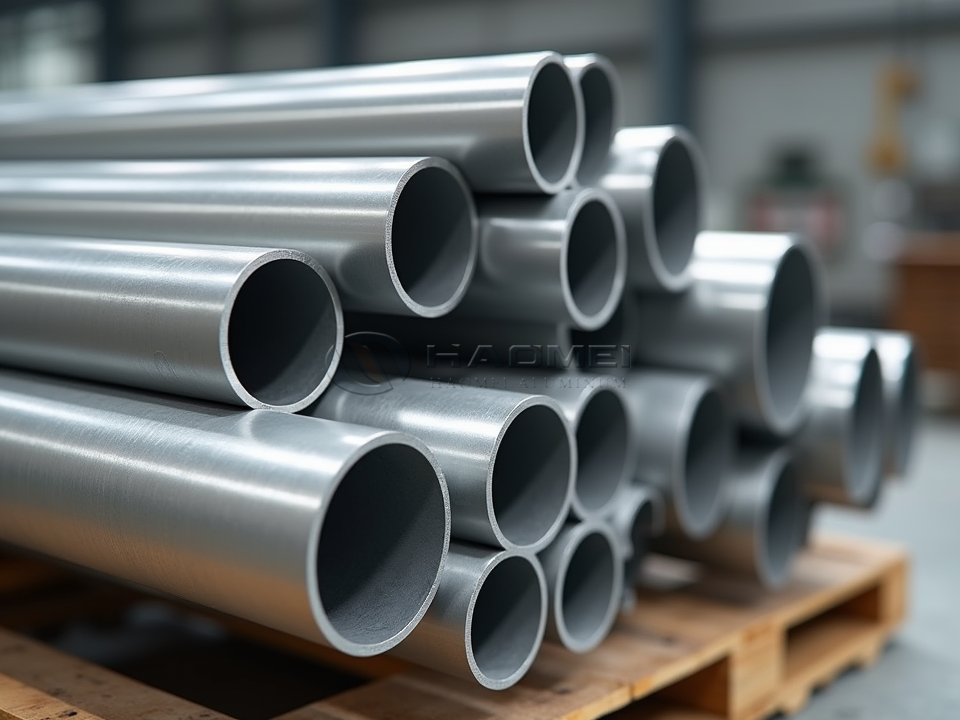
The square profile is especially effective where welded joints, flat brackets, panels, clamps, or bolted hardware must connect cleanly. It can serve as a lightweight framework while leaving internal space for wiring, drainage, insulation, or fasteners.
| Marine Application | Function of 5052 Square Tube |
|---|---|
| Boat deck frames | Supports decking, hatches, and lightweight fittings |
| Console and cabin frames | Creates rigid, corrosion-resistant support structures |
| Railings and handrails | Forms square-profile safety barriers and mounting systems |
| Equipment racks | Supports batteries, electronics cabinets, and utility units |
| Gangways and boarding platforms | Reduces carrying weight while maintaining durability |
| Fishery and workboat fittings | Resists wet, abrasive operating environments |
| Dock accessories | Used for ladder frames, storage racks, and service structures |
| Marine enclosures | Provides edges and internal support for covers and housings |
Fabrication Guidance for Long Service Life
5052 square tubing responds well to conventional cutting, drilling, bending, and welding. TIG and MIG welding are commonly used, with 5356 filler metal frequently chosen for compatible strength and corrosion behavior. Welding softens strain-hardened material in the heat-affected zone, so designers should allow for a local reduction in strength near welds.
Avoid direct contact with carbon steel, copper alloys, and other dissimilar metals in wet saltwater conditions. Isolating pads, non-conductive washers, sealants, and suitable coatings reduce galvanic corrosion risk. After cutting or welding, remove sharp burrs and clean surface contamination. Where appearance and added protection are needed, powder coating or a marine-grade paint system can be applied after proper surface preparation.
5052 marine aluminum square tubes combine low mass, excellent saltwater durability, efficient fabrication, and practical square-section geometry. With the correct temper, wall thickness, and corrosion-isolation details, they provide a dependable foundation for marine structures built to operate in demanding coastal and offshore settings.

Related Products
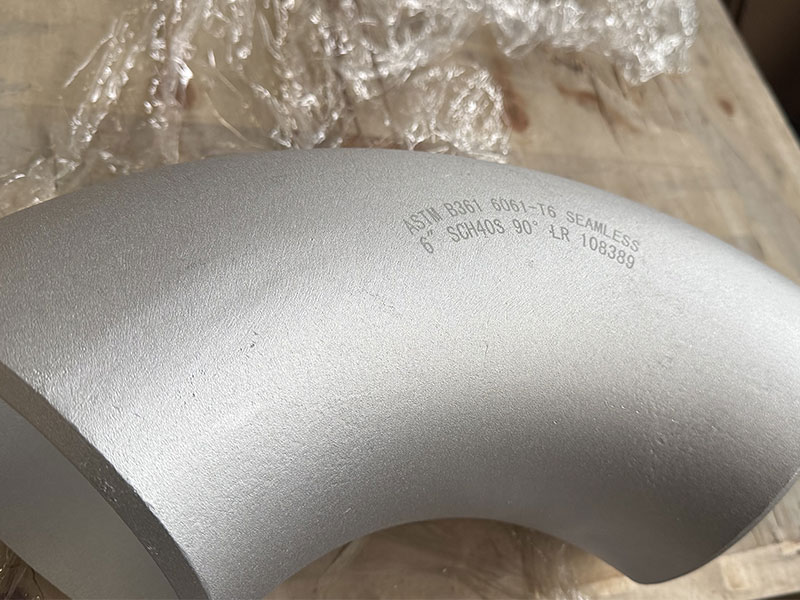
6061-T6 90-Degree Marine Aluminum Pipe Elbow
Manufactured from premium 6061-T6 marine-grade aluminum alloy, this elbow fitting is engineered to provide reliable and efficient pipe direction changes within shipbuilding, offshore platforms, and marine infrastructure systems.
View Details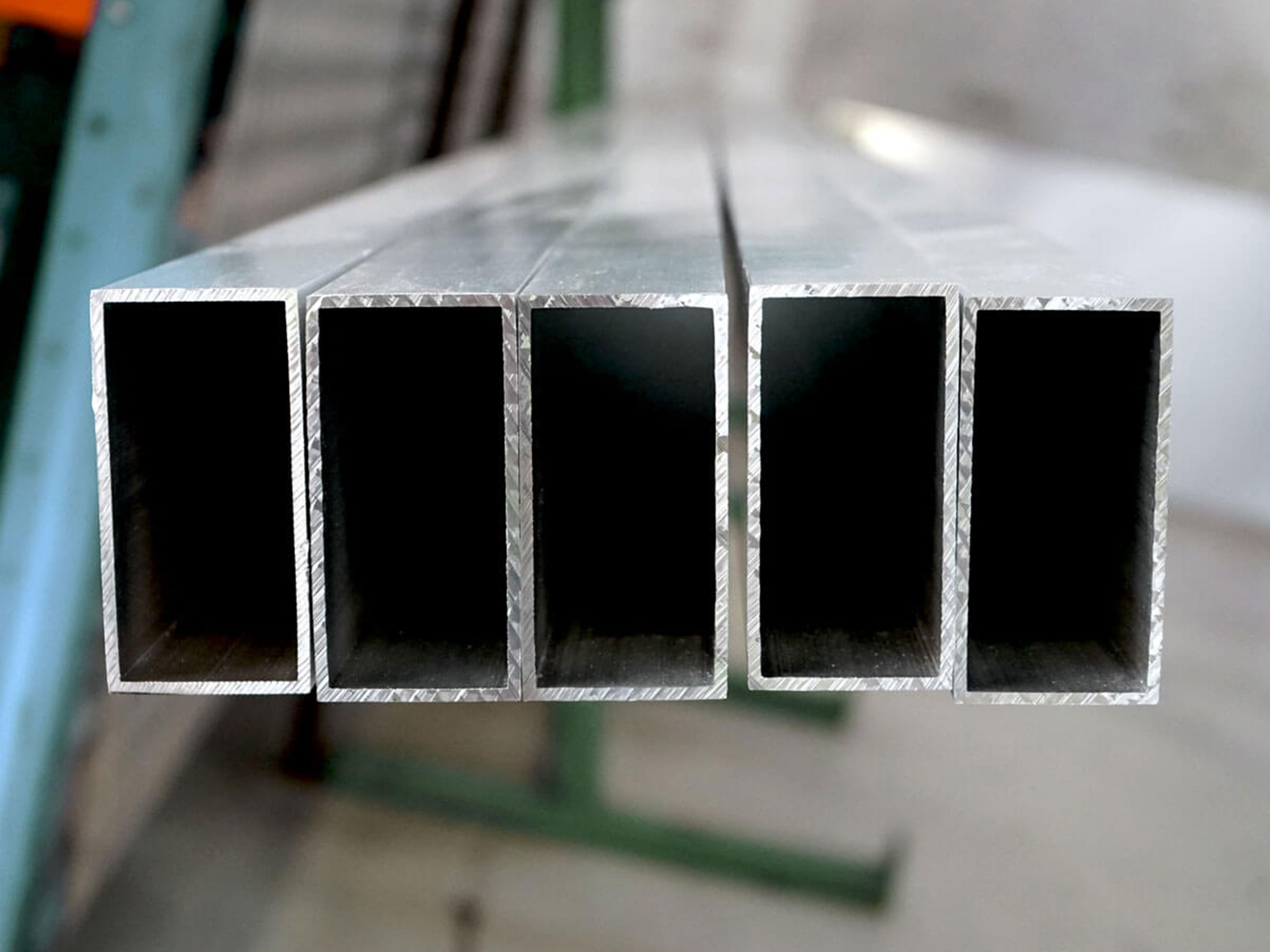
Marine aluminum rectangular tubes
Marine Grade Aluminum Rectangular Tubes are made from high-performance alloys such as 5083, 5052, 6061, and 6082. These alloys are renowned for their ability to resist corrosive seawater and marine atmospheres while providing excellent mechanical strength and toughness.
View Details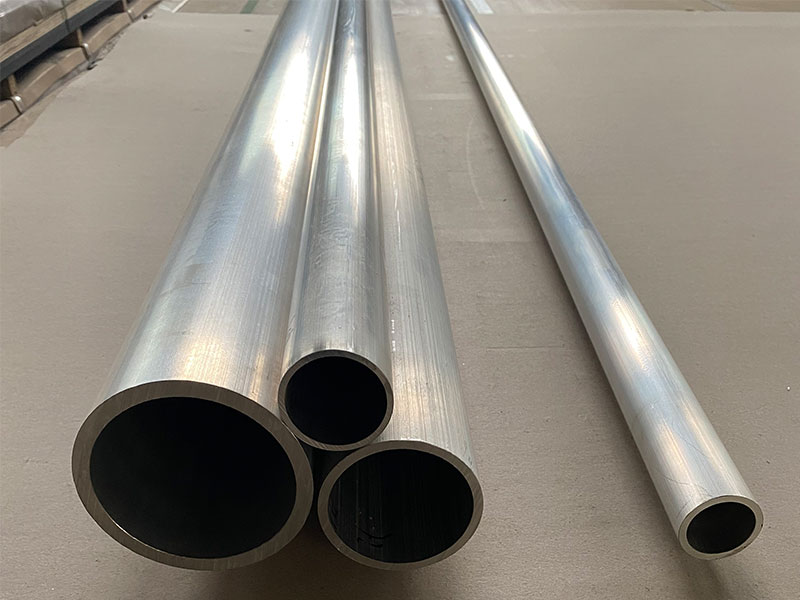
Marine aluminum round tubes
Marine Grade Aluminum Round Tubes are manufactured from premium marine alloys such as 5083, 5052, 6061, and 6082, all selected for their proven resistance to seawater corrosion and marine atmosphere degradation.
View Details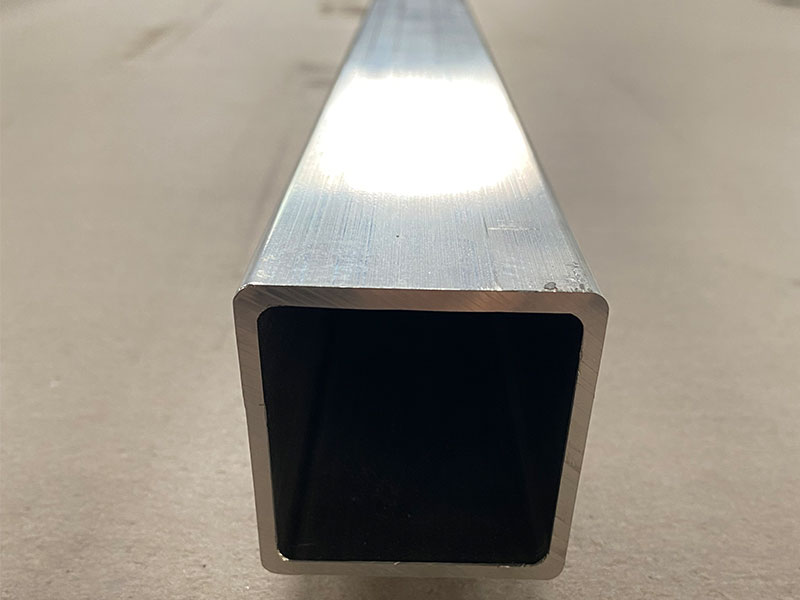
Marine aluminum square tubes
Marine Grade Aluminum Square Tubes are typically constructed from marine-grade alloys such as 5083, 5052, 6061, and 6082—well-known for their ability to withstand the aggressive effects of saltwater and marine atmospheres.
View Details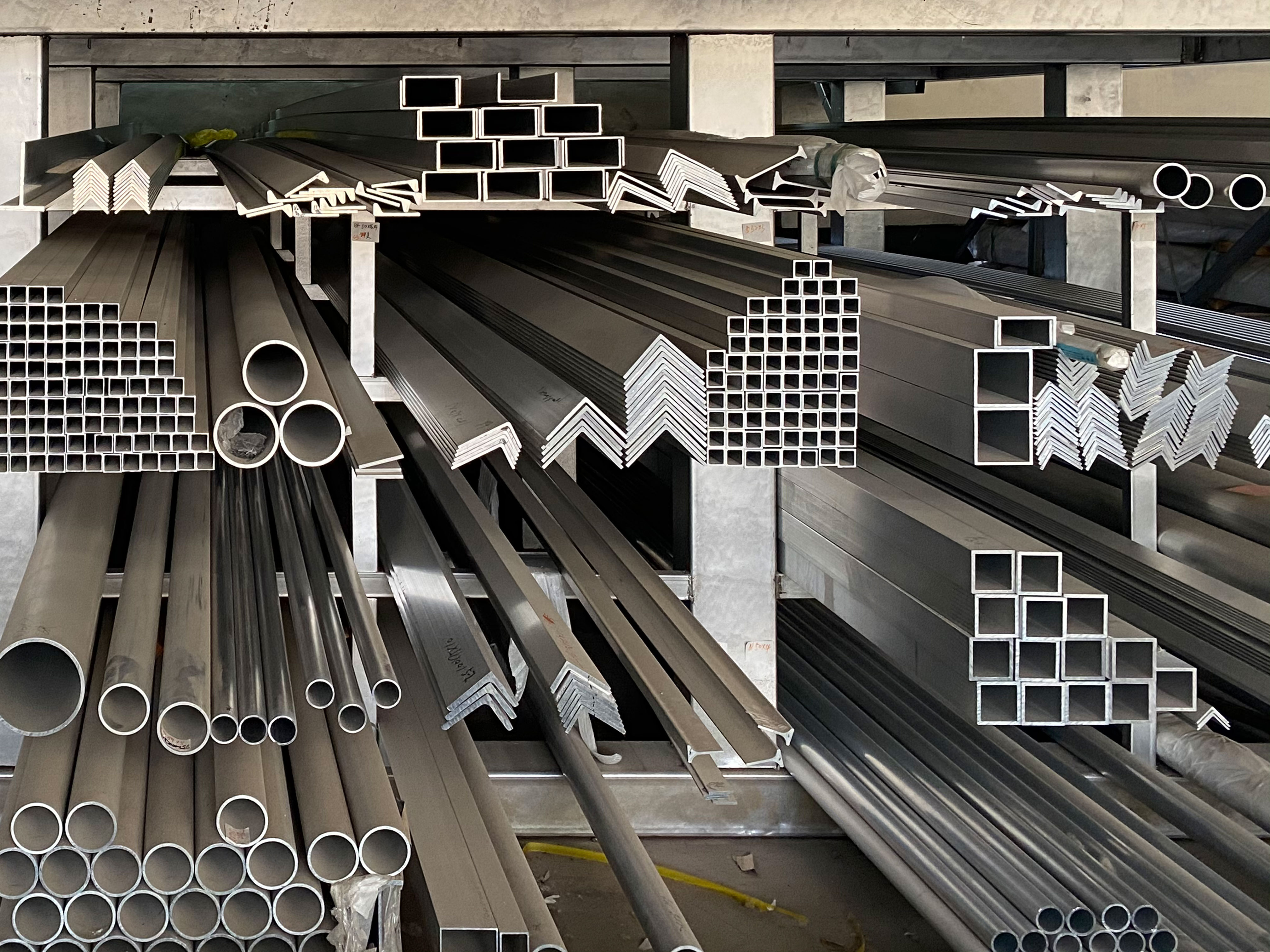
Custom marine aluminum profile tubes
Custom Marine Grade Aluminum Profile Tubes are manufactured from premium marine aluminum alloys such as 5083, 5052, 6061, and 6082.
View DetailsRelated Blog
Marine Aluminum Pipe Elbow for Wastewater Filtration on Offshore Platforms
Marine aluminum pipe elbows guide offshore wastewater through filtration skids with low weight, corrosion control, sound alloy, temper, and welding guidance.
View Details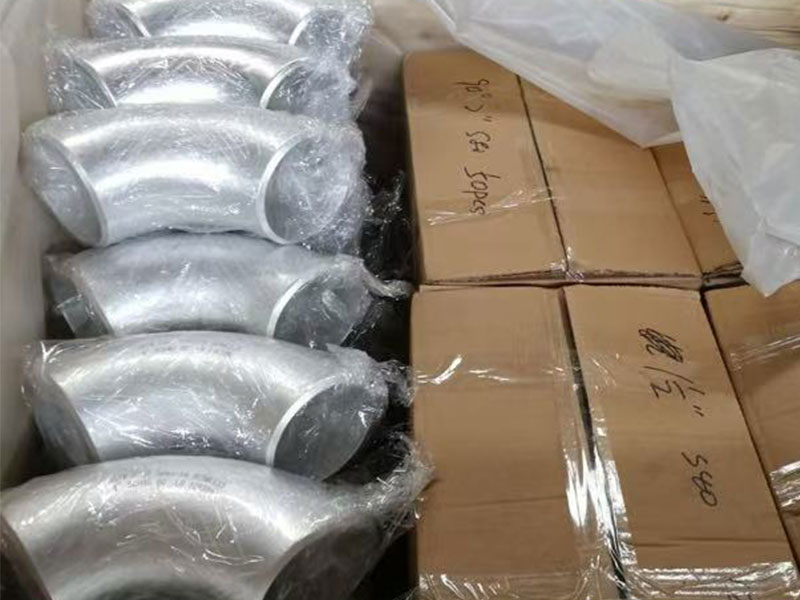
Marine Aluminum Tubes for Nautical Equipment Manufacturing
Marine aluminum tubes stand at the forefront of nautical equipment manufacturing due to their exceptional range of properties, which make them indispensable in the marine industry.
View Details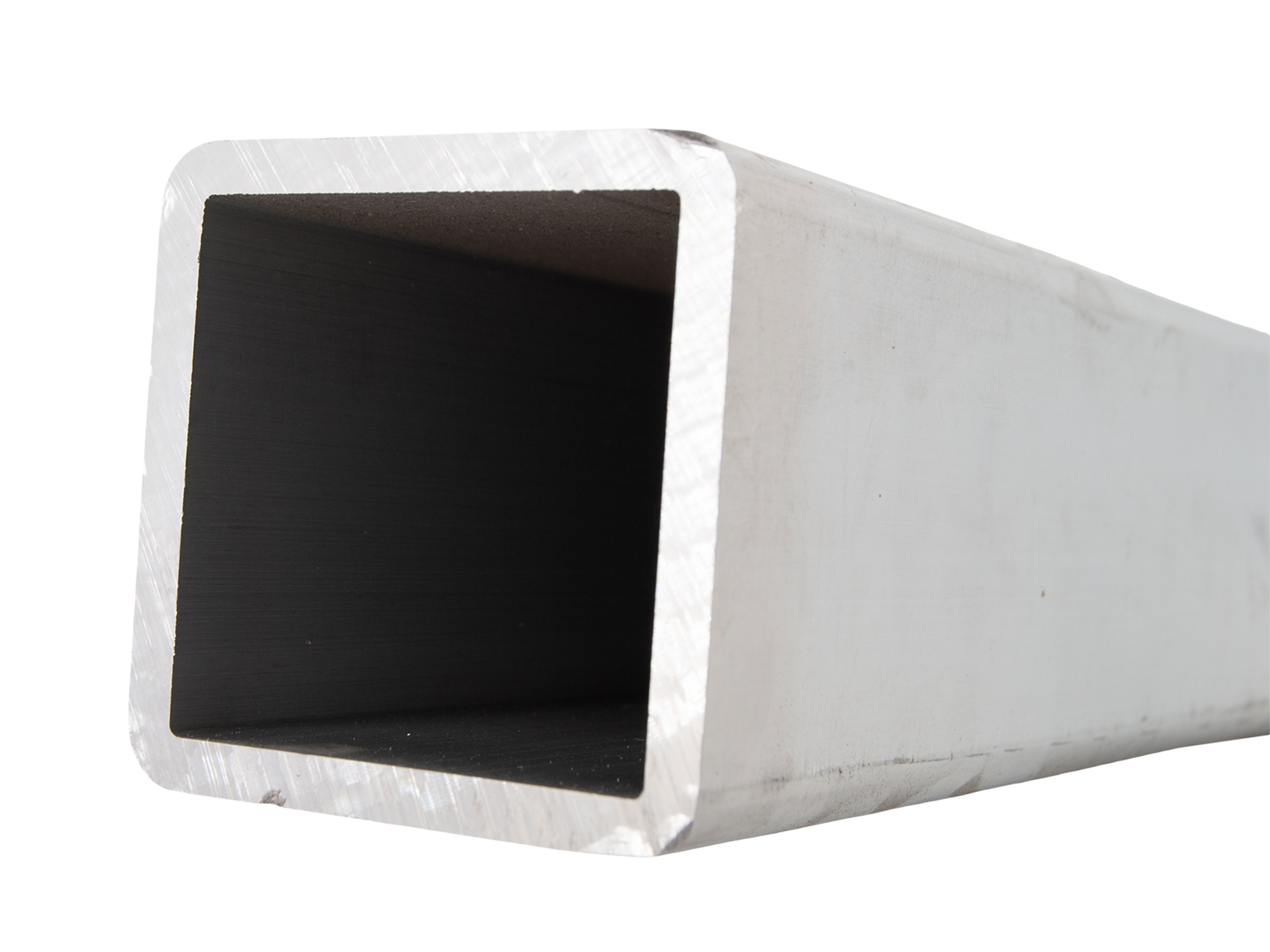
6082 Marine Aluminum Tubes for Saltwater Tolerant Marine Parts
6082 Marine Aluminum Tubes for Saltwater‑Tolerant Marine PartsA structural engineer’s perspective on choosing the “workhorse” alloy for modern boats and offshore equipmentWhen designers talk about marine alloys for direct saltwater exposure, 6082.
View DetailsMarine Grade Aluminum Tubing
Explore marine grade aluminum tubing alloys, corrosion resistance, tube shapes, fabrication methods, and practical applications for boats and offshore equipment.
View Details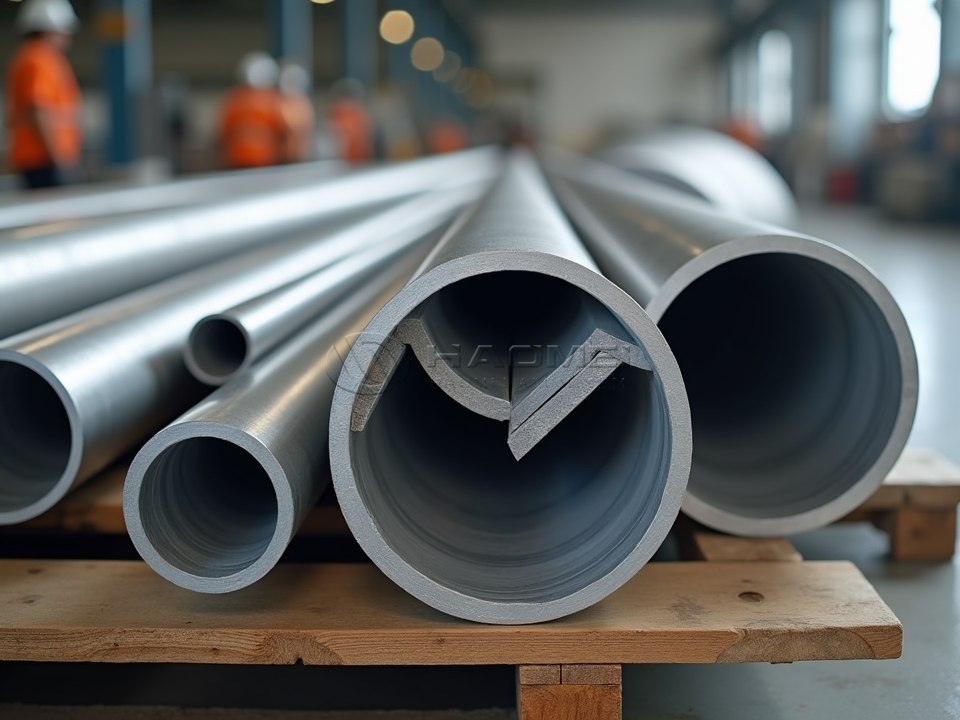
Marine Aluminum Elbow for Saltwater Inlet and Treatment Systems
Practical details on marine aluminum elbows for seawater inlet and treatment piping, covering corrosion behavior, materials, sizing, and applications.
View Details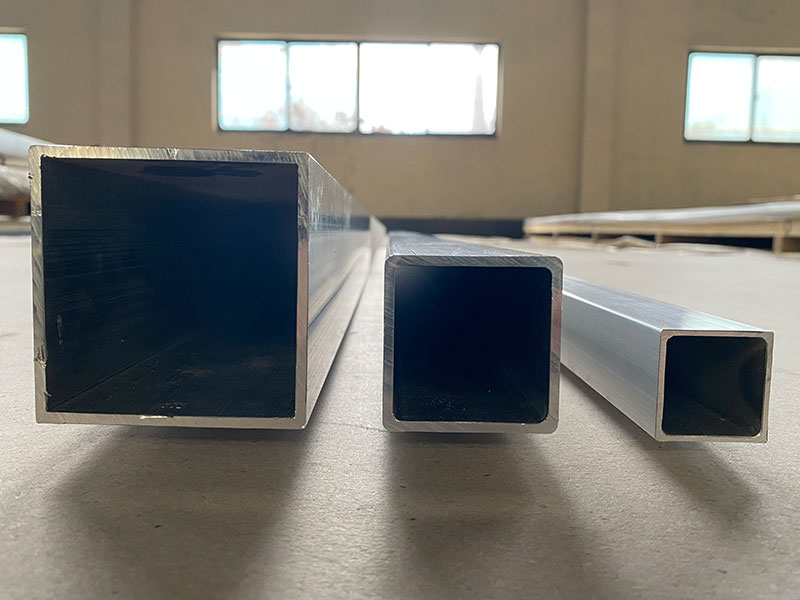
5052 Marine Aluminum Tubes for Seawater Tolerant Boat Parts
5052 marine aluminum tubes are a go-to choice for boat builders and marine fabricators who need tubing that resists seawater corrosion, welds cleanly, and stays dependable under vibration and daily service.
View Details
Leave a Message