
Marine Aluminum Pipe Elbow for Wastewater Filtration on Offshore Platforms
Where Flow Direction Becomes a Reliability Issue
On an offshore platform, a pipe elbow is more than a simple change in direction. In wastewater filtration systems, it can determine whether solids remain suspended, whether pumps operate smoothly, and whether corrosive wastewater stays safely contained inside the treatment skid. A marine aluminum pipe elbow for wastewater filtration on offshore platforms must handle salt-laden air outside the line and chemically variable wastewater inside it, while also reducing topside weight and simplifying installation in restricted modules.
The most effective perspective is to treat the elbow as a hydraulic control point. Every 45-degree, 90-degree, or long-radius turn changes velocity distribution. A poorly selected bend can create stagnant pockets where sludge settles, scale develops, and microbiologically influenced corrosion becomes more likely. A properly specified marine aluminum elbow maintains flow continuity between screening units, hydrocyclones, membrane modules, cartridge filters, oily-water separators, and discharge tanks.
Functional Role Inside an Offshore Filtration Train
Wastewater on an offshore platform may include gray water, black water, equipment wash water, deck drainage, bilge-related streams, and oily process water. These streams often carry suspended solids, chlorides, detergents, hydrocarbons, sulfides, and abrasive particles. The pipe elbow must direct these fluids without becoming a hidden collection point.
Long-radius elbows are generally preferred for pumped wastewater because they reduce turbulence, pressure loss, and localized abrasion on the outer wall of the bend. They are especially practical upstream of sensitive filtration equipment, where stable flow improves the service life of filters and membranes. Short-radius elbows can be used where compact routing is essential, but they should be evaluated carefully when solids concentration, slurry content, or flow velocity is high.
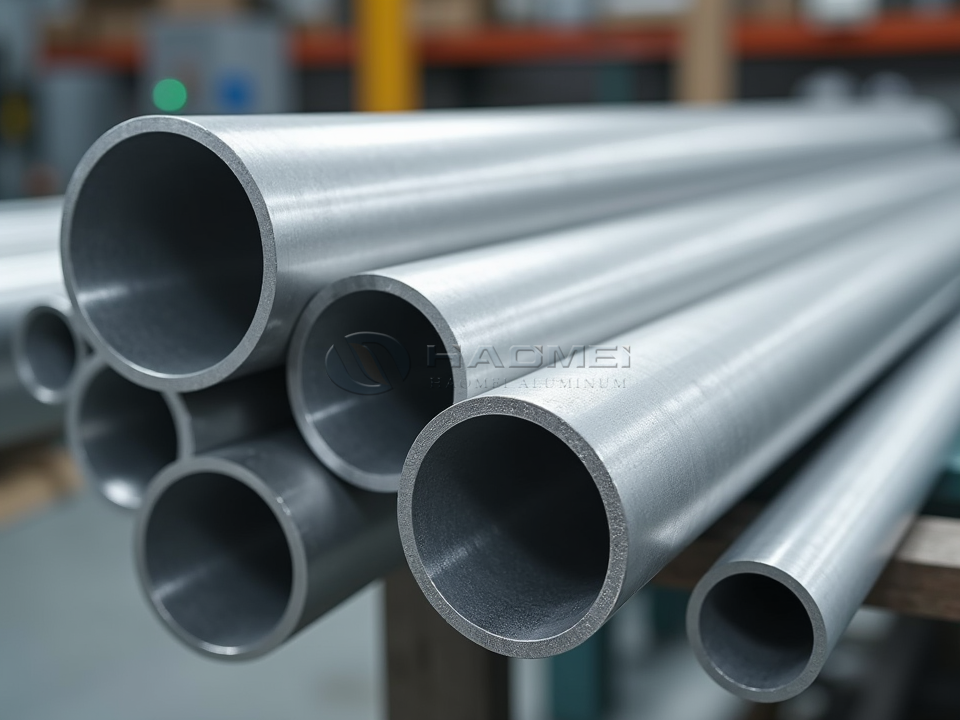
In modular treatment packages, elbows also enable vertical-to-horizontal transitions between pumps, filtration vessels, sampling points, and drain headers. Their low mass is valuable offshore: aluminum pipework reduces support steel demand, eases crane handling, and lowers the weight carried by skid frames. For connected piping runs, Marine Grade Aluminum Tubing provides a compatible foundation for lightweight wastewater transfer systems.
Alloy Selection: Match the Elbow to the Water Chemistry
Aluminum forms a natural oxide film that offers useful atmospheric protection, but alloy choice remains critical. Offshore wastewater systems are not identical to seawater systems. The internal fluid may be acidic, alkaline, oxygen-poor, or contaminated with chlorides and cleaning chemicals. Material selection should therefore consider both external splash-zone exposure and internal operating chemistry.
6061-T6 is commonly selected for fabricated or machined pipe elbows when strength, dimensional stability, and availability are priorities. It performs well in protected topside areas and in wastewater lines with controlled pH and moderate chloride exposure. Its magnesium-silicon composition gives good mechanical strength and excellent extrudability.
5083 and 5086 are often favored when chloride resistance is the dominant requirement. These 5xxx-series alloys have magnesium-rich compositions and are widely used in marine structures, tanks, and wet-service fabrications. A fabricated 5083-H116 elbow may be a strong option for low-pressure corrosive wastewater sections, drain collectors, or systems with frequent exposure to seawater spray.
6063-T5 or 6063-T6 may be suitable for lighter-duty fabricated arrangements, instrument enclosures, and low-stress utility connections, although it is usually not the first choice for abrasive or highly corrosive wastewater duty. For compact 90-degree routing, a 6061-T6 90-Degree Marine Aluminum Pipe Elbow can provide a consistent solution where design pressure, welding method, and corrosion protection have been confirmed.
Typical Parameters for Offshore Filtration Elbows
Actual dimensions should follow the piping isometric drawing, process data sheet, and classification requirements. The following values are commonly used as a practical purchasing and engineering reference.
| Parameter | Typical Offshore Specification Range |
|---|---|
| Elbow angle | 45 degrees, 90 degrees, 180 degrees |
| Radius form | Long radius preferred; short radius for limited-space routing |
| Nominal pipe size | DN15-DN300, or 1/2 in.-12 in. |
| Outside diameter | 21.3-323.9 mm, matched to pipe schedule or metric wall design |
| Wall thickness | 2.0-12.0 mm, subject to pressure and corrosion allowance |
| Common alloys | 6061, 6063, 5083, 5086, 6082 |
| Typical tempers | T6, T5, H111, H116, H321 |
| Connection style | Butt weld, flange, grooved, threaded for small utility lines |
| Surface condition | Mill finish, anodized, epoxy-coated, or project-specific coating |
| Service temperature | Commonly -20°C to 80°C; verify for chemical cleaning cycles |
Pressure rating should never be assumed from diameter alone. It depends on wall thickness, alloy strength, temper, weld efficiency, corrosion allowance, design temperature, support spacing, and the governing piping code. In filtration skids, flow velocity is often maintained at a level that limits settlement while avoiding excessive erosive wear. For dirty water lines, designers commonly assess velocity in the approximate range of 1.0-3.0 m/s, with final values based on solids loading and pump duty.
Chemical Properties of Common Marine Aluminum Alloys
The chemical composition affects corrosion behavior, weldability, strength, and response to heat treatment. Values shown are typical composition limits or ranges by weight percentage; project specifications should govern final certification requirements.
| Alloy | Si | Fe | Cu | Mn | Mg | Cr | Zn | Ti | Al |
|---|---|---|---|---|---|---|---|---|---|
| 6061 | 0.40-0.80 | 0.70 max | 0.15-0.40 | 0.15 max | 0.80-1.20 | 0.04-0.35 | 0.25 max | 0.15 max | Balance |
| 6063 | 0.20-0.60 | 0.35 max | 0.10 max | 0.10 max | 0.45-0.90 | 0.10 max | 0.10 max | 0.10 max | Balance |
| 5083 | 0.40 max | 0.40 max | 0.10 max | 0.40-1.00 | 4.0-4.9 | 0.05-0.25 | 0.25 max | 0.15 max | Balance |
| 5086 | 0.40 max | 0.50 max | 0.10 max | 0.20-0.70 | 3.5-4.5 | 0.05-0.25 | 0.25 max | 0.15 max | Balance |
Temper, Welding, and Fabrication Conditions
Temper has a direct effect on elbow performance. T6 material is solution heat-treated and artificially aged, giving 6061 high strength. However, welding changes the heat-affected zone. Near a butt weld, 6061-T6 may lose a substantial portion of its original T6 strength unless post-weld heat treatment is performed, which is uncommon for offshore piping assemblies. Engineers should use allowable values appropriate to the welded condition rather than relying only on parent-material T6 data.
For 5083 and 5086, strain-hardened tempers such as H116 and H321 are commonly selected for improved marine service performance. These alloys are not heat-treatable in the same way as 6061. Their fabrication advantage lies in corrosion resistance and good weldability, though welding procedure qualification remains essential.
GTAW and GMAW are frequently used for aluminum elbow connections. Filler selection must suit the base alloy and service environment. ER5356 filler is widely used for 5xxx marine alloys, while 4043 or 5356 may be considered for 6xxx alloys depending on strength, cracking resistance, anodizing requirements, and design approval. Clean joint preparation is vital because aluminum oxide melts at a far higher temperature than the base metal and can trap contamination if not removed.
Standards and Offshore Implementation Practice
Material and dimensional requirements may reference ASTM B241/B241M for aluminum alloy seamless pipe and seamless extruded tube, ASTM B210 for drawn seamless tube, EN 755 for extruded aluminum products, EN 573 for alloy chemical composition, and EN 515 for temper designation. For pressure-piping design, ASME B31.3 is often applied to process and utility systems when required by the project. Offshore installations may additionally require compliance with client specifications, DNV rules, ABS requirements, or NORSOK-based project practices.
An elbow intended for wastewater filtration should be supplied with traceable mill certificates, alloy and temper identification, dimensional inspection records, and weld documentation where fabricated. Where dissimilar metals are present, isolate aluminum from carbon steel supports, copper-bearing components, and incompatible fasteners using nonconductive pads, sleeves, or approved coating systems. This reduces galvanic corrosion risk in humid salt-air conditions.
Installation Details That Protect the System
The elbow should be installed with enough clearance for inspection, flushing, and replacement of nearby filters. Avoid placing a 90-degree turn immediately at a pump suction unless the hydraulic design specifically permits it. Maintain gradual routing into filter housings, add supports close enough to limit vibration, and prevent rigid restraint that concentrates stress at welded joints.
For wastewater containing solids, orient elbows so that draining and flushing are practical during shutdown. Smooth internal weld profiles and accurate alignment reduce catch points for fibers, sludge, and scale. In aggressive service, external coating repair, periodic washing of salt deposits, and inspection around clamps and supports greatly extend the working life of the marine aluminum pipe elbow.
A well-engineered elbow keeps wastewater moving, protects filtration equipment, and helps an offshore platform operate with less weight, fewer corrosion concerns, and more maintainable piping routes.

Related Products
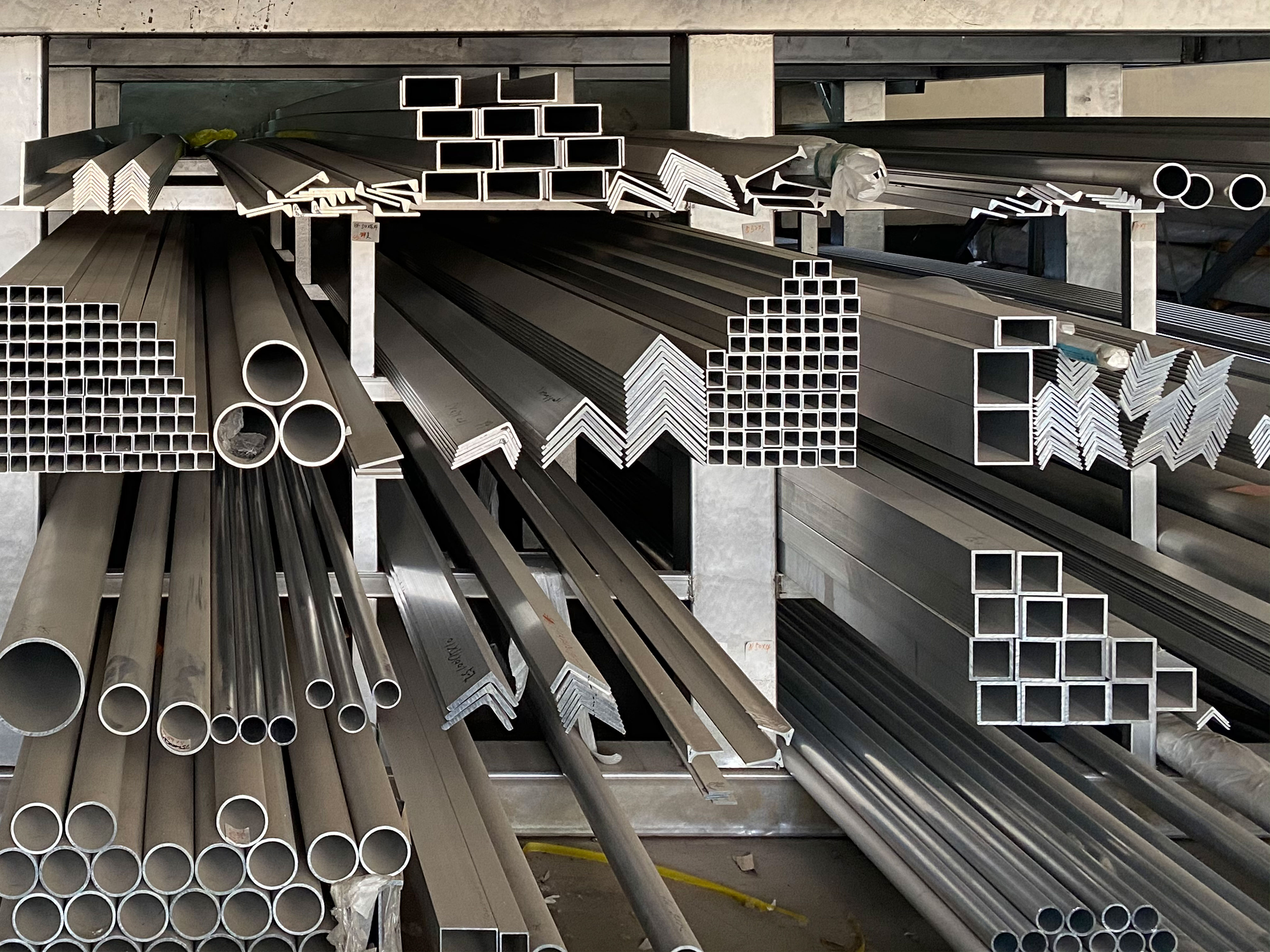
Custom marine aluminum profile tubes
Custom Marine Grade Aluminum Profile Tubes are manufactured from premium marine aluminum alloys such as 5083, 5052, 6061, and 6082.
View Details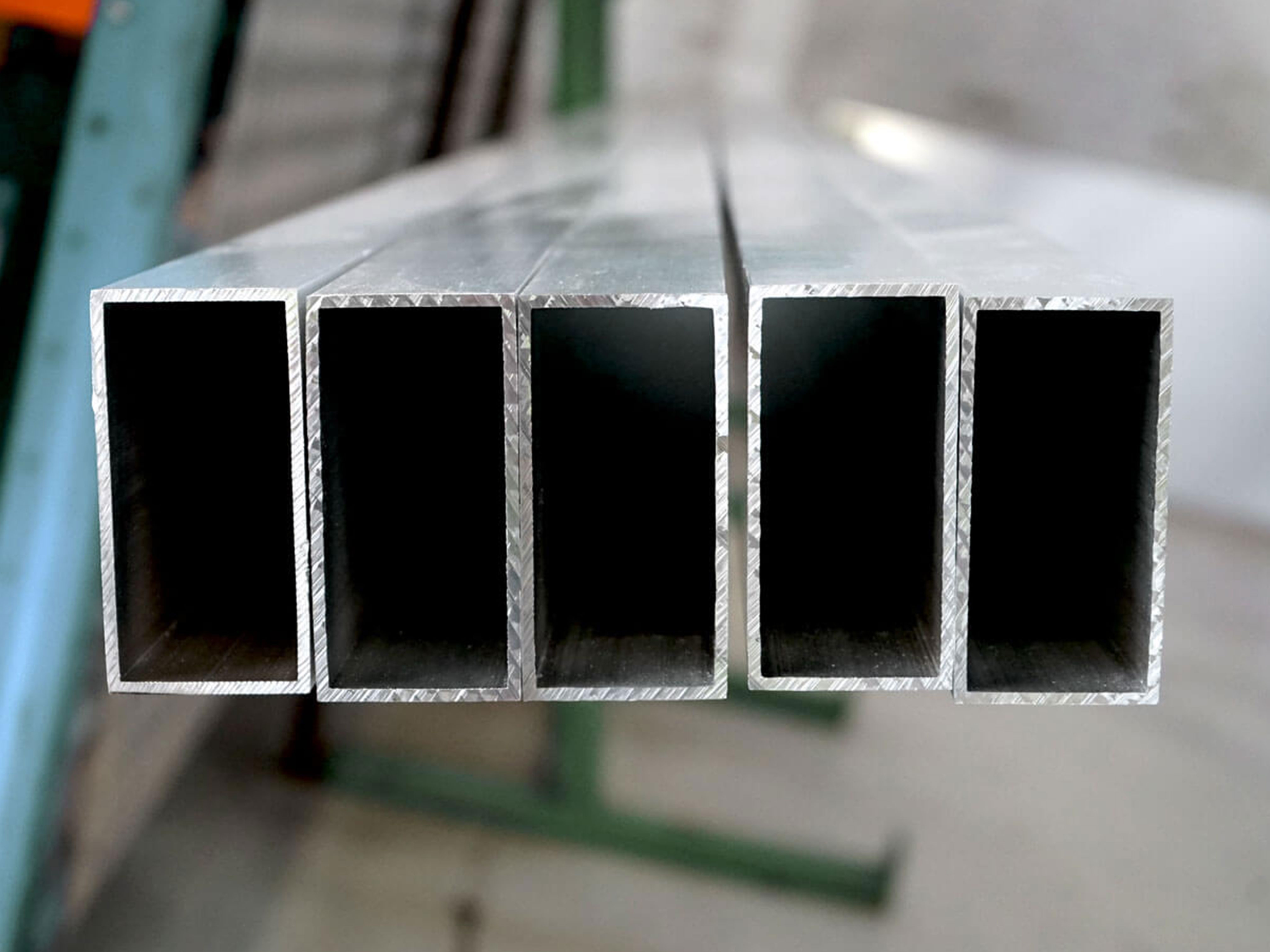
Marine aluminum rectangular tubes
Marine Grade Aluminum Rectangular Tubes are made from high-performance alloys such as 5083, 5052, 6061, and 6082. These alloys are renowned for their ability to resist corrosive seawater and marine atmospheres while providing excellent mechanical strength and toughness.
View Details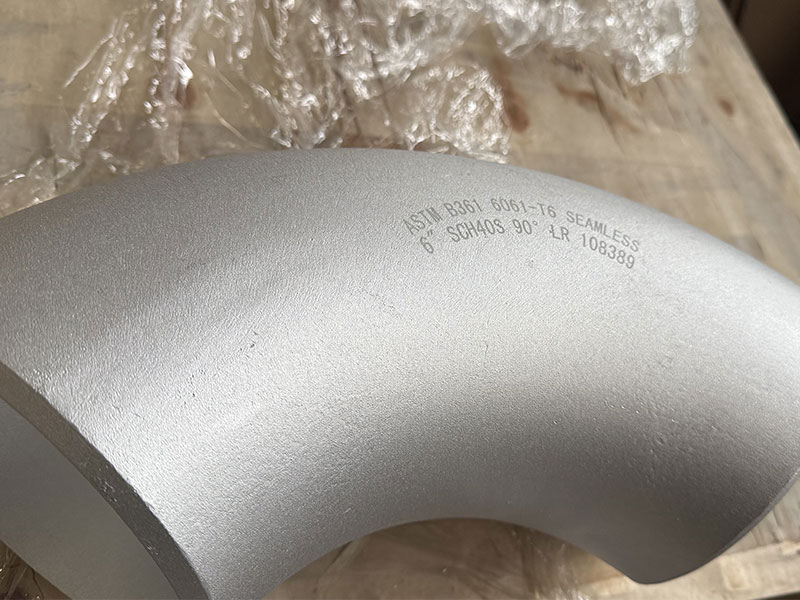
6061-T6 90-Degree Marine Aluminum Pipe Elbow
Manufactured from premium 6061-T6 marine-grade aluminum alloy, this elbow fitting is engineered to provide reliable and efficient pipe direction changes within shipbuilding, offshore platforms, and marine infrastructure systems.
View Details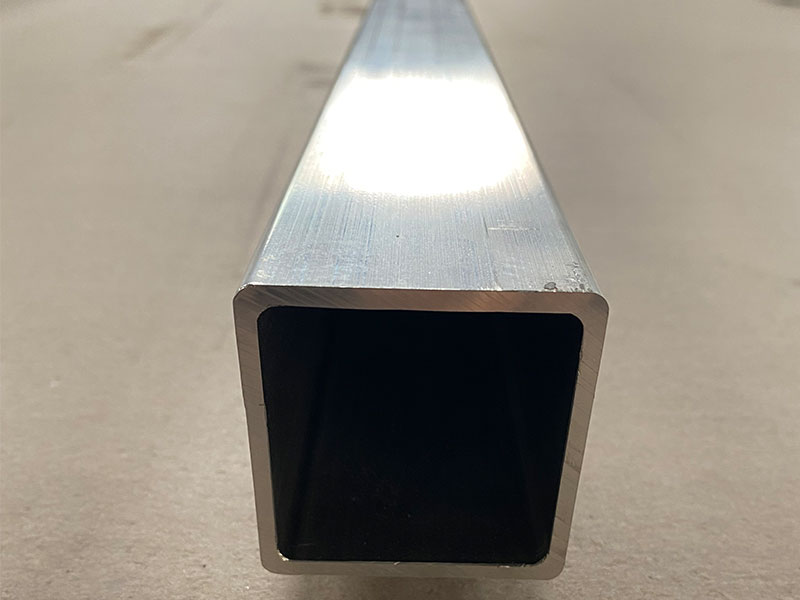
Marine aluminum square tubes
Marine Grade Aluminum Square Tubes are typically constructed from marine-grade alloys such as 5083, 5052, 6061, and 6082—well-known for their ability to withstand the aggressive effects of saltwater and marine atmospheres.
View Details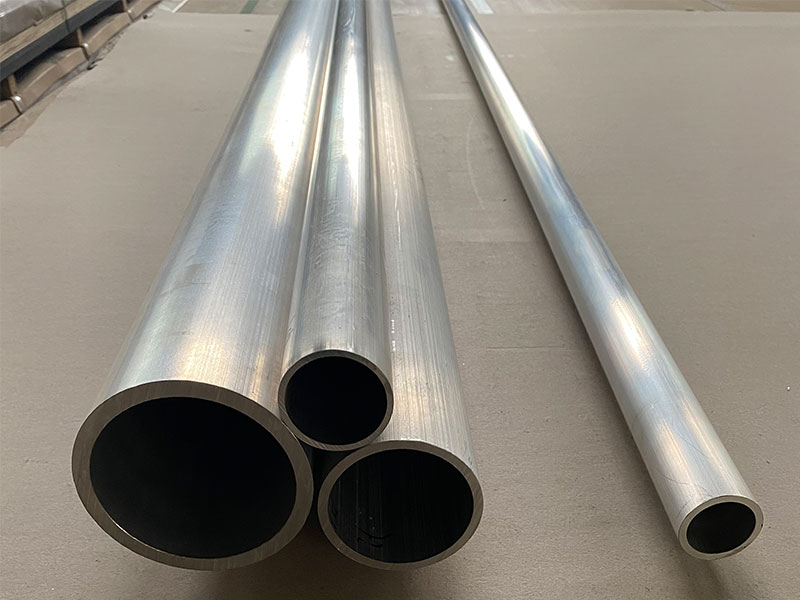
Marine aluminum round tubes
Marine Grade Aluminum Round Tubes are manufactured from premium marine alloys such as 5083, 5052, 6061, and 6082, all selected for their proven resistance to seawater corrosion and marine atmosphere degradation.
View DetailsRelated Blog
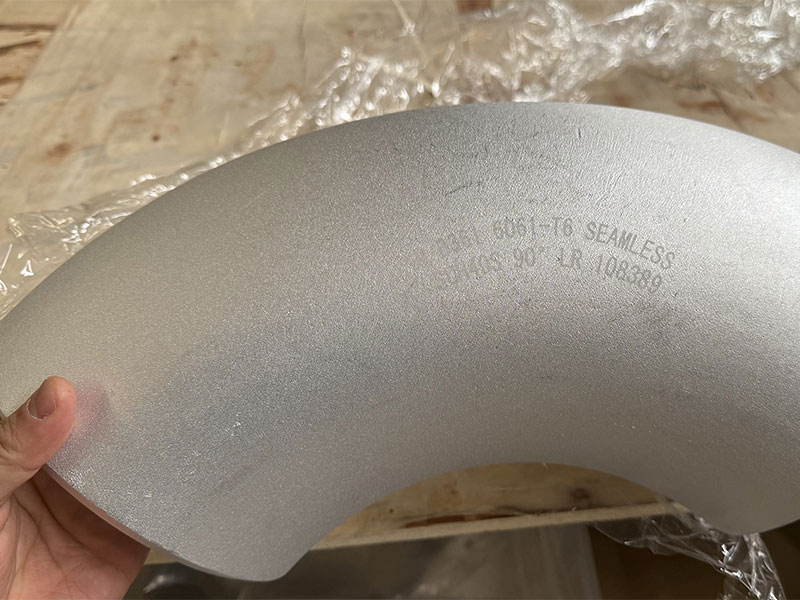
Marine Aluminum Elbow for Exhaust Ventilation Systems
Marine aluminum elbows are precision-formed duct components designed specifically for exhaust and ventilation systems aboard commercial ships, yachts, offshore platforms, and other marine environments.
View Details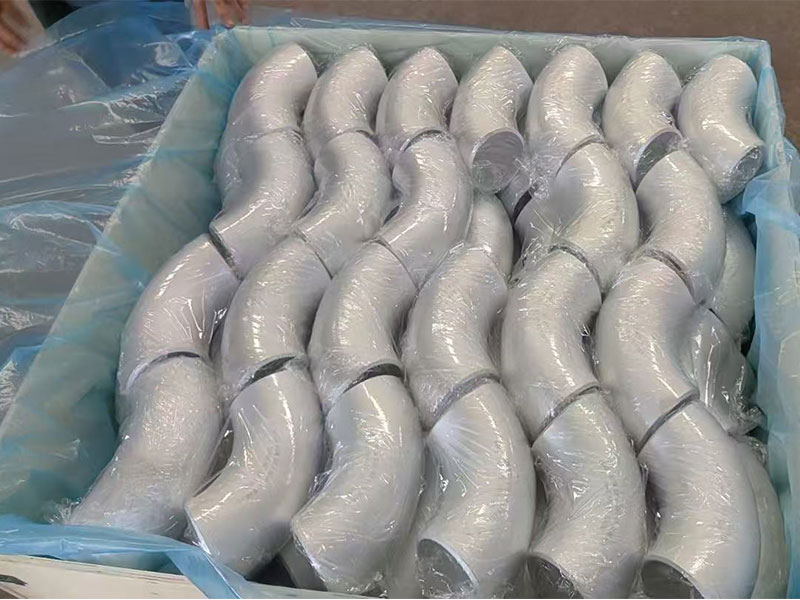
Marine Grade Aluminum Pipe Elbow for Offshore Projects
Marine environments pose unique challenges—including corrosion, mechanical stress, and exposure to harsh elements—necessitating the use of specialized materials and components.
View Details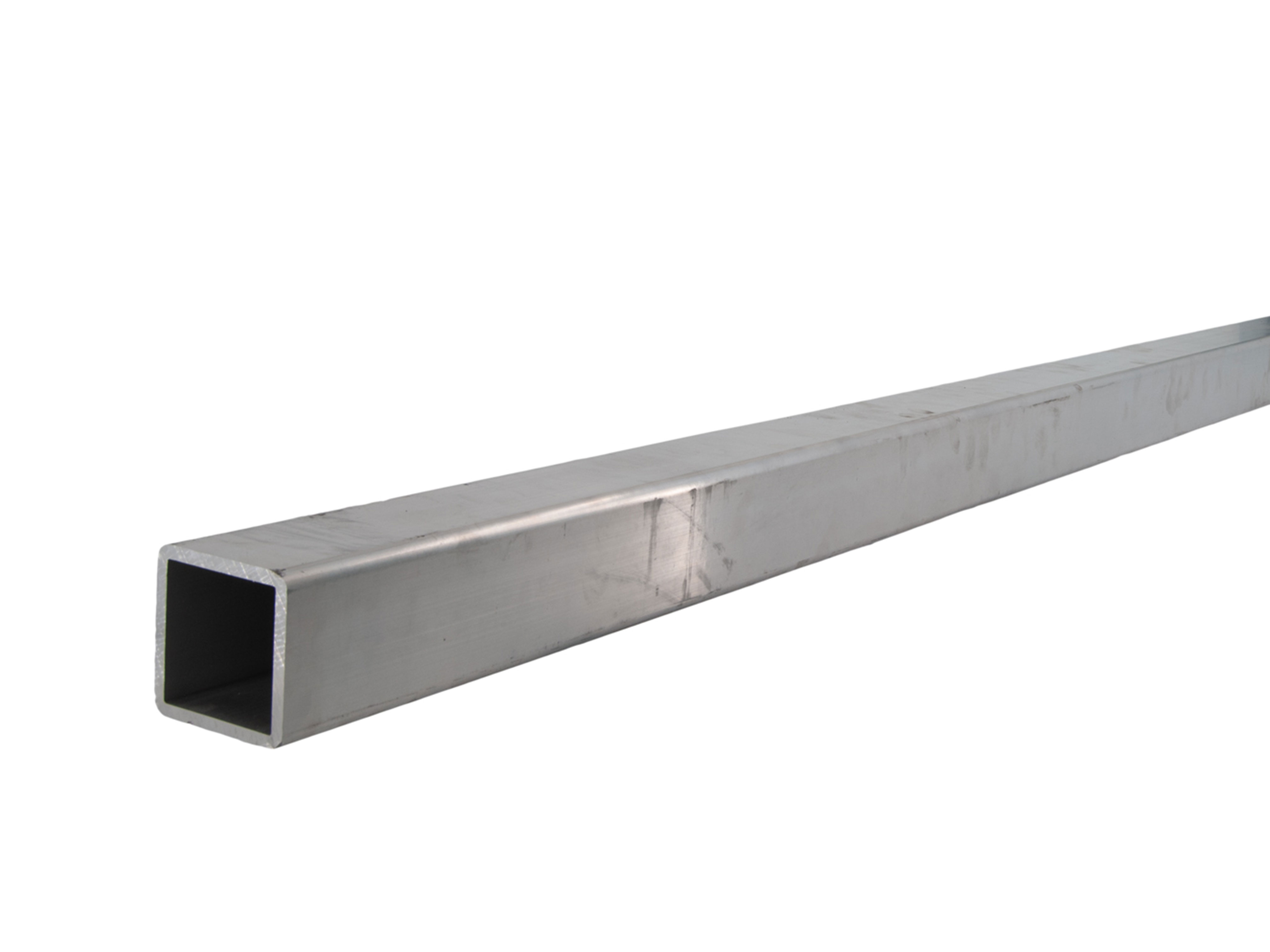
6082 Marine Aluminum Tubes for Superyacht Construction
6082 Marine Aluminum Tubes for Superyacht ConstructionA Technical Deep Dive from a Designer’s Perspective In modern superyacht construction, 6082 marine aluminum tubes occupy a quiet but critical role.
View Details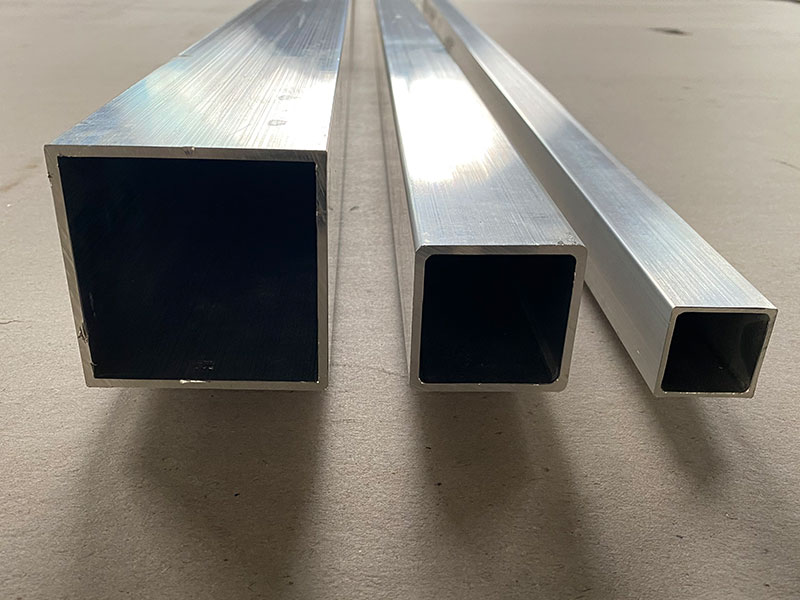
6082 Marine Aluminum Square Tubes for Saltwater Resistant Applications
When marine structures meet saltwater, materials face a relentless mix of chloride attack, wet–dry cycling, abrasion, and galvanic exposure to dissimilar metals.
View Details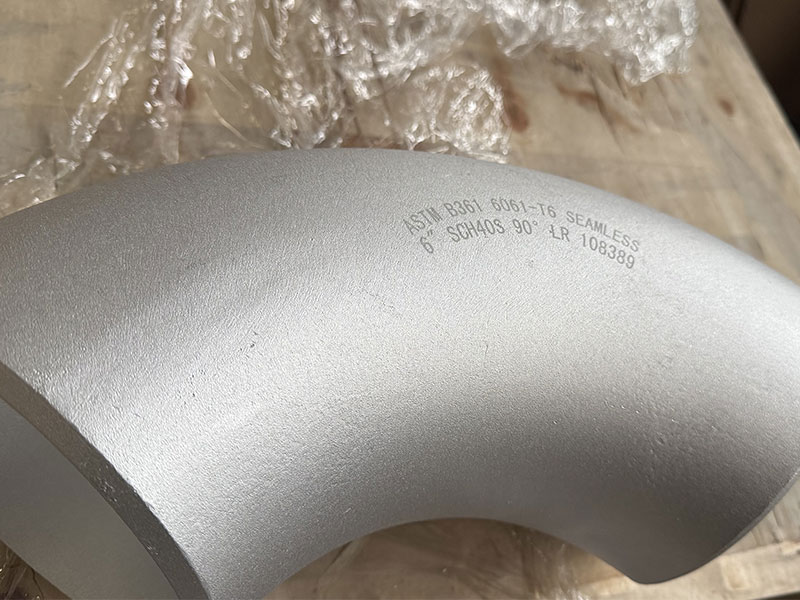
Marine Aluminum Elbow for Combustion Air Supply Systems
In the demanding environment of marine vessels, reliable components contribute immensely to safety, efficiency, and longevity. Among such vital parts.
View Details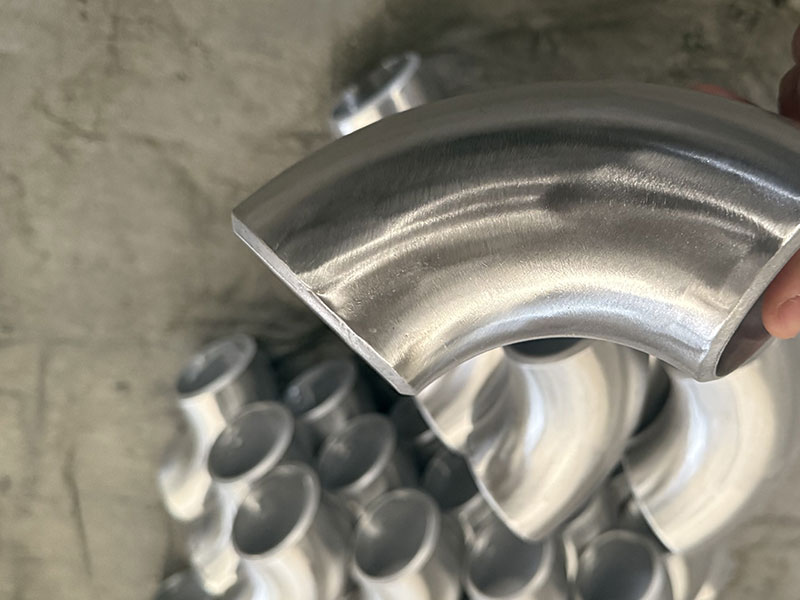
Marine Aluminum Elbow for Dual Water/Fuel Transfer Pipelines
The Marine Aluminum Elbow designed for dual water/fuel transfer pipelines is a critical component in the maritime and offshore industries. Engineered specifically for vessels and offshore platforms.
View Details
Leave a Message