
5052 Marine Aluminum Tubes for Marine Vessel Hull Construction
When it comes to building resilient marine vessels, selecting the right materials is crucial. One outstanding option is 5052 Marine Aluminum, widely recognized for its excellent corrosion resistance and structural integrity.
5052 Marine Aluminum
5052 Marine Aluminum is an alloy from the 5000 series, known for its outstanding resistance to seawater, making it a top choice in marine applications. This aluminum alloy comprises magnesium (2.5% to 3.5%) and small amounts of chromium and manganese, granting it enhanced performance whether it's subjected to fatigue, stress, or harsh environmental conditions.
Characteristics of 5052 Marine Aluminum
| Characteristic | Value |
|---|---|
| Chemical Composition | Al: Balance; Mg: 2.5% - 3.5%; Cr: 0.15% - 0.40% |
| Ultimate Tensile Strength | Approx. 210 MPa |
| Yield Strength | Approx. 193 MPa |
| Elongation (at break) | 12% |
| Density | 2.68 g/cm³ |
| Corrosion Resistance | Superior |
| Weldability | Excellent |
5052 aluminum tubes are adept at withstanding the rigorous demands of a dynamic marine environment, characterized by constant water contact, temperature variations, and salt exposure.
Marine Vessel Hull Construction: Implementation Standards
When implementing 5052 marine aluminum tubes into construction, certain standards ensure quality and reliability. Primarily, the Military Specification (MIL-DTL-32461) and American Society for Testing and Materials (ASTM) B928 provide a meticulous framework.
- Throat of weldment: Specific focus on joint thickness.
- Mechanical properties: Rigorous testing to ensure tensile strength certification.
- Formability guidelines: Adequate tempering processes towards final shaped products.
Alloy Tempering Conditions
Achieving the correct temper is crucial to enhancing the mechanical properties of 5052 aluminum. Currently, the available temper specifics under standards are:
- H32: Work hardened and partially annealed to optimize corrosion resistance while maintaining formability.
- H34: Cold worked substantially to increase strength levels, ensuring tougher hands that withstand external forces.
Tempering processes enhance ductility and exhibit significant workability, allowing rivets, kayak manufacturing, tubing, and crafting customized hulls tailored for specific purposes.
The Micro-Chemical Tradeoff
Studying chemical compatibility opens further discussion on marine efficiency versus increased strength requirements in sustenance materials. The vital constituents lie in balancing density with tensile integrity:
- Aluminum Oxide Layer Formation: Protective layer preventing further oxidation; ensures longevity.
- Anodizing Potential: Strengthened face against potential wear compared to untreated surfaces.
Advantages of 5052 Marine Aluminum in Hull Design
- Lightweight Characteristics: Reducing total vessel weight for better performance.
- Formability: The alloy is easily extruded or rolled into intricate shapes to optimize the hull design.
- Cost-Effectiveness: 5052's durability translates into fewer repairs over time, leading quickly into long-term savings.

Related Products
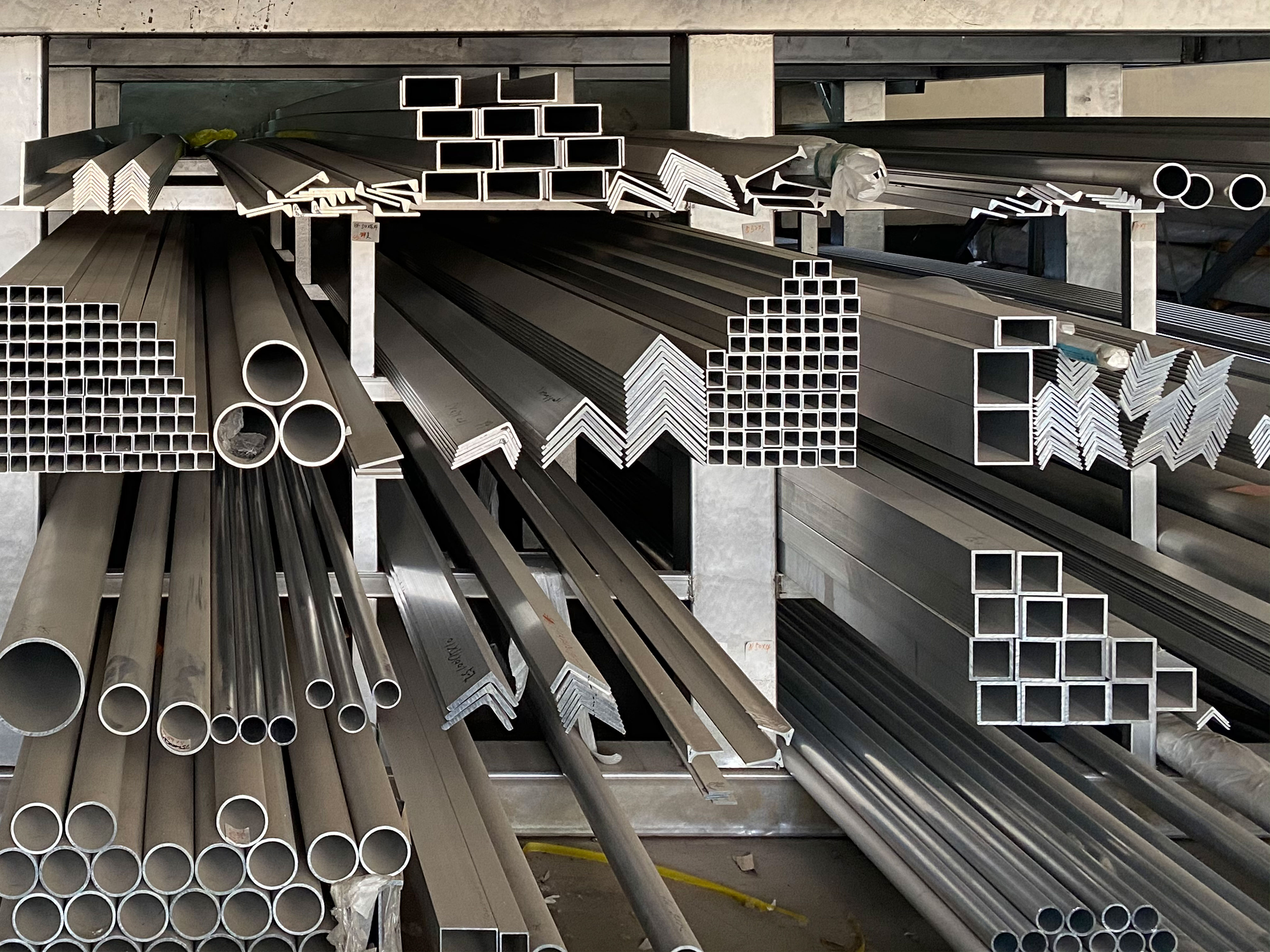
Custom marine aluminum profile tubes
Custom Marine Grade Aluminum Profile Tubes are manufactured from premium marine aluminum alloys such as 5083, 5052, 6061, and 6082.
View Details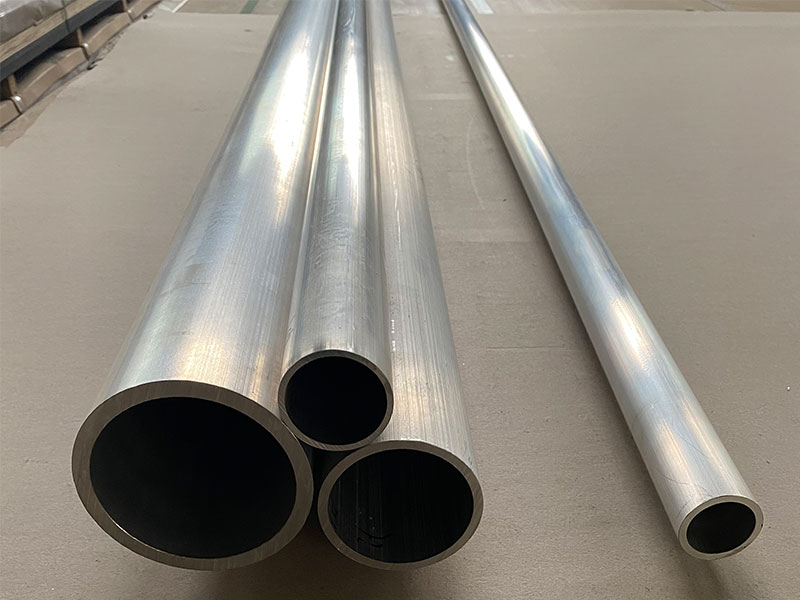
Marine aluminum round tubes
Marine Grade Aluminum Round Tubes are manufactured from premium marine alloys such as 5083, 5052, 6061, and 6082, all selected for their proven resistance to seawater corrosion and marine atmosphere degradation.
View Details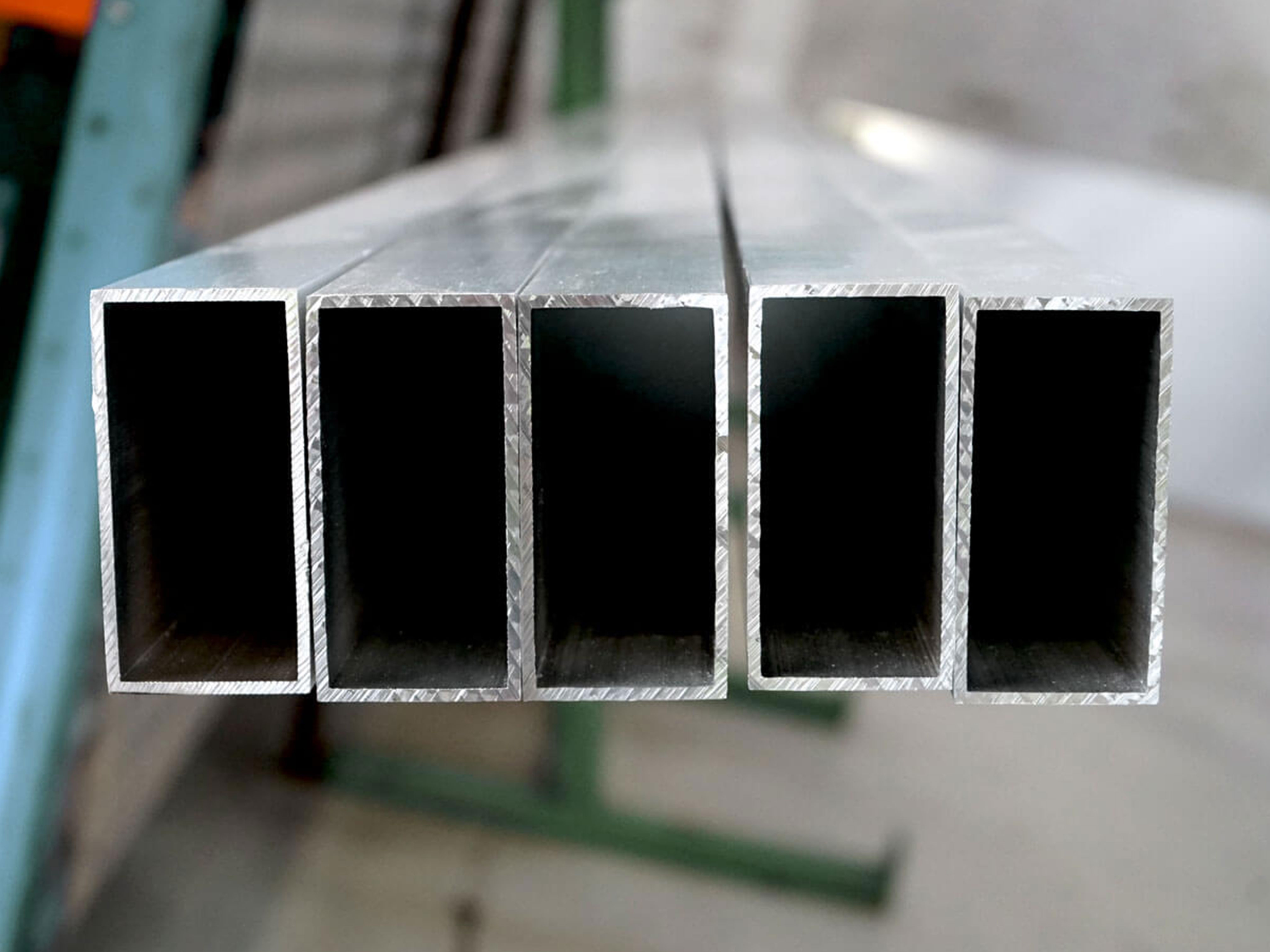
Marine aluminum rectangular tubes
Marine Grade Aluminum Rectangular Tubes are made from high-performance alloys such as 5083, 5052, 6061, and 6082. These alloys are renowned for their ability to resist corrosive seawater and marine atmospheres while providing excellent mechanical strength and toughness.
View Details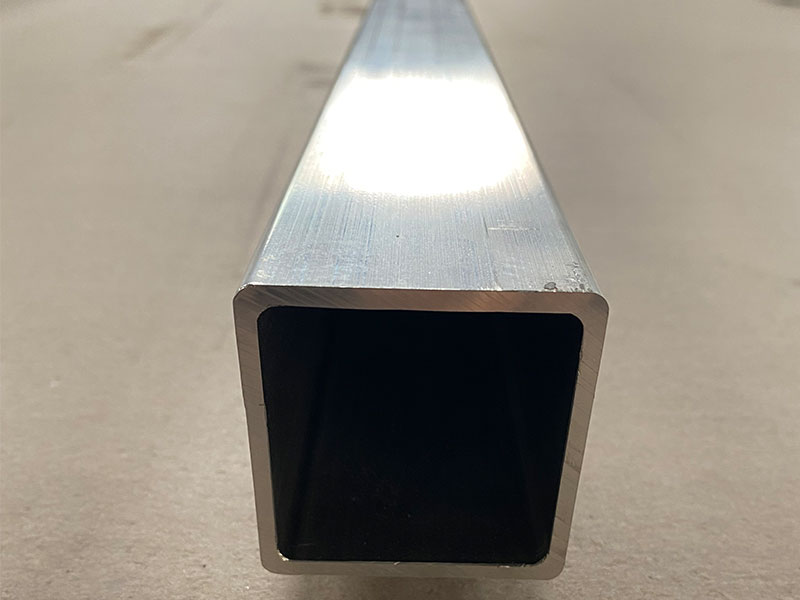
Marine aluminum square tubes
Marine Grade Aluminum Square Tubes are typically constructed from marine-grade alloys such as 5083, 5052, 6061, and 6082—well-known for their ability to withstand the aggressive effects of saltwater and marine atmospheres.
View Details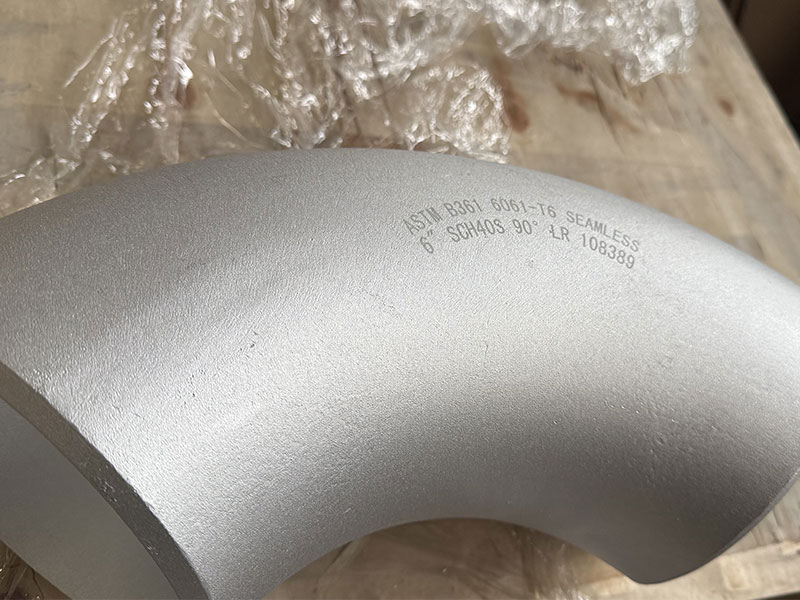
6061-T6 90-Degree Marine Aluminum Pipe Elbow
Manufactured from premium 6061-T6 marine-grade aluminum alloy, this elbow fitting is engineered to provide reliable and efficient pipe direction changes within shipbuilding, offshore platforms, and marine infrastructure systems.
View DetailsRelated Blog
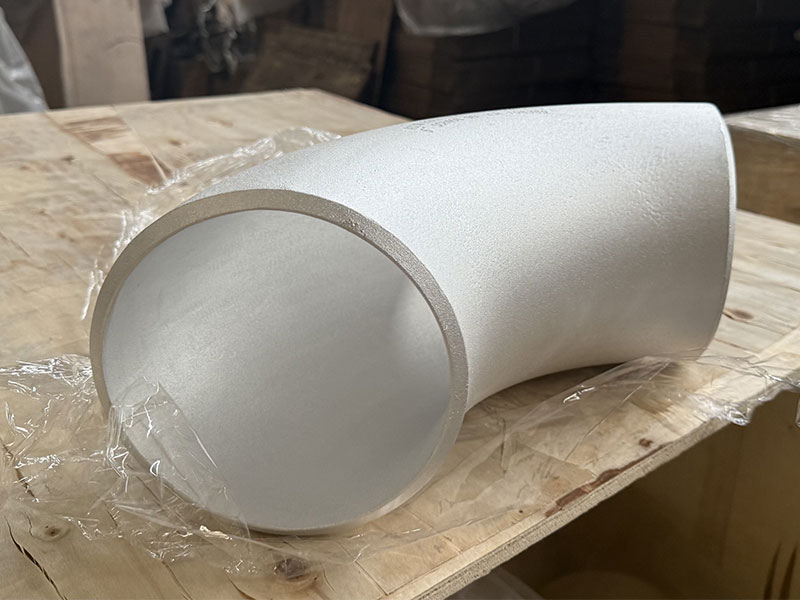
5052 Marine Aluminum Tubes for Boat and Ship Building
Marine aluminum has proven to be an ideal material for boat and ship building due to its property of being lightweight, corrosion-resistant, and high strength. Among the various alloys available.
View Details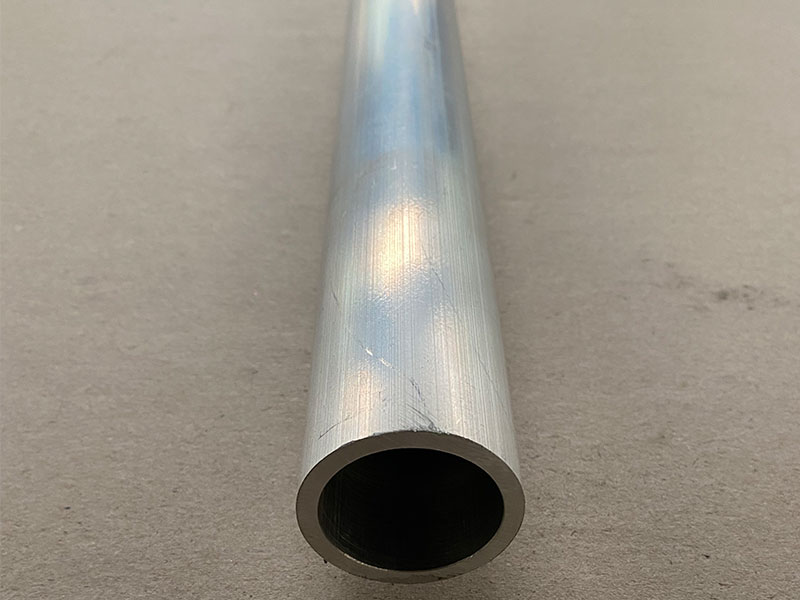
5052 Marine Aluminum Tubes for High Performance Boat Structures
When it comes to high-performance boat structures, the strength, weight, and durability of materials matter enormously. One of the most favored materials in the marine industry is **5052 Marine Aluminum Tubes.
View Details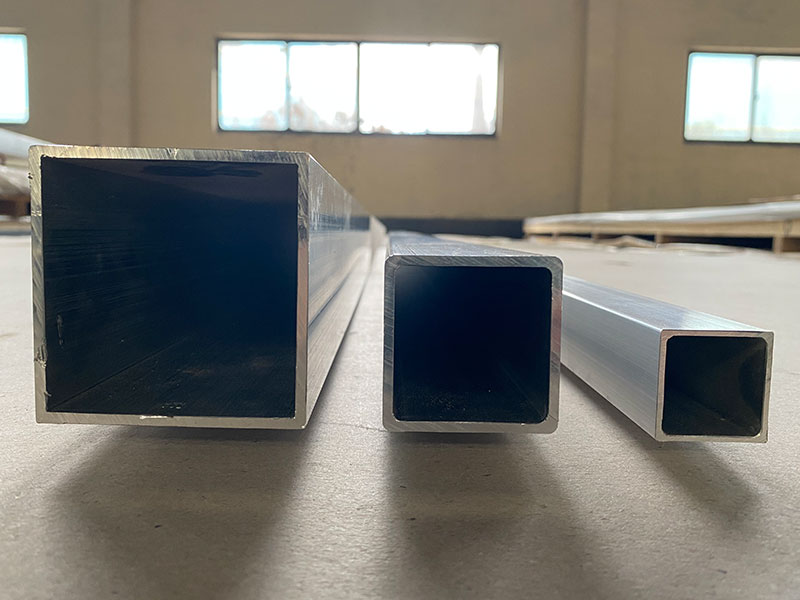
5052 Marine Aluminum Tubes for Seawater Tolerant Boat Parts
5052 marine aluminum tubes are a go-to choice for boat builders and marine fabricators who need tubing that resists seawater corrosion, welds cleanly, and stays dependable under vibration and daily service.
View Details
5052 Marine Aluminum Tubes for Shipbuilding Engineering Parts
In the demanding world of shipbuilding engineering, materials are constantly put to the test by harsh marine environments. Among the myriad of metals options, 5052 Marine Aluminum Tubes is know for their remarkable balance of strength.
View Details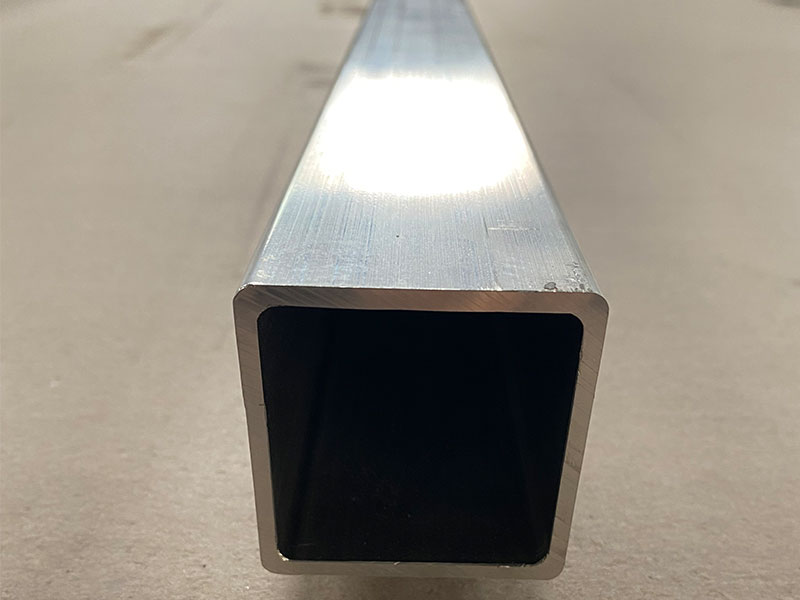
5052 Marine Aluminum Tubes for Marine Industrial Use
5052 marine aluminum tubes are widely used in shipbuilding, offshore structures, and marine equipment due to their excellent corrosion resistance in seawater, medium‑high strength, and good forming/welding performance.
View Details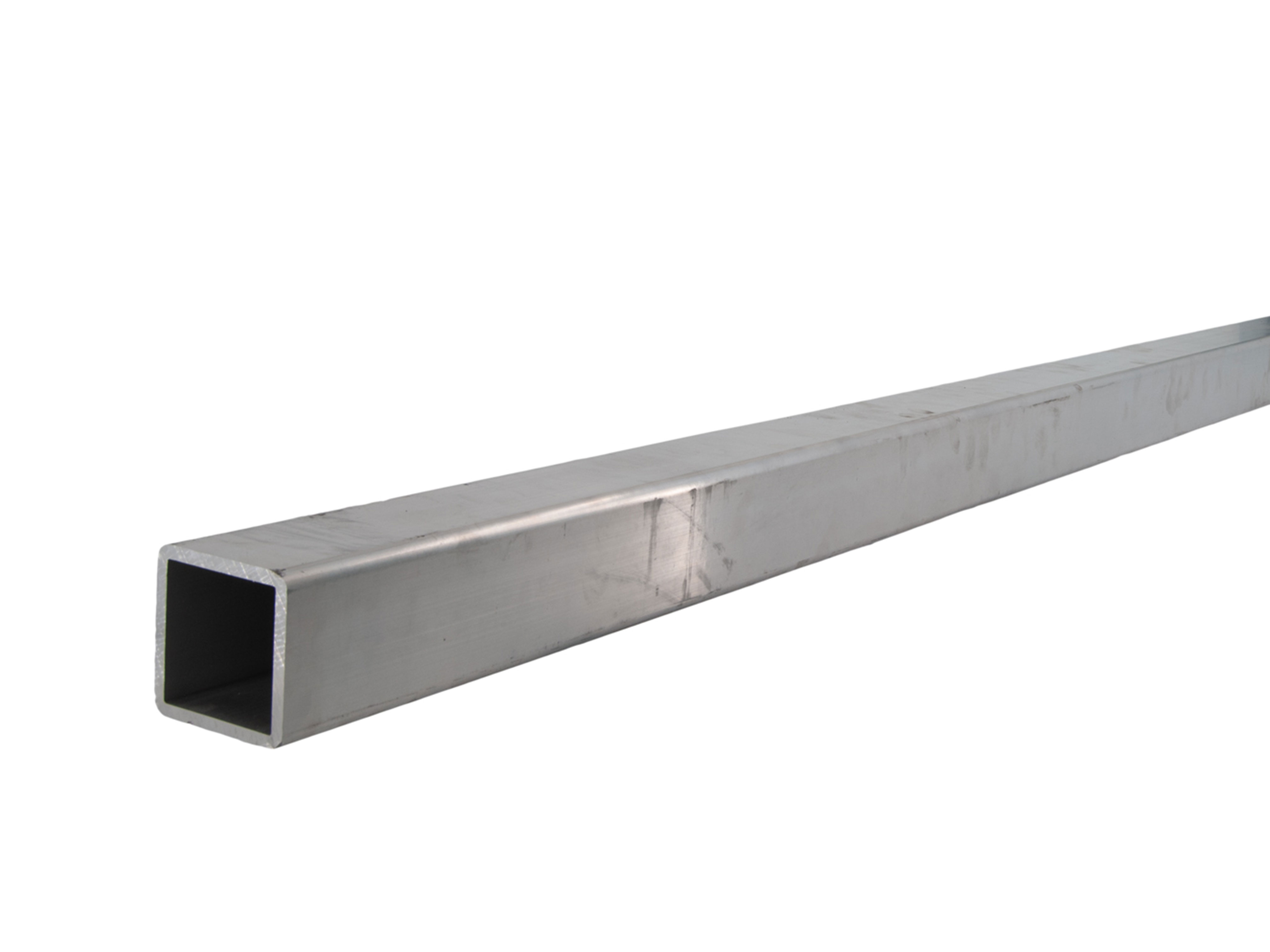
5052 Marine Aluminum Tubes for Marine Vessel Hull Construction
When it comes to building resilient marine vessels, selecting the right materials is crucial. One outstanding option is 5052 Marine Aluminum, widely recognized for its excellent corrosion resistance and structural integrity.
View Details
Leave a Message