
Marine Aluminum Hollow Bars for Boat Frame and Deck Reinforcement
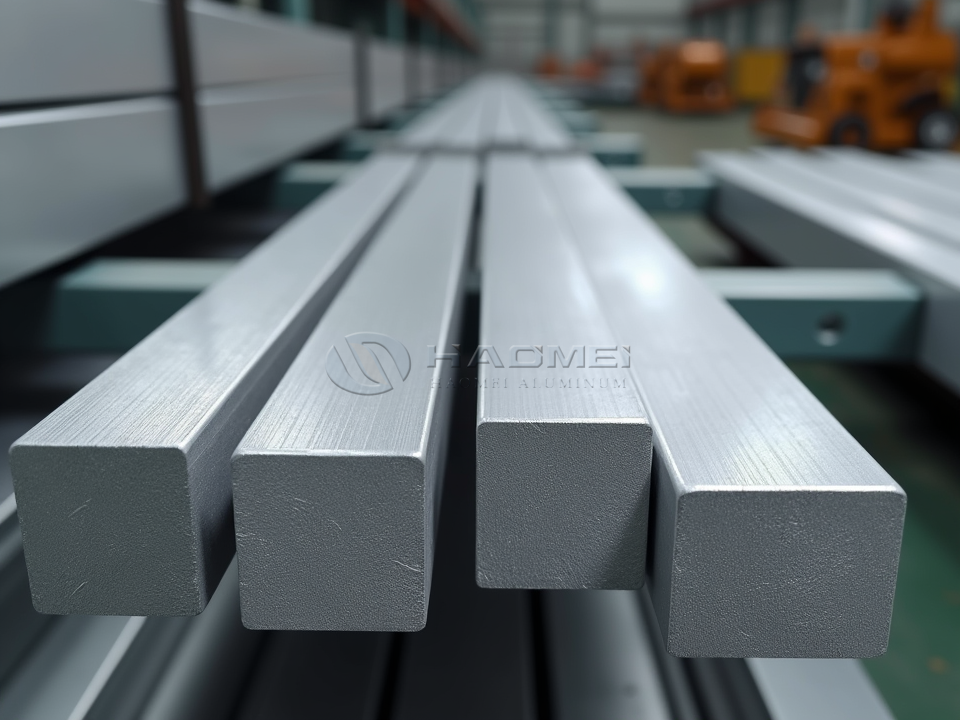
A boat structure is not strengthened simply by adding more metal. It becomes stronger when material is placed where loads travel: along deck spans, around hatch openings, beneath seating bases, through cabin frames, and at connections between hull, bulkhead, and superstructure. Marine aluminum hollow bars are especially effective in these areas because their closed profile distributes force around the section while keeping unnecessary weight out of the vessel.
Unlike a solid bar, a hollow bar places more of its aluminum away from the centerline. This geometry improves stiffness for its mass, making rectangular, square, and round hollow sections practical choices for boat frames and deck reinforcement. The result is a cleaner structure with lower weight, better access for routing cables or drainage, and less strain on the hull during operation.
Why Hollow Bars Fit Marine Structures
Decks experience more than foot traffic. They flex under wave impact, concentrated equipment loads, rail forces, lifting points, and vibration from engines or pumps. A properly selected hollow aluminum section can work as a transverse deck beam, longitudinal stiffener, cockpit support, canopy frame, or under-deck reinforcement member.
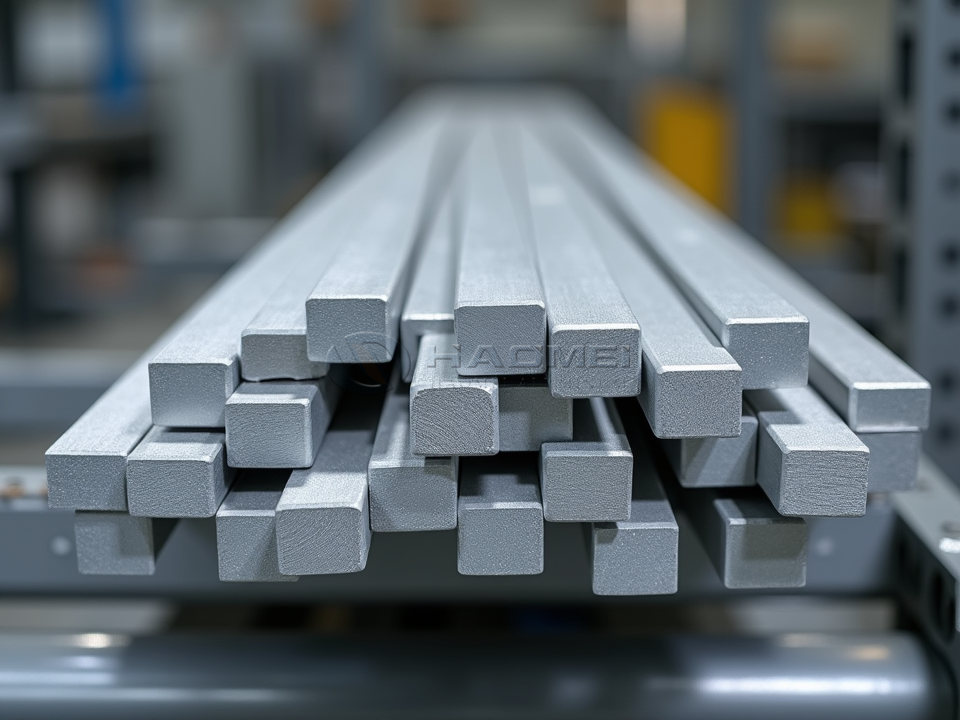
For boat frames, closed hollow profiles resist twisting more effectively than flat stock of a similar weight. This is valuable in lightweight fishing boats, workboats, patrol craft, pontoon assemblies, yacht superstructures, and aluminum tenders. Square and rectangular hollow bars are often preferred where flat mounting faces are needed, while round hollow bars suit handrails, tubular supports, and curved fabrications.
A well-designed reinforcement system does not rely on one oversized member. It uses correctly spaced hollow bars, sound weld details, compatible fasteners, and drainage paths that prevent standing seawater from remaining against the structure.
For projects requiring ready-to-machine tubular profiles, Marine aluminum hollow bars can be specified by alloy, temper, wall thickness, and finished length to match the fabrication drawing.
Common Sizes and Working Parameters
Marine hollow bars are generally supplied as square, rectangular, round, or custom-shaped extrusions. The final selection should be based on span, support arrangement, live load, weld locations, and corrosion exposure rather than appearance alone.
| Parameter | Typical Range or Condition | Practical Relevance |
|---|---|---|
| Outside diameter for round bar | 20-200 mm | Suitable for rails, braces, posts, and tubular frames |
| Square section size | 20 × 20 to 150 × 150 mm | Common for deck grids, cabin frames, and equipment supports |
| Rectangular section size | 25 × 15 to 200 × 100 mm | Useful where directional stiffness is required |
| Wall thickness | 1.5-12 mm | Thicker walls improve local weld and fastener capacity |
| Standard length | 3-6 m | Can be cut to fabrication length or supplied longer by agreement |
| Length tolerance | Typically ±2 to ±10 mm | Depends on cutting method and ordered dimensions |
| Surface condition | Mill finish, brushed, anodized, coated | Chosen for exposure, appearance, and finishing process |
| Density | Approx. 2.66-2.70 g/cm³ | Helps reduce vessel weight compared with steel structures |
A thin-wall section may appear efficient on paper but can distort during welding or crush around bolt holes. For deck reinforcement, fabricators frequently choose enough wall thickness to accept localized loads from seat pedestals, hinges, cleats, solar mounts, and deck hardware. Where a hollow bar will carry through-bolts, sleeves, backing plates, or internal inserts may be used to prevent wall compression.
Alloy Selection: Corrosion Resistance Versus Structural Strength
The alloy decision usually begins with the vessel's operating environment. Saltwater exposure favors magnesium-rich 5xxx series alloys, while structural extrusions often benefit from heat-treatable 6xxx series grades. Both can be effective when selected for the correct location and joining method.
| Alloy | Typical Tempers | Strength Character | Marine Use |
|---|---|---|---|
| 5083 | O, H111, H116, H321 | High strength with excellent seawater resistance | Heavily exposed supports, welded structures, marine plate and bar applications |
| 5086 | O, H111, H116 | Strong corrosion resistance and good weld performance | Boat frames, brackets, wet-area reinforcement |
| 5052 | H32, H34 | Moderate strength, very good formability and corrosion resistance | Light-duty deck components and formed supports |
| 6061 | T6, T651 | High mechanical strength and good machinability | Deck beams, modular frames, fittings, and machined parts |
| 6082 | T6, T651 | High strength and robust structural performance | Large sections, deck framing, load-bearing fabricated members |
| 6063 | T5, T6 | Good surface finish and extrusion quality | Trim, rails, light framework, architectural marine components |
6061-T6 and 6082-T6 hollow bars are widely used for fabricated frame systems because they provide a strong, straight extrusion with good machining performance. However, welding heat reduces the strength of the heat-affected zone. Designers should account for this reduction, particularly near high-stress joints. If welds are extensive or the component remains continuously wet with seawater, 5083 or 5086 may offer a more forgiving corrosion-focused choice.
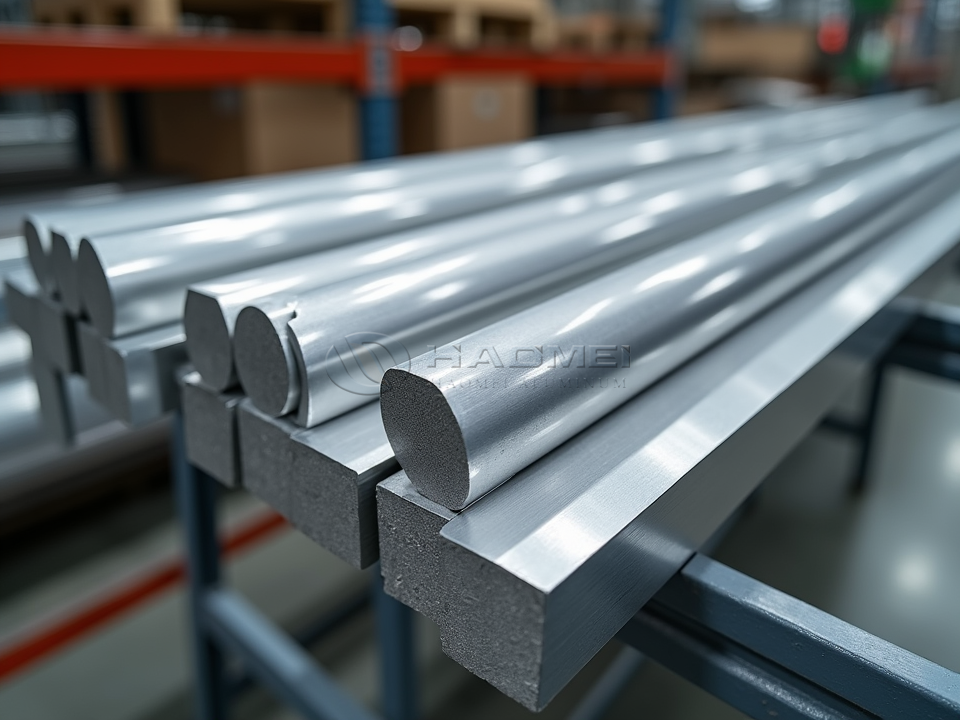
Where solid connection pieces are required beside tubular members, matching or compatible Marine Grade Aluminum Bars can be used for gussets, inserts, brackets, and machined mounting blocks.
Typical Chemical Properties
Chemical composition controls corrosion behavior, weld response, strength development, and extrusion quality. The ranges shown are representative values commonly associated with these alloys. Material certification should always govern final procurement requirements.
| Alloy | Mg % | Mn % | Si % | Fe % | Cu % | Cr % | Zn % | Al % |
|---|---|---|---|---|---|---|---|---|
| 5052 | 2.2-2.8 | 0.10 max | 0.25 max | 0.40 max | 0.10 max | 0.15-0.35 | 0.10 max | Balance |
| 5083 | 4.0-4.9 | 0.40-1.0 | 0.40 max | 0.40 max | 0.10 max | 0.05-0.25 | 0.25 max | Balance |
| 5086 | 3.5-4.5 | 0.20-0.7 | 0.40 max | 0.50 max | 0.10 max | 0.05-0.25 | 0.25 max | Balance |
| 6061 | 0.8-1.2 | 0.15 max | 0.4-0.8 | 0.70 max | 0.15-0.40 | 0.04-0.35 | 0.25 max | Balance |
| 6082 | 0.6-1.2 | 0.4-1.0 | 0.7-1.3 | 0.50 max | 0.10 max | 0.25 max | 0.20 max | Balance |
| 6063 | 0.45-0.9 | 0.10 max | 0.2-0.6 | 0.35 max | 0.10 max | 0.10 max | 0.10 max | Balance |
Magnesium gives 5xxx alloys much of their seawater corrosion resistance, while magnesium and silicon form the strengthening system in 6xxx alloys. This explains why 6xxx hollow extrusions are popular for structural fabrication, yet still require thoughtful protection at welds, crevices, and dissimilar-metal interfaces.
Standards and Documentation for Marine Fabrication
Specifications should identify alloy, temper, dimensions, tolerance, surface condition, inspection requirements, and documentation. Commonly referenced standards include ASTM B221 for aluminum-alloy extruded bars, rods, wire, profiles, and tubes; EN 755 for extruded aluminum products; EN 573 for chemical composition; and EN 515 for temper designations.
Marine construction may also follow vessel-class requirements from DNV, ABS, Lloyd's Register, or another applicable classification body. These rules do not replace material standards; they connect material traceability and structural design to the demands of a particular vessel type.
Material test certificates are valuable for deck and frame members, especially when the project requires traceable heat numbers, verified chemistry, mechanical properties, or third-party inspection.
Fabrication Details That Protect Service Life
Hollow bars should be sealed or vented correctly before welding. Closed sections can trap moisture, cleaning chemicals, or expanding air during fabrication. Drain holes should be located where water naturally exits, not where they create a new corrosion pocket.
Use aluminum-compatible filler metals and qualified welding procedures suited to the selected alloy. Remove weld contamination, avoid unnecessary grinding into parent metal, and isolate stainless steel hardware with non-conductive washers, sealants, or barrier materials. Galvanic corrosion often begins at a small overlooked connection rather than across a large aluminum member.
For deck structures, avoid creating water traps between the hollow bar and deck plate. Continuous sealing may be appropriate in some assemblies, while accessible drainage and ventilation may be better in others. The preferred detail depends on whether the area can be inspected and rinsed during service.
Marine aluminum hollow bars bring a practical engineering advantage to boat building: strength is concentrated in the shape, not wasted in excess weight. With the right alloy, temper, wall thickness, and corrosion-control details, they create durable deck reinforcements and boat frames that remain light, serviceable, and prepared for demanding marine conditions.

Related Products
6082 marine aluminum rod & bar
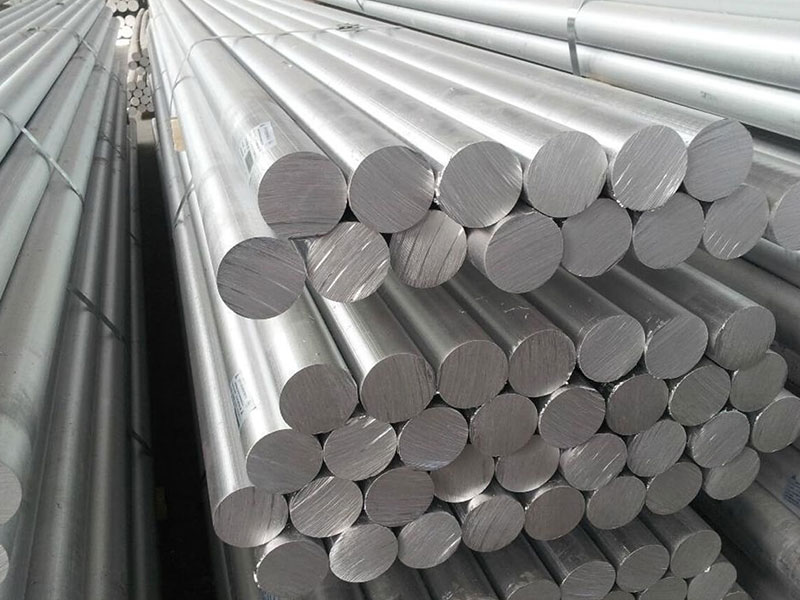
6082 Aluminum Rods & Bars are extruded or rolled products manufactured from 6082 aluminum alloy — a thermally treated (typically T6 temper) aluminum-magnesium-silicon alloy that balances high tensile strength, good weldability, and excellent corrosion resistance.
View Details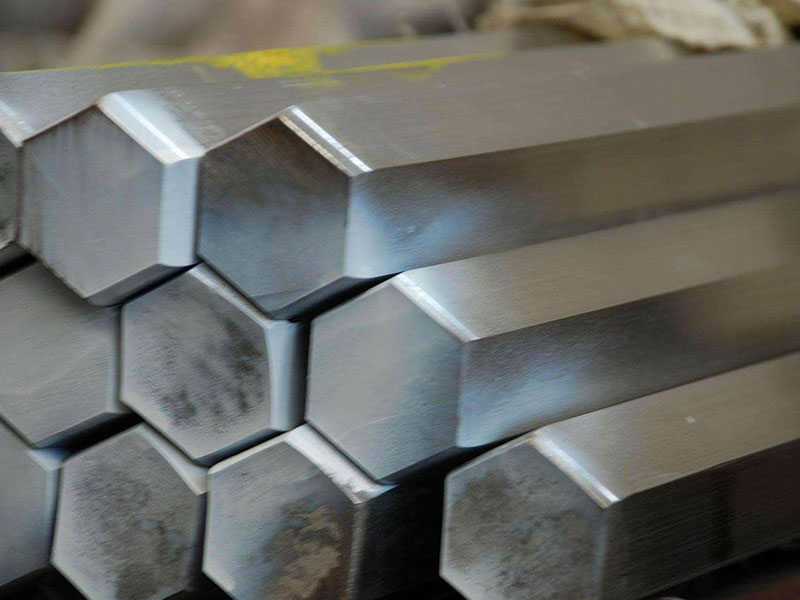
Marine aluminum hexagonal bars
Marine Grade Aluminum Hexagonal Bars are produced from premium corrosion-resistant aluminum alloys such as 5083, 5052, 6061, and 6082.
View Details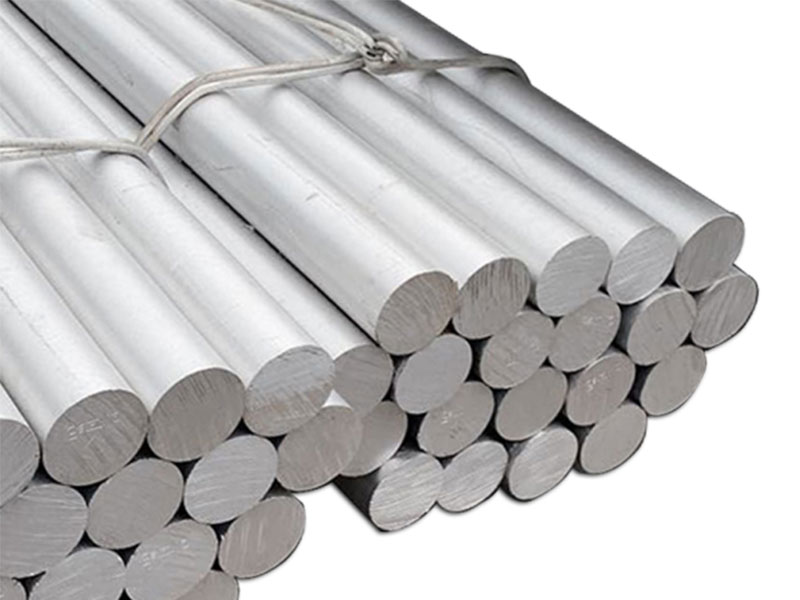
Marine grade aluminum solid bar
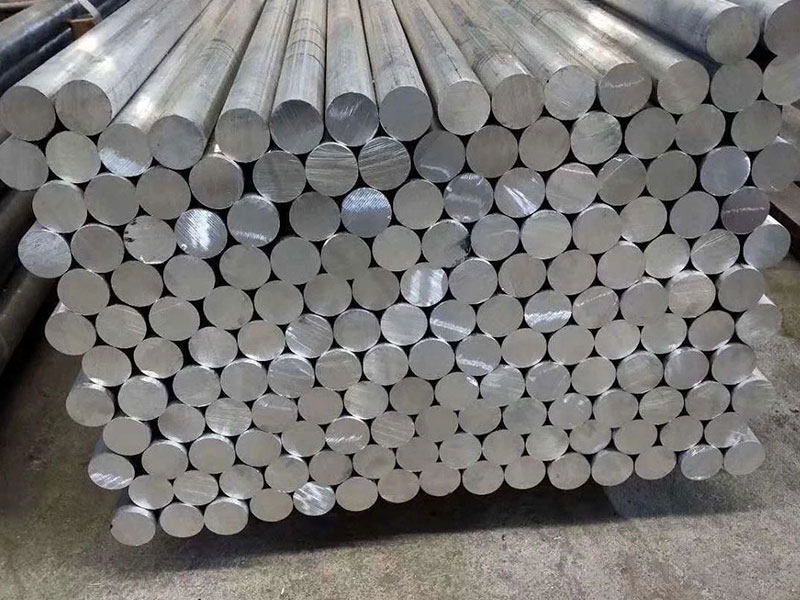
Marine Grade Aluminum Solid Bars are produced from premium aluminum alloys optimized for saltwater exposure, such as 5083, 5052, 6061, and 6082. These alloys offer unparalleled resistance to corrosion caused by seawater, salt spray, and marine atmospheres, while maintaining excellent mechanical strength and toughness.
View Details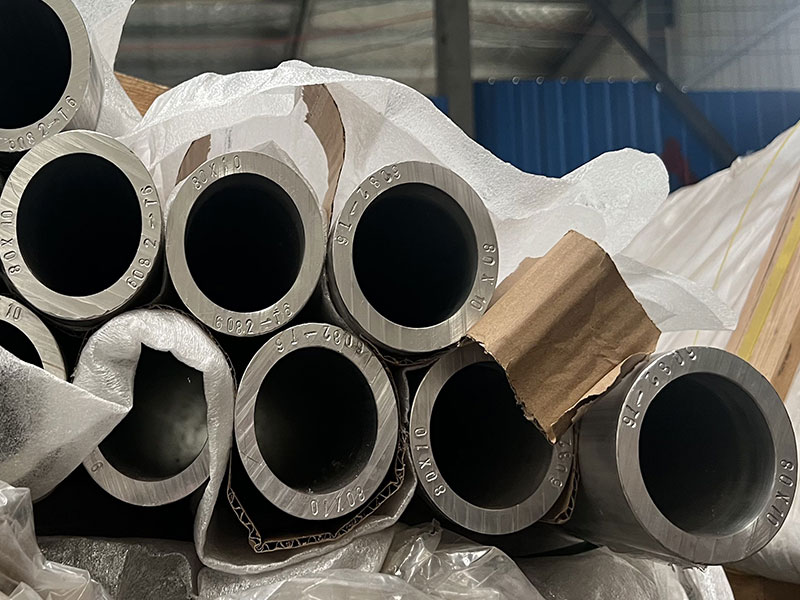
Marine aluminum hollow bars
Marine Grade Aluminum Hollow Bars are fabricated from high-quality alloys such as 5083, 5052, 6061, and 6082, all known for their exceptional resistance to seawater corrosion, salt spray, and marine atmospheres.
View DetailsRelated Blog
6061 Marine Grade Aluminum Solid Bar for Marine Vessel Frame Parts
The 6061 Marine Grade Aluminum Solid Bar is a premium-quality aluminum alloy widely recognized for its exceptional strength, corrosion resistance, and versatility.
View Details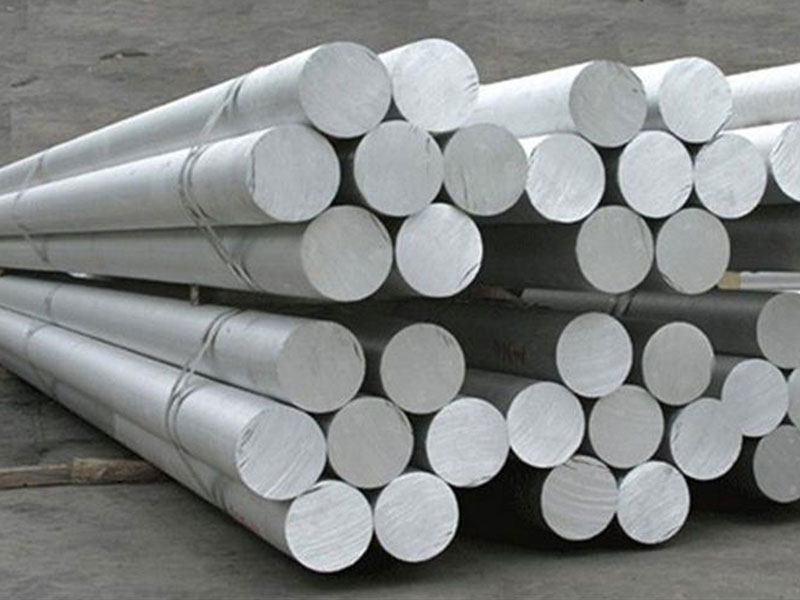
5052 Marine Aluminum Bar for Coastal Marine Engineering Projects
The 5052 marine aluminum bar is a premium product dedicated to the scrupulous requirements of coastal marine engineering projects. It stands out due to its excellent corrosion resistance, weldability, and formability.
View Details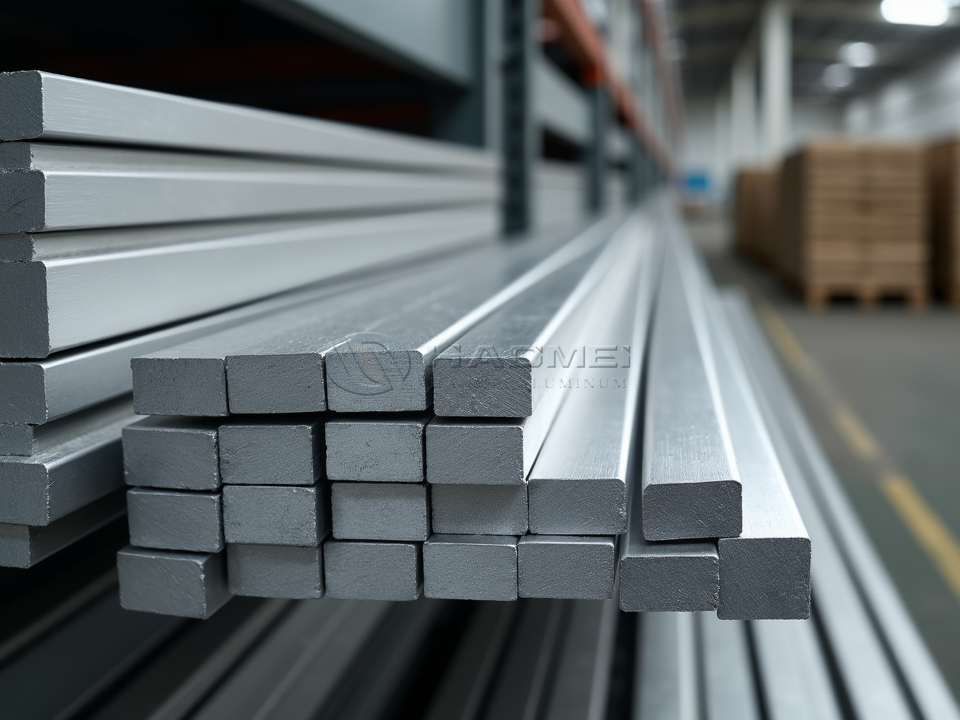
5083 Marine Aluminum Hollow Bars for Saltwater Resistant Marine Frames
5083 marine aluminum hollow bars provide lightweight, weldable, saltwater-resistant strength for boat frames, rails, platforms, and offshore structures.
View Details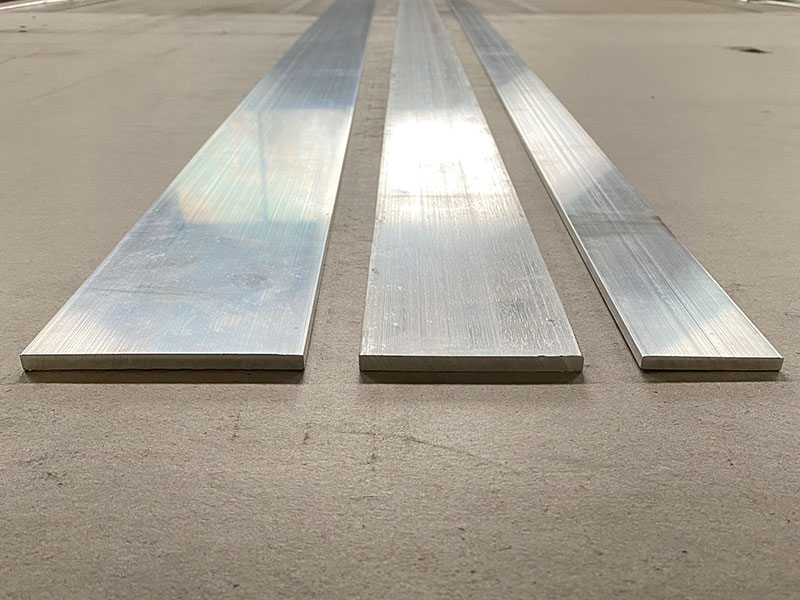
5052 Marine Aluminum Bar for High Performance Marine Structural Parts
When marine structures demand long service life, low maintenance, and consistent mechanical performance, 5052 marine aluminum bar is a proven solution. Built around a magnesium-strengthened alloy system.
View Details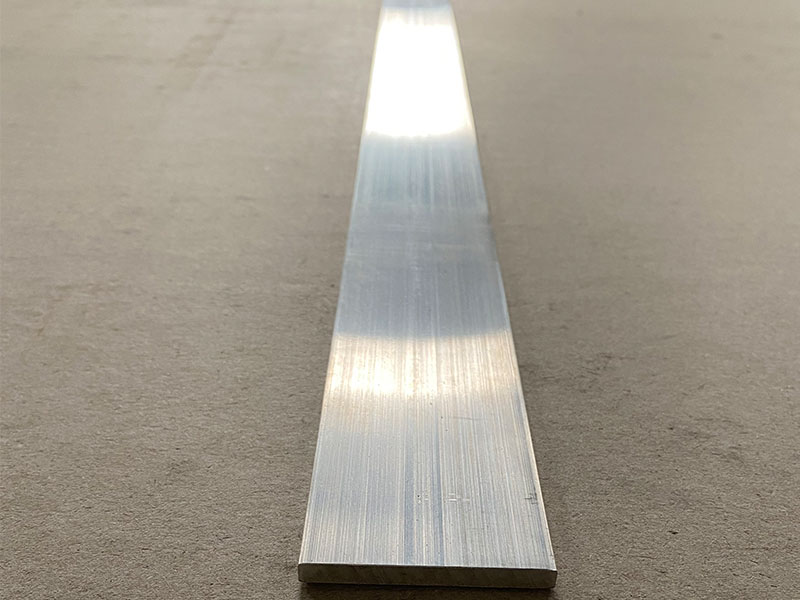
5052 Marine Grade Aluminum Solid Bar for Marine Component Durability
5052 Marine Grade Aluminum Solid Bar: A Durability Mindset, Not Just a Material ChoiceShipbuilders rarely talk about aluminum as “just metal.” In modern marine engineering, 5052 marine grade aluminum solid bar is more like a design philosophy: a .
View Details
6082 Marine Aluminum Hexagonal Bars for Custom Marine Frame Reinforcement
Learn how 6082 T6 marine aluminum hexagonal bars reinforce custom boat frames with strength, corrosion control, machinability, and standards.
View Details
Leave a Message