
5083 Marine Aluminum Bar for Offshore Platform Frame Reinforcement
Offshore platforms operate in one of the most punishing engineering environments on earth. Salt spray, persistent humidity, wave impact, vibration, UV exposure, and cyclic loading place constant demands on every structural component. For frame reinforcements that need to remain light, durable, weldable, and dependable in seawater service, 5083 marine aluminum bar is a proven material choice.
Made from an aluminum-magnesium alloy, 5083 delivers high natural resistance to marine corrosion without relying on heavy protective coatings. It is widely specified for platform access structures, support frames, equipment brackets, walkways, ladder assemblies, rail systems, splash-zone components, and lightweight reinforcement members. Compared with conventional carbon steel, it helps reduce structural dead weight while lowering the long-term burden of corrosion maintenance.
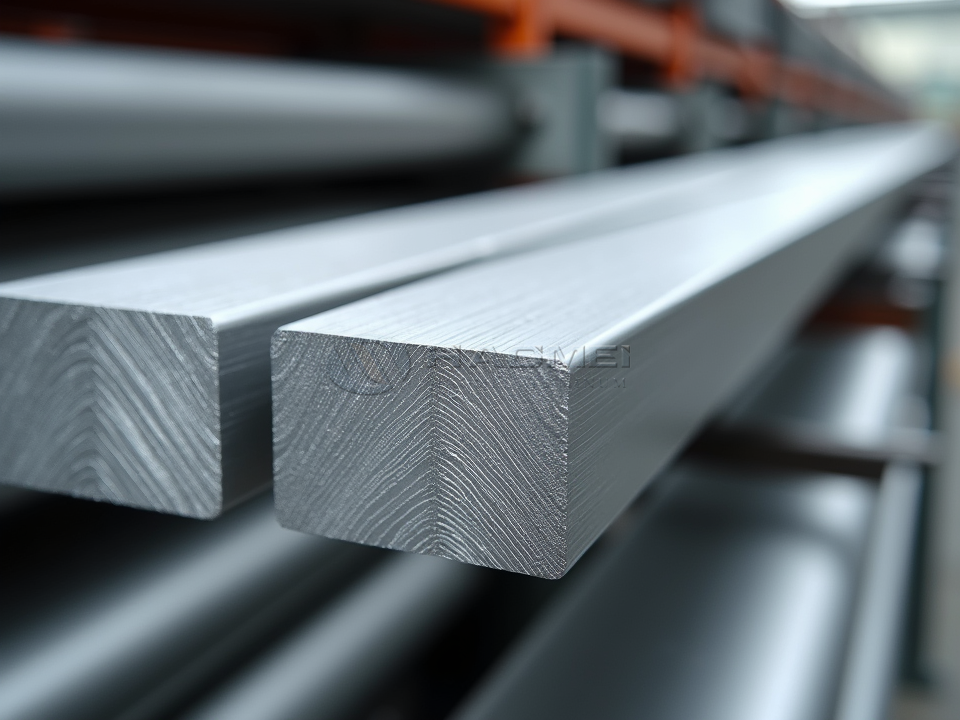
Built for the Offshore Environment
5083 belongs to the non-heat-treatable 5xxx aluminum alloy family. Its mechanical strength is developed through controlled rolling and strain hardening rather than solution heat treatment. Magnesium is the principal alloying element, providing a practical balance of strength, ductility, welding performance, and resistance to chloride-rich conditions.
For offshore frame reinforcement, this balance matters. Reinforcement bars may be fitted around equipment skids, structural transitions, utility modules, handrail foundations, deck-edge frames, cable support structures, or maintenance access zones. These locations often face moisture retention, mechanical vibration, and difficult inspection access. A corrosion-resistant aluminum bar can provide a cleaner, lower-weight solution where appropriate structural design and fastening practice are applied.
5083 bar is especially valued because it retains reliable properties after welding. In fabrication yards, this supports efficient production of welded brackets, gussets, stiffening assemblies, and auxiliary frames. The alloy also performs well at low temperatures, making it suitable for installations in cold-water offshore regions and exposed marine terminals.
Typical Chemical Composition
The chemistry of 5083 is designed for marine-duty durability. Magnesium strengthens the alloy and supports seawater resistance, while manganese and chromium help control grain structure and improve corrosion behavior.
| Element | Typical 5083 Composition, wt.% | Function in Offshore Service |
|---|---|---|
| Magnesium, Mg | 4.0-4.9 | Provides solid-solution strengthening and marine corrosion resistance |
| Manganese, Mn | 0.4-1.0 | Supports grain structure and strength stability |
| Chromium, Cr | 0.05-0.25 | Helps improve corrosion resistance and microstructural control |
| Iron, Fe | Max. 0.40 | Controlled impurity level |
| Silicon, Si | Max. 0.40 | Controlled impurity level |
| Copper, Cu | Max. 0.10 | Kept low to preserve corrosion performance |
| Zinc, Zn | Max. 0.25 | Restricted residual element |
| Titanium, Ti | Max. 0.15 | Grain refinement support |
| Aluminum, Al | Balance | Base metal |
Low copper content is particularly beneficial in saltwater exposure. This helps 5083 avoid the accelerated corrosion concerns associated with certain high-copper aluminum alloys. For structures exposed to offshore air, spray, and intermittent wetting, the alloy forms a stable oxide layer that protects the underlying metal.
Mechanical Performance and Available Conditions
5083 marine aluminum bar can be produced as flat bar, round bar, square bar, rectangular bar, and machined reinforcement stock. Temper selection depends on required forming, welding, loading, and fabrication methods. H111 is commonly selected where moderate strength and good forming behavior are needed. H116 and H321 are frequently considered for demanding marine exposure because they are associated with strong resistance to exfoliation corrosion in suitable product forms.
| Property | Typical 5083-H116 / H321 Range* | Relevance for Frame Reinforcement |
|---|---|---|
| Tensile strength | 275-350 MPa | Supports strong yet lightweight reinforcement members |
| Yield strength | 125-240 MPa | Helps resist permanent deformation under service load |
| Elongation | 10-18% | Provides useful ductility during fabrication and loading |
| Density | 2.66 g/cm³ | Approximately one-third the density of steel |
| Melting range | 570-640°C | Suitable for conventional aluminum welding processes |
| Elastic modulus | Approximately 70 GPa | Must be considered in deflection-focused structural design |
*Actual values vary with bar dimensions, temper, testing direction, and governing material standard. Project specifications should define required certification, mechanical properties, tolerances, inspection, and corrosion testing.
The lower density of aluminum is often the deciding advantage in offshore work. A lighter reinforcement assembly can reduce lifting demand during module construction, ease retrofit installation, and lower loads transferred to existing support structures. This is valuable when upgrades must be completed with limited crane capacity or during short maintenance shutdowns.
Corrosion Resistance in Saltwater and Splash Zones
The marine atmosphere is not chemically uniform. Fully submerged components, tidal-zone members, splash-zone brackets, enclosed crevices, and sun-exposed deck structures all experience different corrosion conditions. 5083 performs strongly in seawater and marine atmospheric exposure, but sound design remains essential.
Drainage paths should prevent standing water. Bar-to-bar interfaces should be sealed or detailed to minimize crevice formation. Where 5083 is attached to stainless steel, carbon steel, copper-containing alloys, or other dissimilar metals, electrical isolation should be used to reduce galvanic corrosion risk. Non-conductive washers, sleeves, isolation tapes, suitable sealants, and carefully selected fasteners can protect the joint.
For highly exposed areas, surface preparation and marine-grade coating systems may be applied when project requirements call for added protection or color coding. However, 5083 does not depend on paint alone for its fundamental seawater resistance, which makes it attractive for difficult-to-maintain support assemblies.
Fabrication Advantages for Reinforced Frames
5083 marine aluminum bar responds well to common fabrication practices. It can be cut by sawing, milling, waterjet cutting, and CNC machining. Its weldability with MIG and TIG processes enables the creation of custom reinforcement geometries without extensive bolted hardware.
Recommended filler alloys commonly include 5183, 5356, and 5556, subject to joint design and project welding procedure requirements. Welding should be performed using clean tools dedicated to aluminum work, with oxide removal completed before joining. Heat input must be controlled because the heat-affected zone of strain-hardened 5083 can experience local softening.
For bolted reinforcement systems, precision-machined bar stock can produce connection plates, spacer bars, cleat components, and equipment mounting rails. Customers can also consider Marine Grade Aluminum Bars for broader profile options when a project requires matching solid shapes across several structural locations.
Offshore Platform Applications
5083 marine aluminum bar is suited to non-primary and secondary structural reinforcement where corrosion resistance and weight reduction are important. Common applications include:
- Deck extension and lightweight platform support frames
- Handrail, guardrail, and toe-board reinforcement members
- Equipment skid braces and auxiliary machinery supports
- Helideck access frames and maintenance platform components
- Ladder cages, stair supports, and emergency escape structures
- Cable tray brackets, pipe support frames, and utility racks
- Instrument mounting structures and electrical enclosure supports
- Temporary offshore access systems and modular service platforms
- Splash-zone reinforcement details designed with galvanic isolation
For applications needing greater section stiffness or threaded mechanical features, 6082 marine aluminum rod & bar may also be considered. In contrast, 5083 is often preferred where the project places stronger emphasis on welded construction and long-term seawater corrosion resistance.
Procurement and Specification Guidance
A well-defined purchase specification helps ensure that 5083 bar arrives ready for fabrication. The order should state alloy, temper, shape, dimensions, length tolerance, surface condition, inspection requirements, and applicable standards. Mill test certificates should confirm chemical composition and mechanical properties. For critical offshore work, buyers may request ultrasonic inspection, positive material identification, corrosion-related testing, traceability markings, and third-party inspection documentation.
Surface finish should be clean, dry, and free from deep scratches, embedded contamination, excessive handling damage, or visible corrosion products. Bars intended for welding should be protected from steel dust, oil, moisture, and cross-contamination during storage.
5083 marine aluminum bar gives offshore engineers a practical route to lighter reinforcement structures without sacrificing marine durability. With proper section design, welding control, drainage detailing, and galvanic isolation, it can deliver long-lasting performance across a wide range of offshore platform frame applications.

Related Products
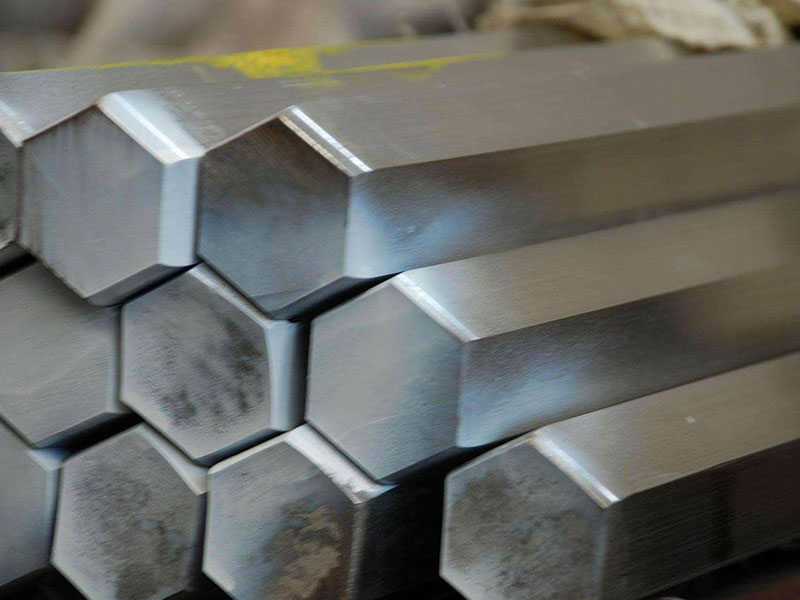
Marine aluminum hexagonal bars
Marine Grade Aluminum Hexagonal Bars are produced from premium corrosion-resistant aluminum alloys such as 5083, 5052, 6061, and 6082.
View Details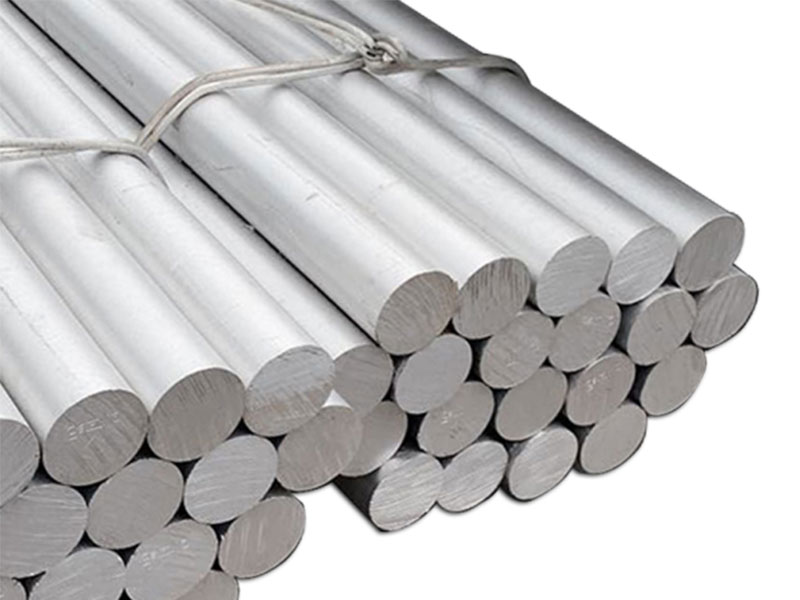
Marine grade aluminum solid bar
Marine Grade Aluminum Solid Bars are produced from premium aluminum alloys optimized for saltwater exposure, such as 5083, 5052, 6061, and 6082. These alloys offer unparalleled resistance to corrosion caused by seawater, salt spray, and marine atmospheres, while maintaining excellent mechanical strength and toughness.
View Details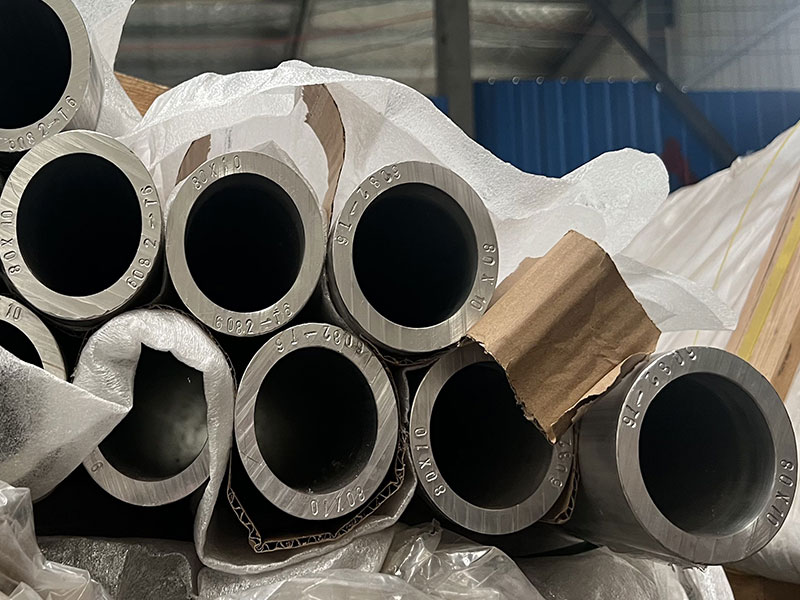
Marine aluminum hollow bars
Marine Grade Aluminum Hollow Bars are fabricated from high-quality alloys such as 5083, 5052, 6061, and 6082, all known for their exceptional resistance to seawater corrosion, salt spray, and marine atmospheres.
View Details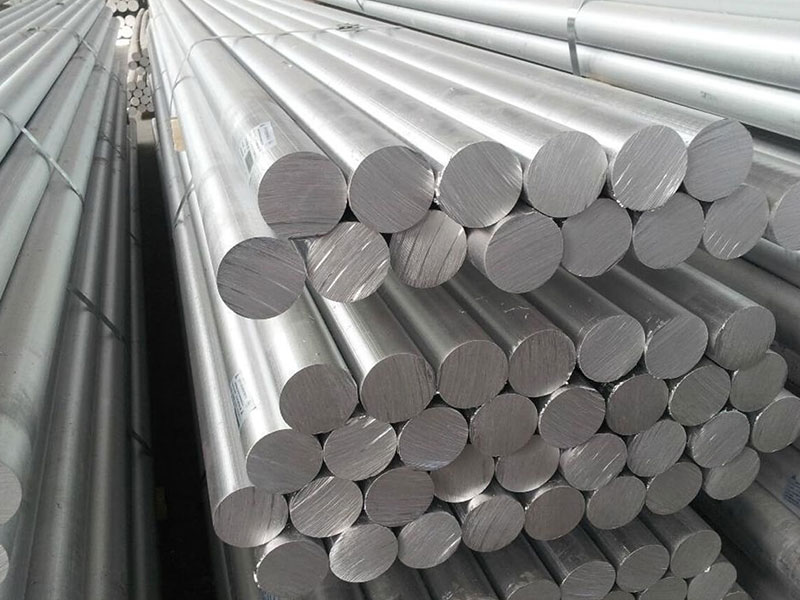
6082 marine aluminum rod & bar
6082 Aluminum Rods & Bars are extruded or rolled products manufactured from 6082 aluminum alloy — a thermally treated (typically T6 temper) aluminum-magnesium-silicon alloy that balances high tensile strength, good weldability, and excellent corrosion resistance.
View DetailsRelated Blog
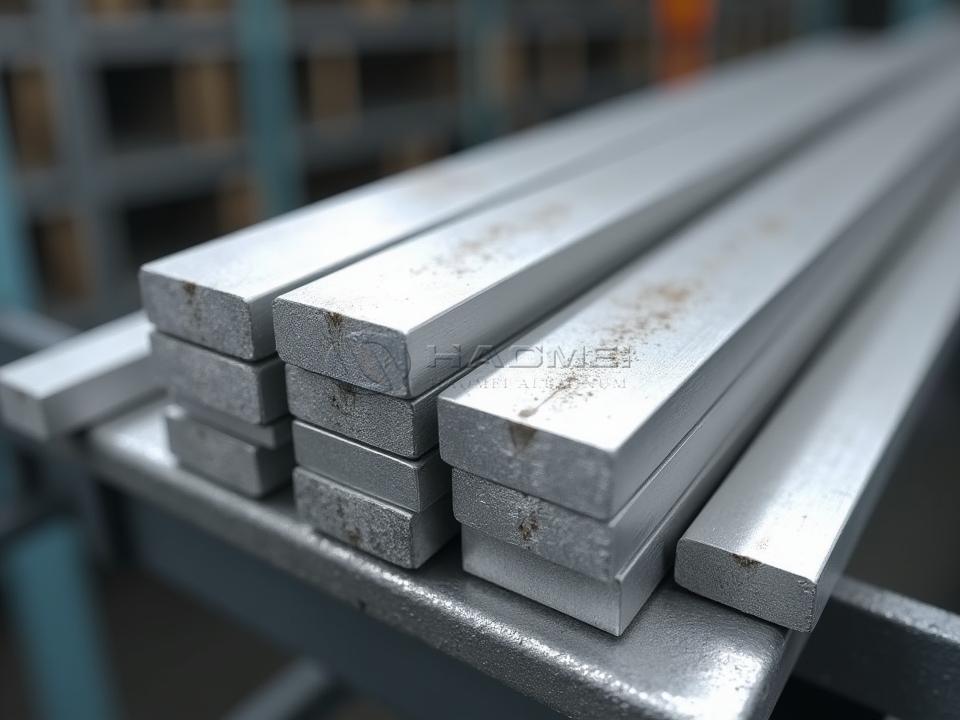
6061 Marine Aluminum Hollow Bars for Seawater Resistant Boat Construction
Learn how 6061 marine aluminum hollow bars support lightweight boat frames, mast bases, rails, and fluid routes with temper, corrosion, welding, and standards guidance.
View Details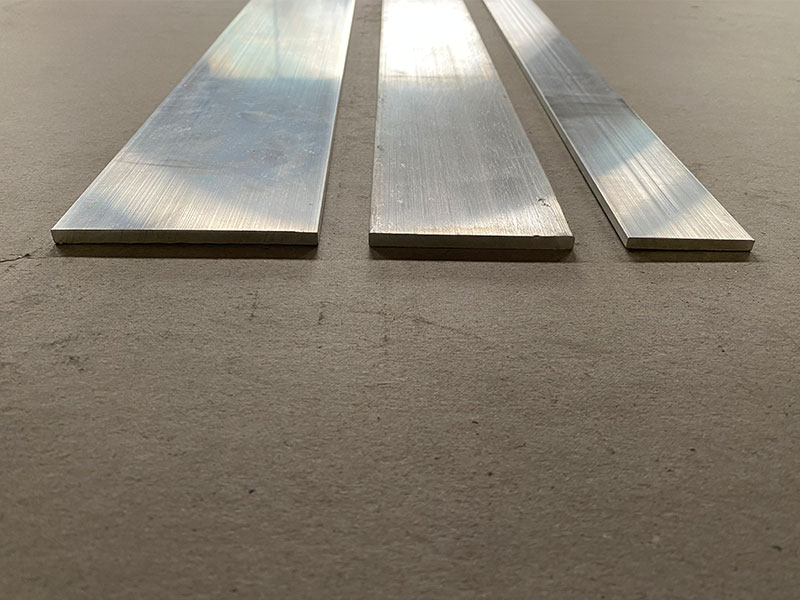
Marine Grade Aluminum Solid Bar for Ship Hull Strengthening
Marine vessel owners and shipbuilders are continually seeking advanced materials that provide superior strength, corrosion resistance, and lightweight properties.
View Details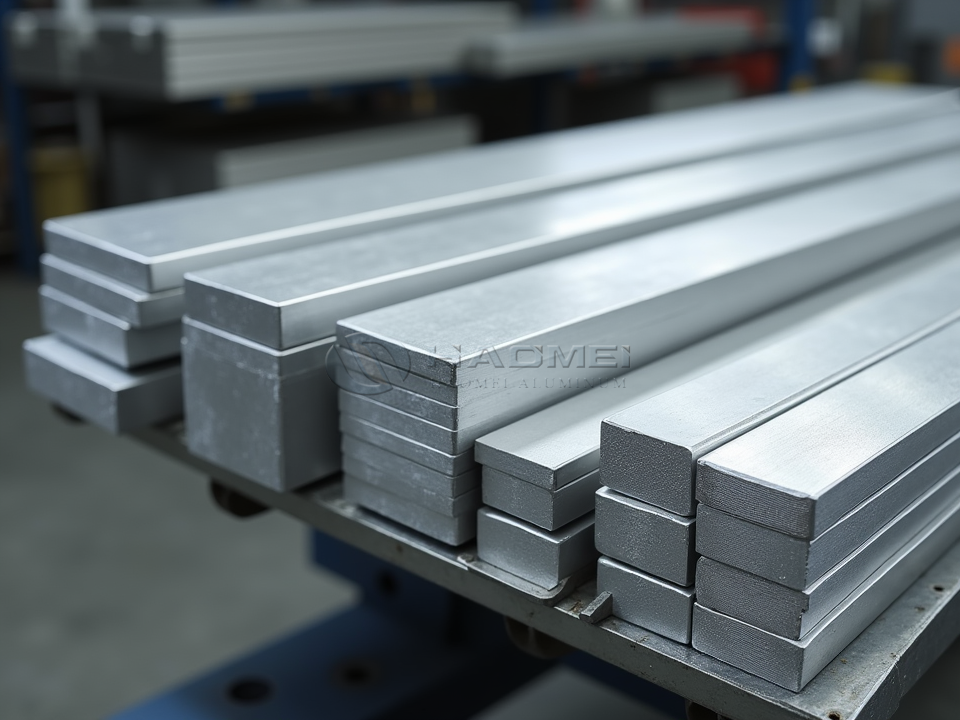
5052 Marine Grade Aluminum Solid Bar For Lightweight Boat Frame Components
Learn how 5052 marine aluminum solid bar reduces boat frame weight, resists saltwater corrosion, welds cleanly, and supports durable boat fittings.
View Details
5083 Marine Aluminum Bar for Saltwater Corrosion Resistant Boat Frames
In the demanding marine environment, selecting the right materials for boat frames is vital to ensuring longevity, performance, and safety. Among the myriad of alloys.
View Details
6082 Marine Grade Aluminum Solid Bar for Saltwater Resistant Marine Parts
The 6082 marine grade aluminum solid bar is a high‑strength, corrosion‑resistant alloy widely used for structural components in harsh marine environments. It offers an excellent balance of strength, workability, and long‑term durability, maki.
View Details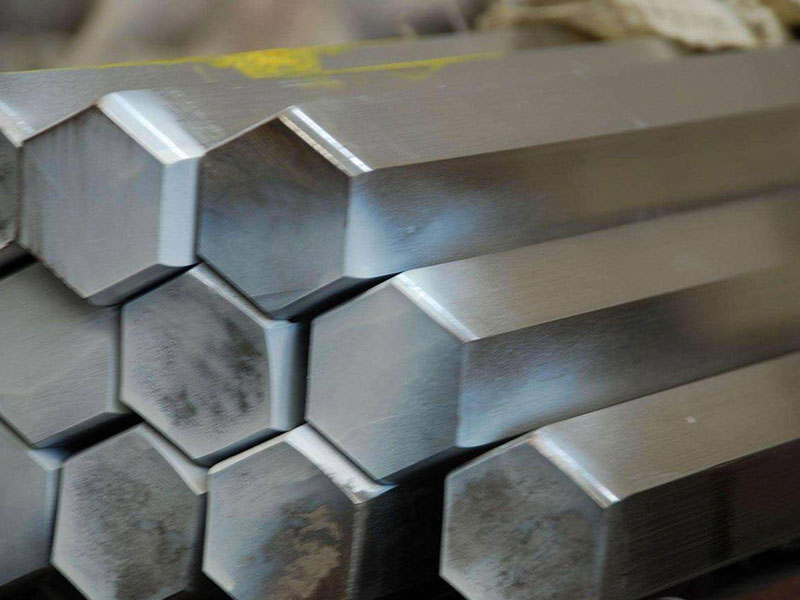
Marine Aluminum Hollow Bars for Boat Hull Reinforcements
Marine Aluminum Hollow Bars for Boat Hull Reinforcements: Strength Where It Matters, Weight Where It Doesn'tBoat hull reinforcement is often discussed as a "more metal, more strength" problem.
View Details
Leave a Message