
6061 Marine Anodized Aluminum Sheets
6061 marine anodized aluminum sheets combine the strength of heat-treatable aluminum with a controlled oxide surface that improves wear resistance, appearance, and resistance to salt-laden air. For boat builders, dock equipment producers, and marine hardware fabricators, this material offers a practical balance: it machines cleanly, welds reliably, accepts precision forming, and provides a bright, protective finish without heavy coatings.
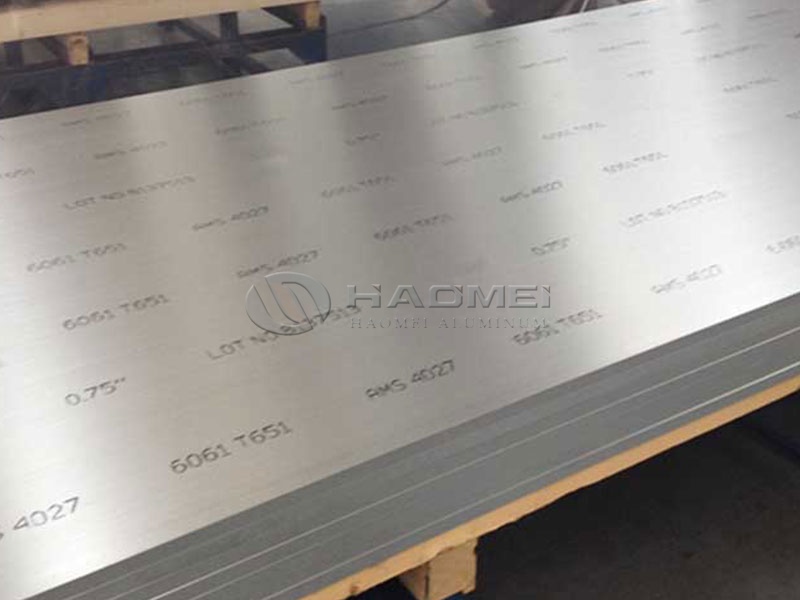
6061 is an Al-Mg-Si alloy widely used where structural performance and fabrication efficiency matter. After anodizing, the naturally formed aluminum oxide layer is thickened and sealed, creating a hard, non-flaking surface. Compared with paint, anodizing becomes part of the metal surface rather than sitting on top of it, so it is less likely to peel under abrasion, UV exposure, or spray washdowns.
For customers comparing Marine anodized aluminum sheets, 6061 is often selected for brackets, access panels, gangways, rail components, electronic enclosures, mast fittings, and interior marine structures. It is not usually the first choice for continuously immersed hull plating, where 5xxx alloys may be preferred, but it performs very well in topside, deck, cabin, and equipment applications when properly designed and isolated from galvanic contact.
Product Snapshot
| Item | Typical Value |
|---|---|
| Alloy | 6061 |
| Temper options | T4, T6, T651, O by request |
| Surface | Clear anodized, color anodized, hard anodized |
| Anodizing thickness | 10-25 μm for decorative/protective use; 25-50 μm for hard anodizing |
| Density | 2.70 g/cm³ |
| Main strengthening system | Magnesium silicide precipitation hardening |
| General corrosion behavior | Good in marine atmosphere; improved by anodizing and sealing |
| Fabrication | Excellent machining, good welding, moderate formability in T6 |
| Common standards | ASTM B209, EN 485, AMS-QQ-A-250/11 where specified |
Chemical Composition
The controlled Mg-Si chemistry of 6061 gives the alloy its heat-treatable strength. Small additions of copper and chromium improve mechanical response and stability, while aluminum remains the balance.
| Element | Composition Range, wt.% |
|---|---|
| Silicon, Si | 0.40-0.80 |
| Iron, Fe | ≤ 0.70 |
| Copper, Cu | 0.15-0.40 |
| Manganese, Mn | ≤ 0.15 |
| Magnesium, Mg | 0.80-1.20 |
| Chromium, Cr | 0.04-0.35 |
| Zinc, Zn | ≤ 0.25 |
| Titanium, Ti | ≤ 0.15 |
| Other elements, each | ≤ 0.05 |
| Other elements, total | ≤ 0.15 |
| Aluminum, Al | Balance |
Mechanical Properties
Mechanical properties vary with thickness, temper, and specification. T6 and T651 are the most common choices for structural sheet and plate because they provide a strong combination of yield strength and machinability.
| Temper | Tensile Strength, MPa | Yield Strength, MPa | Elongation, % | Brinell Hardness, HB |
|---|---|---|---|---|
| O | 110-145 | 55-80 | 16-25 | 30-40 |
| T4 | 205 min | 110 min | 14-18 | 65 typical |
| T6 | 290 min | 240 min | 8-12 | 95 typical |
| T651 plate | 290-310 | 240-275 | 8-12 | 95 typical |
For load-bearing marine components, T6 or T651 is usually preferred. For parts requiring heavier bending before finishing, T4 or O temper may be selected first, then aged or anodized according to the final performance requirement.
Anodized Surface Performance
Anodizing gives 6061 sheets a dense oxide layer that supports longer service life in splash zones, humid cabins, and exposed deck areas. Clear anodizing retains the metallic appearance, while colored anodizing supports branding, visibility, and part identification.
| Surface Parameter | Typical Range | Customer Benefit |
|---|---|---|
| Clear anodized film | 10-20 μm | Bright finish with improved oxidation resistance |
| Marine protective anodizing | 15-25 μm | Better salt-air durability and easier cleaning |
| Hard anodizing | 25-50 μm | Higher abrasion resistance for sliding or handled parts |
| Sealing method | Hot water, nickel acetate, or specified seal | Reduces porosity and improves stain resistance |
| Surface appearance | Matte, satin, brushed, bright | Design flexibility for visible marine hardware |
| Salt spray performance | Project dependent, often tested per ASTM B117 | Confirms finish suitability before production |
Anodized 6061 should still be installed with marine design discipline. Stainless fasteners, carbon fiber, copper alloys, and treated timber can create galvanic couples if moisture is trapped between materials. Insulating washers, sealants, drainage paths, and compatible fastener selection help preserve the finish.
Sheet and Plate Supply Range
| Parameter | Common Supply Capability |
|---|---|
| Thickness | 0.5-200 mm, depending on sheet or plate route |
| Width | 500-2600 mm |
| Length | 1000-12000 mm or cut to size |
| Flatness | Commercial tolerance or precision flatness on request |
| Surface preparation | Mill finish, brushed, polished, anodized |
| Protective film | Optional PVC or paper interleaf |
| Cutting service | Shearing, sawing, laser-ready blanks, CNC profile cutting |
| Packaging | Moisture-resistant wrapping, wooden pallet, export crate |
When specifying 6061 marine anodized aluminum sheets, customers should define thickness, temper, film thickness, surface color, sealing method, tolerance class, grain direction for bending, and packaging requirements. These details prevent fabrication delays and help the finished component match design expectations.
Where 6061 Anodized Sheet Works Best
| Application Area | Typical Parts | Why 6061 Anodized Sheet Fits |
|---|---|---|
| Boat deck systems | Hatches, covers, seat bases, access panels | Strong, light, clean appearance |
| Marine hardware | Brackets, frames, rails, hinges, mounts | Good machining and stable screw retention |
| Dock and marina equipment | Gangway panels, signs, control boxes | Weather resistance and low maintenance |
| Electronics enclosures | Radar cabinets, battery boxes, instrument panels | Conductive base metal with protective surface |
| Yacht interiors | Trim, wall panels, furniture frames | Attractive finish and dimensional stability |
| Workboats | Tool lockers, steps, guard components | Durable surface under frequent handling |
For aggressive hull or tank environments, customers may also review broader Marine Grade Aluminum Sheets such as 5083 or 5086, especially where continuous saltwater immersion and high welded joint efficiency are essential.
Fabrication Guidance
6061 is one of the easiest marine aluminum alloys to machine. It produces clean chips, holds threads well, and supports tight-tolerance milling. In T6 condition, it bends less readily than softer alloys, so bend radius must be generous and grain direction should be considered. If sharp bends are required, fabricating before final aging or selecting a softer temper may reduce cracking risk.
Welding is possible with common marine filler alloys such as 4043 or 5356, depending on strength, color match after anodizing, and corrosion requirements. Welded zones in 6061-T6 lose some strength because heat affects the precipitation-hardened structure. Designers should account for this by adjusting section thickness, weld placement, or post-weld treatment where practical.
Benefits for Marine Buyers
| Benefit | Practical Value |
|---|---|
| High strength-to-weight ratio | Reduces vessel weight while maintaining rigidity |
| Clean anodized appearance | Suitable for visible interior and exterior parts |
| Better surface hardness | Resists scratches from tools, shoes, ropes, and handling |
| Low maintenance | Washable surface with no peeling coating layer |
| Strong machinability | Efficient production of slots, holes, threads, and profiles |
| Dimensional stability | Reliable for panels, enclosures, and precision assemblies |
| Recyclability | Supports lighter, more sustainable marine construction |
Purchasing Notes
A well-written purchase specification should include alloy, temper, thickness, dimensions, anodizing color, film thickness, sealing method, inspection standard, and surface protection. For critical marine projects, sample approval and salt spray testing can confirm that the selected finish meets the service environment.
6061 marine anodized aluminum sheets deliver a strong mix of engineering performance, attractive appearance, and long-term usability. For topside structures, deck accessories, enclosures, and precision marine hardware, they provide a dependable material platform that helps builders reduce weight, improve corrosion resistance, and create components that stay clean and professional through years of service.

Related Products
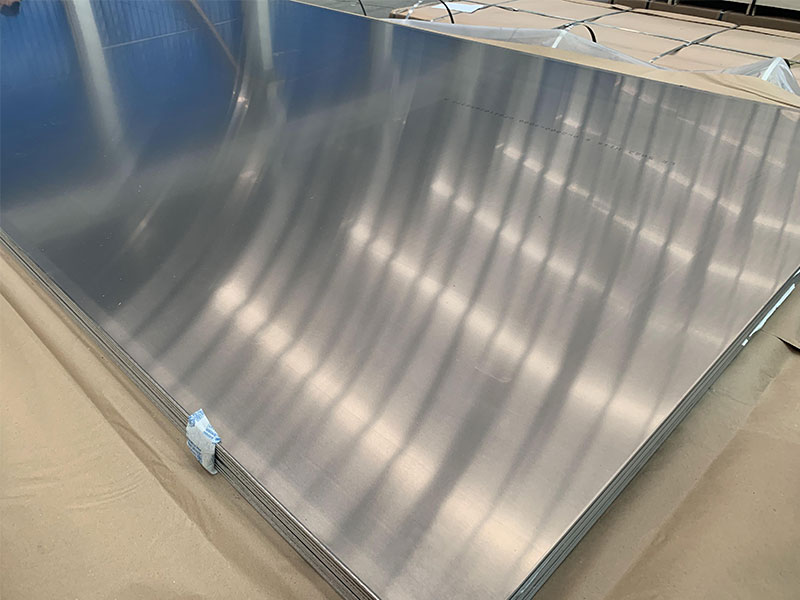
Marine 5052 aluminum sheet
Aluminum alloy 5052 is a non-heat-treatable, strain-hardened alloy with magnesium as the primary alloying element. It is designed to offer superior corrosion resistance in marine and saline environments, making it a dependable choice for components exposed directly to seawater or coastal atmospheric conditions.
View Details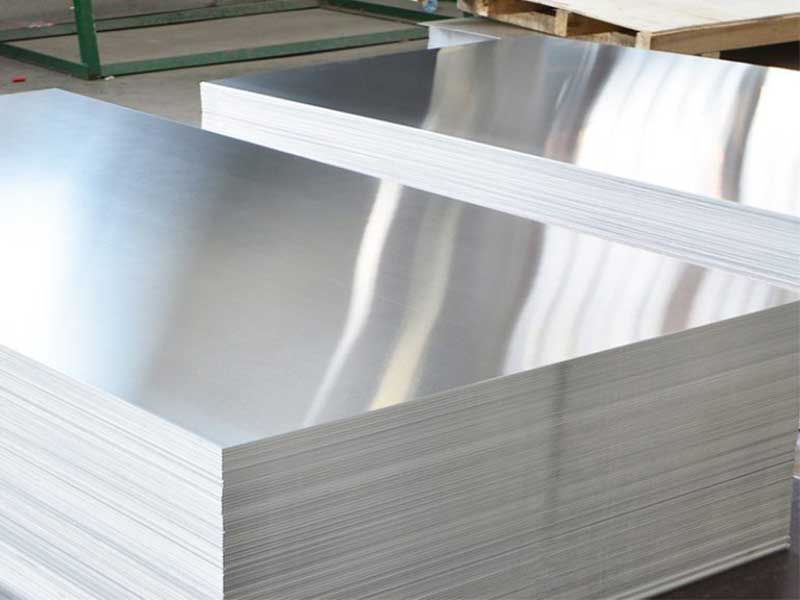
Marine anodized aluminum sheets
Marine Anodized Aluminum Sheets start with premium marine-grade aluminum alloys such as 5000 and 6000 series (typically 5083, 5052, and 6061).
View Details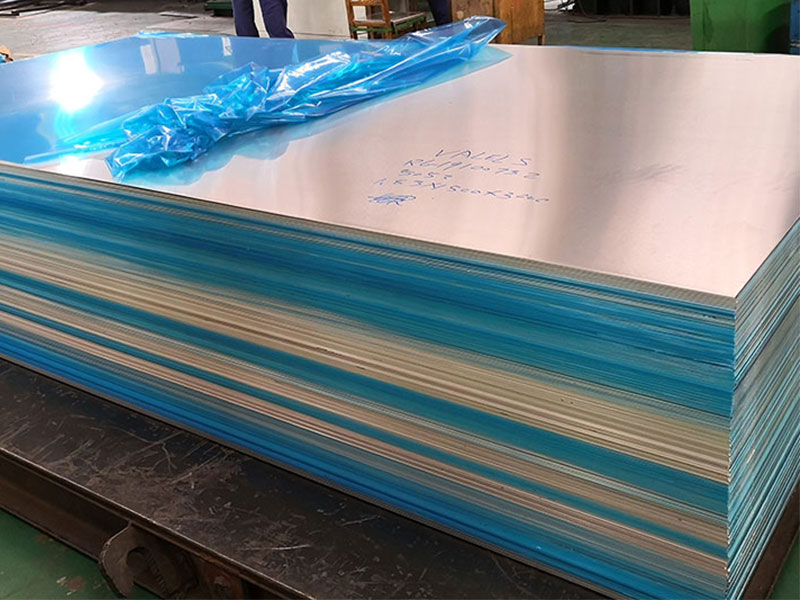
Marine 5059 aluminum sheet
5059 aluminum alloy is a strain-hardened material with a unique addition of magnesium and chromium, which provides outstanding resistance to localized corrosion like pitting and stress corrosion cracking.
View Details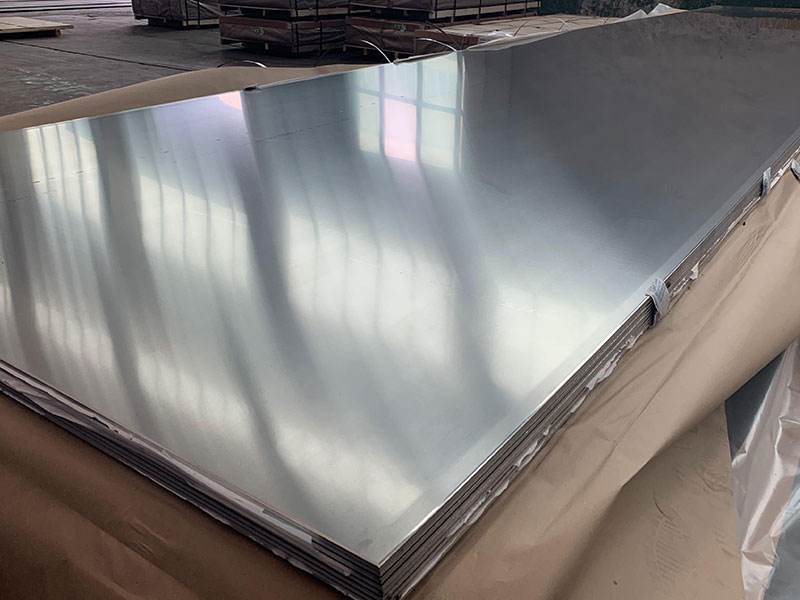
Marine 5086 aluminum sheet
This product article provides an in-depth and comprehensive understanding of Marine 5086 Aluminum Sheets, including their chemical composition, mechanical properties, corrosion resistance, fabrication capabilities, and typical marine applications.
View Details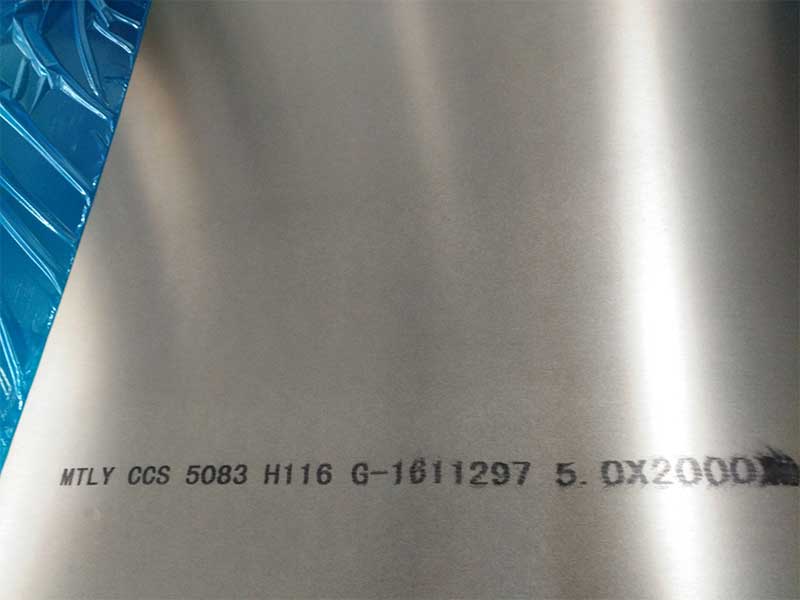
Marine 5083 aluminum sheet
Aluminum alloy 5083 is a non-heat-treatable alloy primarily composed of magnesium and trace elements that deliver outstanding protection against corrosion, particularly in seawater and saline atmospheres.
View Details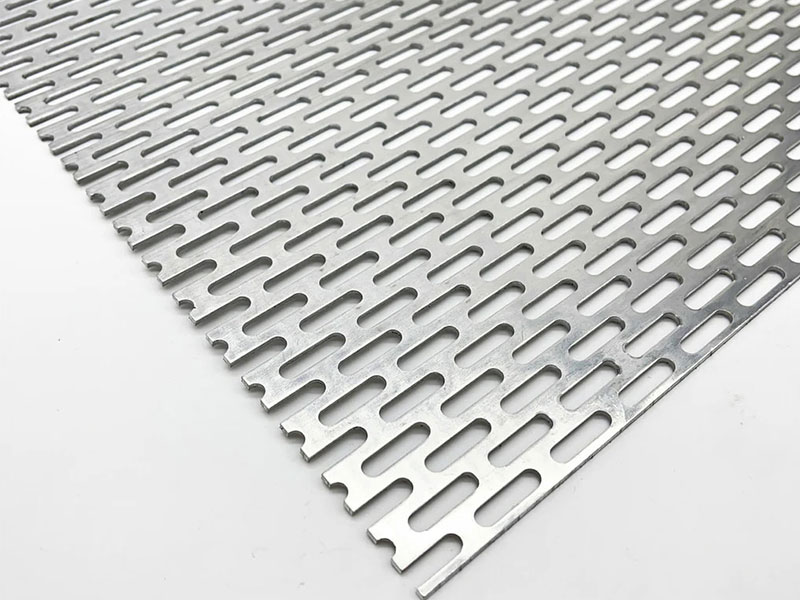
Marine perforated aluminum sheets
Marine Perforated Aluminum Sheets feature a series of uniform holes or shapes punched through the aluminum surface. These perforations can vary in size, pattern, and open area to tailor the sheets for specific applications.
View DetailsRelated Blog
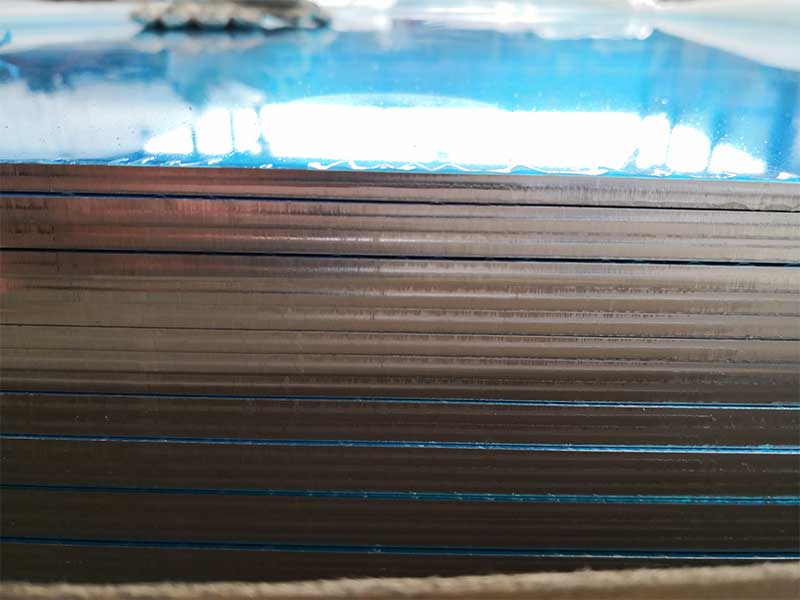
0.3mm 0.4mm 0.5mm 1.6mm Thickness Roll Aluminium Coil Sheet 5052 h32 For Boat
When it comes to marine applications, selecting the right material is crucial for performance, durability, and safety. Enter the 5052 H32 marine aluminum coil sheet, available in thicknesses ranging from 0.
View Details
Aluminum sheet 5754 O H111 H112 Marine Grade
Aluminum sheet 5754 O H111 H112 is a high-performance marine-grade aluminum alloy widely used in the marine industry. Renowned for its excellent corrosion resistance and mechanical properties.
View Details
Aluminum foil 0.5mm Thick 5000 Series Marine Grade
Aluminum Foil 0.5mm Thick 5000 Series Marine Grade: A "Sealing Skin" for Real-World Marine WorkWhen people hear "aluminum foil," they often imagine thin kitchen wrap.
View Details
5083 Marine Aluminum Tread Sheets
5083 marine aluminum tread sheets deliver grip, corrosion resistance, weldability, and reliable deck performance for boats and offshore platforms.
View Details
Aluminum sheets for Sailboat
Choosing aluminum sheets for a sailboat isn't just a materials decision-it's an interpretation of the sea's "forecast" over the life of the vessel. Salt spray, galvanic couples, cyclic wave loading, UV-heated decks that cool rapidly at night.
View Details
5052 5083 alloy 16 gauge aluminum sheet for boat building
5052 Aluminum Alloy5052 aluminum alloy is a non-heat treatable alloy known for its exceptional corrosion resistance, especially against saltwater, making it a popular choice for marine environments.
View Details
Leave a Message