
5083 Marine Aluminum Tread Sheets
A marine deck is not simply a floor. It is the place where saltwater, boots, ropes, fuel, fish boxes, machinery vibration, and changing weather meet every day. 5083 Marine Aluminum Tread Sheets are designed for this demanding contact zone. They combine the seawater resistance of 5083 aluminum alloy with a raised tread surface that helps crews move safely and keeps structures light.
For buyers who already know flat Marine 5083 aluminum sheet, the tread version can be seen as the same marine alloy given a working surface. The patterned face adds traction, improves visual direction on deck, and gives panels extra surface rigidity without a major weight increase.
A Sheet That Works Like a Safety Interface
The main function of 5083 marine aluminum tread sheet is controlled contact. On a wet deck, friction matters as much as strength. The raised pattern, often five-bar, diamond, or one-bar, creates points of grip under boots, tires, carts, and loading equipment. Water can move around the pattern rather than forming a smooth slippery film.
This makes the product valuable in areas where people walk while carrying tools, where cargo is loaded by hand, or where spray and condensation are constant. It is widely used for fishing vessel decks, workboat floors, ferry gangways, engine room plates, marina pontoon surfaces, dock ramps, hatch covers, stair treads, pilot boat platforms, offshore walkways, and service floors around marine machinery.
Compared with painted steel checker plate, 5083 aluminum tread sheet reduces dead weight and does not rely on coating alone for corrosion protection. Compared with plain aluminum plate, it offers better traction and a more damage-tolerant working surface. For projects needing patterned marine flooring, Marine Aluminum Tread Sheets provide a practical balance between slip resistance, fabrication, and long service life.
Why 5083 Alloy Fits Marine Tread Applications
5083 belongs to the aluminum-magnesium alloy family. Magnesium gives the alloy high strength among non-heat-treatable aluminum grades and excellent resistance to seawater corrosion. Manganese and chromium help refine performance and support durability in welded structures.
The alloy is not strengthened by heat treatment. Instead, it gains strength through controlled cold working and stabilization treatments. This is important for marine tread sheets because welding, bending, and forming are common during installation. The material keeps good weldability and performs well with marine filler wires such as 5183, 5356, or 5556, depending on design requirements.
5083 also has good fatigue behavior for dynamic marine environments. Decks and ramps may experience vibration from engines, wave impact, crane movement, and repeated foot or vehicle traffic. The combination of strength, toughness, and corrosion resistance makes 5083 a dependable choice for long-life structures.
Typical Product Parameters
| Item | Common Range or Condition |
|---|---|
| Alloy | 5083 aluminum magnesium alloy |
| Product form | Tread sheet, checker plate, embossed plate |
| Temper | O, H111, H112, H116, H321 |
| Base thickness | 2.0 mm to 8.0 mm, heavier sizes available by project |
| Width | 1000 mm to 2000 mm typical |
| Length | 2000 mm to 6000 mm typical, cut-to-size available |
| Pattern type | Five-bar, diamond, one-bar, custom tread by mill capability |
| Pattern height | About 0.8 mm to 1.8 mm depending on thickness and pattern |
| Density | About 2.66 g/cm3 |
| Surface | Mill finish, brushed, coated, anodized by requirement |
| Welding | Excellent with suitable 5xxx filler wire |
| Main service area | Marine decks, ramps, cabins, walkways, pontoons, ship fittings |
Actual supply range depends on mill equipment, pattern selection, order quantity, and classification requirements. For safety-critical marine structures, buyers should confirm base metal thickness separately from total tread height.
Temper Selection: Matching the Sheet to the Job
The O temper is fully annealed. It gives maximum formability and is useful when the sheet must be shaped, curved, or deeply formed before installation. It has lower strength than strain-hardened tempers but is easier to fabricate.
H111 is lightly strain hardened and commonly used where moderate strength and good formability are both needed. It suits general marine panels, covers, and flooring components that require cutting and welding.
H112 is often associated with hot-worked products and provides stable mechanical properties with good fabrication behavior. It may be chosen for thicker tread plates or general structural uses.
H116 is a marine-focused temper developed for improved resistance to exfoliation and intergranular corrosion in seawater service. It is often specified for hulls, decks, and exposed marine structures.
H321 is strain hardened and stabilized. It offers strength close to H116 and is also used for marine applications where corrosion resistance and mechanical stability are important. For vessels that require survey or class approval, H116 and H321 are often the preferred choices.
Chemical Composition of 5083 Aluminum Alloy
| Element | Content, % by weight |
|---|---|
| Aluminum, Al | Balance |
| Magnesium, Mg | 4.0 to 4.9 |
| Manganese, Mn | 0.40 to 1.00 |
| Chromium, Cr | 0.05 to 0.25 |
| Iron, Fe | 0.40 max |
| Silicon, Si | 0.40 max |
| Zinc, Zn | 0.25 max |
| Copper, Cu | 0.10 max |
| Titanium, Ti | 0.15 max |
| Other elements, each | 0.05 max |
| Other elements, total | 0.15 max |
The low copper content is one reason 5083 performs well in chloride-rich environments. Copper can reduce corrosion resistance in marine aluminum, so 5083 keeps it tightly limited. Magnesium provides the main strength effect, while manganese and chromium support grain structure and service stability.
Mechanical Performance Reference
| Temper | Tensile Strength | Yield Strength | Elongation | Typical Use |
|---|---|---|---|---|
| O | 275 MPa min | 125 MPa min | 14% min | Formed panels, curved parts |
| H111 | 275 to 350 MPa | 125 MPa min | 12% min | General marine flooring |
| H116 | 305 to 385 MPa | 215 MPa min | 10% min | Exposed decks, hull-related parts |
| H321 | 305 to 385 MPa | 215 MPa min | 10% min | Marine structures needing stability |
Values vary with thickness and governing standard. Final mechanical certificates should be checked against the purchase specification.
Standards and Inspection Conditions
5083 Marine Aluminum Tread Sheets can be produced and inspected according to common international and regional standards, including ASTM B209/B209M for aluminum sheet and plate, ASTM B928/B928M for high-magnesium aluminum alloy products used in marine service, EN 485 for sheet and plate tolerances and mechanical properties, EN 573 for chemical composition, and GB/T 3880 for Chinese aluminum sheet and strip requirements.
For shipbuilding projects, material may also be supplied with certificates from classification societies such as ABS, DNV, LR, BV, CCS, KR, or RINA when required. Typical inspection items include chemical composition, tensile properties, dimensions, surface quality, pattern regularity, flatness, and corrosion-related testing for marine tempers.
Practical Installation Notes
Good performance depends not only on the alloy but also on installation detail. Pattern direction should support drainage and foot traffic. On ramps, the raised pattern is often oriented to improve grip during upward and downward movement. Around machinery, removable tread panels make inspection and cleaning easier.
When 5083 aluminum contacts steel, copper alloy, or carbon fiber, insulation is recommended to reduce galvanic corrosion. Suitable gaskets, sealants, washers, or coatings can extend service life. Weld areas should be cleaned properly, and strong alkaline cleaners should be avoided because aluminum surfaces can be attacked by aggressive chemicals.
5083 is suitable for marine environments, but high-magnesium aluminum alloys should not be exposed to continuous elevated temperatures beyond recommended limits. For normal decks, docks, ramps, and offshore access systems, this is rarely a concern. For engine-adjacent areas, heat exposure should be reviewed during design.
Where Customers Gain Value
The value of 5083 Marine Aluminum Tread Sheets is found in daily use. Crews gain safer footing. Builders reduce structural weight. Owners gain corrosion resistance with lower maintenance demand. Fabricators get a sheet that can be cut, welded, drilled, and formed with standard aluminum-working methods.
For boat decks, the material helps reduce slip risk while supporting long-term seawater exposure. For docks and pontoons, it offers weather resistance and easy handling. For offshore platforms, it provides dependable walkway surfaces where salt spray, humidity, and mechanical wear are constant. For vehicle ramps and cargo floors, the raised tread pattern improves traction while the alloy base carries load efficiently.
5083 Marine Aluminum Tread Sheets are not just decorative checker plates. They are marine working surfaces engineered for grip, strength, corrosion resistance, and reliable fabrication. When the correct temper, thickness, pattern, and standard are selected, they become a durable part of safer marine movement.

Related Products
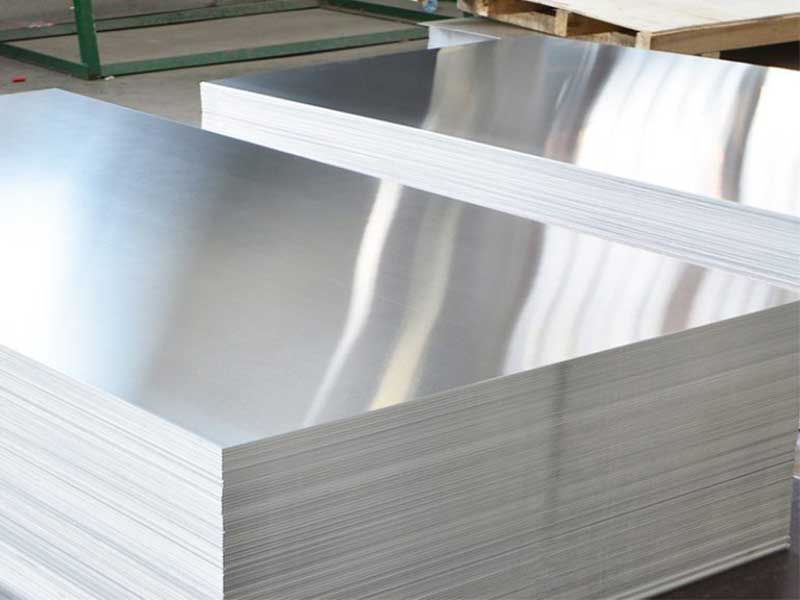
Marine anodized aluminum sheets
Marine Anodized Aluminum Sheets start with premium marine-grade aluminum alloys such as 5000 and 6000 series (typically 5083, 5052, and 6061).
View Details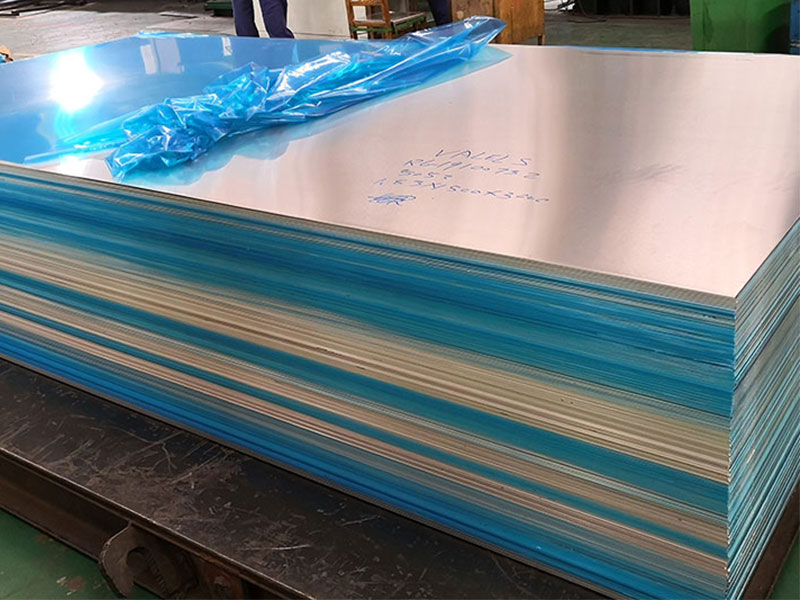
Marine 5059 aluminum sheet
5059 aluminum alloy is a strain-hardened material with a unique addition of magnesium and chromium, which provides outstanding resistance to localized corrosion like pitting and stress corrosion cracking.
View Details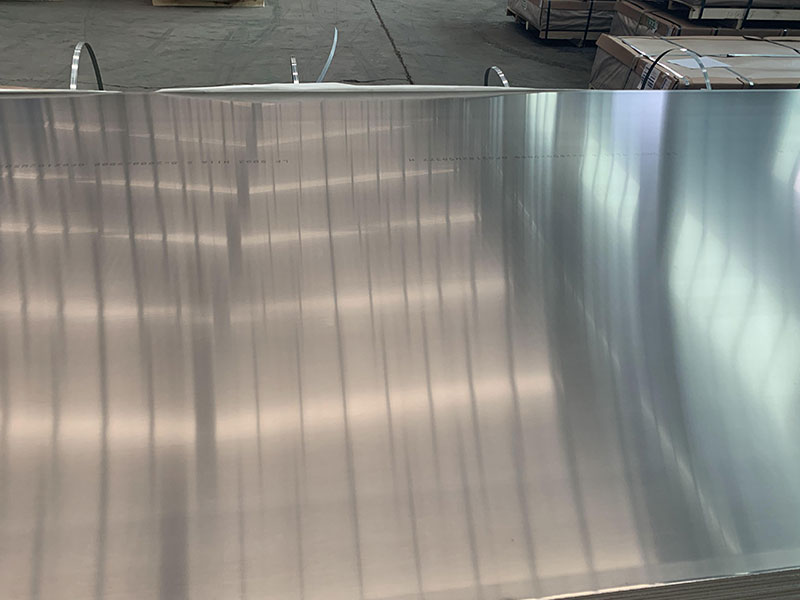
Marine 5383 aluminum sheet
5383 aluminum is a strain-hardened, non-heat-treatable alloy from the 5xxx series primarily alloyed with magnesium. It exhibits a unique balance of corrosion resistance and mechanical properties particularly suited for marine applications.
View Details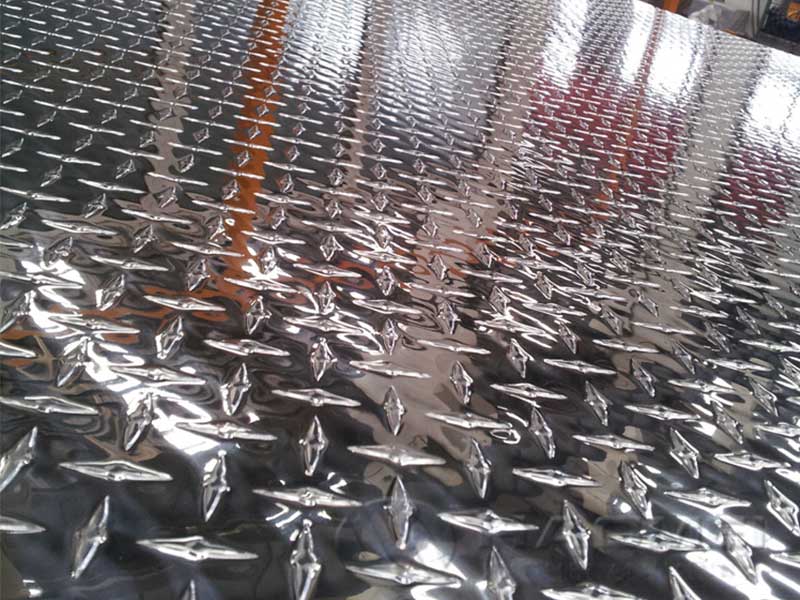
Marine Aluminum Tread Sheets
Marine Aluminum Tread Sheets are aluminum alloy plates featuring a raised surface pattern, commonly referred to as a tread design or diamond plate.
View Details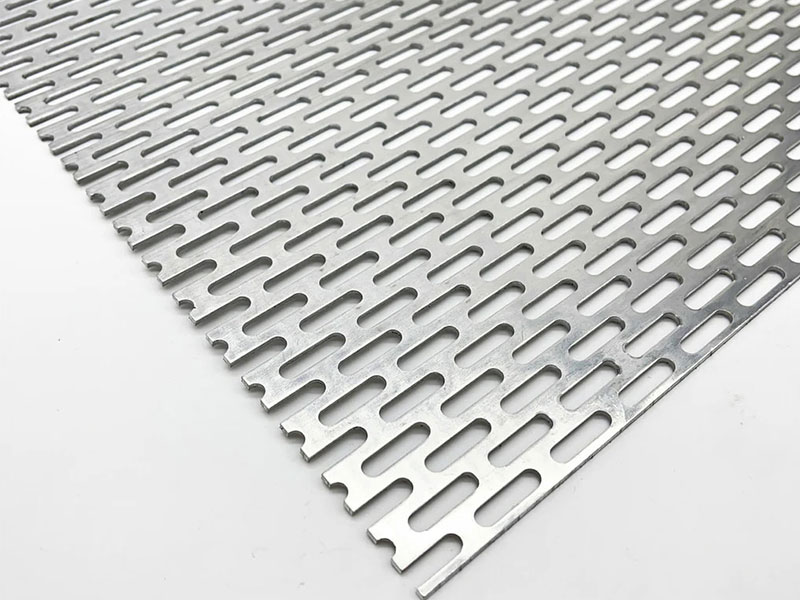
Marine perforated aluminum sheets
Marine Perforated Aluminum Sheets feature a series of uniform holes or shapes punched through the aluminum surface. These perforations can vary in size, pattern, and open area to tailor the sheets for specific applications.
View Details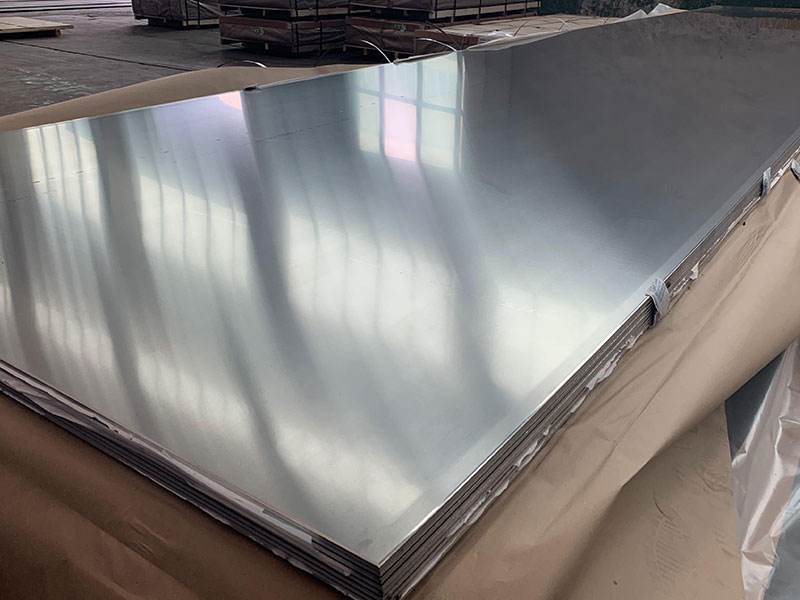
Marine 5086 aluminum sheet
This product article provides an in-depth and comprehensive understanding of Marine 5086 Aluminum Sheets, including their chemical composition, mechanical properties, corrosion resistance, fabrication capabilities, and typical marine applications.
View DetailsRelated Blog
Marine 6061 Aluminum Bar
Marine 6061 aluminum bar offers high strength, excellent machinability, and reliable corrosion resistance for brackets, frames, fittings, and marine hardware.
View Details
1mm to 8mm thick marine grade aluminum sheet 5083 h116
Marine environments punish materials in ways most industrial settings never will: salt spray, stagnant seawater, cyclic wet/dry exposure, and constant vibration.
View Details
5083 aluminium marine grade 3.2 mm thick aluminium sheet
5083 Aluminium Marine Grade 3.2 mm Thick Aluminium Sheet: Unveiling Its Functional Excellence and Versatile ApplicationsIn the realm of marine engineering, material selection determines durability, safety, and performance.
View Details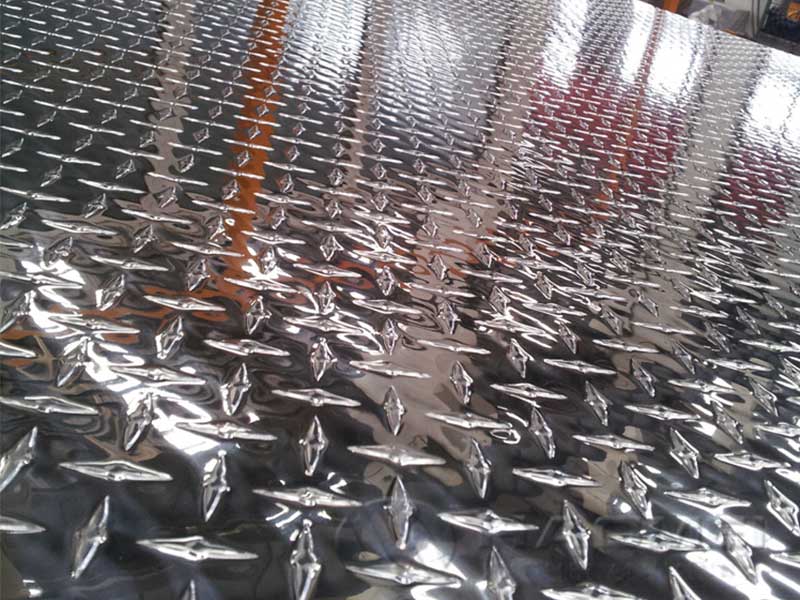
6061 6063 6082 o t5 t6 t651 h112 marine aluminum sheet
High-strength, corrosion-resistant 6061, 6063, and 6082 marine aluminum sheet in tempers O, T5, T6, T651, and H112, ideal for boat hulls, decks, structures, and offshore applications.
View Details
6061 Marine Perforated Aluminum Sheets
A practical guide to 6061 marine perforated aluminum sheets, covering alloy behavior, hole design, finishes, fabrication, and buying checks.
View Details
Aluminum marine grade
Marine Grade Aluminum: Capacity, Applications, and Class StandardsIn the vast expanse of the world’s oceans and waterways, the need for robust, resilient materials is manifolds greater than in conventional industries.
View Details
Leave a Message