
5083 Marine Anodized Aluminum Sheets
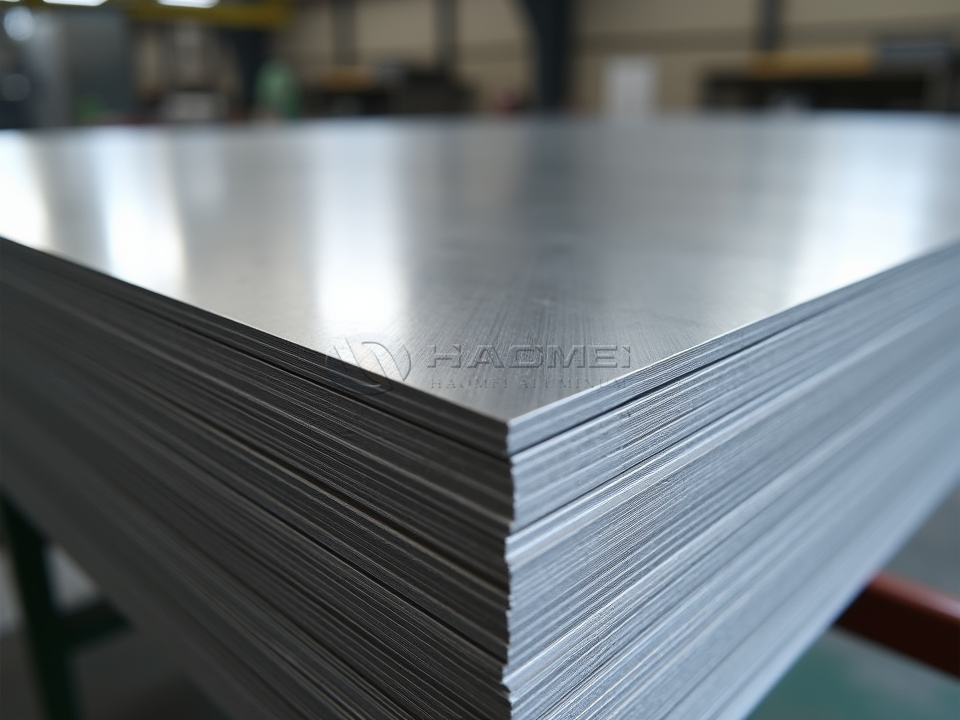
5083 marine anodized aluminum sheets are designed for vessels and coastal equipment that need high corrosion resistance, reliable strength, low weight, and a cleaner surface finish. Based on the Al-Mg-Mn alloy system, 5083 performs exceptionally well in seawater and industrial marine atmospheres. After anodizing, the sheet gains a dense oxide layer that improves surface hardness, wear resistance, and long-term appearance.
For builders, repair yards, and fabrication teams, this material offers a practical balance: strong enough for structural marine work, formable enough for fabrication, and stable enough for demanding outdoor exposure.
Product Snapshot
| Item | Typical Value |
|---|---|
| Product name | 5083 marine anodized aluminum sheets |
| Alloy family | 5xxx aluminum-magnesium alloy |
| Common tempers | O, H111, H116, H321, H32, H34 |
| Surface | Sulfuric acid anodized, sealed or unsealed by request |
| Main advantage | Seawater corrosion resistance with durable anodized protection |
| Density | About 2.66 g/cm3 |
| Weldability | Excellent, commonly welded with 5183 or 5356 filler |
| Formability | Good in O and H111, moderate in H116 and H321 |
| Typical use | Hull panels, decks, cabins, gangways, pontoons, marine fittings |
Why 5083 Works Well After Anodizing
5083 aluminum already has excellent marine corrosion resistance because of its magnesium content. Anodizing builds a controlled aluminum oxide film on the surface, creating a protective barrier that is harder and more stable than the natural oxide layer.
On high-magnesium 5083 alloy, the anodized color is usually satin silver to light gray, and thicker films may appear slightly darker than anodized 6xxx alloys. This is normal for marine-grade 5xxx alloys. The benefit is not only appearance but also improved resistance to salt spray, abrasion, handling marks, and outdoor weathering.
| Performance Area | Benefit for Marine Use |
|---|---|
| Seawater exposure | Resists pitting and general corrosion in hull and deck environments |
| Surface durability | Anodized film improves scratch and wear resistance |
| Maintenance | Smooth sealed surface is easier to clean than untreated metal |
| Weight saving | Lower density than steel helps improve vessel efficiency |
| Fabrication | Can be cut, bent, drilled, and welded with proper procedures |
| Service life | Stable in coastal, offshore, and shipyard atmospheres |
Chemical Composition
Typical composition follows AA 5083 and EN AW-5083 limits. Actual values can be supplied with mill test certificates when required.
| Element | Content, % |
|---|---|
| Magnesium, Mg | 4.00-4.90 |
| Manganese, Mn | 0.40-1.00 |
| Chromium, Cr | 0.05-0.25 |
| Iron, Fe | <= 0.40 |
| Silicon, Si | <= 0.40 |
| Zinc, Zn | <= 0.25 |
| Copper, Cu | <= 0.10 |
| Titanium, Ti | <= 0.15 |
| Others, each | <= 0.05 |
| Others, total | <= 0.15 |
| Aluminum, Al | Balance |
The low copper content is important for marine service because copper can reduce corrosion resistance in chloride environments. Magnesium provides strength and seawater performance, while manganese and chromium help stabilize the structure.
Technical Specifications
| Parameter | Standard Supply Range |
|---|---|
| Thickness | 0.5-6.0 mm for sheets, thicker plate available by request |
| Width | 1000-2500 mm |
| Length | 2000-12000 mm or cut to size |
| Anodized film thickness | 5-25 microns typical |
| Surface finish | Matte, satin, brushed, or custom pre-treatment |
| Color | Natural silver, champagne, gray, black, or project color range |
| Tolerance | ASTM B209, EN 485, or agreed project tolerance |
| Certification | MTC, RoHS, salt spray test, classification approval when applicable |
| Packing | Interleaved paper or film, moisture protection, wooden pallet or crate |
For projects that need mill-finish material before surface treatment, Marine 5083 aluminum sheet is often selected as the base stock for further anodizing, cutting, or welded assembly.
Typical Mechanical Properties
Mechanical values vary by thickness, temper, and standard. The following table gives practical reference ranges for purchasing and design discussion.
| Temper | Tensile Strength, MPa | Yield Strength, MPa | Elongation, % | Suitable Use |
|---|---|---|---|---|
| O | 270-350 | >= 125 | >= 14 | Deep forming, curved panels, complex shapes |
| H111 | 275-350 | >= 125 | >= 12 | General marine sheet, formed structures |
| H116 | 305-385 | >= 215 | >= 10 | Hull panels, decks, seawater structures |
| H321 | 305-385 | >= 215 | >= 10 | High-strength marine plate and structural panels |
| H32 | 305-380 | >= 215 | >= 8 | Covers, platforms, interior marine components |
H116 and H321 are frequently chosen for hull and offshore environments because they are processed for improved resistance to exfoliation and stress corrosion in marine service.
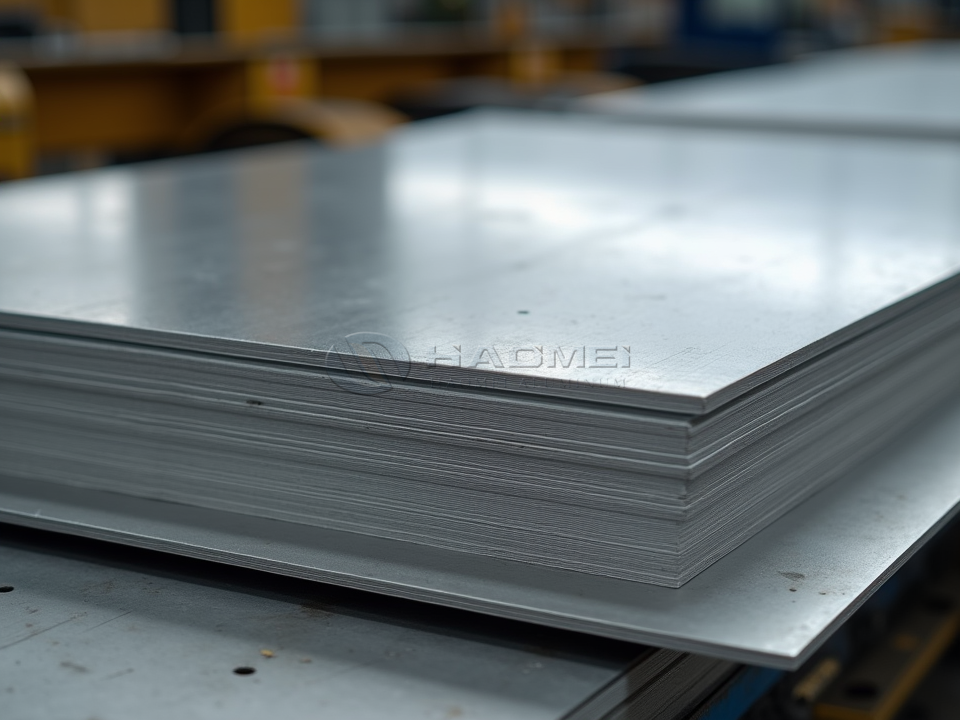
Anodizing Parameters for Marine Projects
| Requirement | Recommended Practice |
|---|---|
| Decorative indoor marine use | 5-10 microns, sealed |
| Exterior coastal exposure | 10-15 microns, sealed |
| Deck fittings and high-touch parts | 15-20 microns, sealed or hard sealed |
| Severe salt spray areas | 20-25 microns, high-quality sealing recommended |
| Cleaning after installation | Neutral detergent and fresh water rinse |
| Avoid | Strong alkaline cleaners, steel brushes, trapped chloride deposits |
Because 5083 contains higher magnesium than many architectural alloys, color matching should be confirmed with production samples before large orders. For visible assemblies, sheets should be anodized in the same batch whenever possible.
Applications
| Application | Why 5083 Anodized Sheet Fits |
|---|---|
| Boat hull panels | High strength-to-weight ratio and seawater resistance |
| Cabin walls and roofs | Clean appearance with low maintenance surface |
| Deck panels and walkways | Durable anodized layer resists wear and weathering |
| Pontoons and floating docks | Lightweight structure with strong corrosion performance |
| Gangways and ramps | Good strength, weldability, and outdoor durability |
| Marine cabinets and enclosures | Neat finish with resistance to humidity and salt air |
| Offshore equipment covers | Stable surface for exposed industrial environments |
| Yacht interior trim | Satin metallic appearance with better scratch resistance |
5083 marine anodized aluminum sheets are especially valuable where bare aluminum may stain too quickly, painted surfaces may chip, or stainless steel would add unnecessary weight.
Fabrication and Welding Notes
5083 can be sheared, laser cut, waterjet cut, CNC machined, punched, and bent. For best anodized appearance, heavy scratches, lubricant residues, and heat marks should be removed before surface treatment. If parts are welded before anodizing, weld zones may show a different shade because the filler alloy and heat-affected zone respond differently during anodizing.
| Process | Practical Recommendation |
|---|---|
| Cutting | Protect both sides with film when appearance is critical |
| Bending | Use larger bend radii in harder tempers to prevent cracking |
| Welding | Use 5183 for higher strength or 5356 for general marine fabrication |
| Grinding | Avoid embedded steel particles that may cause rust staining |
| Anodizing after welding | Expect slight color variation near weld beads |
| Sealing | Specify hot water, nickel acetate, or project-approved sealing |
For formed decorative components, O or H111 temper is usually easier to process. For structural marine panels, H116 or H321 is usually preferred.
Quality Control and Delivery
Reliable 5083 marine anodized aluminum sheets should be checked from alloy melting through final packing. Important inspection items include chemical composition, mechanical properties, flatness, thickness tolerance, film thickness, sealing quality, color consistency, and surface defects.
| Inspection Item | Method |
|---|---|
| Alloy verification | Spectrometer or certified mill test report |
| Mechanical property check | Tensile testing by standard batch |
| Film thickness | Eddy current thickness gauge |
| Surface appearance | Visual inspection under agreed lighting |
| Corrosion performance | Salt spray or project-specific test |
| Packing condition | Moisture barrier, edge protection, pallet stability |
Proper packaging is essential. Anodized sheets should be protected with paper, film, or foam separation to prevent rubbing during transport. Marine export packing commonly uses moisture-proof wrapping, desiccant, corner guards, and reinforced wooden pallets.
Purchase Guidance
When ordering, provide alloy, temper, thickness, width, length, anodized film thickness, color requirement, surface finish, quantity, and certification needs. If the sheet will be welded, formed, or installed in direct seawater splash zones, share the fabrication drawing and service environment in advance.
5083 marine anodized aluminum sheets give shipbuilders and coastal equipment manufacturers a dependable material with strength, corrosion resistance, and a finished surface in one product. With the correct temper, anodized film thickness, and quality control plan, it is a durable solution for modern marine structures that must look good and perform for years.

Related Products
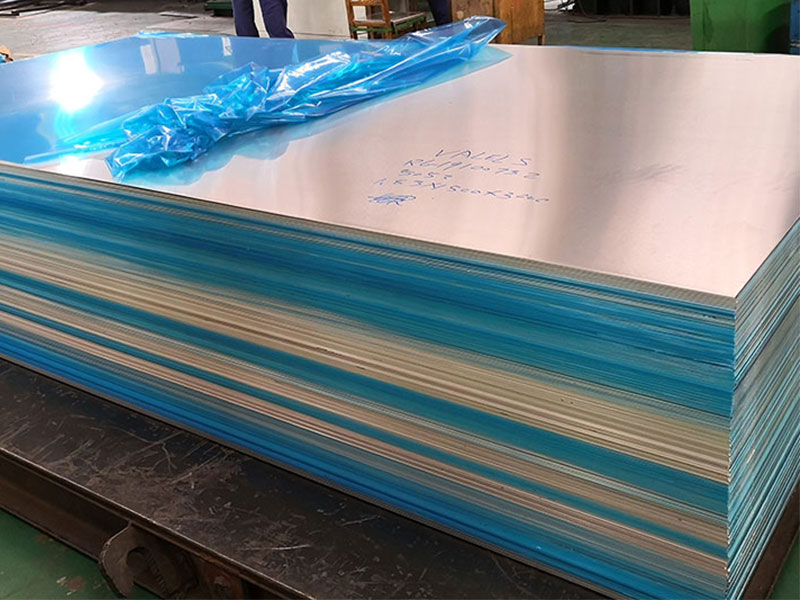
Marine 5059 aluminum sheet
5059 aluminum alloy is a strain-hardened material with a unique addition of magnesium and chromium, which provides outstanding resistance to localized corrosion like pitting and stress corrosion cracking.
View Details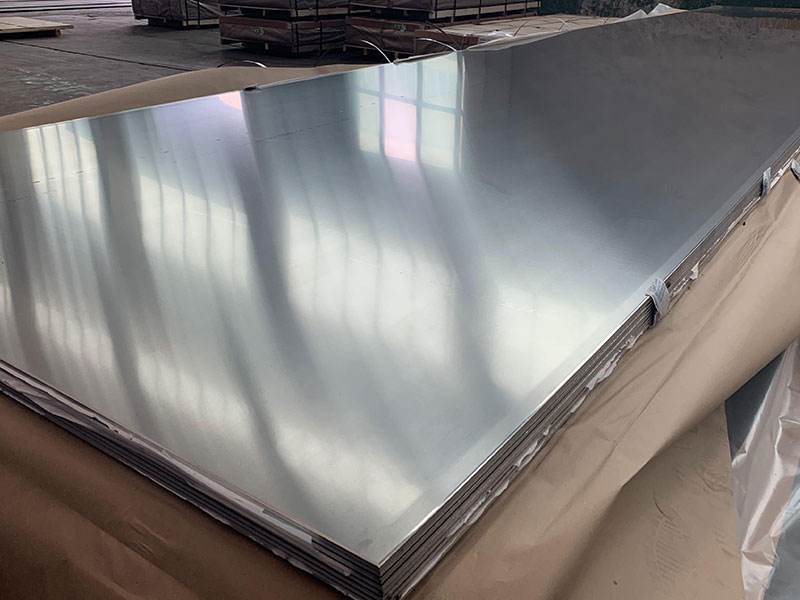
Marine 5086 aluminum sheet
This product article provides an in-depth and comprehensive understanding of Marine 5086 Aluminum Sheets, including their chemical composition, mechanical properties, corrosion resistance, fabrication capabilities, and typical marine applications.
View Details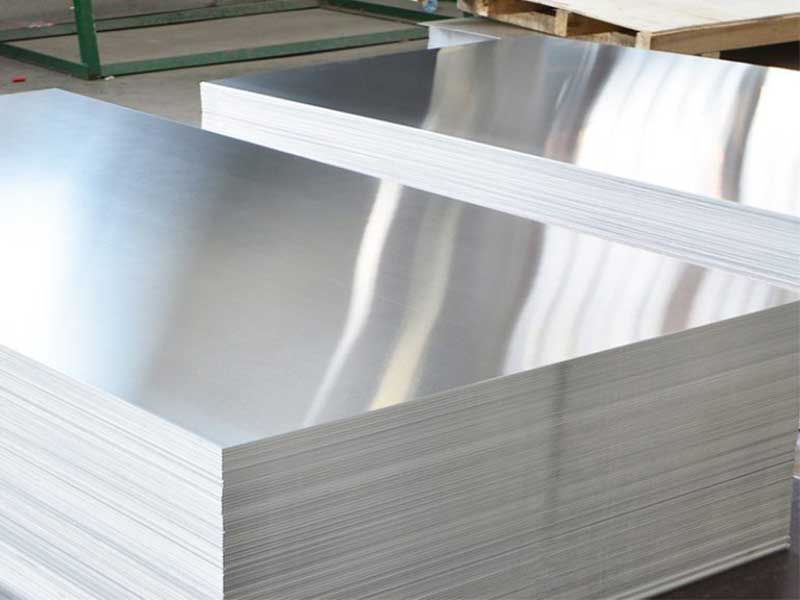
Marine anodized aluminum sheets
Marine Anodized Aluminum Sheets start with premium marine-grade aluminum alloys such as 5000 and 6000 series (typically 5083, 5052, and 6061).
View Details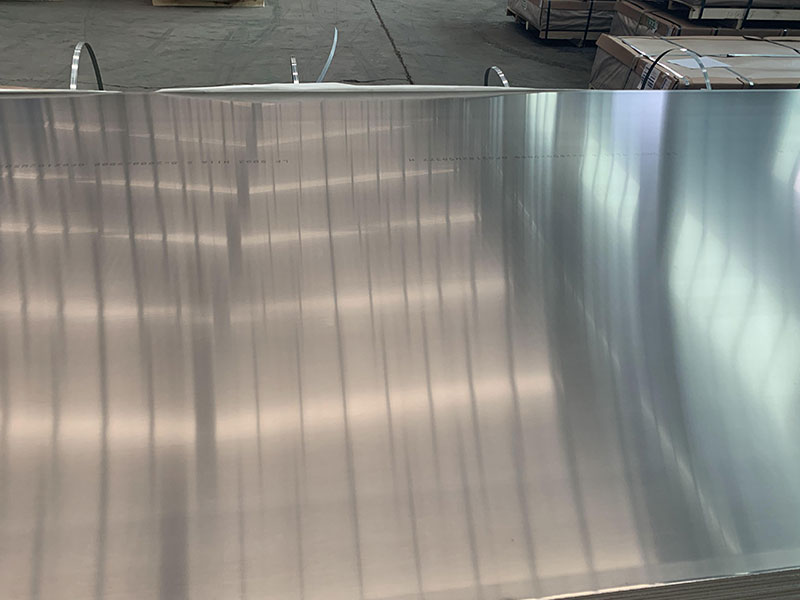
Marine 5383 aluminum sheet
5383 aluminum is a strain-hardened, non-heat-treatable alloy from the 5xxx series primarily alloyed with magnesium. It exhibits a unique balance of corrosion resistance and mechanical properties particularly suited for marine applications.
View Details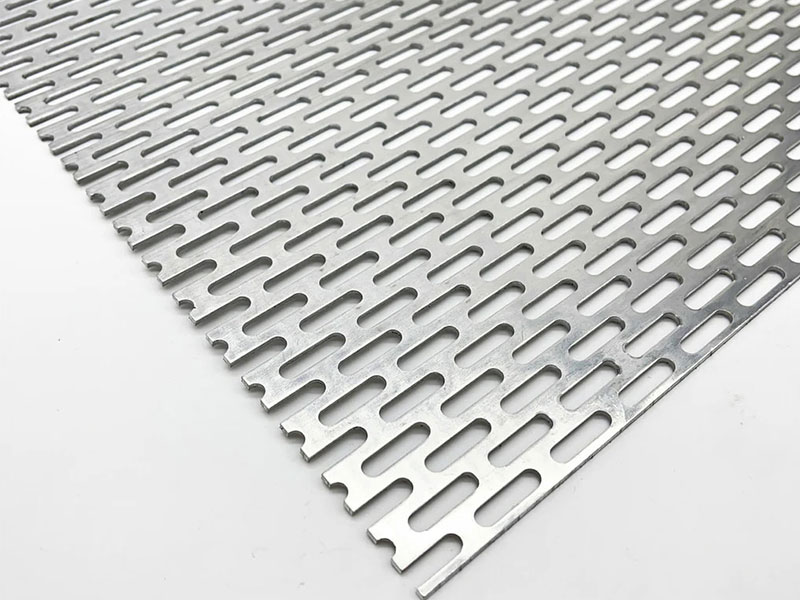
Marine perforated aluminum sheets
Marine Perforated Aluminum Sheets feature a series of uniform holes or shapes punched through the aluminum surface. These perforations can vary in size, pattern, and open area to tailor the sheets for specific applications.
View Details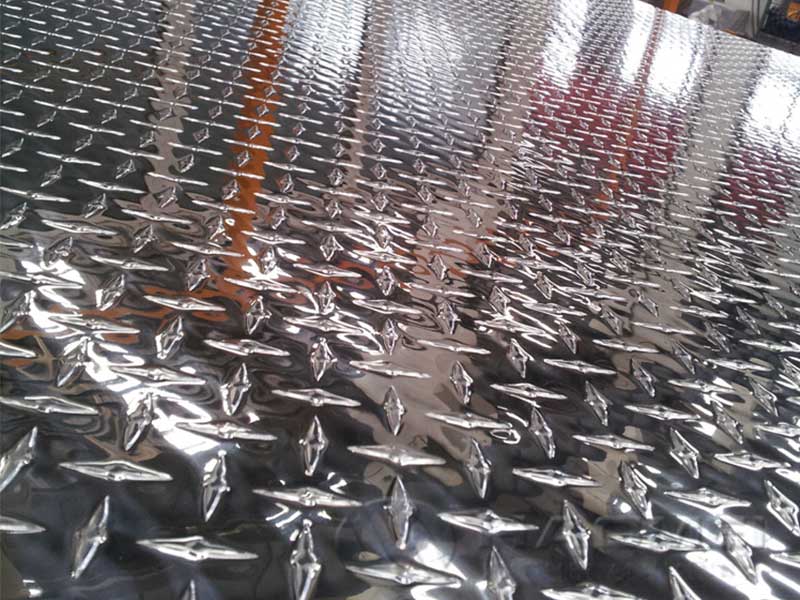
Marine Aluminum Tread Sheets
Marine Aluminum Tread Sheets are aluminum alloy plates featuring a raised surface pattern, commonly referred to as a tread design or diamond plate.
View DetailsRelated Blog
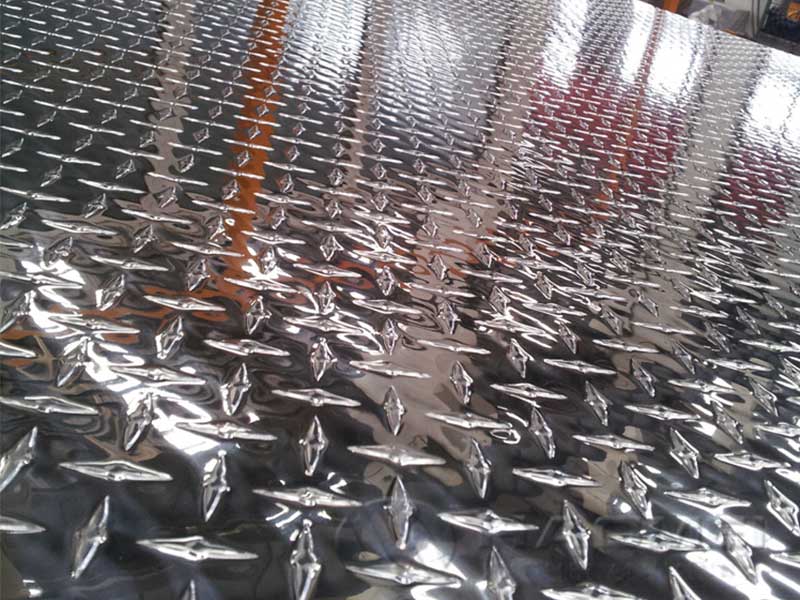
Marin grade aluminum sheet 5052 5mm thick for boat
What is Marine Grade Aluminum 5052?Aluminum 5052 is a non-heat-treatable aluminum-magnesium alloy primarily known for excellent corrosion resistance, high strength among the non-heat treatable grades, and superb weldability.
View Details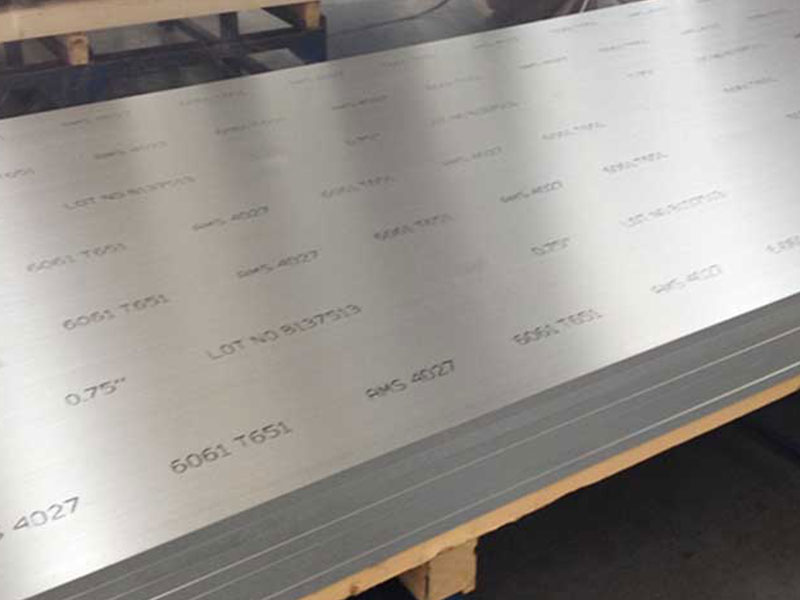
5083 H116 H321 Aluminum sheet for Ship or boat 5083
When it comes to marine applications, having sturdy and corrosion-resistant materials is essential for durability and safety. Aluminum, specifically the alloy grades 5083 in temper states H116 and H321.
View Details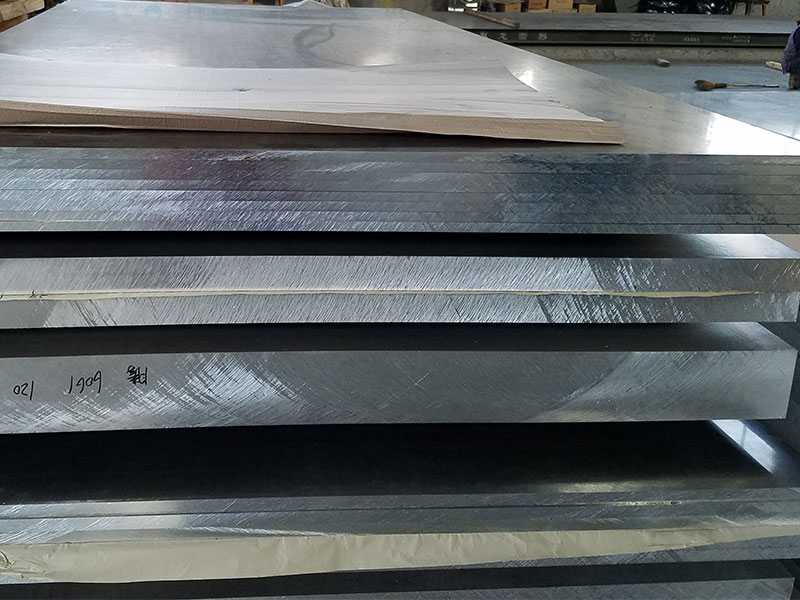
Aluminum marine grade
Marine Grade Aluminum: Capacity, Applications, and Class StandardsIn the vast expanse of the world’s oceans and waterways, the need for robust, resilient materials is manifolds greater than in conventional industries.
View Details
Marine Grade 5052 H112 Aluminum Coil
When it comes to marine construction and equipment, material choice plays a crucial role in determining durability, performance, and safety. Marine Grade 5052 H112 aluminum coil stands out as a superior option specially engineered for marine environments.
View Details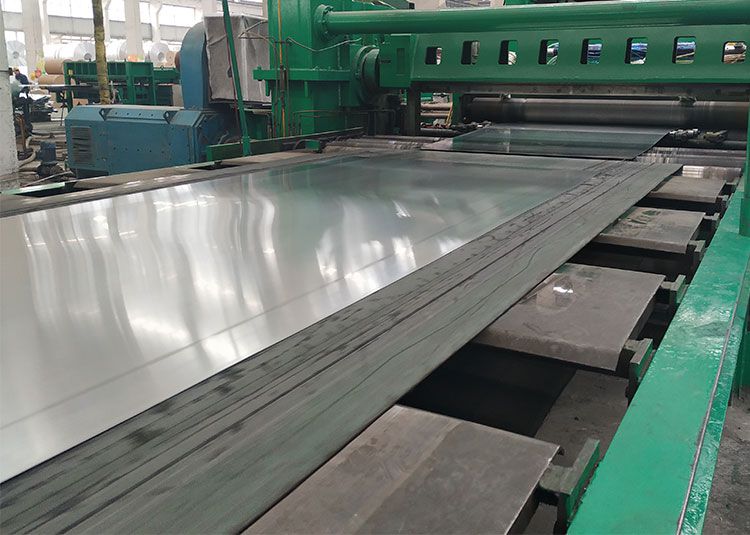
7075 T6 Aluminum Sheet For Boat
When it comes to selecting the ideal material for marine applications, especially boats, durability, corrosion resistance, and strength are non-negotiable. Among various marine-grade aluminum alloys.
View Details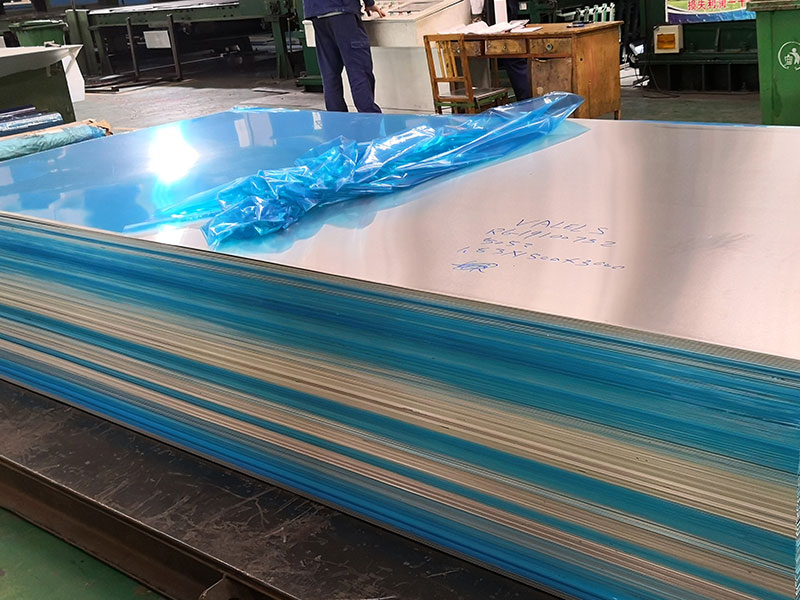
3003 Aluminum sheet for Marine boat construction
Marine boat builders need materials that balance corrosion resistance, formability, weight, and cost-especially for interior structures, cabins, consoles, storage lockers, bulkhead liners, and trim parts.
View Details
Leave a Message