
Boat Marine Aluminium Sheet Building 5083
A boat hull is more than a shell. It is the surface that receives wave impact, carries payload, resists salt spray, and determines how long a vessel remains dependable in service. For this demanding role, 5083 marine aluminium sheet is widely selected by builders of fishing boats, workboats, patrol vessels, ferries, landing craft, and pleasure craft.
The practical value of 5083 lies in its balance. It has high strength among non-heat-treatable aluminum alloys, excellent resistance to seawater corrosion, reliable weldability, and a comparatively low density of about 2.66 g/cm³. This combination allows builders to reduce hull weight while maintaining the rigidity and durability needed for marine operation.
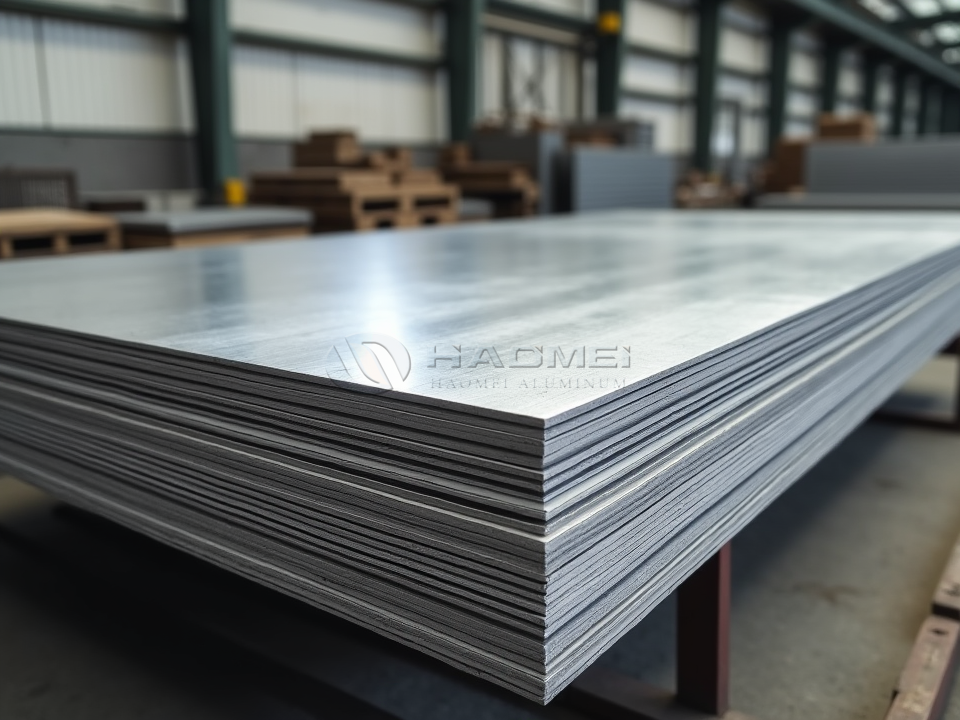
Why 5083 Performs Well in Marine Hull Construction
5083 belongs to the 5xxx aluminum-magnesium alloy family. Magnesium is the principal alloying element, giving the material its strength and corrosion resistance. Small additions of manganese and chromium improve grain structure and help the sheet retain stable properties during fabrication and marine exposure.
Unlike heat-treatable alloys such as 6061, 5083 gains most of its strength through cold working rather than precipitation hardening. This characteristic makes it especially suitable for welded structures. When hull panels, decks, bulkheads, stiffeners, and transverse frames are joined, the heat-affected area naturally loses some work-hardening strength. 5083 remains a sound choice because its post-weld properties are well understood and widely accepted by shipyards and classification societies.
For builders sourcing Marine 5083 aluminum sheet, the primary consideration is not only thickness. Temper, flatness, corrosion-control testing, surface quality, and traceable certification all influence the finished vessel.
Typical Uses on an Aluminum Boat
5083 aluminum sheet and plate can serve in many load-bearing and corrosion-exposed sections of a vessel. Thinner gauges are often used for cabin panels, interior partitions, lockers, and lightweight superstructures. Medium and heavier plate is commonly chosen for hull sides, bottoms, transoms, decks, watertight bulkheads, and engine foundations.
For fast craft, lower weight can improve acceleration, fuel efficiency, and carrying capacity. For commercial workboats, the same lower weight can be invested in heavier equipment, larger fuel reserves, or reinforced operating areas. In both cases, careful structural design remains essential. Aluminum sheet should be selected according to frame spacing, design pressure, vessel speed, impact zones, and class requirements rather than by thickness alone.
Chemical Composition of 5083 Marine Aluminium Sheet
The chemistry of 5083 is controlled to deliver resistance to chloride-rich seawater while retaining fabrication performance. The following table shows commonly specified composition limits in accordance with EN AW-5083 / AA 5083 requirements.
| Element | Content, % by Weight |
|---|---|
| Silicon, Si | 0.40 max |
| Iron, Fe | 0.40 max |
| Copper, Cu | 0.10 max |
| Manganese, Mn | 0.40-1.00 |
| Magnesium, Mg | 4.00-4.90 |
| Chromium, Cr | 0.05-0.25 |
| Zinc, Zn | 0.25 max |
| Titanium, Ti | 0.15 max |
| Other elements, each | 0.05 max |
| Other elements, total | 0.15 max |
| Aluminum, Al | Balance |
Magnesium provides the principal strengthening effect, while manganese and chromium contribute to structural stability. Copper is deliberately restricted because excessive copper can reduce resistance to marine corrosion. This controlled chemistry is one reason 5083 is trusted for long-term exposure above and below the waterline.
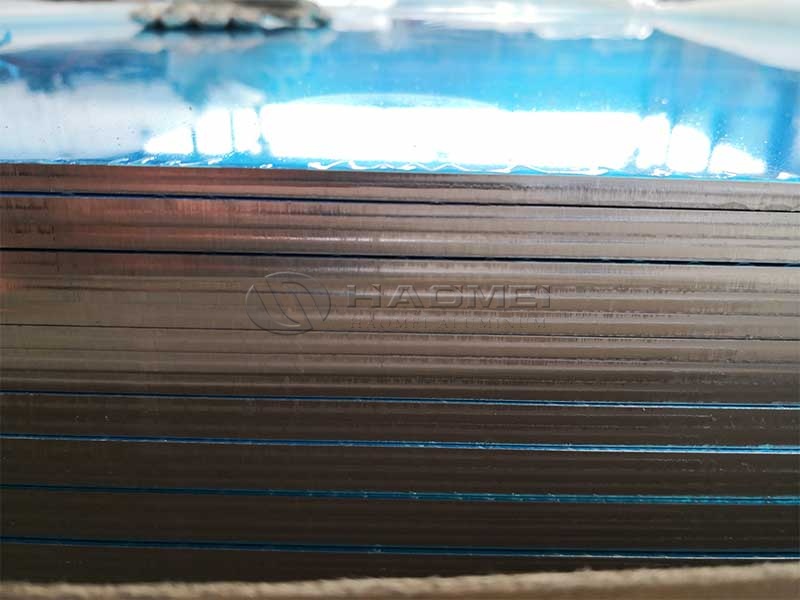
Available Tempers and Their Boatbuilding Roles
Temper selection changes how 5083 behaves during forming, welding, and service. The most frequently requested marine conditions are O, H111, H112, H116, and H321.
| Temper | Condition | Typical Boatbuilding Application |
|---|---|---|
| O | Annealed, soft condition | Curved panels, formed components, complex fabrication |
| H111 | Slightly strain hardened | General marine sheet where formability is needed |
| H112 | Strain hardened from hot working | Structural plate, heavy-duty fabricated parts |
| H116 | Strain hardened and tested for exfoliation corrosion resistance | Hull plating, bottoms, sides, decks, seawater-exposed structures |
| H321 | Strain hardened with stabilization treatment | Marine hulls and structures requiring stable corrosion performance |
H116 and H321 are especially valuable for vessels working in saltwater environments. These tempers are produced and tested with enhanced attention to exfoliation corrosion resistance. Exfoliation corrosion can spread along grain boundaries in susceptible aluminum products, particularly after prolonged marine exposure. Selecting H116 or H321 helps builders manage this risk in plate used for hull plating and major structural components.
Common Parameters for 5083 Marine Sheet and Plate
Supply dimensions vary by mill capability and project requirements, but common commercial parameters include the following:
| Parameter | Common Range |
|---|---|
| Thickness | 1.5 mm to 200 mm |
| Width | 1,000 mm to 2,600 mm |
| Length | 2,000 mm to 12,000 mm or customized |
| Product form | Sheet, plate, cut-to-size panel |
| Surface | Mill finish, protective film on request |
| Density | Approx. 2.66 g/cm³ |
| Melting range | Approx. 574-638°C |
| Weldability | Excellent with suitable filler and process |
For marine hull work, wide plates can reduce the number of weld seams. Fewer seams may lower fabrication time and limit distortion, especially on long side panels and deck sections. However, handling capability, nesting efficiency, and transport limits should also be considered when specifying oversized plate.
Mechanical Performance and Welding Considerations
Mechanical values depend on thickness and temper. In H116 or H321 condition, 5083 generally offers tensile strength in the approximate range of 275-350 MPa, with yield strength commonly around 125-250 MPa. Elongation remains sufficient for many marine fabrication operations, though heavier tempers require larger bend radii than annealed material.
MIG and TIG welding are widely used for 5083 boat fabrication. Common filler wires include 5183, 5356, and 5556, selected according to design requirements, joint configuration, strength expectations, and corrosion behavior. Clean edges, dry consumables, controlled heat input, and correct joint fit-up help prevent porosity and excessive distortion.
Marine builders should avoid direct contact between 5083 and more noble metals such as copper alloys or stainless steel without electrical isolation. In a wet saltwater environment, galvanic corrosion can develop where dissimilar metals are connected. Nonconductive gaskets, sealants, sleeves, and properly designed drainage details protect the aluminum structure.
Standards and Certification for Marine Projects
A 5083 sheet intended for professional boatbuilding should be ordered against relevant material and marine standards. Common references include EN 485 for rolled aluminum sheet and plate, EN 573 for chemical composition, ASTM B928 for high-magnesium marine aluminum plate, and ASTM B209 for aluminum sheet and plate requirements.
For classed vessels, material may also need certification from organizations such as DNV, ABS, Lloyd's Register, Bureau Veritas, or CCS. Documentation can include mill test certificates, chemical analysis, mechanical test results, ultrasonic inspection where specified, and corrosion-test evidence for H116 or H321 tempers.
When selecting materials beyond the hull shell, Marine Grade Aluminum Sheets can provide options for decks, gangways, interior panels, equipment housings, and secondary marine structures.
A Material Choice That Supports the Entire Vessel
5083 marine aluminium sheet is often judged by its strength figures, yet its greater value appears during the full life of a boat. It can be cut efficiently, formed into practical shapes, welded into large structures, repaired in service, and exposed to a hard marine atmosphere with confidence. With the correct temper, thickness, welding plan, and certified quality control, 5083 becomes a dependable foundation for aluminum vessels built to work, travel, and endure.

Related Products
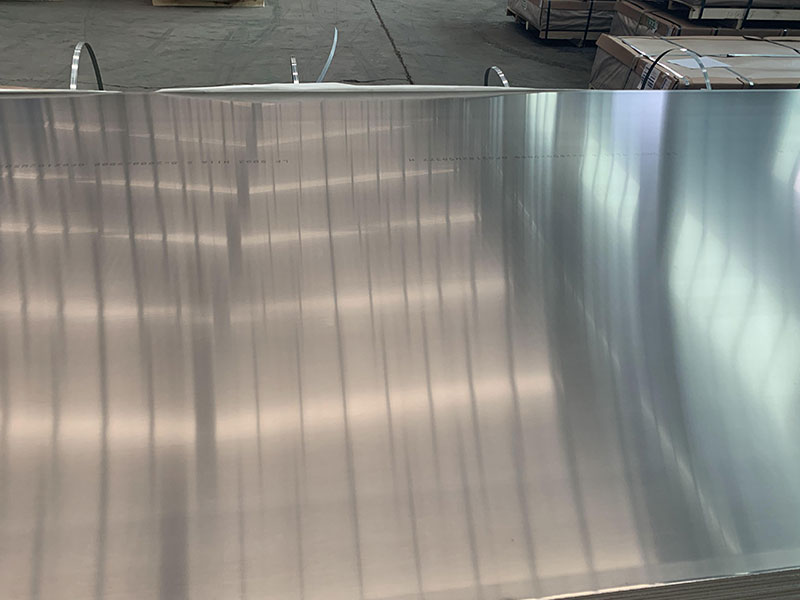
Marine 5383 aluminum sheet
5383 aluminum is a strain-hardened, non-heat-treatable alloy from the 5xxx series primarily alloyed with magnesium. It exhibits a unique balance of corrosion resistance and mechanical properties particularly suited for marine applications.
View Details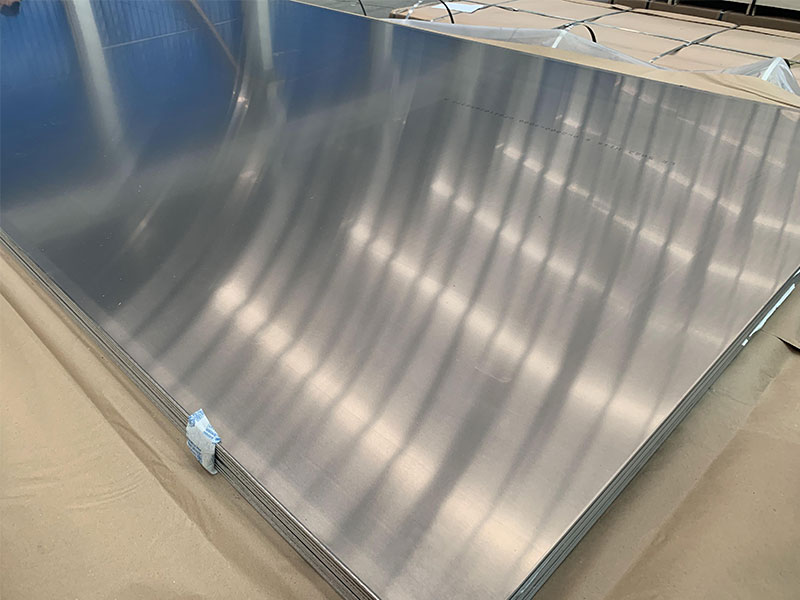
Marine 5052 aluminum sheet
Aluminum alloy 5052 is a non-heat-treatable, strain-hardened alloy with magnesium as the primary alloying element. It is designed to offer superior corrosion resistance in marine and saline environments, making it a dependable choice for components exposed directly to seawater or coastal atmospheric conditions.
View Details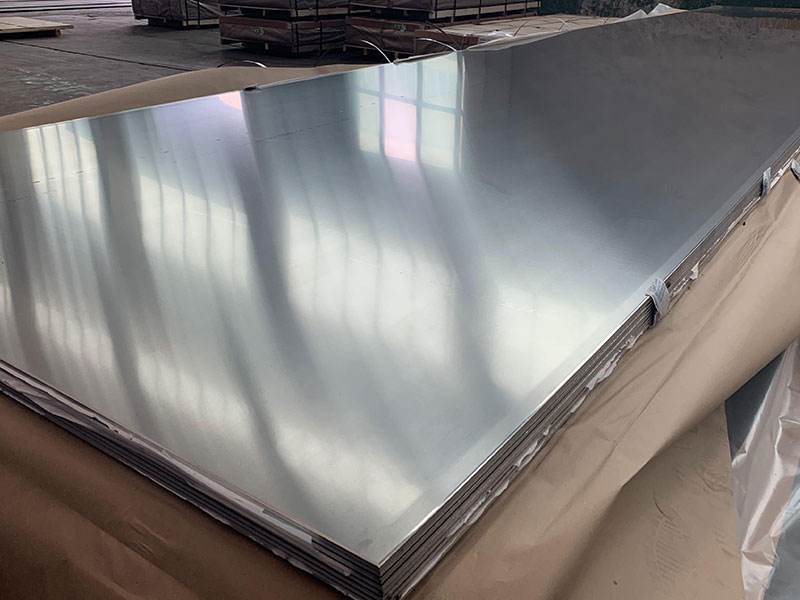
Marine 5086 aluminum sheet
This product article provides an in-depth and comprehensive understanding of Marine 5086 Aluminum Sheets, including their chemical composition, mechanical properties, corrosion resistance, fabrication capabilities, and typical marine applications.
View Details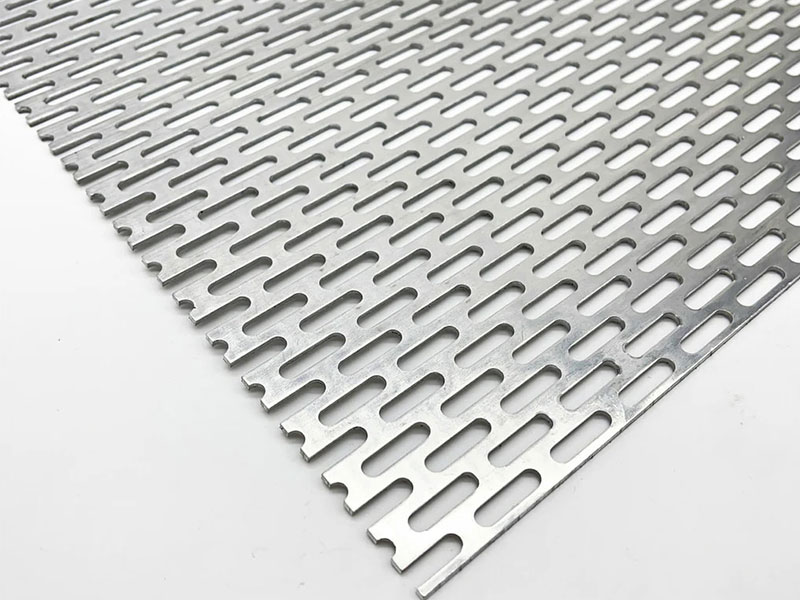
Marine perforated aluminum sheets
Marine Perforated Aluminum Sheets feature a series of uniform holes or shapes punched through the aluminum surface. These perforations can vary in size, pattern, and open area to tailor the sheets for specific applications.
View Details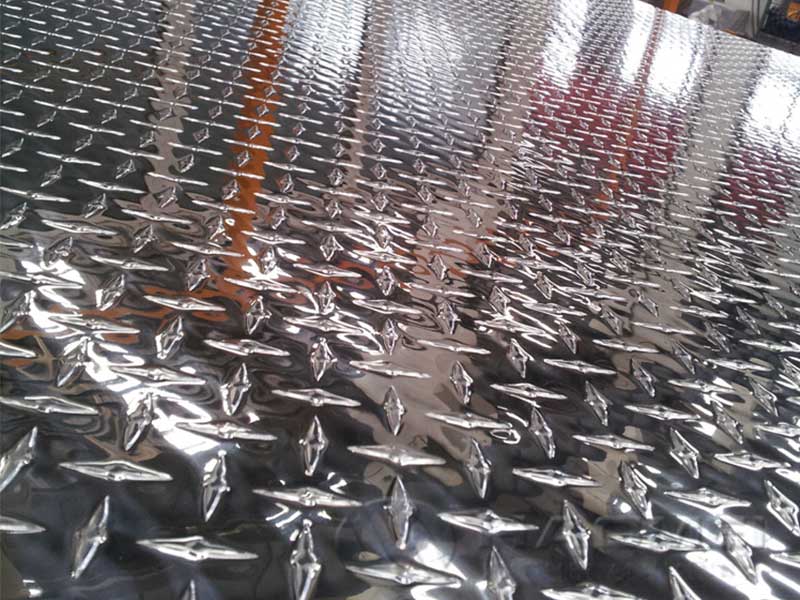
Marine Aluminum Tread Sheets
Marine Aluminum Tread Sheets are aluminum alloy plates featuring a raised surface pattern, commonly referred to as a tread design or diamond plate.
View Details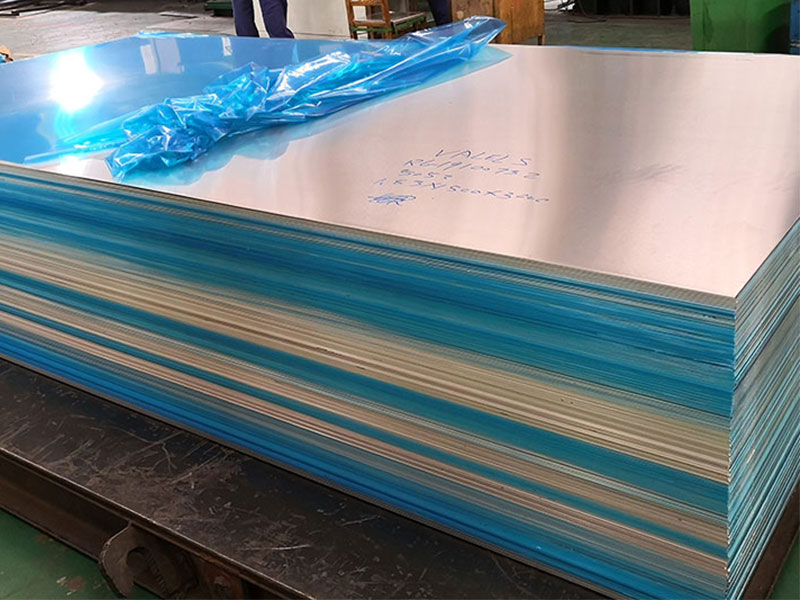
Marine 5059 aluminum sheet
5059 aluminum alloy is a strain-hardened material with a unique addition of magnesium and chromium, which provides outstanding resistance to localized corrosion like pitting and stress corrosion cracking.
View DetailsRelated Blog
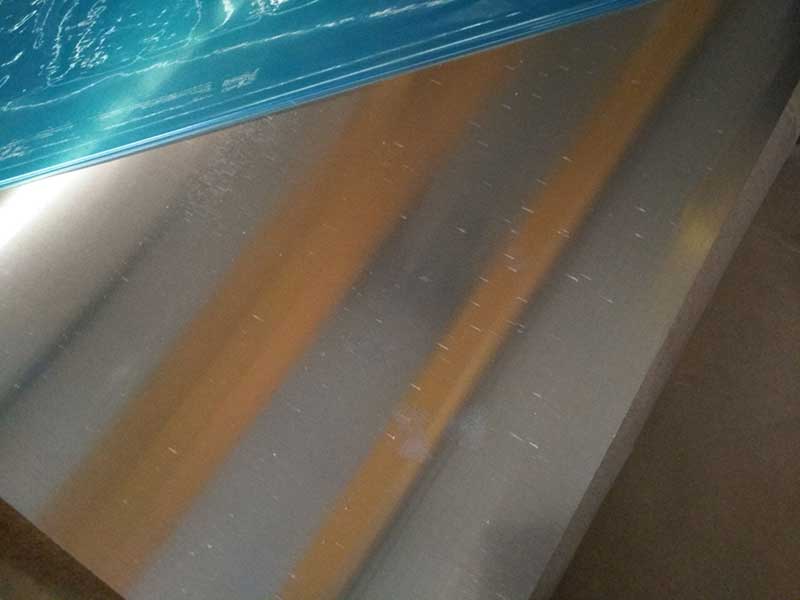
Aluminium sheet for ship building
Aluminium sheet for ship building is engineered to deliver a rare combination of light weight, corrosion resistance, high specific strength, and excellent fabricability in harsh marine environments.
View Details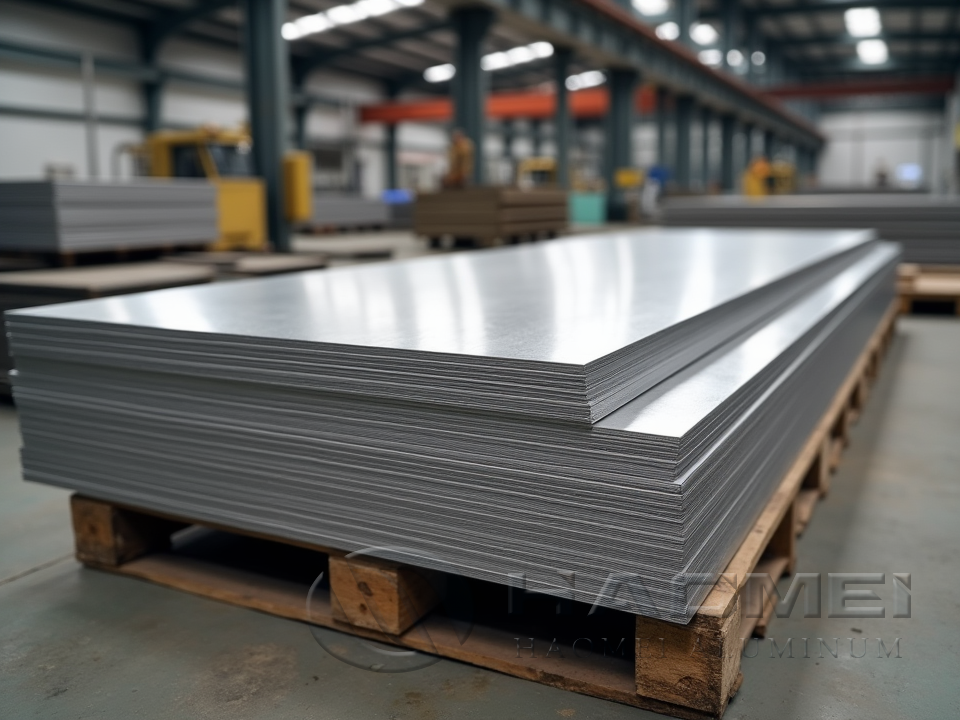
Marine Aluminum Steel Clad Plate
Marine aluminum steel clad plate joins aluminum superstructures to steel hulls with strong bonding, corrosion control, weldable layers, and approved marine grades.
View Details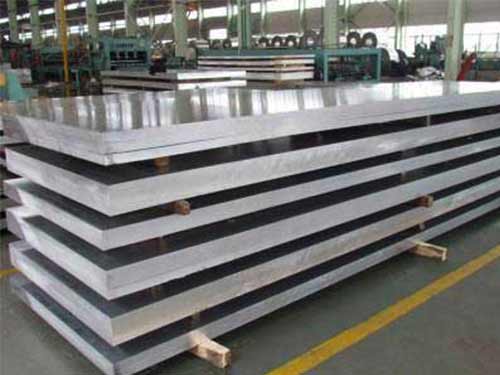
Marine 5083 Aluminum Sheet
Marine 5083 aluminum sheet delivers strong, weldable, seawater-resistant performance for hulls, decks, tanks, and offshore structures.
View Details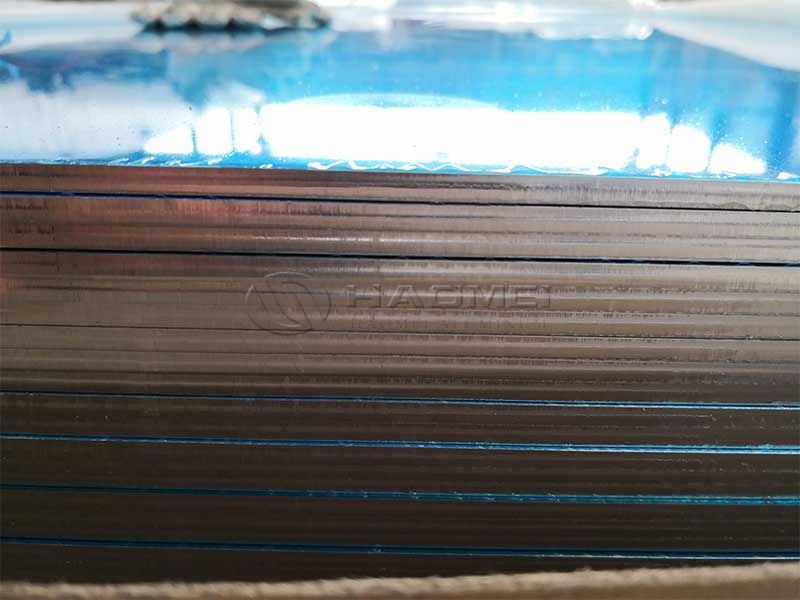
Marine Grade Aluminum 5052 5083 6063 H111 H22 H32 H36 Plate
Marine aluminum 5052, 5083, and 6063 plates in H111, H22, H32, and H36 tempers for hulls, decks, cabins, tanks, and fittings.
View Details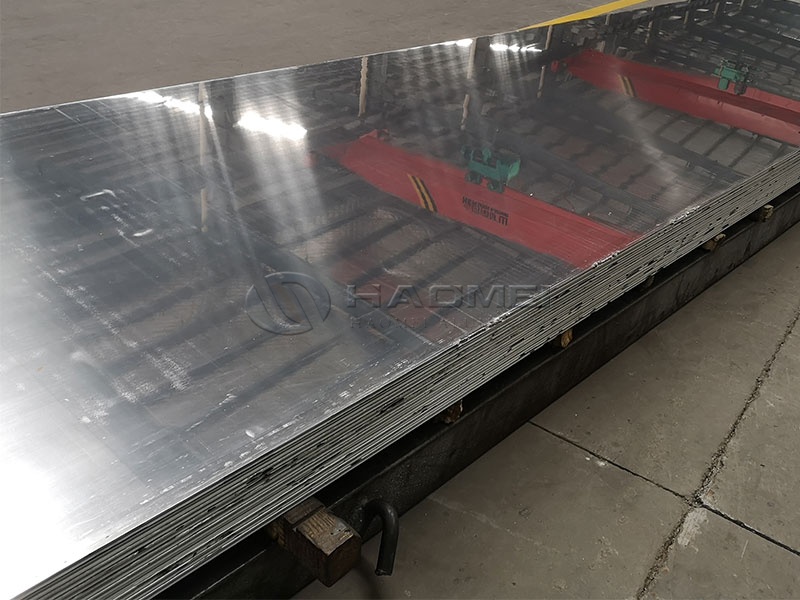
Marine Grade 5052 O-H112 Aluminum Plate
Marine Grade 5052 O-H112 aluminum plate offers excellent saltwater corrosion resistance, formability, welding performance, and reliable marine service.
View Details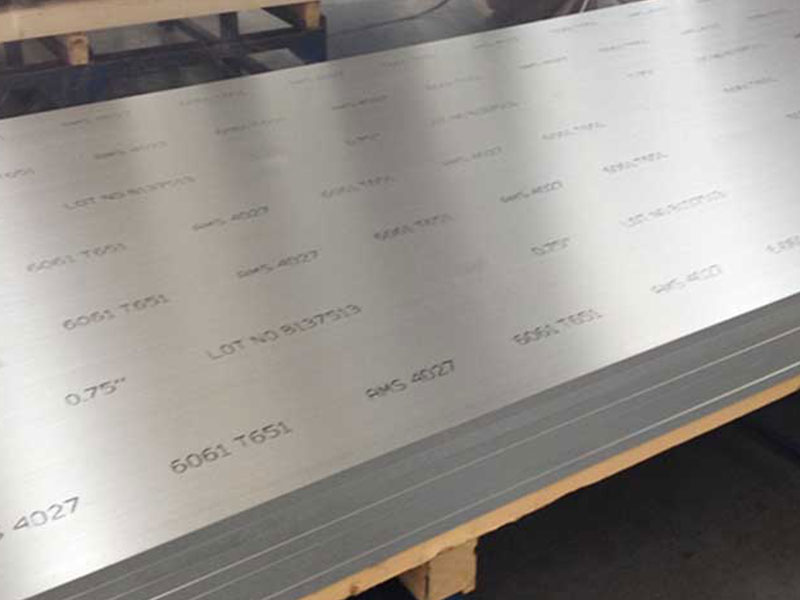
AntiCorrosion 5083 Aluminum Sheet for Marine
Superior corrosion resistance and high strength of AntiCorrosion 5083 Aluminum Sheets, specifically designed for marine applications. Learn detailed specifications, alloy tempering, mechanical properties, and implementation standards in this comprehensive
View Details
Leave a Message