
6061 Marine Perforated Aluminum Sheets
A boat does not treat a metal sheet as a flat object. It treats it as a walking surface, a splash zone, a vent, a guard, a sound path, a drainage route, and sometimes the only barrier between a crew member and moving equipment. That is why 6061 Marine perforated aluminum sheets deserve to be viewed less like ordinary panels and more like working pieces of the vessel.
6061 is often chosen when a marine part needs a balance of strength, machinability, clean appearance, and reasonable corrosion resistance. Add perforation, and the sheet gains another dimension: it can move air, release water, reduce weight, filter debris, soften glare, and create grip depending on the hole design. For customers, the real question is not only whether 6061 is suitable, but how the perforated sheet will behave after months of spray, vibration, foot traffic, cleaning chemicals, and sun.
Why 6061 Feels Different on a Vessel
6061 aluminum belongs to the aluminum-magnesium-silicon family. In T6 temper, it offers good strength for brackets, covers, walkways, ventilation panels, cabinet inserts, engine room guards, and instrument enclosures. It machines cleanly, drills well, cuts accurately, and accepts many finishes. These qualities make it attractive for marine fabricators who need tight holes, smooth edges, and repeatable panel sizes.
Compared with softer marine alloys, 6061 can feel more rigid in service. That stiffness matters on perforated sheets because holes remove material. A panel with high open area may look light and elegant, but it can flex if the thickness, hole pitch, and support spacing are not matched properly. A good 6061 perforated panel should not rattle, oil-can, or deform around fasteners.
At the same time, 6061 is not the most corrosion-resistant aluminum alloy for continuous saltwater exposure. For hull plating and heavily immersed structures, many buyers compare it with 5xxx alloys. If a project demands high resistance in aggressive saltwater, Marine 5083 aluminum sheet may be a better reference point. For ventilated, elevated, coated, or interior marine components, 6061 remains a practical and widely used option.
The Hole Pattern Is the Hidden Design Language
Perforation is not decoration first. It is performance first. Round holes in staggered rows are common because they distribute stress well and allow predictable open area. Square holes create a sharper visual style and good airflow, but corners can concentrate stress. Slotted holes drain water quickly and work well for equipment covers or step inserts, yet orientation matters. A slot running the wrong way can collect grime or weaken the panel across the wrong direction.
Open area is one of the most important details. A low open area gives more stiffness and impact resistance. A high open area increases airflow, drainage, and weight reduction, but it also lowers load capacity. For walkable panels, buyers should avoid choosing a pattern only by appearance. Foot feel, footwear size, slip behavior, and cleaning method all matter.
Hole diameter also affects marine use. Very small holes can clog with salt crystals, dust, fish scales, wood chips, or coating buildup. Very large holes can create safety issues around fingers, tools, or moving parts. The best pattern often comes from asking what the sheet must stop, what it must let through, and how often it will be washed.
If your project is still comparing alloy, thickness, and hole layout, Marine perforated aluminum sheets can be specified around airflow, drainage, screening, or weight-saving goals rather than appearance alone.
Saltwater Does Not Forgive Small Details
Many failures in marine aluminum panels begin at the edges, holes, and fastener points. Perforated sheet has more edge length than solid sheet, so finishing becomes more important. A cleanly punched or laser-cut panel should be deburred to remove sharp rims. Burrs hold moisture, damage coatings, and create handling risks.
For 6061 used near salt spray, surface protection is strongly recommended. Anodizing improves surface hardness and corrosion behavior while keeping a metallic look. Powder coating adds color and thicker barrier protection, but coating quality around holes must be controlled. Chemical conversion coating can be useful as a pretreatment or for parts that need electrical conductivity.
Galvanic corrosion is another issue customers should not ignore. When aluminum contacts stainless steel, carbon steel, copper alloys, or wet carbon fiber, corrosion can accelerate. Nylon washers, isolation tape, compatible sealants, and well-designed drainage paths help protect the panel. A beautiful perforated sheet can fail early if seawater sits behind it with no escape route.
Where 6061 Perforated Sheets Work Well
6061 Marine perforated aluminum sheets are often found in engine room ventilation covers, intake screens, storage locker panels, ceiling and wall liners, speaker grilles, battery box covers, pump guards, access panels, boarding platforms, and non-critical deck inserts. They are also useful in marine furniture, yacht interiors, control cabinets, dock accessories, and protective covers for lighting or electronic equipment.
For passenger areas, appearance matters. 6061 can be brushed, anodized, painted, or powder coated to match the vessel design. For workboats, function may matter more than finish, so thicker panels with moderate open area and strong edge framing are common. In both cases, the sheet should be specified with service conditions in mind, not only by alloy name.
Fabrication Notes Customers Often Miss
Perforated 6061-T6 can be cut and machined with good accuracy, but bending requires planning. Holes near a bend line can distort, elongate, or crack the surrounding metal if the bend radius is too tight. When formed parts are needed, it is better to discuss bend direction, hole spacing, unperforated margins, and final temper before production.
Welding 6061 is possible, but welded areas lose some T6 strength unless post-weld heat treatment is applied, which is not always practical. For many perforated panels, mechanical fastening, framing, riveting, or bolted assemblies are preferred. If welding is required, the design should avoid placing welds in highly perforated zones where heat and reduced cross-section can combine poorly.
Flatness is another practical detail. Perforation releases stress in the sheet, and large panels can show slight waviness. This may be acceptable for vents or guards but less acceptable for decorative yacht interiors. Customers should state flatness expectations clearly, especially for wide panels, thin gauges, or high open-area patterns.
How to Specify Without Overcomplicating the Order
A clear request should include alloy and temper, sheet thickness, hole shape, hole diameter or slot size, pitch, open area if known, sheet size, margin requirements, surface finish, tolerance expectations, and intended use. For example, a ventilation grille for an engine room needs different priorities than a step panel exposed to wet shoes.
Customers should also mention whether the panel will be anodized, powder coated, bent, welded, framed, or used with stainless fasteners. These details affect hole quality, edge preparation, and packing. Marine sheets travel through cutting, finishing, handling, transport, and installation; scratches and dents can matter long before the boat leaves the dock.
A small sample can reveal a lot. Hold it at an angle to check glare. Rub a cloth over the holes to feel burrs. Spray water across it to see drainage. Step on it if it is meant for foot traffic. Place the intended fastener through a hole or margin. Simple tests often expose problems that drawings do not show.
A Practical Way to Think About 6061
The best use of 6061 Marine perforated aluminum sheets is not as a universal marine answer, but as a smart solution for parts that need strength, accuracy, airflow, manageable weight, and a clean finish. When the environment is severe, surface protection and isolation are not optional. When the panel is structural or walkable, thickness and support spacing deserve as much attention as the alloy.
For customers, the safest buying mindset is to picture the sheet after installation: wet, vibrating, touched by hands, cleaned with brushes, warmed by the sun, and fastened beside other metals. If the selected 6061 perforated sheet still makes sense in that real scene, it is likely a strong match for the job.

Related Products
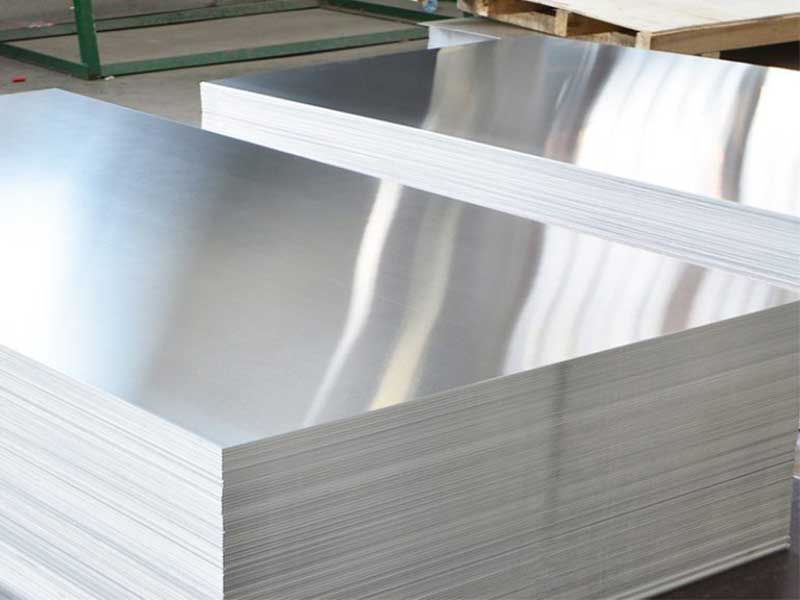
Marine anodized aluminum sheets
Marine Anodized Aluminum Sheets start with premium marine-grade aluminum alloys such as 5000 and 6000 series (typically 5083, 5052, and 6061).
View Details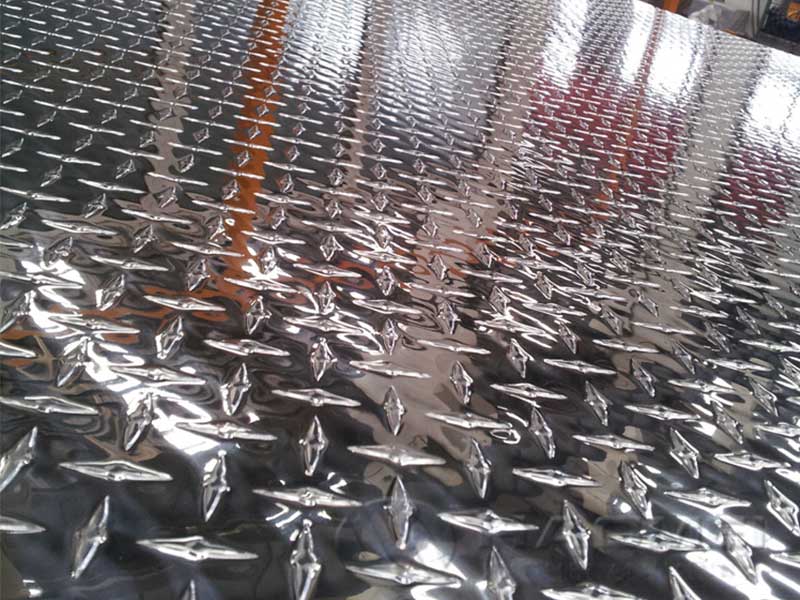
Marine Aluminum Tread Sheets
Marine Aluminum Tread Sheets are aluminum alloy plates featuring a raised surface pattern, commonly referred to as a tread design or diamond plate.
View Details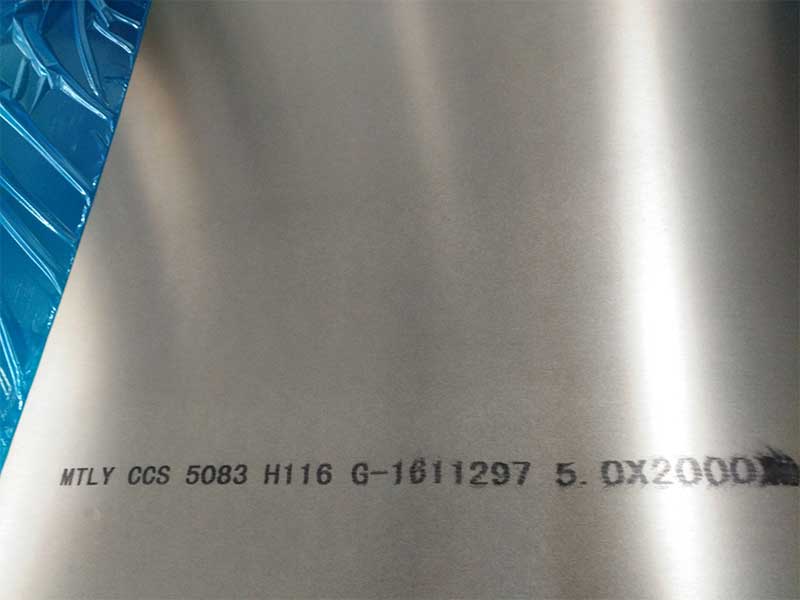
Marine 5083 aluminum sheet
Aluminum alloy 5083 is a non-heat-treatable alloy primarily composed of magnesium and trace elements that deliver outstanding protection against corrosion, particularly in seawater and saline atmospheres.
View Details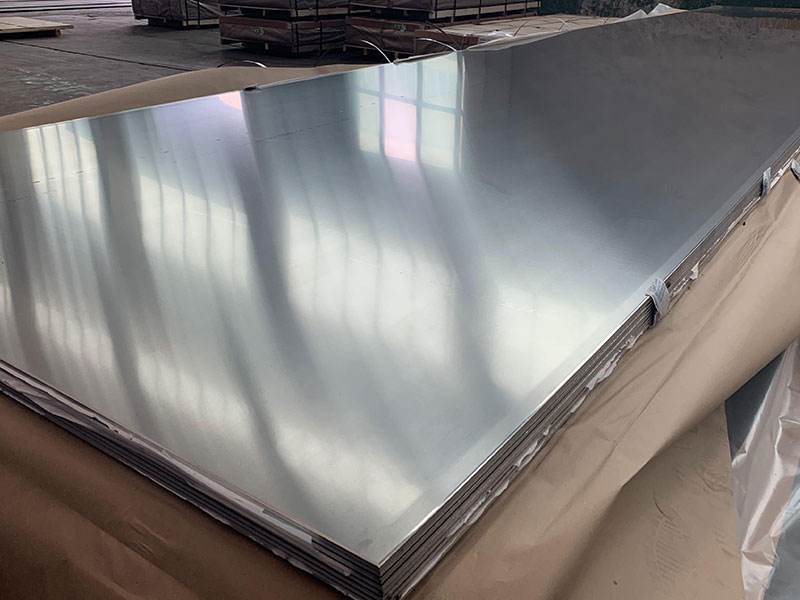
Marine 5086 aluminum sheet
This product article provides an in-depth and comprehensive understanding of Marine 5086 Aluminum Sheets, including their chemical composition, mechanical properties, corrosion resistance, fabrication capabilities, and typical marine applications.
View Details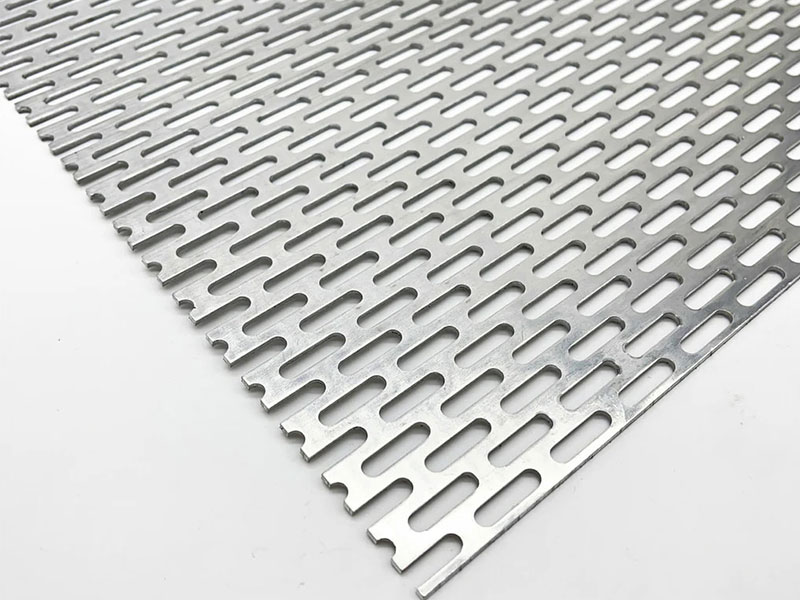
Marine perforated aluminum sheets
Marine Perforated Aluminum Sheets feature a series of uniform holes or shapes punched through the aluminum surface. These perforations can vary in size, pattern, and open area to tailor the sheets for specific applications.
View Details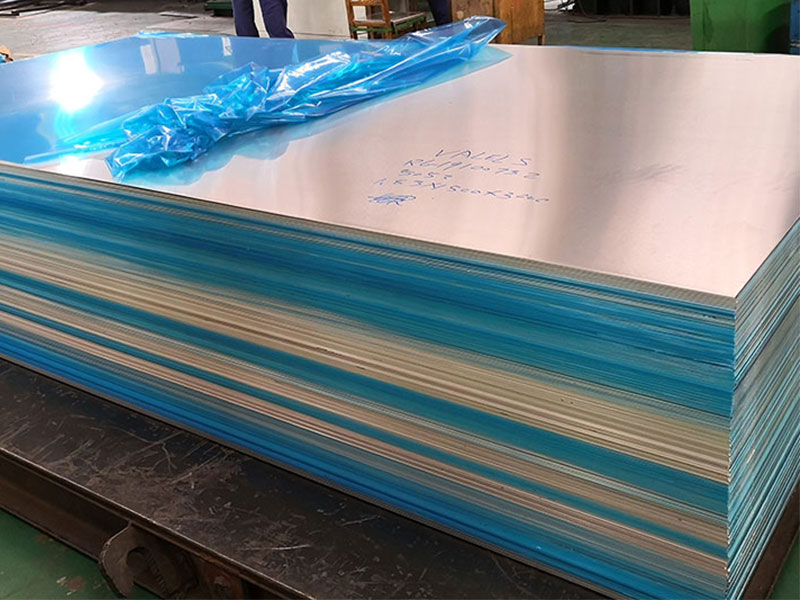
Marine 5059 aluminum sheet
5059 aluminum alloy is a strain-hardened material with a unique addition of magnesium and chromium, which provides outstanding resistance to localized corrosion like pitting and stress corrosion cracking.
View DetailsRelated Blog
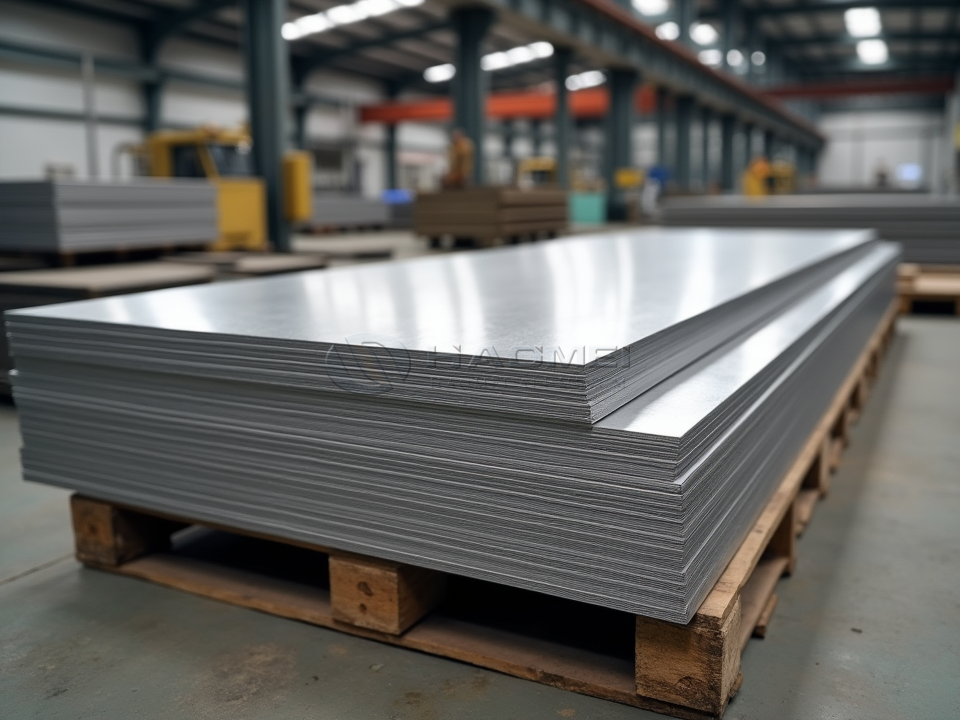
5383 Marine Aluminum Sheet
5383 marine aluminum sheet offers high strength, seawater corrosion resistance, weldability, and long service life for hulls and offshore structures.
View Details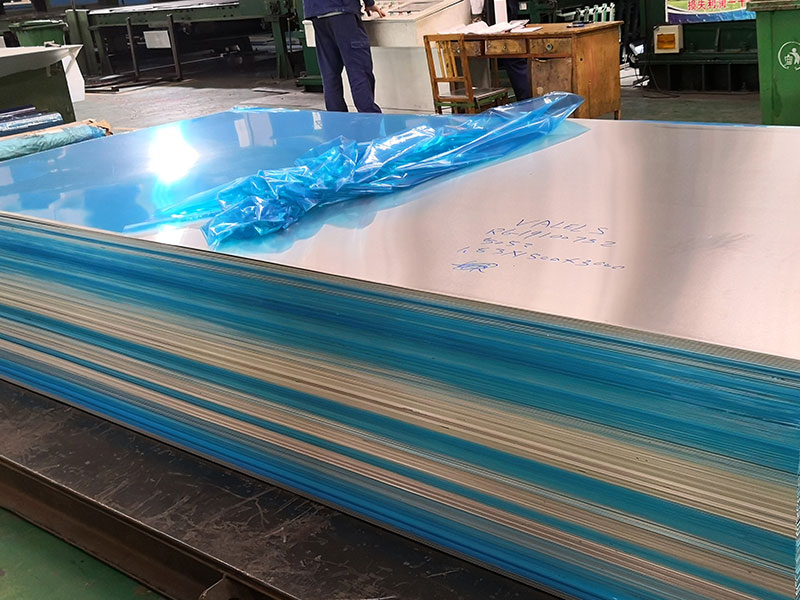
3003 Aluminum sheet for Marine boat construction
Marine boat builders need materials that balance corrosion resistance, formability, weight, and cost-especially for interior structures, cabins, consoles, storage lockers, bulkhead liners, and trim parts.
View Details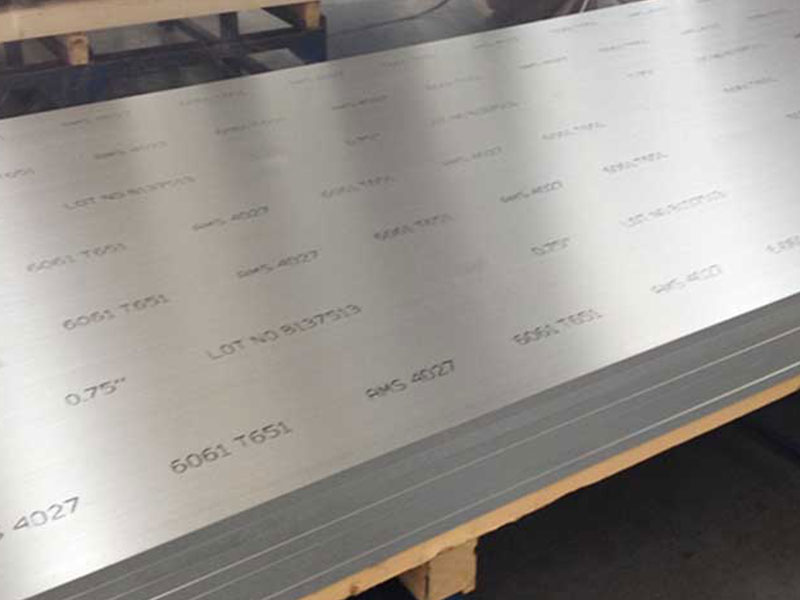
AntiCorrosion 5083 Aluminum Sheet for Marine
Superior corrosion resistance and high strength of AntiCorrosion 5083 Aluminum Sheets, specifically designed for marine applications. Learn detailed specifications, alloy tempering, mechanical properties, and implementation standards in this comprehensive
View Details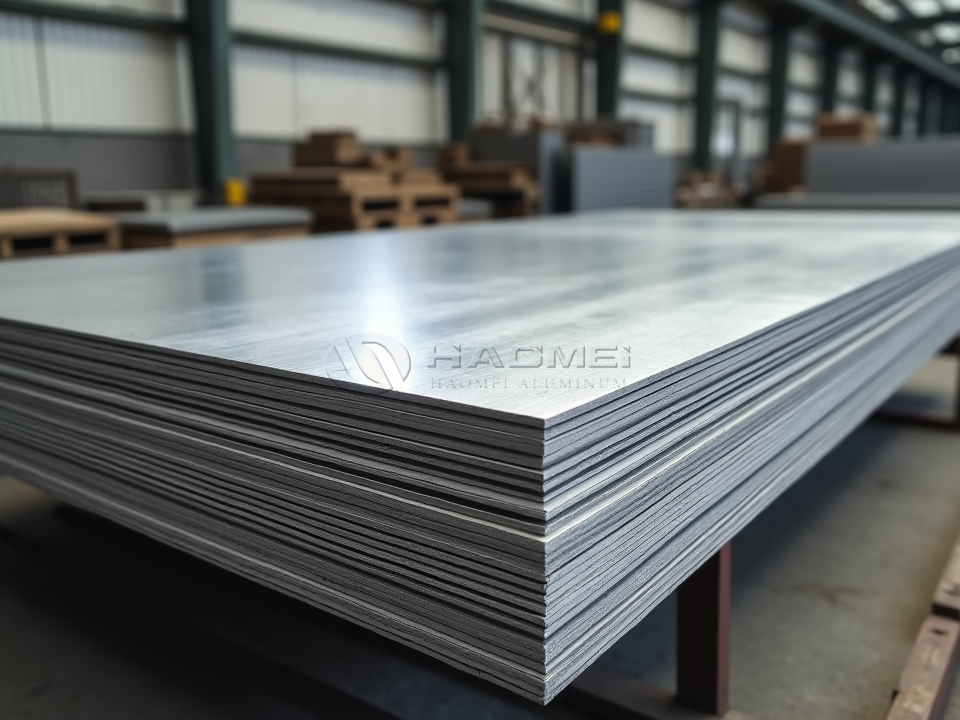
5083 Marine Perforated Aluminum Sheets
5083 marine perforated aluminum sheets bring seawater resistance, strength, drainage, airflow, and custom hole patterns to boat structures.
View Details
Aluminum sheet 5754 O H111 H112 Marine Grade
Aluminum sheet 5754 O H111 H112 is a high-performance marine-grade aluminum alloy widely used in the marine industry. Renowned for its excellent corrosion resistance and mechanical properties.
View Details
Marine 5059 Aluminum Plate
Marine 5059 aluminum plate offers high strength, seawater corrosion resistance, weldability, and certified performance for hulls and naval structures.
View Details
Leave a Message