
5083 Marine Perforated Aluminum Sheets
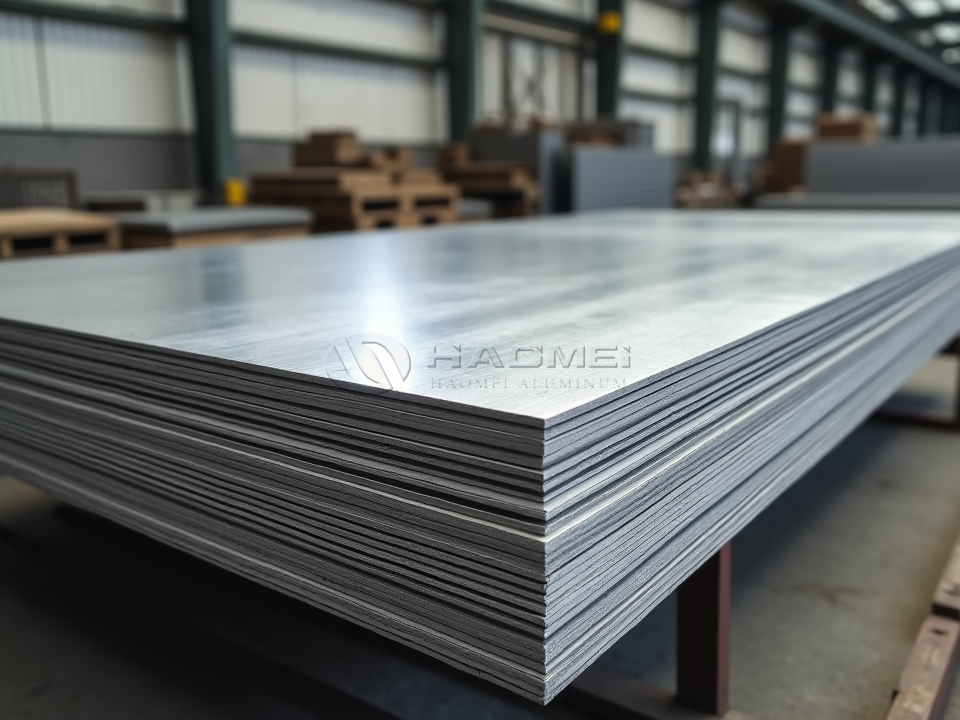
A boat is never still. Even at the dock, salt spray, vibration, humidity, sunlight, and footsteps keep working on every surface. This is where 5083 marine perforated aluminum sheets show their value. They are not simply aluminum sheets with holes. They are engineered panels that reduce weight, move air, drain water, filter light, and still keep the toughness expected from marine-grade 5xxx aluminum.
For customers selecting material for decks, engine room covers, ventilation guards, stair treads, partitions, fishery equipment, offshore platforms, and yacht interiors, 5083 perforated sheet offers a practical balance: high corrosion resistance, good weldability, excellent strength after forming, and reliable performance in seawater environments.
Why 5083 Works So Well After Perforation
Perforation changes the sheet. It removes metal, creates edges, changes stiffness, and affects how the panel responds to bending or vibration. Not every aluminum alloy performs well after this process. 5083 does, because its aluminum-magnesium composition gives it high strength without heat treatment and strong resistance to marine corrosion.
Compared with softer decorative grades, 5083 keeps better mechanical integrity after punching, especially when hole spacing, margin width, and sheet thickness are correctly designed. Compared with carbon steel, it avoids heavy rust maintenance and reduces structural weight. Compared with many stainless steels, it is lighter and easier to fabricate for large panels.
In marine use, perforated 5083 sheet often acts like a breathing skin. It can cover machinery without trapping heat, form anti-slip walkways without holding standing water, and protect openings without blocking airflow. For broader material planning, many buyers also compare it with Marine 5083 aluminum sheet when deciding between solid and perforated layouts.
Common Product Parameters
The actual specification depends on vessel type, location of use, and loading conditions. A decorative cabin grille does not need the same thickness as an offshore working platform. Still, the following ranges are commonly requested for 5083 marine perforated aluminum sheets.
| Parameter | Common Range or Option |
|---|---|
| Alloy | 5083 aluminum-magnesium alloy |
| Temper | O, H111, H112, H116, H321 |
| Thickness | 1.0 mm to 12.0 mm, thicker plates available for heavy-duty use |
| Width | 500 mm to 2000 mm, custom widths on request |
| Length | 1000 mm to 6000 mm, cut-to-size panels available |
| Hole shape | Round, square, slotted, hexagonal, decorative patterns |
| Round hole diameter | 1.0 mm to 50 mm, depending on thickness |
| Open area | About 10% to 60%, subject to strength needs |
| Surface | Mill finish, brushed, anodized, coated, film protected |
| Edge condition | Sheared, deburred, leveled, framed, or welded into assemblies |
A useful rule is to keep the hole diameter no smaller than the sheet thickness for easier punching and cleaner edges. For severe-duty deck panels, designers usually choose lower open area and wider bridge spacing. For ventilation panels, a higher open area is preferred, but vibration behavior should still be checked.
Temper Selection in Real Marine Work
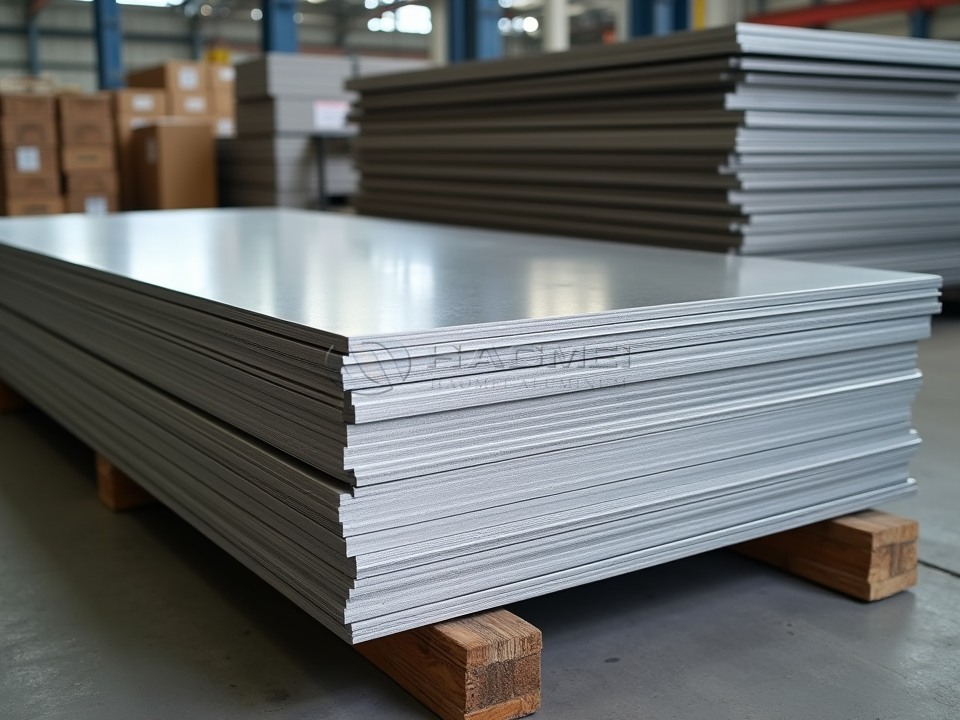
5083 is a non-heat-treatable alloy, so its temper is controlled mainly by strain hardening and stabilization. Temper choice has a direct effect on formability, stiffness, and resistance to exfoliation or stress corrosion.
| Temper | Practical Meaning | Typical Marine Use |
|---|---|---|
| O | Annealed, softest condition, highest formability | Curved interior panels, formed guards, low-stress covers |
| H111 | Slightly strain hardened, good forming and moderate strength | General marine sheet parts and perforated panels |
| H112 | Strain hardened from fabrication process, stable for plate use | Structural plate, welded components, equipment bases |
| H116 | Special marine temper with improved corrosion resistance | Hull-related parts, decks, splash zones, offshore structures |
| H321 | Strain hardened and stabilized, strong resistance for marine exposure | Boat hulls, workboat panels, demanding saltwater service |
For perforated products, H111 and H112 are often selected when forming, rolling, or secondary bending is required. H116 and H321 are favored where saltwater corrosion resistance and higher service confidence are more important. O temper is helpful when the panel must be deeply shaped after perforation, although its lower strength must be considered.
Chemical Composition of 5083 Aluminum
The marine performance of 5083 comes from magnesium as the main alloying element, supported by manganese and chromium. These elements improve strength and corrosion resistance while keeping the alloy weldable.
| Element | Chemical Composition, % |
|---|---|
| Aluminum, Al | Balance |
| Magnesium, Mg | 4.0 to 4.9 |
| Manganese, Mn | 0.40 to 1.0 |
| Chromium, Cr | 0.05 to 0.25 |
| Iron, Fe | 0.40 max |
| Silicon, Si | 0.40 max |
| Zinc, Zn | 0.25 max |
| Titanium, Ti | 0.15 max |
| Copper, Cu | 0.10 max |
| Other elements, each | 0.05 max |
| Other elements, total | 0.15 max |
This low copper content is important. Copper can improve strength in some aluminum families, but in seawater it may reduce corrosion resistance. 5083 avoids that weakness and is widely trusted in saltwater structures.
Standards and Acceptance Conditions
Marine aluminum is not judged by appearance alone. Buyers usually require documented compliance with recognized standards, especially for shipbuilding, offshore projects, and export orders.
| Standard | Scope of Use |
|---|---|
| ASTM B209 | Aluminum and aluminum-alloy sheet and plate requirements |
| EN 485 | European standard for aluminum sheet, strip, and plate |
| EN 573 | Chemical composition and alloy designation |
| ABS, DNV, LR, BV, CCS, NK | Classification society approval for marine applications |
| ISO 9001 | Quality management for production and traceability |
| RoHS or REACH | Environmental compliance when requested |
For shipyard procurement, material certificates usually include alloy, temper, dimensions, heat number, chemical composition, mechanical properties, and inspection results. If the sheet is used in certified vessel structures, classification approval should be confirmed before production.
Mechanical Properties for Reference
Mechanical values vary with thickness, temper, and perforation ratio. Solid sheet properties are the baseline, while perforated panel strength must be calculated according to open area and load direction.
| Temper | Tensile Strength, MPa | Yield Strength, MPa | Elongation, % |
|---|---|---|---|
| O | 270 to 350 | 125 min | 12 min |
| H111 | 275 to 350 | 145 min | 10 min |
| H112 | 270 min | 125 min | 8 min |
| H116 | 305 to 385 | 215 min | 10 min |
| H321 | 305 to 385 | 215 min | 10 min |
After perforation, the load-bearing area is reduced. A panel with 40% open area should not be treated like a solid sheet of the same thickness. For walking surfaces or machinery guards, support spacing, hole pattern direction, and edge framing can be just as important as alloy selection.
Hole Pattern as a Design Decision
Round holes are the most common because they distribute stress smoothly and are economical to punch. Slotted holes provide better drainage in one direction and are often used on ramps, decks, and filtration panels. Square holes can provide a clean visual effect, but corner stress and burr control need attention. Hexagonal patterns offer high open area and a modern technical look.
For Marine perforated aluminum sheets, the pattern should be selected from the job site backward. If the purpose is ventilation, airflow comes first. If the purpose is walking safety, drainage and grip come first. If the purpose is shielding, hole size must prevent objects or fingers from entering the protected zone.
Fabrication Notes Customers Should Know
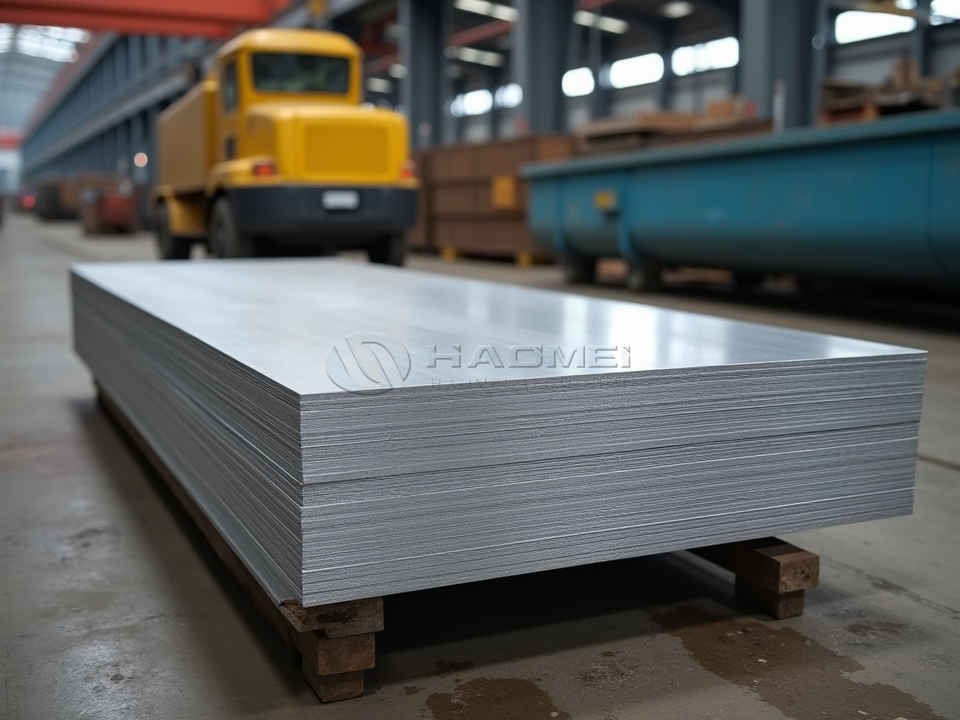
5083 perforated aluminum sheets can be cut, bent, welded, rolled, and finished, but the holes affect the way the sheet behaves. During bending, holes near the bend line may stretch or distort. A larger solid margin should be reserved around bends, welds, and fastener areas. Deburring is recommended for hand-contact parts, fishing equipment, and interior yacht panels.
Welding is one of the strengths of 5083. MIG and TIG welding are commonly used, often with 5183 or 5356 filler wire. After welding, the heat-affected zone may soften, so structural design should account for this change. For panels exposed to heavy salt spray, coating or anodizing can add surface protection, although bare 5083 already performs well in marine atmospheres.
Where 5083 Perforated Sheet Is Used
Typical applications include engine room ventilation panels, bilge covers, gangway surfaces, anti-slip steps, dock panels, protective screens, speaker grilles, bait tank separators, fish processing trays, ceiling panels, sunshade panels, and offshore equipment guards. In each case, the value comes from combining strength with controlled openness.
Customers often focus only on thickness, but the better question is how the panel will live. Will it carry weight? Will it face direct seawater? Will people touch it? Will it need to be cleaned every day? Will it be welded into a frame? These answers shape the alloy temper, hole pitch, open area, finish, and tolerance.
5083 marine perforated aluminum sheets are chosen because they solve several problems at once. They resist seawater, reduce weight, allow drainage, support airflow, and accept practical fabrication. For boatbuilders, dock contractors, yacht outfitters, and marine equipment producers, that combination makes them more than a sheet material. They become part of the vessel's working rhythm.

Related Products
Marine 5059 aluminum sheet
5059 aluminum alloy is a strain-hardened material with a unique addition of magnesium and chromium, which provides outstanding resistance to localized corrosion like pitting and stress corrosion cracking.
View Details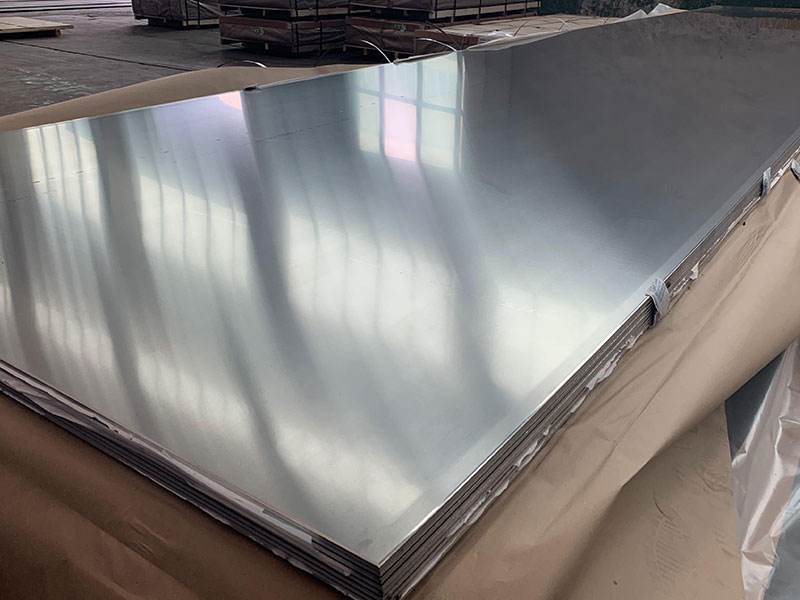
Marine 5086 aluminum sheet
This product article provides an in-depth and comprehensive understanding of Marine 5086 Aluminum Sheets, including their chemical composition, mechanical properties, corrosion resistance, fabrication capabilities, and typical marine applications.
View Details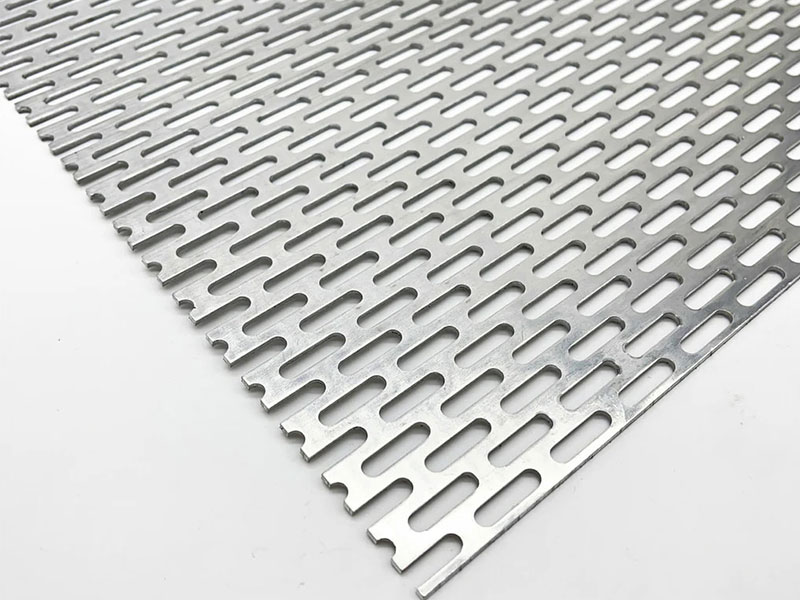
Marine perforated aluminum sheets
Marine Perforated Aluminum Sheets feature a series of uniform holes or shapes punched through the aluminum surface. These perforations can vary in size, pattern, and open area to tailor the sheets for specific applications.
View Details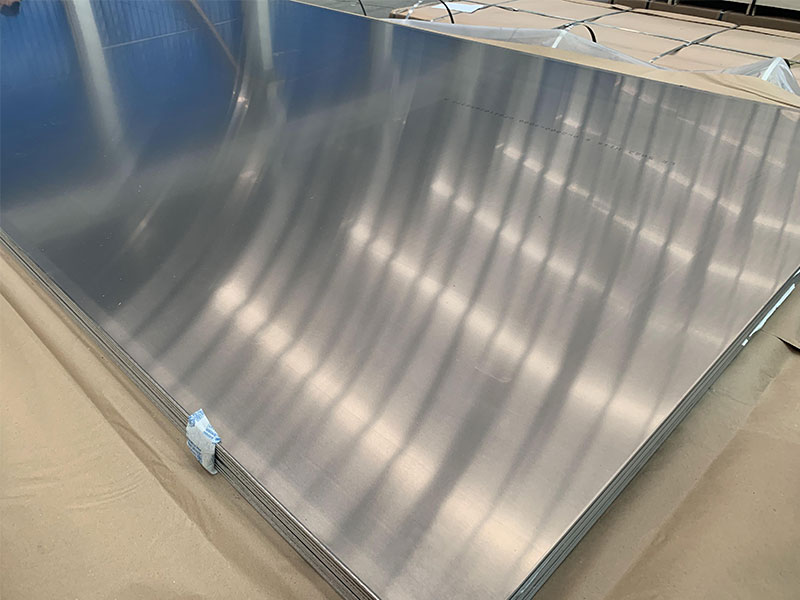
Marine 5052 aluminum sheet
Aluminum alloy 5052 is a non-heat-treatable, strain-hardened alloy with magnesium as the primary alloying element. It is designed to offer superior corrosion resistance in marine and saline environments, making it a dependable choice for components exposed directly to seawater or coastal atmospheric conditions.
View Details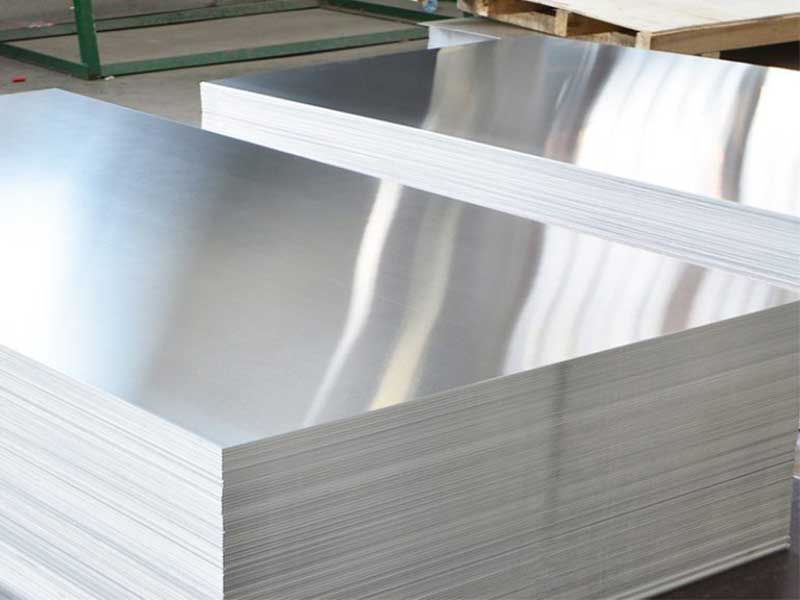
Marine anodized aluminum sheets
Marine Anodized Aluminum Sheets start with premium marine-grade aluminum alloys such as 5000 and 6000 series (typically 5083, 5052, and 6061).
View Details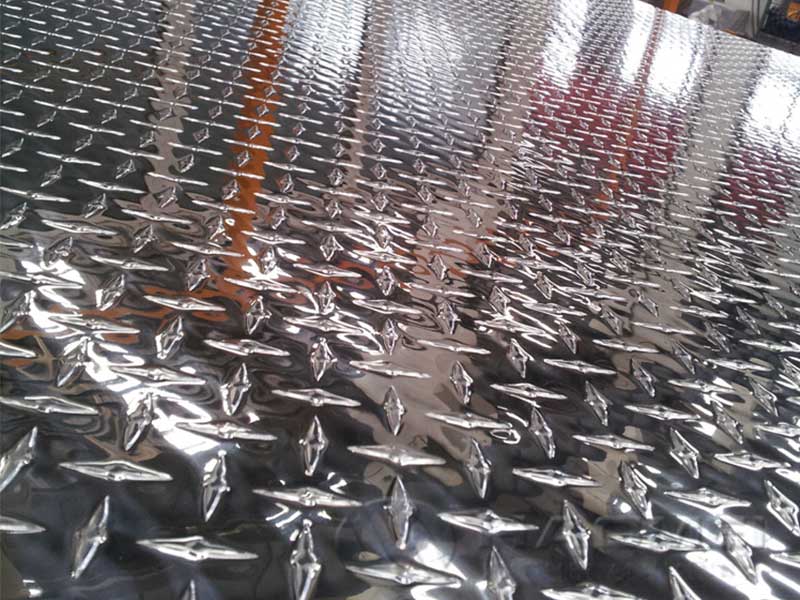
Marine Aluminum Tread Sheets
Marine Aluminum Tread Sheets are aluminum alloy plates featuring a raised surface pattern, commonly referred to as a tread design or diamond plate.
View DetailsRelated Blog
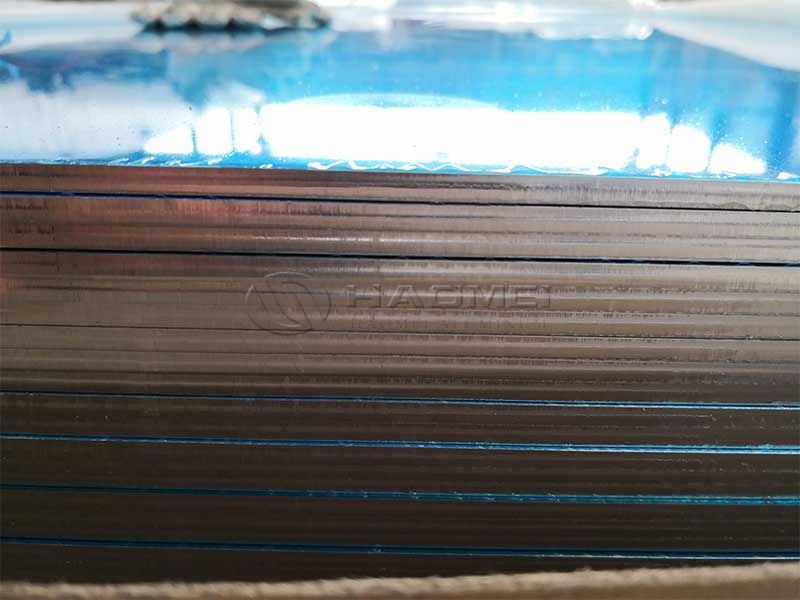
Marine Grade Aluminum 5052 5083 6063 H111 H22 H32 H36 Plate
Marine aluminum 5052, 5083, and 6063 plates in H111, H22, H32, and H36 tempers for hulls, decks, cabins, tanks, and fittings.
View Details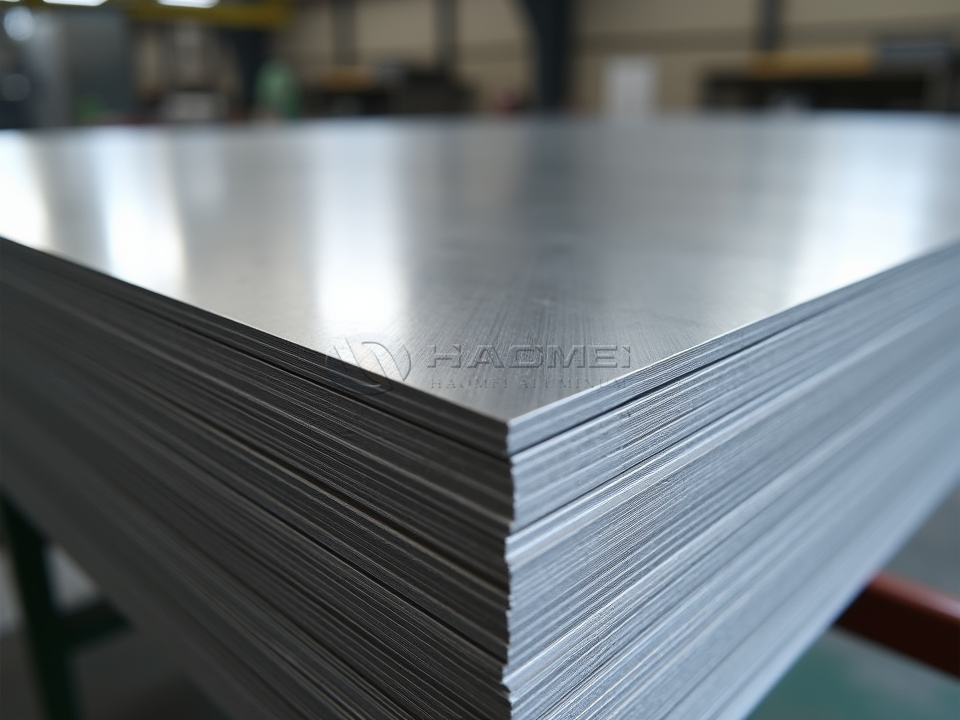
5083 Marine Anodized Aluminum Sheets
5083 marine anodized aluminum sheets combine seawater corrosion resistance, weldability, and durable anodized protection for hulls, decks, and fittings.
View Details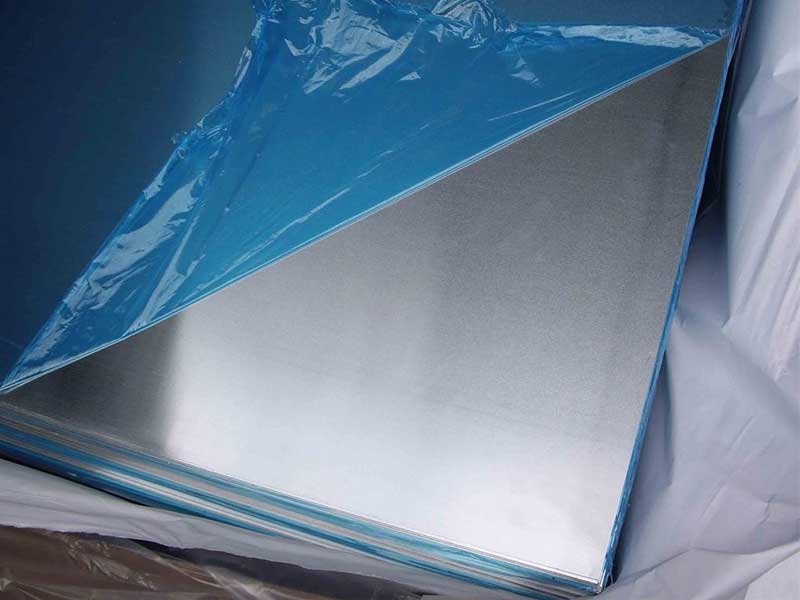
5754 Marine Grade Aluminum Alloy Aluminium Sheet
5754 marine grade aluminum alloy sheet is a workhorse material for corrosive, saltwater, and high-humidity environments where durability, formability, and long-term appearance matter.
View Details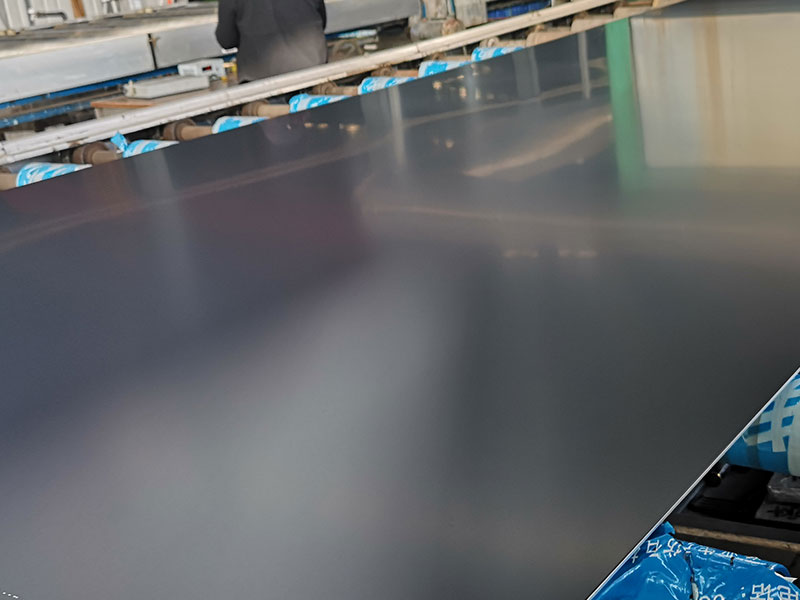
Marine 3 gauge 4 x 8 x 1 4 aluminum sheet
Marine 3 Gauge 4 x 8 x 1/4 Aluminum Sheet: A Seaworthy "Thickness Story" Told in MetalA marine 3 gauge 4 x 8 x 1/4 aluminum sheet is more than a size callout-it's a practical promise.
View Details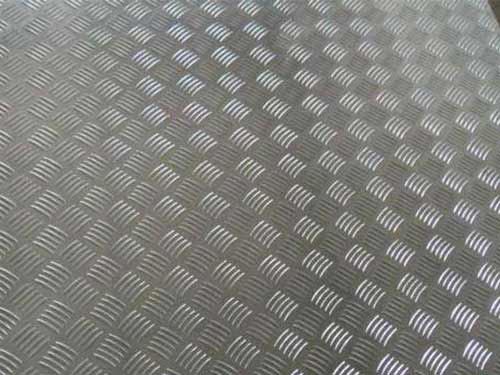
6061 Marine Aluminum Tread Sheets
6061 Marine Aluminum Tread Sheets (often called 6061 aluminum diamond plate or tread plate) are engineered to deliver a practical blend of corrosion resistance, structural strength, and slip-resistant surface performance in wet, abrasive.
View Details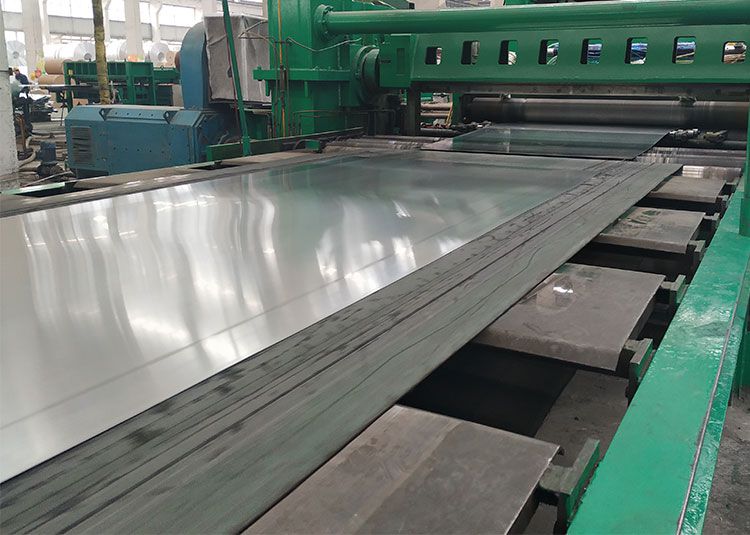
3mm Thickness 8x4 Aluminum Sheet 5083 For Boat
Marine builders choose materials that survive salt spray, wave impact, and years of cyclic loading without becoming a maintenance burden. 3mm thickness 8x4 aluminum sheet 5083 is a proven marine-grade plate/sheet option used worldwide for boat hulls.
View Details
Leave a Message