
A5083 H116 Aluminum Sheet for Shipbuilding
A shipyard does not judge aluminum only by the shine of its surface. The real test begins after cutting, forming, welding, launching, and years of salt spray. A5083 H116 aluminum sheet for shipbuilding is valued because it answers a practical question: can a hull material stay strong, weld cleanly, resist seawater, and reduce vessel weight at the same time?
A5083 is the JIS-style name often used for the 5083 aluminum-magnesium alloy family. In international purchasing documents, it may also appear as 5083, AA5083, EN AW-5083, or A5083P. The H116 temper is especially important for marine work because it is not only strain-hardened for strength, but also controlled for resistance to exfoliation corrosion and intergranular corrosion in seawater environments.
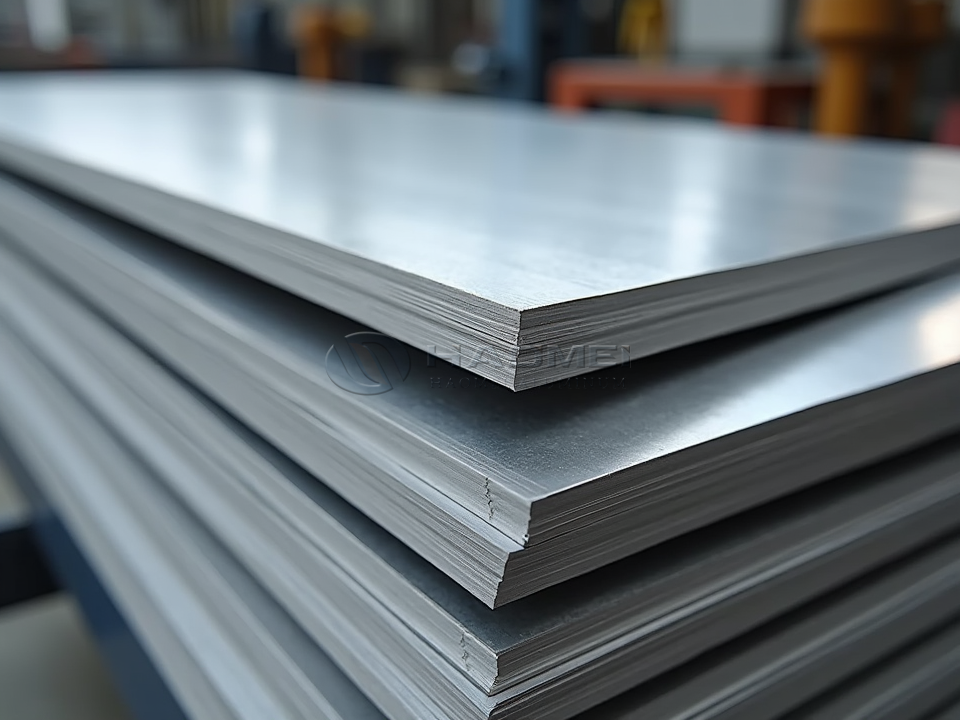
Why H116 Matters on a Hull
Many aluminum sheets look similar before fabrication, yet shipbuilding exposes hidden differences. A hull plate is bent, welded, loaded by waves, splashed with saltwater, and sometimes repaired in difficult conditions. H116 is designed for this service window.
In simple terms, H116 means the sheet has been strain-hardened and processed to meet marine corrosion-performance requirements. It offers higher strength than the annealed O temper while keeping enough workability for hull panels, decks, bulkheads, superstructures, patrol boats, ferries, fishing vessels, and offshore service craft.
Compared with general Marine Grade Aluminum Sheets, A5083 H116 is often selected when the structure faces direct seawater exposure and needs proven long-term durability. Its magnesium-rich composition gives natural corrosion resistance, while its non-heat-treatable nature makes welded joints more predictable than many heat-treatable alloys.
Typical Product Parameters
| Item | Common Range or Condition |
|---|---|
| Alloy | A5083 / 5083 / AA5083 / EN AW-5083 |
| Temper | H116 marine corrosion-resistant strain-hardened temper |
| Thickness | 3 mm to 150 mm, with custom ranges available by mill capability |
| Width | 1000 mm to 2650 mm typical |
| Length | 2000 mm to 12000 mm typical, cut-to-length available |
| Surface | Mill finish, brushed option, film protection when required |
| Density | About 2.66 g/cm3 |
| Elastic modulus | About 70 GPa |
| Welding filler | ER5183, ER5356, ER5556 depending on strength and service demand |
| Common use | Hull shell, deck, bulkhead, tank, gangway, cabin structure, marine platform |
The strength values of A5083 H116 depend on thickness and governing standard. For many marine applications, tensile strength is commonly around 305 MPa or higher, yield strength is commonly above 215 MPa in moderate thicknesses, and elongation is generally suitable for forming and welding operations. Final values should always match the purchase standard, inspection certificate, and classification society requirement.
Chemical Composition of A5083 Aluminum Alloy
| Element | Content, % |
|---|---|
| Si | Max 0.40 |
| Fe | Max 0.40 |
| Cu | Max 0.10 |
| Mn | 0.40-1.00 |
| Mg | 4.00-4.90 |
| Cr | 0.05-0.25 |
| Zn | Max 0.25 |
| Ti | Max 0.15 |
| Other, each | Max 0.05 |
| Other, total | Max 0.15 |
| Al | Balance |
Magnesium is the main strengthening element. It gives 5083 its combination of strength and seawater resistance. Manganese and chromium help control grain structure and improve stability. The low copper content is also important because excess copper can reduce corrosion resistance in marine service.
Standards and Certification Conditions
A5083 H116 aluminum sheet for shipbuilding is usually ordered with strict technical documents rather than as an ordinary commercial sheet. Commonly referenced standards include ASTM B928/B928M for high-magnesium aluminum alloy sheet and plate for marine service, ASTM B209/B209M for general aluminum sheet and plate, EN 485 for aluminum sheet and plate mechanical requirements, EN 573 for chemical composition, EN 515 for temper designations, and JIS H4000 for Japanese aluminum sheet and plate supply.
For ship projects, classification society approval may be required. ABS, DNV, LR, BV, CCS, RINA, KR, and NK certificates are frequently requested by yards and vessel designers. Test documents may include EN 10204 3.1 mill certificates, ultrasonic inspection for thick plate, tensile test results, chemical analysis, and corrosion resistance verification such as exfoliation and intergranular corrosion testing where applicable.
This is where H116 earns its place. It is not merely a hardness label. The temper is tied to marine durability, especially for alloys with magnesium content high enough to need corrosion-performance control.
Fabrication Behavior in the Shipyard
A5083 H116 is well suited for MIG and TIG welding. It does not depend on solution heat treatment after welding, so the heat-affected zone behaves more consistently than many heat-treatable alloys. For hull structures, this means weld planning is simpler and repair work is more manageable.
The material can be cut by sawing, shearing, plasma, laser, or waterjet, depending on thickness and dimensional tolerance. It can be formed into curved hull panels, although bend radius should be selected according to thickness and grain direction. For tighter forming, some builders may choose O temper in local forming areas, then use H116 for larger structural sections requiring higher strength.
A project already specifying Marine 5083 aluminum sheet should define the required temper clearly, because O, H112, H321, and H116 do not perform identically. H116 is often preferred where corrosion assurance and structural strength must be balanced.
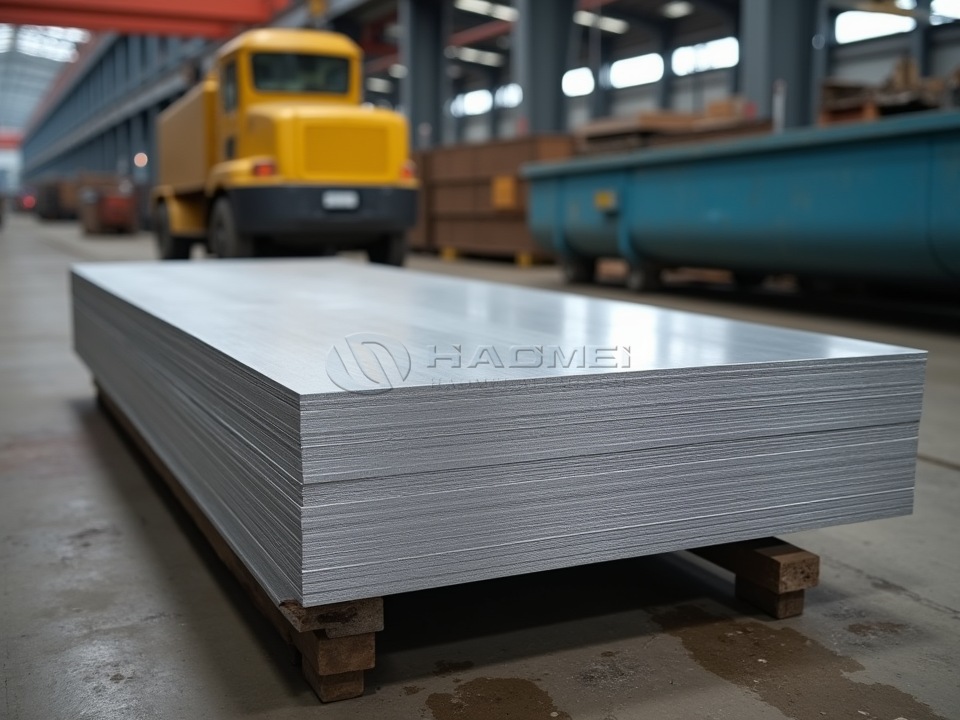
Where It Performs Best
A5083 H116 is widely used in small and medium commercial vessels, patrol boats, rescue craft, high-speed ferries, workboats, and offshore equipment. It is also suitable for fuel tanks, fish holds, deck structures, and superstructures where low weight helps improve payload, speed, and fuel economy.
Its strength-to-weight ratio helps designers reduce hull mass without giving up marine reliability. Compared with steel, aluminum lowers structural weight and resists rust. Compared with lower-magnesium aluminum alloys, 5083 provides higher strength and stronger seawater resistance. That is why it remains one of the most trusted marine aluminum alloys worldwide.
Purchasing Notes for Buyers
When ordering A5083 H116 aluminum sheet for shipbuilding, buyers should confirm alloy designation, temper, thickness tolerance, flatness, surface condition, certificate type, classification approval, and whether the plate will be used for welded primary structure. If plates must be nested for CNC cutting, width and length planning can reduce scrap and improve fabrication efficiency.
For marine projects, the lowest sheet price is rarely the best measure. More important factors include stable chemistry, certified H116 temper, clean surface, reliable flatness, weldability, and traceable documentation. A good sheet should arrive ready for production, not become a problem after welding begins.
A5083 H116 aluminum sheet is the kind of material that proves its value quietly. It does not need decoration to be useful. Its real advantage is seen in a hull that is lighter, cleaner to weld, resistant to seawater, and ready for years of demanding service.

Related Products
Marine 5086 aluminum sheet
This product article provides an in-depth and comprehensive understanding of Marine 5086 Aluminum Sheets, including their chemical composition, mechanical properties, corrosion resistance, fabrication capabilities, and typical marine applications.
View Details
Marine anodized aluminum sheets
Marine Anodized Aluminum Sheets start with premium marine-grade aluminum alloys such as 5000 and 6000 series (typically 5083, 5052, and 6061).
View Details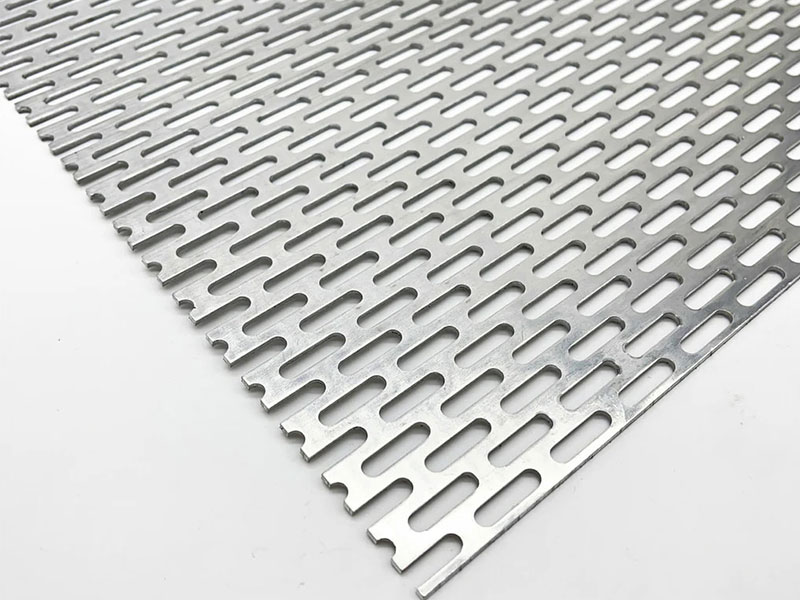
Marine perforated aluminum sheets
Marine Perforated Aluminum Sheets feature a series of uniform holes or shapes punched through the aluminum surface. These perforations can vary in size, pattern, and open area to tailor the sheets for specific applications.
View Details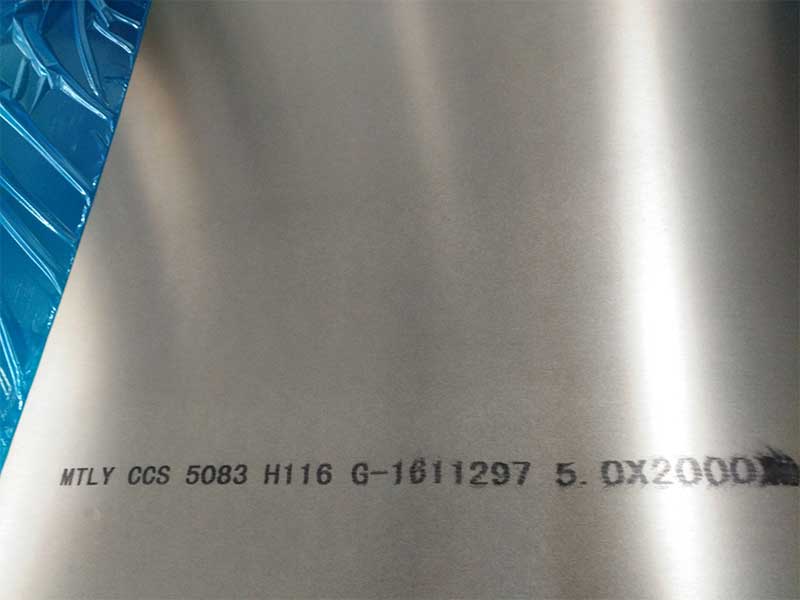
Marine 5083 aluminum sheet
Aluminum alloy 5083 is a non-heat-treatable alloy primarily composed of magnesium and trace elements that deliver outstanding protection against corrosion, particularly in seawater and saline atmospheres.
View Details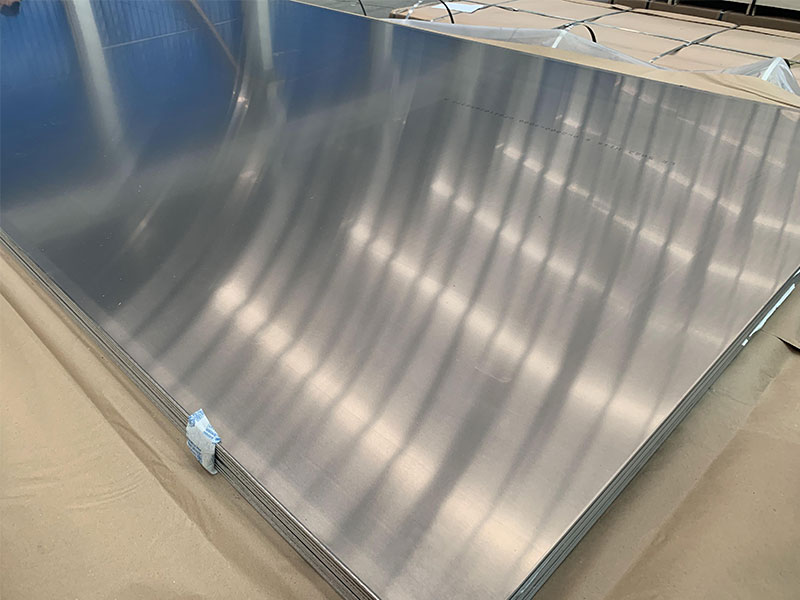
Marine 5052 aluminum sheet
Aluminum alloy 5052 is a non-heat-treatable, strain-hardened alloy with magnesium as the primary alloying element. It is designed to offer superior corrosion resistance in marine and saline environments, making it a dependable choice for components exposed directly to seawater or coastal atmospheric conditions.
View Details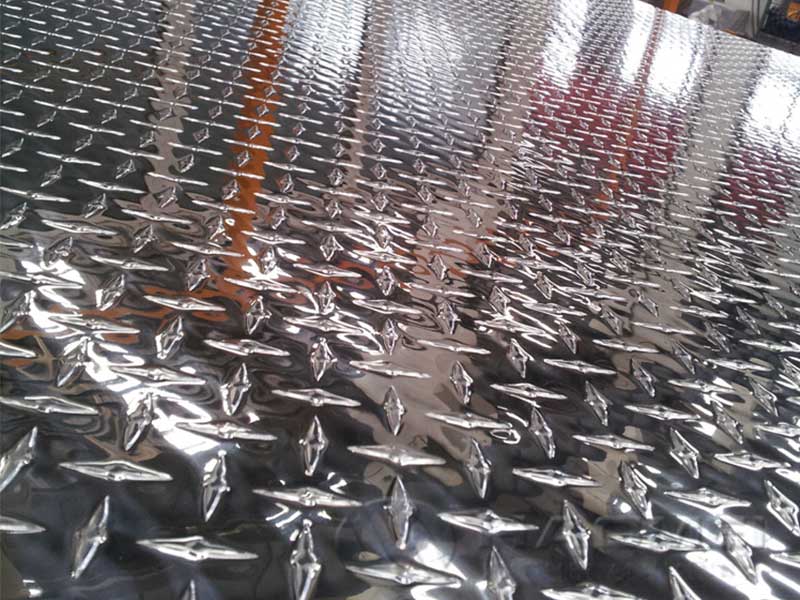
Marine Aluminum Tread Sheets
Marine Aluminum Tread Sheets are aluminum alloy plates featuring a raised surface pattern, commonly referred to as a tread design or diamond plate.
View DetailsRelated Blog
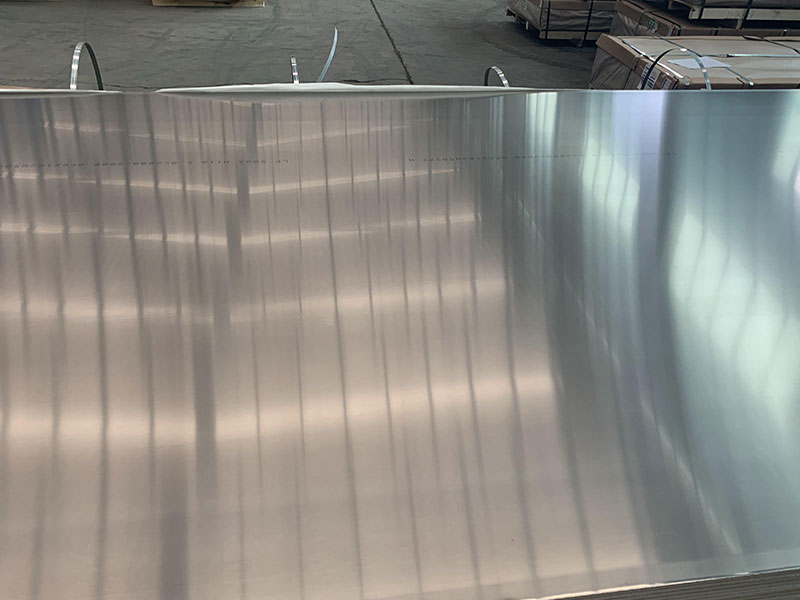
Mill Finish Aluminium Sheet for Ship building
When it comes to shipbuilding, choosing the right materials is pivotal for ensuring both durability and optimal performance. Among various options, mill finish aluminium sheet stands out as a superior choice.
View Details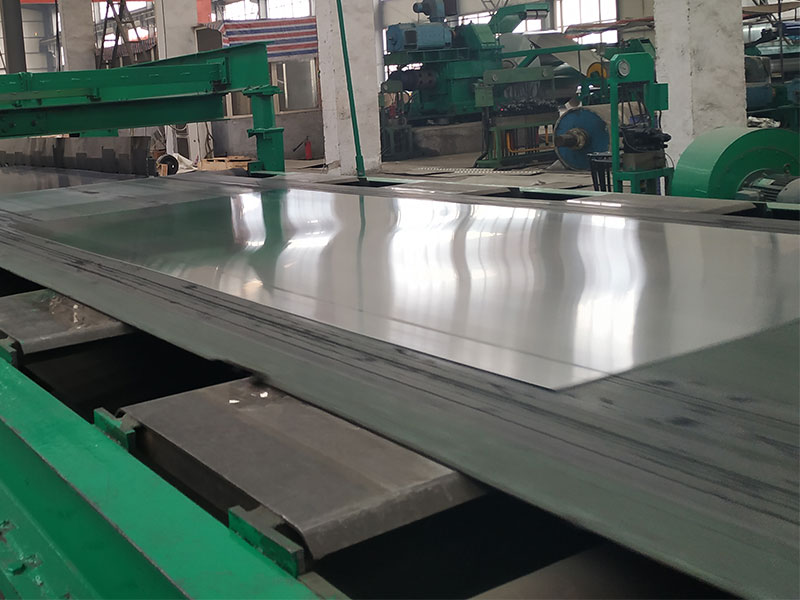
Astm standard 5083 5052 aluminium sheet for boat material
ASTM Standard 5083 & 5052 Aluminum Sheet for Boat Material: Reading Marine Alloy Like a Hull Designer, Not a CatalogIn marine construction, aluminum sheet is often discussed as if it were simply a grade name plus a thickness.
View Details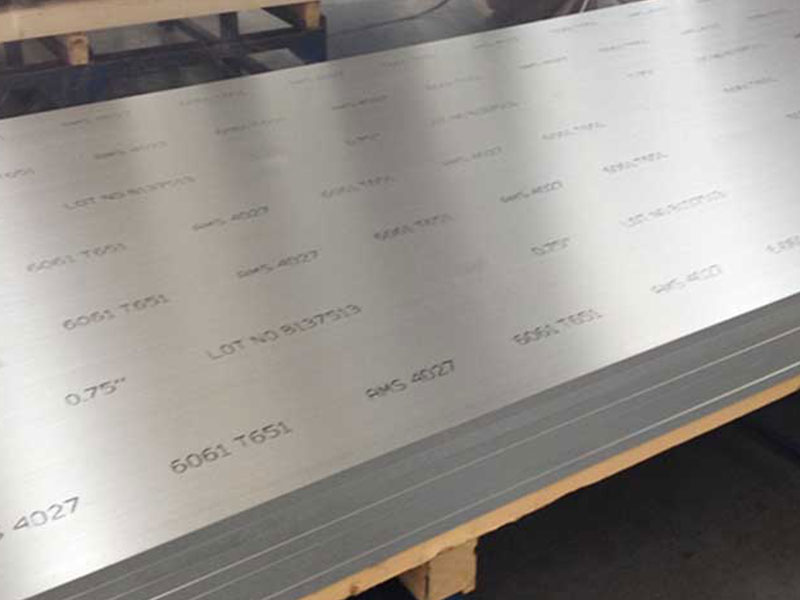
Marine aluminium sheet 5052
Marine environments demand materials that combine exceptional corrosion resistance, strength, and formability. The Marine Aluminium Sheet 5052 is one such alloy designed to withstand the harsh conditions of saltwater and marine atmospheres.
View Details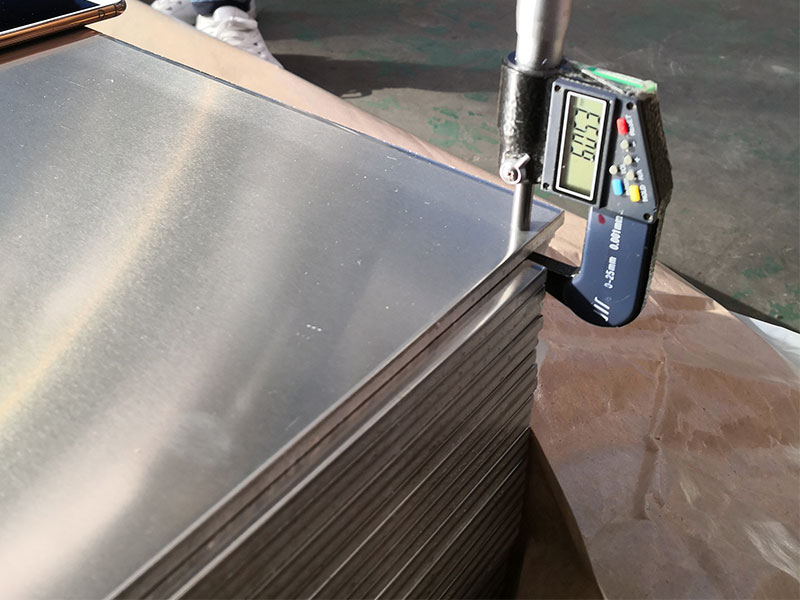
5083 aluminium marine grade 3.2 mm thick aluminium sheet
5083 Aluminium Marine Grade 3.2 mm Thick Aluminium Sheet: Unveiling Its Functional Excellence and Versatile ApplicationsIn the realm of marine engineering, material selection determines durability, safety, and performance.
View Details
Aluminum Sheets 5052 H32 Ship Building
Aluminum Sheets 5052 H32 are widely used in shipbuilding because they combine excellent corrosion resistance, good strength, light weight, and reliable weldability.
View Details
Aluminum coil 5052 H32 1.6mm thick for coated boat
Aluminum coil 5052 H32 1.6mm thick is a premium-material choice widely trusted in marine engineering, particularly for coated boat structures. It offers an excellent balance between strength, corrosion resistance, and workability.
View Details
Leave a Message