
Marine Perforated Aluminum Sheets
Marine perforated aluminum sheets are lightweight aluminum panels punched with round, slotted, square, hexagonal, or custom holes for airflow, drainage, anti-slip performance, acoustic control, screening, and decorative marine design. They combine the seawater resistance of marine aluminum alloys with engineered open-area patterns, making them practical for boatbuilding, ship interiors, yacht fittings, offshore platforms, marina walkways, engine-room ventilation, and protective guards.
Unlike ordinary perforated metal, marine-grade perforated sheet must resist salt spray, humidity, vibration, fuel exposure, cleaning chemicals, and long-term outdoor service. The alloy, temper, hole pattern, sheet thickness, surface finish, and flatness tolerance all influence the final performance.
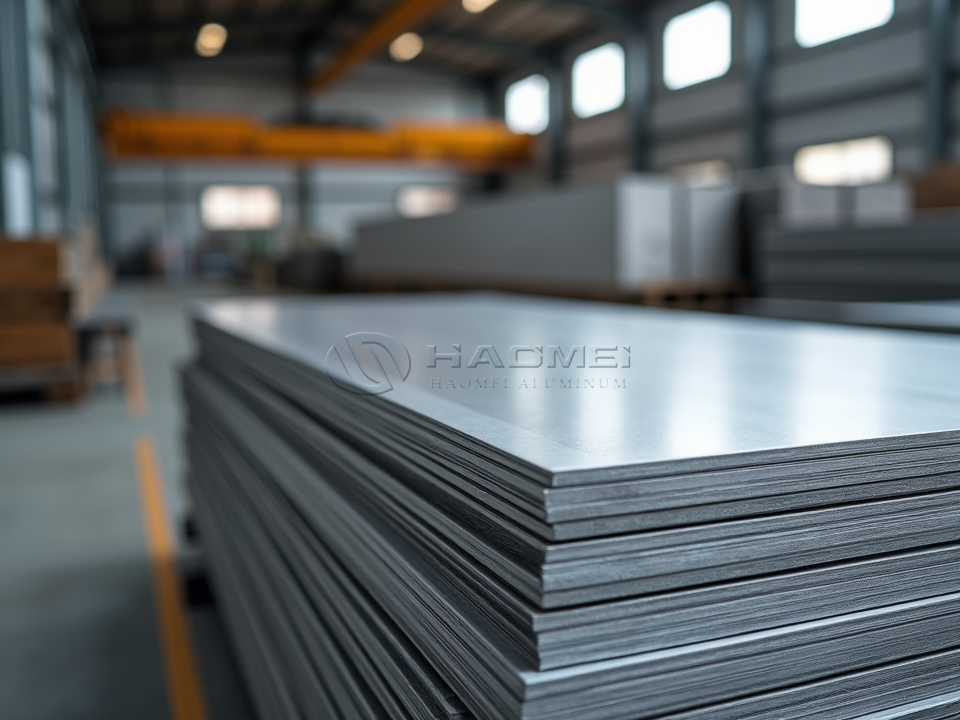
For projects requiring balanced corrosion resistance, workability, and low weight, Marine perforated aluminum sheets are often specified in 5052, 5083, 5086, 5754, and 5454 aluminum alloys.
Main Functions in Marine Environments
Marine perforated aluminum sheets serve several functions in one panel. The perforations reduce weight while allowing water, air, sound, and light to pass through. This makes the material especially useful where solid plate would trap heat, moisture, or spray.
| Function | Practical Benefit | Common Marine Position |
|---|---|---|
| Ventilation | Releases heat and improves airflow | Engine covers, battery boxes, HVAC grilles |
| Drainage | Reduces standing water and corrosion risk | Deck panels, dock flooring, fish-processing areas |
| Weight reduction | Lowers structural load without removing panel coverage | Yacht interiors, catamaran fittings, access panels |
| Screening and protection | Blocks debris while maintaining visibility or airflow | Pump guards, intake screens, safety shields |
| Acoustic control | Helps diffuse or absorb noise when paired with backing material | Engine rooms, cabins, generator enclosures |
| Anti-slip support | Raised or patterned perforation improves wet traction | Walkways, ramps, service platforms |
| Decorative finish | Adds clean architectural styling | Yacht facades, partitions, ceiling panels |
Marine Applications
Perforated aluminum sheets are found across commercial, leisure, and industrial marine projects. In small boats and yachts, they are used for locker ventilation, cabin partitions, ceiling panels, sunshade screens, swim platform inserts, and speaker grilles. In workboats and ferries, they are commonly installed as access covers, step panels, equipment guards, and drainage flooring.
For offshore and marina infrastructure, perforated marine aluminum can be used in dock decking, gangways, handrail infill, cable tray covers, wave-exposed screens, and platform service panels. The material is also valuable in fishery and aquaculture systems because it resists corrosion, drains quickly, and is easier to clean than many carbon steel alternatives.
Recommended Alloys and Temper Conditions
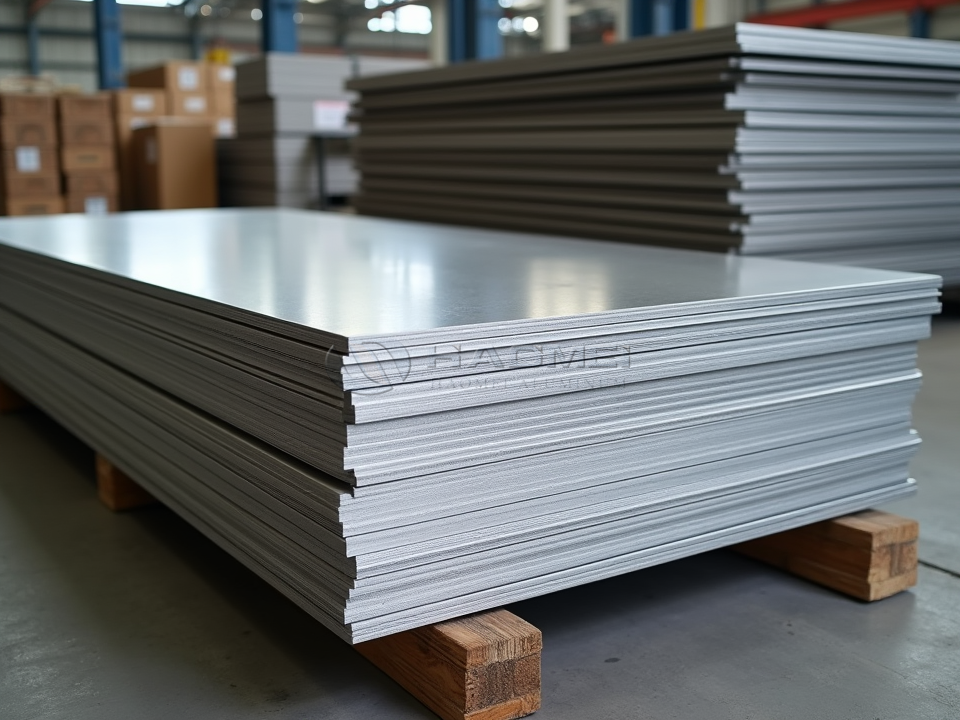
The best alloy depends on whether the sheet needs stronger structural performance, deep forming ability, high corrosion resistance, or decorative quality. 5xxx-series aluminum-magnesium alloys are preferred because they perform well in marine atmospheres and do not require heat treatment for strength.
| Alloy | Common Tempers | Marine Performance | Typical Use |
|---|---|---|---|
| 5052 | O, H32, H34 | Excellent corrosion resistance, very good formability | Grilles, panels, covers, interiors, light-duty deck parts |
| 5083 | O, H111, H116, H321 | High strength, superior seawater resistance | Structural panels, offshore screens, heavy-duty guards |
| 5086 | H32, H34, H116 | Strong, weldable, reliable in saltwater | Workboat fittings, gangways, dock components |
| 5754 | H22, H32, H111 | Good corrosion resistance and forming quality | Decorative panels, yacht interiors, ventilation plates |
| 5454 | H32, H34 | Good strength and chemical resistance | Marine tanks, processing areas, equipment covers |
Chemical Composition Reference
Values vary slightly by standard and mill certificate. The table gives typical composition ranges by weight percent for commonly used marine perforated aluminum sheet alloys.
| Alloy | Mg | Mn | Cr | Fe | Si | Cu | Zn | Al |
|---|---|---|---|---|---|---|---|---|
| 5052 | 2.2-2.8 | ≤0.10 | 0.15-0.35 | ≤0.40 | ≤0.25 | ≤0.10 | ≤0.10 | Balance |
| 5083 | 4.0-4.9 | 0.40-1.0 | 0.05-0.25 | ≤0.40 | ≤0.40 | ≤0.10 | ≤0.25 | Balance |
| 5086 | 3.5-4.5 | 0.20-0.70 | 0.05-0.25 | ≤0.50 | ≤0.40 | ≤0.10 | ≤0.25 | Balance |
| 5754 | 2.6-3.6 | ≤0.50 | ≤0.30 | ≤0.40 | ≤0.40 | ≤0.10 | ≤0.20 | Balance |
| 5454 | 2.4-3.0 | 0.50-1.0 | 0.05-0.20 | ≤0.40 | ≤0.25 | ≤0.10 | ≤0.25 | Balance |
Technical Specifications
Perforated marine aluminum sheets can be supplied in standard panels or cut-to-size blanks. Hole design must be matched with load, drainage, appearance, and fabrication needs.
| Parameter | Common Range | Notes |
|---|---|---|
| Sheet thickness | 0.8-8.0 mm | Thicker plates available for structural screens |
| Width | 500-2000 mm | Wider formats subject to alloy and temper |
| Length | 1000-6000 mm | Custom cutting available |
| Hole diameter | 1.0-50 mm | Round holes are most common |
| Slot size | 3 x 10 mm to 20 x 80 mm | Used for drainage and airflow |
| Pitch | 2-100 mm | Center-to-center distance |
| Open area | 10%-65% | Higher open area reduces weight and stiffness |
| Margin | 5-50 mm | Unperforated edge for fastening or welding |
| Flatness tolerance | As agreed by drawing | Perforation may affect panel flatness |
| Surface finish | Mill finish, brushed, anodized, powder coated | Finish selected by exposure and appearance |
Mechanical Properties by Alloy and Temper
Mechanical values depend on thickness and standard. Perforation reduces the net load-bearing section, so design calculations should use the remaining metal area and hole pattern geometry.
| Alloy Temper | Tensile Strength MPa | Yield Strength MPa | Elongation % | Suitable Fabrication |
|---|---|---|---|---|
| 5052-O | 170-215 | ≥65 | ≥16 | Deep forming, bending, decorative panels |
| 5052-H32 | 210-260 | ≥160 | ≥8 | General marine panels and grilles |
| 5052-H34 | 235-285 | ≥180 | ≥6 | Higher rigidity covers and guards |
| 5083-H111 | 275-350 | ≥125 | ≥12 | Welded marine components |
| 5083-H116 | 305-385 | ≥215 | ≥10 | Severe marine exposure and structural use |
| 5086-H116 | 260-340 | ≥195 | ≥10 | Workboat and offshore parts |
Hole Patterns and Design Selection
The perforation pattern affects strength, drainage, appearance, and airflow. Round staggered holes provide good strength distribution and are easy to manufacture. Straight round holes create a clean visual line, while slotted holes improve drainage and are often used on wet decks or service walkways. Square holes create a modern architectural appearance but may need careful edge finishing to reduce stress concentration.
| Pattern | Strength Retention | Drainage or Airflow | Preferred Use |
|---|---|---|---|
| Round staggered | High | High | Vent panels, guards, general marine use |
| Round straight | Medium | Medium | Decorative panels, interior partitions |
| Slotted | Medium | Very high | Deck drains, ramps, dock plates |
| Square | Medium | High | Yacht interiors, architectural screens |
| Hexagonal | Medium-high | High | Lightweight screens, modern facades |
Implementation Standards
Marine perforated aluminum sheets are normally produced from certified aluminum sheet or plate, then punched, leveled, cut, and finished according to customer drawings. Classification society approval may be required for vessel structural parts.
| Standard | Scope |
|---|---|
| ASTM B209 | Aluminum and aluminum-alloy sheet and plate |
| EN 485 | Aluminum sheet, strip, and plate mechanical properties and tolerances |
| EN 573 | Aluminum chemical composition and alloy designation |
| ASTM E290 | Bend testing for ductility evaluation |
| ISO 7599 | Anodized aluminum coating requirements |
| ISO 9227 | Salt spray testing method for corrosion evaluation |
| ABS, DNV, LR, CCS | Optional marine classification certification where required |
Surface Treatment and Corrosion Control
Mill-finish marine aluminum already offers strong corrosion resistance due to its natural oxide film. For harsh salt-spray zones or visible yacht components, anodizing, powder coating, PVDF coating, or brushing can be added. Edges and punched holes should be deburred to reduce crevice corrosion, improve coating adhesion, and protect users from sharp burrs.
| Finish | Advantage | Marine Suitability |
|---|---|---|
| Mill finish | Economical, conductive, easy to fabricate | General equipment and hidden panels |
| Brushed finish | Attractive directional surface | Yacht interiors and decorative screens |
| Anodized | Hard oxide layer, improved appearance | Cabin panels, grilles, exposed fittings |
| Powder coated | Color choice and barrier protection | Rail infill, facades, marina furniture |
| PVDF coated | Strong weathering resistance | Coastal architecture and premium exterior panels |
Fabrication Notes for Better Service Life
Perforated sheets can be sheared, laser cut, bent, rolled, riveted, bolted, welded, or framed. For bending, the bend line should avoid dense perforation zones when possible. If welding is required, 5xxx filler metals such as 5356 or 5183 are commonly selected, depending on alloy and strength requirements. Dissimilar metal contact with carbon steel should be isolated using washers, sealants, coatings, or non-conductive gaskets to reduce galvanic corrosion.
Fastening holes should be placed in solid margins rather than through perforated zones. For deck and walkway panels, open area should be balanced with deflection limits, foot comfort, and load capacity. In high-vibration installations, rounded hole shapes and smooth edges improve fatigue resistance.
Purchasing Data to Confirm Before Production
| Item to Specify | Recommended Information |
|---|---|
| Alloy and temper | 5052-H32, 5083-H116, 5086-H32, or project-specific grade |
| Thickness and size | Final panel dimensions or coil requirements |
| Hole pattern | Shape, diameter, pitch, stagger angle, open area |
| Margins | Width of solid edge zones for fastening or welding |
| Surface finish | Mill, anodized, brushed, powder coated, or coated color |
| Tolerance | Flatness, thickness, length, width, and hole position |
| Certification | Mill test certificate, class certificate, salt spray report if needed |
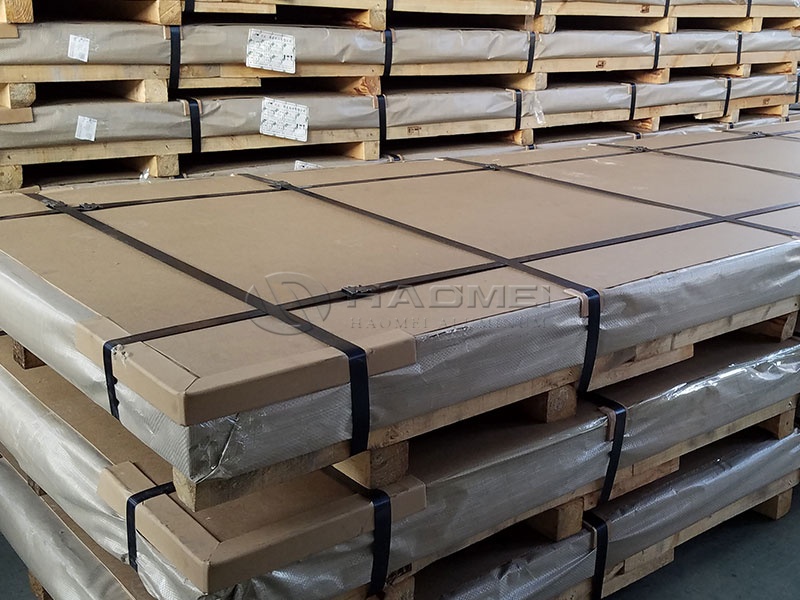
| Packaging | Seaworthy wooden pallets, film protection, moisture barrier |
Why Marine Perforated Aluminum Sheets Are Chosen
Marine perforated aluminum sheets deliver a strong mix of corrosion resistance, light weight, ventilation, drainage, safety, and modern appearance. With the right alloy, temper, perforation geometry, and surface treatment, they can perform reliably in boats, docks, offshore platforms, yacht interiors, coastal buildings, and marine equipment systems while reducing maintenance and improving design flexibility.

Related Products
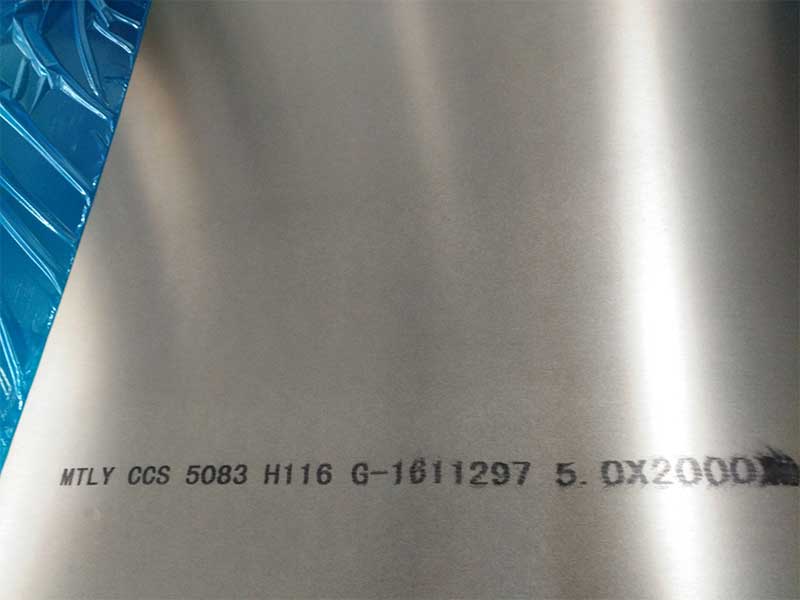
Marine 5083 aluminum sheet
Aluminum alloy 5083 is a non-heat-treatable alloy primarily composed of magnesium and trace elements that deliver outstanding protection against corrosion, particularly in seawater and saline atmospheres.
View Details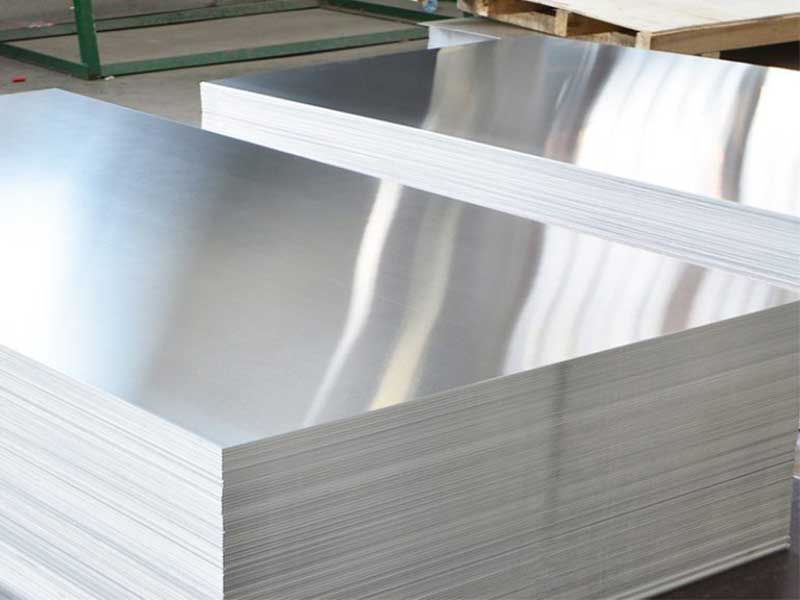
Marine anodized aluminum sheets
Marine Anodized Aluminum Sheets start with premium marine-grade aluminum alloys such as 5000 and 6000 series (typically 5083, 5052, and 6061).
View Details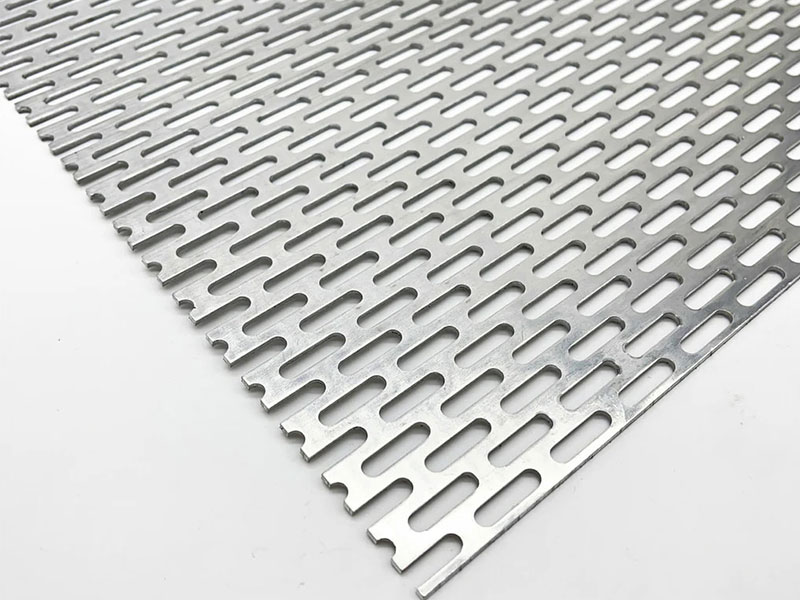
Marine perforated aluminum sheets
Marine Perforated Aluminum Sheets feature a series of uniform holes or shapes punched through the aluminum surface. These perforations can vary in size, pattern, and open area to tailor the sheets for specific applications.
View Details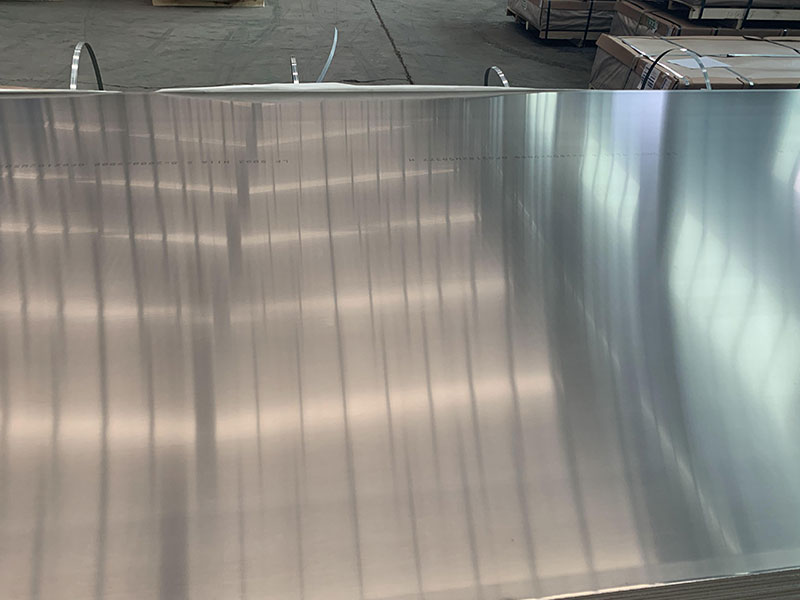
Marine 5383 aluminum sheet
5383 aluminum is a strain-hardened, non-heat-treatable alloy from the 5xxx series primarily alloyed with magnesium. It exhibits a unique balance of corrosion resistance and mechanical properties particularly suited for marine applications.
View Details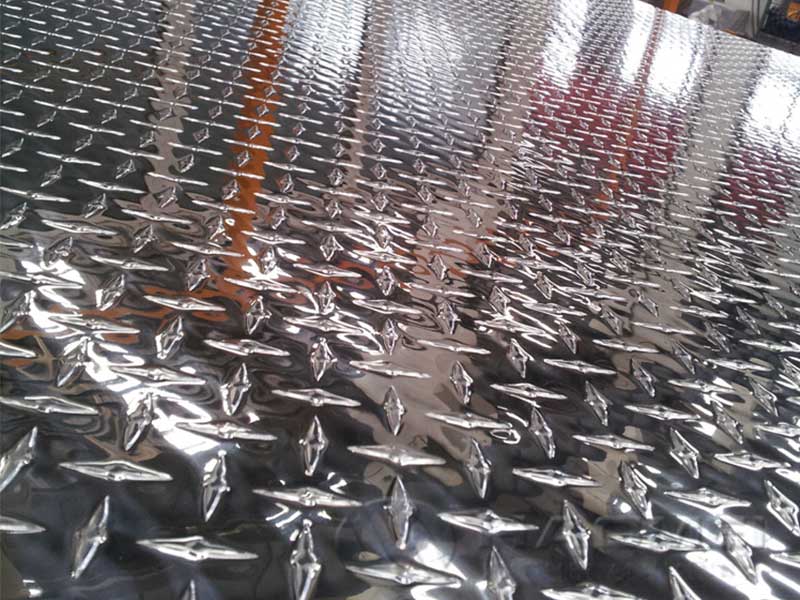
Marine Aluminum Tread Sheets
Marine Aluminum Tread Sheets are aluminum alloy plates featuring a raised surface pattern, commonly referred to as a tread design or diamond plate.
View Details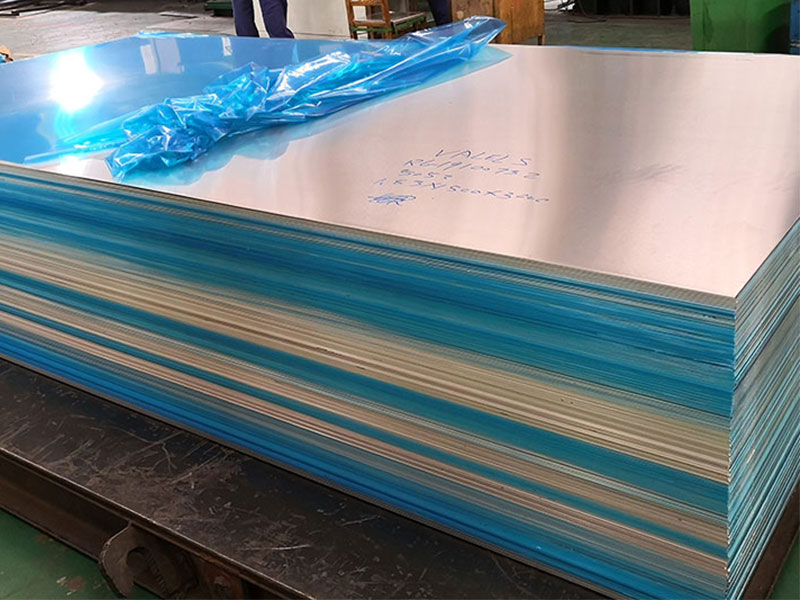
Marine 5059 aluminum sheet
5059 aluminum alloy is a strain-hardened material with a unique addition of magnesium and chromium, which provides outstanding resistance to localized corrosion like pitting and stress corrosion cracking.
View DetailsRelated Blog
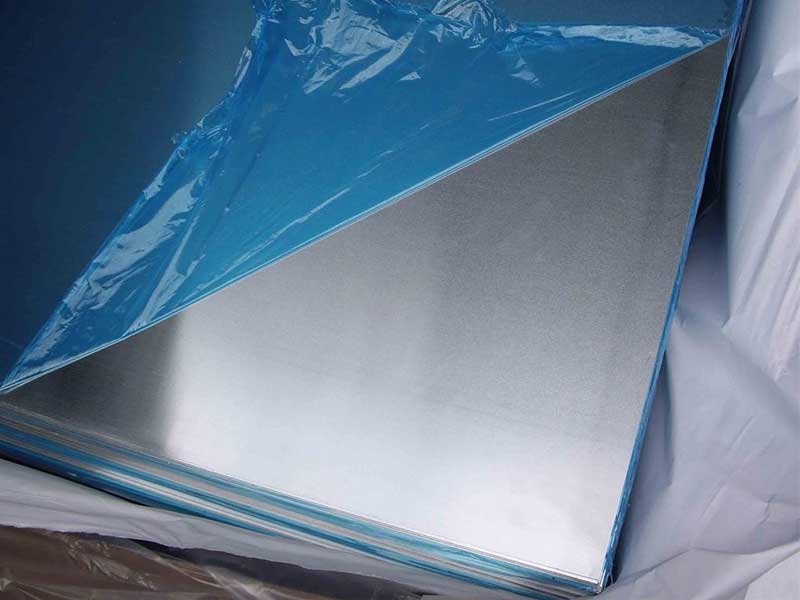
5754 Marine Grade Aluminum Alloy Aluminium Sheet
5754 marine grade aluminum alloy sheet is a workhorse material for corrosive, saltwater, and high-humidity environments where durability, formability, and long-term appearance matter.
View Details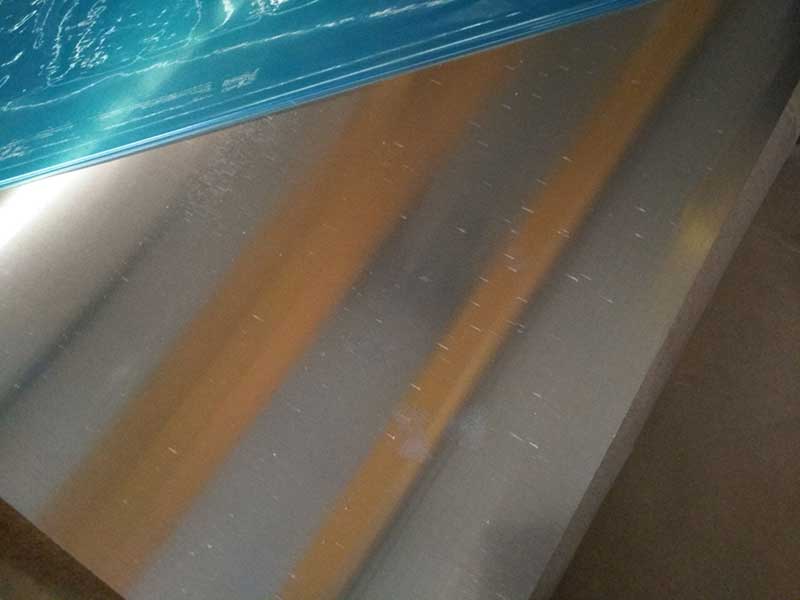
5083 H321 Marine Grade Aluminium Sheet
5083 H321 Marine Grade Aluminium Sheet: The "Working Hull Skin" That Thrives Where Steel Gets TiredIn marine design, the ocean is not just a backdrop-it is a relentless testing machine.
View Details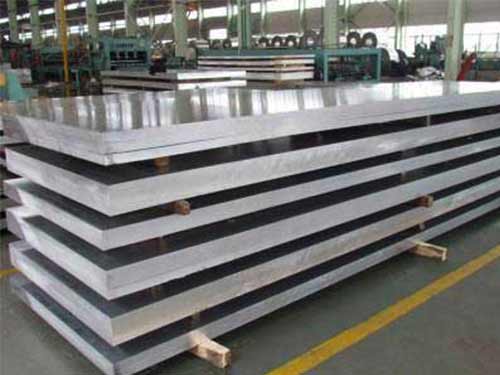
Marine 5083 Aluminum Sheet
Marine 5083 aluminum sheet delivers strong, weldable, seawater-resistant performance for hulls, decks, tanks, and offshore structures.
View Details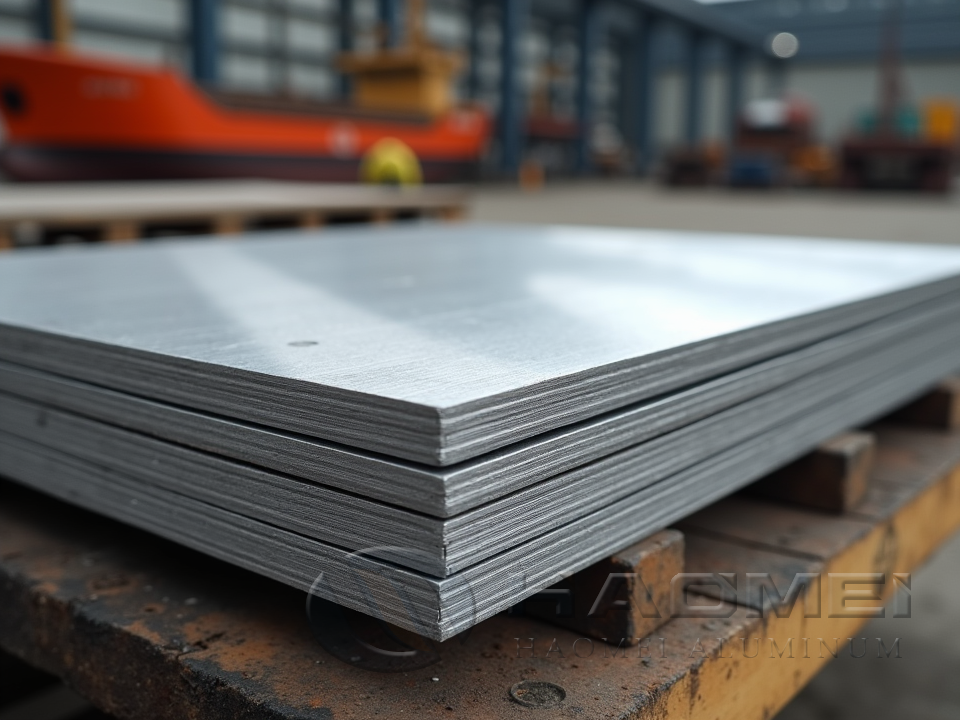
5086 Marine Heavy Duty Aluminum Plate
5086 marine heavy duty aluminum plate delivers seawater corrosion resistance, weldability, strength, and stable service for hulls and offshore structures.
View Details
Aluminium sheet for the marine grade
Marine-Grade Aluminium Sheet: The Quiet Engineering Behind Reliable Boats and Offshore StructuresWhen people think about marine performance, they often picture hull shapes, propulsion systems, or advanced coatings.
View Details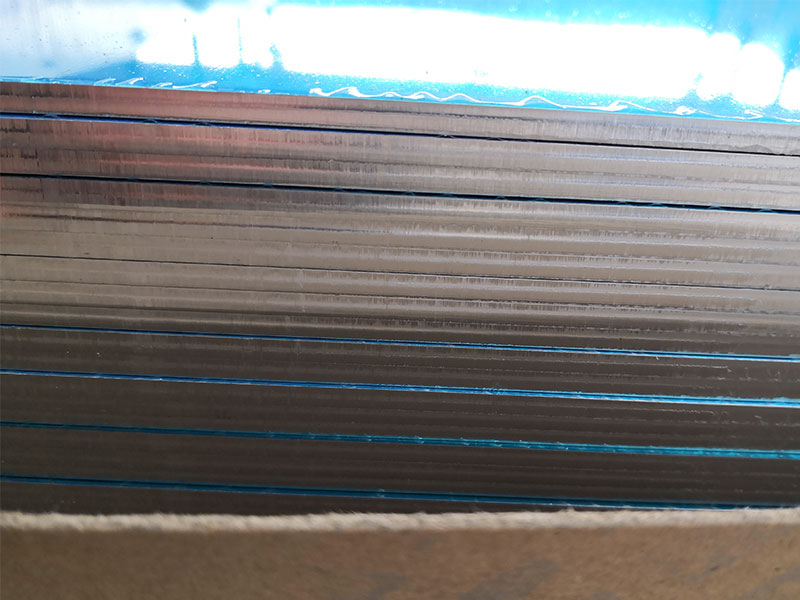
2mm 3mm 4mm marine grade 5083 aluminum sheet
When considering materials for marine applications, the demand for durability, adaptability, and weight efficiency comes to the forefront of innovation. One leading solution in this arena is the 5083 aluminum alloy.
View Details
Leave a Message