
90 Degree Marine Aluminum Elbow for Exhaust Systems
The 90 Degree Marine Aluminum Elbow for Exhaust Systems is a precision-formed bend designed specifically for marine engine and generator exhaust lines. It combines corrosion‑resistant marine aluminum with optimized geometry to deliver low back‑pressure, long service life, and easy integration into modern exhaust layouts.
1. Features
- Marine-Grade Aluminum Alloy: Typically based on 5xxx / 6xxx marine series (e.g., 5083‑O, 6082‑T6) for excellent corrosion resistance in seawater environments.
- Precision 90° Bend: Controlled radius to minimize turbulence and pressure drop.
- Lightweight Construction: Up to 1/3 the weight of steel elbows for easier handling and installation.
- High Thermal Conductivity: Rapid heat dissipation reduces localized hot spots and helps protect downstream components.
- Weldable & Fabrication‑Friendly: Compatible with standard marine aluminum welding procedures (MIG/TIG).
- Corrosion & Pitting Resistance: Ideal for saltwater, spray, and condensation‑rich exhaust environments.
- Customizable: Available in various diameters, wall thicknesses, surface finishes, and connection ends (plain end, flanged, beaded).
2. Typical Alloy & Chemical Composition
The elbow is usually manufactured from a marine-grade plate or pipe alloy formed and/or extruded into the correct 90° geometry.
Below is a typical composition reference for an alloy such as AA 5083 used for marine exhaust components (values are indicative, % by weight):
| Element | Symbol | Typical Range (%) | Function / Effect |
|---|---|---|---|
| Magnesium | Mg | 4.0 – 4.9 | Strengthening, corrosion resistance |
| Manganese | Mn | 0.4 – 1.0 | Improves strength & ductility |
| Chromium | Cr | 0.05 – 0.25 | Stress-corrosion resistance |
| Iron | Fe | ≤ 0.4 | Impurity, controlled for toughness |
| Silicon | Si | ≤ 0.4 | Impurity; too high affects corrosion |
| Copper | Cu | ≤ 0.1 | Kept low for seawater corrosion resistance |
| Zinc | Zn | ≤ 0.25 | Minor; excessive Zn reduces corrosion res. |
| Titanium | Ti | ≤ 0.15 | Grain refinement |
| Others (each) | - | ≤ 0.05 | Controlled trace elements |
| Aluminum (balance) | Al | Remainder | Matrix |
Note: Actual alloy designation, temper, and composition will depend on the specified standard and supplier.
3. Mechanical & Performance Characteristics
3.1 Typical Mechanical Properties (Base Alloy)
For a commonly used marine condition such as AA 5083‑O or AA 5083‑H111, typical room‑temperature properties (non‑design values) are:
| Property | Typical Value | Test Standard (ref.) |
|---|---|---|
| Tensile Strength, Rm | 270 – 330 MPa | EN / ASTM |
| 0.2% Proof Strength, Rp0.2 | 125 – 215 MPa | EN / ASTM |
| Elongation (A50) | 10 – 20 % | EN / ASTM |
| Brinell Hardness HBW | 75 – 95 | ISO 6506 |
| Modulus of Elasticity E | ~70 GPa | |
| Density | ~2.66 g/cm³ | |
| Thermal Conductivity | 117 – 130 W/m·K |
For design, always consult certified material datasheets and marine classification rules.
3.2 Operating Conditions (Typical Exhaust Use)
| Parameter | Typical Range / Capability | Notes |
|---|---|---|
| Service Temperature | Up to 150–200 °C* | Above this, design evaluation needed |
| Exhaust Medium | Wet or dry exhaust gases with condensate | Diesel / gas engine exhaust systems |
| Environment | Salt spray, bilge humidity, splash zone | Aluminum oxide film resists corrosion |
| Design Life Target | 10+ years (with proper sizing & upkeep) | Depends on installation and use |
* For higher engine outlet gas temperatures, elbows are usually placed downstream after mixing, or combined with thermal insulation/cladding.
4. Technical Specifications
Individual products are usually supplied according to project / yard spec. A typical specification range is given below to illustrate the main parameters:
4.1 Geometrical & Dimensional Data
| Parameter | Value / Range | Notes |
|---|---|---|
| Nominal Diameter (DN) | DN 50 – DN 300 (2" – 12") | Larger diameters available on request |
| Bend Angle | 90° fixed | Custom angles (45°, 60°, 135°) can be manufactured |
| Bend Radius (CLR) | 1.0D – 1.5D | Centerline radius relative to nominal diameter |
| Wall Thickness | 3 – 10 mm | Scaling with DN and pressure/temp requirement |
| End Type | Plain end / weld-end / flanged / beaded | Select to match exhaust system design |
| Roundness Tolerance | Typically ≤ 1 – 1.5% of OD | For proper fit-up and sealing |
| Straight Tangent Length | 30 – 80 mm (each side, typical) | Ensures welding and clamping allowance |
4.2 Material & Standards
| Item | Specification Example |
|---|---|
| Aluminum Alloy | 5083, 5754, 6061, 6082 or marine equivalent |
| Temper | O, H111, T6 or project-specified |
| Base Material Standard | EN 485 / EN 573 / ASTM B209 / B241 (as appl.) |
| Welding Filler | ER5356 / ER5183 or approved equivalent |
| Classification Approval | DNV, ABS, LR, BV (project-dependent) |
| Surface Condition | Mill finish / brushed / anodized / coated |
5. Performance in Marine Exhaust Applications
5.1 Corrosion Resistance
- Resistant to chloride‑induced pitting and crevice corrosion typical in marine conditions.
- Natural aluminum oxide film provides an excellent barrier in salt fog and splash zones.
- Unlike carbon steel, aluminum elbows help reduce rust flaking and scale, keeping exhaust passages cleaner.
5.2 Flow & Pressure Drop
- Smooth, accurately formed inner radius to reduce flow separation and maintained laminar flow regimes where applicable.
- Controlling bend radius (R/D) and wall thickness minimizes friction factor and back‑pressure, contributing to:
- Stable engine performance
- Reduced fuel consumption variability
- Lower noise level and vibration in exhaust runs
A correctly sized marine aluminum 90° elbow generally adds less pressure loss compared to tight-radius elbows or multi‑piece fabricated bends with discontinuities.
5.3 Thermal & Acoustic Behavior
- Aluminum’s high thermal conductivity helps:
- Rapid dissipation of exhaust heat
- Reduced thermal aging of adjacent flexible connections and clamps
- Can be combined with thermal insulation wraps or jackets to:
- Limit surface temperatures in engine room
- Reduce radiated noise and avoid personnel burns
6. Advantages Compared to Alternative Materials
| Aspect | Aluminum Marine Elbow | Carbon Steel Elbow | Stainless Steel (AISI 304/316) Elbow |
|---|---|---|---|
| Weight | Very light (≈1/3 of steel) | Heavy | Medium |
| Corrosion Resistance | High in marine conditions (no red rust) | Requires heavy coating & frequent repainting | Very high, but costlier |
| Cost (Total Lifecycle) | Favorable in medium‑duty marine exhaust | Low material cost, high maintenance cost | Higher initial cost, low maintenance |
| Fabrication / Welding | Very good with correct filler & prep | Simple, common | Good but more expensive consumables |
| Thermal Conductivity | High – fast heat spread/cooling | Moderate | Lower than Al; tends to run hotter surfaces |
| Magnetic Properties | Non-magnetic | Magnetic | Non- or weakly magnetic |
7. Typical Use Cases
The 90° marine aluminum elbow can be used in new builds and retrofits across a wide range of vessels and on-board systems:
Main Propulsion Engines:
- Horizontal‑to‑vertical pipe turns after engine outlet (after mixing section or cooler).
- Routing toward the stack or funnel exhaust.
Auxiliary Engines & Gensets:
- Exhaust risers from generator sets to trunk ducts.
- Compact machine room layouts needing tight 90° changes of direction.
Commercial & Offshore Vessels:
- Workboats, tugs, patrol craft, fishing vessels, ferries, pilot boats, crew transfer vessels.
Yachts & Leisure Craft:
- Lightweight performance craft valuing weight saving and corrosion resistance.
- Clean aesthetic with optional surface finish or paint system.
Engine Room & Machinery Spaces:
- Integration in exhaust gas lines, silent‑block‑mounted equipment, or after exhaust gas water mixer where temperature is controlled.
For best performance and service life:
| Recommendation | Description |
|---|---|
| Proper Support & Hangers | Support elbow to avoid excessive load on welds and engine |
| Correct Welding Procedure | Use qualified welders, correct filler metals, clean joints |
| Allow for Thermal Expansion | Include flexible sections/expansion joints where required |
| Drainage Consideration | Orient elbow/lines to avoid condensate pooling |
| Protection from Galvanic Corrosion | Avoid direct contact with dissimilar metals (e.g. Cu/Steel) without electrical isolation |
| Surface Protection (if required) | Apply suitable coating or anodizing in aggressive zones |
The 90 Degree Marine Aluminum Elbow for Exhaust Systems offers a balanced combination of light weight, corrosion resistance, and thermal performance, making it an excellent choice for modern marine exhaust designs that prioritize:
- Lower overall system weight
- Reduced maintenance cost versus painted carbon steel
- Good resistance to seawater, salt spray, and condensate
- Reliable flow behavior with controlled back‑pressure
- Easy fabrication, repair, or modification in shipyard environments
With proper sizing, installation, and material selection, this elbow becomes a durable, efficient component supporting safe and reliable marine exhaust operation across a wide variety of vessel types.

Related Products
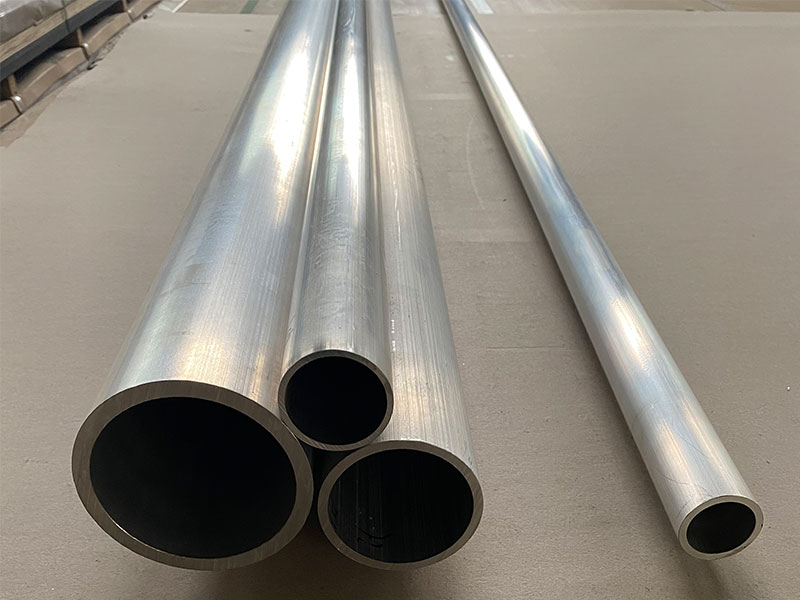
Marine aluminum round tubes
Marine Grade Aluminum Round Tubes are manufactured from premium marine alloys such as 5083, 5052, 6061, and 6082, all selected for their proven resistance to seawater corrosion and marine atmosphere degradation.
View Details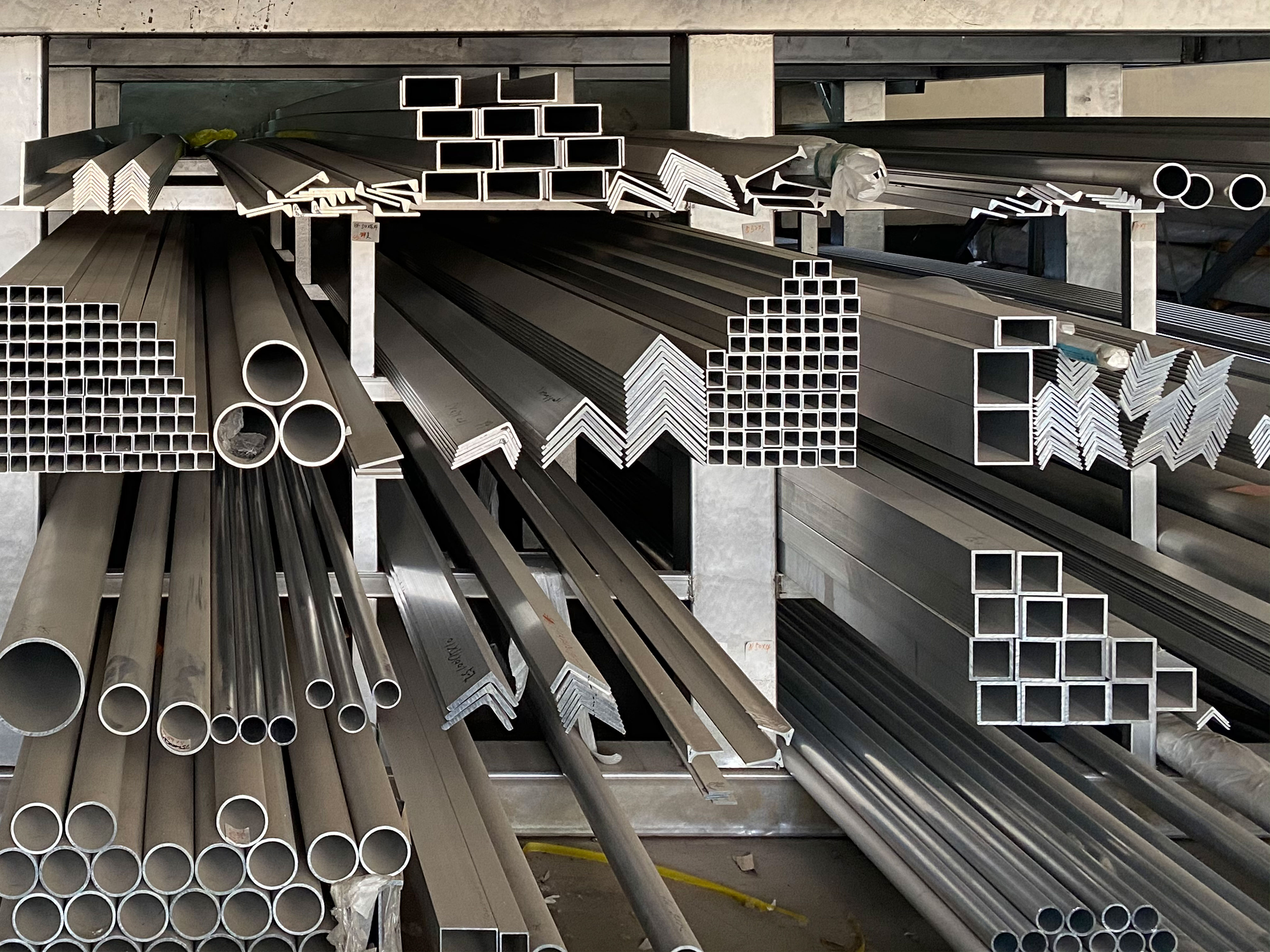
Custom marine aluminum profile tubes
Custom Marine Grade Aluminum Profile Tubes are manufactured from premium marine aluminum alloys such as 5083, 5052, 6061, and 6082.
View Details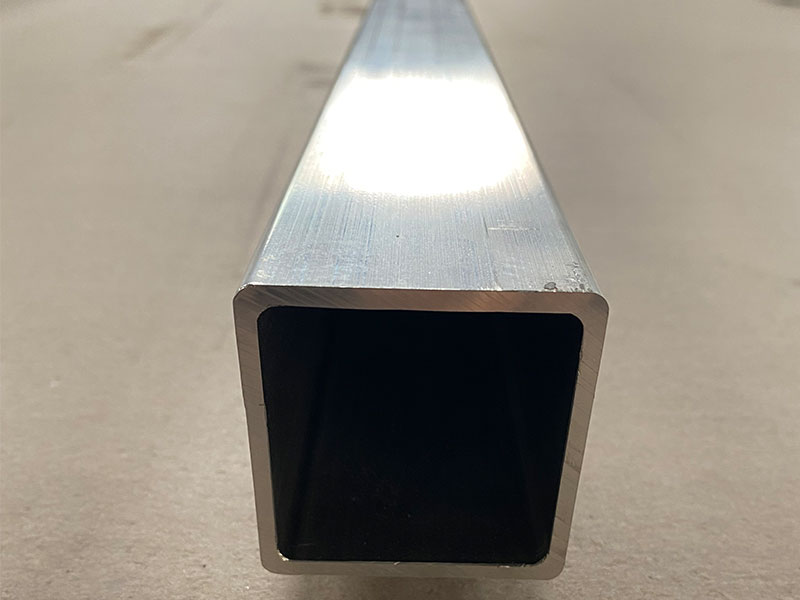
Marine aluminum square tubes
Marine Grade Aluminum Square Tubes are typically constructed from marine-grade alloys such as 5083, 5052, 6061, and 6082—well-known for their ability to withstand the aggressive effects of saltwater and marine atmospheres.
View Details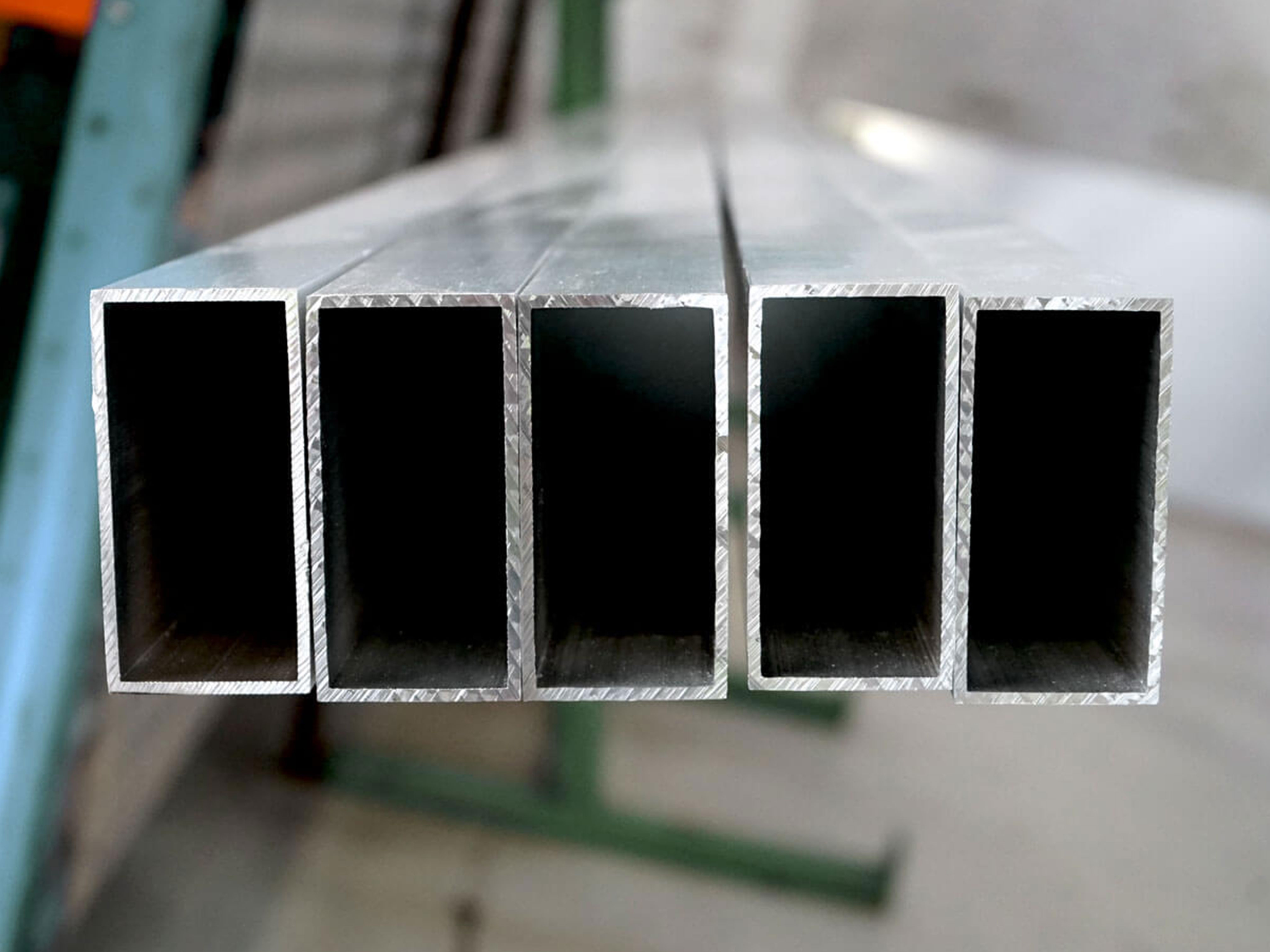
Marine aluminum rectangular tubes
Marine Grade Aluminum Rectangular Tubes are made from high-performance alloys such as 5083, 5052, 6061, and 6082. These alloys are renowned for their ability to resist corrosive seawater and marine atmospheres while providing excellent mechanical strength and toughness.
View Details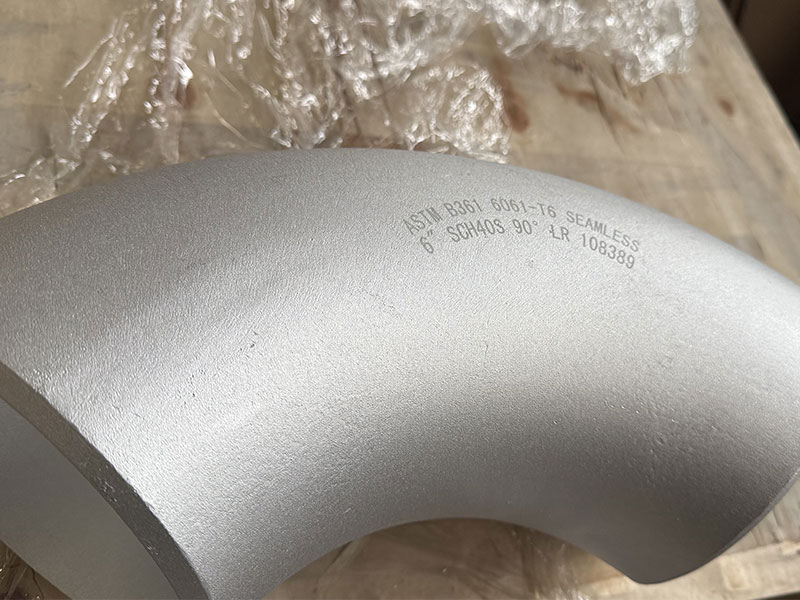
6061-T6 90-Degree Marine Aluminum Pipe Elbow
Manufactured from premium 6061-T6 marine-grade aluminum alloy, this elbow fitting is engineered to provide reliable and efficient pipe direction changes within shipbuilding, offshore platforms, and marine infrastructure systems.
View DetailsRelated Blog
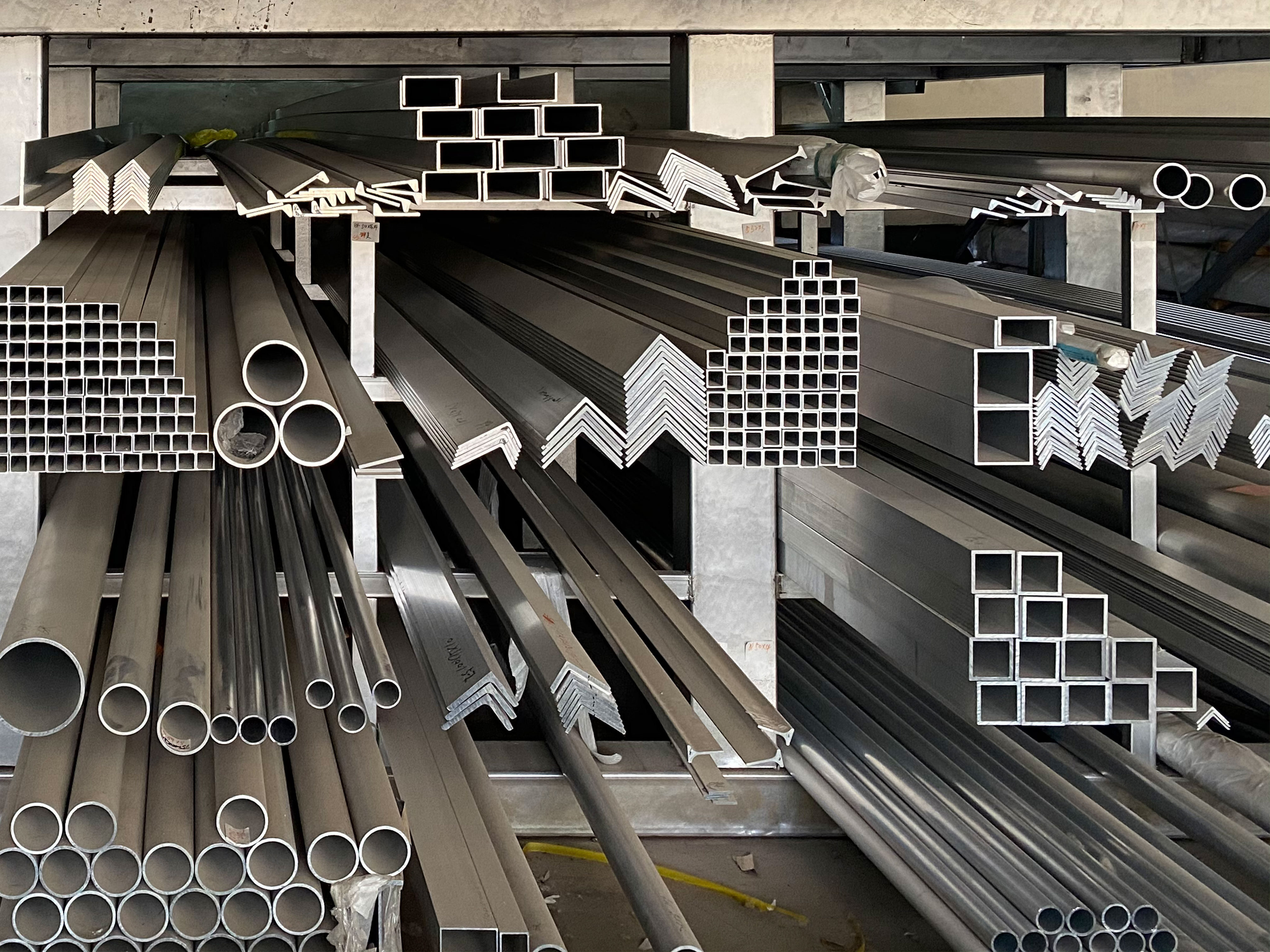
6061 Marine Aluminum Tubes for Marine Engineering Projects
Marine engineering demands materials that combine exceptional strength, corrosion resistance, and versatility for reliable performance in harsh seawater environments.
View Details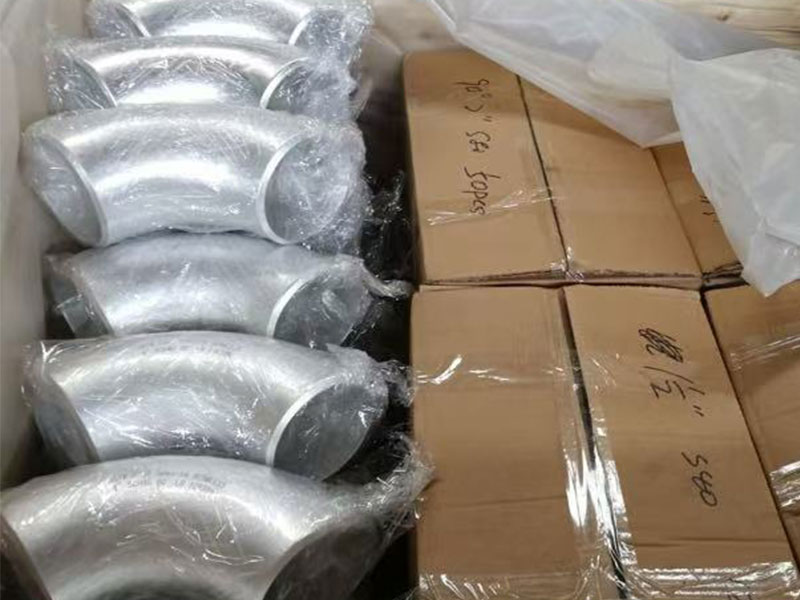
Seamless Marine Aluminum Pipe Elbow for Ship Applications
Seamless Marine Aluminum Pipe Elbow for Ship Applications: Where Metallurgy Meets Hydrodynamics In a ship’s piping system, the humble elbow is where fluid direction changes and engineering disciplines collide.
View Details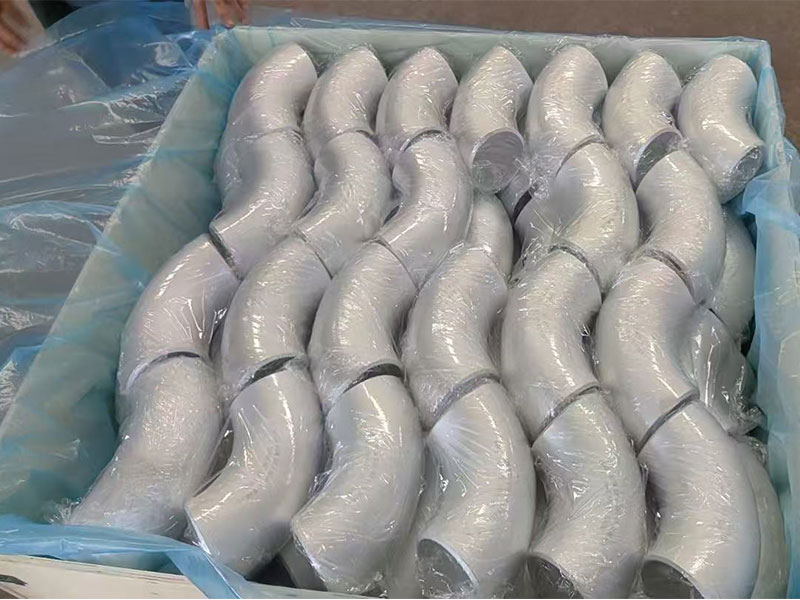
Marine Grade Aluminum Pipe Elbow for Offshore Projects
Marine environments pose unique challenges—including corrosion, mechanical stress, and exposure to harsh elements—necessitating the use of specialized materials and components.
View Details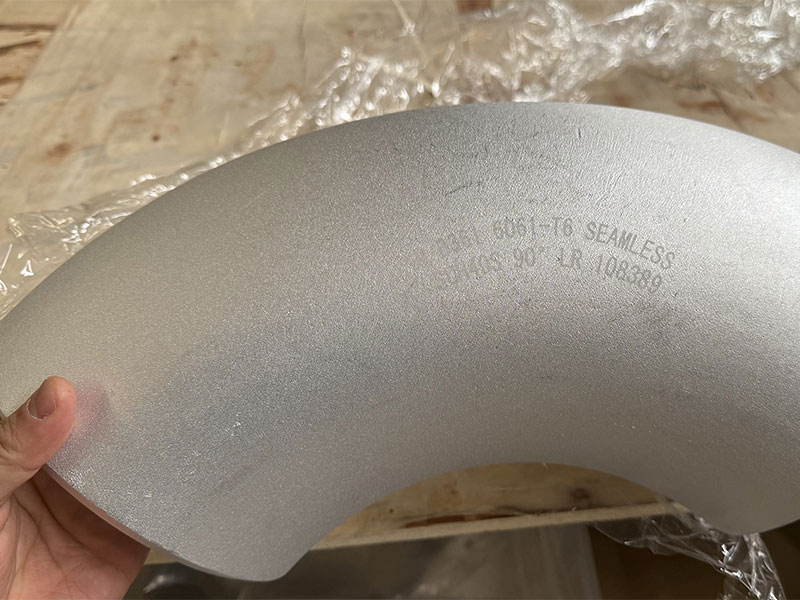
5083 Marine Aluminum Tubes for Marine Hull Construction
5083 aluminum alloy is one of the most widely used non-heat-treatable marine alloys. Designed for superior corrosion resistance, high strength, and excellent weldability, 5083 tubes are ideal for hull structures, superstructures, piping.
View Details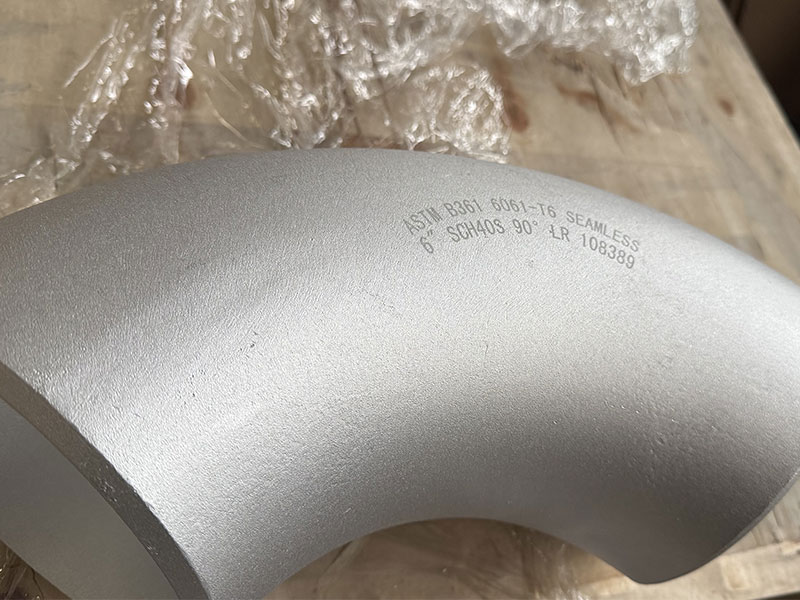
Marine Aluminum Pipe Elbow for Shipbuilding
In the ever-evolving shipbuilding industry, the choice of materials plays a pivotal role in ensuring vessel performance, safety, and longevity.
View Details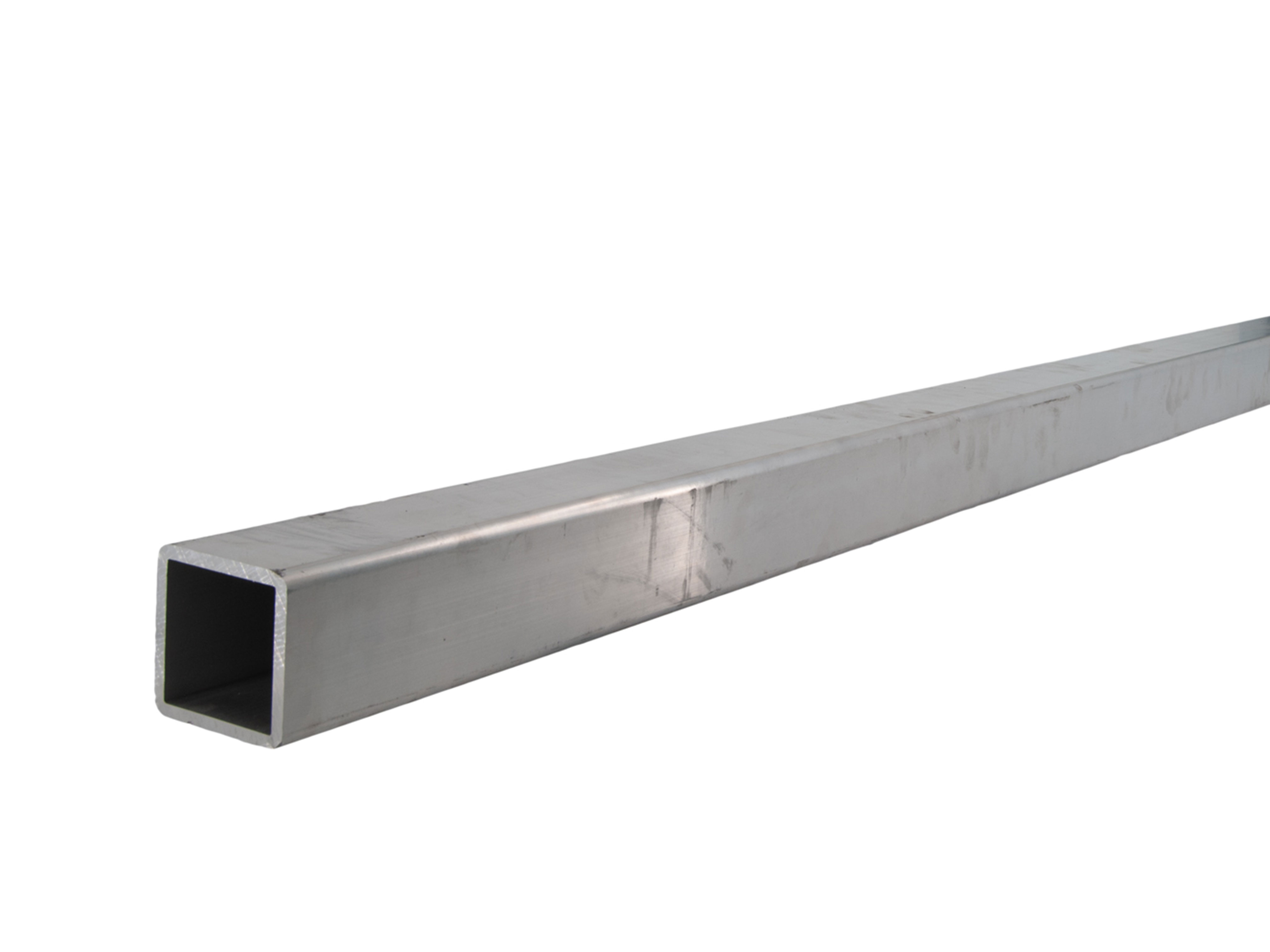
5052 Marine Aluminum Tubes for Marine Vessel Hull Construction
When it comes to building resilient marine vessels, selecting the right materials is crucial. One outstanding option is 5052 Marine Aluminum, widely recognized for its excellent corrosion resistance and structural integrity.
View Details
Leave a Message