
Aluminium sheet for ship building
Aluminium sheet for ship building is engineered to deliver a rare combination of light weight, corrosion resistance, high specific strength, and excellent fabricability in harsh marine environments. Compared with traditional shipbuilding steels, marine-grade aluminium can reduce structural mass substantially-translating into higher payload capacity, improved fuel economy, higher speed, and shallower draft-while still meeting demanding requirements for weldability, fatigue performance, and long-term durability in seawater.
Why Aluminium Sheet in Shipbuilding?
Marine aluminium sheet is chosen when designers need a corrosion-resistant structure with low lifecycle cost and high productivity in fabrication.
benefits at a glance
| Benefit | What it means in practice | Value to ship owners/builders |
|---|---|---|
| Low density (~2.7 g/cm³) | ~1/3 the density of steel | Lower fuel consumption, higher payload, improved stability |
| Strong natural oxide film | Passivation improves corrosion resistance | Reduced maintenance; longer service life in marine climates |
| Excellent weldability (marine alloys) | MIG/TIG and automated welding widely used | Faster fabrication; fewer defects when procedures are controlled |
| High toughness at low temperature | Ductile behavior in cold seas | Safer operation in harsh climates |
| Good formability | Bending, rolling, and pressing feasible | Efficient panel forming and superstructure manufacturing |
| Recyclable | High scrap value | Better sustainability and end-of-life economics |
Typical Marine Aluminium Alloys for Shipbuilding Sheet
Most shipbuilding sheets use 5xxx series (Al-Mg) alloys due to superior seawater corrosion resistance and good weld performance. 6xxx series (Al-Mg-Si) are also used, mainly for extrusions and selected sheet parts where heat-treatable strength is needed.
Recommended alloys and common use
| Alloy (EN/AA) | Temper (typical) | Strength level | Best-fit ship components |
|---|---|---|---|
| 5083 | H116 / H321 | High | Hull plating, deck plating, high-stress panels |
| 5052 | H32 / H34 | Medium | Interior structures, tanks, formed parts |
| 5454 | H32 / H34 | Medium | Fuel/chemical tanks, areas requiring good elevated-temp performance |
| 5754 | H111 / H22 / H32 | Medium | Superstructures, ramps, general marine sheetwork |
| 5383 | H116 / H321 | High | High-performance hulls; improved weld strength in many designs |
| 6082 (less common as sheet) | T6 | High (heat-treated) | Selected structural parts; often extruded profiles |
Note: For hull plating, 5083/5383 in H116 or H321 are widely specified due to strong track records in marine classification frameworks.
Chemical Composition (Typical Ranges)
Below are typical composition ranges (wt.%) for widely used marine sheet alloys. Actual mill certificates (MTC/EN 10204 3.1) govern supply.
5083 (Marine Grade) - typical chemistry
| Element | Mg | Mn | Cr | Si | Fe | Cu | Zn | Ti | Al |
|---|---|---|---|---|---|---|---|---|---|
| wt.% | 4.0–4.9 | 0.4–1.0 | 0.05–0.25 | ≤0.40 | ≤0.40 | ≤0.10 | ≤0.25 | ≤0.15 | Balance |
5052 - typical chemistry
| Element | Mg | Cr | Si | Fe | Cu | Mn | Zn | Ti | Al |
|---|---|---|---|---|---|---|---|---|---|
| wt.% | 2.2–2.8 | 0.15–0.35 | ≤0.25 | ≤0.40 | ≤0.10 | ≤0.10 | ≤0.10 | ≤0.15 | Balance |
5754 - typical chemistry
| Element | Mg | Mn | Cr | Si | Fe | Cu | Zn | Ti | Al |
|---|---|---|---|---|---|---|---|---|---|
| wt.% | 2.6–3.6 | ≤0.50 | ≤0.30 | ≤0.40 | ≤0.40 | ≤0.10 | ≤0.20 | ≤0.15 | Balance |
Mechanical Properties (Typical Values)
Mechanical performance depends on thickness, temper, and welding. The following values are representative for marine sheet selection (room temperature).
| Alloy / Temper | Yield Strength (MPa) | Tensile Strength (MPa) | Elongation (%) | Notes |
|---|---|---|---|---|
| 5083-H116 | ~215 | ~305 | ~12 | Excellent seawater resistance; common for hulls |
| 5083-H321 | ~215 | ~305 | ~12 | Stabilized for better property consistency |
| 5754-H111 | ~80 | ~190 | ~22 | Great formability; moderate strength |
| 5754-H22/H32 | ~150 | ~250 | ~10–14 | Balanced strength/forming for superstructures |
| 5052-H32 | ~160 | ~230 | ~12 | Easy forming; good general marine use |
Welded joints: design must consider HAZ softening in 5xxx alloys; good welding practice and appropriate joint design can mitigate performance losses.
Technical Specifications (Common Supply Range)
A shipyard-friendly aluminium sheet program is defined by alloy/temper control, tight thickness tolerances, and predictable flatness for panel fabrication.
| Parameter | Typical range / option | Customer value |
|---|---|---|
| Product form | Sheet / plate (cut-to-size) / coil | Fits panel-line or manual fabrication |
| Thickness | 1.5–50 mm (sheet to plate) | Covers superstructure skins to hull plating |
| Width | 1000–2500 mm (custom possible) | Efficient nesting and reduced weld length |
| Length | 2000–12000 mm (cut-to-length) | Large panels for fewer seams |
| Surface | Mill finish, one-side film, brushed (on request) | Controls appearance and handling damage |
| Flatness | Controlled per agreement | Easier fit-up, faster welding, less rework |
| Standards (common) | EN 485 / ASTM B209 (as agreed) | Clear compliance and traceability |
| Inspection | EN 10204 3.1 MTC, PMI on request | Confidence for class and QA |
Marine Performance: What Matters Most
1) Seawater corrosion resistance
5xxx alloys rely on Mg solid-solution strengthening and a stable oxide layer. For best results:
- Avoid long-term exposure above ~65°C where certain sensitization risks may increase (alloy- and temper-dependent).
- Use proven marine tempers (e.g., H116/H321) for critical hull plating.
2) Fatigue and structural durability
Aluminium does not have a true endurance limit; fatigue design is driven by:
- Weld quality and toe geometry
- Stress concentration control
- Proper plate thickness and stiffener spacing
In practice, well-designed aluminium structures perform reliably, particularly when weld details are optimized and corrosion protection is correctly applied.
3) Welding and fabrication efficiency
Marine aluminium sheet supports:
- MIG welding (typical), TIG for precision, and automated processes for panel lines
- Good formability for bends, chines, and fairing work
- Rapid assembly due to lower part weight and easier handling
4) Thermal and acoustic behavior
Aluminium's higher thermal conductivity can be a plus for heat spreading, but ship designers often pair sheet structures with insulation systems to meet comfort and fire-safety requirements.
Typical Applications in Shipbuilding
| Vessel / Structure | Where aluminium sheet is used | Why it's chosen |
|---|---|---|
| High-speed ferries | Hull plating, decks, bulkheads | Weight reduction drives speed and fuel savings |
| Patrol boats & workboats | Hulls, cabins, deckhouses | Toughness + corrosion resistance + payload flexibility |
| Cruise and commercial ships | Superstructures, helidecks, accommodation blocks | Lowers topweight, improves stability and GM margin |
| Offshore support craft | Deck panels, walkways, housings | Corrosion resistance and fast fabrication |
| Yachts | Exterior panels, interior partitions | Premium finish + weight savings + design freedom |
| Marine tanks (select alloys) | Fuel/chemical containment | Specific alloy selection for compatibility |
Selecting the Right Sheet: Practical Buying Checklist
| Selection item | Recommendation | Why it matters |
|---|---|---|
| Alloy | 5083/5383 for hulls; 5754/5052 for formed parts | Matches corrosion + strength + formability needs |
| Temper | H116/H321 for critical marine plating | Better marine service suitability |
| Thickness plan | Optimize with structural design; avoid over-thickness | Saves weight and cost |
| Certification | Request 3.1 MTC and agreed standards | Supports classification/traceability |
| Surface protection | Use handling film and clean storage | Prevents scratches and contamination |
| Welding plan | Confirm filler compatibility and WPS/PQR | Controls HAZ properties and joint quality |
Aluminium sheet is a performance-driven shipbuilding material that delivers lighter structures, excellent seawater corrosion resistance, and efficient fabrication-especially when marine-grade 5xxx alloys like 5083 (H116/H321) are used for hulls and 5754/5052 for superstructures and formed components. With proper alloy selection, certified supply, and sound welding/design practices, shipbuilders can achieve lower operating costs, higher payload efficiency, and long service life in demanding marine environments.

Related Products
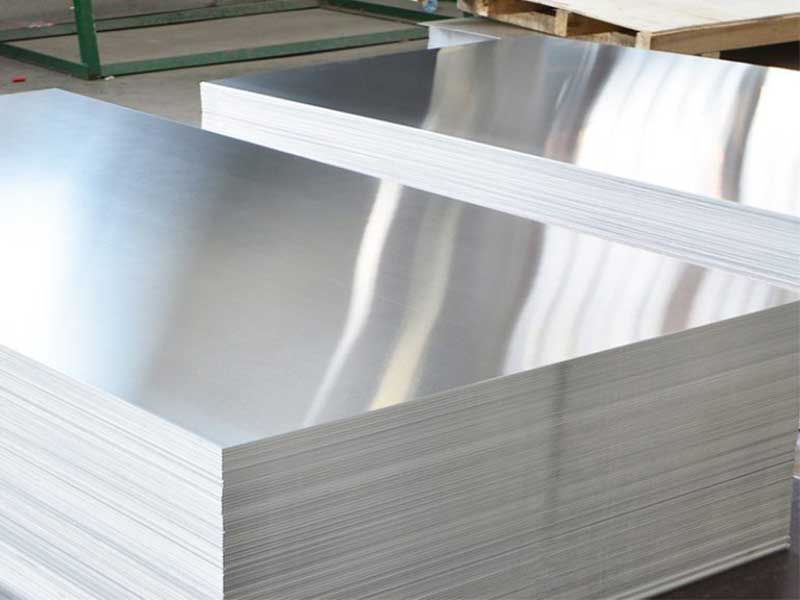
Marine anodized aluminum sheets
Marine Anodized Aluminum Sheets start with premium marine-grade aluminum alloys such as 5000 and 6000 series (typically 5083, 5052, and 6061).
View Details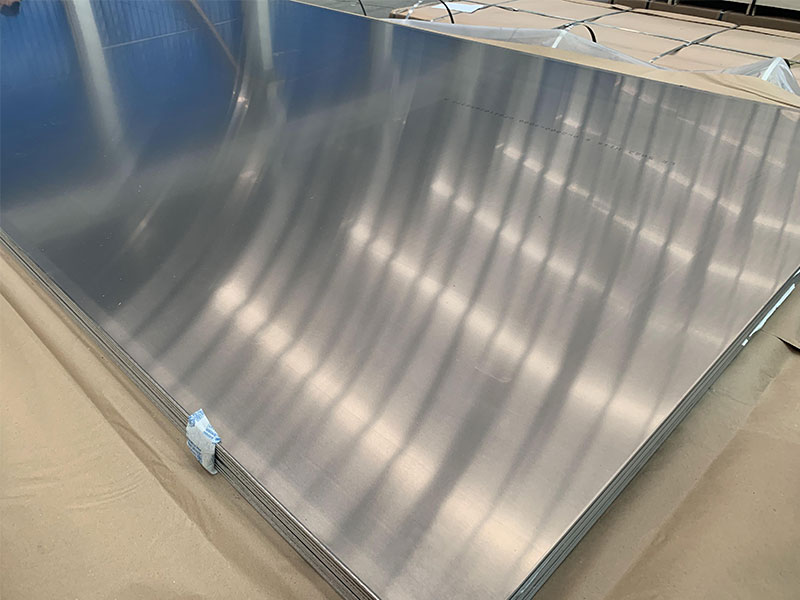
Marine 5052 aluminum sheet
Aluminum alloy 5052 is a non-heat-treatable, strain-hardened alloy with magnesium as the primary alloying element. It is designed to offer superior corrosion resistance in marine and saline environments, making it a dependable choice for components exposed directly to seawater or coastal atmospheric conditions.
View Details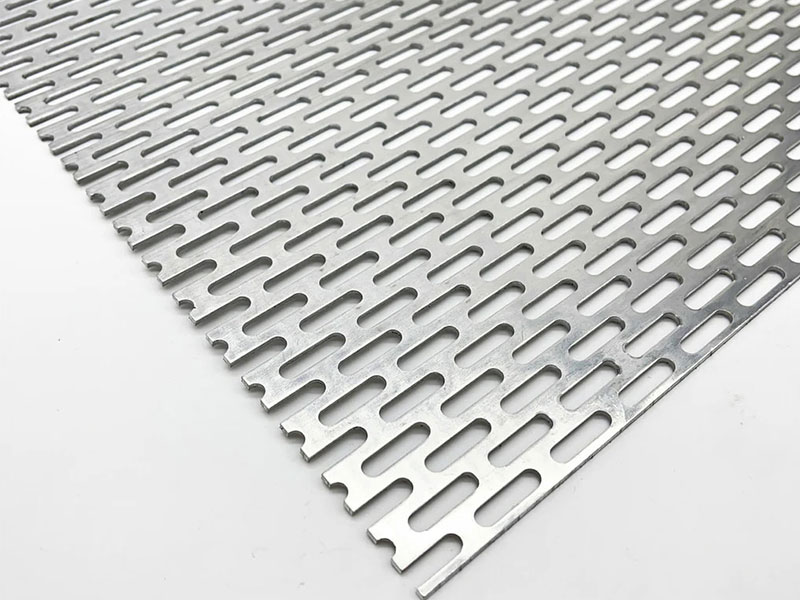
Marine perforated aluminum sheets
Marine Perforated Aluminum Sheets feature a series of uniform holes or shapes punched through the aluminum surface. These perforations can vary in size, pattern, and open area to tailor the sheets for specific applications.
View Details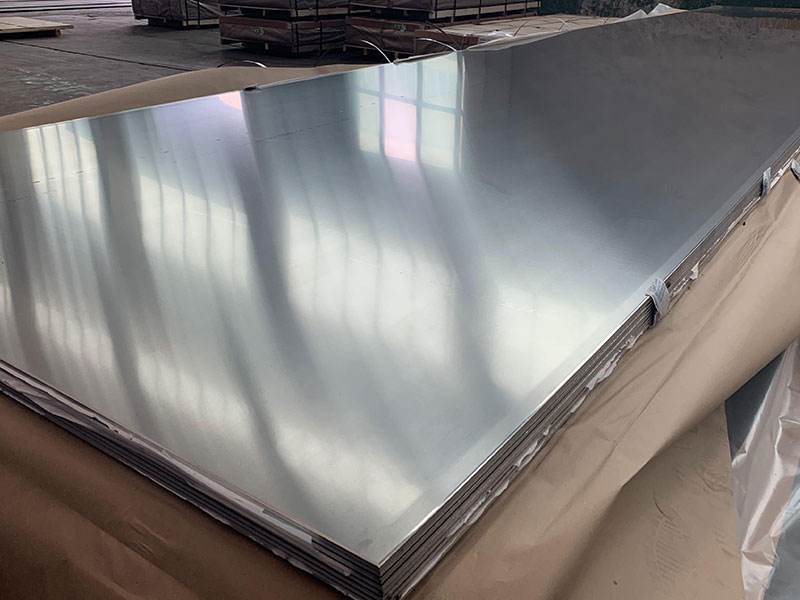
Marine 5086 aluminum sheet
This product article provides an in-depth and comprehensive understanding of Marine 5086 Aluminum Sheets, including their chemical composition, mechanical properties, corrosion resistance, fabrication capabilities, and typical marine applications.
View Details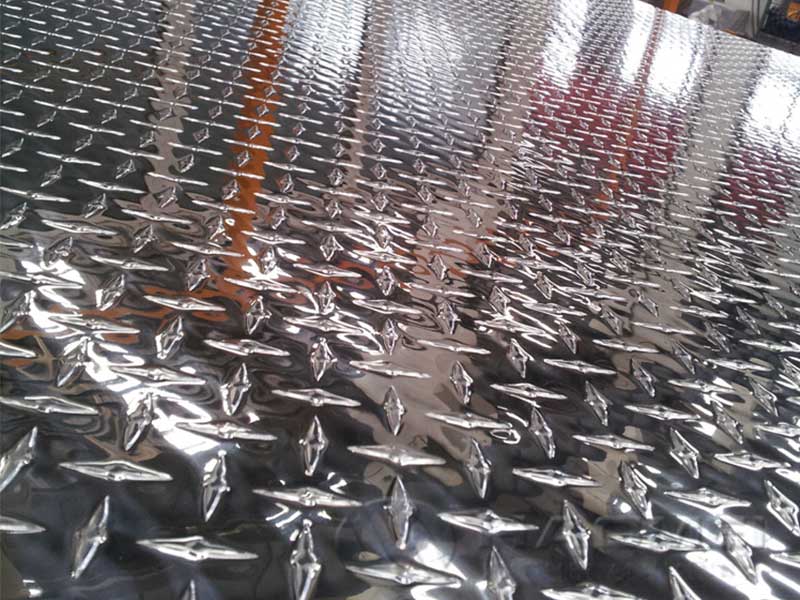
Marine Aluminum Tread Sheets
Marine Aluminum Tread Sheets are aluminum alloy plates featuring a raised surface pattern, commonly referred to as a tread design or diamond plate.
View Details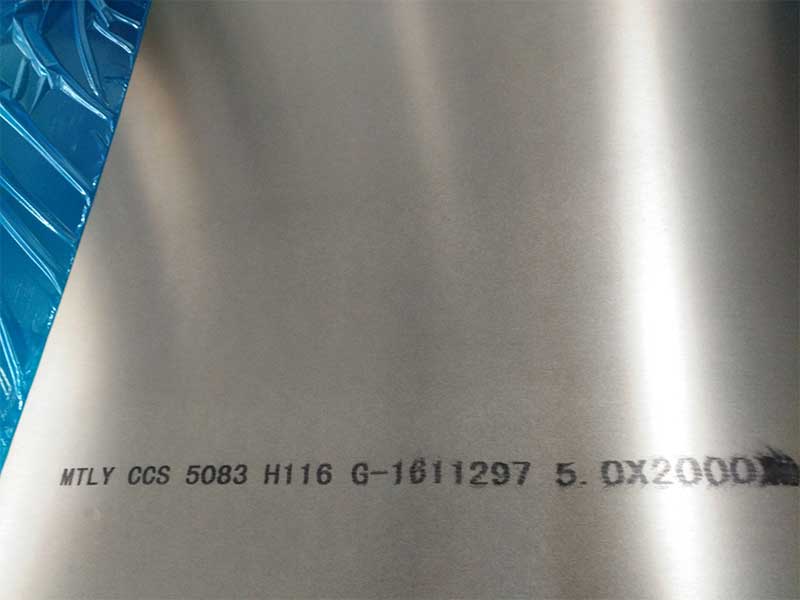
Marine 5083 aluminum sheet
Aluminum alloy 5083 is a non-heat-treatable alloy primarily composed of magnesium and trace elements that deliver outstanding protection against corrosion, particularly in seawater and saline atmospheres.
View DetailsRelated Blog
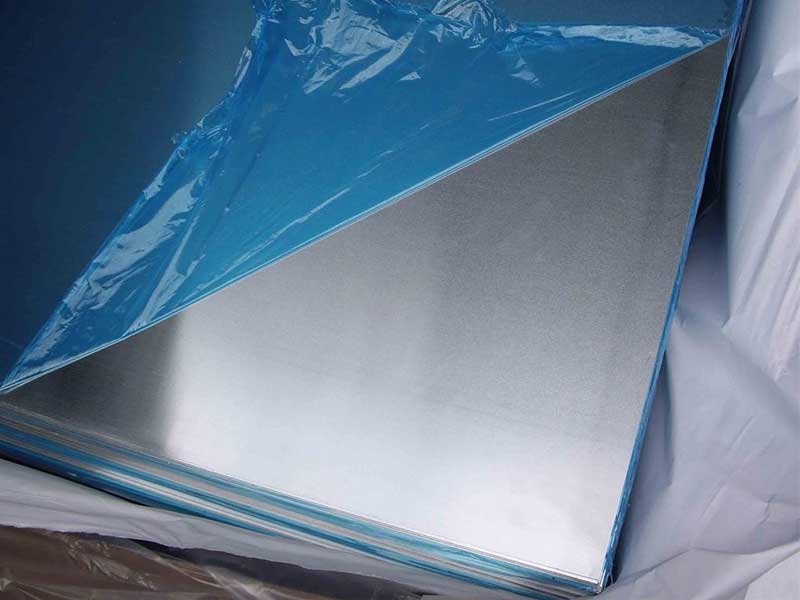
5754 Marine Grade Aluminum Alloy Aluminium Sheet
5754 marine grade aluminum alloy sheet is a workhorse material for corrosive, saltwater, and high-humidity environments where durability, formability, and long-term appearance matter.
View Details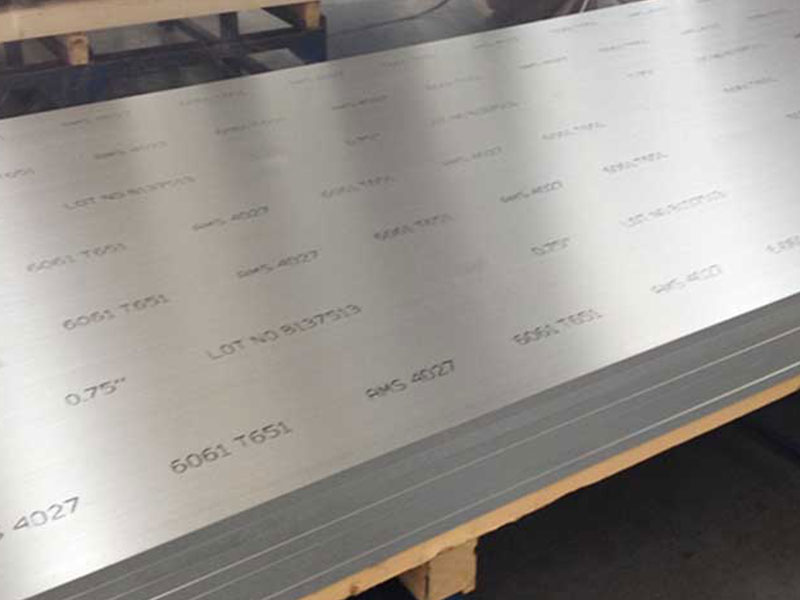
5052 h38 h32 aluminium sheet for boat
When it comes to building durable, lightweight, and corrosion-resistant boats, the choice of material plays a crucial role in ensuring optimal performance and longevity.
View Details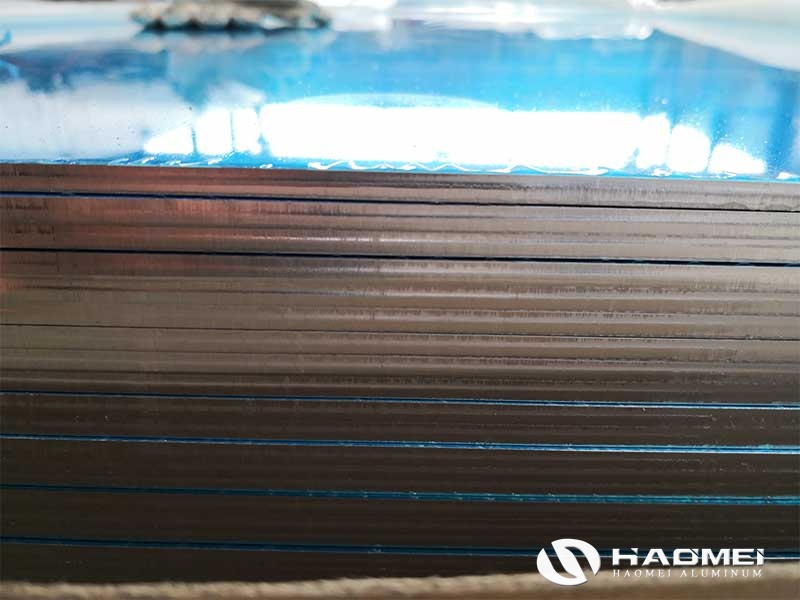
Marine 5052 Aluminum Sheet
Marine 5052 aluminum sheet offers excellent seawater corrosion resistance, easy forming, and reliable weldability for hulls, tanks, and deck components.
View Details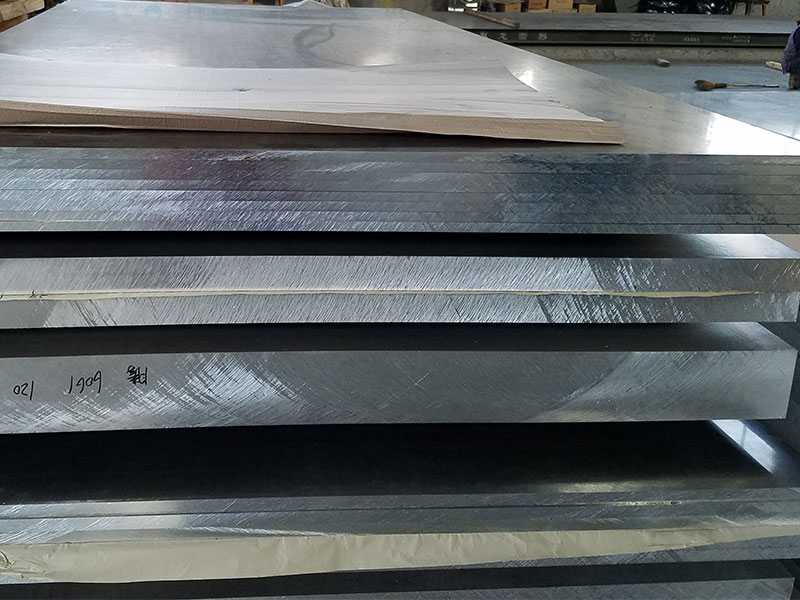
5052 5083 Aluminum coil for boat yacht
Marine structures live in a harsh world: salt spray, cyclic loading from waves, temperature swings, and constant exposure to moisture.
View Details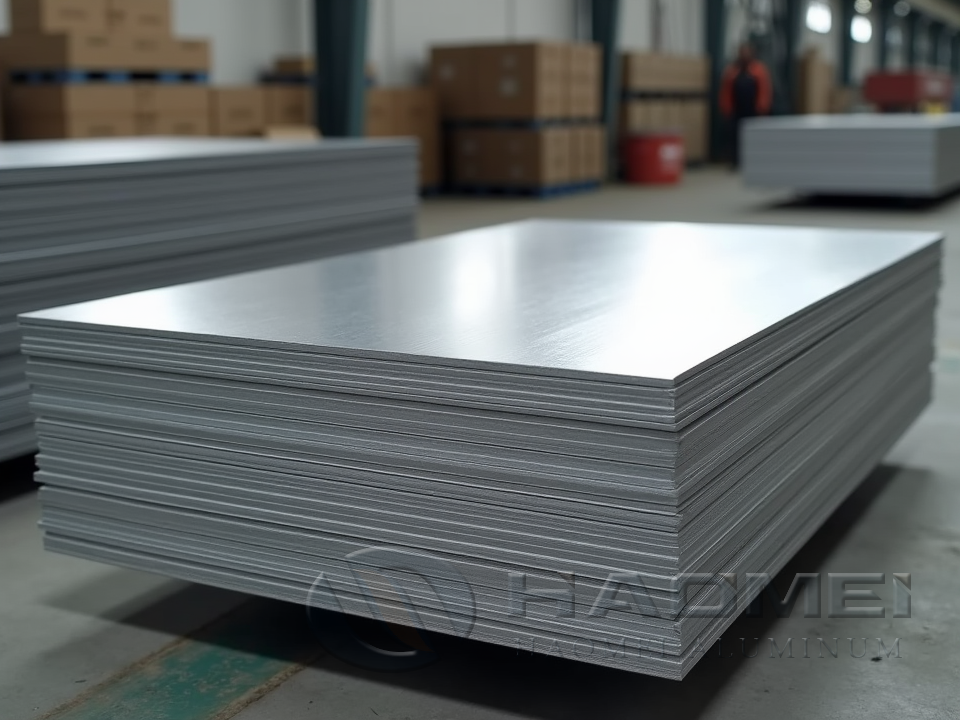
Marine 5086 Aluminum Sheet
A practical guide to Marine 5086 aluminum sheet, covering tempers, standards, chemistry, corrosion resistance, welding, and marine uses.
View Details
Marine 5059 Aluminum Plate
Marine 5059 aluminum plate offers high strength, seawater corrosion resistance, weldability, and certified performance for hulls and naval structures.
View Details
Leave a Message