
Aluminum Alloy Marine Pipe Elbow for Fuel Line Installations
Aluminum alloy marine pipe elbows are specialized fittings designed to change the direction of fuel lines on boats, ships, and offshore platforms while maintaining excellent corrosion resistance, strength, and flow performance.
An Aluminum Alloy Marine Pipe Elbow for Fuel Line Installations is a precision-formed elbow (typically 45°, 90°, or 180°) manufactured from marine‑grade aluminum alloys such as 5083 or 6061. It is used to:
- Route fuel lines around structural elements
- Minimize pressure losses and turbulence
- Provide long-term corrosion resistance in marine environments
- Reduce system weight compared with steel or copper fittings
These elbows are widely used in:
- Marine diesel and gasoline fuel distribution lines
- Transfer lines from tanks to engines and day tanks
- Fuel return and circulation systems
- Auxiliary generator and emergency pump fuel lines
2. Features & Benefits
2.1 Main Features
- Marine-grade aluminum alloy construction (e.g., 5083/6061)
- High resistance to seawater corrosion and pitting
- Lightweight with good specific strength
- Precision-formed elbows (15°, 30°, 45°, 60°, 90°, 180° options)
- Smooth internal surface with low roughness (typically Ra ≤ 1.6 μm)
- Compatible with common marine fuels (diesel, MGO, gasoline, biofuel blends)
- Options for butt-weld, socket-weld, or flanged ends
- Available with classification certificates (DNV, ABS, LR, CCS as specified)
2.2 Customer Benefits
- Reduced weight: Up to 50–70% lighter than carbon steel elbows, helping meet vessel weight and fuel‑efficiency targets.
- Lower maintenance: Excellent resistance to marine corrosion reduces repainting, recoating, and replacement frequency.
- Stable fuel flow: Smooth bore and precise radii minimize pressure loss and reduce localized turbulence.
- Easy handling & installation: Lightweight elbows simplify fitting in tight engine rooms and confined spaces.
- Long service life: Durable construction and alloy selection extend the life of the fuel distribution system.
3. Typical Aluminum Alloy Grades
The elbows are generally produced using marine-grade wrought aluminum alloys. Two common options:
3.1 Chemical Composition (Example Alloys)
| Alloy Grade | Si (%) | Fe (%) | Cu (%) | Mn (%) | Mg (%) | Cr (%) | Zn (%) | Ti (%) | Others (%) | Al (Balance) |
|---|---|---|---|---|---|---|---|---|---|---|
| 5083-O/H112 | ≤0.40 | ≤0.40 | ≤0.10 | 0.40–1.00 | 4.0–4.9 | 0.05–0.25 | ≤0.25 | ≤0.15 | ≤0.15 | Remainder |
| 6061-T6 | 0.40–0.80 | ≤0.70 | 0.15–0.40 | 0.15 | 0.80–1.20 | 0.04–0.35 | ≤0.25 | ≤0.15 | ≤0.15 | Remainder |
Note: Actual alloy and temper are selected to match the operating pressure, forming process, and applicable standards (e.g., ISO, ASTM, EN).
4. Mechanical & Performance Characteristics
4.1 Mechanical Properties (Typical Values)
| Property | Alloy 5083-O/H112 | Alloy 6061-T6 |
|---|---|---|
| Tensile Strength Rm (MPa) | 275–345 | 260–310 |
| Yield Strength Rp0.2 (MPa) | ≥125 | ≥240 |
| Elongation A50 (%) | ≥12 | ≥8 |
| Brinell Hardness HBW | 75–95 | 90–110 |
| Density (g/cm³) | ~2.66 | ~2.70 |
| Modulus of Elasticity (GPa) | ~70 | ~69 |
4.2 Performance in Marine Fuel Systems
| Performance Aspect | Description & Benefit |
|---|---|
| Corrosion Resistance | Resistant to seawater, spray, and atmospheric corrosion. |
| Fuel Compatibility | Compatible with diesel, MGO, gasoline, biodiesel blends (check for specific fuel additives). |
| Temperature Range | Typical service: −40 °C to +120 °C (application-dependent). |
| Burst & Proof Pressure | Designed according to line class and code; typical proof factor ≥ 1.5 × design pressure. |
| Vibration Resistance | Welded or flanged systems maintain integrity under engine vibrations when properly supported. |
| Fire Safety | Non-sparking material; used in conjunction with approved shut-off and safety valves. |
5. Technical Specifications
The following table summarizes typical technical parameters for marine fuel line elbows. Actual values depend on project and standard (e.g., ISO 15552, ISO 10074, ASME B36.10/19 adaptions for aluminum, or shipyard specification).
5.1 Dimensional & Pressure Data (Example)
| Parameter | Value / Range (Typical) |
|---|---|
| Nominal Diameter (DN) | DN 8 to DN 100 (¼" to 4") |
| Standard Bend Angles | 15°, 30°, 45°, 60°, 90°, 180° |
| Bend Radius (Centerline) | 1D, 1.5D, or 2D (D = nominal diameter) |
| Wall Thickness Schedule | SCH 5S, SCH 10S, SCH 40S (project-dependent) |
| Design Pressure (PN Rating) | PN 10–25 (up to ~25 bar, typical fuel lines) |
| Test Pressure | 1.5 × design pressure (hydrostatic test) |
| End Connections | Butt-weld, socket-weld, threaded, or flanged |
| Surface Roughness (Internal) | Ra ≤ 1.6 μm (after forming and finishing) |
| Surface Protection | Mill finish, anodized, or coated as required |
5.2 Typical Dimensional Example (90° Butt-Weld Elbow, 6061 Alloy)
| Nominal Size | Outside Diameter (mm) | Wall Thickness (mm) | Centerline Radius (mm) | Approx. Weight (kg/pc) |
|---|---|---|---|---|
| DN 15 (½") | 21.3 | 2.0 | 30 | 0.05 |
| DN 25 (1") | 33.7 | 2.6 | 38 | 0.09 |
| DN 40 (1½") | 48.3 | 3.0 | 57 | 0.17 |
| DN 65 (2½") | 76.1 | 3.2 | 89 | 0.37 |
| DN 100 (4") | 114.3 | 3.6 | 152 | 0.82 |
Dimensions and weights are indicative for illustrative purposes only.
6. Design & Installation Considerations
6.1 Fuel System Design
When specifying aluminum alloy marine elbows for fuel lines:
- Match the alloy with pipe material to avoid galvanic corrosion.
- Check fuel compatibility: especially with high-bio content fuels and aggressive additives.
- Confirm classification rules: ensure materials and wall thicknesses comply with DNV, ABS, LR, CCS, or relevant flag state rules.
- Allow for thermal expansion: integrate flexible sections or expansion loops in long runs.
6.2 Welding & Jointing
- Butt-weld elbows are commonly TIG or MIG welded with suitable filler metals (e.g., ER5356 for 5xxx alloys, ER4043/ER5356 for 6xxx).
- Joint preparation includes careful cleaning and oxide removal to ensure sound welds.
- Use qualified welding procedures (WPS) and certified welders per marine standards.
6.3 Corrosion & Galvanic Control
- Avoid direct contact with more noble metals (e.g., copper alloys, stainless steel) in wet areas without insulation.
- Apply dielectric spacers, protective sleeves, or coatings when dissimilar materials cannot be avoided.
- Maintain coating integrity on adjacent structures to minimize galvanic currents.
7. Typical Applications & Use Cases
7.1 Engine Room Fuel Distribution
- Main supply and return lines between service tanks and main propulsion engines.
- Tight routing around engines, gearboxes, and structural frames using multiple 45°/90° elbows.
- Benefit: Reduced weight in the engine room and easier installation in congested spaces.
7.2 Generator & Auxiliary Systems
- Fuel lines feeding auxiliary diesel generators, emergency fire pumps, and standby engines.
- Compact elbow arrangements to integrate with skid-mounted or containerized equipment.
- Benefit: Stable flow with low pressure drop and clean internal surfaces.
7.3 Tank Farm & Transfer Lines (Onboard)
- Connections at tank tops, manifolds, and crossover lines between port and starboard tanks.
- Use of long-radius elbows to reduce erosion and turbulence at high flow rates.
- Benefit: Extended service life and more predictable flow characteristics.
7.4 High-Speed Craft & Lightweight Vessels
- Fast ferries, patrol boats, and yachts where weight saving is critical.
- Aluminum elbows combined with aluminum pipework and structure.
- Benefit: Weight optimization contributing to speed, fuel efficiency, and payload capacity.
8. Quality Control & Testing
Typical quality and inspection steps include:
| Test / Inspection | Scope & Acceptance Criteria |
|---|---|
| Visual & Dimensional Check | Angle, radius, ovality, wall thickness, end prep. |
| Hydrostatic Pressure Test | 1.5 × design pressure, no leakage or deformation. |
| Non-Destructive Testing | Dye penetrant or radiography on weld zones (as specified). |
| Chemical Composition Check | Spectrographic verification for alloy conformity. |
| Mechanical Test Coupons | Tensile and hardness testing (per batch or heat). |
Certificates (e.g., 3.1 / 3.2 per EN 10204) can be provided to document material traceability and test results.
The Aluminum Alloy Marine Pipe Elbow for Fuel Line Installations offers:
- High corrosion resistance for long-term marine service
- Significant weight reduction versus steel, ideal for modern and high-speed vessels
- Reliable flow performance with smooth, precise bends
- Flexible configuration (angles, radii, end connections) to fit complex layouts
- Compliance with marine standards and classification society rules when specified
By carefully selecting alloy grade, wall thickness, and elbow geometry to match the operating conditions, shipowners and designers gain a durable, lightweight, and cost-effective solution for marine fuel line systems.

Related Products
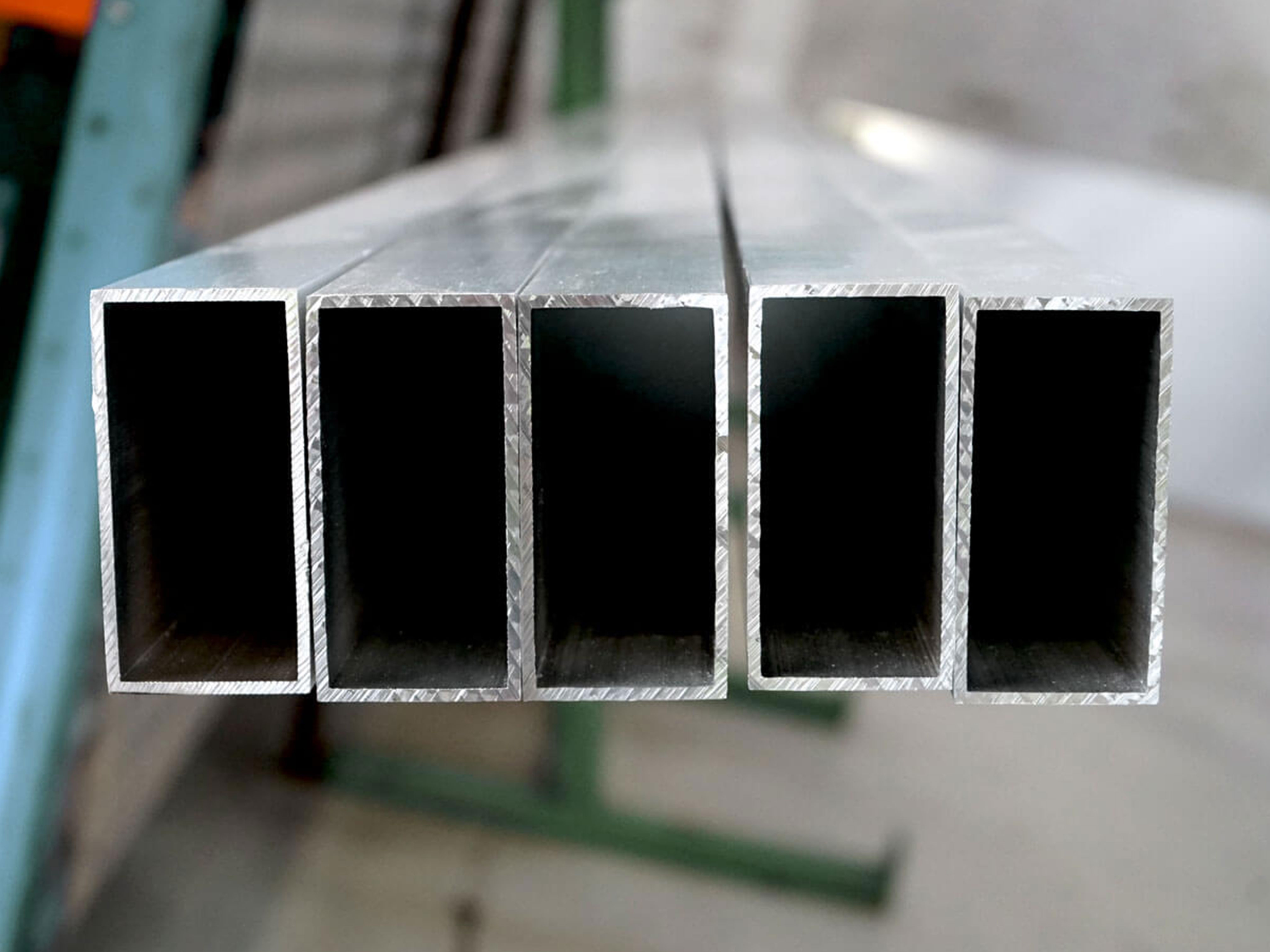
Marine aluminum rectangular tubes
Marine Grade Aluminum Rectangular Tubes are made from high-performance alloys such as 5083, 5052, 6061, and 6082. These alloys are renowned for their ability to resist corrosive seawater and marine atmospheres while providing excellent mechanical strength and toughness.
View Details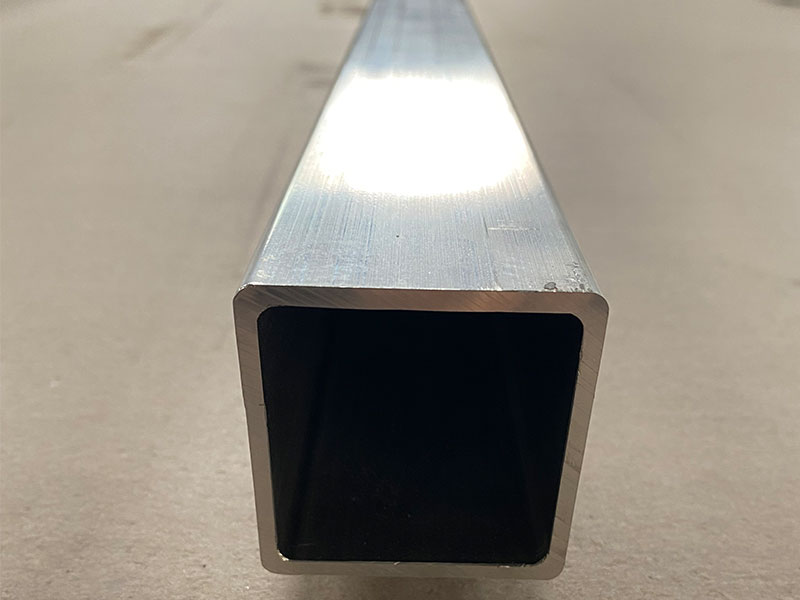
Marine aluminum square tubes
Marine Grade Aluminum Square Tubes are typically constructed from marine-grade alloys such as 5083, 5052, 6061, and 6082—well-known for their ability to withstand the aggressive effects of saltwater and marine atmospheres.
View Details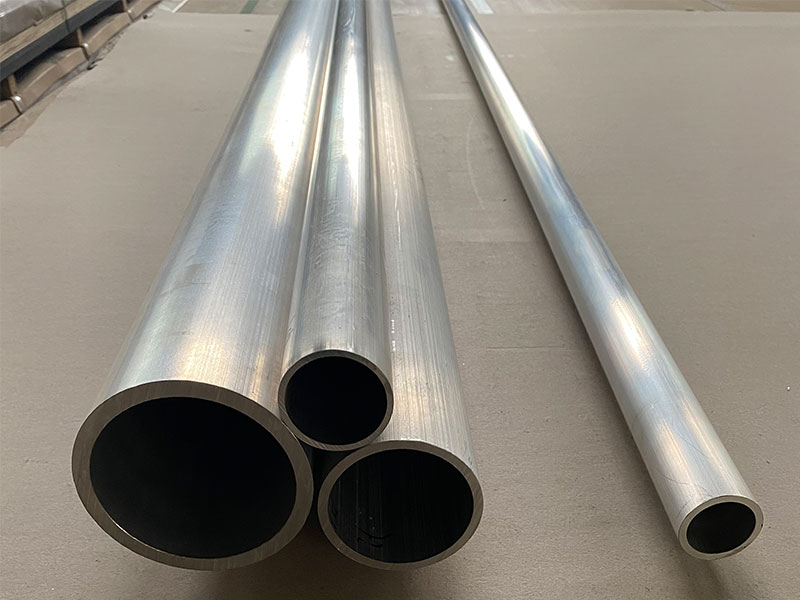
Marine aluminum round tubes
Marine Grade Aluminum Round Tubes are manufactured from premium marine alloys such as 5083, 5052, 6061, and 6082, all selected for their proven resistance to seawater corrosion and marine atmosphere degradation.
View Details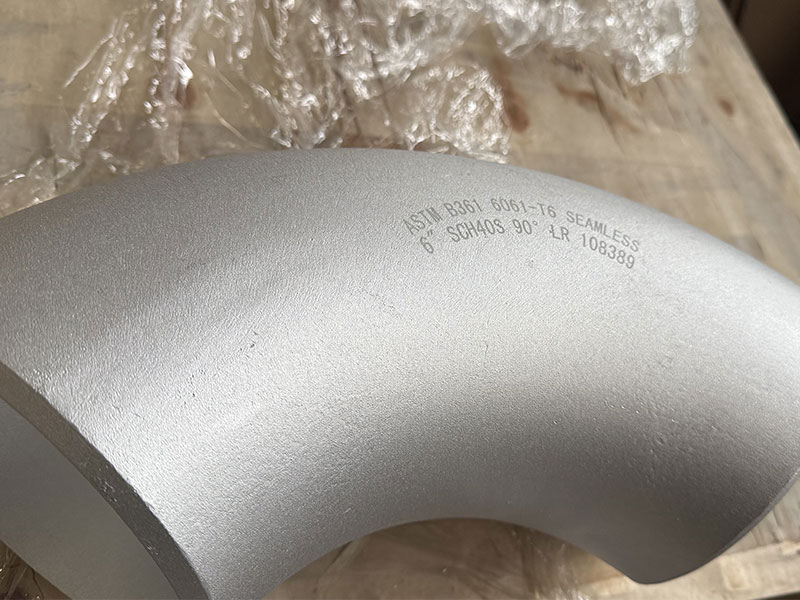
6061-T6 90-Degree Marine Aluminum Pipe Elbow
Manufactured from premium 6061-T6 marine-grade aluminum alloy, this elbow fitting is engineered to provide reliable and efficient pipe direction changes within shipbuilding, offshore platforms, and marine infrastructure systems.
View Details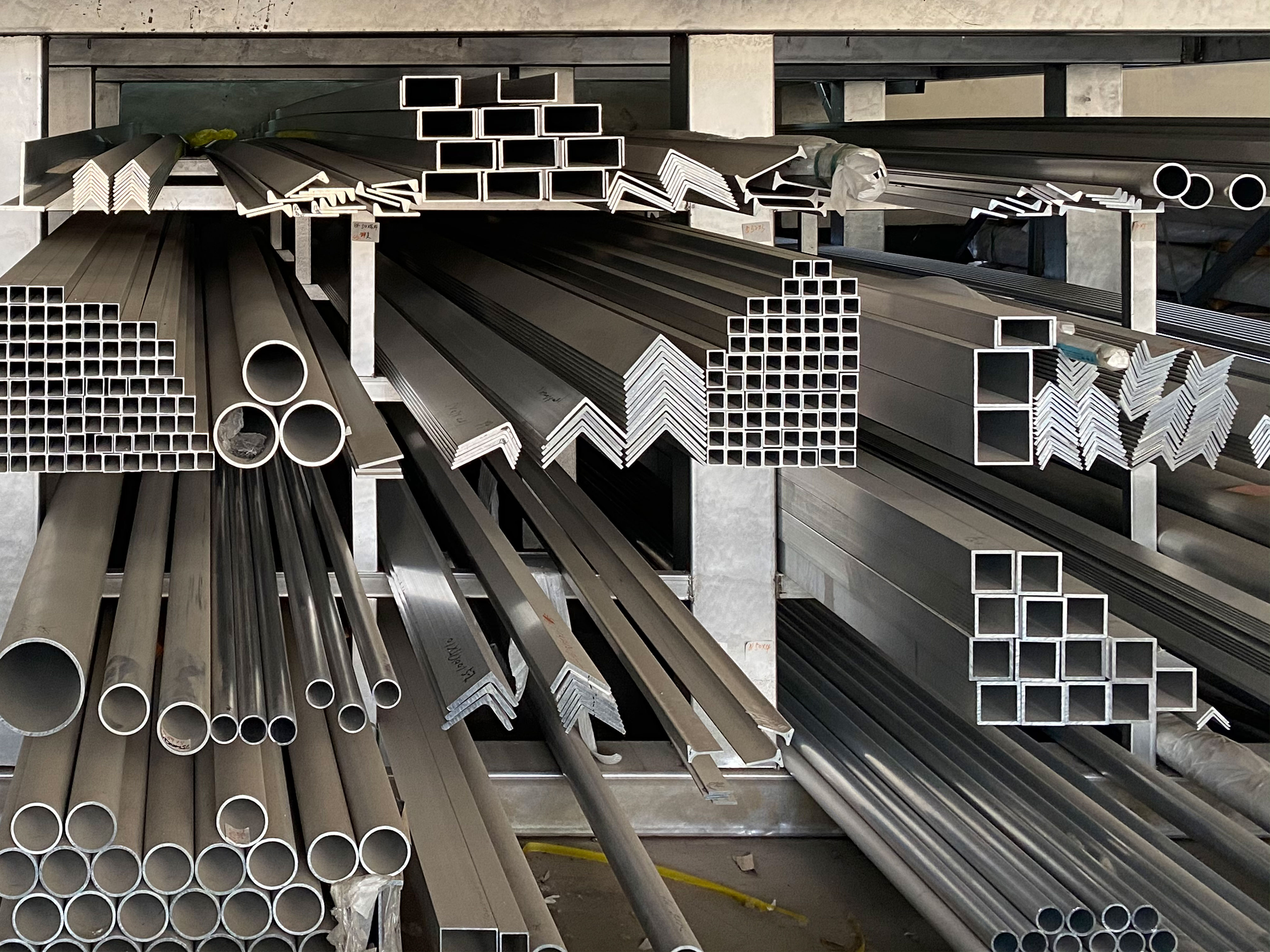
Custom marine aluminum profile tubes
Custom Marine Grade Aluminum Profile Tubes are manufactured from premium marine aluminum alloys such as 5083, 5052, 6061, and 6082.
View DetailsRelated Blog
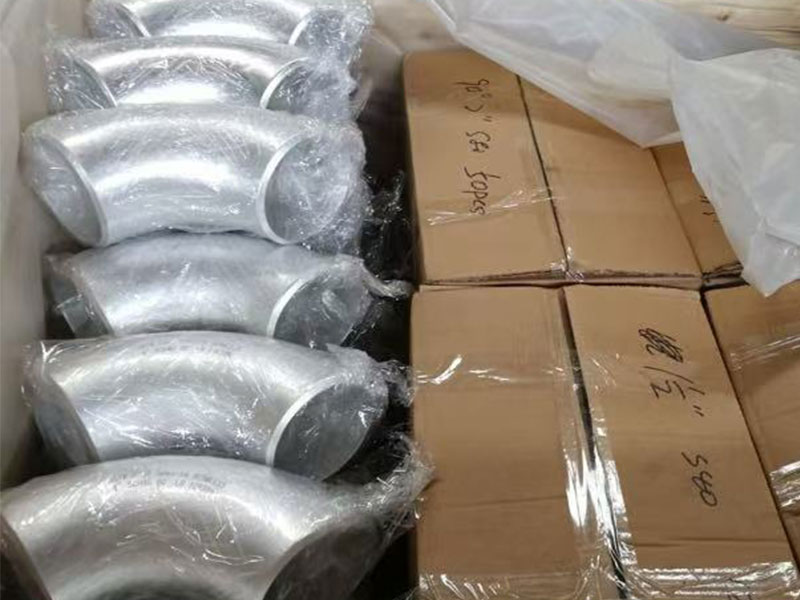
Aluminum Pipe Elbow for Saltwater Marine Piping
Aluminum pipe elbows are essential fittings in saltwater marine piping systems. Designed to change the direction of flow, they combine lightweight construction, corrosion resistance.
View Details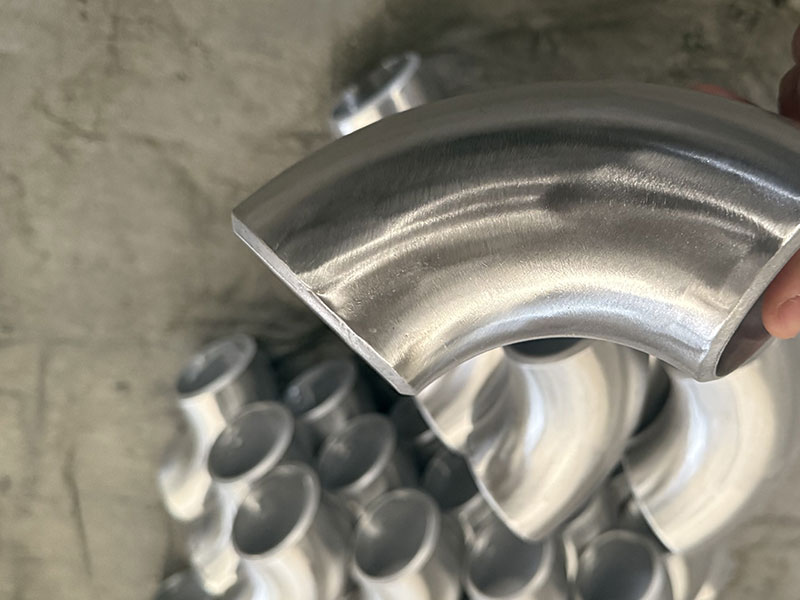
Aluminum Marine Elbow with High Corrosion Resistance
FeaturesHigh corrosion resistance compatible with seawater and brackish environmentsLightweight compared to steel or bronze fittings.
View Details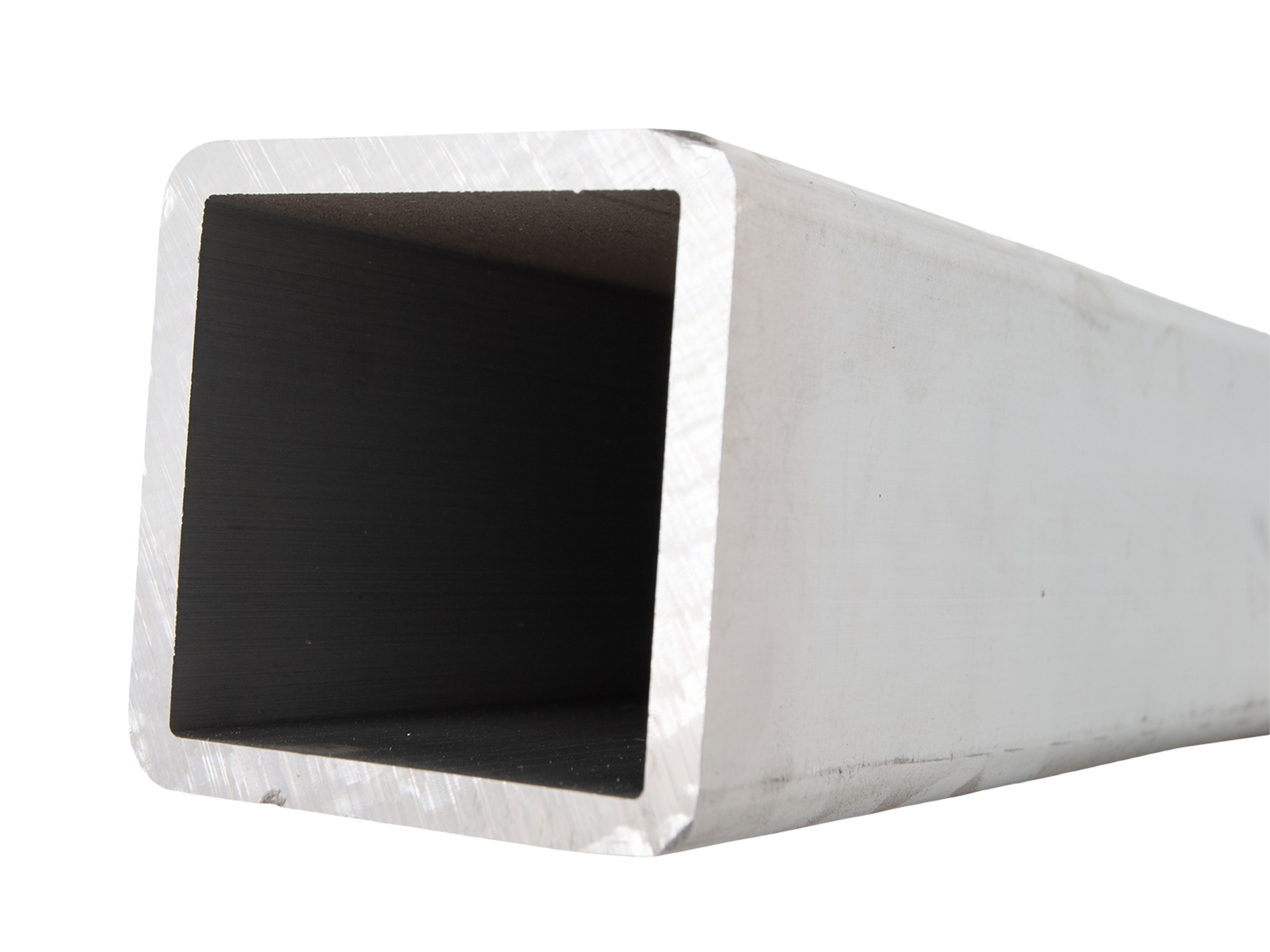
5083 Marine Aluminum Tubes for Ship Hull Reinforcement Materials
When it comes to building and reinforcing ship hulls, selecting the right material is critical for durability, strength, and resistance to the harsh marine environment.
View Details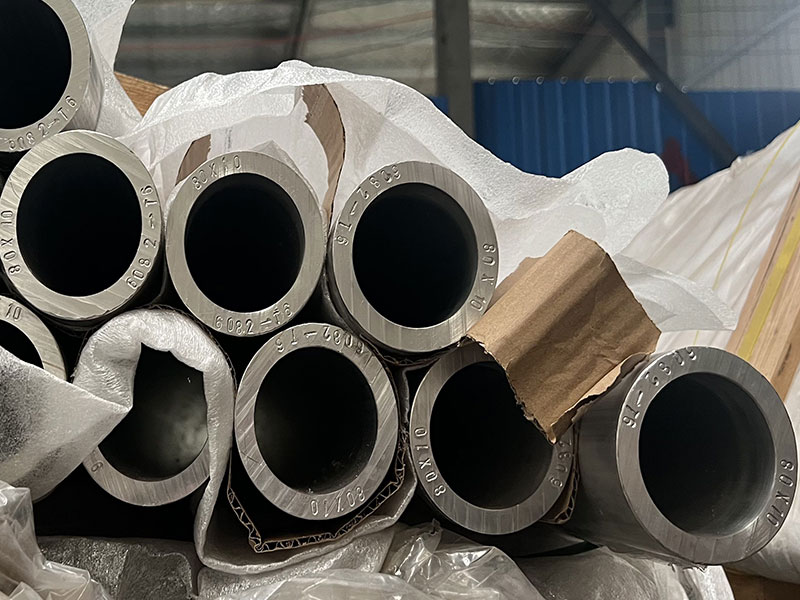
6082 Marine Aluminum Round Tubes for Offshore Construction
In the demanding arena of offshore construction, selecting materials that combine strength, corrosion resistance, and manufacturability is crucial for ensuring durability and safety.
View Details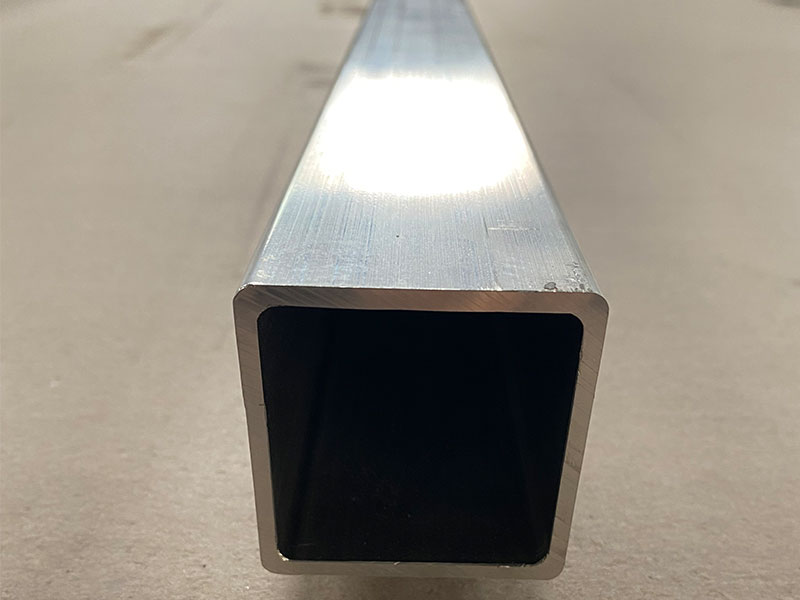
5052 Marine Aluminum Round Tubes for Marine Applications
5052 Marine Aluminum Round Tubes are widely acclaimed within the marine industry for their excellent corrosion resistance, strength, and outstanding durability in harsh saltwater environments.
View Details
Corrosion Resistant Aluminum Pipe Elbow for Offshore Platforms
In the challenging conditions of offshore platforms, where exposure to harsh saline water, high pressure, and fluctuating temperatures is constant, choosing the right piping components can make or break operational efficiency.
View Details
Leave a Message