
Aluminum Elbow for Seawater Outflow and Intake Systems on Ships
On a ship, seawater piping is not only a route for liquid. It is a moving boundary between the hull, the machinery space, and the ocean. The aluminum elbow in this system is the part that changes direction without interrupting flow, letting seawater enter for cooling, ballast, fire main support, deck wash, or leave through overboard discharge lines. Its shape looks simple, but its job is demanding: guide abrasive saltwater, resist chloride attack, absorb vibration, save weight, and connect cleanly with pumps, valves, strainers, heat exchangers, and sea chests.
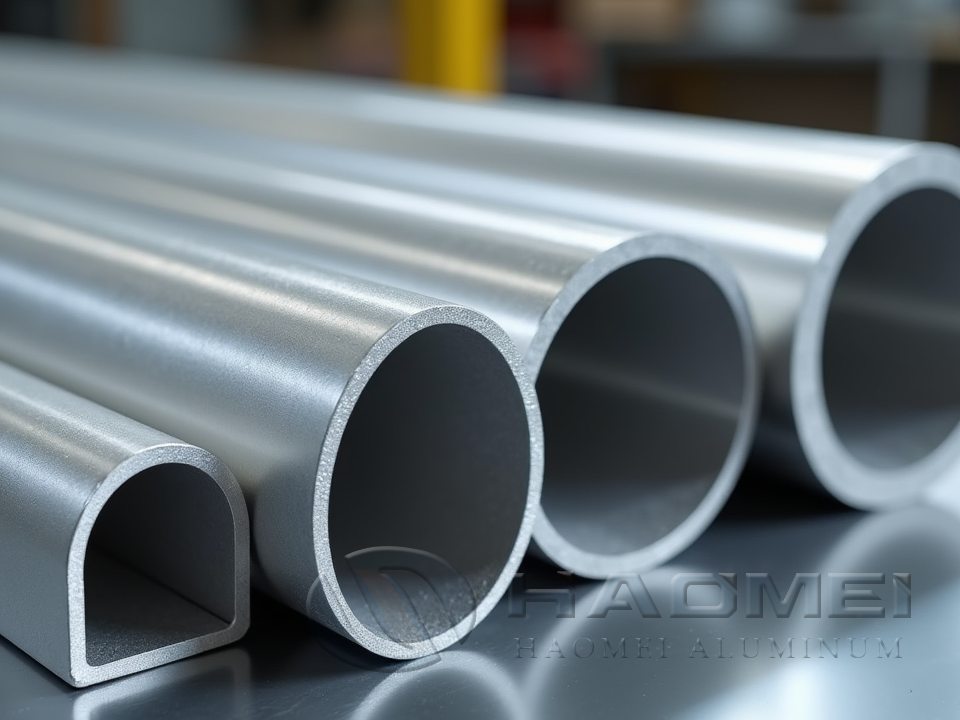
A well-made aluminum elbow is often selected when the vessel structure, pipe runs, and equipment foundations are aluminum or when weight reduction is part of the design target. In fast patrol boats, crew vessels, ferries, yachts, offshore service craft, and workboats, replacing heavier metallic fittings with marine aluminum can reduce high-position weight and simplify welding to aluminum pipe sections.
The Elbow as a Flow Manager, Not Just a Bend
A seawater intake line must deliver stable flow to equipment. A sharp or poorly formed turn can create turbulence, air pockets, pressure loss, and erosion near the outer wall of the bend. A marine aluminum elbow is designed to control these effects through bend angle, radius, wall thickness, ovality control, and smooth internal surface.
Common configurations include 45-degree, 60-degree, 90-degree, and 180-degree return elbows. Short-radius elbows save space in crowded engine rooms, while long-radius elbows are preferred where lower resistance and quieter flow matter. For seawater intake before a pump, a long-radius elbow can help reduce cavitation risk by keeping the flow more uniform. For seawater outflow, the elbow must handle mixed flow, occasional vibration, and possible back pressure from wave impact at the discharge opening.
For many ship systems, buyers compare elbows with straight Marine Grade Aluminum Tubing to keep alloy, temper, weldability, and surface finish consistent across the full piping route.
Typical Parameters for Ship Seawater Elbows
| Item | Common Range or Requirement | Notes for Marine Use |
|---|---|---|
| Bend angle | 45 degrees, 60 degrees, 90 degrees, 180 degrees | 90-degree elbows are most common for sea chest, pump, and overboard routing |
| Bend radius | 1D, 1.5D, 2D, 3D | Long radius reduces pressure drop and erosion |
| Outer diameter | 20 mm to 300 mm, larger on request | Matched to aluminum pipe or custom spool drawings |
| Wall thickness | 2 mm to 12 mm or schedule-based | Selected by pressure, corrosion allowance, welding method, and class approval |
| Pressure class | PN6, PN10, PN16, or project-specific | Hydrostatic test pressure often 1.5 times design pressure |
| Surface condition | Mill finish, pickled, anodized, coated, epoxy-lined | Coating is recommended where galvanic risk or high velocity exists |
| Connection type | Butt weld, flange, socket, grooved end, custom end | Butt welding is common in aluminum hull and piping systems |
| Inspection | Dimension check, visual weld check, PMI, pressure test | NDT can include dye penetrant or radiography for critical lines |
The most requested product in compact machinery spaces is the 6061-T6 90-Degree Marine Aluminum Pipe Elbow, especially for pump-room layouts where strength, machinability, and dimensional accuracy are important.
Alloy Selection and Tempering Conditions
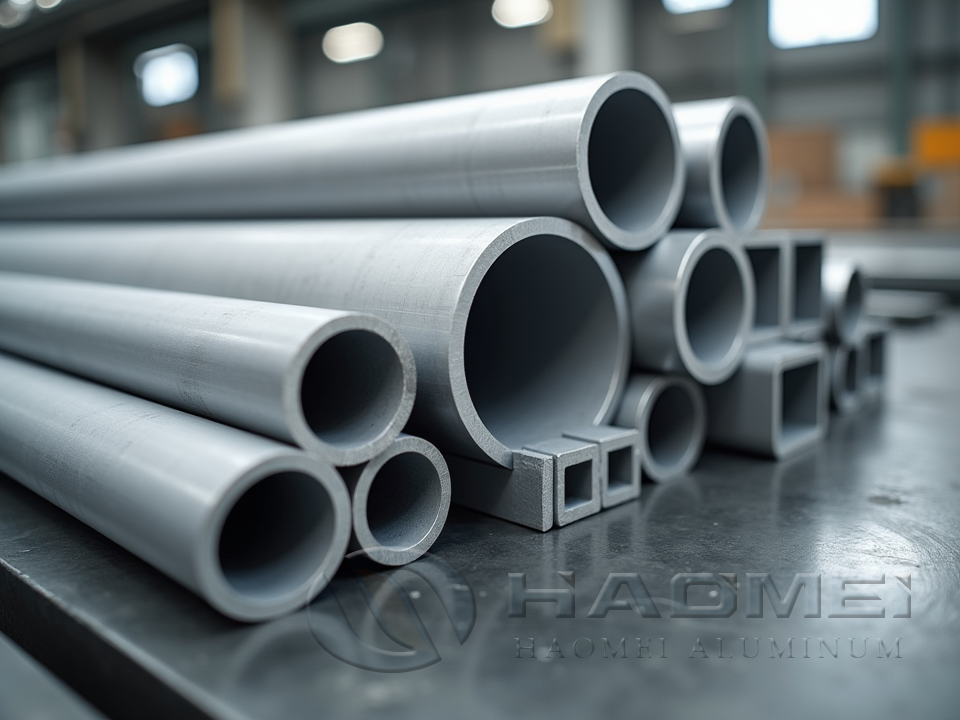
Aluminum for seawater service is chosen by balancing corrosion resistance, strength, weldability, forming ability, and availability. The elbow may be formed from tube, extruded pipe, welded pipe, plate-fabricated segments, or forged blanks depending on diameter and pressure duty.
| Alloy | Common Temper | Why It Is Used in Seawater Systems | Caution |
|---|---|---|---|
| 5083 | H111, H112, H116, H321 | Excellent seawater resistance and high welded strength | Avoid prolonged exposure above about 65 degrees C in sensitization-sensitive conditions |
| 5086 | H32, H112, H116 | Strong corrosion resistance, good for welded marine piping | Strength lower than 5083 but very dependable in hull-related systems |
| 5052 | H32, H34 | Good formability and corrosion resistance for light-duty lines | Less suitable for high-pressure or highly loaded elbows |
| 6061 | T6, T651, T4 before forming | Good strength, machining, and availability; widely used for fittings | Welded T6 zones lose part of their strength unless design allows for it |
| 6063 | T5, T6 | Smooth extrusion quality, good anodizing response | Lower strength than 6061 and 6082 |
| 6082 | T6, T651 | Higher strength structural piping and fittings | Forming radius and weld procedure need careful control |
For welded seawater elbows, 5xxx alloys such as 5083 and 5086 are highly valued because their corrosion behavior after welding remains strong. For machined or extruded elbows, 6061-T6 is common because it offers strength and stable dimensions. Where anodized appearance or light-duty flow routing is important, 6063-T5 or T6 can be selected.
Chemical Composition and Marine Behavior
The marine performance of an aluminum elbow comes from its oxide film, alloy chemistry, and the way the material is processed. Magnesium improves seawater corrosion resistance in 5xxx alloys. Silicon and magnesium make 6xxx alloys heat-treatable, giving stronger tempers such as T6. Copper is normally kept low for marine exposure because it can reduce corrosion resistance.
| Alloy | Mg % | Si % | Mn % | Cr % | Cu % Max | Fe % Max | Marine Chemical Character |
|---|---|---|---|---|---|---|---|
| 5052 | 2.2-2.8 | 0.25 max | 0.10 max | 0.15-0.35 | 0.10 | 0.40 | Good chloride resistance and easy forming |
| 5083 | 4.0-4.9 | 0.40 max | 0.40-1.0 | 0.05-0.25 | 0.10 | 0.40 | High strength with excellent seawater durability |
| 5086 | 3.5-4.5 | 0.40 max | 0.20-0.7 | 0.05-0.25 | 0.10 | 0.50 | Reliable welded corrosion resistance |
| 6061 | 0.8-1.2 | 0.40-0.8 | 0.15 max | 0.04-0.35 | 0.15-0.40 | 0.70 | Heat-treatable strength with controlled marine use |
| 6063 | 0.45-0.9 | 0.20-0.6 | 0.10 max | 0.10 max | 0.10 | 0.35 | Smooth extrusion and anodizing performance |
| 6082 | 0.6-1.2 | 0.7-1.3 | 0.40-1.0 | 0.25 max | 0.10 | 0.50 | Strong 6xxx option for rigid systems |
Standards and Class Expectations
Marine aluminum elbows are usually supplied according to project drawings and recognized material standards. Material may reference ASTM B241 for seamless aluminum pipe, ASTM B221 for extruded bar, rod, wire, profile, and tube, ASTM B209 for plate, EN 573 for chemical composition, EN 755 for extruded tube and profiles, or ISO and shipyard piping specifications. For vessels under class, ABS, DNV, LR, BV, RINA, CCS, or KR rules may apply depending on flag, vessel type, and system criticality.
Dimensional tolerances should cover outside diameter, wall thickness, bend angle, center-to-end distance, ovality, surface defects, and end squareness. Welding procedures may follow AWS D1.2, ISO 15614-2, or class-approved WPS documents. Filler metals are often ER5356 or ER5183 for 5xxx alloys, while 6xxx alloy joints may use ER5356 or ER4043 depending on strength, corrosion, and color-match needs.
Applications Around the Vessel
Aluminum elbows appear in seawater intake from sea chest to strainer, cooling water supply to engines and generators, heat exchanger circuits, air conditioning condenser water lines, fire and general service branches, bilge and ballast auxiliaries, livewell systems on fishing vessels, and overboard discharge piping. In high-speed craft, they are also used where pipe runs must follow tight hull curves without adding unnecessary mass.
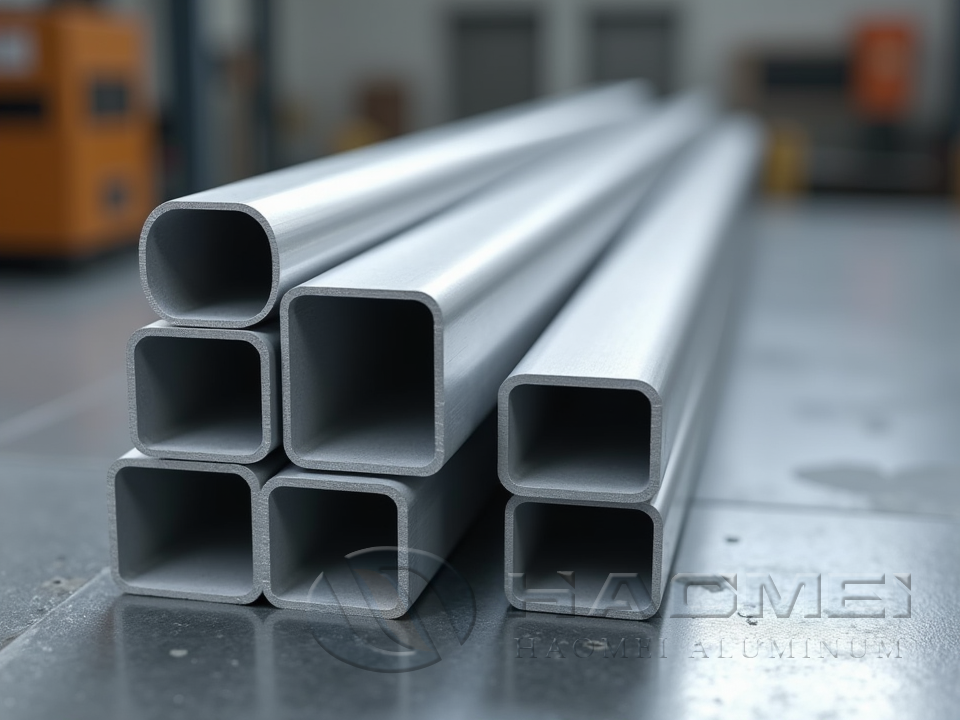
The elbow is especially valuable near pumps. It helps place suction and discharge lines within limited space, but it must be installed with enough straight length before pump suction when required by the pump maker. If an elbow is too close to the impeller inlet, uneven velocity can create vibration, noise, and reduced efficiency.
Installation Conditions That Protect Service Life
Saltwater piping is vulnerable to galvanic corrosion when aluminum is connected directly to stainless steel, copper alloys, or carbon steel. Isolation gaskets, non-conductive sleeves, suitable sealants, and coating breaks are important. Fasteners should be selected with the entire galvanic chain in mind, not just strength.
Velocity control also matters. Very high seawater speed can damage the protective oxide film and increase erosion-corrosion at the outside curve of the elbow. Smooth bore transitions, clean weld roots, and proper alignment help prevent local attack. In practical ship design, elbows should be located where inspection, flushing, and replacement remain possible.
For coatings, epoxy, marine-grade powder coating, hard anodizing, or internal linings may be specified. Any coating system should survive immersion, abrasion from suspended particles, and temperature cycling. After fabrication, pickling, passivation-like cleaning, freshwater flushing, drying, and careful packaging prevent early staining before installation.
What Buyers Should Confirm Before Ordering
A reliable purchase specification should include alloy and temper, elbow angle, bend radius, outside diameter, wall thickness, connection form, pressure rating, surface finish, applicable standards, class certificate demand, test method, and drawing tolerance. For welded elbows, confirm filler wire, weld procedure, heat input control, and post-weld inspection. For formed elbows, confirm minimum wall thickness after bending and ovality limits.
The best aluminum elbow for a ship seawater intake or outflow system is not simply the strongest fitting. It is the fitting that matches the water path, alloy family, welding plan, corrosion environment, class requirement, and maintenance routine. When those details align, the elbow becomes a quiet but essential part of ship reliability.

Related Products
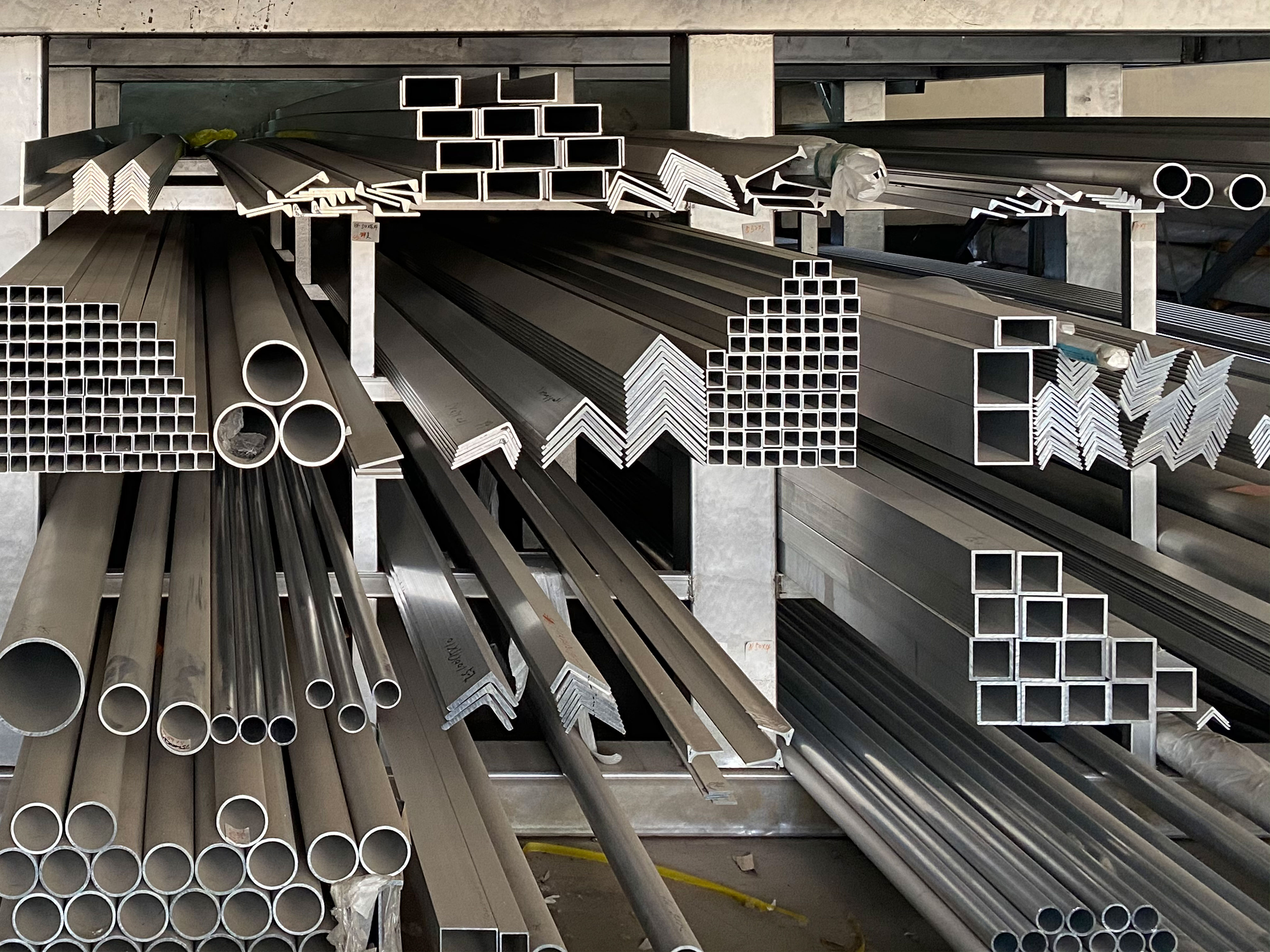
Custom marine aluminum profile tubes
Custom Marine Grade Aluminum Profile Tubes are manufactured from premium marine aluminum alloys such as 5083, 5052, 6061, and 6082.
View Details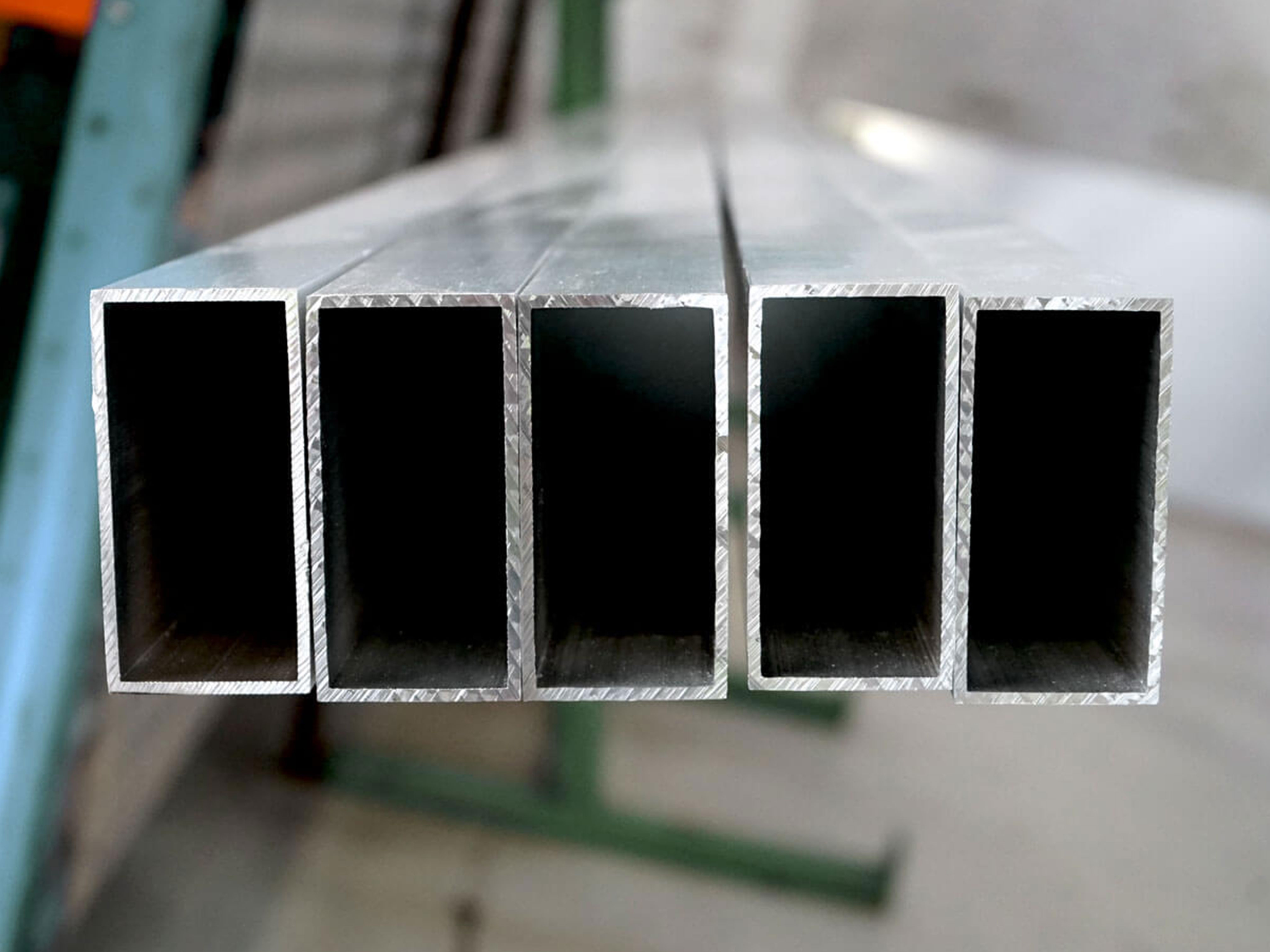
Marine aluminum rectangular tubes
Marine Grade Aluminum Rectangular Tubes are made from high-performance alloys such as 5083, 5052, 6061, and 6082. These alloys are renowned for their ability to resist corrosive seawater and marine atmospheres while providing excellent mechanical strength and toughness.
View Details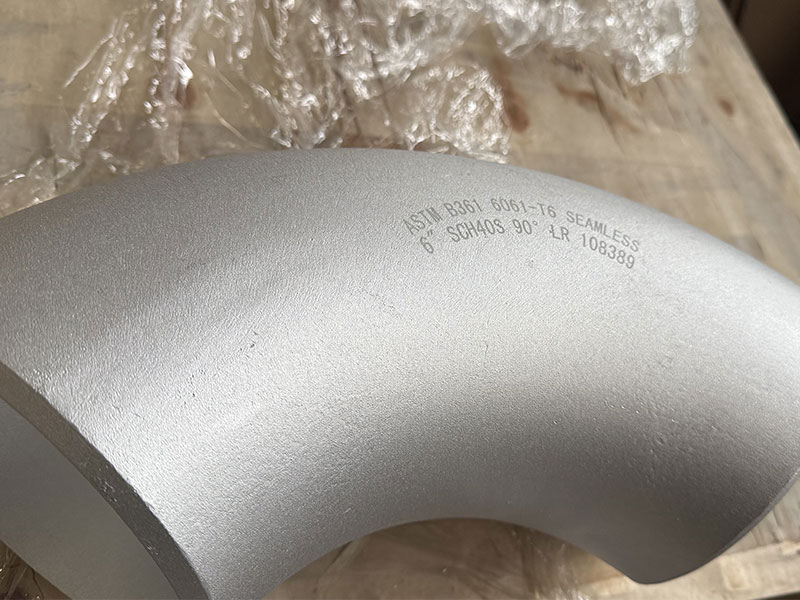
6061-T6 90-Degree Marine Aluminum Pipe Elbow
Manufactured from premium 6061-T6 marine-grade aluminum alloy, this elbow fitting is engineered to provide reliable and efficient pipe direction changes within shipbuilding, offshore platforms, and marine infrastructure systems.
View Details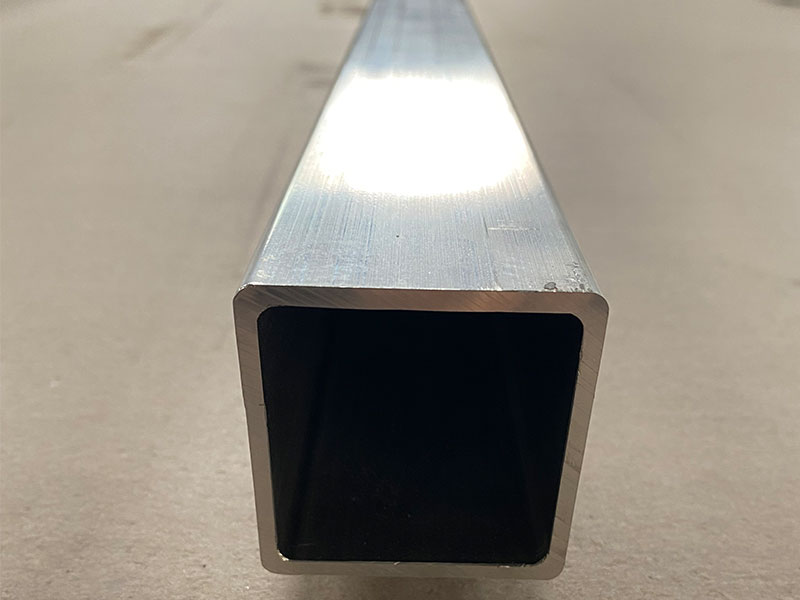
Marine aluminum square tubes
Marine Grade Aluminum Square Tubes are typically constructed from marine-grade alloys such as 5083, 5052, 6061, and 6082—well-known for their ability to withstand the aggressive effects of saltwater and marine atmospheres.
View Details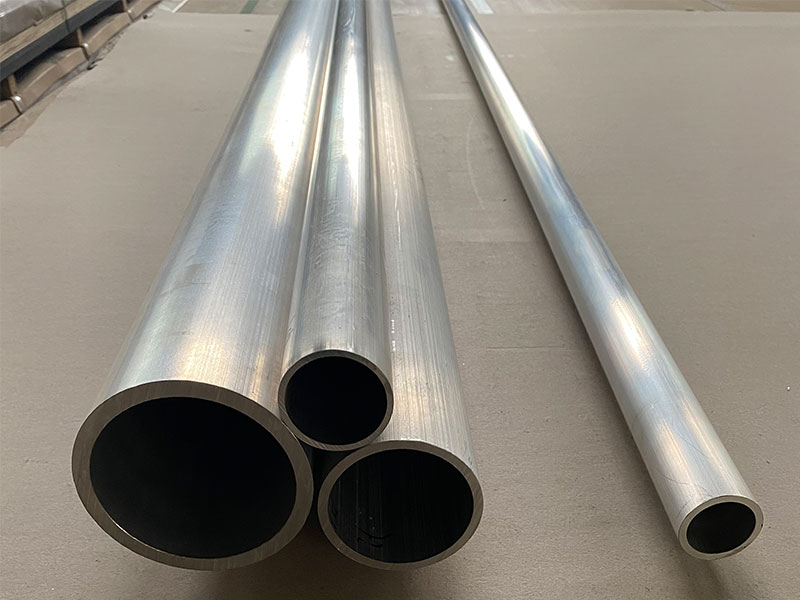
Marine aluminum round tubes
Marine Grade Aluminum Round Tubes are manufactured from premium marine alloys such as 5083, 5052, 6061, and 6082, all selected for their proven resistance to seawater corrosion and marine atmosphere degradation.
View DetailsRelated Blog
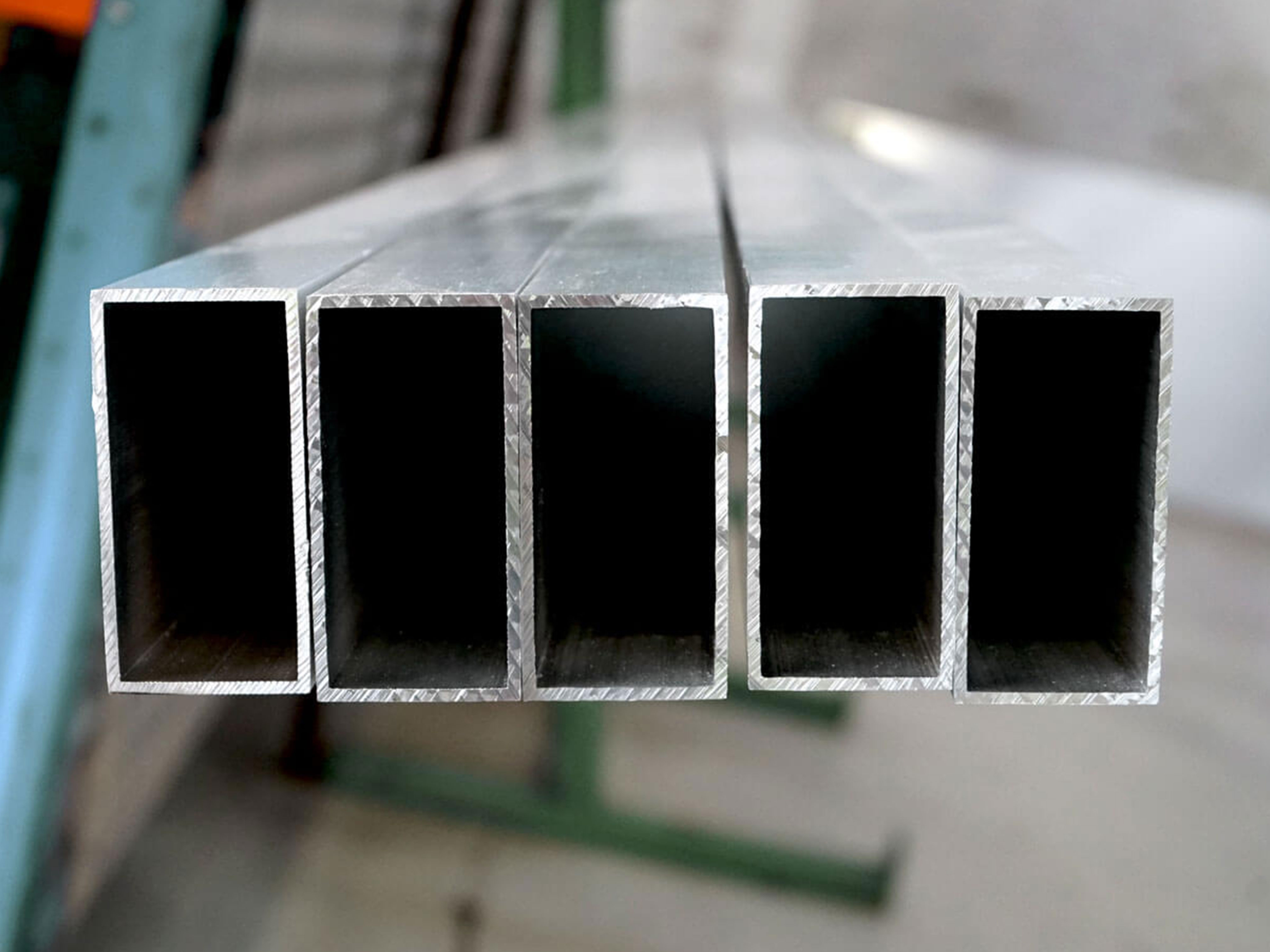
6082 Marine Aluminum Tubes for Marine Engine Component Support
The 6082 marine aluminum tubes are a premium-grade aluminum alloy offering a balanced blend of strength, corrosion resistance, and excellent machinability.
View Details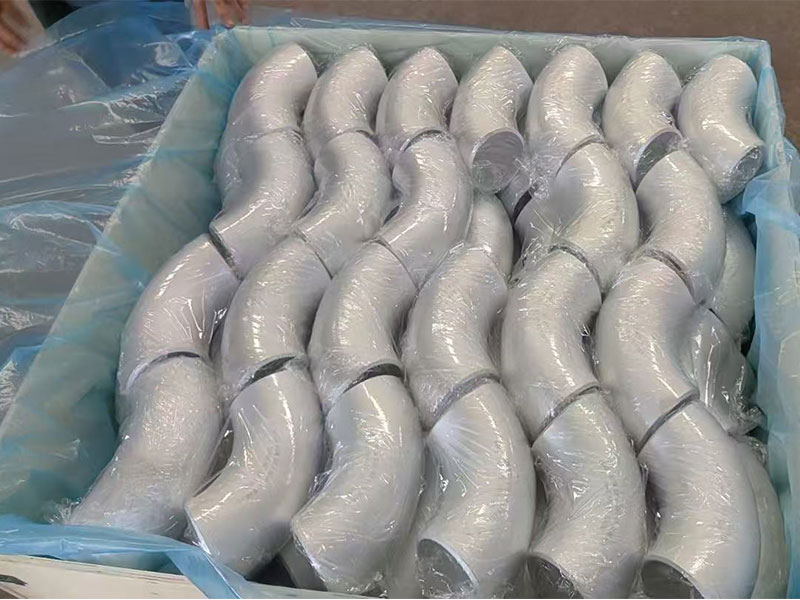
Heavy Duty Aluminum Elbow for Marine Oil and Gas Pipelines
The Heavy Duty Aluminum Elbow for Marine Oil and Gas Pipelines is engineered for long‑term performance in harsh offshore and coastal environments. Designed around corrosion‑resistant aluminum alloys and precision forming, th.
View Details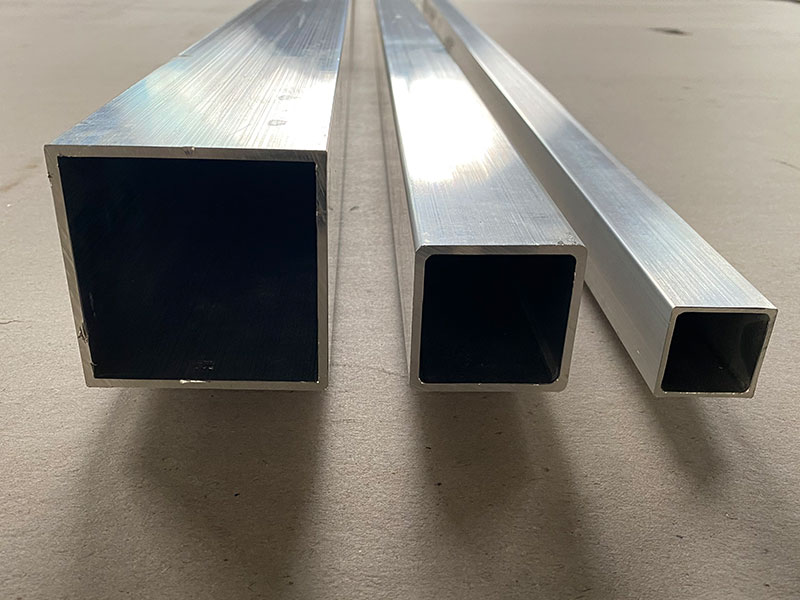
5083 Marine Aluminum Tubes for Offshore Oil and Gas Platforms
5083 marine aluminum tubes are widely used in offshore oil and gas platform structures where a combination of high strength, exceptional corrosion resistance and good weldability is required.
View Details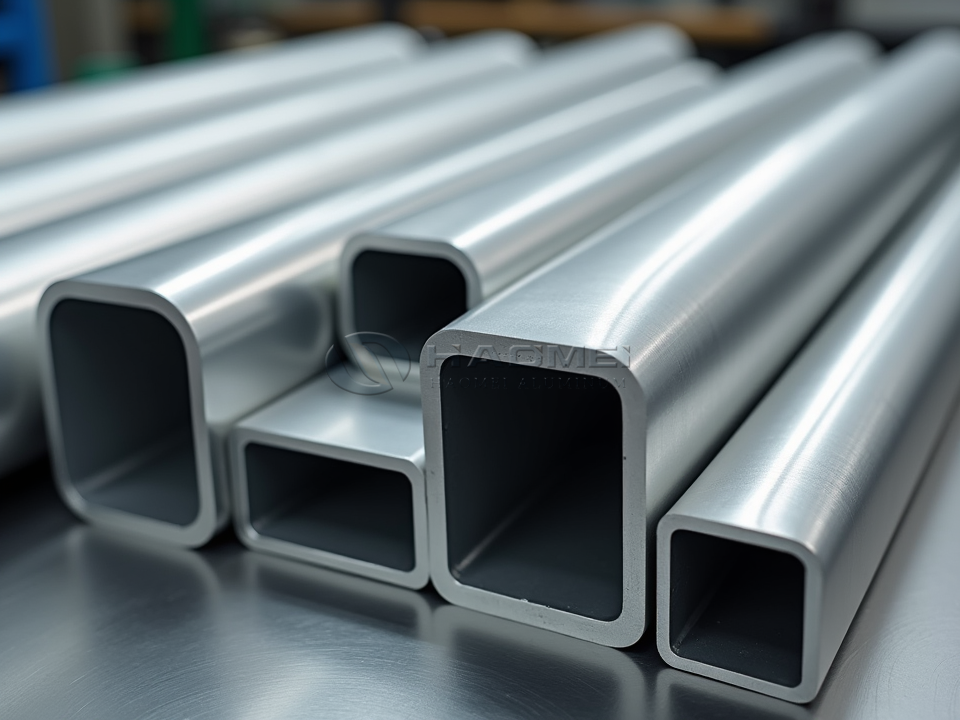
Aluminum Elbow for Shipboard Fuel and Water Storage Systems
Marine aluminum elbow guide covering alloy choices, corrosion resistance, specs, installation, and use in shipboard fuel and water storage systems.
View Details
Aluminum Marine Elbow for Ballast Water Treatment and Pumping
Learn how aluminum marine elbows influence ballast-water flow, pump loading, corrosion control, and service access in compact treatment piping arrangements.
View Details
Marine Grade Aluminum Pipe Elbow for Offshore Projects
Marine environments pose unique challenges—including corrosion, mechanical stress, and exposure to harsh elements—necessitating the use of specialized materials and components.
View Details
Leave a Message