
Marine Aluminum Pipe Elbow For Offshore Pipeline Pressure Relief
A marine aluminum pipe elbow used in offshore pipeline pressure relief is more than a bent connector. It is a compact flow-direction component designed to guide sudden discharge, bypass flow, venting media, or safety valve outlet streams through a controlled path. On offshore platforms, FPSO modules, workboats, patrol vessels, and coastal energy equipment, space is limited and corrosion never rests. A properly selected aluminum elbow helps the relief line stay light, clean, accessible, and resistant to marine exposure.
In pressure relief service, the elbow does not replace a relief valve, rupture disc, or control device. Its job is to support the piping route after the pressure event begins: redirecting flow, reducing layout stress, protecting nearby equipment from direct discharge, and helping the line reach a safe vent, flare, drain, or return point.
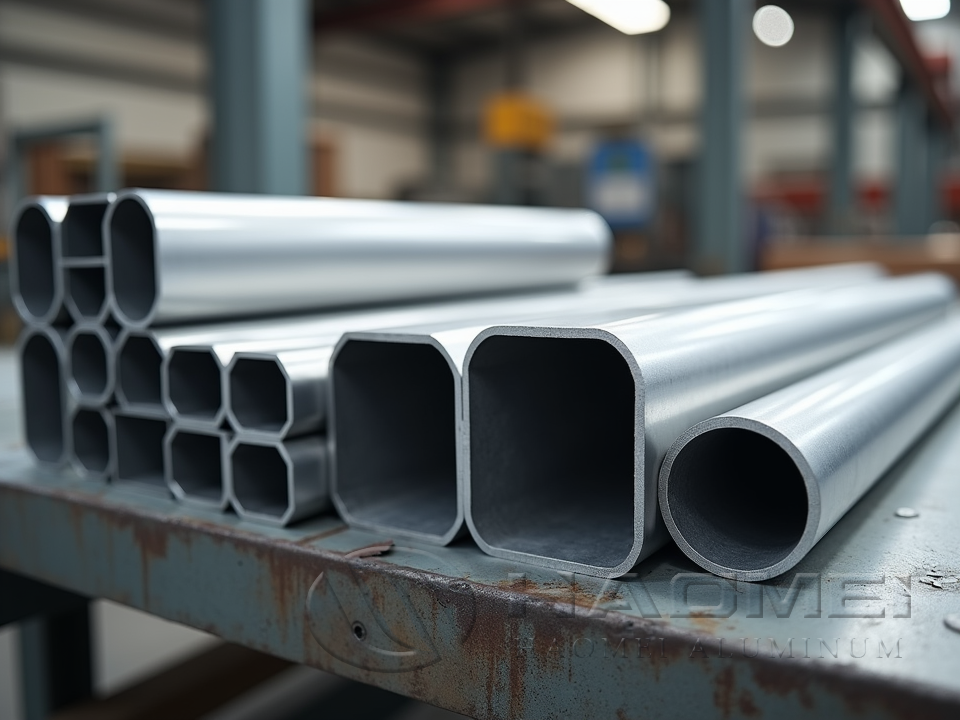
Designed for Fast Routing in Saltwater Environments
Offshore pressure relief pipelines often pass through tight skid frames, deck penetrations, pump rooms, fuel handling areas, seawater service lines, and utility modules. Steel elbows can provide strength, but they add weight and often need heavier coating systems. Marine aluminum elbows are attractive where weight reduction, corrosion resistance, and rapid installation matter.
A marine aluminum pipe elbow can be fabricated from high-strength 5xxx or 6xxx series alloys, depending on pressure class, welding plan, and corrosion exposure. For seawater-facing systems, 5083 and 5086 are widely used because of their excellent resistance to saltwater attack and strong weld performance. For precision machined or extruded pressure relief assemblies, 6061-T6 is often selected for its balance of strength, availability, and machining quality. Customers comparing elbows with straight pipe sections often source matching Marine Grade Aluminum Tubing to maintain consistent metallurgy and weld behavior across the full line.
Practical Features Customers Notice First
The most visible benefit is weight. Aluminum is roughly one-third the density of carbon steel, which can reduce platform topside load, simplify installation, and lower handling effort during maintenance. On modular offshore packages, every kilogram saved helps improve transport, lifting, and service access.
The second benefit is corrosion performance. Marine aluminum forms a stable oxide film that helps resist atmospheric salt, splash-zone moisture, and many marine utility environments. When paired with suitable alloy selection, drainage design, isolation from dissimilar metals, and proper surface treatment, the elbow can deliver long service life with less coating complexity.
The third benefit is flow control inside a limited footprint. A 45-degree, 90-degree, or custom-radius elbow allows relief piping to turn around structural members, avoid walkways, and direct discharge away from sensitive areas. Smooth internal surfaces reduce turbulence compared with rough or poorly fitted joints, helping preserve predictable pressure-drop calculations.
Typical Technical Parameters
| Parameter | Common Options | Customer Benefit |
|---|---|---|
| Bend angle | 45°, 90°, 180°, custom angle | Flexible routing for compact offshore skids |
| Bend radius | Short radius, long radius, custom radius | Balance between space saving and flow resistance |
| Nominal size range | NPS 1/2 to NPS 12, larger on request | Fits instrument vents, utility lines, and main relief runs |
| Wall thickness | Schedule-based or project-specific | Supports pressure, vibration, and weld requirements |
| End style | Butt weld, socket weld, flange-ready, grooved, threaded where suitable | Matches field installation method |
| Surface finish | Mill finish, brushed, anodized, conversion coated, painted | Improves appearance and corrosion protection |
| Inspection | Dimensional check, visual weld check, pressure test as specified | Supports project acceptance and traceability |
For projects using standardized bend geometry, the 6061-T6 90-Degree Marine Aluminum Pipe Elbow is a practical choice for compact routing, clean machining, and reliable assembly in protected or suitably treated marine systems.
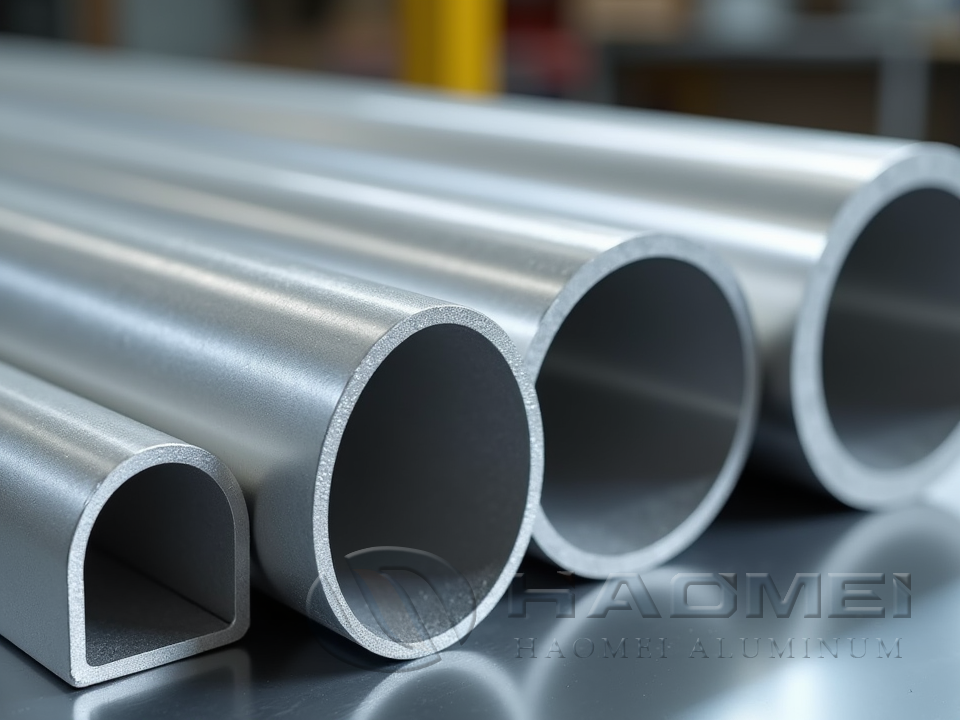
Alloy Selection and Chemical Characteristics
Aluminum alloy selection should follow the fluid, location, welding method, design pressure, and regulatory requirements. The table gives typical composition ranges for common marine aluminum elbow materials. Final values should be confirmed by mill certificate.
| Alloy | Mg | Si | Mn | Cr | Cu | Zn | Main Strength in Service |
|---|---|---|---|---|---|---|---|
| 5083 | 4.0-4.9 | Up to 0.40 | 0.40-1.0 | 0.05-0.25 | Up to 0.10 | Up to 0.25 | Excellent seawater resistance and weld strength |
| 5086 | 3.5-4.5 | Up to 0.40 | 0.20-0.70 | 0.05-0.25 | Up to 0.10 | Up to 0.25 | Strong corrosion resistance with good forming ability |
| 6061-T6 | 0.8-1.2 | 0.40-0.80 | Up to 0.15 | 0.04-0.35 | 0.15-0.40 | Up to 0.25 | High strength, good machinability, broad availability |
| 6063-T6 | 0.45-0.90 | 0.20-0.60 | Up to 0.10 | Up to 0.10 | Up to 0.10 | Up to 0.10 | Clean finish and corrosion resistance for lighter-duty lines |
For direct seawater or splash-zone relief piping, 5083 and 5086 are usually preferred. For dry deck, hydraulic return, air vent, cooling auxiliary, or protected pressure relief routes, 6061-T6 can be highly effective when galvanic isolation and surface protection are handled correctly.
Performance in Pressure Relief Lines
Pressure relief events can create sudden flow acceleration, vibration, acoustic energy, and reaction force. The elbow must therefore be treated as part of the engineered system, not as a simple accessory. Wall thickness, bend radius, joint type, support spacing, and downstream discharge direction all influence reliability.
Long-radius elbows are often chosen where pressure loss must be controlled. Short-radius elbows are useful where space is extremely limited, but they can increase turbulence and local stress. For relief valve outlet piping, designers often calculate back pressure to ensure the valve performs within its rated limits. A smoother aluminum elbow with accurate geometry helps maintain consistent calculations between design and installation.
Because aluminum is lighter and more flexible than steel, pipe supports should be placed with care. Clamp materials, insulation pads, and non-conductive liners help prevent fretting and galvanic corrosion. Where the elbow connects to stainless steel, carbon steel, copper alloy, or titanium components, isolation gaskets and sleeves are strongly recommended.
Manufacturing Quality and Fabrication Details
A reliable marine aluminum elbow begins with controlled raw material. Tubes or pipes should be verified for alloy, temper, diameter, wall thickness, and surface condition before bending or forming. During fabrication, the bend should be kept smooth without deep wrinkles, flattening, cracking, or sharp thinning at the outer radius.
Welded elbows require clean joint preparation. Aluminum oxide, oil, moisture, and shop contamination can cause porosity or lack of fusion. For marine pressure relief assemblies, TIG or MIG welding with suitable filler alloy is common. 5xxx series fillers are often used with 5083 or 5086, while 4043 or 5356 may be selected for 6061 depending on strength, corrosion environment, and finishing method.
Dimensional accuracy is also important. Even a small angular error can shift a relief outlet toward a walkway, cable tray, bulkhead, or rotating equipment. Quality checks typically include angle measurement, ovality control, end squareness, wall inspection, and fit-up verification.
Applications Across Offshore and Marine Equipment
Marine aluminum pipe elbows are used in pressure relief and auxiliary safety piping across many offshore environments. They are suitable for relief valve discharge lines on pump skids, air compressor packages, hydraulic power units, fuel transfer modules, seawater cooling systems, inert gas support lines, deck drain diversion systems, ballast-related vents, and emergency bypass routes.
On offshore platforms, they help guide relief flow through crowded structural areas while keeping module weight low. On FPSO and FSO vessels, they are useful in topside utility modules and marine service systems where corrosion resistance and maintenance access are major concerns. On high-speed patrol craft, crew boats, and aluminum workboats, they support light piping systems that match the vessel structure and reduce mixed-metal issues.
In coastal renewable energy equipment, such as offshore wind service platforms and marine battery cooling packages, aluminum elbows can also provide a clean, corrosion-resistant path for venting and thermal management circuits.
Ordering Notes for Faster Project Matching
To specify the right elbow, customers should prepare the alloy grade, pipe size, wall thickness, bend angle, bend radius, end connection, working pressure, design temperature, medium, surface finish, and inspection requirement. If the elbow is part of a pressure relief line, include the relief device capacity, maximum back pressure allowance, and downstream routing conditions.
A marine aluminum pipe elbow for offshore pipeline pressure relief should combine light weight, saltwater durability, accurate geometry, and dependable fabrication. With the right alloy and installation method, it becomes a compact but important part of a safer, cleaner, and more serviceable offshore piping system.

Related Products
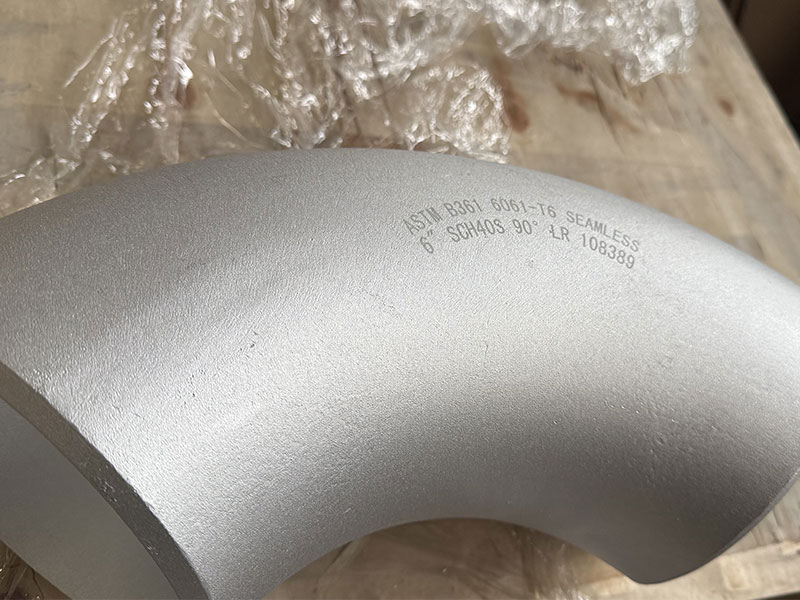
6061-T6 90-Degree Marine Aluminum Pipe Elbow
Manufactured from premium 6061-T6 marine-grade aluminum alloy, this elbow fitting is engineered to provide reliable and efficient pipe direction changes within shipbuilding, offshore platforms, and marine infrastructure systems.
View Details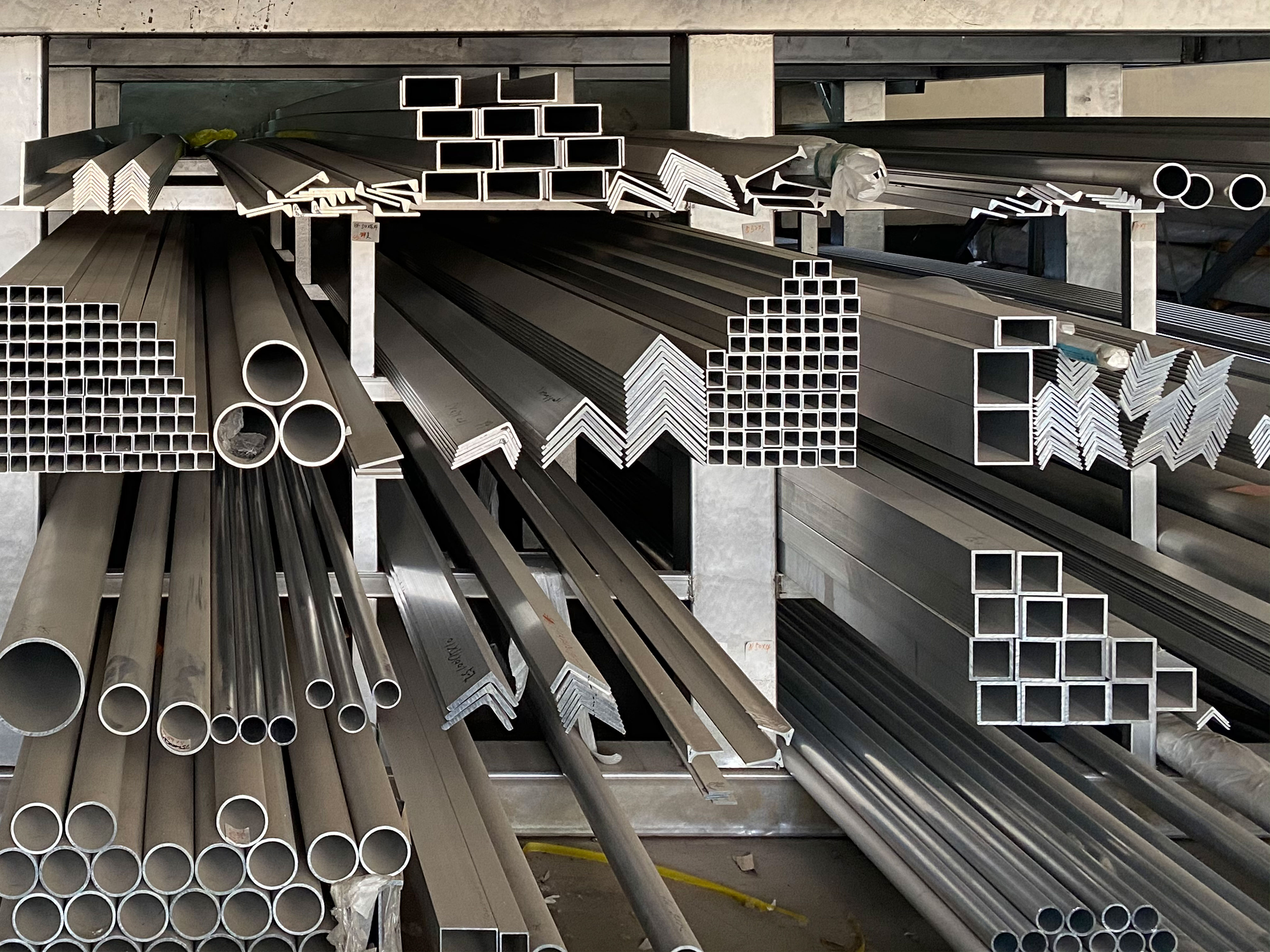
Custom marine aluminum profile tubes
Custom Marine Grade Aluminum Profile Tubes are manufactured from premium marine aluminum alloys such as 5083, 5052, 6061, and 6082.
View Details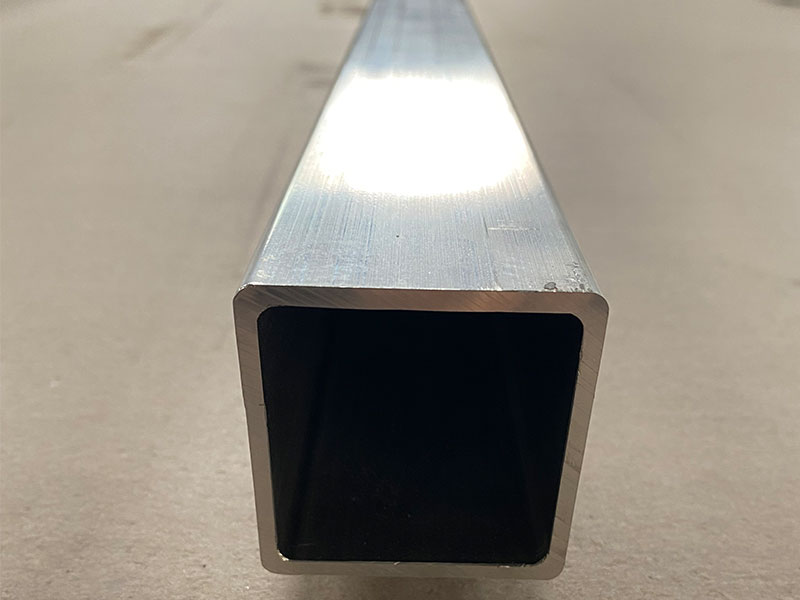
Marine aluminum square tubes
Marine Grade Aluminum Square Tubes are typically constructed from marine-grade alloys such as 5083, 5052, 6061, and 6082—well-known for their ability to withstand the aggressive effects of saltwater and marine atmospheres.
View Details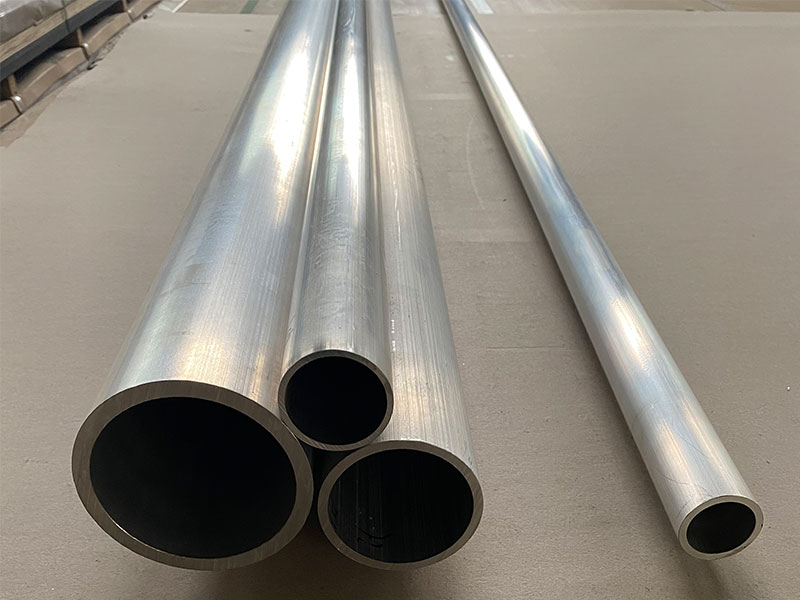
Marine aluminum round tubes
Marine Grade Aluminum Round Tubes are manufactured from premium marine alloys such as 5083, 5052, 6061, and 6082, all selected for their proven resistance to seawater corrosion and marine atmosphere degradation.
View Details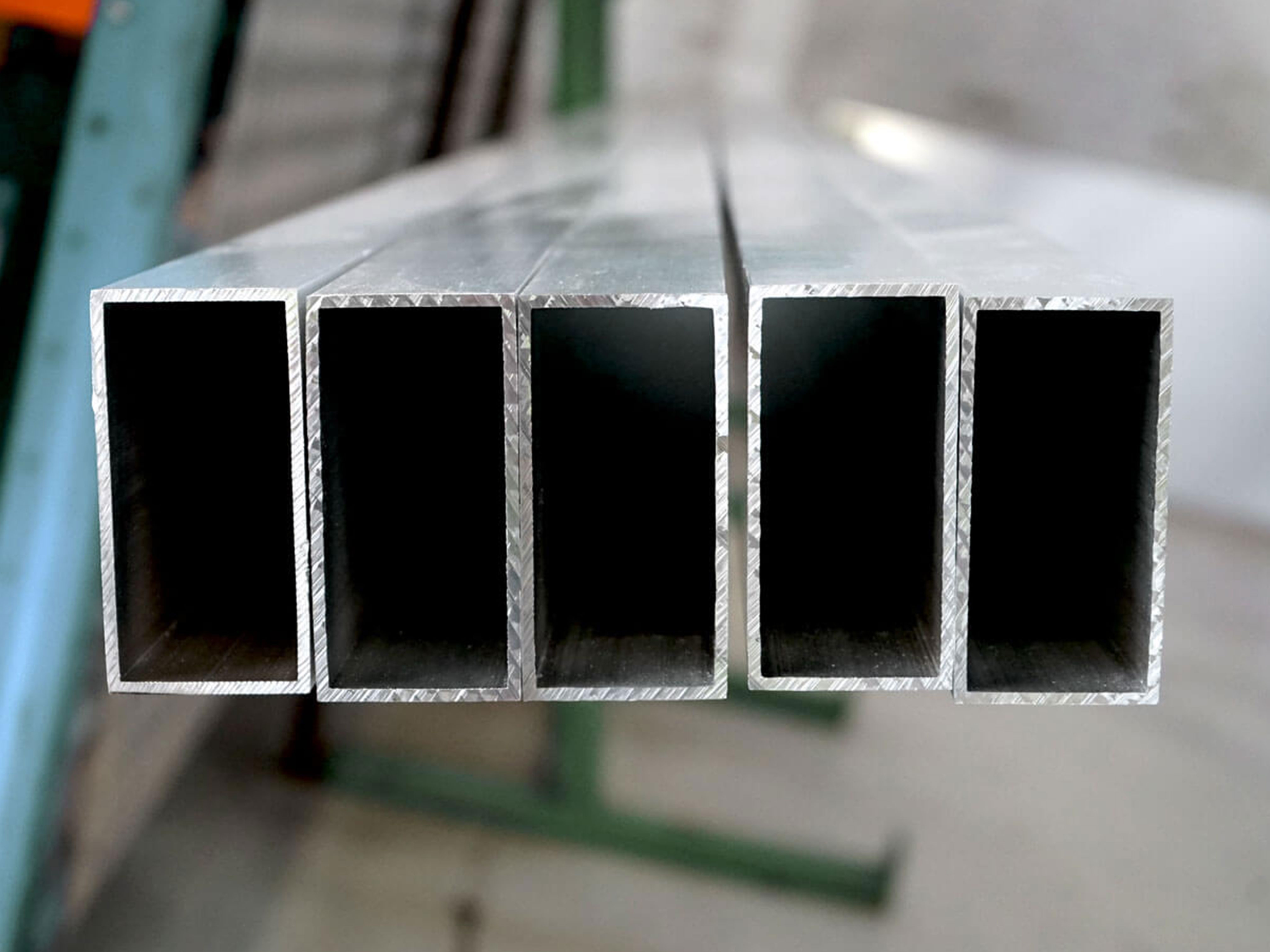
Marine aluminum rectangular tubes
Marine Grade Aluminum Rectangular Tubes are made from high-performance alloys such as 5083, 5052, 6061, and 6082. These alloys are renowned for their ability to resist corrosive seawater and marine atmospheres while providing excellent mechanical strength and toughness.
View DetailsRelated Blog
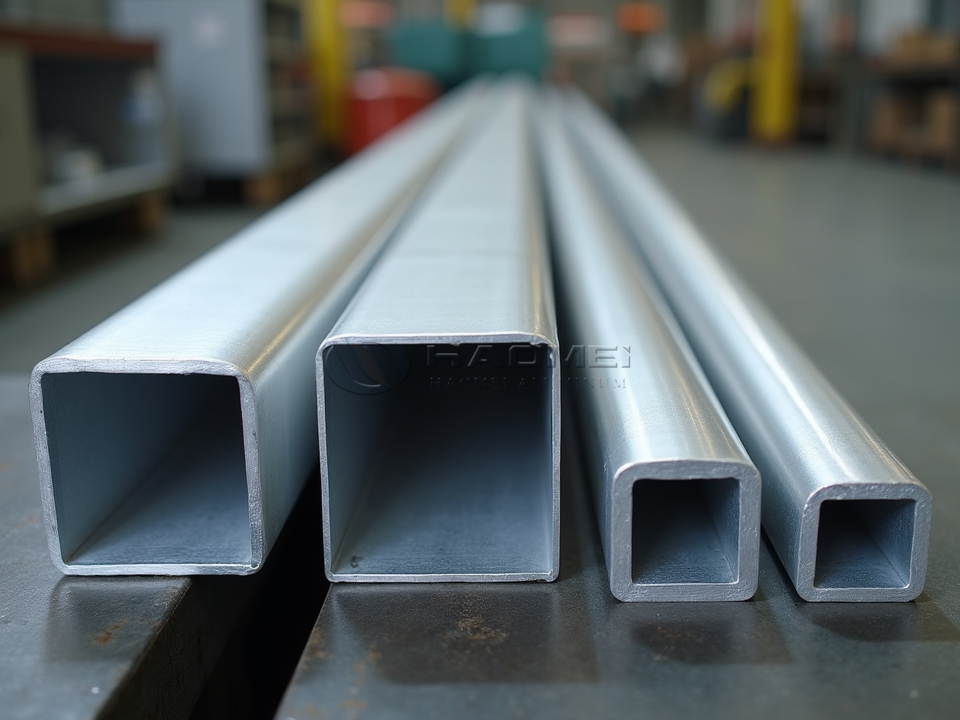
Marine Aluminum Pipe Elbow for Shipboard Air Conditioning and Ventilation
Marine aluminum pipe elbows provide lightweight, corrosion-resistant direction changes for shipboard air conditioning and ventilation piping systems.
View Details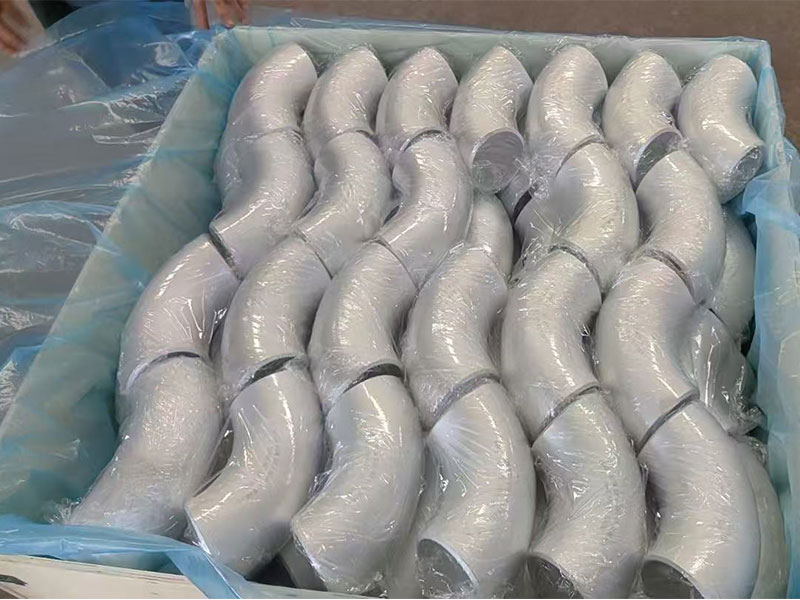
5083 Marine Aluminum Tubes for Saltwater Exposure Resistance
In the marine world, corrosion is never just a surface problem. It is a slow negotiation between metal, salt, oxygen, moisture, stress, and time. Among the aluminum alloys used in offshore structures, shipbuilding, dock systems, desalination equipment.
View Details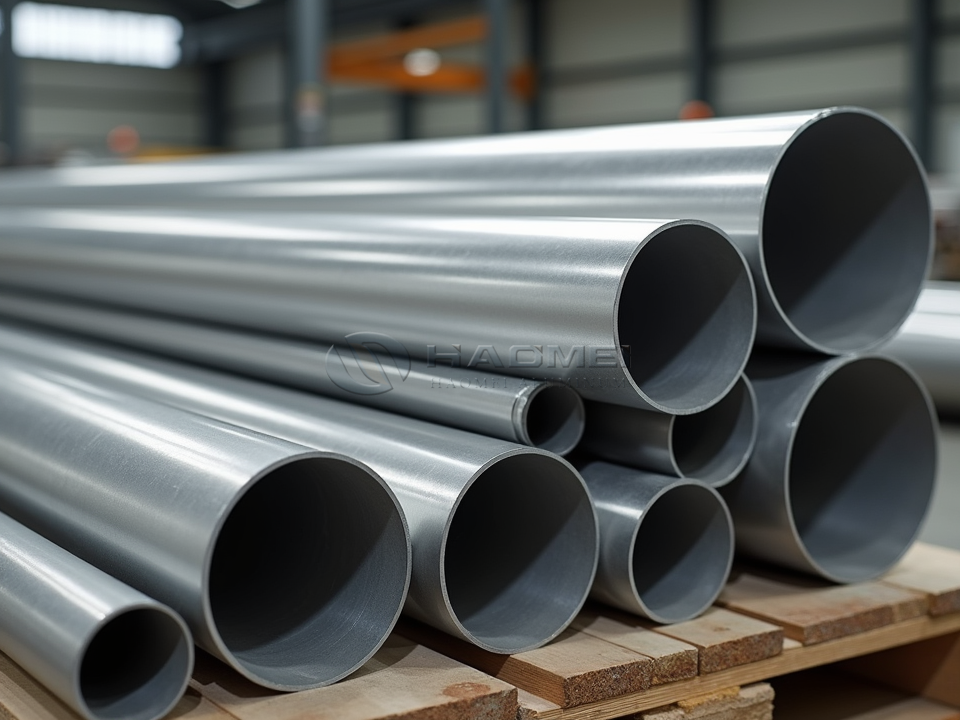
Aluminum Marine Elbow for Waste Heat Recovery on Offshore Platforms
Marine aluminum elbow for offshore waste heat recovery, with alloy options, corrosion resistance, bend geometry, pressure data, and order specs.
View Details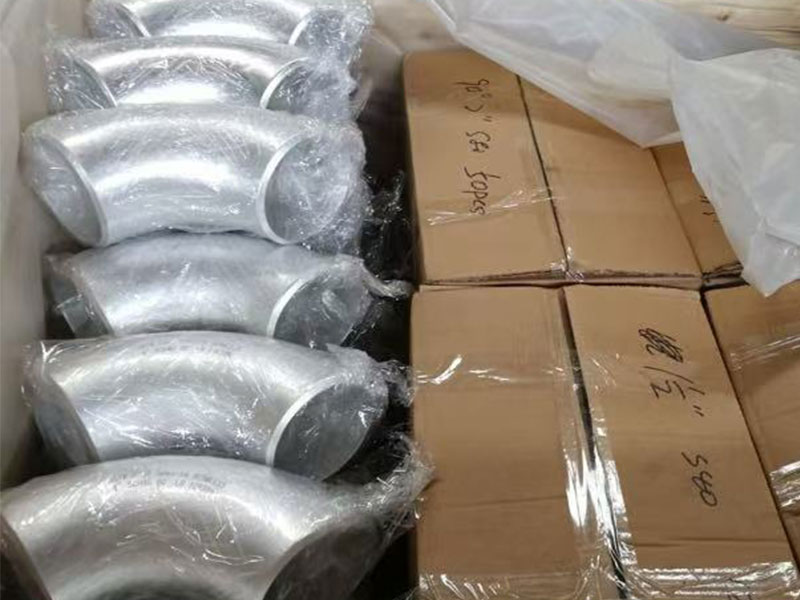
Corrosion Resistant Aluminum Pipe Elbow for Offshore Platforms
In the challenging conditions of offshore platforms, where exposure to harsh saline water, high pressure, and fluctuating temperatures is constant, choosing the right piping components can make or break operational efficiency.
View Details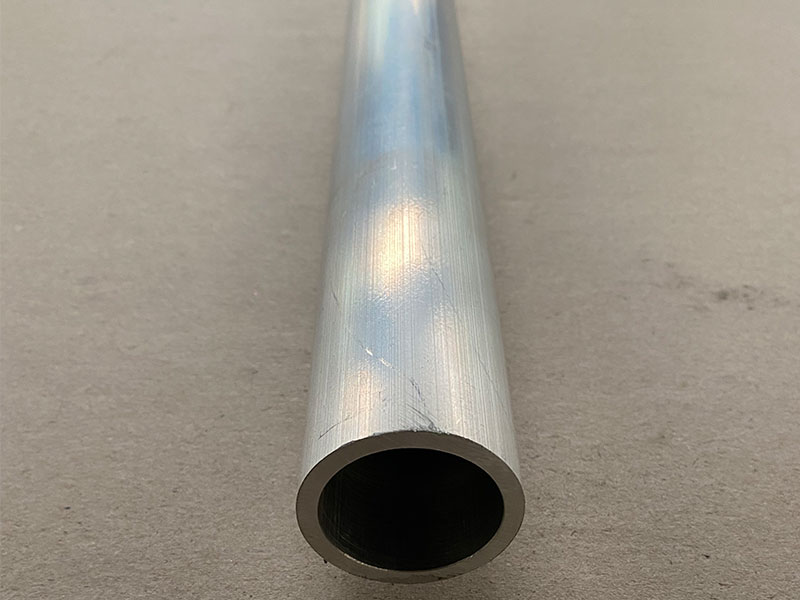
5052 Marine Aluminum Tubes for High Performance Boat Structures
When it comes to high-performance boat structures, the strength, weight, and durability of materials matter enormously. One of the most favored materials in the marine industry is **5052 Marine Aluminum Tubes.
View Details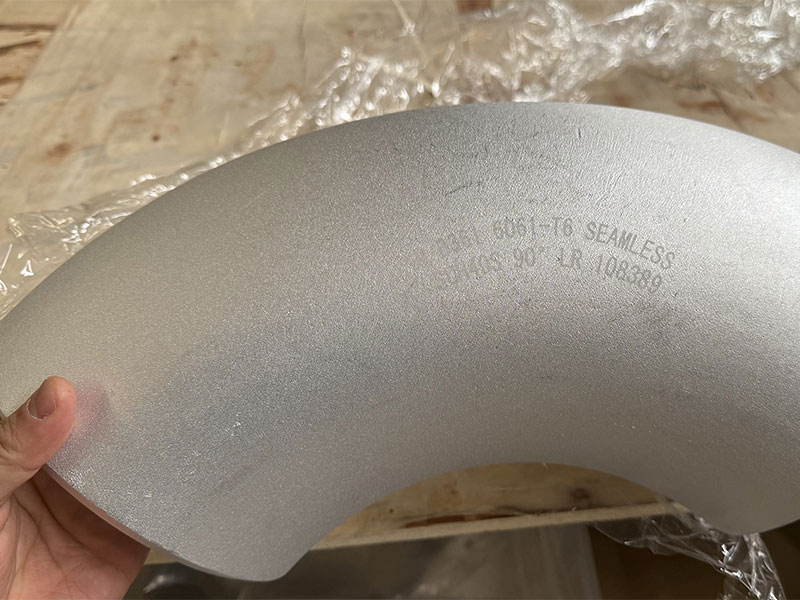
Custom Marine Aluminum Elbow for Ship to Ship Fuel Transfer
In the intricate and highly demanding marine environment, efficient and reliable fuel transfer is paramount — especially during ship-to-ship (STS) operations. Central to this process is the often unsung hero: the custom marine aluminum elbow.
View Details
Leave a Message