
Marine Aluminum Elbow for High Flow Cooling Systems on Ships
Marine aluminum elbows are precision-formed pipe fittings designed to redirect coolant with minimal restriction in shipboard piping systems. Used in seawater, freshwater, glycol-water, and closed-loop cooling circuits, these elbows help maintain stable flow to engines, heat exchangers, chillers, generators, hydraulic cooling units, and auxiliary machinery.
Compared with heavier steel or cast-iron fittings, a marine aluminum elbow reduces piping weight while providing excellent corrosion resistance in marine atmospheres. Smooth internal geometry supports high-volume circulation and helps limit turbulence, pressure loss, vibration, and pump energy demand. The result is a durable fitting solution for vessels where efficient heat rejection and compact pipe routing are essential.
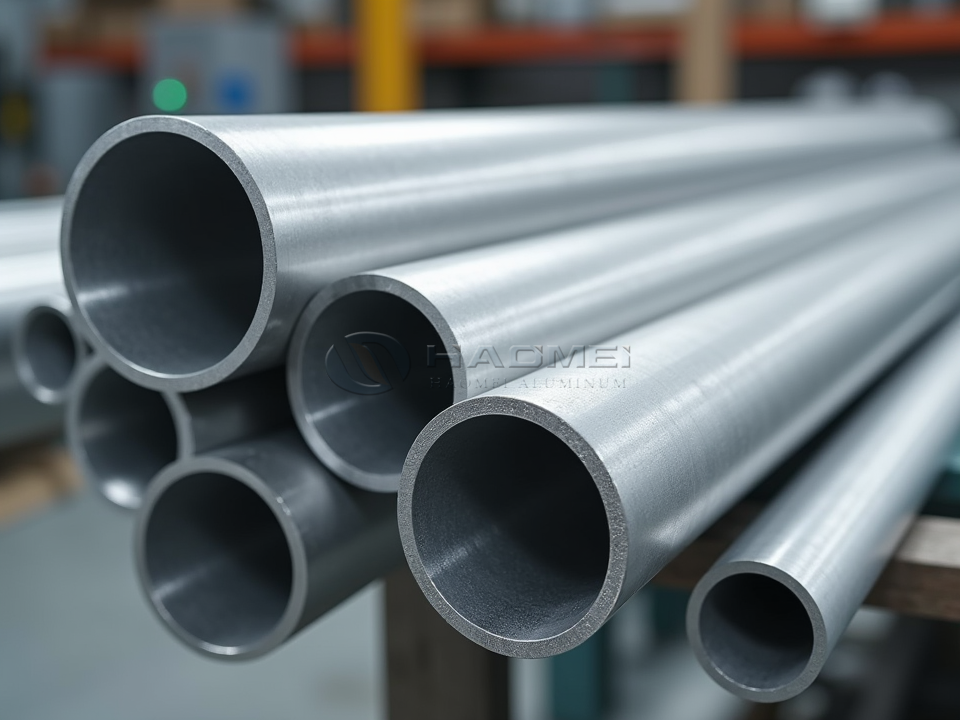
Designed for Efficient Marine Cooling Flow
A cooling elbow may be a small part of the piping network, but its geometry strongly affects system performance. Abrupt directional changes can create turbulence, erosion zones, noise, and localized pressure loss. Marine aluminum elbows are manufactured with controlled bend radii and consistent wall thickness to guide coolant through 45-degree, 90-degree, or custom-angle turns more smoothly.
Long-radius elbows are generally preferred for high-flow cooling lines because they reduce resistance compared with short-radius designs. They are particularly suitable for seawater intake and discharge sections, circulation loops around heat exchangers, and large-diameter engine cooling arrangements.
| Performance Feature | Benefit for Ship Cooling Systems |
|---|---|
| Smooth internal bore | Reduces flow disturbance and deposit accumulation |
| Long-radius bend option | Lowers pressure drop in high-volume circuits |
| Lightweight aluminum construction | Reduces vessel weight and installation load |
| Marine-grade alloy selection | Resists salt spray, humidity, and marine atmosphere exposure |
| Weldable or flange-ready ends | Supports flexible installation methods |
| Dimensional consistency | Improves fit-up with pipes, valves, strainers, and heat exchangers |
Suitable Alloys and Temper Conditions
Alloy selection should match the fluid, pressure, temperature, fabrication method, and corrosion-control plan. For welded cooling systems exposed to seawater or humid bilges, 5xxx-series alloys are frequently selected for their strong corrosion performance. For machined, forged, or high-strength connection sections, 6xxx-series aluminum may be used with proper protection against galvanic corrosion.
| Alloy | Common Temper | Typical Use in Elbows | Marine Performance |
|---|---|---|---|
| 5083 | H111, H112, O | Fabricated and welded seawater piping elbows | Excellent resistance to marine atmosphere and seawater exposure |
| 5086 | H111, H112, O | Cooling-water elbows and welded pipe systems | Very good corrosion resistance and weldability |
| 6061 | T6, T651 | Machined, forged, or flange-connected elbows | High strength; requires careful isolation in direct seawater service |
| 6063 | T5, T6 | Light-duty formed sections and low-pressure support lines | Good formability and surface finish |
For direct seawater circuits, 5083 and 5086 are normally favored where welded construction and corrosion resistance take priority. 6061-T6 is widely used for structural and machined fittings, especially where mechanical strength and dimensional accuracy are important. In mixed-metal installations, dielectric isolation, compatible fasteners, protective coatings, and sound drainage practices are essential.
Chemical Composition of Common Marine Aluminum Alloys
The chemical balance of each alloy influences strength, formability, weldability, and corrosion behavior. Values shown are typical maximum or specified ranges in percent by weight.
| Element | 5083 Aluminum | 5086 Aluminum | 6061 Aluminum |
|---|---|---|---|
| Silicon, Si | 0.40 max | 0.40 max | 0.40-0.80 |
| Iron, Fe | 0.40 max | 0.50 max | 0.70 max |
| Copper, Cu | 0.10 max | 0.10 max | 0.15-0.40 |
| Manganese, Mn | 0.40-1.00 | 0.20-0.70 | 0.15 max |
| Magnesium, Mg | 4.00-4.90 | 3.50-4.50 | 0.80-1.20 |
| Chromium, Cr | 0.05-0.25 | 0.05-0.25 | 0.04-0.35 |
| Zinc, Zn | 0.25 max | 0.25 max | 0.25 max |
| Titanium, Ti | 0.15 max | 0.15 max | 0.15 max |
| Aluminum, Al | Balance | Balance | Balance |
Technical Specifications
Marine aluminum elbows can be produced to common pipe dimensions or engineered for a vessel-specific layout. Dimensions, end treatments, and inspection requirements should be confirmed against the piping drawing and operating conditions.
| Parameter | Standard Offering | Custom Capability |
|---|---|---|
| Elbow angle | 45°, 90°, 180° | 15° to 180° |
| Pipe outside diameter | 20 mm to 300 mm | Larger diameters on request |
| Wall thickness | 1.5 mm to 12 mm | Matched to pressure class and joining method |
| Bend radius | Short radius or long radius | Custom centerline radius |
| Connection end | Plain end, beveled end, flanged end | Machined grooves, threaded ends, transition ends |
| Material | 5083, 5086, 6061, 6063 | Alloy selection by fluid and duty |
| Surface condition | Mill finish, brushed, anodized, coated | Marine coating system to specification |
| Manufacturing method | Formed, welded, machined, forged | Drawing-controlled fabrication |
| Inspection | Visual, dimensional, material traceability | Dye penetrant, pressure test, NDT as required |
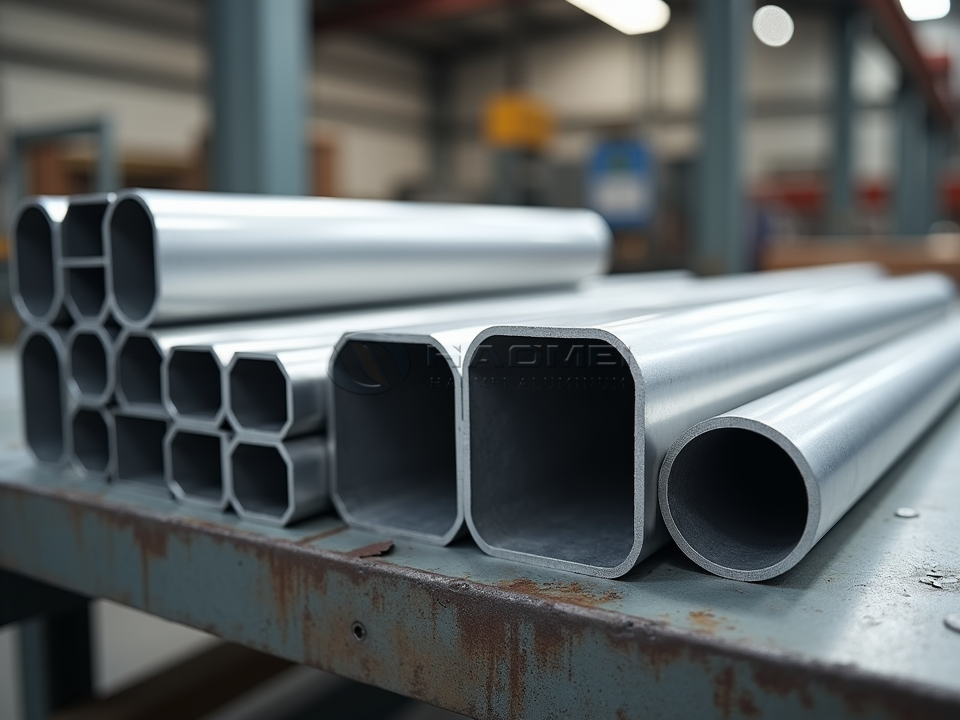
Mechanical and Physical Data
Mechanical values depend on alloy, temper, thickness, welding condition, and manufacturing route. The data provide practical guidance for material selection rather than design certification values.
| Property | 5083-H111 | 5086-H111 | 6061-T6 |
|---|---|---|---|
| Tensile strength | 275-350 MPa | 260-330 MPa | 290-310 MPa |
| Yield strength | 125-200 MPa | 110-170 MPa | 240-276 MPa |
| Elongation | 12-20% | 12-20% | 8-12% |
| Density | 2.66 g/cm³ | 2.66 g/cm³ | 2.70 g/cm³ |
| Thermal conductivity | Approx. 117 W/m·K | Approx. 117 W/m·K | Approx. 167 W/m·K |
| Melting range | 574-638°C | 574-638°C | 582-652°C |
Applications on Ships and Offshore Units
Marine aluminum elbows are used wherever cooling media must change direction without compromising flow capacity. Their low mass is valuable in fast vessels, patrol craft, passenger ferries, workboats, yachts, fishing vessels, and aluminum-hull craft. They are also practical for equipment rooms where routing space is restricted.
| Installation Area | Typical Cooling Duty |
|---|---|
| Main engine circuit | Seawater or freshwater cooling flow to jacket-water and charge-air heat exchangers |
| Generator set cooling | Circulation between pump, cooler, and engine block |
| HVAC and chiller lines | Chilled-water or condenser-water directional routing |
| Hydraulic oil coolers | Flow connections to heat exchanger packages |
| Battery and power-electronics cooling | Coolant routing for hybrid and electric propulsion systems |
| Deck machinery cooling | Cooling circuits for winches, cranes, and hydraulic power packs |
| Ballast and auxiliary systems | Lightweight pipe direction changes in non-potable water lines |
For matching straight sections, Marine Grade Aluminum Tubing provides compatible material options for welded or mechanically joined cooling networks.
Installation and Corrosion Control
Correct installation extends service life. Elbows should be aligned without forced fit-up, supported near valves or heavy equipment, and protected from concentrated vibration. Welding should be performed using procedures appropriate for the selected alloy, with filler metal chosen to support corrosion resistance and joint strength.
Avoid direct electrical contact between aluminum and copper alloys, carbon steel, or stainless steel in wet areas unless approved isolation materials are installed. Use non-absorbent gaskets, insulating sleeves, compatible sealants, and drainage-friendly support details. Where seawater is present, regular flushing, strainer maintenance, and inspection of coating edges help prevent deposits and localized corrosion.
Why Marine Aluminum Elbows Support Reliable Cooling
A properly selected marine aluminum elbow combines low weight, corrosion-aware alloy design, smooth flow performance, and fabrication flexibility. Long-radius geometry reduces hydraulic losses, while marine-grade materials withstand the demanding combination of salt air, vibration, temperature cycling, and confined machinery-space conditions.
For shipbuilders and repair yards, these elbows provide an efficient route to lighter, cleaner, and more maintainable cooling systems. Specifying the correct alloy, temper, wall thickness, bend radius, and connection style ensures the fitting performs reliably throughout the vessel's operating life.

Related Products
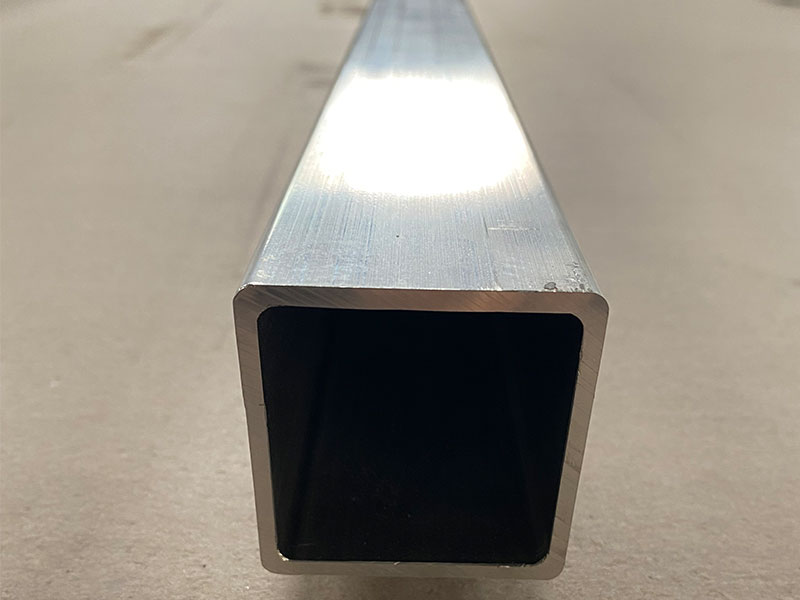
Marine aluminum square tubes
Marine Grade Aluminum Square Tubes are typically constructed from marine-grade alloys such as 5083, 5052, 6061, and 6082—well-known for their ability to withstand the aggressive effects of saltwater and marine atmospheres.
View Details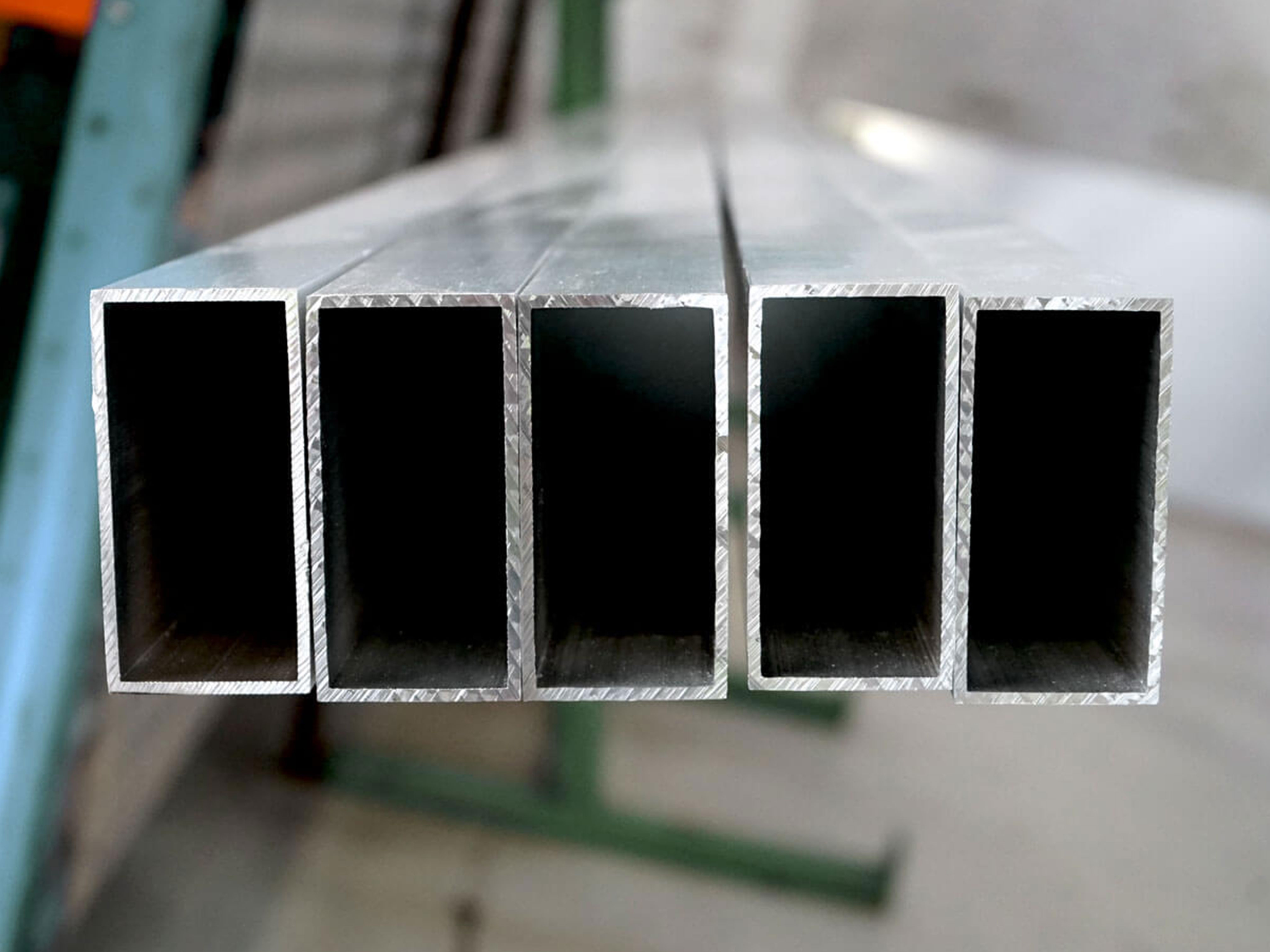
Marine aluminum rectangular tubes
Marine Grade Aluminum Rectangular Tubes are made from high-performance alloys such as 5083, 5052, 6061, and 6082. These alloys are renowned for their ability to resist corrosive seawater and marine atmospheres while providing excellent mechanical strength and toughness.
View Details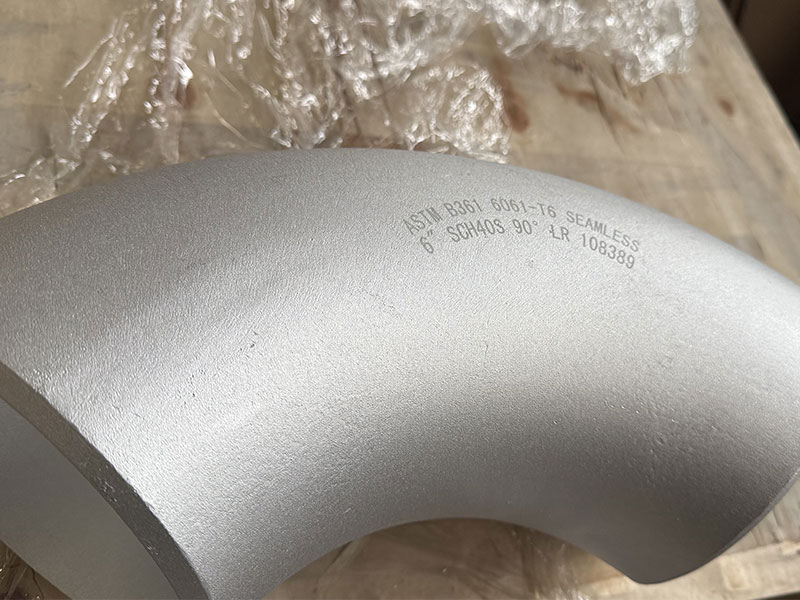
6061-T6 90-Degree Marine Aluminum Pipe Elbow
Manufactured from premium 6061-T6 marine-grade aluminum alloy, this elbow fitting is engineered to provide reliable and efficient pipe direction changes within shipbuilding, offshore platforms, and marine infrastructure systems.
View Details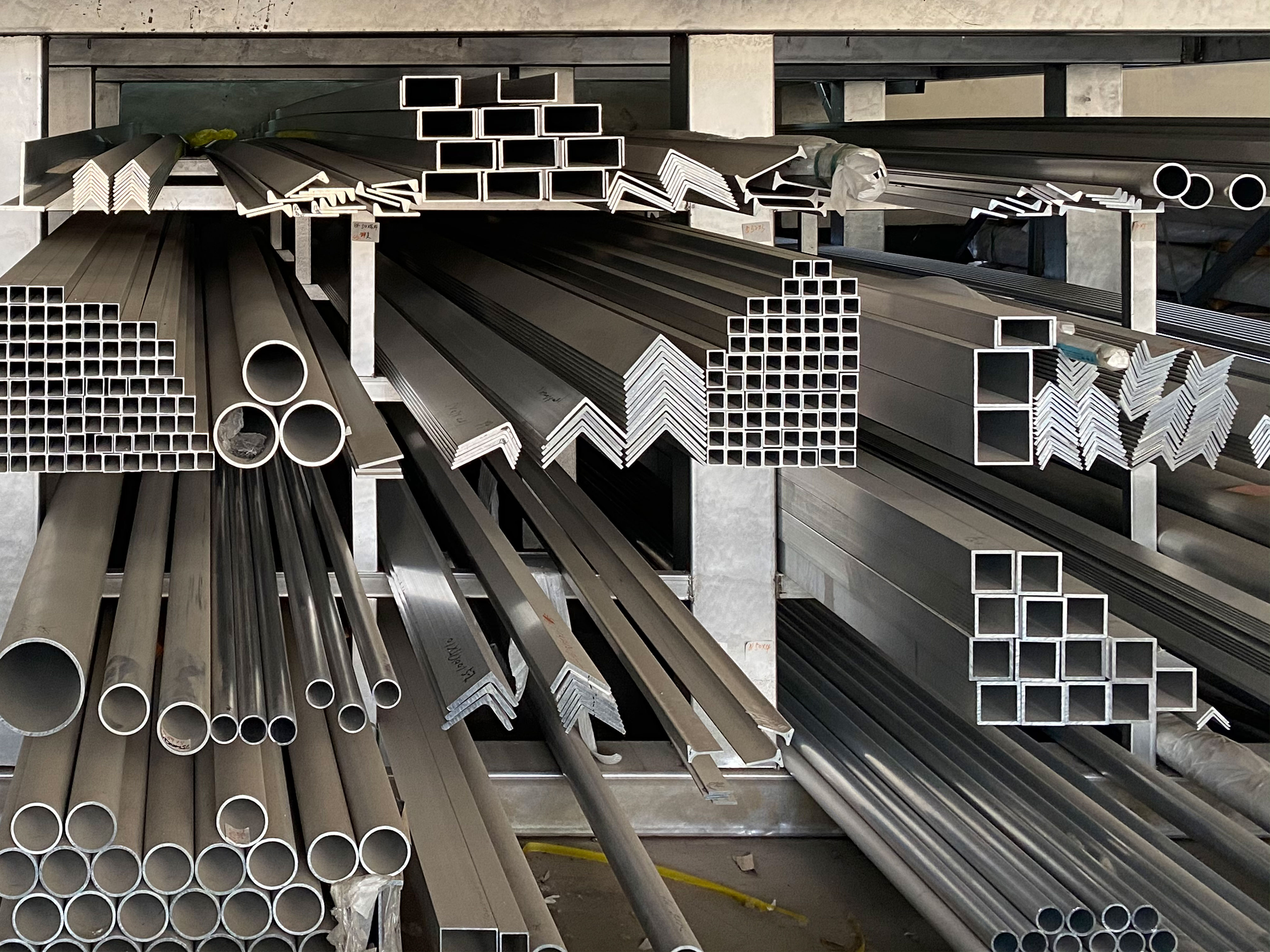
Custom marine aluminum profile tubes
Custom Marine Grade Aluminum Profile Tubes are manufactured from premium marine aluminum alloys such as 5083, 5052, 6061, and 6082.
View Details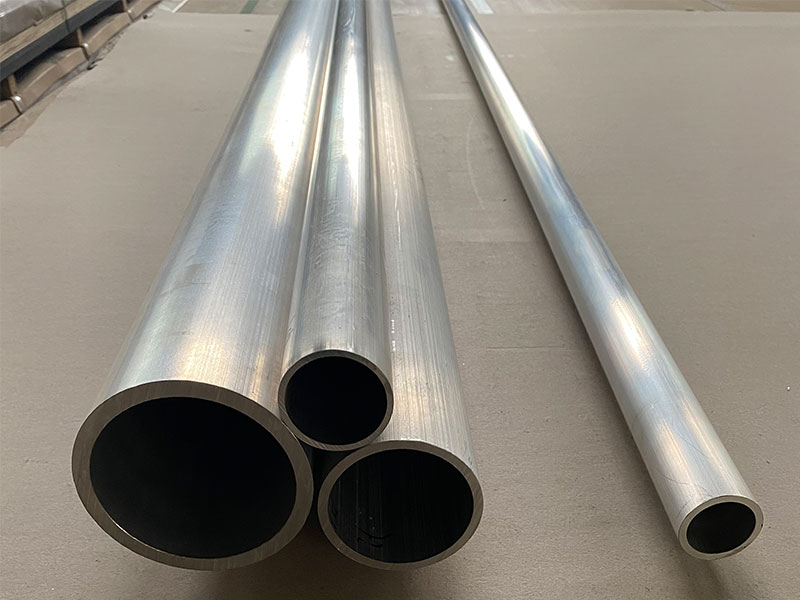
Marine aluminum round tubes
Marine Grade Aluminum Round Tubes are manufactured from premium marine alloys such as 5083, 5052, 6061, and 6082, all selected for their proven resistance to seawater corrosion and marine atmosphere degradation.
View DetailsRelated Blog
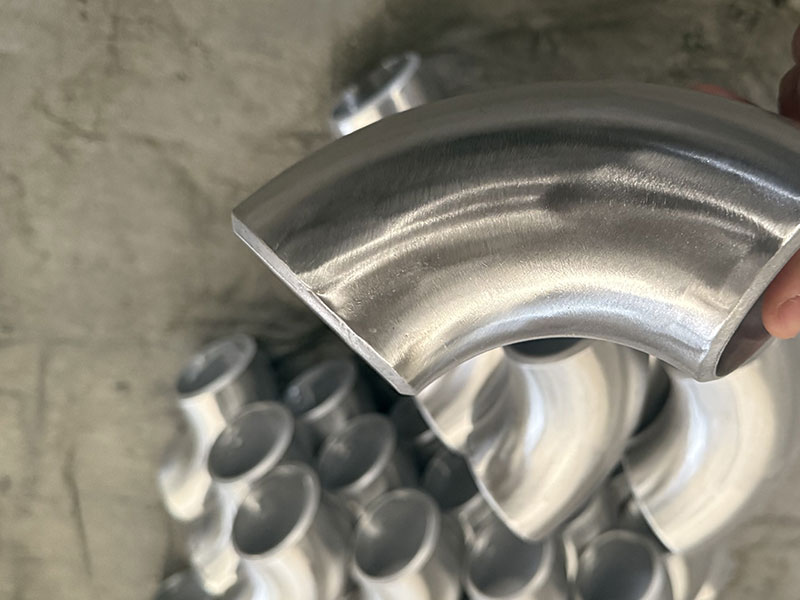
Aluminum Elbow for High Pressure Saltwater Pipelines on Ships
In modern shipbuilding and marine engineering, the integrity and durability of high pressure saltwater pipelines stand as a critical priority.
View Details
Aluminum Marine Elbow with High Corrosion Resistance
FeaturesHigh corrosion resistance compatible with seawater and brackish environmentsLightweight compared to steel or bronze fittings.
View Details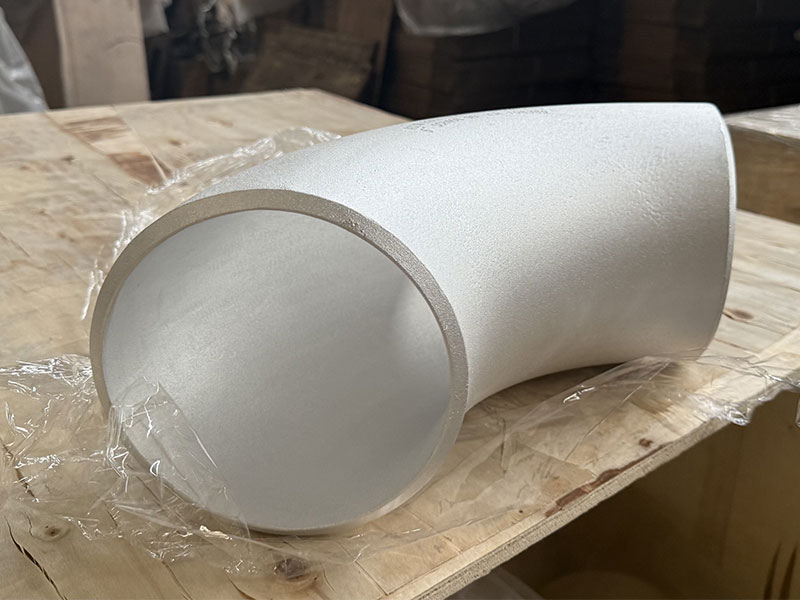
90 Degree Marine Aluminum Elbow for Exhaust Systems
The 90 Degree Marine Aluminum Elbow for Exhaust Systems is a precision-formed bend designed specifically for marine engine and generator exhaust lines.
View Details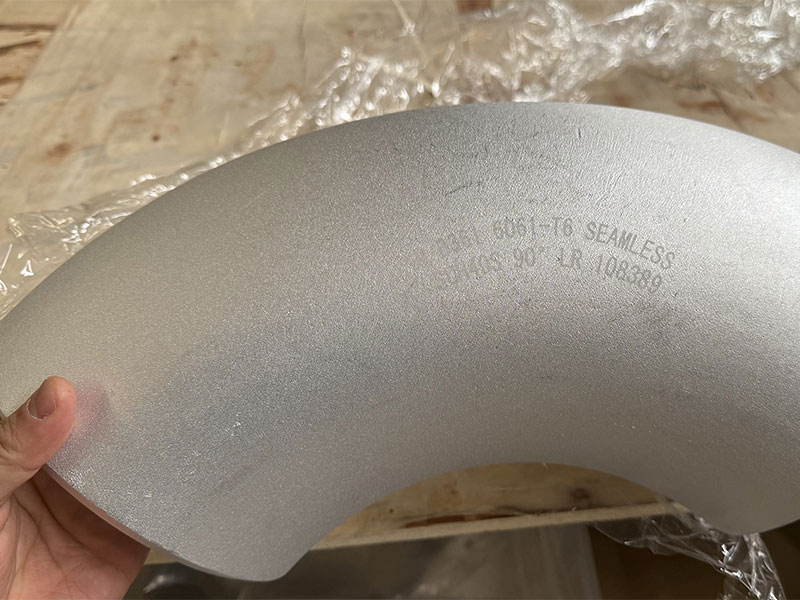
5083 Marine Aluminum Tubes for Marine Hull Construction
5083 aluminum alloy is one of the most widely used non-heat-treatable marine alloys. Designed for superior corrosion resistance, high strength, and excellent weldability, 5083 tubes are ideal for hull structures, superstructures, piping.
View Details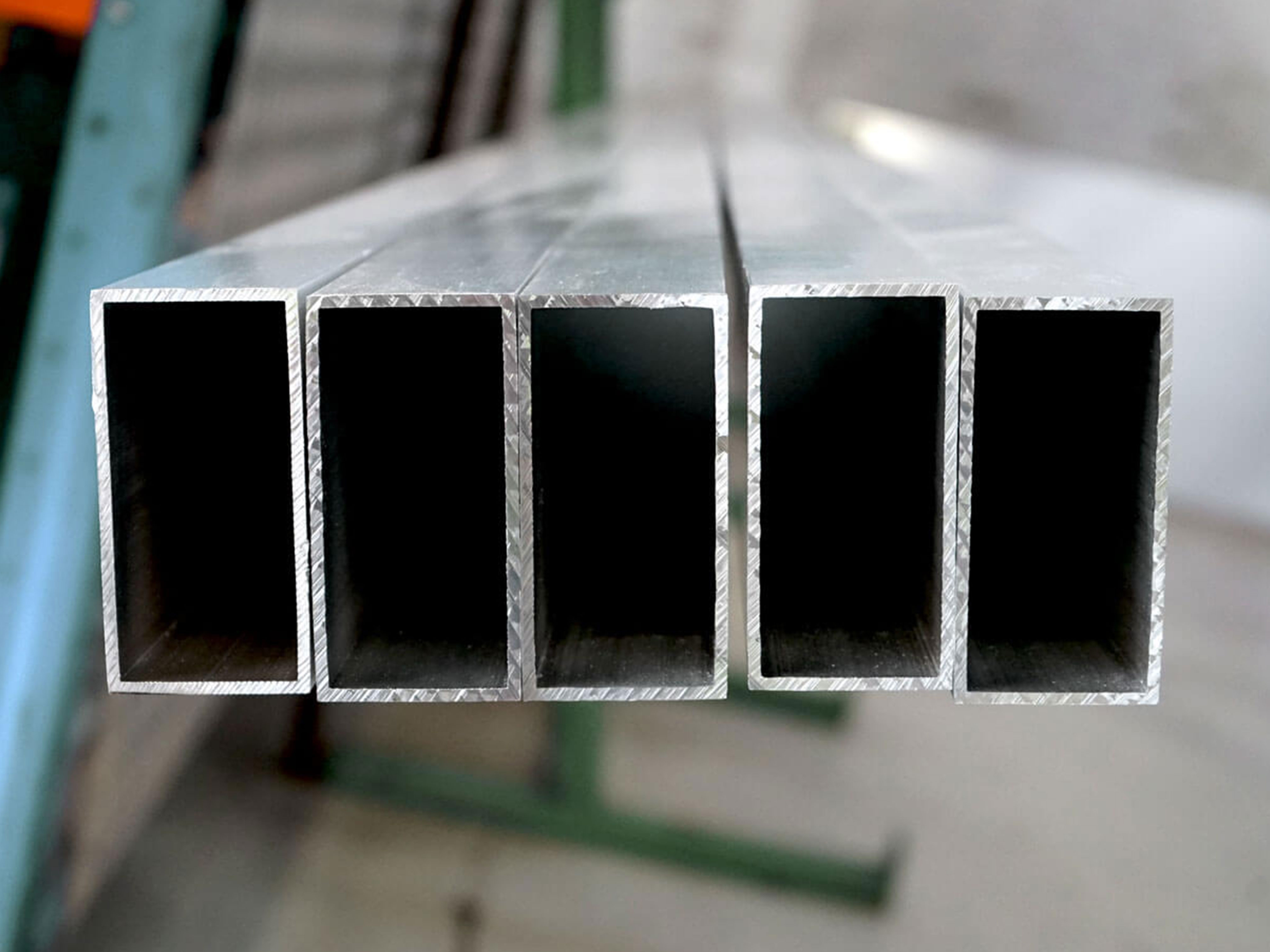
6082 Marine Aluminum Tubes for Marine Engine Component Support
The 6082 marine aluminum tubes are a premium-grade aluminum alloy offering a balanced blend of strength, corrosion resistance, and excellent machinability.
View Details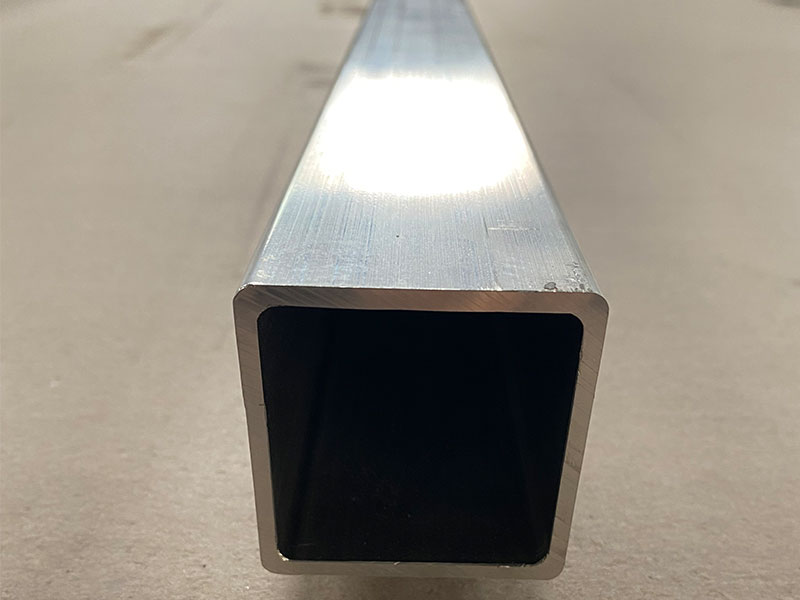
5052 Marine Aluminum Tubes for Marine Industrial Use
5052 marine aluminum tubes are widely used in shipbuilding, offshore structures, and marine equipment due to their excellent corrosion resistance in seawater, medium‑high strength, and good forming/welding performance.
View Details
Leave a Message