
Aluminum Marine Elbow for Ballast Water Treatment and Pumping
In a ballast water treatment system, an elbow may look like a minor fitting, but it often decides whether the piping run is calm, serviceable, and durable or difficult to maintain. Pumps, filters, UV reactors, electrolysis units, valves, and sampling points all depend on stable water movement. Where the line turns, an aluminum marine elbow becomes more than a connector: it is a controlled transition between equipment with different flow demands.
This is especially important on vessels where machinery spaces are crowded and every pipe route must avoid cables, access doors, structural frames, and other services. A well-selected aluminum elbow can reduce installation weight while allowing a compact route from the ballast pump to the treatment equipment and onward to ballast tanks or overboard discharge lines.
The Elbow as a Flow-Control Point
A 90-degree turn naturally creates turbulence. Water moving through a straight pipe has a comparatively even velocity profile, while water entering an elbow is pushed toward the outer radius of the bend. This creates pressure loss, local swirl, and potentially uneven flow downstream.
For ordinary utility piping, this may be acceptable. For ballast water treatment, it deserves more attention. UV treatment units, flow meters, injection points, and filter systems can perform less consistently when they receive heavily disturbed flow. An elbow placed too close to a sensitive instrument may cause inaccurate readings or unstable control signals. A practical layout provides a suitable straight length after the elbow whenever equipment documentation requires it.
Long-radius elbows are commonly preferred where space permits. Their wider bend produces a smoother direction change and generally creates less head loss than a short-radius design. Short-radius elbows remain useful in tight machinery rooms, but they should be chosen with awareness of their effect on pump duty and downstream flow conditions.
The best piping route is not always the shortest route. A slightly longer route using a gentler bend can lower resistance, reduce pump energy demand, and make a treatment skid easier to operate over its service life.
Choosing an Aluminum Alloy for the Actual Environment
Marine aluminum is valued for its low weight, natural oxide film, weldability, and resistance in many seawater-related applications. Still, aluminum should not be treated as a universal substitute for every ballast piping material. The liquid chemistry, treatment method, pipe location, and joining method must guide the decision.
For fabricated marine piping and elbows, 5083 and 5086 alloys are often considered where strong corrosion resistance is needed in marine conditions. These alloys are widely associated with seawater service and welded construction. 6061-T6 can provide higher strength and is frequently used for structural or lower-risk piping applications, although its suitability for direct, continuous exposure to chemically treated ballast water should be evaluated carefully.
An aluminum elbow serving a dry, protected section of a machinery-space system has different exposure conditions from an elbow installed in a wet ballast line. It also faces different risks when used upstream or downstream of a treatment process. Electrochlorination systems, for example, may introduce oxidizing conditions that require especially careful material selection. Chemical dosing systems can create concentrated zones near injection points. In such cases, the elbow material, coating system, injection arrangement, and inspection plan should be confirmed by the vessel designer and treatment-system provider.
For projects that need compatible pipe stock, Marine Grade Aluminum Tubing can provide the starting material for matched fabrication, wall-thickness selection, and weld preparation.
Pump Protection Begins at the Bend
From the pump's perspective, every elbow is part of the total resistance it must overcome. A system with several sharp bends, undersized fittings, and abrupt diameter changes may force a pump to operate away from its preferred duty point. The consequences can include excessive energy use, vibration, noise, reduced treatment flow, or premature component wear.
The elbow immediately before a pump suction deserves particular care. A tight turn close to the suction nozzle may create uneven inlet flow and increase the risk of cavitation, particularly when suction pressure is limited. Designers normally aim for a straight, well-supported suction run and avoid placing restrictive fittings directly at the pump inlet.
On the discharge side, elbows should also be positioned with maintenance in mind. If a pump, strainer, or filter cover needs removal, a permanently welded elbow may create an avoidable access problem. Where dismantling is expected, flanged connections or removable spool pieces can save significant time during dry dock or onboard servicing.
Corrosion Control Is a System Decision
An aluminum elbow can perform well only when surrounding materials and electrical conditions are properly managed. Galvanic corrosion can occur when aluminum contacts more noble metals in the presence of an electrolyte such as seawater. Stainless steel valves, bronze components, copper-containing fittings, and carbon-steel supports all require attention.
Electrical isolation between dissimilar metals is often necessary. Insulating gaskets, sleeves, washers, carefully selected flange kits, and non-absorbent support pads can help reduce direct metallic contact. Coating damage at flange faces, weld areas, or pipe clamps should be repaired promptly, since localized attack often begins at small exposed areas.
Pipe supports matter as much as the elbow itself. An unsupported aluminum elbow can be loaded by vibration, thermal movement, and the weight of adjacent valves. Supports should hold the pipe securely without trapping moisture or damaging protective coatings. In areas exposed to spray, condensation, or bilge water, drainage and ventilation improve the long-term condition of the installation.
Fabrication Details That Influence Reliability
A marine elbow may be seamless, formed from pipe, fabricated from welded sections, or machined for specialized connections. The proper choice depends on diameter, pressure class, wall thickness, class requirements, and available space.
For fabricated elbows, weld quality is central. Internal weld profiles should be smooth enough to avoid debris accumulation and excessive disturbance. Poor alignment can create a step inside the line, raising resistance and becoming a site for sediment or biological residue. Clean fabrication is particularly important in ballast water systems because debris can interfere with filters, sensors, or treatment chambers.
Wall thickness should be selected for more than pressure. Consider handling loads, vibration, corrosion allowance where applicable, flange loads, and the possible effects of cleaning or inspection. An elbow that is light but too thin for the support arrangement may crack near a weld or flange after repeated vessel movement.
Where a compact, durable change of direction is required, a 6061-T6 90-Degree Marine Aluminum Pipe Elbow can be considered for suitably engineered sections of the system. The final material choice should always match the actual fluid exposure and treatment technology.
Installation and Inspection in Real Vessel Conditions
A ballast water system is rarely serviced in an ideal workshop. Crew members may inspect it in confined spaces, under time pressure, and with limited replacement stock onboard. Elbow placement should therefore allow visual checking of welds, coatings, flange bolts, and nearby supports.
During commissioning, inspect the route for leaks, vibration, unexpected noise, and movement at supports. Verify that the pipework does not impose stress on pump nozzles or treatment skid connections. After initial operation, recheck clamps and flange fasteners because vibration and temperature changes can alter the installation's settling behavior.
Routine inspections should focus on pitting near joints, white corrosion products, coating breakdown, wet support points, and evidence of galvanic interaction. If treatment chemicals are used, review the elbow condition near dosing locations more frequently than the rest of the line.
A properly selected aluminum marine elbow supports more than a change in direction. It helps preserve pump performance, protects treatment equipment from disruptive flow, reduces structural weight, and makes the ballast water system easier to keep in service. In marine piping, the corner is often where the real engineering work begins.

Related Products
Marine aluminum square tubes
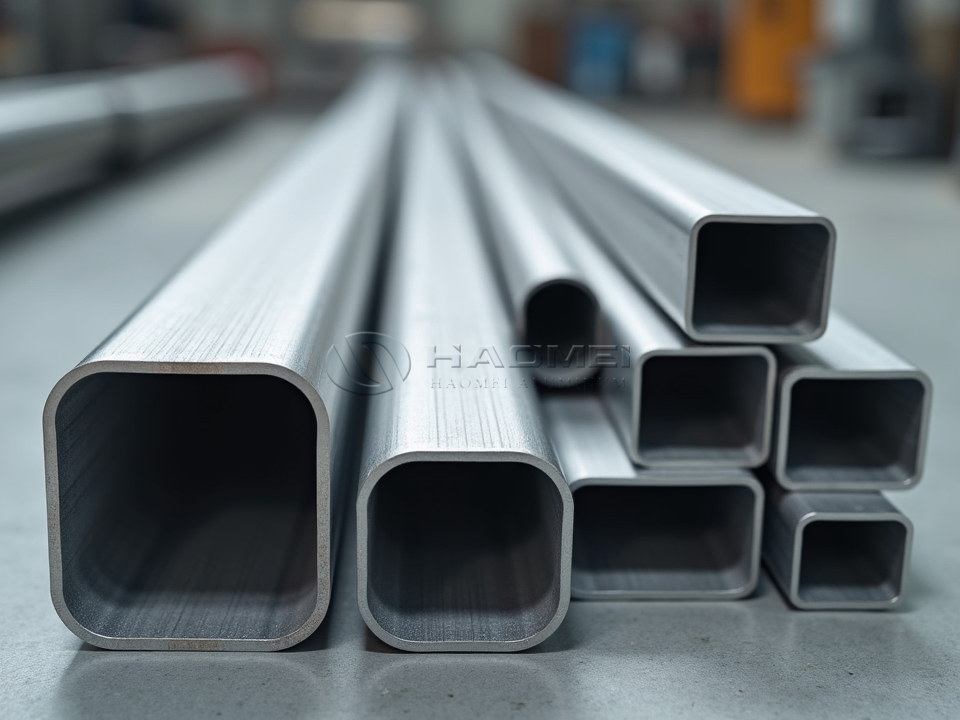
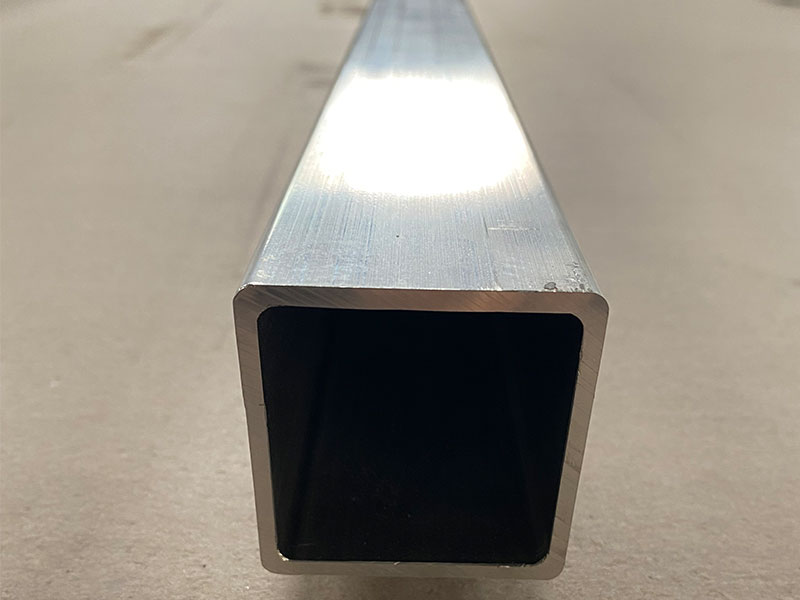
Marine Grade Aluminum Square Tubes are typically constructed from marine-grade alloys such as 5083, 5052, 6061, and 6082—well-known for their ability to withstand the aggressive effects of saltwater and marine atmospheres.
View Details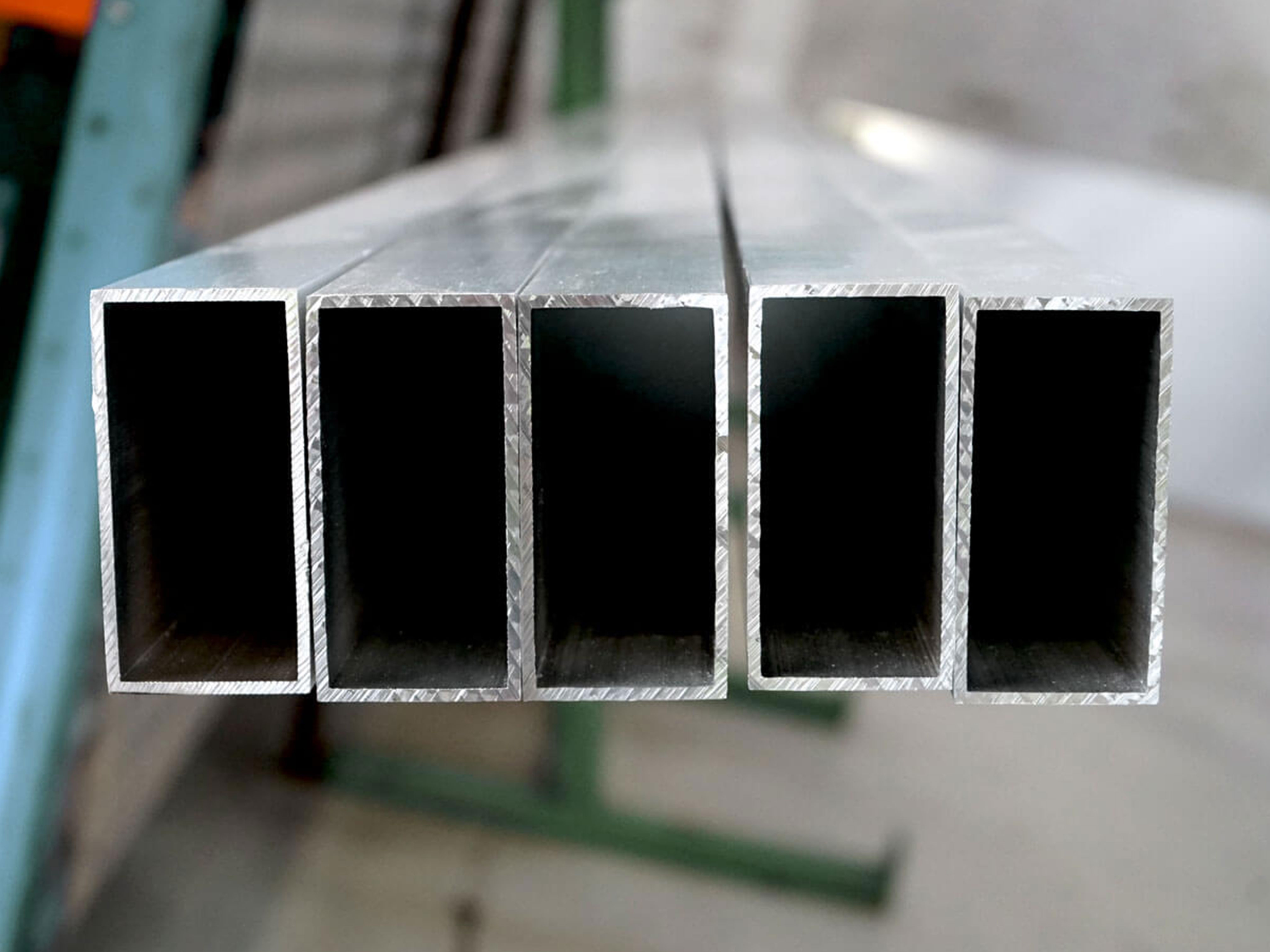
Marine aluminum rectangular tubes
Marine Grade Aluminum Rectangular Tubes are made from high-performance alloys such as 5083, 5052, 6061, and 6082. These alloys are renowned for their ability to resist corrosive seawater and marine atmospheres while providing excellent mechanical strength and toughness.
View Details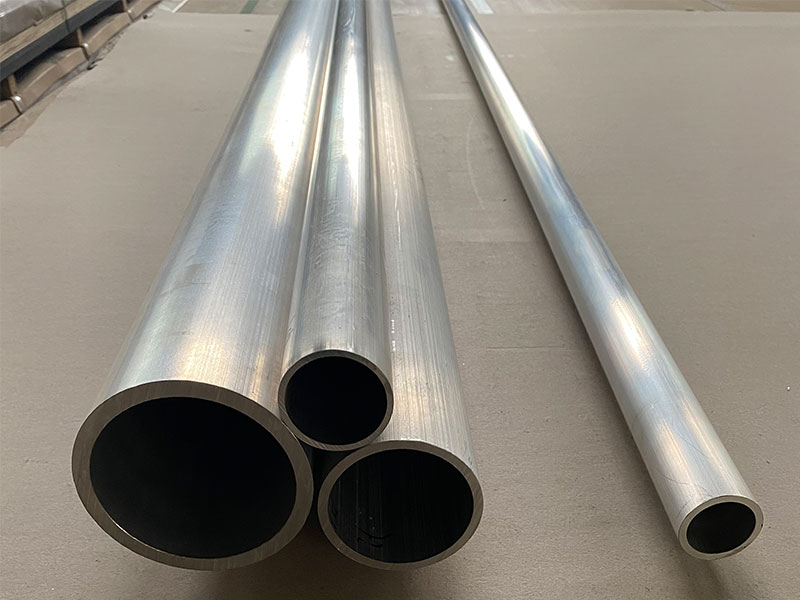
Marine aluminum round tubes
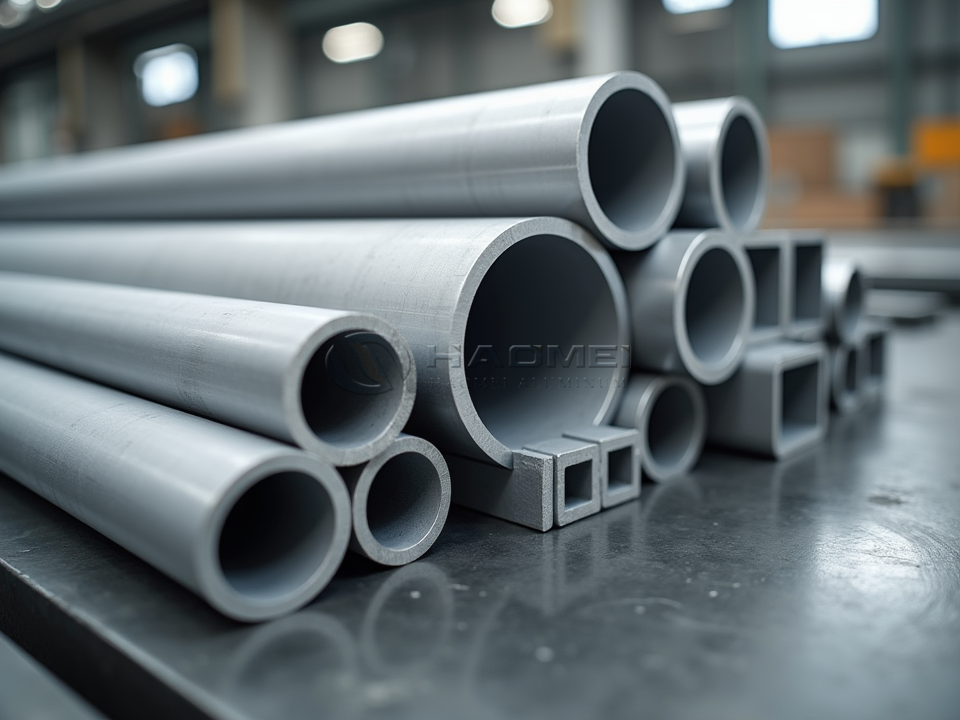
Marine Grade Aluminum Round Tubes are manufactured from premium marine alloys such as 5083, 5052, 6061, and 6082, all selected for their proven resistance to seawater corrosion and marine atmosphere degradation.
View Details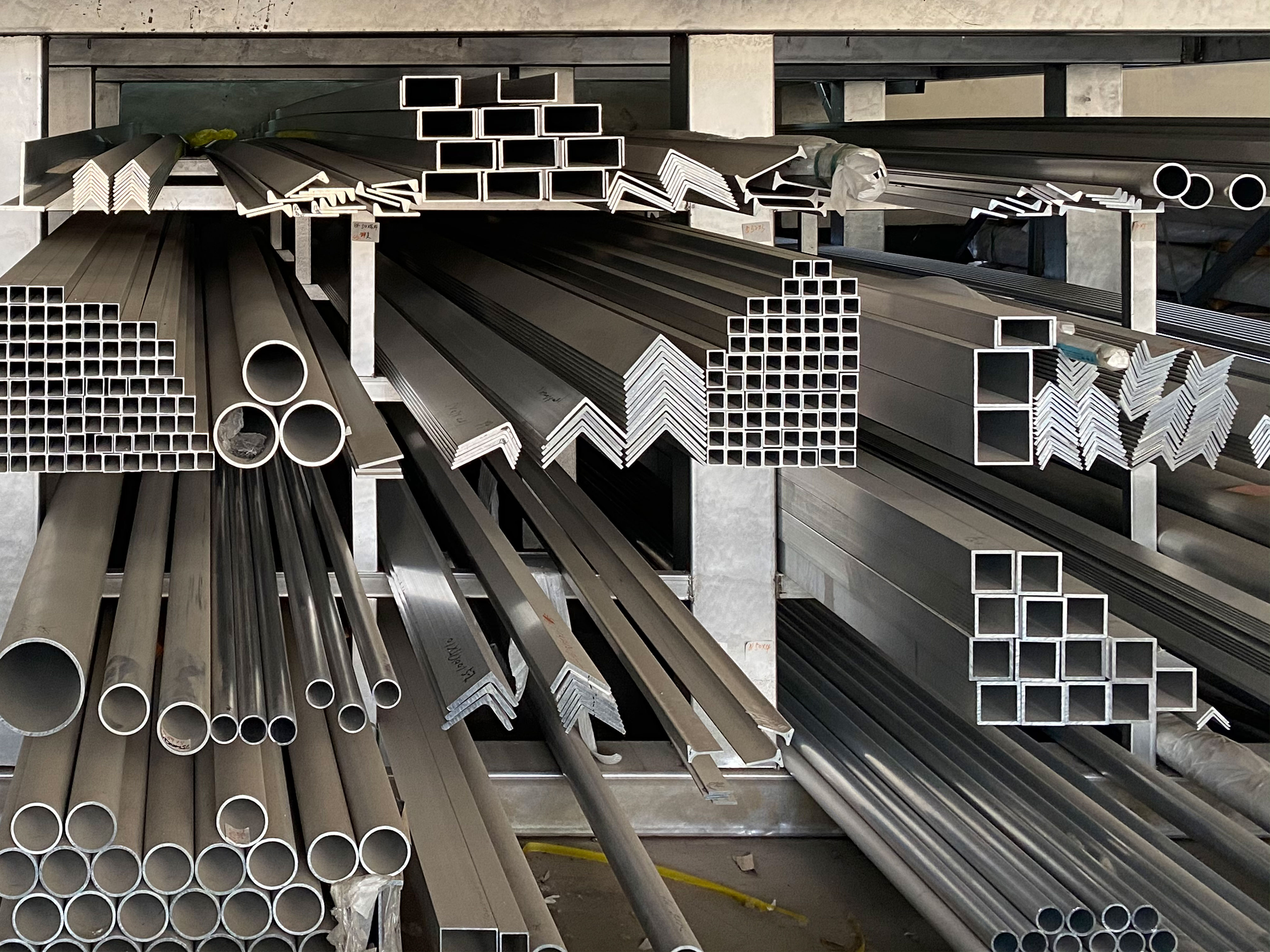
Custom marine aluminum profile tubes
Custom Marine Grade Aluminum Profile Tubes are manufactured from premium marine aluminum alloys such as 5083, 5052, 6061, and 6082.
View Details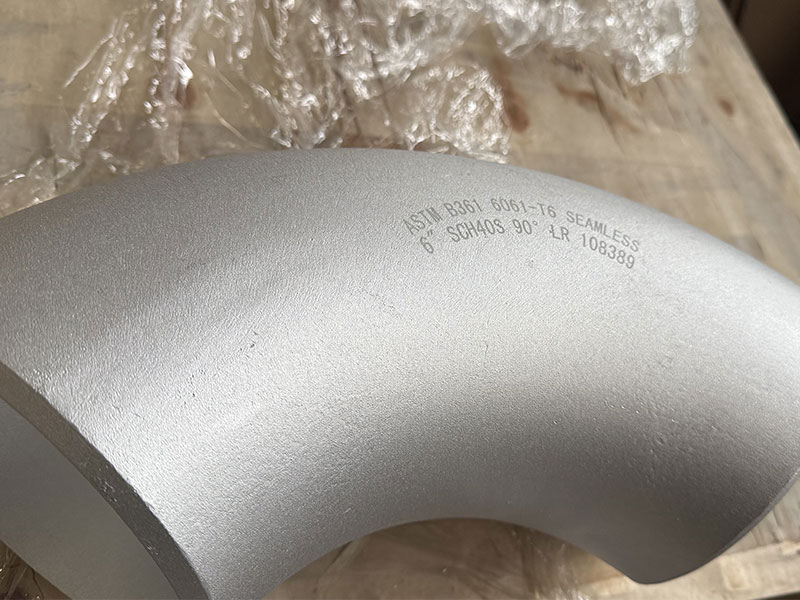
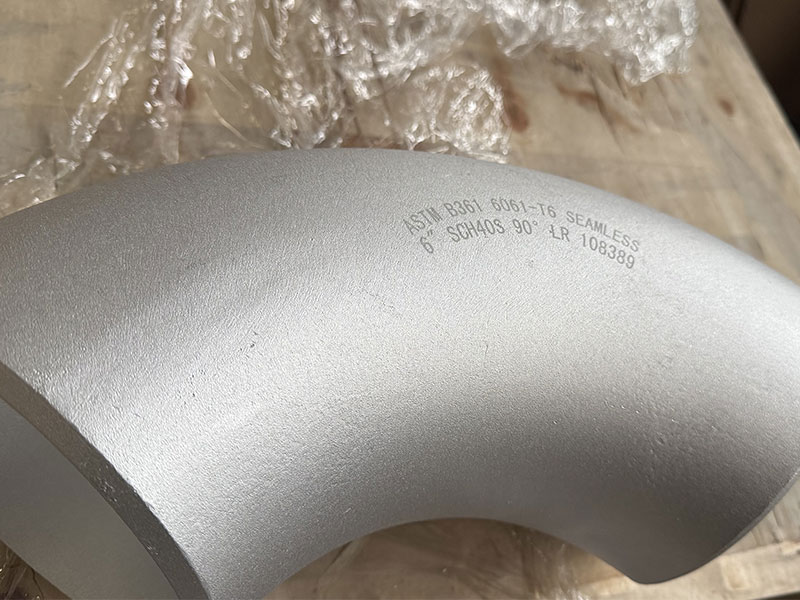
6061-T6 90-Degree Marine Aluminum Pipe Elbow
Manufactured from premium 6061-T6 marine-grade aluminum alloy, this elbow fitting is engineered to provide reliable and efficient pipe direction changes within shipbuilding, offshore platforms, and marine infrastructure systems.
View DetailsRelated Blog
Marine Aluminum Elbow for Combustion Air Supply Systems
In the demanding environment of marine vessels, reliable components contribute immensely to safety, efficiency, and longevity. Among such vital parts.
View Details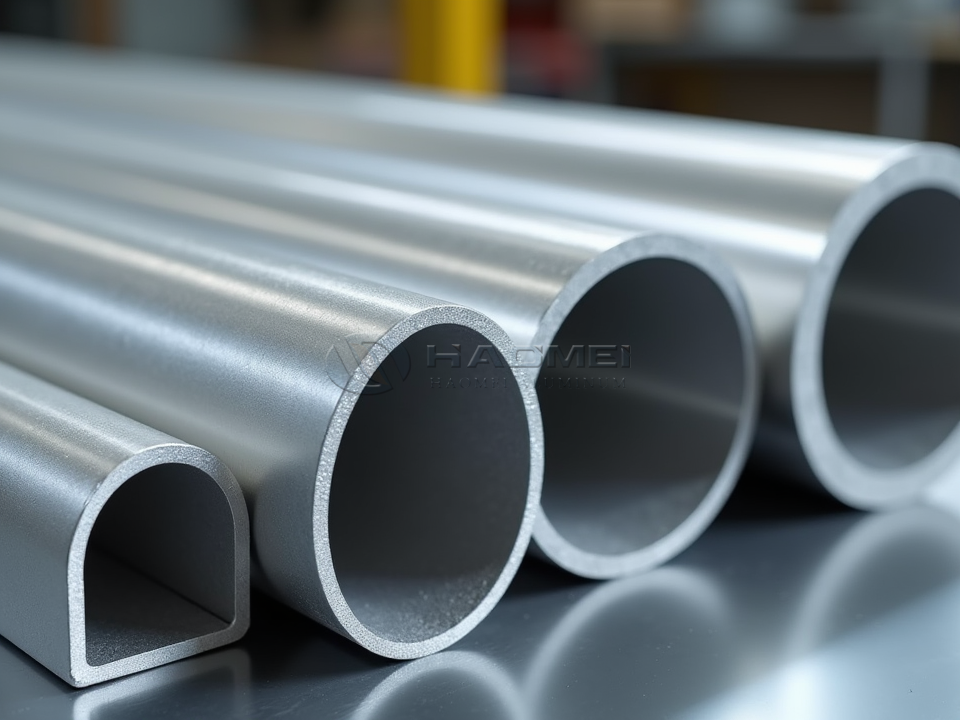
Marine Aluminum Elbow for Cooling Systems in Marine Heat Exchangers
Marine aluminum elbows provide lightweight, corrosion-resistant flow direction changes for protected cooling circuits in marine heat exchanger systems.
View Details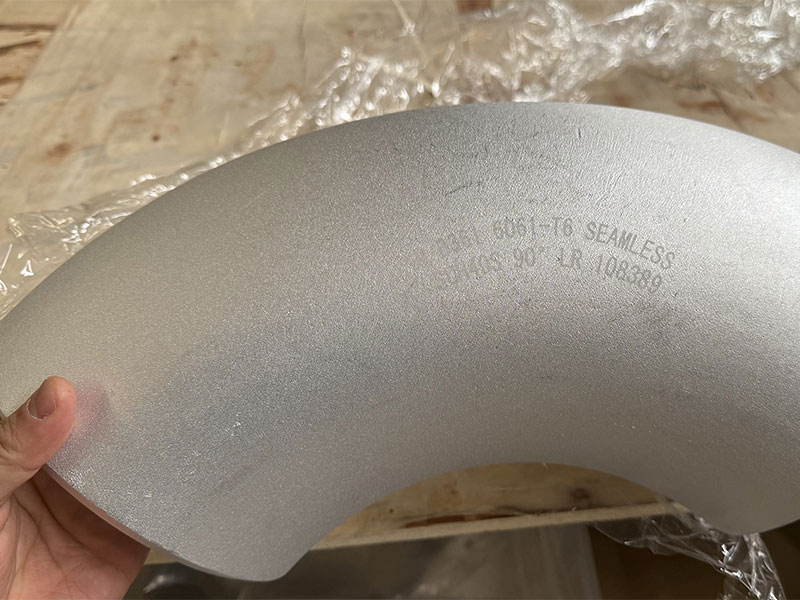
Custom Marine Aluminum Elbow for Ship to Ship Fuel Transfer
In the intricate and highly demanding marine environment, efficient and reliable fuel transfer is paramount — especially during ship-to-ship (STS) operations. Central to this process is the often unsung hero: the custom marine aluminum elbow.
View Details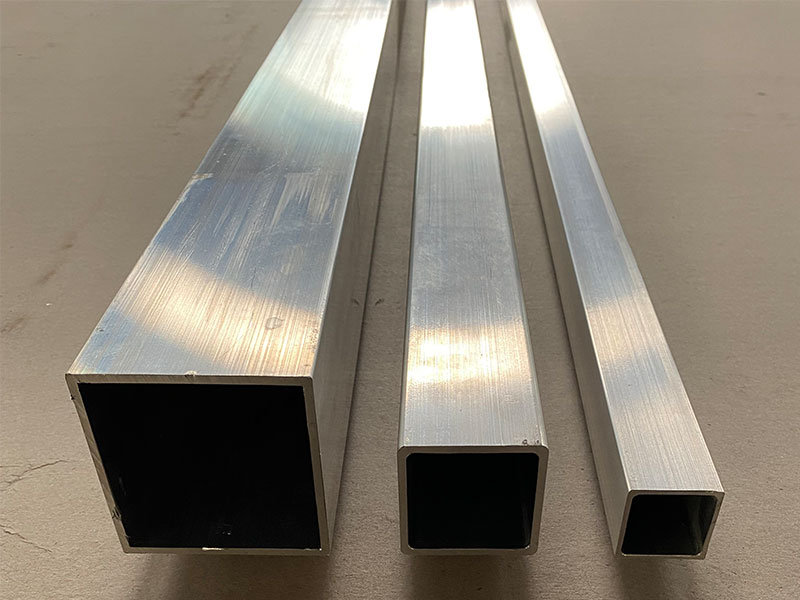
Marine Aluminum Tubes for Coastal Construction Projects
Manufacturers in the construction sector increasingly recognize the importance of incorporating marine aluminum tubes into coastal building projects. Due to their unique material properties, lightweight structure, and resistance to corrosion.
View Details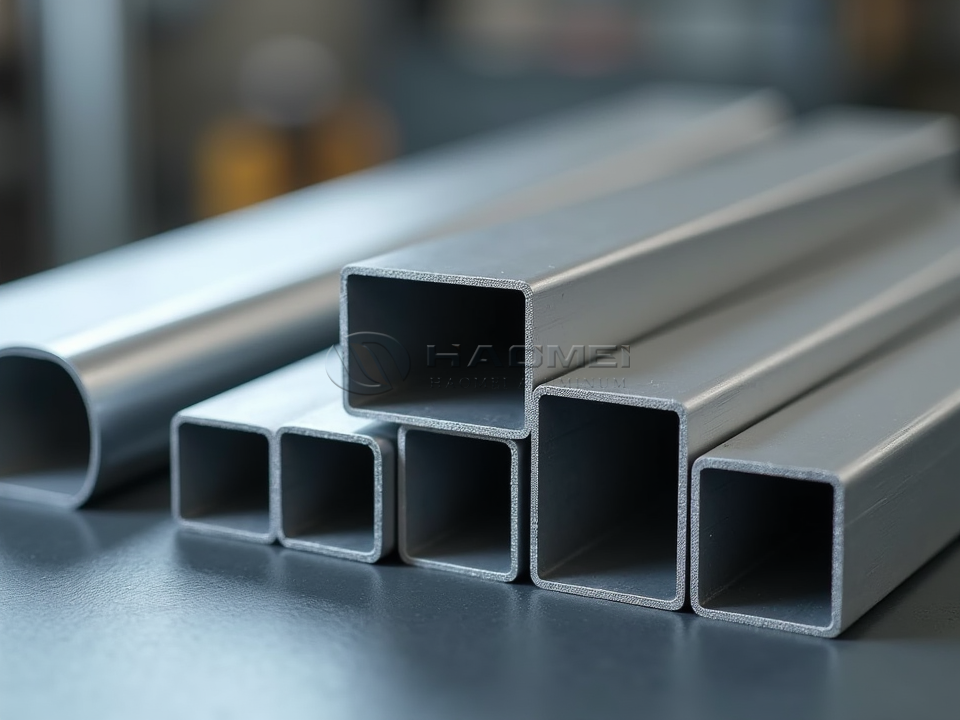
Marine Aluminum Elbow for Shipboard Water and Chemical Supply Lines
Explore marine aluminum elbows for shipboard water and chemical lines, including alloys, tempers, dimensions, corrosion control, standards, and use cases.
View Details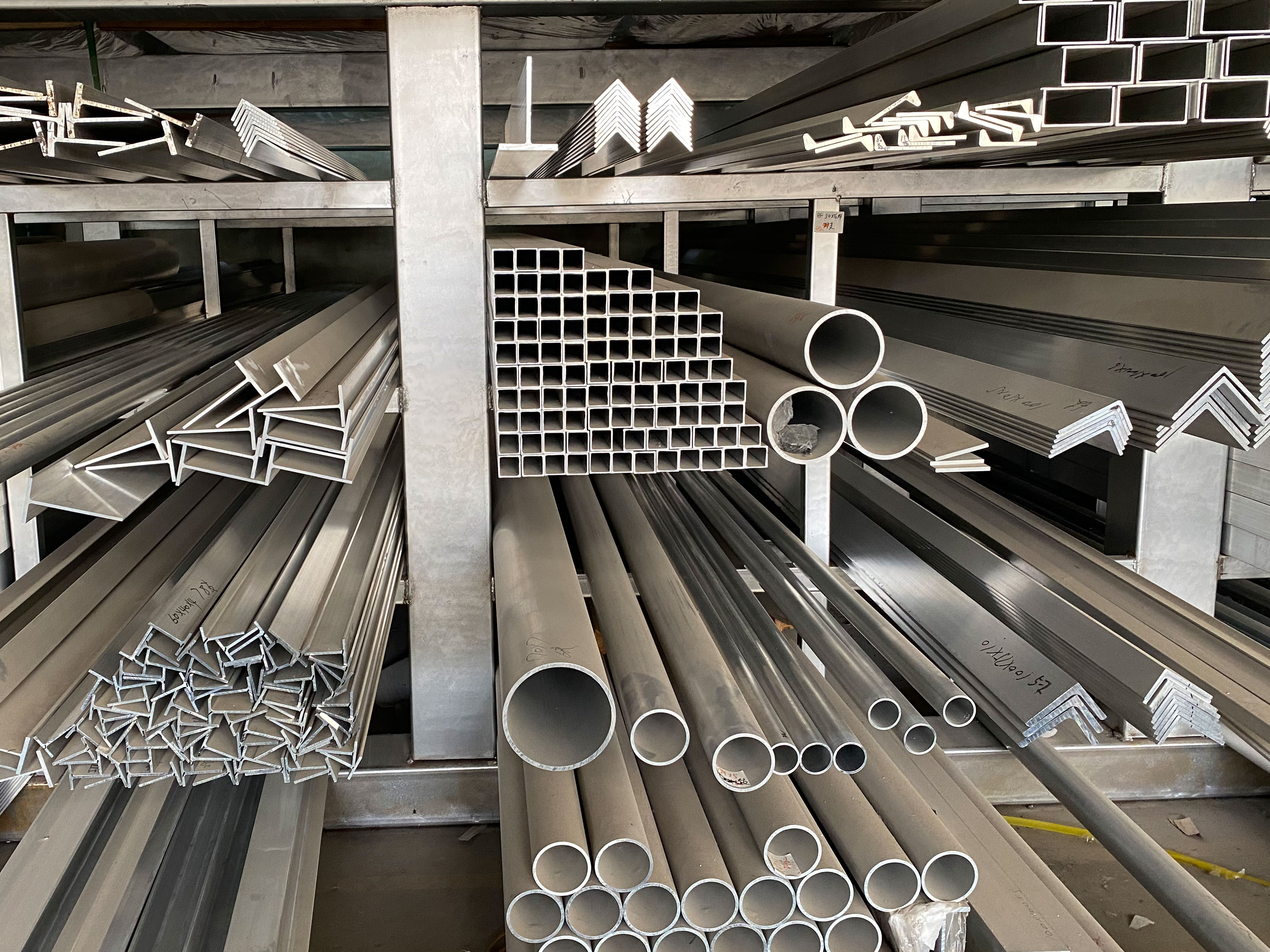
6061 Marine Aluminum Tubes for Custom Boat Frame Solutions
When it comes to constructing custom boat frames, marine-grade materials play a crucial role in ensuring longevity, safety, and performance. Among the vast selection of marine-grade metals.
View Details
Leave a Message