
Aluminum plate 10mm marine grade
Aluminum Plate 10mm Marine Grade: The "Structural Skin" That Makes Saltwater Projects Last
When people search for a 10mm marine grade aluminum plate, they're usually thinking about thickness, strength, and corrosion resistance. But the most useful way to understand this product is to treat it like a boat's structural skin: a material that must resist salt, flex with waves and vibration, accept fabrication without drama, and still look clean after years of service. At 10mm, marine aluminum plate sits in a sweet spot where it behaves less like "sheet metal" and more like a true engineering plate-stiff enough for load-bearing panels, yet workable enough for practical shipyard fabrication.
Marine grade aluminum typically refers to aluminum-magnesium alloys designed to thrive in chloride-rich environments. The best-known families are the 5xxx series (especially 5083, 5086, 5454, 5052) and in certain cases 6xxx series for extrusions and structural profiles. For a 10mm plate used in hulls, decks, ramps, offshore walkways, tank covers, and heavy-duty marine fabrications, 5083 and 5086 are the most common choices because they balance corrosion resistance, weld performance, and retained strength.
Why 10mm thickness matters in marine applications
10mm marine grade aluminum plate is often chosen when a project needs more than a cosmetic barrier-it needs a working surface that carries loads, resists denting, and holds alignment. In practice, 10mm plate is frequently used for:
Hull plating in workboats, patrol boats, ferries, and landing craft where impact resistance matters
Deck plating, bulkheads, and structural partitions that must remain stiff under foot traffic and equipment loads
Gangways, ramps, and pontoons that see repeated dynamic loads
Offshore platforms, quay-side structures, and marine equipment bases where corrosion and vibration coexist
Waterline-adjacent components, hatch coamings, and splash-zone structures where chloride attack is severe
The "function" here isn't only strength. It's stability over time. In salty environments, steel can be strong but costly to protect continuously. Marine aluminum plate, especially 5xxx series, functions as a low-maintenance structural material because its natural oxide film is self-healing and highly resistant to atmospheric and seawater corrosion.
Alloy choices: 5083 vs 5086 vs 5052 at 10mm
For 10mm marine grade aluminum plate, alloy selection often determines how the plate behaves during welding and long-term service.
5083 is a flagship marine alloy known for high strength among non-heat-treatable aluminums. It's a favorite for hulls and heavy structures, offering excellent corrosion resistance in seawater and good toughness at low temperatures.
5086 is slightly lower in strength than 5083 but is widely used in boatbuilding because it welds very reliably and maintains strong corrosion resistance. Many builders like its predictable forming and welding characteristics for production work.
5052 is extremely corrosion resistant and very formable, but it is lower in strength. It's often used for smaller craft, tanks, and non-critical panels rather than primary hull structures at 10mm-though it can still be appropriate depending on design loads.
In many marine projects, the "best" alloy is the one that matches the fabrication route: how much welding is involved, whether bending is required, and whether the plate sits in the splash zone, submerged, or mostly atmospheric.
Temper and condition: why H116 and H321 show up in marine specs
Marine plate is frequently supplied in H116 or H321 tempers for 5083 and 5086. These are not random letters-they reflect a production path designed to resist exfoliation corrosion and stress corrosion cracking in marine service.
H116 is a strain-hardened condition with controlled processing for improved corrosion performance, commonly specified for marine plate that will see seawater exposure.
H321 is similar in intent, with stabilization to help maintain properties after fabrication and to support corrosion resistance under marine conditions.
For practical buyers, this matters because "5083-H116 10mm plate" isn't just a label; it's a commitment to marine suitability beyond basic alloy chemistry.
Typical parameters for 10mm marine grade aluminum plate
Actual values vary by mill and standard, but the following ranges are commonly referenced for design and procurement when using 5083/5086 marine plate.
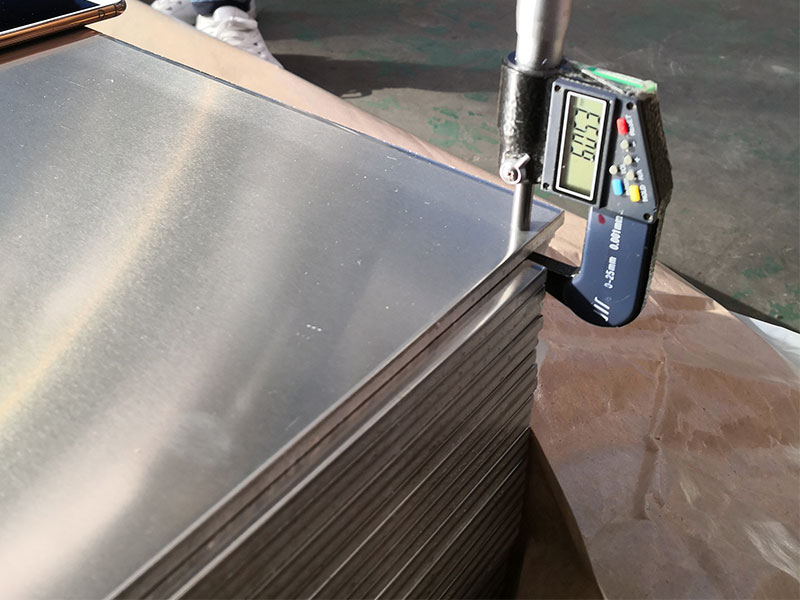
Thickness: 10mm (0.394 in)
Width: often 1000–2500mm depending on mill capability
Length: often 2000–12000mm depending on transport and cutting
Density: about 2.66 g/cm³ for Al-Mg alloys
Thermal conductivity: lower than pure aluminum, typically around 110–130 W/m·K for 5xxx series
Electrical conductivity: lower than pure aluminum, typically around 28–34% IACS (varies by alloy/temper)
Typical mechanical expectations (indicative, varies by standard and product form):
5083-H116/H321 tensile strength often in the range of 300–360 MPa
Yield strength often in the range of 200–260 MPa
Elongation commonly around 10–16% depending on gauge and testing direction
These values help explain why 10mm plate is popular: it delivers real structural capacity while remaining significantly lighter than steel, improving payload, fuel efficiency, and handling.
Implementation standards commonly used in marine procurement
When specifying marine aluminum plate, buyers often align with recognized standards for chemistry, mechanical properties, and marine suitability. Common references include:
ASTM B928 for high-magnesium aluminum alloy plate intended for marine service (notably for 5083/5086 with marine corrosion considerations)
ASTM B209 for general aluminum plate and sheet requirements
EN 485 for aluminum wrought products in Europe (mechanical properties and tolerances)
ISO and classification society rules for shipbuilding and offshore structures, depending on project certification needs
For customers purchasing for marine fabrication, asking for "5083-H116 compliant with ASTM B928" is often more meaningful than simply asking for "marine aluminum," because it ties the plate to a marine-focused specification.
Chemical properties: typical composition table for marine alloys
Below is a practical chemistry snapshot of widely used marine-grade alloys. Values are typical maximums or ranges; exact limits depend on the governing standard and mill certification.
| Alloy | Mg (%) | Mn (%) | Cr (%) | Si (%) | Fe (%) | Cu (%) | Zn (%) | Ti (%) | Al |
|---|---|---|---|---|---|---|---|---|---|
| 5083 | 4.0–4.9 | 0.4–1.0 | 0.05–0.25 | ≤0.40 | ≤0.40 | ≤0.10 | ≤0.25 | ≤0.15 | Balance |
| 5086 | 3.5–4.5 | 0.2–0.7 | 0.05–0.25 | ≤0.40 | ≤0.50 | ≤0.10 | ≤0.25 | ≤0.15 | Balance |
| 5052 | 2.2–2.8 | ≤0.10 | 0.15–0.35 | ≤0.25 | ≤0.40 | ≤0.10 | ≤0.10 | ≤0.15 | Balance |
| 5454 | 2.4–3.0 | 0.5–1.0 | ≤0.25 | ≤0.25 | ≤0.40 | ≤0.10 | ≤0.25 | ≤0.20 | Balance |
From a distinctive viewpoint, magnesium is the quiet hero here. It strengthens aluminum through solid-solution strengthening while keeping corrosion resistance high in seawater environments. Manganese and chromium help refine grain structure and improve toughness and corrosion behavior-important when plates are welded and stressed in service.
Fabrication realities: welding, cutting, and surface behavior
A 10mm marine grade aluminum plate is chosen because it cooperates in real shipyard conditions. It can be CNC cut, waterjet cut, or plasma cut, and it accepts common marine welding methods such as MIG and TIG.
For welded structures, 5xxx alloys typically retain a useful portion of their strength in the heat-affected zone, and they resist marine corrosion well when correct filler wire selection and good practices are used. The project's durability often depends more on smart fabrication than on the plate alone: clean joint preparation, controlled heat input, avoidance of contamination, and thoughtful drainage and crevice design.
Surface-wise, marine aluminum is often left mill finish, brushed, or coated. In many salt-spray environments, a properly designed bare aluminum surface performs surprisingly well, but coatings or anodizing may be used for aesthetics or to reduce staining and maintenance.
The takeaway: 10mm marine plate is an engineering decision, not a commodity
Aluminum plate 10mm marine grade is best understood as a long-life structural material for chloride exposure-built to be cut, welded, and loaded while resisting the slow damage of seawater and marine atmosphere. If you specify the right alloy and temper, align with marine-focused standards like ASTM B928, and fabricate with marine realities in mind, 10mm plate becomes more than "thick aluminum." It becomes a lightweight structure that stays dependable where corrosion and motion never stop.

Related Products
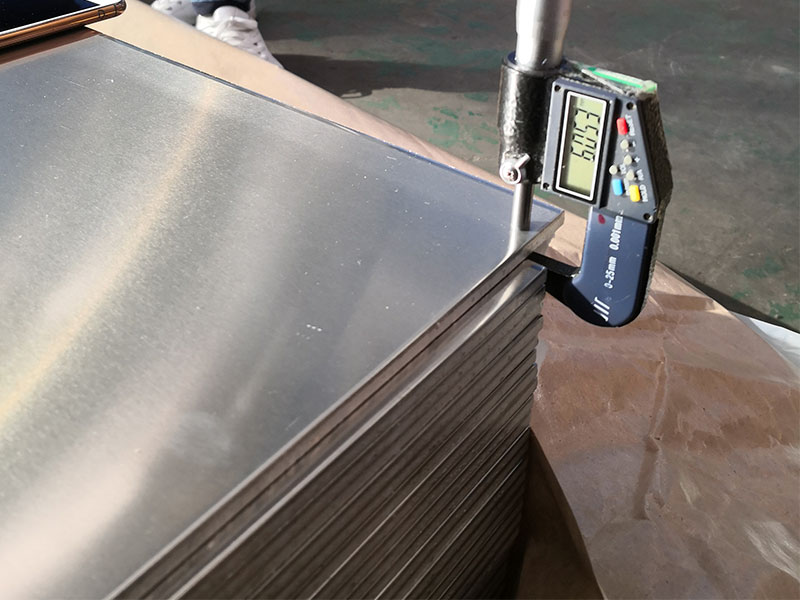
Marine 5383 aluminum plate
The 5383 aluminum alloy belongs to the 5xxx series of aluminum-magnesium alloys known for remarkable resistance to marine corrosion and high strength.
View Details
Marine 5052 aluminum plate
Marine 5052 Aluminum Plate is noted for its exceptional resistance to corrosion caused by seawater, salt spray, and marine atmospheres.
View Details
Marine heavy duty aluminum plate
Marine Heavy Duty Aluminum Plates Sheets generally refer to thick aluminum alloy plates and heavy gauge sheets produced from marine-grade alloys such as 5083, 5086, 5059, and 5383.
View Details
Marine 5086 aluminum plate
5086 Aluminum Plate belongs to the 5xxx series of aluminum-magnesium alloys. Its hallmark is a high magnesium content—generally between 4.0% and 4.9%—which delivers enhanced corrosion resistance, particularly against saltwater and marine atmospheric conditions.
View Details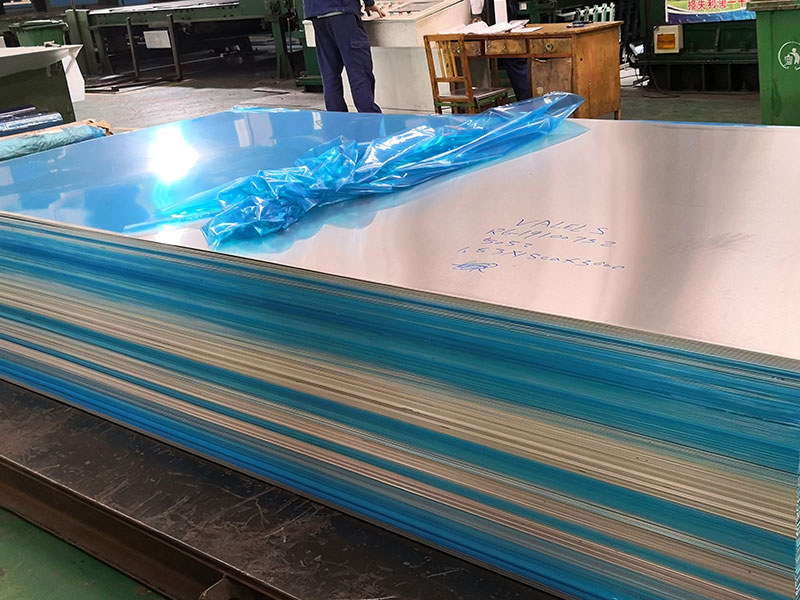
Marine 5059 aluminum plate
Marine 5059 Aluminum Plate is distinguished by its high magnesium content and carefully balanced alloying elements, designed to maximize strength without compromising corrosion resistance.
View Details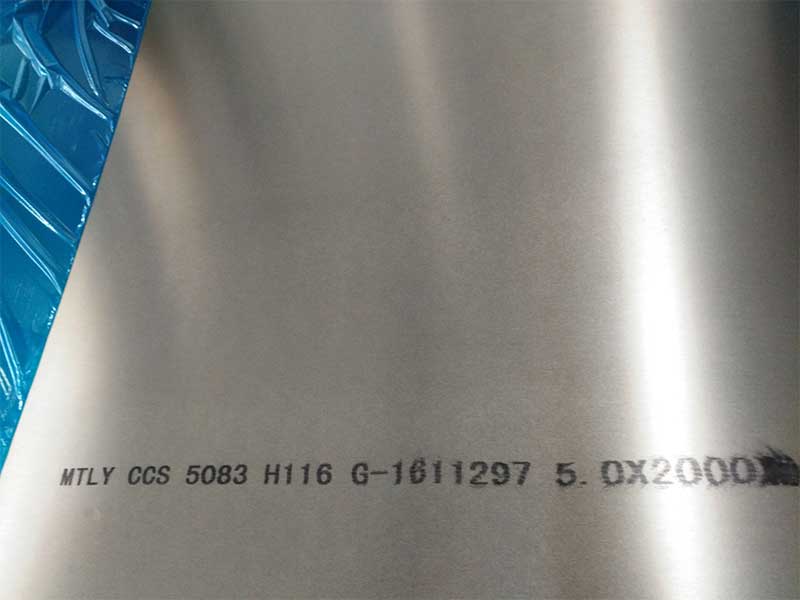
Marine 5083 aluminum plate
Marine 5083 Aluminum Plate belongs to the 5xxx series of aluminum-magnesium alloys and is classified as a non-heat-treatable alloy. Its high magnesium content (typically 4.0–4.9%) enhances its corrosion resistance, especially against seawater-related degradation such as pitting and stress corrosion cracking.
View DetailsRelated Blog
6082 t6 aluminum sheet for shipbuilding marine plate 6063 alloy
The marine and shipbuilding industry demands materials that withstand the harsh conditions of the sea while maintaining excellent performance and durability. Among the various materials available.
View Details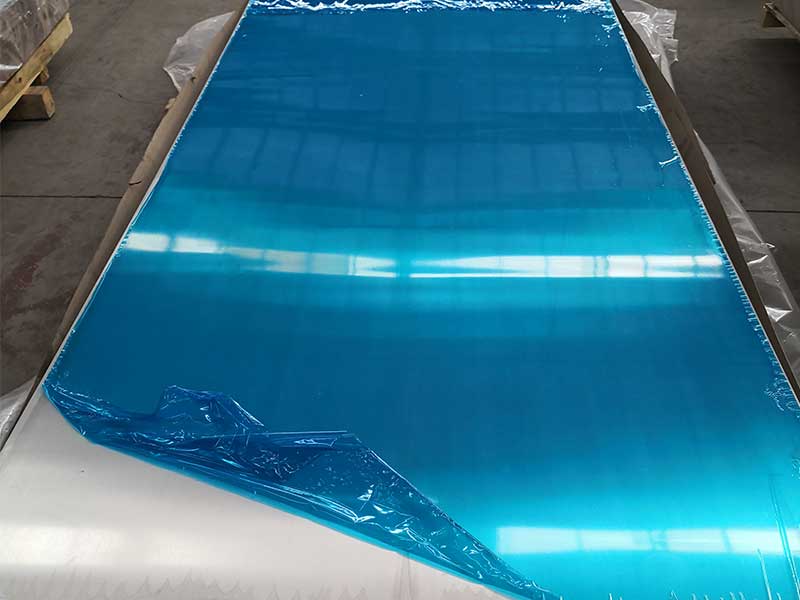
Aluminium sheet plate for ship building
Aluminium sheet plate has become a strategic material in modern shipbuilding-especially for high-speed vessels, ferries, patrol boats, offshore service craft, superstructures, and weight-sensitive marine systems.
View Details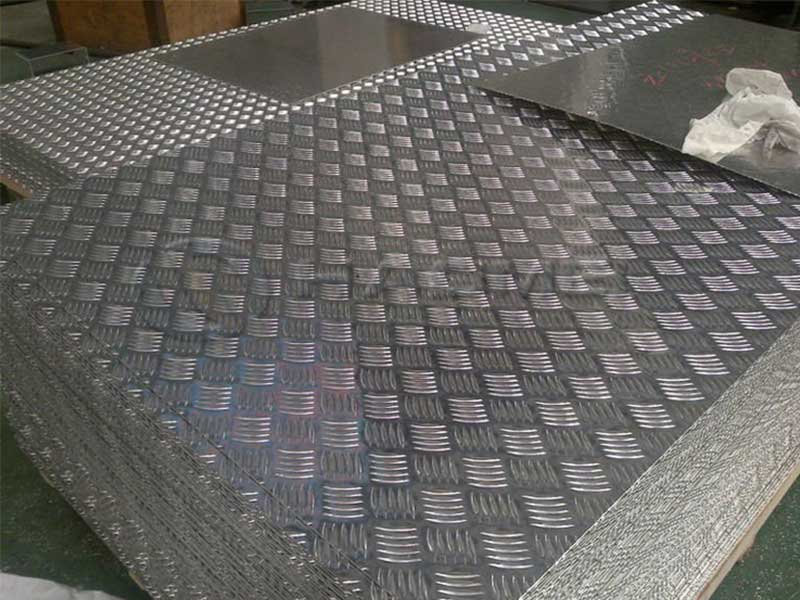
5083 H111 H112 Aluminium Alloy plate untuk Boat
Temukan keunggulan pelat aluminium 5083 H111 dan H112 untuk aplikasi kapal. Pelajari spesifikasi teknis, sifat kimia, tempering, standar implementasi, serta alasan utama pemilihannya di industri laut.
View Details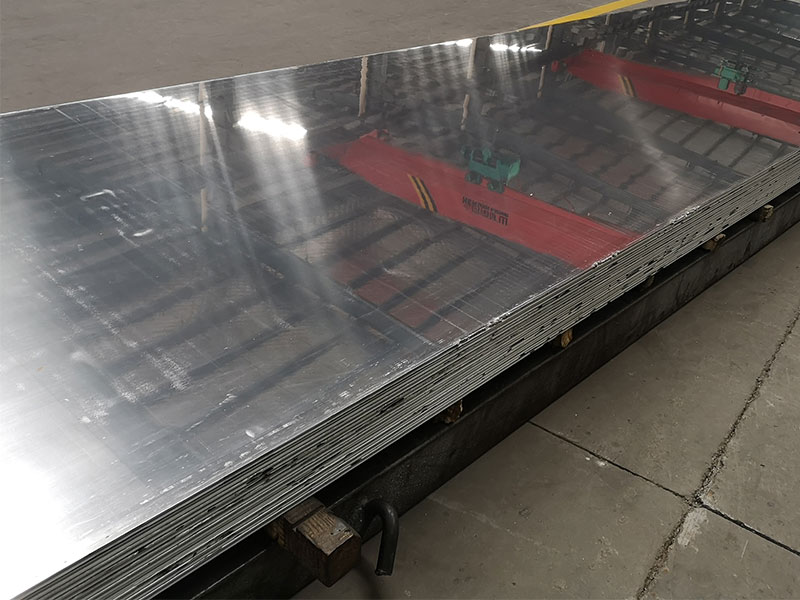
Alloy 3003 H12 Aluminum Plate for boat hulls
Alloy 3003 H12 Aluminum Plate for Boat Hulls: A "Quiet Workhorse" Approach to Hull ReliabilityWhen people talk about aluminum boat hulls, the spotlight often lands on high-magnesium marine grades such as 5083 or 5086.
View Details
6063 marine aluminum plate
6063 Marine Aluminum Plate: The "Quiet Performer" for Sea-Air EnvironmentsWhen people search for marine aluminum plate, they often land on familiar alloy names used in hulls and high-stress structural zones.
View Details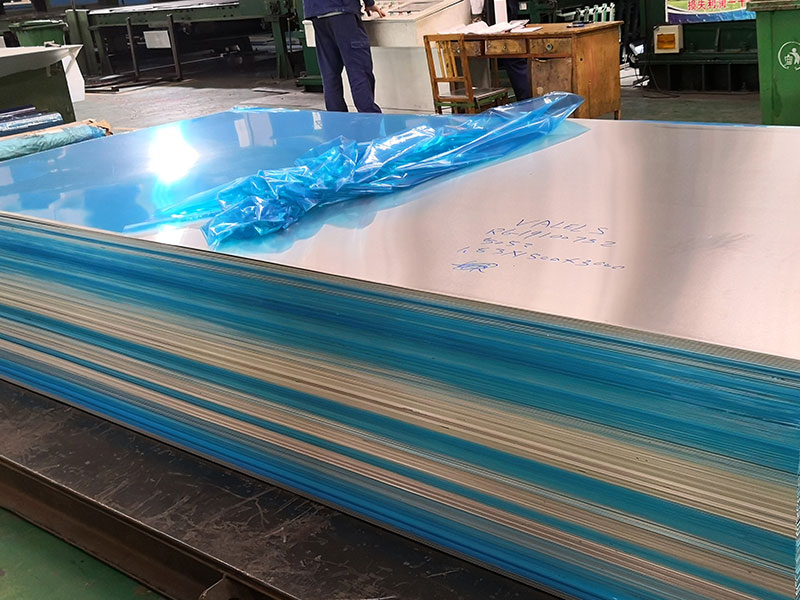
5083 marine aluminum sheet plate
5083 marine aluminum sheet plate has established itself as a standard reference in the maritime industry, thanks to its exceptional combination of performance, versatility, and durability.
View Details
Leave a Message