
5052 Marine Aluminum Tubes for Marine Construction and Repair
5052 marine aluminum tubes are a go-to choice for builders, repair yards, and fabricators who need reliable corrosion resistance, clean weldability, and consistent forming performance in saltwater environments. Based on an Al-Mg alloy system, 5052 delivers a practical balance: stronger than many "pure" aluminum grades, yet easier to work with than higher-strength alloys that can be less forgiving during fabrication.
For marine construction and repair, tubing is rarely "just a shape." It becomes structure, fluid transfer, frames, supports, rails, conduits, and custom components that must survive spray, immersion, crevice corrosion risk, and daily mechanical wear. 5052 tubing is popular because it stays stable, resists pitting in seawater exposure, and remains workable in shipyard conditions where welding and forming are everyday realities.
Why 5052 Aluminum Tubes Fit Marine Service
Saltwater corrosion resistance
5052's magnesium content improves resistance to marine atmospheres and salt spray. It performs well in splash zones and humid coastal settings, especially when good drainage and sensible design reduce crevices and trapped water.
Weldability that supports fast repair
Marine repair often needs quick turnaround: cut, fit, weld, back in service. 5052 tubes weld well using common processes such as MIG and TIG, making it suitable for structural and non-structural tubular assemblies.
Formability for tight spaces and custom routing
Tubes frequently need bending, notching, and forming to fit hull geometry or equipment layouts. 5052 is known for good formability, especially in softer tempers.
Lightweight strength where it matters
Lower weight helps improve payload efficiency and reduces top-side mass for marine structures. 5052 offers a strong "strength-to-weight" value for practical marine fabrications like frames, supports, and guard structures.
Good surface finish and coating compatibility
Whether left as-mill, anodized, or coated, 5052 provides a stable substrate. For marine use, surface preparation and coating system selection remain important, especially for aesthetics and extended service life.
Chemical Composition (Typical, wt.%)
5052 is standardized by composition ranges; exact values vary by melt and mill certification. The table below provides widely used limits for 5052.
| Element | Content (wt.%) |
|---|---|
| Magnesium (Mg) | 2.2–2.8 |
| Chromium (Cr) | 0.15–0.35 |
| Silicon (Si) | ≤ 0.25 |
| Iron (Fe) | ≤ 0.40 |
| Copper (Cu) | ≤ 0.10 |
| Manganese (Mn) | ≤ 0.10 |
| Zinc (Zn) | ≤ 0.10 |
| Titanium (Ti) | ≤ 0.15 |
| Aluminum (Al) | Balance |
What the chemistry means in practice
Mg is the primary strength and corrosion-resistance contributor in 5052. Cr supports microstructural stability and helps with corrosion performance in demanding environments. Low Cu is beneficial because copper can reduce corrosion resistance in seawater exposure scenarios.
Common Tempers and Performance Snapshot
Marine tubing is selected not only by alloy, but by temper-the processing condition that affects strength and formability. The most common options are shown below.
| Temper | Typical Use in Marine Tubes | Traits |
|---|---|---|
| O (Annealed) | Tight bending, complex forming, flaring | Maximum formability, lower strength |
| H32 | General marine fabrication | Balanced strength and formability |
| H34 | Stiffer frames and supports | Higher strength, less formability than H32 |
When repairs involve field bending or complex fit-up, choosing O temper can reduce cracking risk during forming. For load-bearing frames or rails where rigidity matters, H32/H34 are frequently preferred.
Technical Specifications (Typical Supply Range)
Availability depends on mill capability and whether the tube is extruded, drawn, or DOM-like processed. The following table summarizes common order parameters used in marine projects.
| Parameter | Typical Options |
|---|---|
| Tube type | Seamless extruded; extruded + drawn; welded tube (availability varies) |
| Outside diameter (OD) | Commonly small to medium OD ranges; custom OD possible by tooling |
| Wall thickness | Thin-wall to heavy-wall; selected by buckling, weld heat, and load requirements |
| Length | Random lengths; fixed cut lengths; CNC cut-to-size |
| Straightness | Standard mill tolerance; tighter on request for precision assemblies |
| Surface finish | Mill finish; brushed/polished options; protective film optional |
| End condition | Square cut; deburred; chamfered; capped/plugged for shipping |
| Documentation | Mill Test Certificate; heat/lot traceability on request |
For marine repair programs, specifying consistent OD, tight wall tolerance, and traceability can significantly reduce rework when matching legacy components.
Mechanical Properties (Typical Reference Values)
Mechanical properties depend on temper and product form. Values below are typical reference ranges used for engineering estimates; always confirm with the supplier's certificate and applicable standards.
| Property | 5052-O (Typical) | 5052-H32 (Typical) | 5052-H34 (Typical) |
|---|---|---|---|
| Ultimate tensile strength | ~170–210 MPa | ~230–260 MPa | ~250–290 MPa |
| Yield strength (0.2%) | ~70–110 MPa | ~160–200 MPa | ~180–230 MPa |
| Elongation | Higher | Medium | Lower than H32 |
In marine tubular structures, elongation matters during fabrication. If the job includes tight-radius bends, notching, or expansion, higher elongation reduces the risk of edge cracking.
Features That Matter in Marine Construction
| Feature | What Customers Gain | Typical Marine Impact |
|---|---|---|
| Marine corrosion resistance | Longer service life, fewer replacements | Better performance in spray/shoreline exposure |
| Excellent weldability | Faster fabrication and repair | Reliable joints for frames, racks, and supports |
| Good formability | Easier bending and fit-up | Clean routing around bulkheads and equipment |
| Lightweight | Improved handling and efficiency | Reduced structural weight on decks and superstructures |
| Consistent dimensional control | Faster assembly | Better alignment for rails, ladders, enclosures |
Marine Applications: Where 5052 Tubes Shine
Boat and ship structural frameworks
5052 tubes are widely used in lightweight frames, stiffeners, brackets, and secondary structures where corrosion resistance and weldability drive the decision. Tubular designs can deliver excellent stiffness-to-weight, especially for deck-mounted structures.
Handrails, guardrails, and safety barriers
Rails face constant touch, abrasion, and salt residue. 5052 supports durable, clean-looking assemblies with practical welding and finishing pathways, especially when paired with thoughtful drainage and isolation from dissimilar metals.
T-tops, canopies, and equipment arches
Marine topside structures benefit from reduced weight aloft. 5052 tubing is often selected for frames that need to remain rigid while resisting corrosion in sun-and-salt exposure.
Ladders, platforms, and access structures
Maintenance access components see repetitive loading and frequent wet-dry cycling. 5052 helps reduce corrosion-related maintenance while providing workable fabrication for custom geometry.
Piping-related supports and conduits
While alloy selection for actual fluid-carrying pipes may vary by system and code, 5052 tubes are commonly used for supports, hangers, guards, and instrument framework-areas where corrosion resistance and ease of fabrication are key.
Repair sleeves, reinforcements, and retrofits
Marine repair teams value alloys that weld predictably and tolerate on-site fit-up. 5052 tubes can be quickly cut and integrated into reinforcement schemes, equipment skids, and upgraded mounts.
Fabrication and Service Notes for Better Results
| Topic | Practical Recommendation |
|---|---|
| Welding | Use proven procedures (MIG/TIG). Keep joints clean; manage heat input to reduce distortion. |
| Bending | Select appropriate temper for bend radius; use proper tooling to avoid ovality and wrinkling. |
| Dissimilar metal contact | Isolate from carbon steel and copper alloys using sleeves, gaskets, coatings, or sealants to reduce galvanic corrosion. |
| Drainage and crevices | Design for water run-off; avoid trapped saltwater in tube ends or tight lap joints. |
| Surface protection | Consider anodizing or marine coating systems for aesthetics and additional durability, especially in high-splash zones. |
What to Specify When Ordering 5052 Marine Tubes
| Order Detail | Why It Matters |
|---|---|
| Alloy + temper (5052-O / H32 / H34) | Determines strength, bendability, and fabrication behavior |
| OD, wall thickness, and length | Drives stiffness, weight, and fit-up accuracy |
| Straightness and tolerances | Reduces alignment issues in long frames and rail runs |
| Surface finish and protection | Improves appearance and reduces handling damage |
| Certification requirements | Supports QA, traceability, and marine project documentation |
5052 marine aluminum tubes are a practical, high-value solution for marine construction and repair where saltwater resistance, weldability, and forming flexibility must come together without complexity. From rails and ladders to frames and retrofits, 5052 delivers dependable performance in real-world marine environments-lightweight, workable, and ready for the demanding rhythm of coastal service.

Related Products
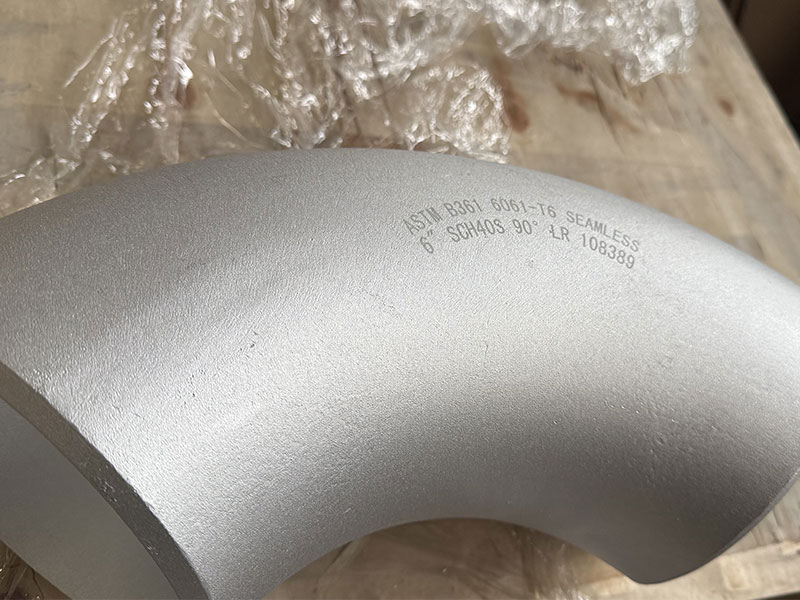
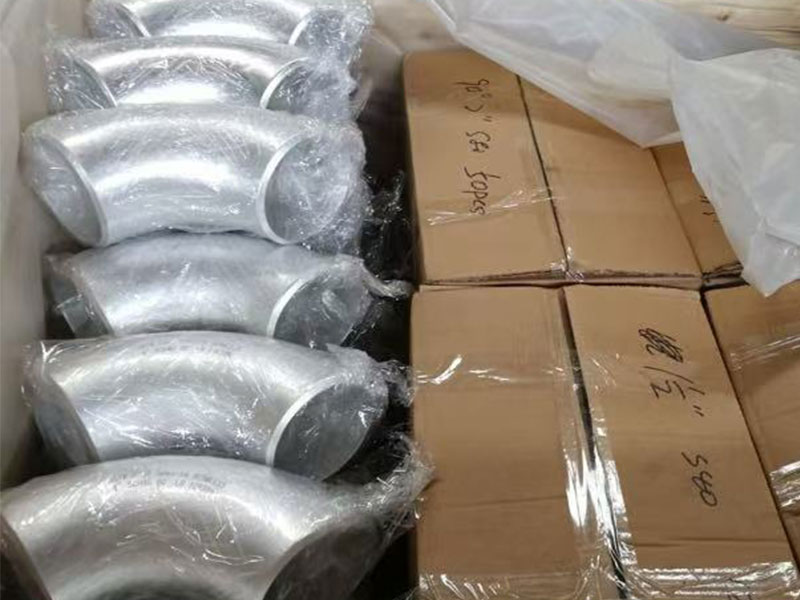
6061-T6 90-Degree Marine Aluminum Pipe Elbow
Manufactured from premium 6061-T6 marine-grade aluminum alloy, this elbow fitting is engineered to provide reliable and efficient pipe direction changes within shipbuilding, offshore platforms, and marine infrastructure systems.
View Details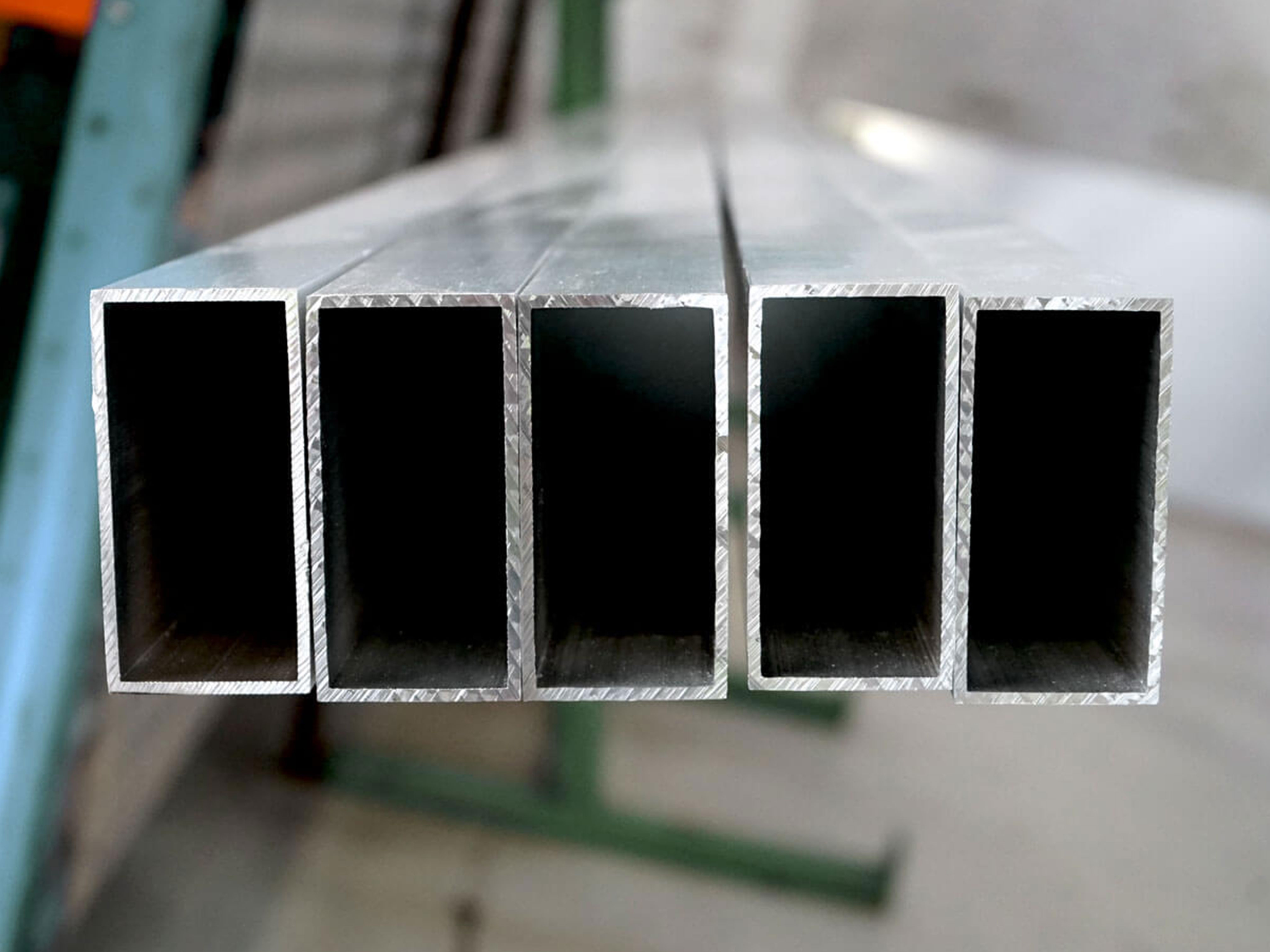
Marine aluminum rectangular tubes
Marine Grade Aluminum Rectangular Tubes are made from high-performance alloys such as 5083, 5052, 6061, and 6082. These alloys are renowned for their ability to resist corrosive seawater and marine atmospheres while providing excellent mechanical strength and toughness.
View Details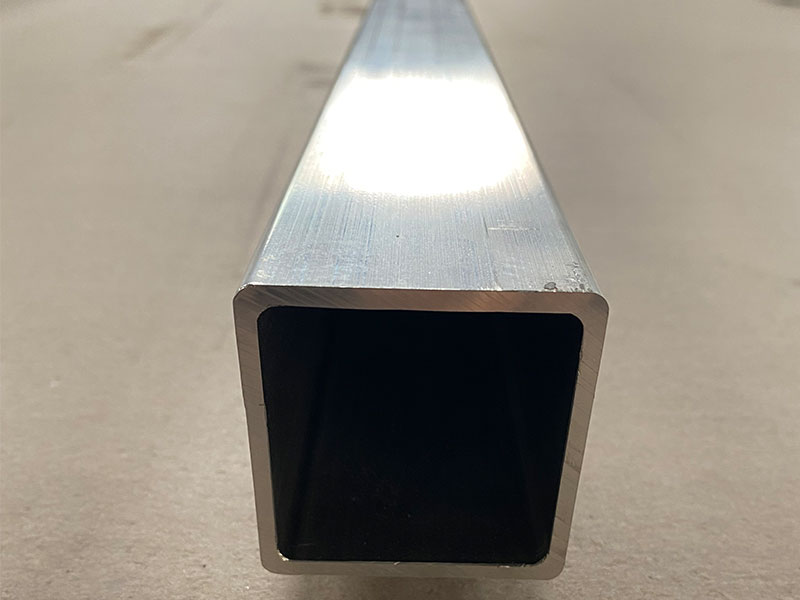
Marine aluminum square tubes
Marine Grade Aluminum Square Tubes are typically constructed from marine-grade alloys such as 5083, 5052, 6061, and 6082—well-known for their ability to withstand the aggressive effects of saltwater and marine atmospheres.
View Details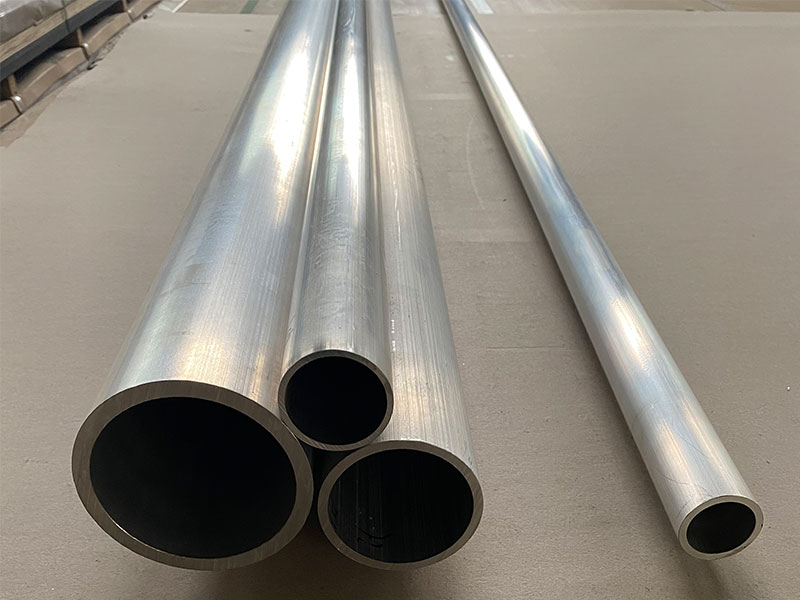
Marine aluminum round tubes
Marine Grade Aluminum Round Tubes are manufactured from premium marine alloys such as 5083, 5052, 6061, and 6082, all selected for their proven resistance to seawater corrosion and marine atmosphere degradation.
View Details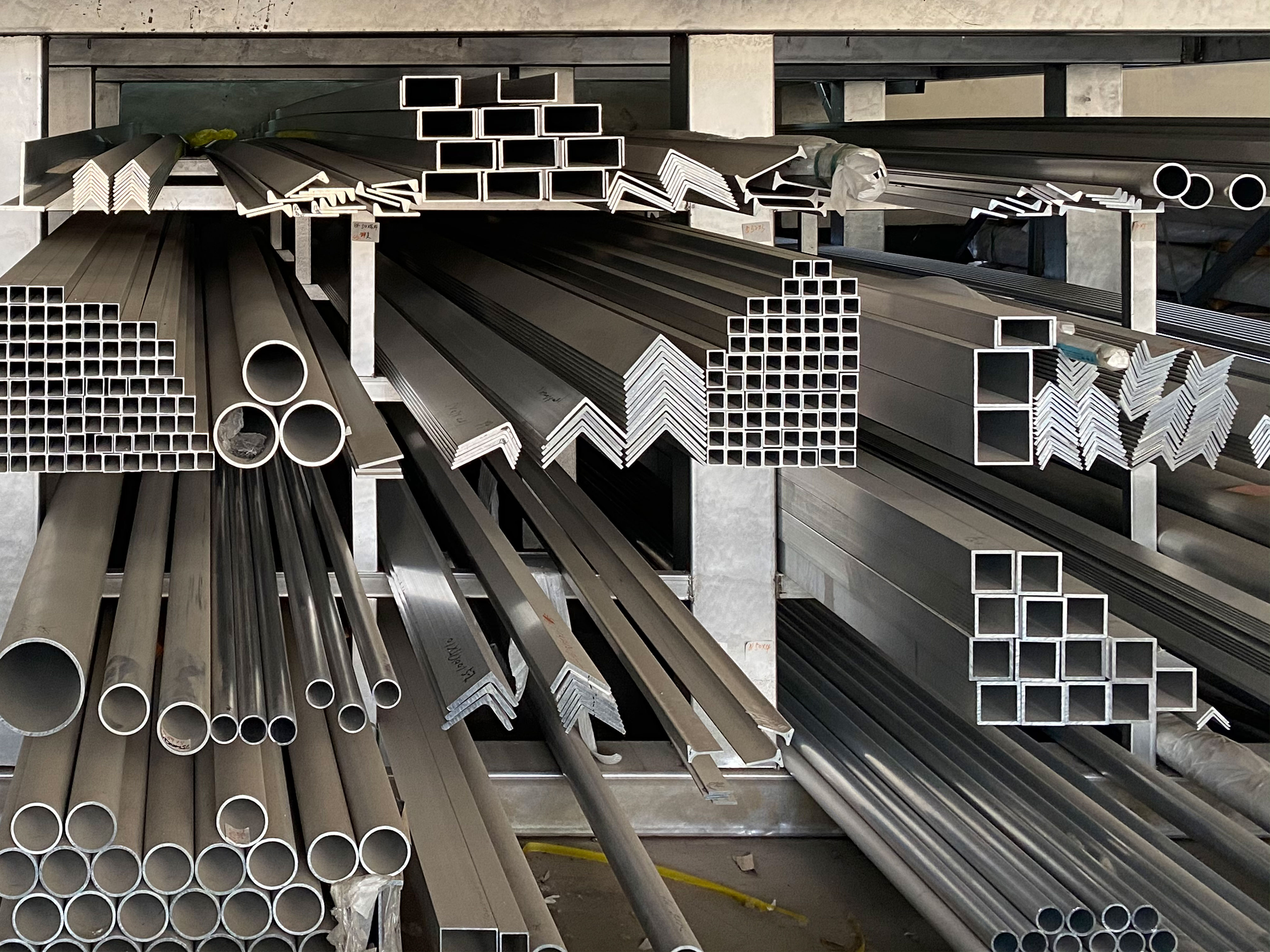
Custom marine aluminum profile tubes
Custom Marine Grade Aluminum Profile Tubes are manufactured from premium marine aluminum alloys such as 5083, 5052, 6061, and 6082.
View DetailsRelated Blog
5052 Marine Aluminum Tubes for Boat Frame Design and Fabrication
5052 marine aluminum tubes are a practical, corrosion-resistant solution for boat frame design, deck structures, railings, T-tops, canopies, support members, and other marine fabrication projects.
View Details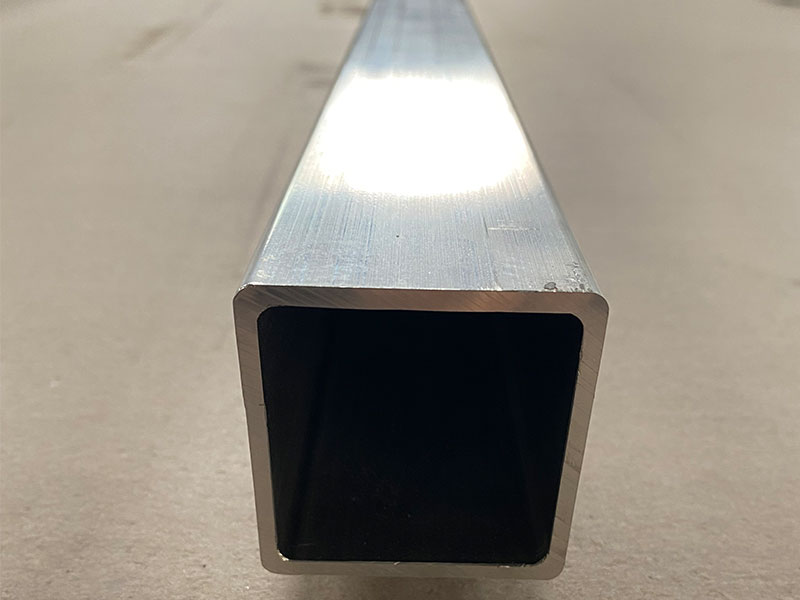
5052 Marine Aluminum Tubes for Marine Industrial Use
5052 marine aluminum tubes are widely used in shipbuilding, offshore structures, and marine equipment due to their excellent corrosion resistance in seawater, medium‑high strength, and good forming/welding performance.
View Details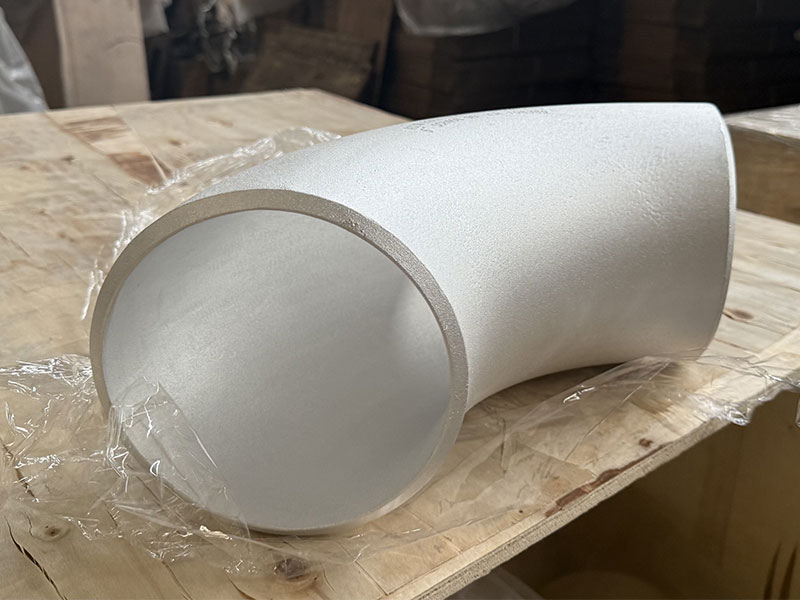
5052 Marine Aluminum Tubes for Boat and Ship Building
Marine aluminum has proven to be an ideal material for boat and ship building due to its property of being lightweight, corrosion-resistant, and high strength. Among the various alloys available.
View Details
5052 Marine Aluminum Tubes for Heavy Duty Marine Applications
When durability, corrosion resistance, and strength are paramount in marine environments, 5052 aluminum alloy tubes is know as the premium choice. Specifically engineered to meet the demanding specifications of heavy-duty marine applications.
View Details
5052 Marine Aluminum Tubes for High Performance Boat Structures
When it comes to high-performance boat structures, the strength, weight, and durability of materials matter enormously. One of the most favored materials in the marine industry is **5052 Marine Aluminum Tubes.
View Details
5052 Marine Aluminum Tubes for Marine Construction and Repair
5052 marine aluminum tubes are a go-to choice for builders, repair yards, and fabricators who need reliable corrosion resistance, clean weldability, and consistent forming performance in saltwater environments.
View Details
Leave a Message