
5059 Marine Aluminum Plate
5059 marine aluminum plate is a high-magnesium Al-Mg alloy developed for vessels and offshore structures that require higher strength than conventional 5xxx marine alloys while retaining excellent weldability and corrosion resistance. It is widely used where lower weight, fatigue resistance, and long service life matter, especially in fast ferries, patrol boats, naval craft, workboats, and welded marine modules.
Compared with many standard marine grades, 5059 offers a strong balance of strength, toughness, formability, and seawater durability. For designers, it supports lighter structures without sacrificing safety margins. For builders, it provides stable welding performance and reliable processing in cutting, bending, rolling, machining, and surface finishing.
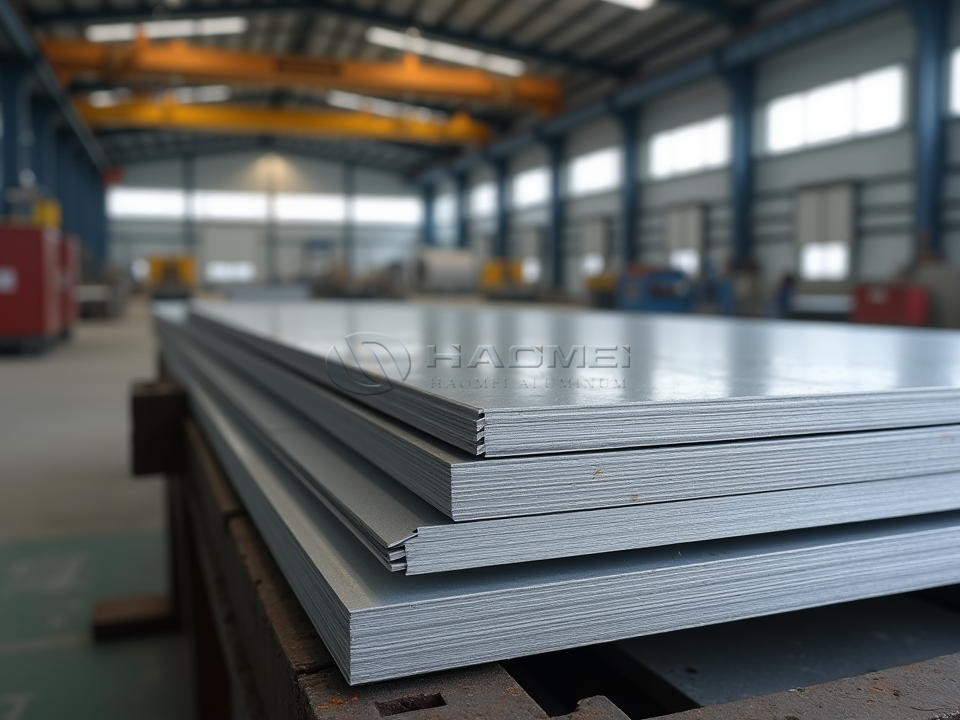
What 5059 Marine Aluminum Plate Does
The primary function of 5059 marine aluminum plate is to provide a structural material that can resist seawater corrosion, dynamic loading, impact, vibration, and repeated welding cycles. Its high magnesium content increases strength, while manganese, zinc, and zirconium help refine performance and improve resistance to deformation during fabrication.
| Function | Benefit for Marine Use |
|---|---|
| Structural load bearing | Suitable for hull panels, decks, bulkheads, and superstructures |
| Weight reduction | Helps improve fuel efficiency, payload capacity, and vessel speed |
| Seawater corrosion resistance | Performs well in salt spray, splash zones, and humid marine climates |
| Welded construction | Compatible with common MIG and TIG welding processes |
| Fatigue performance | Supports vessels exposed to wave impact and cyclic stress |
| Impact resistance | Useful for patrol boats, landing craft, and high-speed vessels |
| Low-temperature toughness | Suitable for colder waters and LNG-related marine environments |
5059 is a non-heat-treatable alloy, meaning its strength is mainly obtained through strain hardening rather than heat treatment. This makes temper selection important when matching the plate to bending, forming, welding, and final strength requirements.
Typical Marine Applications
5059 plate is selected when a vessel needs strength close to heavier structural alloys but with better marine corrosion behavior. It is especially valuable in welded structures where cracking resistance and dimensional stability are important.
| Application Area | Typical Components | Reason for Using 5059 |
|---|---|---|
| High-speed vessels | Hull bottoms, side shells, decks | High strength-to-weight ratio and fatigue resistance |
| Patrol and defense craft | Armored panels, cabins, ramps | Impact resistance and weldable structure |
| Ferries and passenger ships | Superstructures, bulkheads, floor panels | Lightweight design and corrosion resistance |
| Workboats | Engine foundations, deck structures, transoms | Strength under vibration and heavy-duty operation |
| Offshore structures | Platforms, walkways, living modules | Saltwater durability and lower maintenance |
| LNG and cryogenic marine systems | Support structures, enclosures | Good toughness at low temperature |
| Marine transport equipment | Containers, tanks, access panels | Formability and long service life |
For projects that require adjacent marine aluminum products, 5059 plate is often specified together with Marine 5059 aluminum sheet for lighter panels, interior partitions, and formed components.
Main Technical Specifications
Actual supply capability depends on production route, certification requirements, and order quantity. The values shown here are common commercial ranges for shipbuilding and offshore fabrication.
| Parameter | Typical Range or Value |
|---|---|
| Alloy | 5059 marine aluminum alloy |
| Alloy system | Al-Mg-Mn-Zn |
| Product form | Plate, sheet, cut-to-size plate, CNC processed plate |
| Thickness | 3 mm to 150 mm, wider ranges available by request |
| Width | 1000 mm to 2800 mm typical |
| Length | 2000 mm to 12000 mm typical |
| Density | About 2.66 g/cm³ |
| Elastic modulus | About 70 GPa |
| Melting range | About 580°C to 640°C |
| Thermal conductivity | About 120 to 130 W/m·K |
| Electrical conductivity | About 29% IACS |
| Surface | Mill finish, brushed, coated, film protected, sandblasted on request |
| Processing | Cutting, bending, rolling, welding, machining, drilling, edge milling |
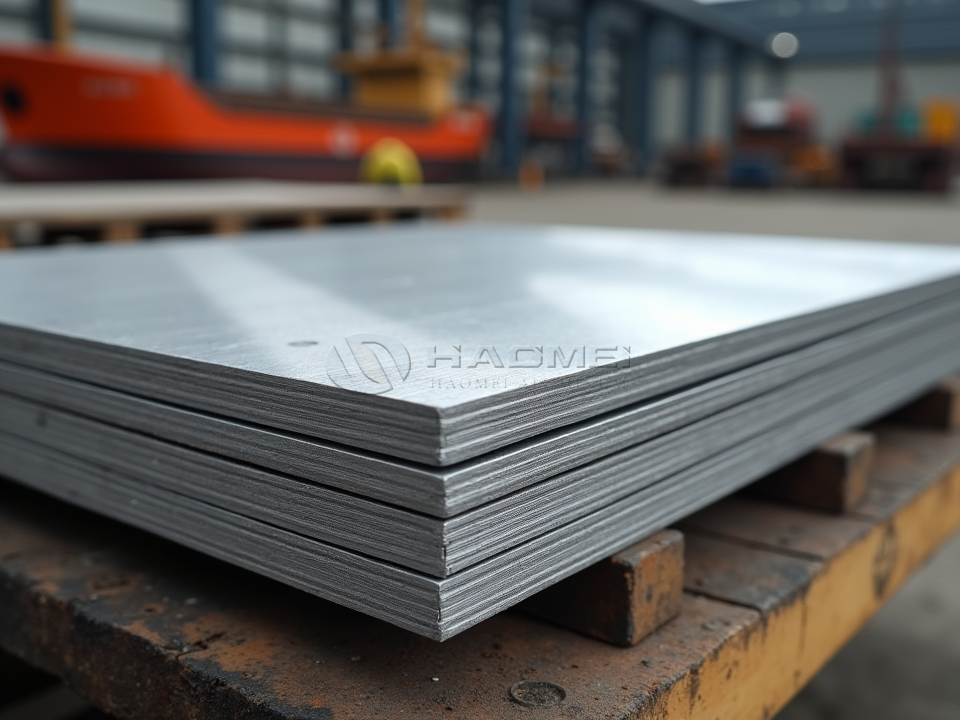
Chemical Composition
5059 gains much of its performance from magnesium, manganese, zinc, and zirconium additions. The composition limits may vary slightly by standard or mill practice, so final values should be confirmed through mill test certificates.
| Element | Content, % by Weight |
|---|---|
| Aluminum, Al | Remainder |
| Magnesium, Mg | 5.0 - 6.0 |
| Manganese, Mn | 0.60 - 1.20 |
| Zinc, Zn | 0.40 - 0.90 |
| Zirconium, Zr | 0.05 - 0.25 |
| Iron, Fe | ≤ 0.50 |
| Silicon, Si | ≤ 0.45 |
| Copper, Cu | ≤ 0.25 |
| Chromium, Cr | ≤ 0.25 |
| Titanium, Ti | ≤ 0.20 |
| Other single elements | ≤ 0.05 |
| Other total elements | ≤ 0.15 |
The low copper level supports corrosion resistance in marine exposure. Magnesium increases strength and seawater durability, while zirconium can help grain control and improve mechanical stability.
Temper Conditions and Mechanical Performance
5059 marine aluminum plate is most often used in O, H111, H112, H116, and H321 tempers. H116 and H321 are common choices for marine hull structures because they are designed for resistance to exfoliation corrosion and stress-corrosion-related marine service concerns.
| Temper | Condition Description | Typical Use |
|---|---|---|
| O | Annealed, soft condition | Deep forming, high ductility components |
| H111 | Slightly strain hardened after annealing | Formed panels and general fabrication |
| H112 | Strain hardened by hot working or limited cold working | Thick plates and structural parts |
| H116 | Special marine strain-hardened condition | Hulls and seawater-exposed structures |
| H321 | Stabilized strain-hardened marine condition | Welded hulls, decks, bulkheads, offshore modules |
| Temper | Tensile Strength, MPa | Yield Strength, MPa | Elongation, % | Notes |
|---|---|---|---|---|
| O | 290 - 370 | ≥ 150 | ≥ 16 | Best forming capacity |
| H111 | 310 - 390 | ≥ 170 | ≥ 14 | Good forming and welding balance |
| H112 | 330 - 430 | ≥ 190 | ≥ 10 | Common for thicker plate |
| H116 | 370 - 460 | ≥ 260 | ≥ 8 | Preferred for hull plate exposed to seawater |
| H321 | 350 - 450 | ≥ 240 | ≥ 8 | Stabilized marine structure temper |
Values are typical references and may change with thickness, standard, and test direction. Certified projects should rely on the inspection certificate supplied with the plate.
Applicable Standards and Certification Routes
Marine projects often require both material standards and class society approval. 5059 marine aluminum plate can be ordered to match common international requirements for plate dimensions, chemistry, mechanical properties, and corrosion testing.
| Standard or Approval | Relevance |
|---|---|
| ASTM B928/B928M | Aluminum alloy sheet and plate for marine service, including special marine tempers |
| ASTM B209/B209M | General aluminum and aluminum alloy sheet and plate requirements |
| EN 485 | Mechanical properties, tolerances, and technical delivery conditions |
| EN 573 | Chemical composition designation for aluminum alloys |
| EN 515 | Temper designation system |
| ABS | Ship and offshore classification approval route |
| DNV | Marine and offshore classification approval route |
| LR | Classification for shipbuilding projects |
| BV | Marine material certification route |
| CCS | Vessel and offshore structure certification route |
When ordering for hull construction, customers normally specify alloy, temper, thickness, width, length, class approval, ultrasonic inspection if required, and whether corrosion testing is needed.
Welding, Fabrication, and Processing Notes
5059 is well suited to welded construction. MIG welding is widely used for long seams and production welding, while TIG welding is chosen for thinner components or precision work. Recommended filler metals commonly include 5183, 5356, or 5556, depending on strength, corrosion resistance, and project code requirements.
| Process Item | Practical Guidance |
|---|---|
| Welding method | MIG, TIG, automated seam welding, robotic welding |
| Common filler | 5183, 5356, 5556, selected by design code |
| Preheating | Usually not required for normal plate thickness; avoid excessive heat input |
| Post-weld condition | Strength reduction in heat-affected zone should be considered in design |
| Cutting | Plasma, laser, waterjet, saw cutting, CNC routing |
| Forming | Larger bend radius recommended for hard tempers |
| Surface protection | Coating, anodizing, primer, or marine paint system may be used |
Clean joint preparation is important. Oil, oxide, moisture, and chloride contamination should be removed before welding. For thick plate structures, controlled weld sequencing can reduce distortion and improve dimensional accuracy.
Why Customers Choose 5059 for Marine Projects
5059 marine aluminum plate gives naval architects and fabricators a strong material option for lightweight, welded, corrosion-resistant structures. Its combination of high mechanical strength, marine-grade durability, and good fabrication behavior makes it suitable for vessels that operate at speed, carry heavy loads, or face harsh weather and saltwater exposure.
| Customer Requirement | 5059 Plate Advantage |
|---|---|
| Lower vessel weight | Reduces structural mass compared with steel |
| Higher strength than standard marine aluminum | Supports thinner or optimized plate design |
| Long seawater service life | Resists corrosion in hull and deck environments |
| Efficient fabrication | Cuts, welds, and forms using common shipyard equipment |
| Class-approved supply | Can be delivered with inspection and certification documents |
| Reliable appearance | Smooth mill surface supports coating and finishing systems |
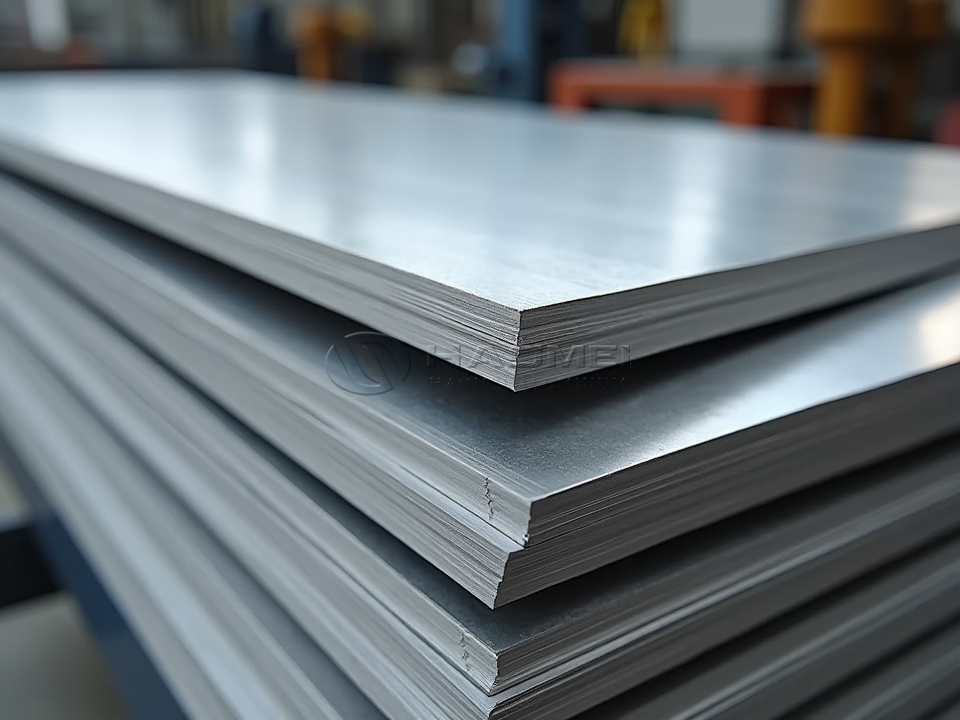
Ordering Information for 5059 Marine Aluminum Plate
To receive an accurate quotation, buyers should provide the alloy, temper, thickness, dimensions, quantity, applicable standard, class society requirement, surface condition, packaging preference, and delivery schedule. For shipyard production, it is also helpful to include cutting drawings, nesting plans, welding code requirements, and inspection documents needed at delivery.
5059 marine aluminum plate is a strong choice for modern vessels and offshore equipment where safety, weight control, corrosion resistance, and fabrication efficiency must work together. With the right temper and certification package, it can help builders create durable marine structures that perform reliably in demanding service conditions.

Related Products
Marine anodized aluminum sheets
Marine Anodized Aluminum Sheets start with premium marine-grade aluminum alloys such as 5000 and 6000 series (typically 5083, 5052, and 6061).
View Details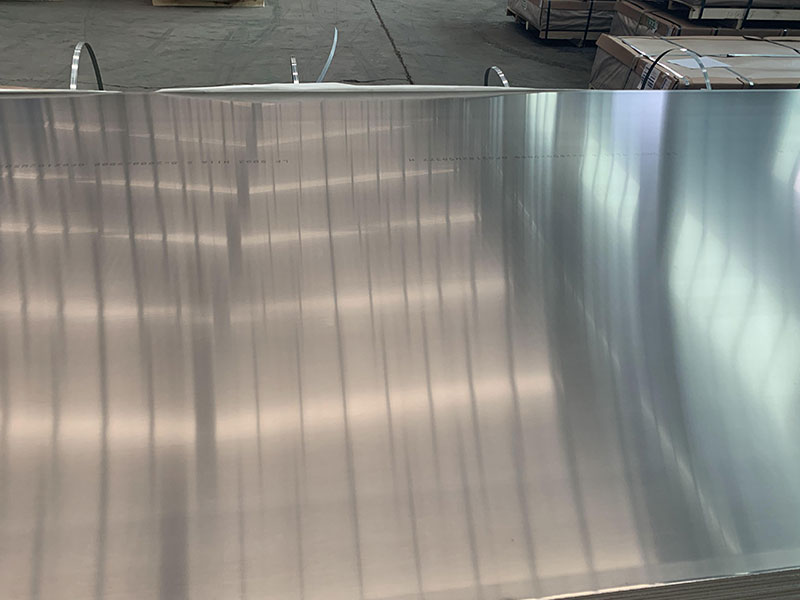
Marine 5383 aluminum sheet
5383 aluminum is a strain-hardened, non-heat-treatable alloy from the 5xxx series primarily alloyed with magnesium. It exhibits a unique balance of corrosion resistance and mechanical properties particularly suited for marine applications.
View Details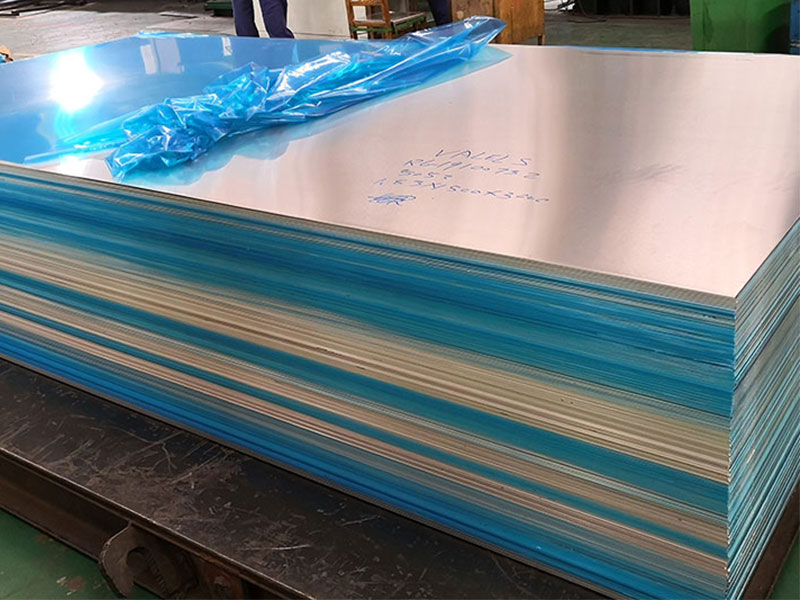
Marine 5059 aluminum sheet
5059 aluminum alloy is a strain-hardened material with a unique addition of magnesium and chromium, which provides outstanding resistance to localized corrosion like pitting and stress corrosion cracking.
View Details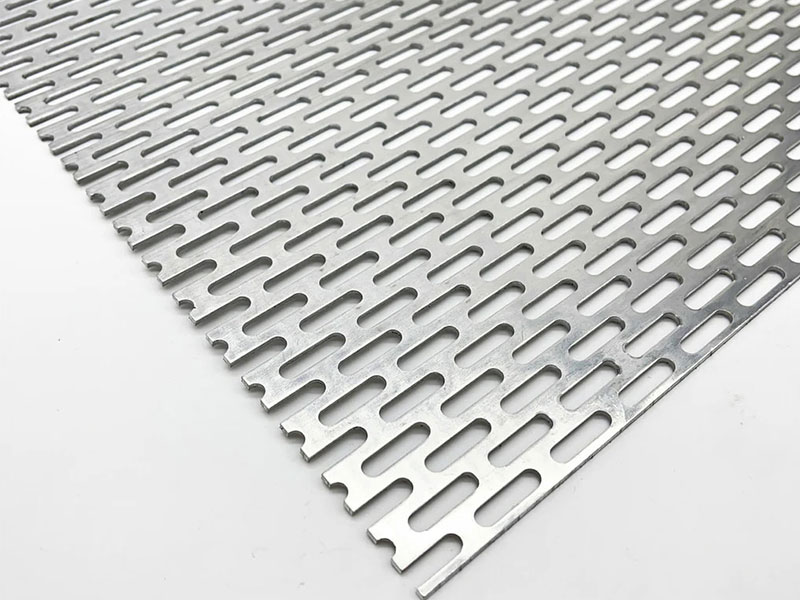
Marine perforated aluminum sheets
Marine Perforated Aluminum Sheets feature a series of uniform holes or shapes punched through the aluminum surface. These perforations can vary in size, pattern, and open area to tailor the sheets for specific applications.
View Details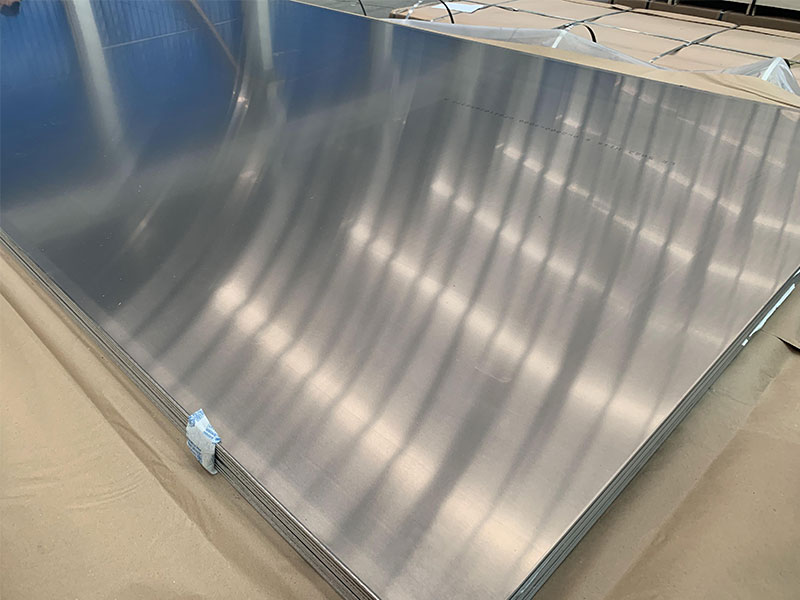
Marine 5052 aluminum sheet
Aluminum alloy 5052 is a non-heat-treatable, strain-hardened alloy with magnesium as the primary alloying element. It is designed to offer superior corrosion resistance in marine and saline environments, making it a dependable choice for components exposed directly to seawater or coastal atmospheric conditions.
View Details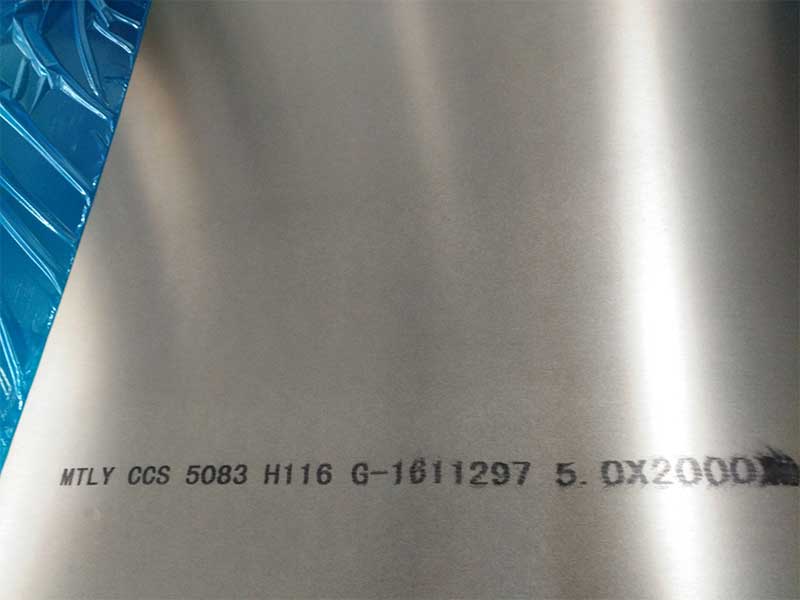
Marine 5083 aluminum sheet
Aluminum alloy 5083 is a non-heat-treatable alloy primarily composed of magnesium and trace elements that deliver outstanding protection against corrosion, particularly in seawater and saline atmospheres.
View DetailsRelated Blog
5754 marine grade aluminium alloy sheet
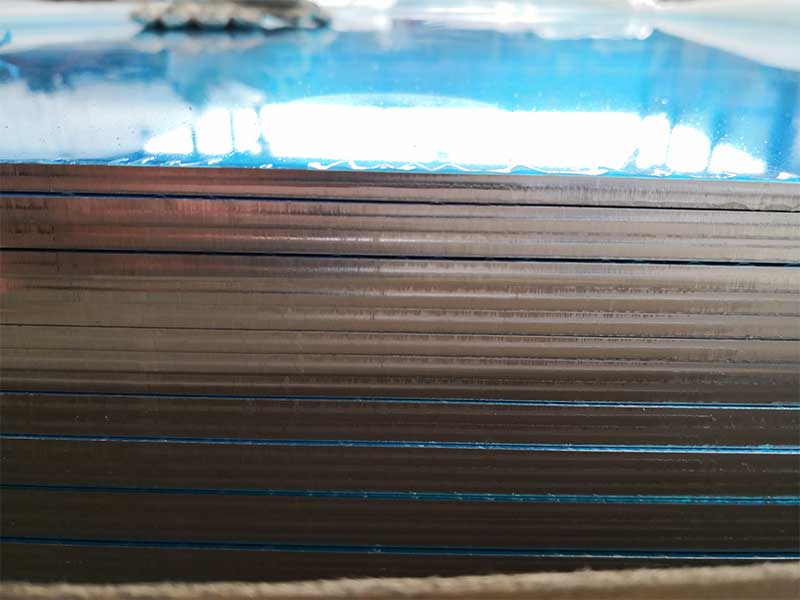
Comprehensive capabilities and technical specifications of 5754 marine grade aluminium alloy sheets. Ideal for marine applications, this alloy offers excellent corrosion resistance, superb weldability, and robust mechanical properties, ensuring durability
View Details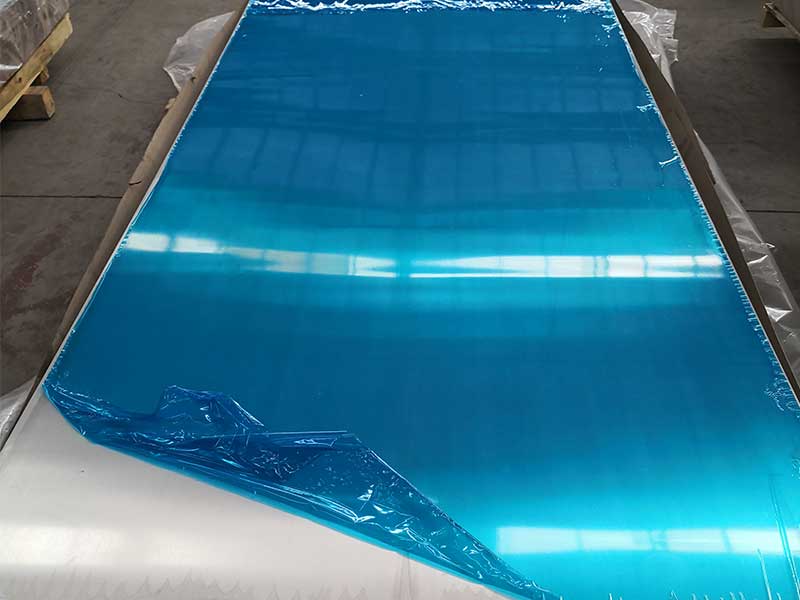
10mm 8mm 6mm Marine Aluminium Sheet
In the demanding maritime environment, material performance can decide the lifespan and safety of vessels and related structures. Marine aluminium sheets, particularly in 10mm, 8mm, and 6mm thicknesses, offer a unique combination of durability.
View Details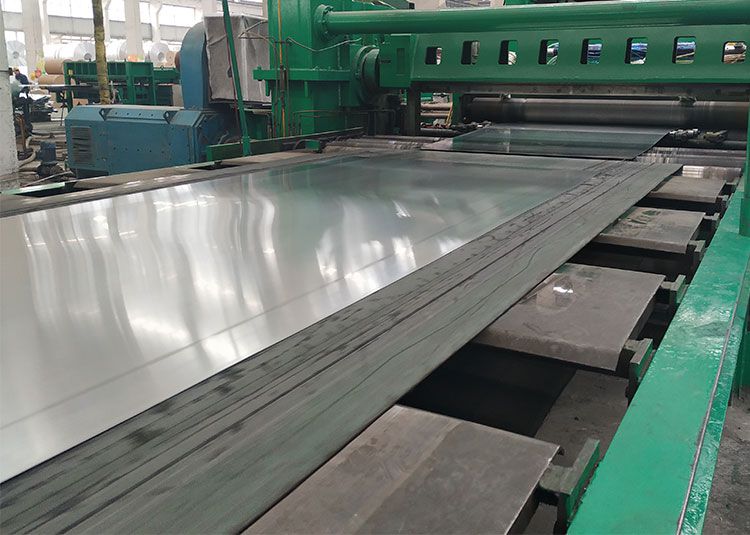
7075 T6 Aluminum Sheet For Boat
When it comes to selecting the ideal material for marine applications, especially boats, durability, corrosion resistance, and strength are non-negotiable. Among various marine-grade aluminum alloys.
View Details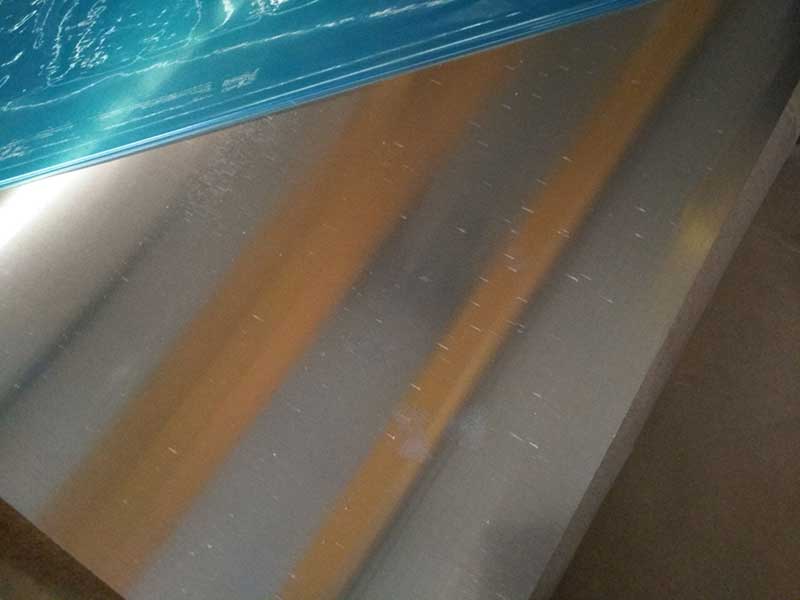
Aluminium sheet for ship building
Aluminium sheet for ship building is engineered to deliver a rare combination of light weight, corrosion resistance, high specific strength, and excellent fabricability in harsh marine environments.
View Details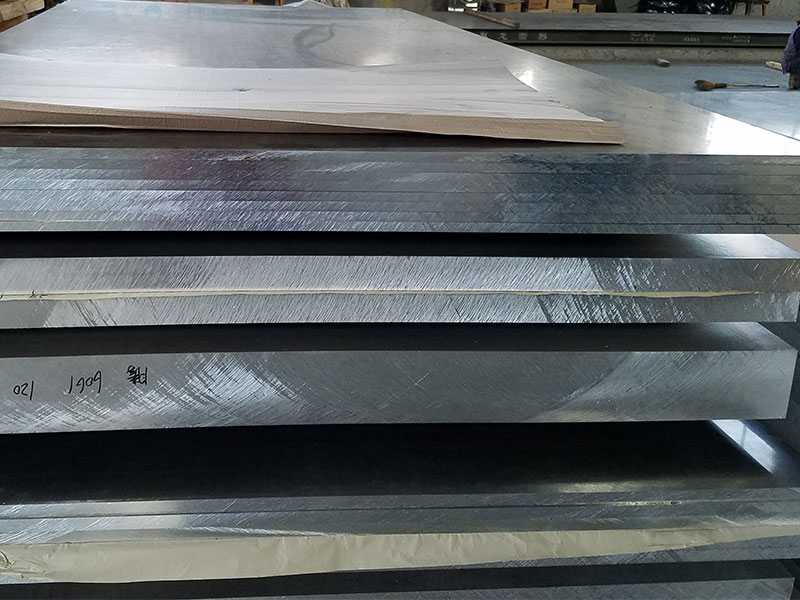
Marine aluminium
Marine aluminium is a family of corrosion-resistant aluminium alloys engineered for continuous exposure to saltwater, humidity, and aggressive coastal atmospheres.
View Details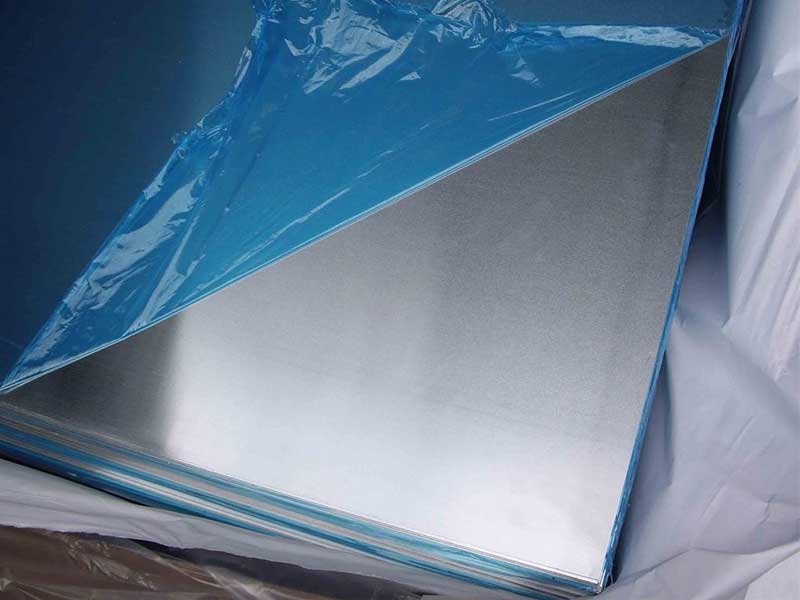
ASTM B209 aluminum sheet 5083 for ship
ASTM B209 Aluminum Sheet 5083 for Shipbuilding: A Functional View from the Waterline Up When ship designers choose materials, they are not just selecting metal; they are choosing how a vessel behaves at sea over decades.
View Details
Leave a Message