
Marine Anodized Aluminum Sheet 5086 5052 H34
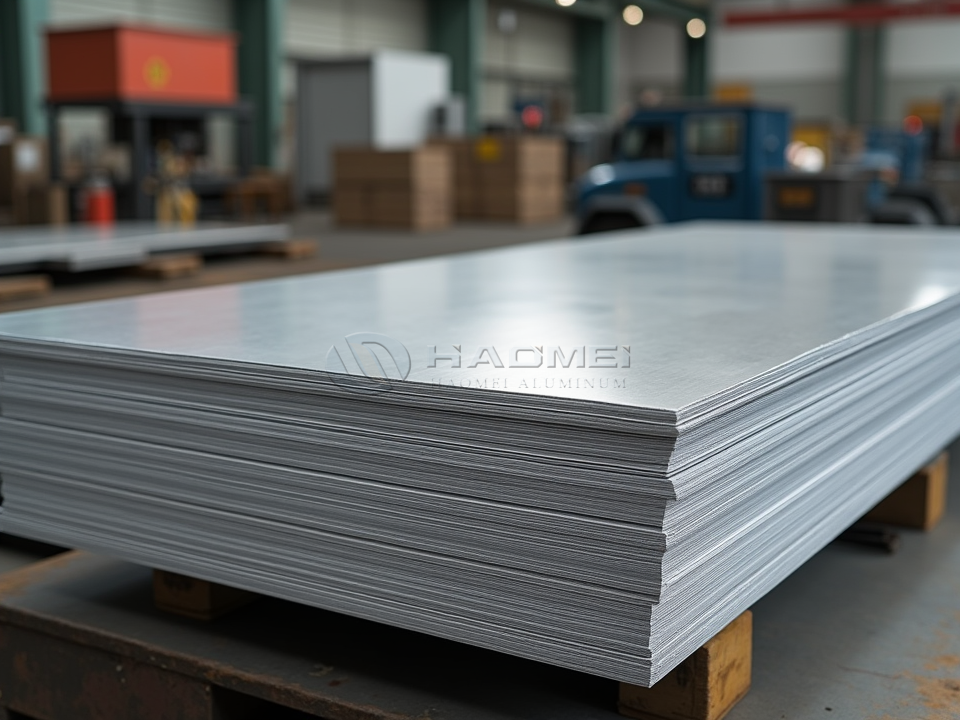
Marine anodized aluminum sheet in 5086 and 5052 H34 combines the saltwater resistance of Al-Mg alloys with the durable, decorative protection of an anodic oxide coating. It is widely selected for boat interiors, deck components, cabin panels, console covers, rail infill panels, hatch covers, marine equipment housings, and coastal architectural details.
The anodized surface improves resistance to weathering, staining, abrasion, and routine marine exposure. At the same time, 5086 and 5052 retain the lightweight, formability, and welding advantages that make aluminum a practical choice for marine fabrication.
Material Benefits for Marine Service
5086 and 5052 are non-heat-treatable 5000-series aluminum alloys strengthened primarily by magnesium and controlled cold working. Their low density helps reduce vessel weight, supporting payload capacity, fuel efficiency, and easier handling during fabrication.
The anodizing process forms an integral aluminum oxide layer rather than applying a coating that sits on the surface. This oxide layer is firmly bonded to the substrate and can be supplied in clear, bronze, black, champagne, or other specified colors. Sealed anodized finishes offer improved protection against fingerprints, moisture marks, and atmospheric contaminants.
| Benefit | Marine Value |
|---|---|
| Saltwater corrosion resistance | Suitable for splash zones, humid compartments, and coastal environments |
| Anodized oxide layer | Improves surface hardness, appearance retention, and cleaning performance |
| Low density | Approximately one-third the weight of carbon steel |
| Good weldability | Supports MIG and TIG fabrication with suitable filler metal |
| H34 temper strength | Provides higher strength than annealed material while retaining practical formability |
| Non-magnetic material | Useful near marine electronics and specialized equipment |
| Decorative finish options | Supports functional and visible vessel components |
For applications requiring specified marine dimensions, surface condition, and alloy certification, Marine anodized aluminum sheets can be selected according to fabrication and environmental requirements.
Alloy Selection: 5086 Versus 5052 H34
Both alloys perform well in marine atmospheres, but they are commonly chosen for different service conditions. 5086 contains a higher magnesium level and is generally preferred where higher strength and robust resistance to seawater exposure are required. 5052 H34 is highly workable and is often used for thinner sheet components, trim, enclosures, and formed accessories.
| Selection Factor | 5086 Anodized Sheet | 5052 H34 Anodized Sheet |
|---|---|---|
| Primary strength level | Higher | Medium-high |
| Magnesium content | Higher | Moderate |
| Forming behavior | Good, especially with suitable bend radii | Excellent for sheet-metal forming |
| Typical marine use | Structural panels, bulkheads, deck structures, hull-related fabrications | Consoles, lockers, trim, brackets, covers, interior and exterior panels |
| Corrosion behavior | Excellent in marine environments | Excellent in marine and industrial environments |
| Surface appearance after anodizing | Good, subject to alloy and finish controls | Very good for decorative anodized sheet |
The choice should consider thickness, bend severity, welding extent, design load, visible appearance expectations, and whether the component will remain continuously exposed to seawater.
Chemical Composition
Chemical composition values are expressed as weight percent and are typical limits aligned with common aluminum alloy specifications. Actual mill certificates should govern purchase requirements.
| Element | 5086, % | 5052, % |
|---|---|---|
| Silicon, Si | 0.40 max | 0.25 max |
| Iron, Fe | 0.50 max | 0.40 max |
| Copper, Cu | 0.10 max | 0.10 max |
| Manganese, Mn | 0.20-0.70 | 0.10 max |
| Magnesium, Mg | 3.5-4.5 | 2.2-2.8 |
| Chromium, Cr | 0.05-0.25 | 0.15-0.35 |
| Zinc, Zn | 0.25 max | 0.10 max |
| Titanium, Ti | 0.15 max | - |
| Aluminum, Al | Balance | Balance |
H34 Temper and Mechanical Properties
H34 indicates a strain-hardened and stabilized temper with strength approximately halfway between H32 and H36 conditions. It is widely used where a firmer sheet is preferred without sacrificing normal press-brake forming capability.
Mechanical values vary with sheet thickness, production route, and applicable standards. The figures in this table are practical reference values for procurement discussions.
| Property | 5052 H34 | 5086 H34, Typical Range |
|---|---|---|
| Tensile strength | 260-315 MPa | 290-350 MPa |
| Yield strength | 215 MPa min | 205-275 MPa |
| Elongation | 7-12% | 8-14% |
| Density | 2.68 g/cm³ | 2.66 g/cm³ |
| Elastic modulus | 70 GPa | 70 GPa |
| Melting range | 605-650°C | 590-640°C |
| Electrical conductivity | Approx. 35% IACS | Approx. 29% IACS |
For tight bends, deep drawing, or complex shaping, temper selection should be reviewed carefully. A harder H34 sheet requires a larger bend radius than softer H32 or O temper material. Bending perpendicular to the rolling direction, using clean tooling, and avoiding sharp inside radii help protect both the substrate and anodized finish.
Anodized Finish Specifications
Marine anodizing is normally requested after sheet fabrication when cut edges, drilled holes, and formed regions need matching protection. Pre-anodized sheet is suitable for panels with controlled fabrication, but excessive bending or welding after anodizing can damage the finish.
| Finish Parameter | Common Requirement | Notes |
|---|---|---|
| Anodizing type | Sulfuric acid anodizing | Common finish for architectural and marine components |
| Coating thickness | 10-25 μm | Thicker coatings are preferred for severe exterior exposure |
| Color | Clear, bronze, black, champagne | Color uniformity depends on alloy, batch, and surface preparation |
| Sealing | Hot-water or nickel-based sealing | Reduces porosity and improves stain resistance |
| Surface texture | Mill finish, brushed, satin, polished | Brushed or satin finishes can reduce visible handling marks |
| Protective film | Optional PVC or PE film | Helps prevent scratches during transport and fabrication |
Anodized aluminum should be isolated from copper, uncoated carbon steel, and other dissimilar metals where trapped saltwater may create galvanic corrosion. Use compatible fasteners, non-absorbing gaskets, drainage paths, and sealants suited to aluminum marine construction.
Typical Applications
| Application Area | Suitable Alloy and Temper | Practical Reason |
|---|---|---|
| Cabin side panels | 5052 H34 | Clean finish, good formability, low maintenance |
| Deck lockers and hatch covers | 5052 H34 or 5086 H34 | Corrosion resistance with dependable stiffness |
| Bulkheads and equipment partitions | 5086 H34 | Higher strength for more demanding fabrication |
| Console panels and instrument surrounds | 5052 H34 | Decorative anodizing and easy sheet-metal processing |
| Coastal walkways and service covers | 5086 H34 | Durable performance in wet, salty surroundings |
| Marine HVAC and electrical enclosures | 5052 H34 | Lightweight, non-magnetic, and corrosion resistant |
| Boat furniture frames and trim | 5052 H34 | Attractive finish with practical forming capability |
Fabrication and Care Guidance
5052 H34 and 5086 H34 can be cut by shearing, laser cutting, waterjet cutting, or CNC routing. Burr removal is important because sharp edges can hold moisture and create handling hazards. Where welding is required, anodizing should normally be applied after welding because the heat-affected zone changes both appearance and oxide continuity.
Routine cleaning requires fresh water and a mild, non-abrasive detergent. Avoid strong alkaline cleaners, aggressive acid products, steel wool, and chloride-rich residues. Periodic rinsing is especially useful on vessels operating in tropical saltwater regions or marinas with airborne salt spray.
Supply Specification Table
| Item | Available Range or Condition |
|---|---|
| Alloys | 5086, 5052 |
| Temper | H34; other tempers available upon requirement |
| Thickness | Commonly 0.8-6.0 mm for sheet applications |
| Width | Commonly 1,000-2,000 mm |
| Length | Standard sheets or custom cut lengths |
| Surface | Mill, brushed, satin, clear anodized, color anodized |
| Edge condition | Mill edge, trimmed edge, deburred edge |
| Documentation | Mill test certificate, dimensional inspection, surface inspection upon request |
| Packaging | Protective film, interleaving paper, seaworthy export packing |
Marine anodized aluminum sheet 5086 and 5052 H34 provides a balanced solution for durable, lightweight, visually refined boat components. With proper alloy selection, anodizing thickness, fabrication practice, and galvanic isolation, it delivers long-lasting service in demanding marine environments.

Related Products
Marine 5086 aluminum sheet
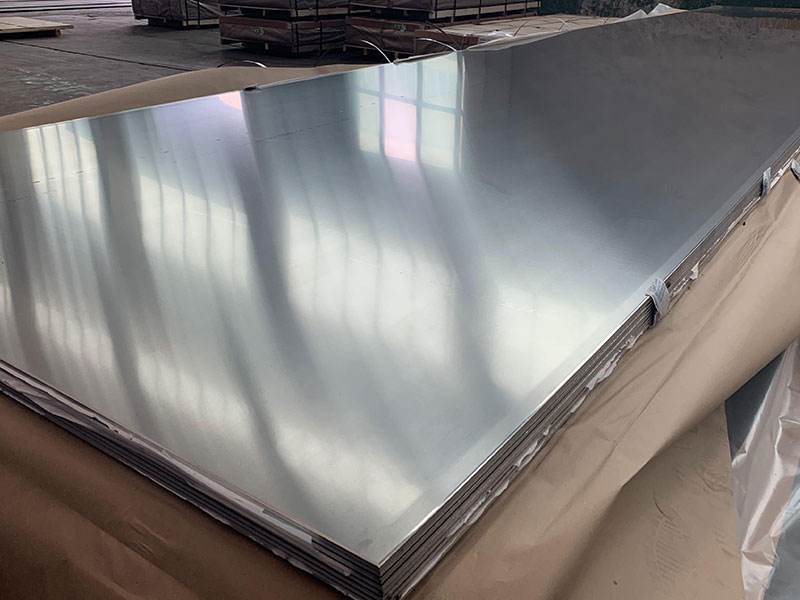
This product article provides an in-depth and comprehensive understanding of Marine 5086 Aluminum Sheets, including their chemical composition, mechanical properties, corrosion resistance, fabrication capabilities, and typical marine applications.
View Details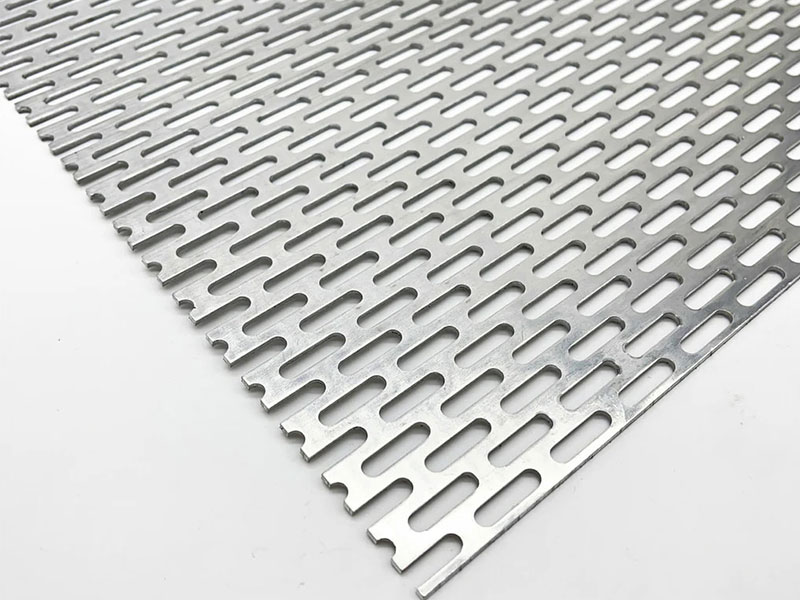
Marine perforated aluminum sheets
Marine Perforated Aluminum Sheets feature a series of uniform holes or shapes punched through the aluminum surface. These perforations can vary in size, pattern, and open area to tailor the sheets for specific applications.
View Details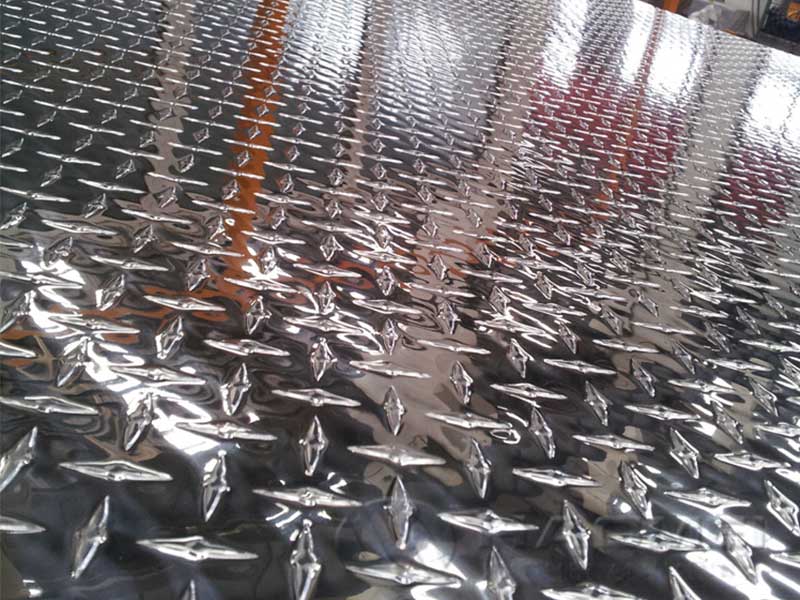
Marine Aluminum Tread Sheets
Marine Aluminum Tread Sheets are aluminum alloy plates featuring a raised surface pattern, commonly referred to as a tread design or diamond plate.
View Details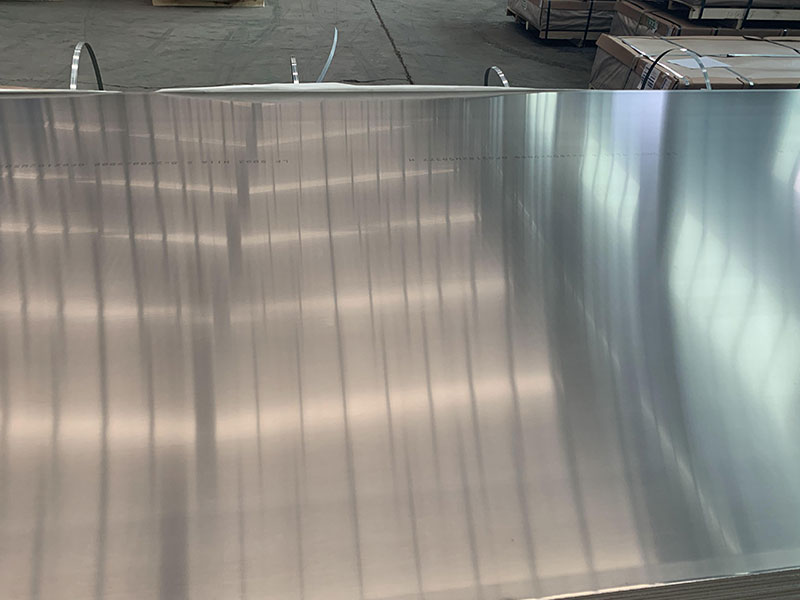
Marine 5383 aluminum sheet
5383 aluminum is a strain-hardened, non-heat-treatable alloy from the 5xxx series primarily alloyed with magnesium. It exhibits a unique balance of corrosion resistance and mechanical properties particularly suited for marine applications.
View Details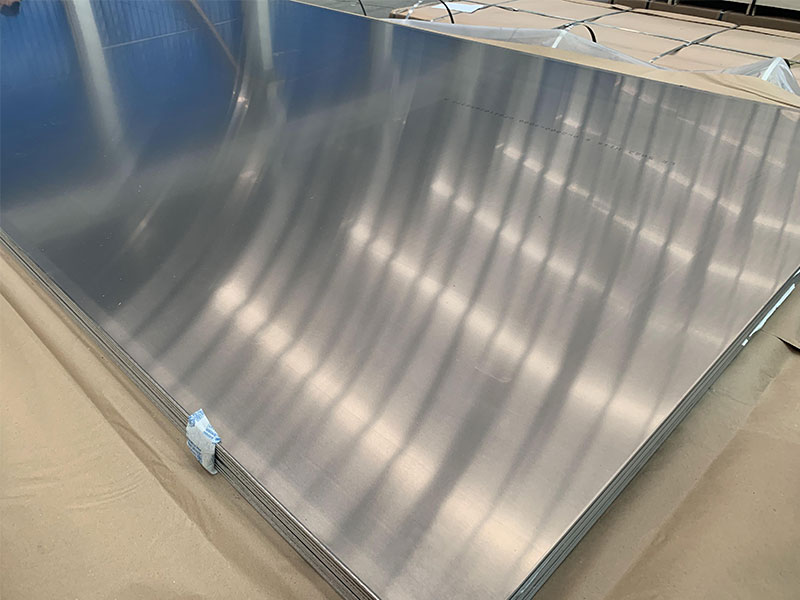
Marine 5052 aluminum sheet
Aluminum alloy 5052 is a non-heat-treatable, strain-hardened alloy with magnesium as the primary alloying element. It is designed to offer superior corrosion resistance in marine and saline environments, making it a dependable choice for components exposed directly to seawater or coastal atmospheric conditions.
View Details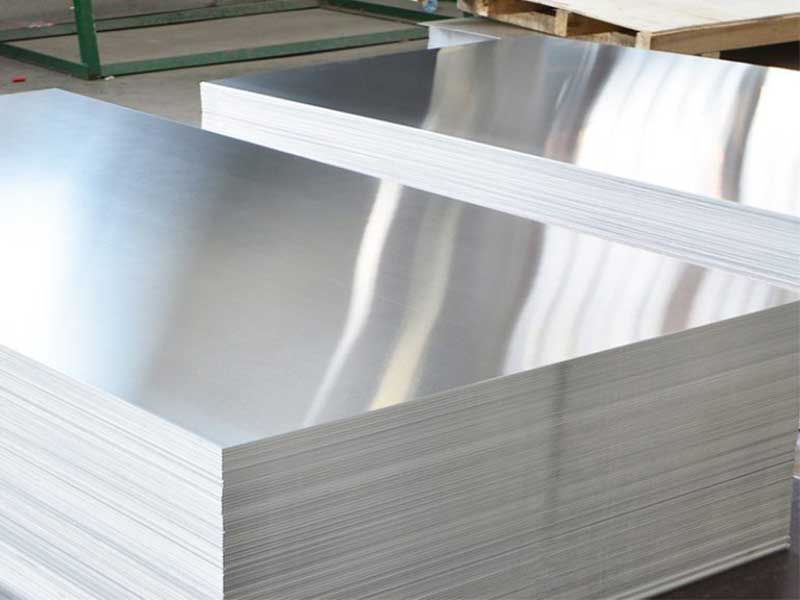
Marine anodized aluminum sheets
Marine Anodized Aluminum Sheets start with premium marine-grade aluminum alloys such as 5000 and 6000 series (typically 5083, 5052, and 6061).
View DetailsRelated Blog
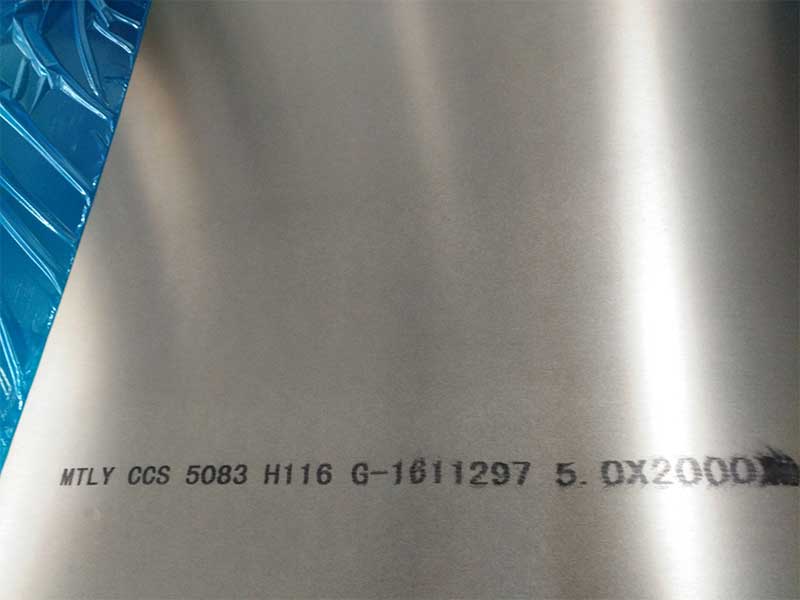
Aluminum perforated sheet for boat
Aluminum perforated sheet is a high-value material choice for boats and marine structures where weight control, corrosion resistance, drainage, airflow, and slip management matter as much as strength.
View Details
Aluminum foil 0.5mm Thick 5000 Series Marine Grade
Aluminum Foil 0.5mm Thick 5000 Series Marine Grade: A "Sealing Skin" for Real-World Marine WorkWhen people hear "aluminum foil," they often imagine thin kitchen wrap.
View Details
5754 Aluminum Sheet for Shipping Construction
5754 Aluminum Sheet for Shipping Construction: The "Quiet Workhorse" Behind Durable, Efficient VesselsIn modern shipping construction, the most valuable materials are not always the most famous-they're the ones that perform reliably under salt spray.
View Details
Aluminum marine grade
Marine Grade Aluminum: Capacity, Applications, and Class StandardsIn the vast expanse of the world’s oceans and waterways, the need for robust, resilient materials is manifolds greater than in conventional industries.
View Details
6061 Marine Aluminum Tread Sheets
6061 Marine Aluminum Tread Sheets (often called 6061 aluminum diamond plate or tread plate) are engineered to deliver a practical blend of corrosion resistance, structural strength, and slip-resistant surface performance in wet, abrasive.
View Details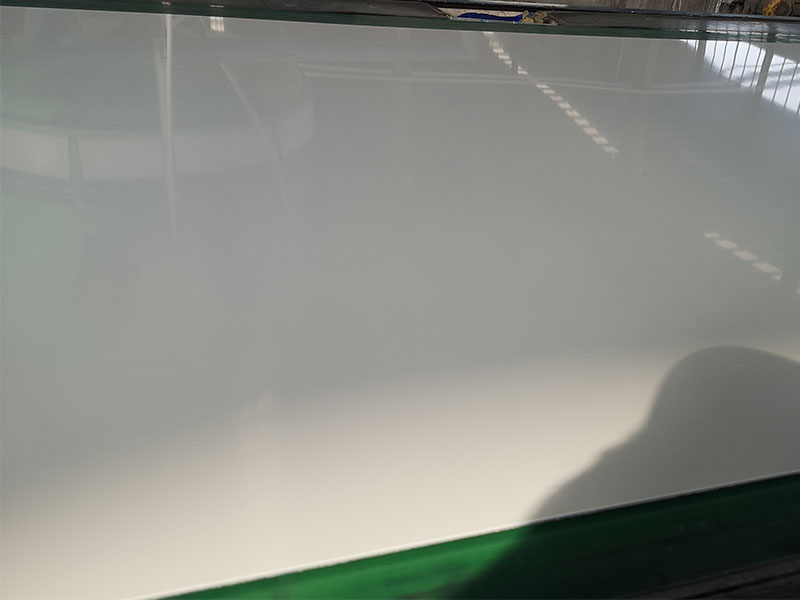
Aluminium sheet for boat
Aluminium sheet for boat construction is one of the most widely used materials in modern marine manufacturing. It combines light weight, high strength, excellent corrosion resistance, and good weldability, making it ideal for hulls, decks, cabins.
View Details
Leave a Message