
Marine Aluminum 5083 H116 6082 T6 Coil Sheet Plate
Marine aluminum is not just a lighter substitute for steel. On a vessel, every panel becomes part of a moving structure that must resist saltwater, vibration, welding heat, impact, and years of cyclic loading. That is why 5083 H116 and 6082 T6 are often selected together in marine projects: one alloy behaves like a tough shield against seawater, while the other works like a strong skeleton for machined and structural components.
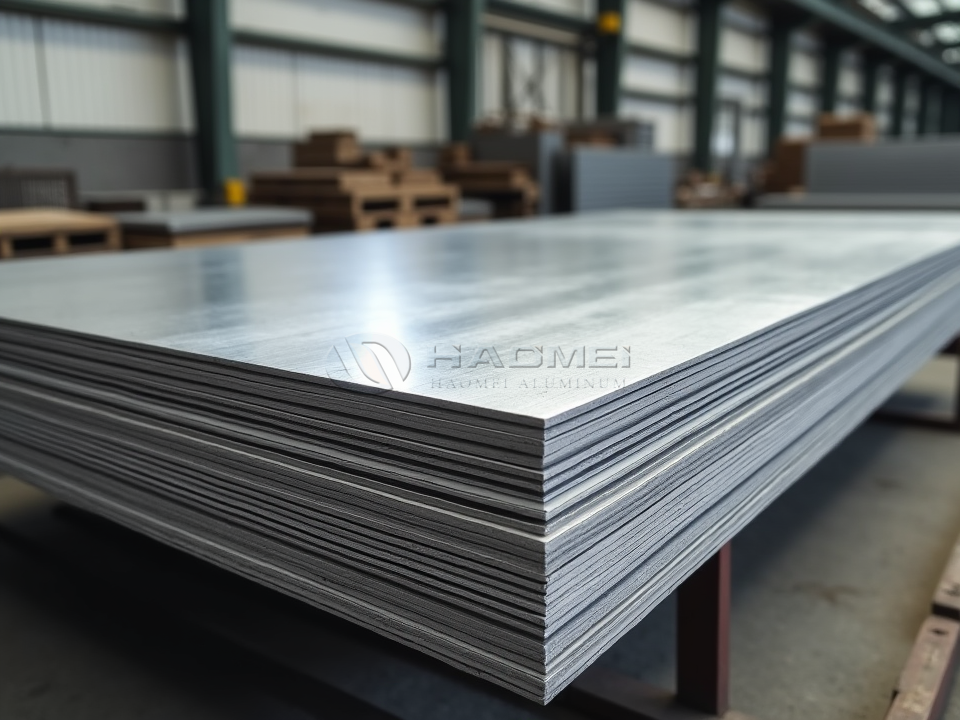
5083 H116 is the preferred choice for hull plating, side shells, bottoms, bulkheads, superstructures, tanks, and welded modules. 6082 T6 is often used for frames, gangways, deck fittings, brackets, rail systems, platforms, and precision-machined marine parts. When supplied as coil, sheet, or plate, these materials allow shipyards to match forming, cutting, welding, and assembly requirements without overdesigning the vessel.
Two Marine Alloys, Two Different Jobs
5083 belongs to the aluminum-magnesium family. Its high magnesium content gives it excellent corrosion resistance in seawater and strong welded performance. The H116 temper is specially controlled for marine environments, reducing the risk of exfoliation corrosion and stress corrosion in service. For customers comparing Marine 5083 aluminum sheet with ordinary aluminum plate, the difference is not only strength. It is the confidence that the plate can survive long exposure to wet, chloride-rich conditions.
6082 belongs to the aluminum-magnesium-silicon family. In T6 temper, it is solution heat treated and artificially aged, producing high mechanical strength, good machinability, and stable dimensional performance. It is not usually the first choice for continuously immersed hull skin, but it is highly practical for structural parts above the waterline, fabricated components, ladders, decks, supports, and areas requiring machining accuracy.
Coil, Sheet and Plate: The Form Changes the Function
Marine aluminum coil is useful when a project needs continuous processing, roll forming, slitting, stamping, or high-volume sheet conversion. It is commonly used for cabin panels, interior structures, light covers, decorative marine parts, and small boat components.
Marine aluminum sheet is easier to handle, cut, bend, and weld in general fabrication. It is suitable for deck panels, partitions, small hull sections, console panels, lockers, and enclosure parts.
Marine aluminum plate is selected where the structure carries load or impact. Hull bottoms, transoms, side plates, offshore walkways, heavy decks, and welded frames often require plate thickness with certified mechanical properties and class approval.
A well-planned vessel may use all three forms. Coil supports speed, sheet supports flexible fabrication, and plate supports strength.
Typical Product Parameters
| Item | 5083 H116 Marine Aluminum | 6082 T6 Marine Aluminum |
|---|---|---|
| Product form | Coil, sheet, plate | Sheet, plate, extruded or machined parts |
| Common thickness | 1.5-200 mm | 1.0-150 mm |
| Common width | 1000-2600 mm | 1000-2600 mm |
| Common length | 2000-12000 mm or customized | 2000-12000 mm or customized |
| Surface | Mill finish, brushed, film protected, coated | Mill finish, machined, anodized, coated |
| Density | About 2.66 g/cm³ | About 2.70 g/cm³ |
| Welding | Excellent | Good, with proper procedure |
| Corrosion resistance in seawater | Excellent | Good, best with protection in harsh zones |
| Main use | Hulls, tanks, bulkheads, welded marine structures | Frames, decks, fittings, platforms, machined parts |
Chemical Composition Table
Composition control matters because marine corrosion resistance is built into the alloy chemistry before the plate ever reaches the shipyard. The following values are typical standard ranges by weight percentage.
| Alloy | Si | Fe | Cu | Mn | Mg | Cr | Zn | Ti | Al |
|---|---|---|---|---|---|---|---|---|---|
| 5083 | 0.40 max | 0.40 max | 0.10 max | 0.40-1.00 | 4.00-4.90 | 0.05-0.25 | 0.25 max | 0.15 max | Balance |
| 6082 | 0.70-1.30 | 0.50 max | 0.10 max | 0.40-1.00 | 0.60-1.20 | 0.25 max | 0.20 max | 0.10 max | Balance |
5083 gains its seawater character from magnesium and manganese. 6082 gains its T6 strength from magnesium and silicon, which form strengthening phases during heat treatment.
Temper Conditions and What They Mean in Use
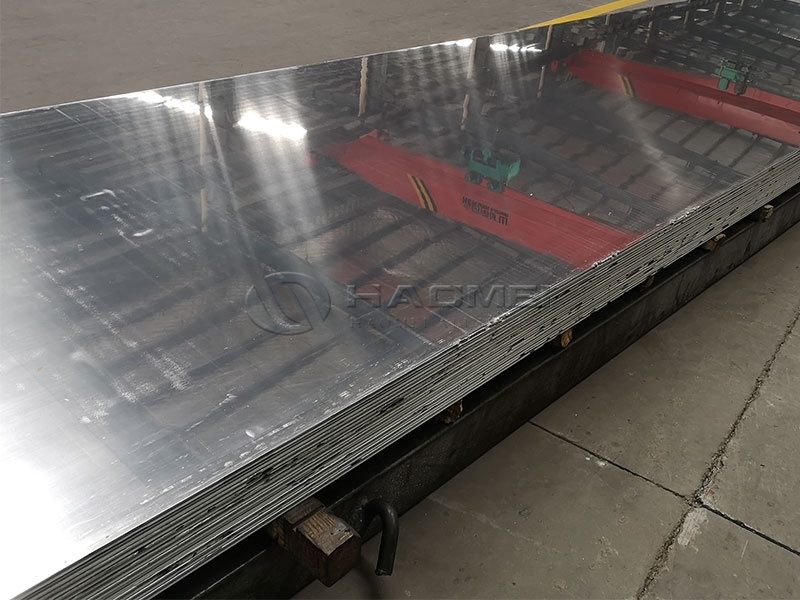
The H116 temper of 5083 is strain hardened and stabilized for marine exposure. It is designed for plate that must be welded, bent, and placed in service where saltwater contact is frequent. Compared with a soft O temper, H116 has higher strength. Compared with some harder tempers, it gives better reliability for marine plate exposed to long-term corrosion risk.
The T6 temper of 6082 is heat treated for strength. The process includes solution heat treatment, quenching, and artificial aging. This produces a stronger and more machinable material, making it suitable for load-bearing parts that require drilling, milling, bolting, or accurate assembly. However, because welding can reduce strength in the heat-affected zone, 6082 T6 welded components should be designed with this in mind.
Other marine tempers may also be specified depending on forming and service needs. 5083 O is easier to bend deeply. 5083 H321 offers controlled stability for marine plate. 6082 T651 may be selected where stress relief and flatness are important for precision machining.
Mechanical Performance Reference
| Alloy Temper | Tensile Strength | Yield Strength | Elongation | Practical Meaning |
|---|---|---|---|---|
| 5083 H116 | About 305-385 MPa | About 215 MPa min | About 10% min | Strong welded hull plate with marine corrosion resistance |
| 5083 O | About 275-350 MPa | About 125 MPa min | About 12% min | Better forming for curved panels and shaped parts |
| 6082 T6 | About 290-340 MPa | About 240-260 MPa min | About 8% min | High strength for frames, fittings, and machined structures |
Actual values depend on thickness, standard, testing direction, and mill certification. For shipbuilding, mill test certificates and classification approval are more important than general catalog values.
Implementation Standards and Certification
Marine aluminum 5083 H116 and 6082 T6 coil, sheet, and plate can be produced according to recognized international standards, including ASTM B209, ASTM B928 for high-magnesium marine aluminum sheet and plate, EN 485, EN 573, EN 515, ISO material requirements, and GB/T 3880.
For vessel construction, classification society approval may be required. Common certifications include ABS, DNV, LR, BV, CCS, KR, NK, and RINA, depending on the vessel type and destination market. Customers purchasing Marine Grade Aluminum Sheets should confirm alloy, temper, thickness tolerance, ultrasonic inspection if needed, surface condition, and certificate requirements before production.
Applications Seen from the Vessel Outward
At the waterline and below it, 5083 H116 is the natural selection. It resists seawater, accepts welding, and helps reduce vessel weight without sacrificing strength. Workboats, patrol boats, fishing vessels, ferries, yachts, landing craft, and offshore service vessels all use 5083 plates for hulls and welded structures.
Above the waterline, both alloys may work together. 5083 remains valuable for cabin structures, bulkheads, tanks, and deckhouses. 6082 T6 becomes useful where higher stiffness, machining, and bolted assembly are required. Deck frames, access platforms, boarding bridges, ladder systems, equipment bases, mast components, and support brackets are common examples.
In offshore environments, the same logic applies. 5083 H116 serves in corrosion-exposed welded panels and platforms, while 6082 T6 appears in structural modules, walkways, guardrails, and precision-fabricated parts. Proper coating, isolation from dissimilar metals, and drainage design further improve service life.
Processing Notes for Buyers and Fabricators
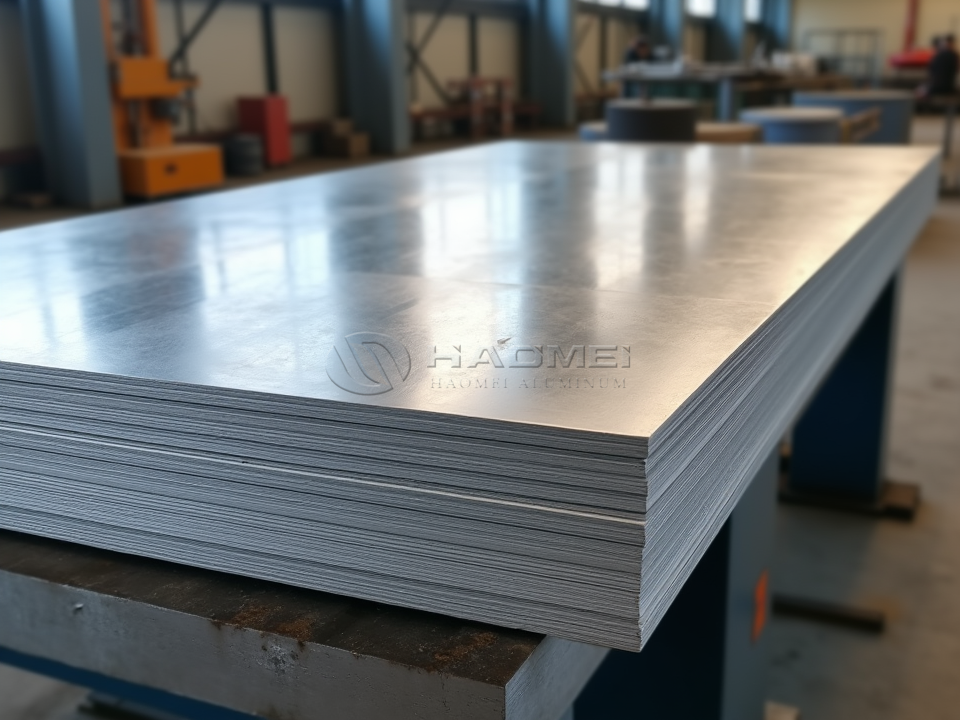
5083 H116 cuts cleanly by saw, plasma, laser, and waterjet. It welds well by MIG and TIG methods, often using 5183, 5356, or 5556 filler wire depending on design requirements. For heavy hull plate, weld procedure qualification helps control distortion and preserve joint quality.
6082 T6 machines well and is suitable for CNC parts, drilled holes, milled slots, and bolted connections. Welding is possible, but the softened heat-affected zone must be considered in strength calculations. If a component is mainly welded and immersed, 5083 may be the safer choice. If it is machined, bolted, and used in an upper structure, 6082 T6 may be more efficient.
Surface protection depends on location. Mill finish is common for internal structures. Coating, anodizing, or protective film may be selected for visible or exposed parts. In assemblies with stainless steel or carbon steel fasteners, insulation washers, sealants, and proper drainage help prevent galvanic corrosion.
How to Choose Between 5083 H116 and 6082 T6
Choose 5083 H116 when the part faces seawater, welding, hull impact, tanks, bilge zones, or classification-controlled marine construction. Choose 6082 T6 when the part needs higher machined strength, dimensional accuracy, bolted assembly, or structural use above harsh immersion zones.
For many projects, the best answer is not one alloy replacing the other. A smart marine design uses 5083 H116 as the corrosion-resistant body and 6082 T6 as the strong, accurate framework. Together, marine aluminum 5083 H116 6082 T6 coil sheet plate gives shipbuilders a lighter structure, longer service life, easier fabrication, and better fuel efficiency across boats, offshore platforms, and marine equipment.

Related Products
Marine 5383 aluminum sheet
5383 aluminum is a strain-hardened, non-heat-treatable alloy from the 5xxx series primarily alloyed with magnesium. It exhibits a unique balance of corrosion resistance and mechanical properties particularly suited for marine applications.
View Details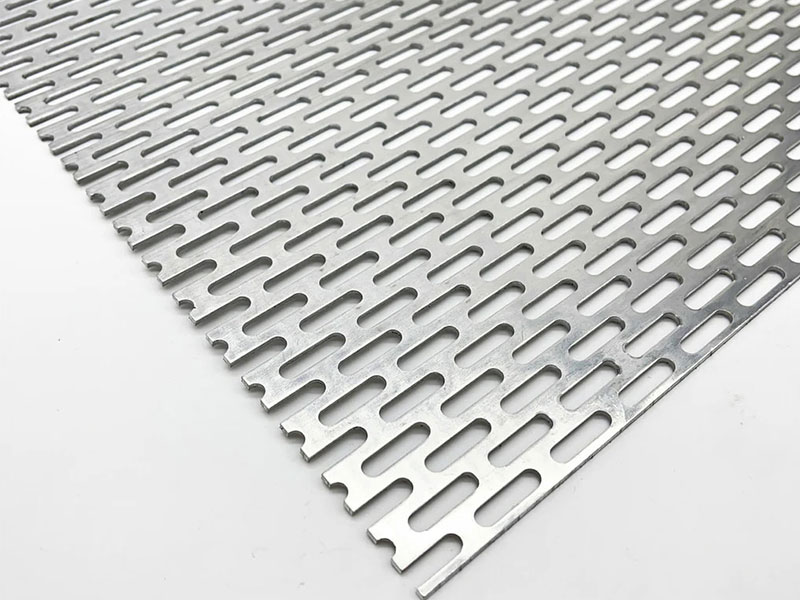
Marine perforated aluminum sheets
Marine Perforated Aluminum Sheets feature a series of uniform holes or shapes punched through the aluminum surface. These perforations can vary in size, pattern, and open area to tailor the sheets for specific applications.
View Details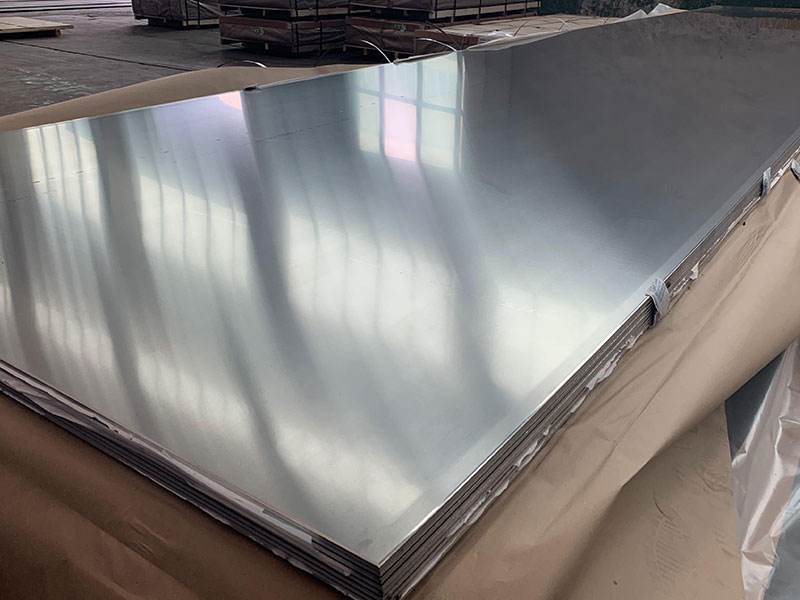
Marine 5086 aluminum sheet
This product article provides an in-depth and comprehensive understanding of Marine 5086 Aluminum Sheets, including their chemical composition, mechanical properties, corrosion resistance, fabrication capabilities, and typical marine applications.
View Details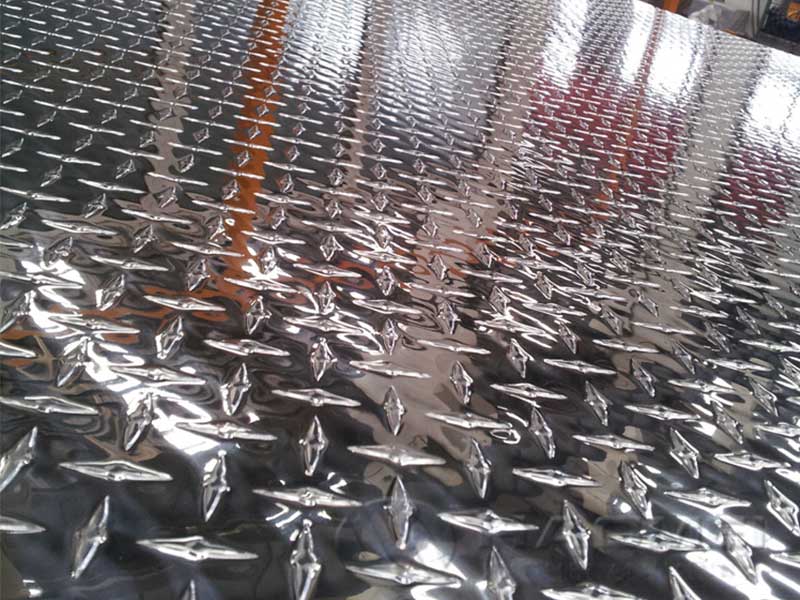
Marine Aluminum Tread Sheets
Marine Aluminum Tread Sheets are aluminum alloy plates featuring a raised surface pattern, commonly referred to as a tread design or diamond plate.
View Details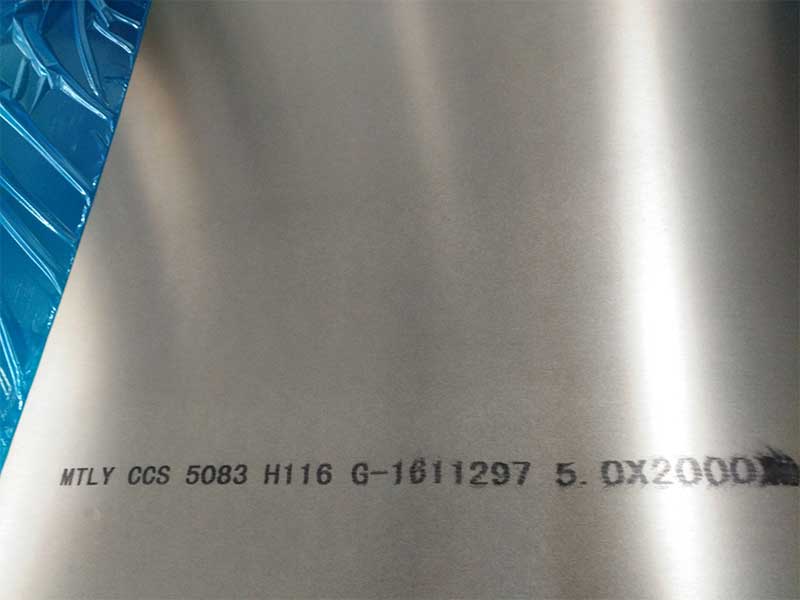
Marine 5083 aluminum sheet
Aluminum alloy 5083 is a non-heat-treatable alloy primarily composed of magnesium and trace elements that deliver outstanding protection against corrosion, particularly in seawater and saline atmospheres.
View Details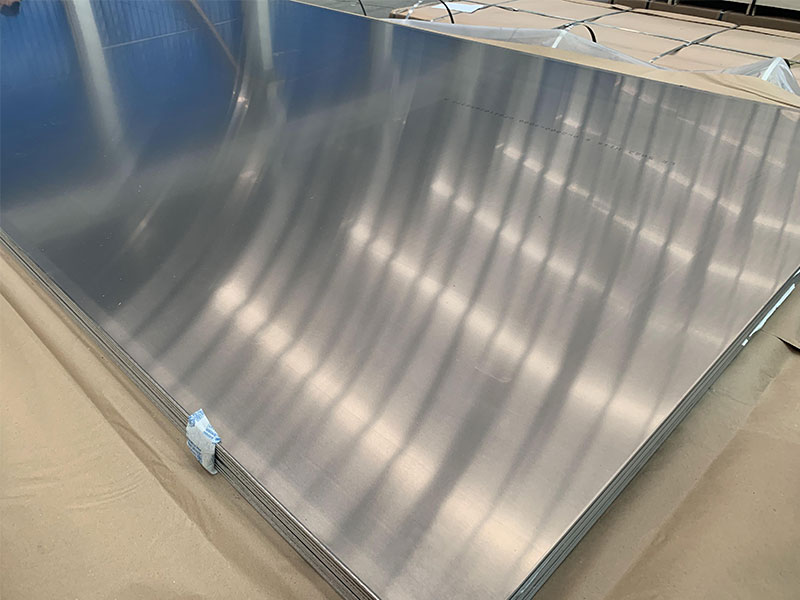
Marine 5052 aluminum sheet
Aluminum alloy 5052 is a non-heat-treatable, strain-hardened alloy with magnesium as the primary alloying element. It is designed to offer superior corrosion resistance in marine and saline environments, making it a dependable choice for components exposed directly to seawater or coastal atmospheric conditions.
View DetailsRelated Blog
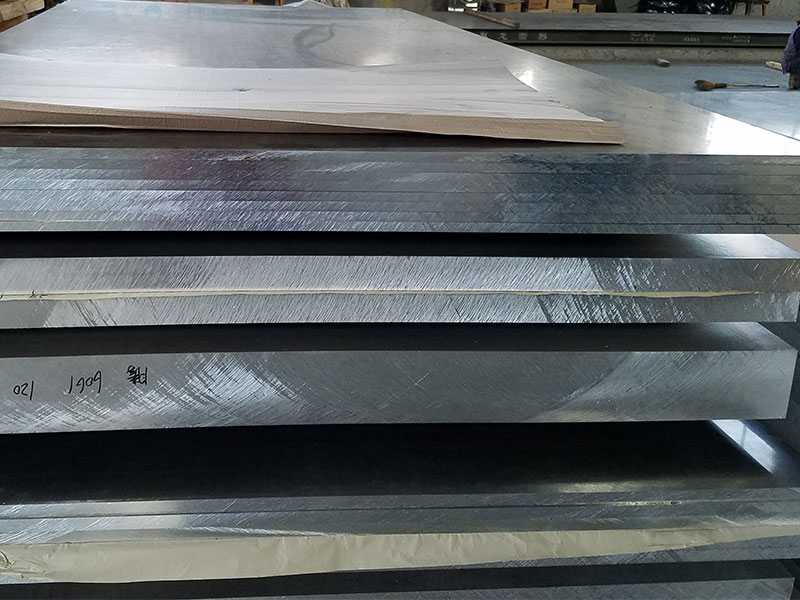
Marine aluminum 5083
In-depth insights into Marine Aluminum 5083, its chemical composition, mechanical properties, temper conditions, and why it stands as the premier alloy for marine and offshore structural applications.
View Details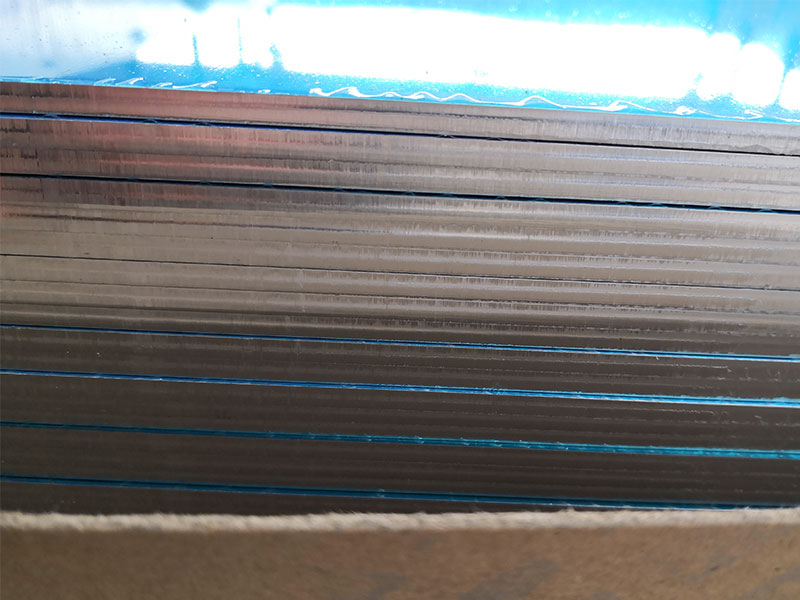
Aluminum Sheet for Boat 5083 H111 H112 H116 H32
The Aluminum Sheet 5083 series is notably recognized in marine and industrial applications, particularly aluminum sheets used for boat construction. Among the temper designations, H111, H112, H116.
View Details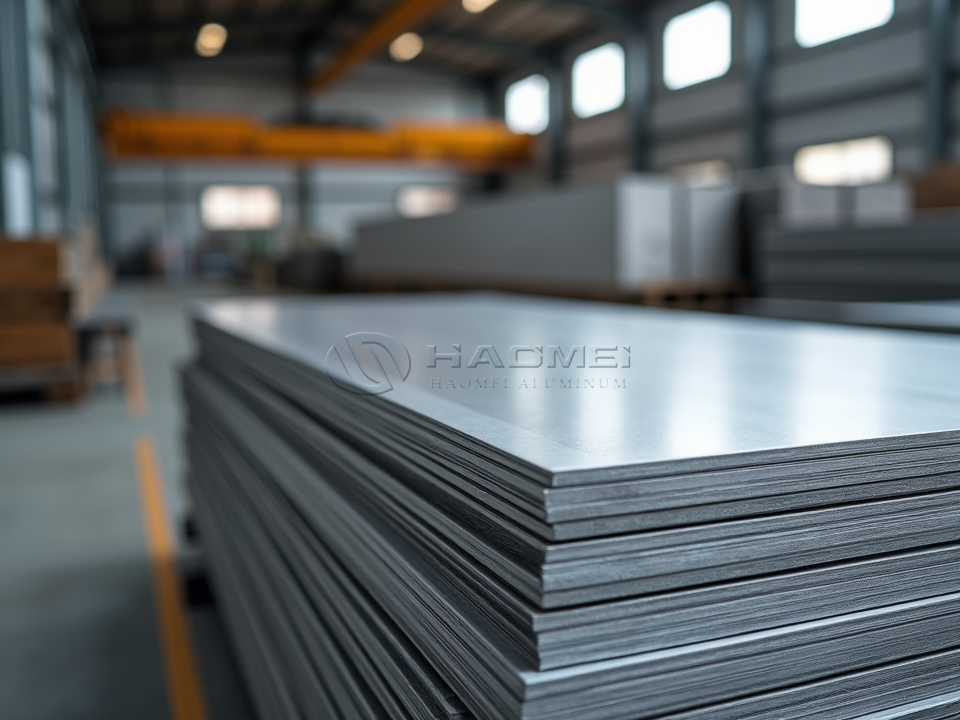
Marine Perforated Aluminum Sheets
Marine perforated aluminum sheets offer corrosion resistance, ventilation, drainage, grip, and weight savings for boats, docks, and offshore use.
View Details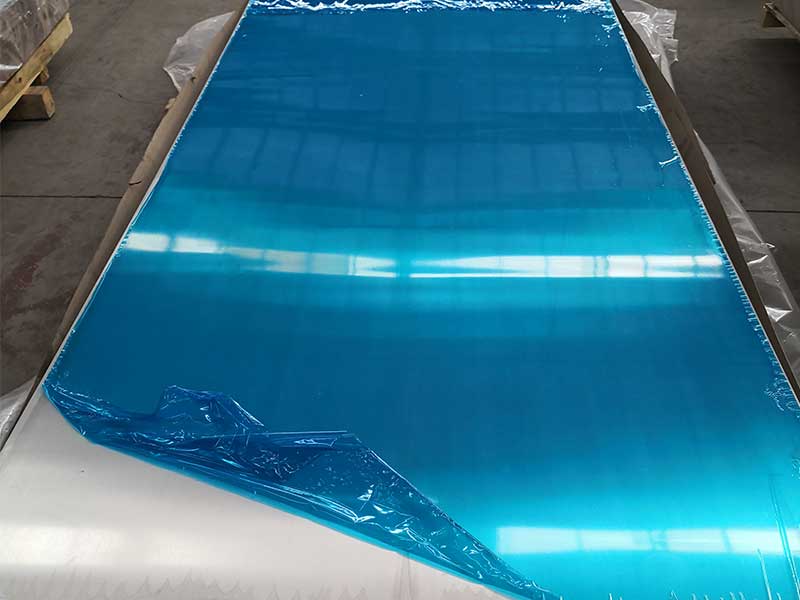
10mm 8mm 6mm Marine Aluminium Sheet
In the demanding maritime environment, material performance can decide the lifespan and safety of vessels and related structures. Marine aluminium sheets, particularly in 10mm, 8mm, and 6mm thicknesses, offer a unique combination of durability.
View Details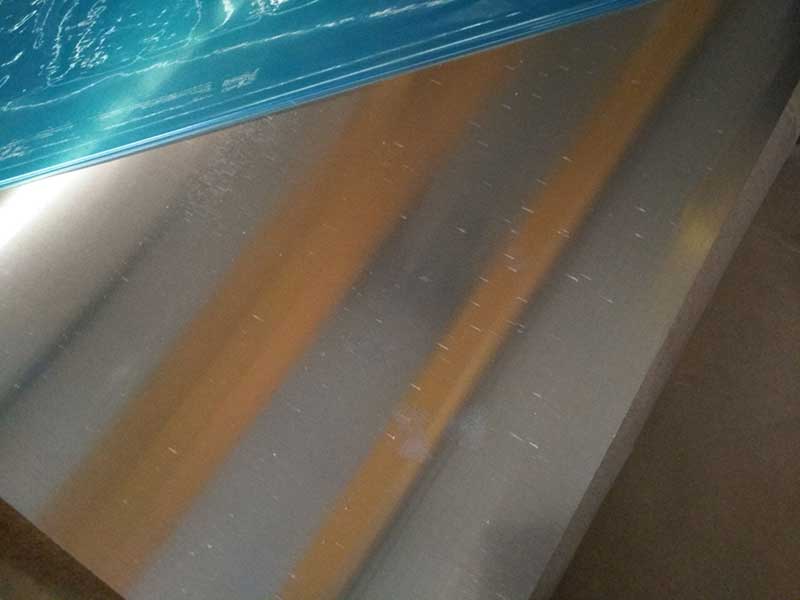
Marine aluminium alloy sheet
Marine aluminum alloy sheet is an indispensable material in the construction and maintenance of vessels, offshore platforms, and various marine infrastructure. Its unique combination of strength, corrosion resistance.
View Details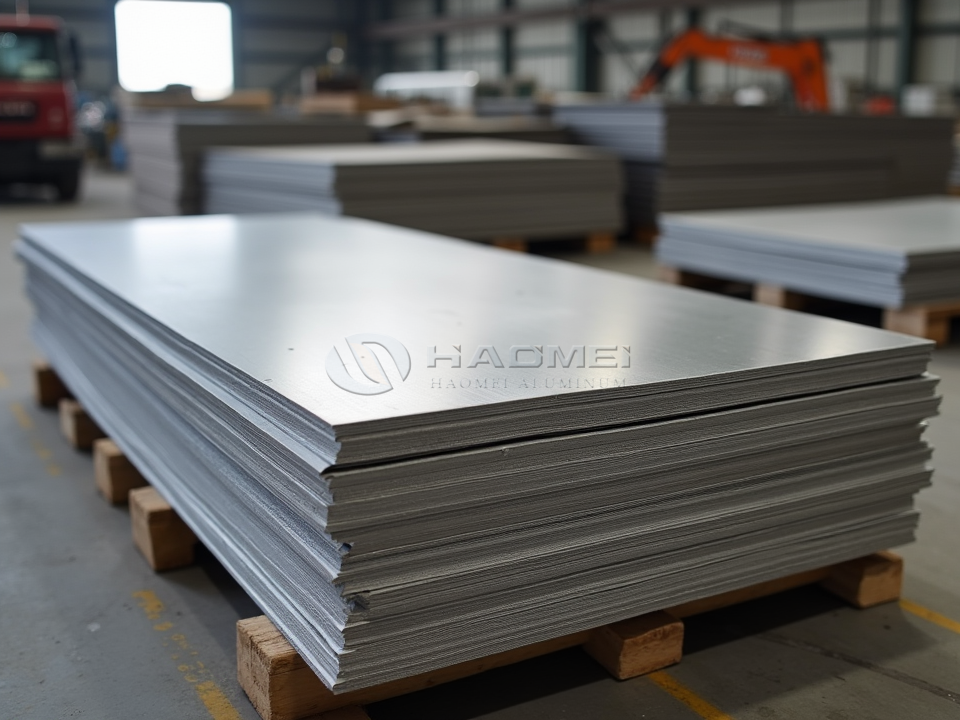
5059 Marine Aluminum Sheet
Learn how 5059 marine aluminum sheet supports lighter hulls, welded structures, corrosion resistance, class-approved fabrication, and long service life.
View Details
Leave a Message