
ASTM B209 aluminum sheet 5083 for ship
ASTM B209 Aluminum Sheet 5083 for Shipbuilding: A Functional View from the Waterline Up
When ship designers choose materials, they are not just selecting metal; they are choosing how a vessel behaves at sea over decades. ASTM B209 aluminum sheet 5083 sits at the center of this decision for many modern marine projects. It is more than a grade and a code—it is a finely balanced combination of chemistry, temper, and manufacturing practice that directly shapes hull strength, corrosion resistance, and long‑term reliability.
What ASTM B209 Really Means on a Ship
ASTM B209 is the standard specification for aluminum and aluminum‑alloy sheet and plate. For the shipbuilder, it is essentially a guarantee that each sheet of 5083:
- Meets strict limits for thickness, flatness, and dimensional tolerances
- Conforms to specified chemical composition ranges
- Delivers defined mechanical properties, verified by standardized tests
In a shipyard context, ASTM B209 is the bridge between design calculations and real metal on the cutting table. It ensures that when naval architects design a hull in 5083-H116 or 5083-H321, the sheet arriving at the yard will perform as expected under wave impact, slamming loads, and fatigue.
5083 Alloy: Built Around Magnesium for the Sea
5083 is a non‑heat‑treatable aluminum‑magnesium‑manganese alloy. Its core design principle is corrosion resistance in seawater combined with high strength in welded structures.
functional characteristics include:
- High magnesium content for strength and corrosion resistance in marine environments
- Excellent weldability with minimal loss of strength in heat‑affected zones
- Resistance to stress‑corrosion cracking, critical for large welded hulls
A simplified chemical composition table for 5083 aluminum alloy typically follows these ranges:
| Element | Typical Range (%) |
|---|---|
| Magnesium (Mg) | 4.0 – 4.9 |
| Manganese (Mn) | 0.40 – 1.0 |
| Chromium (Cr) | 0.05 – 0.25 |
| Iron (Fe) | ≤ 0.40 |
| Silicon (Si) | ≤ 0.40 |
| Copper (Cu) | ≤ 0.10 |
| Zinc (Zn) | ≤ 0.25 |
| Titanium (Ti) | ≤ 0.15 |
| Others (each) | ≤ 0.05 |
| Others (total) | ≤ 0.15 |
| Aluminum (Al) | Balance |
For shipbuilders, these numbers are not academic. Each impurity limit protects against specific failure modes: copper and iron are tightly controlled to reduce galvanic activity; chromium and manganese stabilize the grain structure and improve corrosion performance under cyclic loading.
The Role of Temper: How 5083 Is Tuned for the Hull
Because 5083 is non‑heat‑treatable, its strength comes from cold work and controlled thermomechanical processing. The temper designation tells you how “stressed” and stabilized the material is—crucial for avoiding distortion and unexpected softening in service.
Common marine tempers include:
O temper: fully annealed, soft, used where deep forming is needed but strength is secondary. Rare for structural ship hulls, more common for complex interior components.
H111: lightly strain‑hardened. Offers moderate strength with excellent formability and is sometimes used for curved hull plating or decks where forming and welding are intensive.
H116: strain‑hardened and stabilized, specifically developed for marine hull application. It offers high strength, excellent resistance to exfoliation and stress‑corrosion cracking in seawater. This is a leading choice for high‑speed craft, patrol boats, and workboats.
H321: strain‑hardened and then thermally stabilized to maintain strength after welding and service temperature cycles. Often chosen for hulls and superstructures that will experience variable thermal environments or more demanding long‑term fatigue conditions.
From a functional viewpoint, selecting between H116 and H321 is about managing the trade‑off between strength, corrosion resistance, and stability after welding.
Mechanical Parameters that Matter on the Water
ASTM B209 defines minimum properties, but designers see them as margins of safety. Typical values (varies by thickness and exact temper) for 5083-H116 or H321 are:
- Tensile strength: roughly 275–350 MPa
- Yield strength (0.2% offset): roughly 125–215 MPa
- Elongation: around 10–16% in standard gauge thickness
Why these ranges matter:
- Hull plating must resist denting and buckling from slamming loads and grounding impacts.
- Decks and bulkheads must hold shape under distributed loads without excessive deflection.
- Welded joints must not create weak points; 5083 maintains a good proportion of its base strength after welding compared with many other alloys.
These properties, combined with the alloy’s naturally low density, allow ships to be lighter, faster, and more fuel‑efficient compared with steel, while maintaining robust structural performance.
From Sheet to Ship: Core Marine Applications of 5083
When you walk around an aluminum vessel built to marine standards, you are often standing on ASTM B209 5083 sheet in one temper or another. Its functions span almost every structural and semi‑structural area:
- Hull plating below and above the waterline, where corrosion resistance in seawater and good fatigue performance are essential
- Main and secondary decks, including car decks, working decks, and passenger areas, where slip‑resistant patterned 5083 sheets are often used
- Longitudinals, frames, stringers, and bulkhead stiffeners in thicker plate gauges
- Watertight bulkheads and collision bulkheads, which require good weldability and toughness
- Superstructures of ferries, patrol vessels, and yachts, where weight savings translate directly into speed and fuel efficiency
- Ramps, hatches, doors, and outfitting elements that must resist corrosion while being light and easy to handle
In high‑speed craft and offshore service vessels, 5083 sheet helps achieve a higher power‑to‑weight ratio, allowing engine power to be used for speed and maneuverability instead of simply overcoming hull weight.
Corrosion Resistance: The Silent Work of 5083
The daily enemy of any ship is seawater. Magnesium‑rich 5083 forms a stable oxide layer that protects the underlying metal, even in splash zones and areas alternately wet and dry. Its resistance to:
- General seawater corrosion
- Pitting and crevice corrosion
- Exfoliation and stress‑corrosion cracking
makes it invaluable in hulls, tanks, and structural parts at or near the waterline. In ballast tanks and cargo areas where aggressive conditions exist, appropriate coatings or anodes are still recommended, but the base metal’s resistance greatly enhances overall protection and reduces lifecycle maintenance.
This is where compliance not only with ASTM B209, but also with marine‑oriented standards such as ABS, DNV, or CCS rules comes into play. Properly certified 5083 sheet ensures traceability and consistent corrosion performance across a fleet.
Processability: From Cutting to Welding
Another functional advantage of ASTM B209 5083 is how it behaves in the yard:
- It can be plasma‑cut, laser‑cut, waterjet‑cut, or sheared with clean edges and minimal distortion when properly supported.
- It bends and forms consistently, especially in H111 temper, allowing designers to use complex curvature in hull forms and superstructures.
- It welds well with standard marine aluminum filler wires such as 5183 or 5356, delivering high‑quality welds with controlled porosity and retained strength.
Weldability is a filter when selecting an alloy for ships, because much of the structure is welded rather than bolted or riveted. 5083’s balance of strength and weldability gives yards speed and reliability in production, and owners lower risk of weld‑related failures in service.
Thickness Range and Dimension Control
ASTM B209 governs thickness tolerances and flatness, which are critical for:
- Automated cutting and nesting systems that rely on predictable material behavior
- Plate alignment during welding to minimize distortion and rework
- Ensuring calculated plate buckling resistance matches the as‑built hull
5083 sheet and plate for marine use commonly ranges from thin sheet for superstructure cladding to heavy plates for bottom shell and keel areas. Accurate thickness control directly affects weight calculations, stability analysis, and fuel‑consumption predictions.
A Material Designed Around Real Ship Life
In the end, ASTM B209 5083 aluminum sheet is less about a chemical formula and more about how a vessel lives its life: docking, loading, slamming through waves, sitting in brackish harbors, and being repaired and modified over decades.
Its advantages for ship applications can be understood through three practical lenses:
- Structural efficiency: high strength‑to‑weight ratio, predictable mechanical properties, and stable behavior after welding
- Environmental durability: outstanding resistance to seawater and marine atmosphere, lower maintenance burden, and longer service intervals
- Production practicality: good formability, consistent temper behavior, and reliable compatibility with standard marine welding and cutting processes
For owners and builders committed to marine aluminum solutions, choosing ASTM B209 5083 in the right tempers and thicknesses is an investment in performance, safety, and lifecycle cost. It transforms naval architecture drawings into durable, efficient, and seaworthy reality.

Related Products
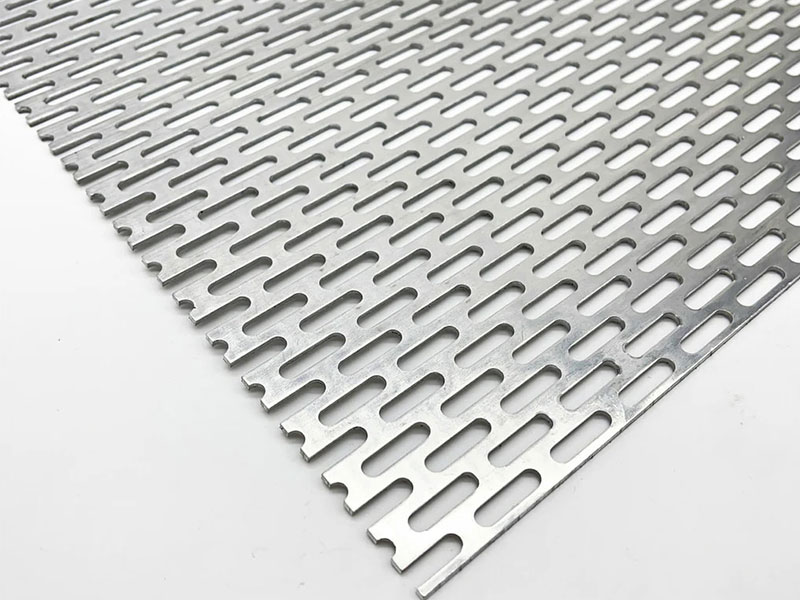
Marine perforated aluminum sheets
Marine Perforated Aluminum Sheets feature a series of uniform holes or shapes punched through the aluminum surface. These perforations can vary in size, pattern, and open area to tailor the sheets for specific applications.
View Details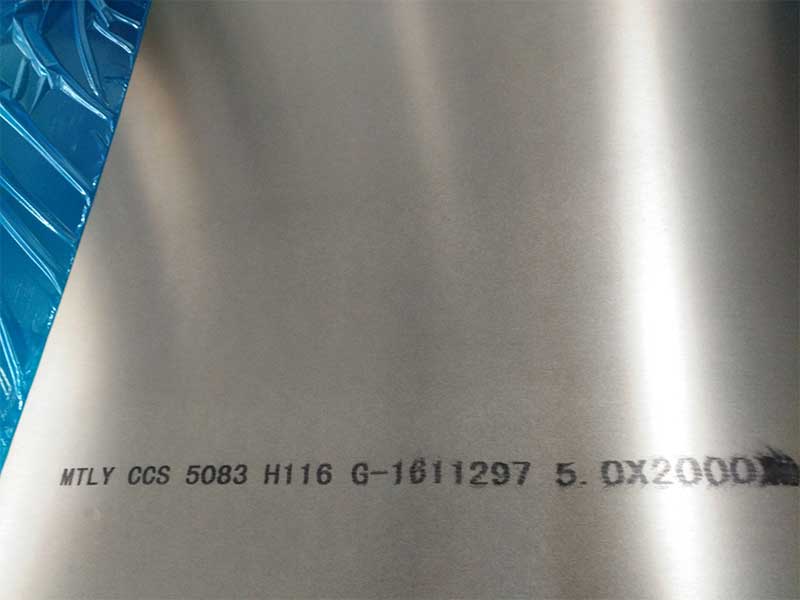
Marine 5083 aluminum sheet
Aluminum alloy 5083 is a non-heat-treatable alloy primarily composed of magnesium and trace elements that deliver outstanding protection against corrosion, particularly in seawater and saline atmospheres.
View Details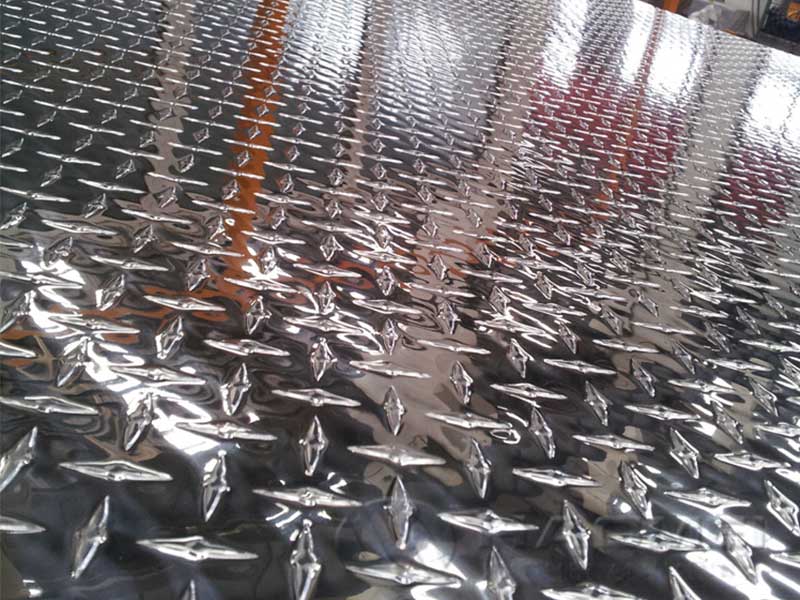
Marine Aluminum Tread Sheets
Marine Aluminum Tread Sheets are aluminum alloy plates featuring a raised surface pattern, commonly referred to as a tread design or diamond plate.
View Details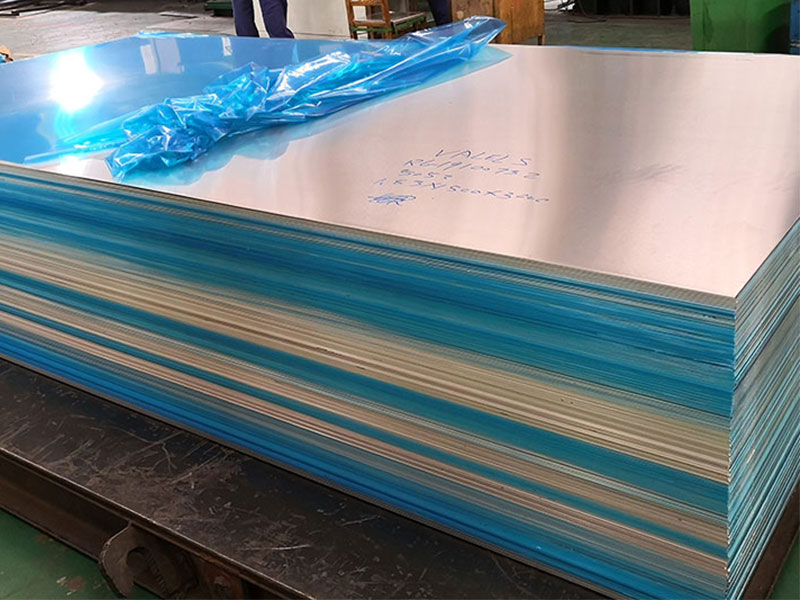
Marine 5059 aluminum sheet
5059 aluminum alloy is a strain-hardened material with a unique addition of magnesium and chromium, which provides outstanding resistance to localized corrosion like pitting and stress corrosion cracking.
View Details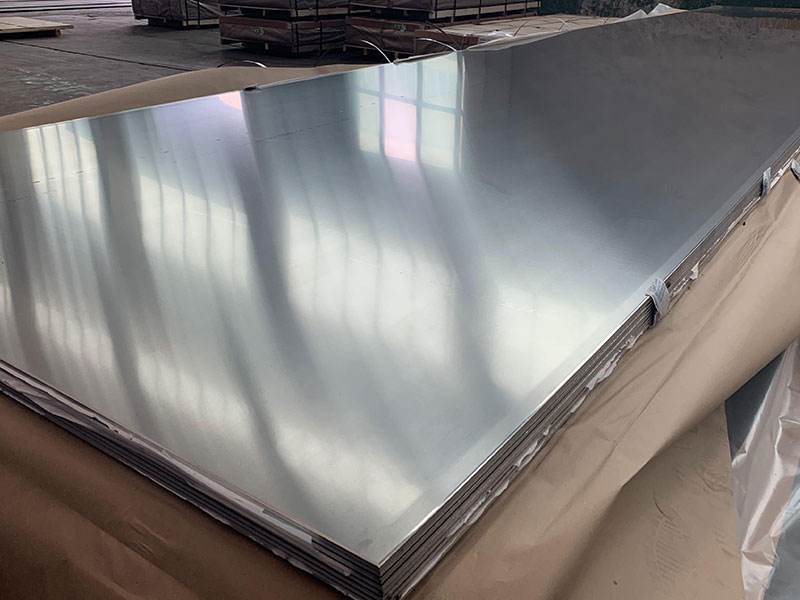
Marine 5086 aluminum sheet
This product article provides an in-depth and comprehensive understanding of Marine 5086 Aluminum Sheets, including their chemical composition, mechanical properties, corrosion resistance, fabrication capabilities, and typical marine applications.
View Details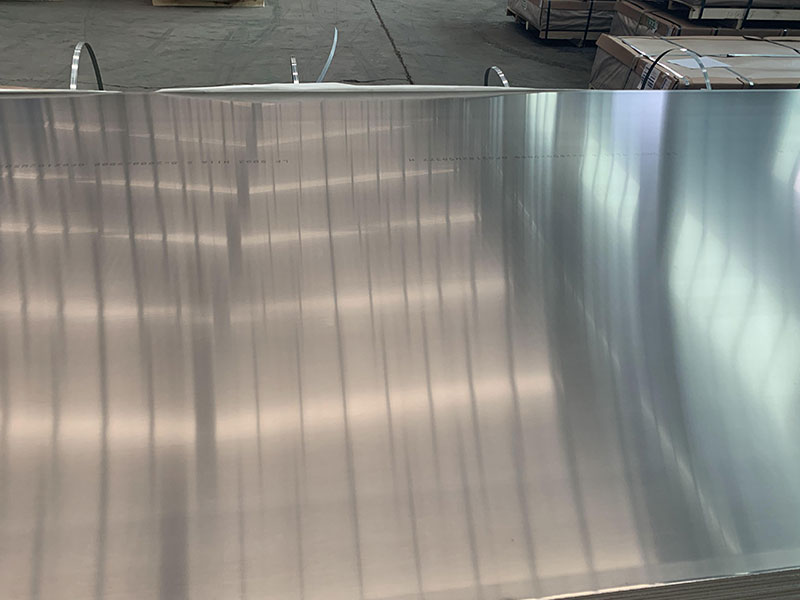
Marine 5383 aluminum sheet
5383 aluminum is a strain-hardened, non-heat-treatable alloy from the 5xxx series primarily alloyed with magnesium. It exhibits a unique balance of corrosion resistance and mechanical properties particularly suited for marine applications.
View DetailsRelated Blog
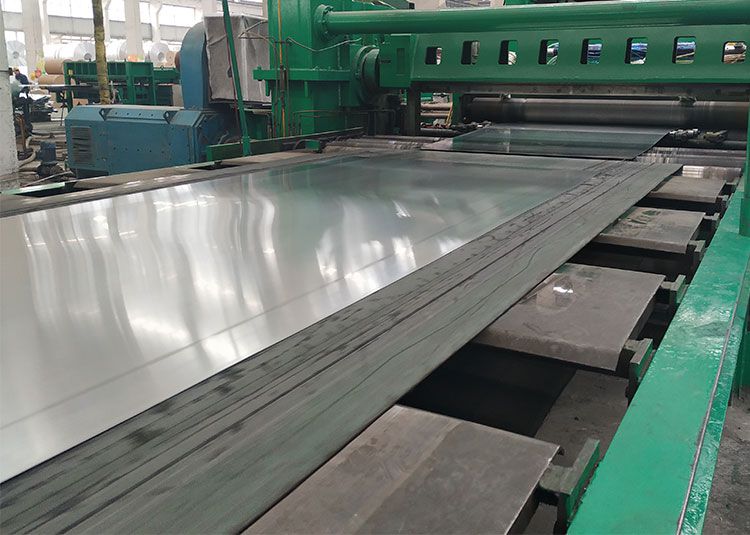
3mm Thickness 8x4 Aluminum Sheet 5083 For Boat
Marine builders choose materials that survive salt spray, wave impact, and years of cyclic loading without becoming a maintenance burden. 3mm thickness 8x4 aluminum sheet 5083 is a proven marine-grade plate/sheet option used worldwide for boat hulls.
View Details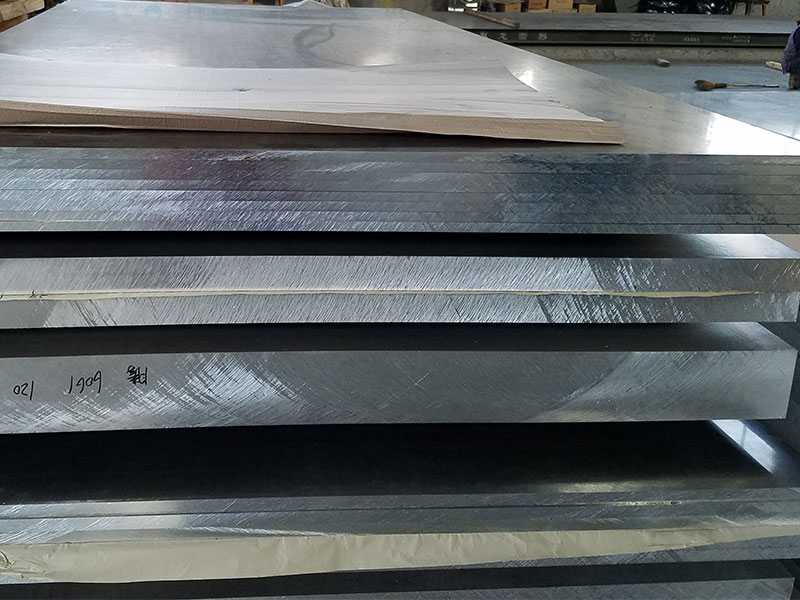
Marine aluminum 5083
In-depth insights into Marine Aluminum 5083, its chemical composition, mechanical properties, temper conditions, and why it stands as the premier alloy for marine and offshore structural applications.
View Details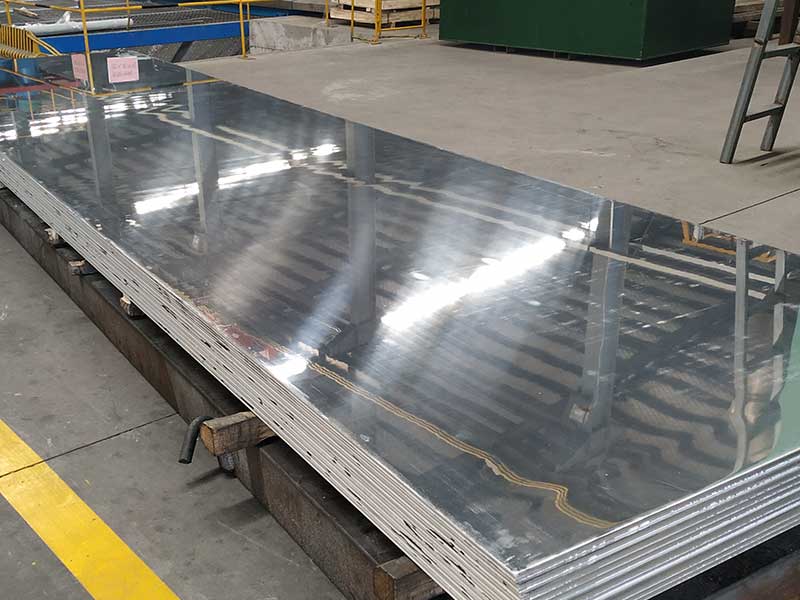
1mm to 8mm thick marine grade aluminum sheet 5083 h116
Marine environments punish materials in ways most industrial settings never will: salt spray, stagnant seawater, cyclic wet/dry exposure, and constant vibration.
View Details
Aluminum Sheet 5083 5086 5754 for Fishing Boat
Aluminum sheets 5083, 5086, and 5754 are widely recognized alloys in the marine industry, known for their excellent corrosion resistance, mechanical strength, and durability.
View Details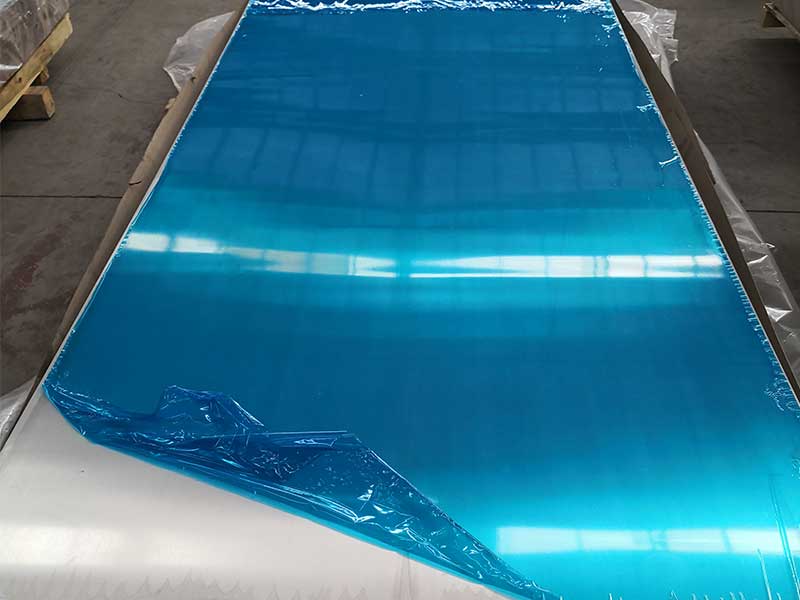
Marine grade aluminum sheet 5083 for ship building
Marine environments punish materials with salt spray, humidity, cyclic loads, and constant maintenance pressure.
View Details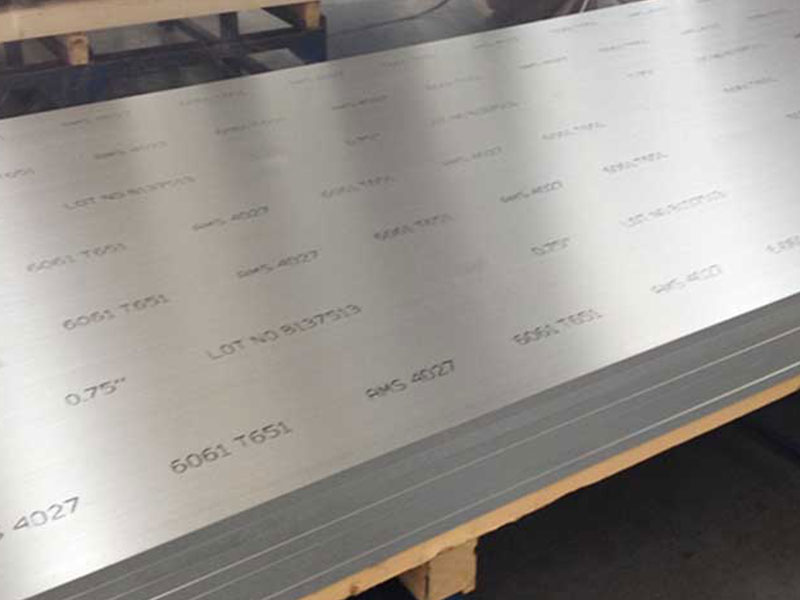
AntiCorrosion 5083 Aluminum Sheet for Marine
Superior corrosion resistance and high strength of AntiCorrosion 5083 Aluminum Sheets, specifically designed for marine applications. Learn detailed specifications, alloy tempering, mechanical properties, and implementation standards in this comprehensive
View Details
Leave a Message