
3D Marine Aluminum Pipe Elbow for Offshore Pipelines
The 3D marine aluminum pipe elbow is a critical component for modern offshore and subsea pipelines. Designed with a smooth, long-radius 3D bend (centerline radius ≈ 3 × pipe diameter), it ensures gentle flow direction changes, reduced pressure loss, and long-term corrosion resistance in harsh marine environments.
A 3D aluminum elbow is commonly used in:
- Offshore oil and gas production platforms
- Subsea flowlines and risers
- FPSO topside piping
- Desalination and seawater intake systems
- LNG terminals and coastal energy projects
Its combination of low weight, seawater corrosion resistance, and smooth internal flow profile makes it ideal for marine systems where steel components can be heavy and susceptible to corrosion.
Features at a Glance
| Feature | Description |
|---|---|
| Material | Marine-grade aluminum alloys (e.g., 5083, 6061, 6082, 5456) |
| Bend Type | 3D long-radius elbow (R ≈ 3D) |
| Corrosion Resistance | Excellent in seawater, chlorides, marine atmosphere |
| Weight | Around one-third the weight of steel, reducing total system mass |
| Weldability | Good weldability with compatible filler metals and proper procedures |
| Internal Surface | Smooth flow path, minimized turbulence and erosion |
| Operating Environment | Offshore topside, subsea (with suitable coatings / cathodic protection), splash zone |
| Customization | Multiple diameters, wall thicknesses, bevel types, and end preparations available |
| Standards / Compliance | Manufactured to ASTM, EN, or ISO-based dimensions & tolerances as specified by the customer |
Typical Alloy Options and Chemical Composition
Marine aluminum elbows are usually produced from non-heat-treatable 5xxx-series (Al–Mg–Mn) or heat-treatable 6xxx-series (Al–Mg–Si) alloys. Below is a reference composition table for commonly used grades:
| Alloy Grade | Si (max %) | Fe (max %) | Cu (max %) | Mn (%) | Mg (%) | Cr (%) | Zn (max %) | Ti (max %) | Others (max %) | Al (approx.) |
|---|---|---|---|---|---|---|---|---|---|---|
| 5083 | 0.40 | 0.40 | 0.10 | 0.40–1.00 | 4.0–4.9 | 0.05–0.25 | 0.25 | 0.15 | 0.15 total | Balance |
| 5456 | 0.25 | 0.40 | 0.10 | 0.50–1.0 | 4.7–5.5 | 0.05–0.20 | 0.25 | 0.20 | 0.15 total | Balance |
| 6061 | 0.40–0.80 | 0.70 | 0.15–0.40 | 0.15 | 0.80–1.20 | 0.04–0.35 | 0.25 | 0.15 | 0.15 total | Balance |
| 6082 | 0.70–1.30 | 0.50 | 0.10 | 0.40–1.0 | 0.60–1.20 | 0.25 | 0.20 | 0.10 | 0.15 total | Balance |
Note: Actual grades and limits are tailored to specific project standards and classification requirements.
Mechanical and Technical Specifications
Typical mechanical properties for finished elbows depend on the alloy and temper. The following table gives reference values:
| Alloy & Temper | Tensile Strength (MPa) | Yield Strength 0.2% (MPa) | Elongation (%) | Typical Hardness (HB) |
|---|---|---|---|---|
| 5083-O / H112 | 275–345 | 125–215 | 12–20 | 75–95 |
| 5083-H321 | 305–345 | 215–260 | 10–16 | 85–95 |
| 5456-H116 | 300–355 | 215–260 | 10–14 | 85–100 |
| 6061-T6 | 260–310 | 240–275 | 8–12 | 95–110 |
| 6082-T6 | 290–340 | 250–300 | 8–12 | 95–110 |
Dimensional and process-related parameters:
| Parameter | Typical Range / Option |
|---|---|
| Nominal Pipe Size (NPS) | DN 25 – DN 600 (larger sizes available on request) |
| Wall Thickness | Schedule 10 to Schedule 80 (or custom) |
| Bend Radius (3D) | R = 3 × nominal pipe diameter |
| Bend Angle | 22.5°, 30°, 45°, 60°, 90° (custom angles on request) |
| Manufacturing Process | Hot bending, mandrel bending, or induction bending |
| End Preparation | Plain end, beveled end, or custom machined ends |
| Surface Finish | Mill finish, shot-blasted, anodized, or coated as specified |
| Dimensional Tolerance | As per ASTM B16.9 / EN / project-specific bending tolerances |
| Pressure Class | Designed to project pressure / temperature specification |
Corrosion Performance in Marine Environments
Marine aluminum elbows are selected specifically for aggressive chloride and seawater exposure.
|------------------------------|------------------------------------------------------------------|| Immersed Seawater | Excellent, especially for 5xxx series with controlled Mg levels || Splash & Tidal Zone | Very good; may be combined with coating or sleeve protection || Atmospheric Marine Exposure | Very good, forms stable protective oxide layer || Galvanic Contact with Steel | Requires insulation or cathodic protection design || Pitting / Crevice Corrosion | Low risk with correct alloy, design, and welding practice |
Proper welding procedures, filler selection, and surface treatment are essential to preserve the corrosion resistance of the parent alloy.
Flow and Hydraulic Advantages of 3D Elbows
The 3D long-radius design significantly improves flow characteristics compared to short-radius elbows.
| Aspect | 3D Aluminum Elbow Benefit |
|---|---|
| Pressure Drop | Reduced pressure loss due to smoother directional changes |
| Flow Separation | Lower turbulence and minimized risk of cavitation |
| Erosion / Wear | Less impingement on outer curvature, extending service life |
| Pigging and Cleaning | Better passage for inspection tools and cleaning pigs |
The internal smoothness of aluminum and controlled bending process help maintain uniform wall thickness and consistent ID, ideal for high-efficiency offshore transport lines.
Lightweight Advantage and Structural Impact
Replacing steel elbows with marine aluminum can significantly lower overall topside weight.
| Parameter | Steel (Carbon) | Marine Aluminum (Typical) |
|---|---|---|
| Density (g/cm³) | ~7.85 | ~2.65 |
| Relative Weight | 100% | ~34% of steel |
| Handling & Installation | Requires heavier lifting | Easier to handle, lighter rigs |
| Structural Support Loads | Higher loads | Reduced load on supports |
In offshore projects, this weight saving reduces structural demands on modules, risers, and support frames, and can help optimize CAPEX and installation logistics.
Typical Applications in Offshore and Marine Projects
| Application Area | Example Uses |
|---|---|
| Offshore Production Platforms | Process lines, injection lines, utility water, drain systems |
| Subsea Flowlines | Gentle directional changes for multiphase or gas pipelines |
| Riser Systems | Transition bends between horizontal and vertical sections |
| FPSO and FLNG Topside | Cooling water, firewater, ballast, and utility piping |
| Desalination Plants | Seawater intake and outfall header elbows |
| Coastal Terminals | LNG, LPG, and product transfer lines in marine atmosphere |
| Naval & Shipbuilding | Seawater cooling, ballast and bilge systems |
In many of these applications, 3D aluminum elbows are selected where corrosion resistance, low weight, and smooth flow are equally important.
Joining, Welding, and Installation
| Aspect | Guideline / Advantage |
|---|---|
| Welding Method | TIG / GTAW or MIG / GMAW with suitable filler (e.g., 5356, 5183) |
| Fit-Up | Precision-formed 3D bend simplifies alignment |
| Preheat | Usually minimal or not required, depending on thickness |
| Post-Weld Treatment | Not typically required, but inspection and cleaning recommended |
| Flange Connections | Compatible with aluminum or insulated dissimilar flanges |
| NDT Options | Visual, radiographic, ultrasonic, or dye penetrant as required |
Properly executed welding preserves the mechanical and corrosion performance of the elbow, ensuring long-term reliability in critical lines such as firewater, injection water, or production headers.
Quality Control and Standards
| Quality Aspect | Typical Practice |
|---|---|
| Material Certification | Mill test certificates (EN 10204 3.1 or 3.2 on request) |
| Dimensional Inspection | Gauge / template checks, measurement of radius and ovality |
| Wall Thickness Control | Ultrasonic or mechanical measurement post-bending |
| Pressure / Leak Tests | Hydrostatic or pneumatic tests according to project spec |
| Surface Inspection | Visual for cracks, dents, surface defects |
| Documentation | Full traceability from alloy batch to finished component |
Compliance with relevant offshore and marine standards (such as ASTM, EN, ISO, DNV, ABS, or classification societies) can be provided according to project needs.
Why Choose 3D Marine Aluminum Elbows for Offshore Pipelines?
| Benefit Category | Project Advantage |
|---|---|
| Performance | Lower pressure drop, better flow, and extended service life |
| Corrosion Resistance | Excellent behavior in seawater and marine atmospheres |
| Weight Reduction | Significant savings in structural load and handling effort |
| Safety & Reliability | Predictable performance under offshore operating conditions |
| Flexibility | Wide range of sizes, angles, and custom configurations |
| Lifecycle Cost | Lower maintenance and longer intervals between replacements |
By combining marine-grade aluminum alloys with a 3D long-radius geometry, these elbows deliver a reliable, lightweight, and efficient solution for offshore and coastal pipeline systems where durability, flow efficiency, and corrosion resistance are essential.

Related Products
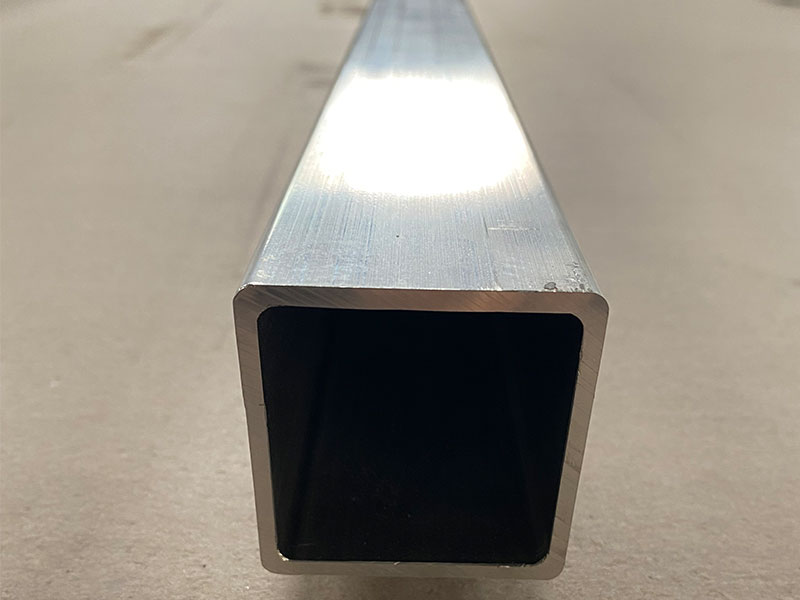
Marine aluminum square tubes
Marine Grade Aluminum Square Tubes are typically constructed from marine-grade alloys such as 5083, 5052, 6061, and 6082—well-known for their ability to withstand the aggressive effects of saltwater and marine atmospheres.
View Details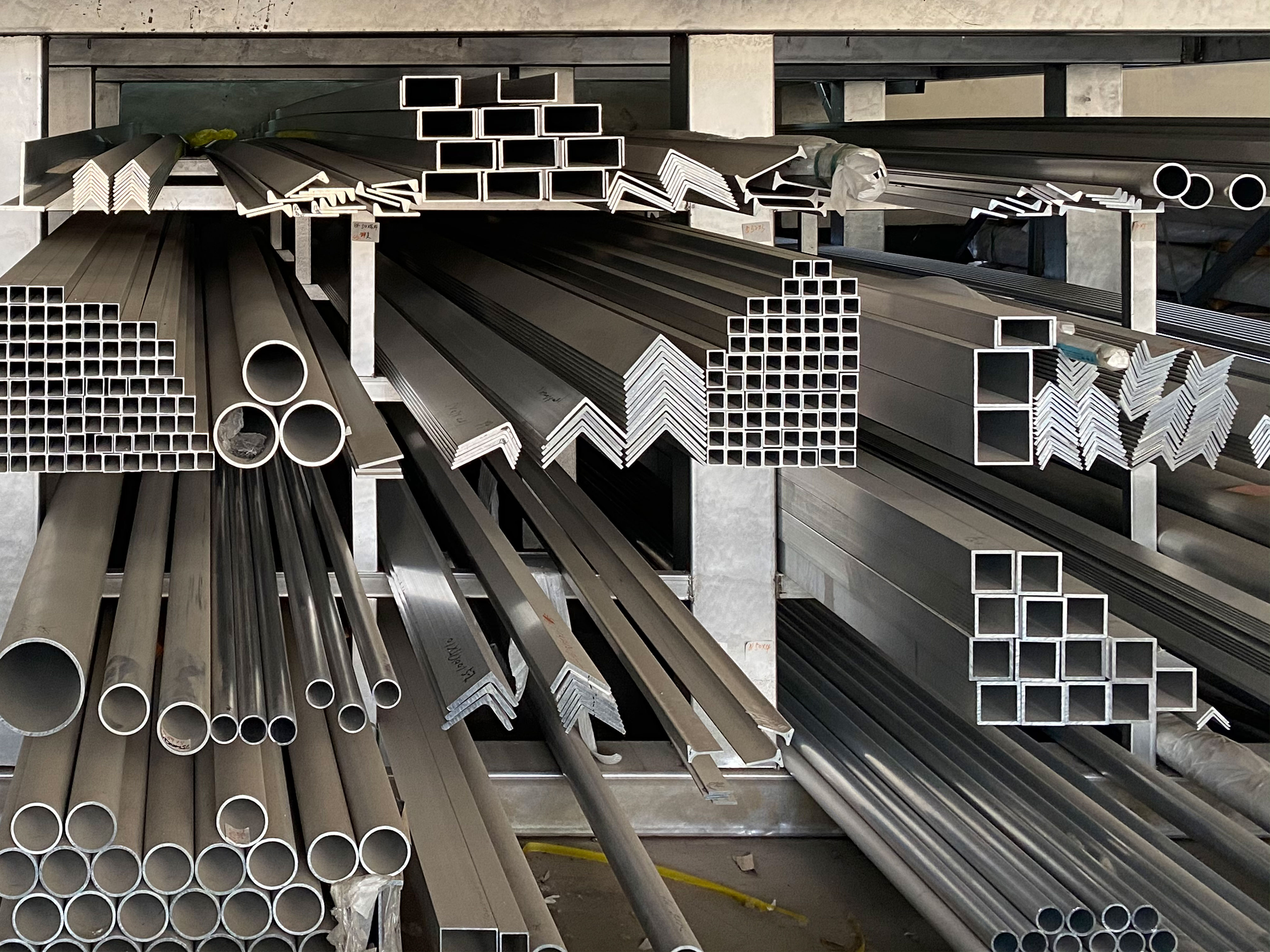
Custom marine aluminum profile tubes
Custom Marine Grade Aluminum Profile Tubes are manufactured from premium marine aluminum alloys such as 5083, 5052, 6061, and 6082.
View Details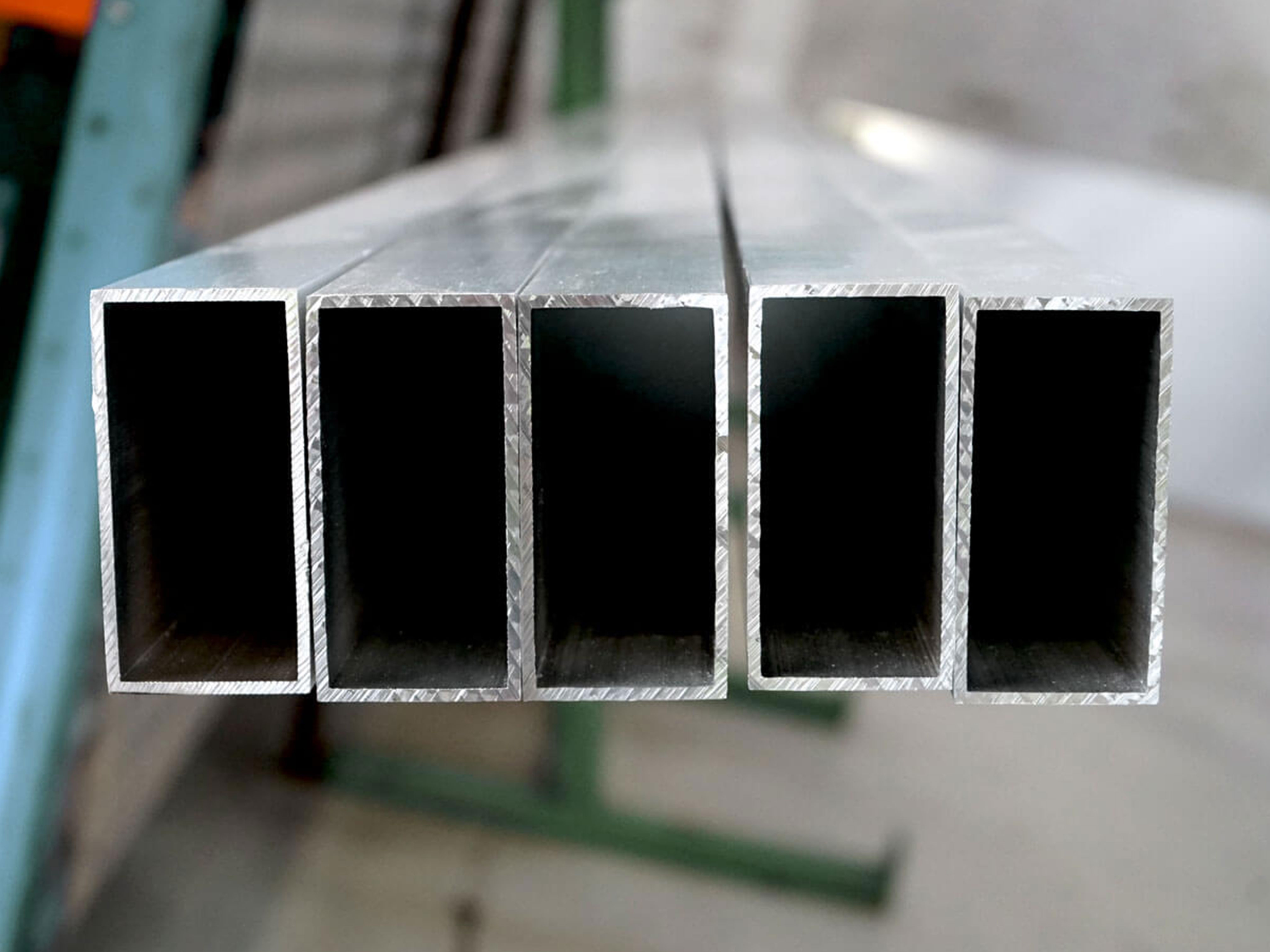
Marine aluminum rectangular tubes
Marine Grade Aluminum Rectangular Tubes are made from high-performance alloys such as 5083, 5052, 6061, and 6082. These alloys are renowned for their ability to resist corrosive seawater and marine atmospheres while providing excellent mechanical strength and toughness.
View Details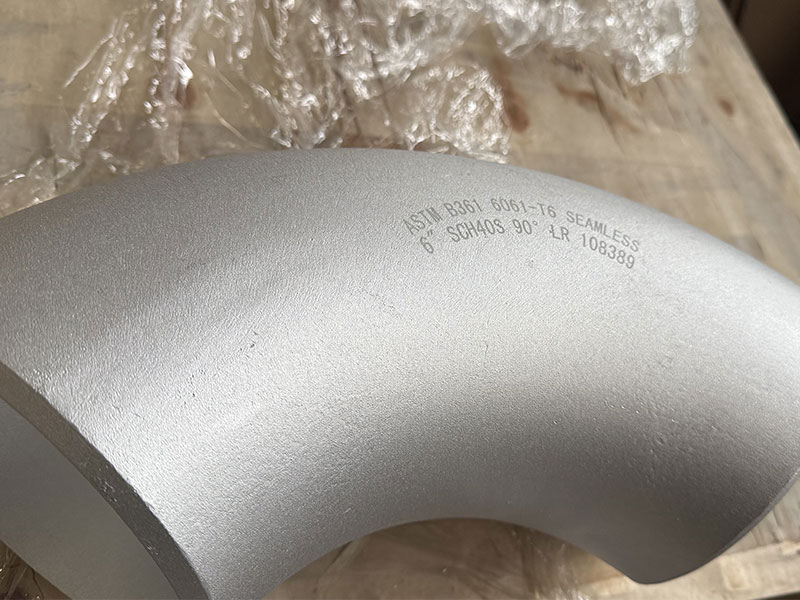
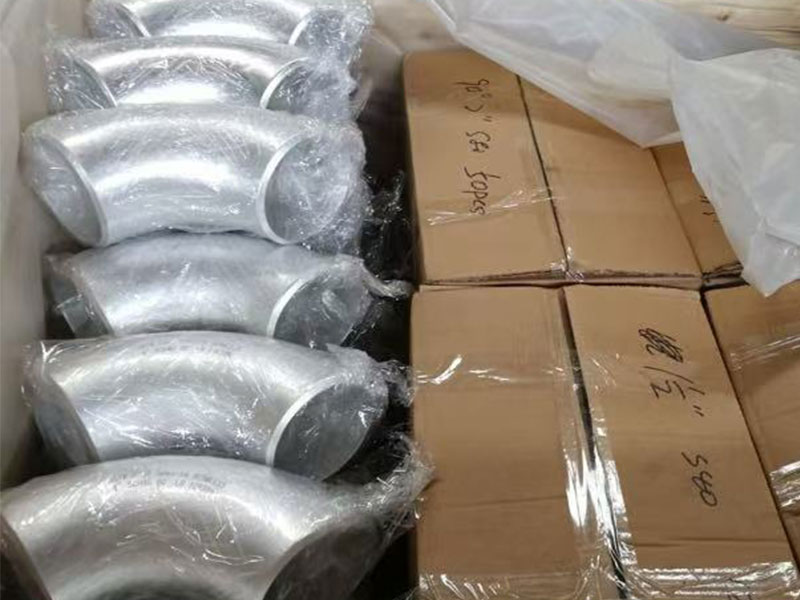
6061-T6 90-Degree Marine Aluminum Pipe Elbow
Manufactured from premium 6061-T6 marine-grade aluminum alloy, this elbow fitting is engineered to provide reliable and efficient pipe direction changes within shipbuilding, offshore platforms, and marine infrastructure systems.
View Details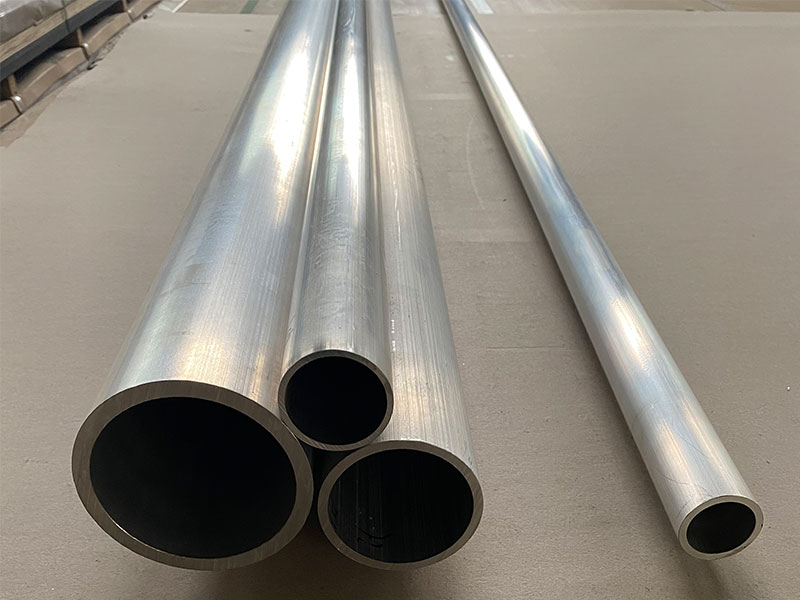
Marine aluminum round tubes
Marine Grade Aluminum Round Tubes are manufactured from premium marine alloys such as 5083, 5052, 6061, and 6082, all selected for their proven resistance to seawater corrosion and marine atmosphere degradation.
View DetailsRelated Blog
Marine Aluminum Elbow for Saltwater Intake and Pumping Systems
Our Marine Aluminum Elbow designed specifically for saltwater intake and pumping systems—engineered for maximum corrosion resistance, durability, and strength in harsh marine environments.
View Details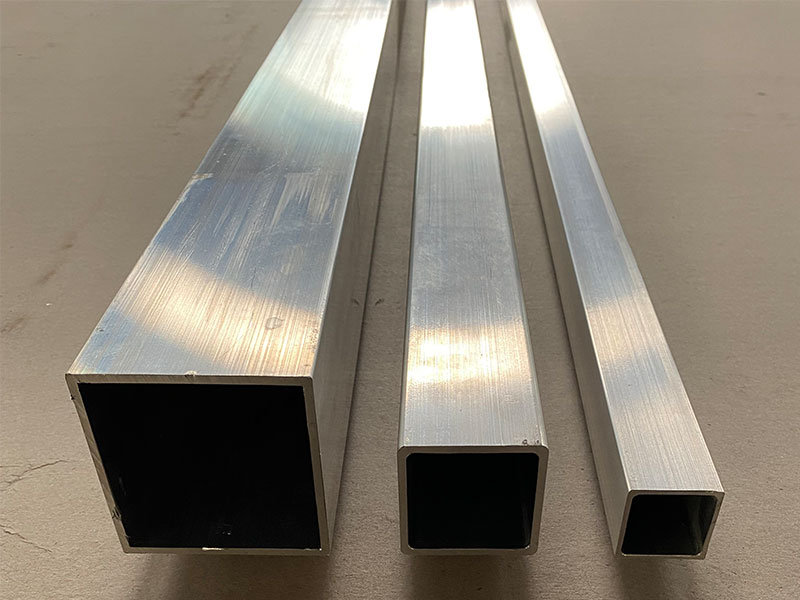
5052 Marine Aluminum Tubes for Heavy Duty Marine Applications
When durability, corrosion resistance, and strength are paramount in marine environments, 5052 aluminum alloy tubes is know as the premium choice. Specifically engineered to meet the demanding specifications of heavy-duty marine applications.
View Details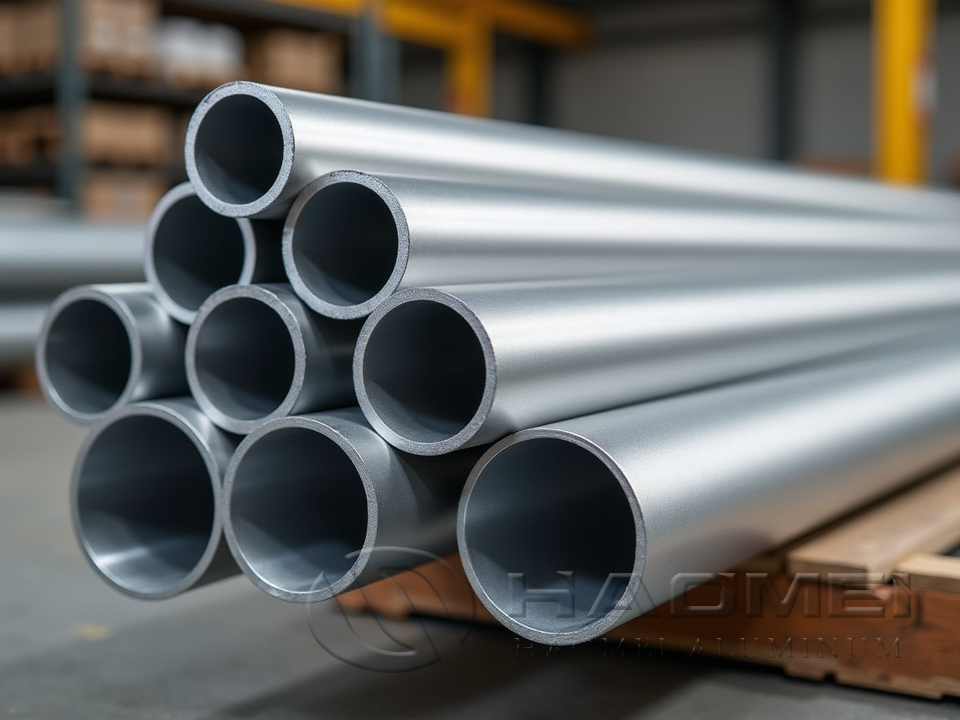
Marine Aluminum Elbow for Waste Gas Venting on Offshore Rigs
Marine aluminum elbow for offshore rig waste gas venting, covering functions, alloys, standards, specs, corrosion resistance, and installation data.
View Details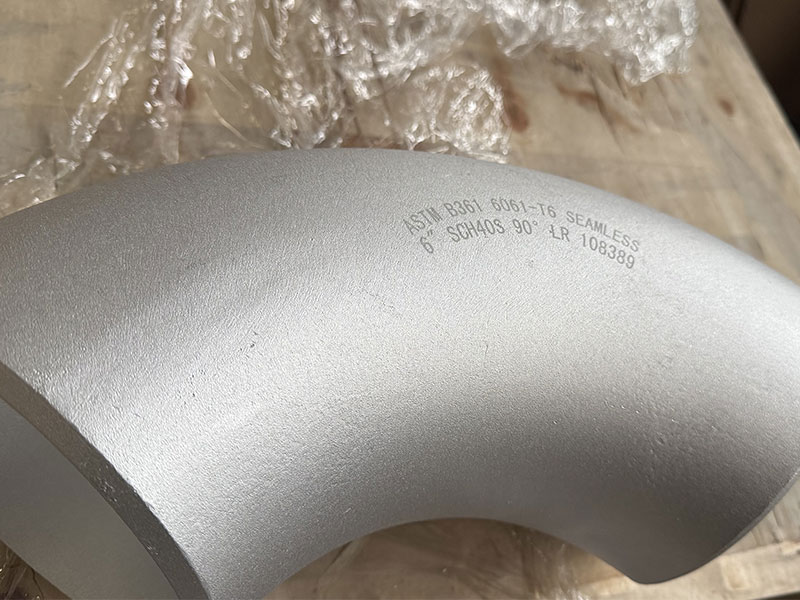
Marine Aluminum Elbow for Fuel System Installations
When it comes to designing and installing fuel systems in marine environments, using the right materials is paramount. Among these materials, Marine Aluminum Elbows is know due to their remarkable properties and advantages.
View Details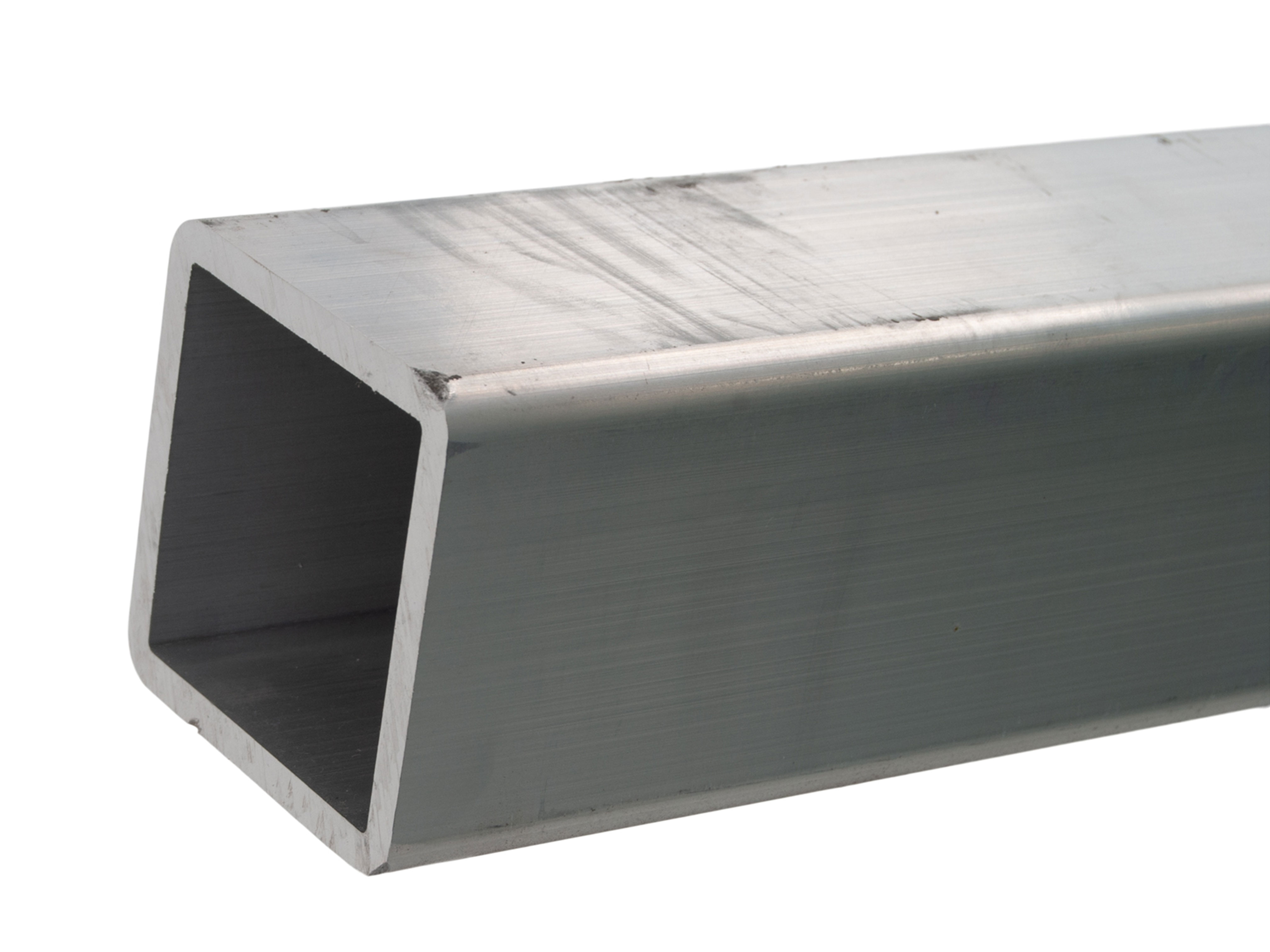
6061 Marine Aluminum Tubes for Heavy Marine Frame Reinforcements
6061 marine aluminum tubes are a workhorse choice for heavy marine frame reinforcements where strength, weldability, and corrosion resistance must coexist in one practical material.
View Details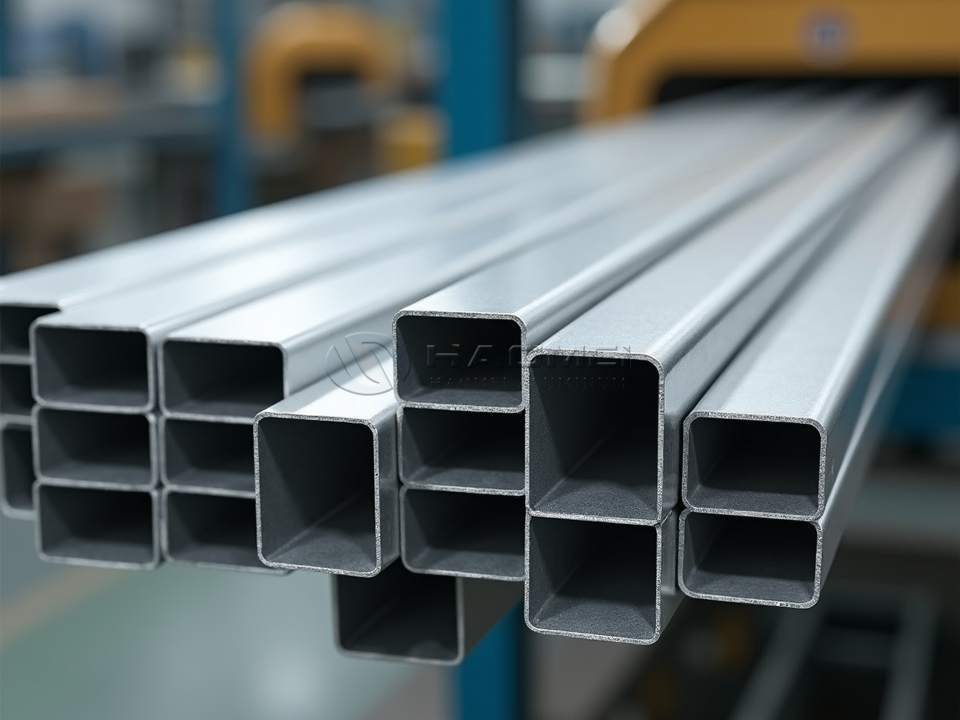
Aluminum Elbow for Offshore Liquid and Gas Separation Systems
Explore aluminum elbows for offshore liquid and gas separation systems, including alloys, dimensions, corrosion control, standards, fabrication, and use.
View Details
Leave a Message