
Anti-Corrosion Anodizing 5083 Alloy Aluminum Coil for Electric Boat Construction
Electric boats operate in one of the most demanding corrosion environments on earth: a wet, oxygen-rich, salt-contaminated atmosphere with constant abrasion, vibration, and stray electrical currents. Anti-corrosion anodized 5083 alloy aluminum coil is designed to meet that reality-combining the proven marine durability of AA5083 with a controlled anodic oxide layer that improves surface stability, coating adhesion, and long-term appearance.
This product is supplied in coil form for efficient fabrication of hull skins, deck panels, bulkheads, battery enclosures, and interior structural parts where lightweight strength and seawater resistance are essential.
Why 5083 for Electric Boats
AA5083 (Al-Mg-Mn) is a classic marine alloy because it offers:
- Excellent resistance to seawater and salt spray, especially compared with many heat-treatable alloys
- High strength in non-heat-treatable aluminum, achieved through magnesium alloying and strain hardening
- Reliable weldability for hull and structural assemblies (MIG/TIG), with good retention of properties in the heat-affected zone
- Good formability when specified in appropriate tempers, enabling rolling, bending, and press forming from coil
For electric boats, the alloy's corrosion behavior and weld performance are particularly valuable because electric propulsion systems often bring high humidity, condensation cycles, and electrical potential differences into the same compartment.
What Anti-Corrosion Anodizing Adds
Anodizing is an electrochemical conversion that grows a dense, adherent aluminum oxide layer on the surface. On 5083, the anodic film offers meaningful benefits for marine electric craft:
- Barrier protection against splash zones and humid bilges
- Improved paint and sealant adhesion for long-life coating stacks
- Reduced staining and surface pitting in atmospheric marine exposure
- Enhanced abrasion resistance for high-traffic and contact surfaces
- Cleaner, more consistent appearance for visible interior panels
Practical note: 5083 contains magnesium, and anodized appearance can vary slightly by batch and finishing sequence. For cosmetic-critical surfaces, define surface class and acceptance criteria at ordering.
Typical Chemical Composition (AA5083)
Composition strongly influences marine corrosion performance, weldability, and achievable strength. The following table shows typical limits for 5083 (common industry ranges; final certification per mill test report).
| Element | Content (wt%) |
|---|---|
| Magnesium (Mg) | 4.0 – 4.9 |
| Manganese (Mn) | 0.4 – 1.0 |
| Chromium (Cr) | 0.05 – 0.25 |
| Silicon (Si) | ≤ 0.40 |
| Iron (Fe) | ≤ 0.40 |
| Copper (Cu) | ≤ 0.10 |
| Zinc (Zn) | ≤ 0.25 |
| Titanium (Ti) | ≤ 0.15 |
| Aluminum (Al) | Balance |
Anti-corrosion anodized 5083 coil is typically specified for marine plate-to-coil processing where customers want high throughput and consistent surface quality for CNC cutting, roll forming, bending, or stamping.
Common Supply Range (Coil)
| Parameter | Typical Range / Options |
|---|---|
| Alloy | 5083 |
| Temper (common) | H111, H112, H116, H321 (availability depends on thickness and mill route) |
| Thickness | 0.8 – 6.0 mm (other ranges on request) |
| Width | 500 – 2200 mm |
| Inner diameter (ID) | 508 / 610 mm (common) |
| Surface finish | Mill finish + anodized, or pretreated + anodized (as specified) |
| Anodizing type | Sulfuric anodizing (typical), sealed for corrosion resistance |
| Film thickness (anodic layer) | 5 – 25 μm (typical range; define per application) |
| Color | Natural/silver (standard), dyed colors by request |
Mechanical Performance (Typical for Marine Tempers)
Strength depends on temper and thickness. Values below are typical for reference and should be confirmed by inspection standards and test certificates for your order.
| Property | Typical Range (5083 marine tempers) |
|---|---|
| Tensile strength, Rm | 290 – 360 MPa |
| Yield strength, Rp0.2 | 145 – 260 MPa |
| Elongation, A50 | 10 – 18% |
| Density | ~2.66 g/cm³ |
| Elastic modulus | ~70 GPa |
Corrosion and Electrochemical Considerations in Electric Boats
Electric boat construction introduces corrosion drivers beyond "normal" marine exposure:
- Galvanic coupling with stainless fasteners, copper conductors, and carbon components
- Crevice environments under brackets, battery trays, and insulation pads
- Stray current corrosion from grounding faults, shore-power connections, and DC systems
- Condensation cycling in sealed compartments around batteries and inverters
An anodized film helps as a surface barrier, but long-life performance depends on system design. For best results, projects commonly pair anodized 5083 with:
| Design / Process Choice | Benefit |
|---|---|
| Sealed anodizing + compatible marine primer/topcoat | Extends protection in splash zones and UV exposure |
| Insulating washers/bushings for dissimilar-metal joints | Reduces galvanic driving force |
| Proper drainage + ventilation paths | Minimizes time-of-wetness and crevice attack |
| Controlled bonding/grounding strategy | Reduces stray current risk |
| Sealants at lap joints and penetrations | Limits crevice corrosion initiation |
Fabrication Advantages from Coil
Coil supply is not just logistics-it changes how efficiently boat components are made.
| Fabrication Step | Value of Coil-Based Anodized 5083 |
|---|---|
| CNC nesting and cutting | High yield from consistent width and flatness control |
| Roll forming and bending | Stable alloy with repeatable behavior in suitable tempers |
| Panel production | Uniform surface aids consistent coating appearance and adhesion |
| Lightweight structure | Allows designers to add stiffness via geometry rather than mass |
| Welding preparation | 5083 weldability supports long seam welds and structural joints |
Process note: anodized layers are typically removed or locally treated at weld zones to ensure weld quality and reduce contamination. Define welding and surface rework procedures during production planning.
Applications in Electric Boat Construction
Anti-corrosion anodized 5083 coil is selected for parts that must stay stable in wet environments while supporting modern electric propulsion packaging.
Hull and Deck Components
| Component | Why This Material Works |
|---|---|
| Hull skins and side panels | Marine-grade corrosion resistance + high specific strength |
| Deck panels and superstructure skins | Good stiffness-to-weight; anodized surface improves coating life |
| Splash zone reinforcements | Better resistance to salt deposits and intermittent immersion |
Battery and Powertrain Areas
| Component | Performance Need |
|---|---|
| Battery enclosure skins and trays (non-cell-contact surfaces) | Corrosion resistance in humid, warm compartments |
| Motor/inverter compartment panels | Reduced staining; improved cleanability |
| Service access covers | Wear resistance and appearance stability |
Interior and Utility Structures
| Component | Benefit |
|---|---|
| Bulkheads and partitions | Lightweight rigidity; easy fabrication from coil |
| Seat bases and storage modules | Corrosion resistance in wet gear areas |
| Cable raceway covers and protective panels | Durable surface that tolerates handling and abrasion |
Recommended Ordering Information (To Avoid Ambiguity)
Clear specifications speed up production and ensure the surface meets marine expectations.
| Item to Specify | Typical Options |
|---|---|
| Standard | ASTM/EN/JIS (as required by project) |
| Temper | H111/H112 for forming; H116/H321 for marine strength-corrosion balance |
| Anodic film thickness | 10 μm (interior) or 15–25 μm (higher exposure) as a common guide |
| Sealing | Hot water seal or nickel acetate seal (project-dependent) |
| Surface class | Cosmetic side identification, allowable color variation, roughness target |
| Protection | Interleaf paper/film, edge protection, coil wrap for transport |
Anti-Corrosion Anodizing 5083 Alloy Aluminum Coil is a fast-to-process, marine-proven material choice for electric boat builders who need lightweight strength, seawater durability, and surface stability that supports long coating life and clean finishes. From hull panels to battery-compartment structures, it helps designers reduce mass without compromising the harsh-environment reliability that modern electric craft demand.

Related Products
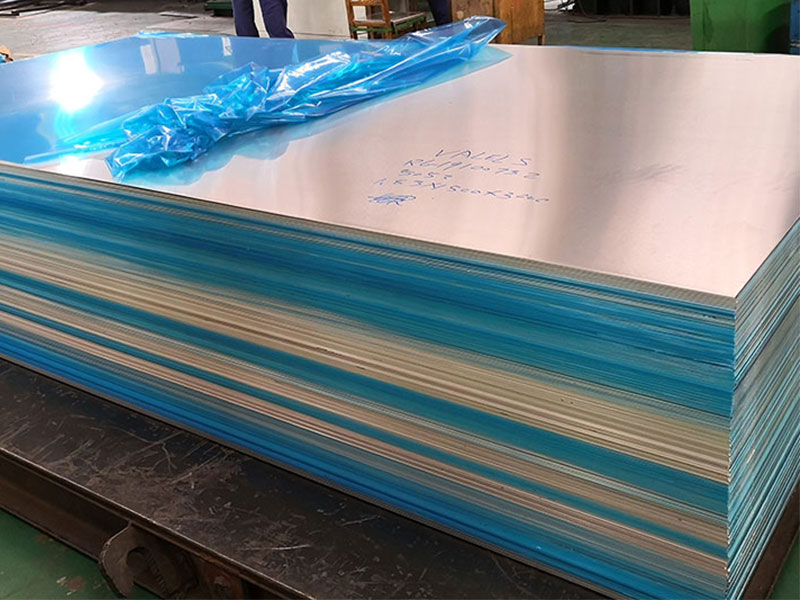
Marine 5059 aluminum sheet
5059 aluminum alloy is a strain-hardened material with a unique addition of magnesium and chromium, which provides outstanding resistance to localized corrosion like pitting and stress corrosion cracking.
View Details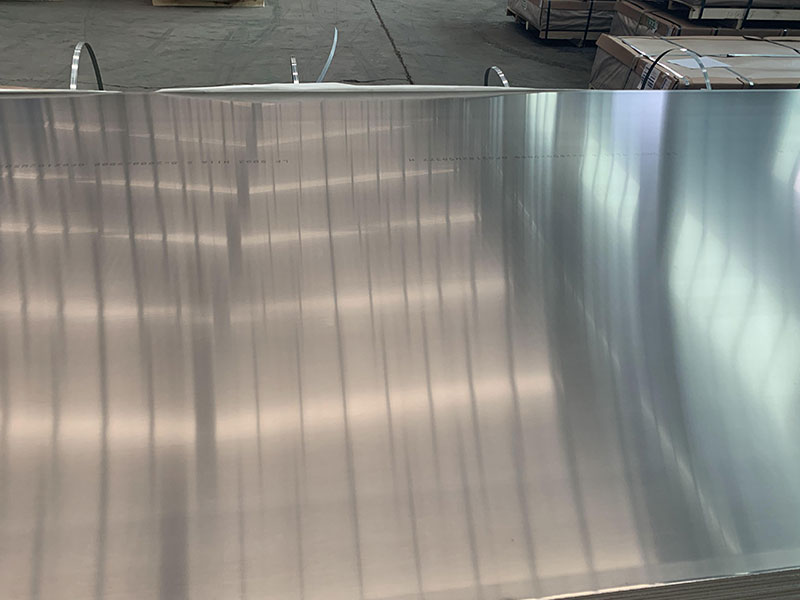
Marine 5383 aluminum sheet
5383 aluminum is a strain-hardened, non-heat-treatable alloy from the 5xxx series primarily alloyed with magnesium. It exhibits a unique balance of corrosion resistance and mechanical properties particularly suited for marine applications.
View Details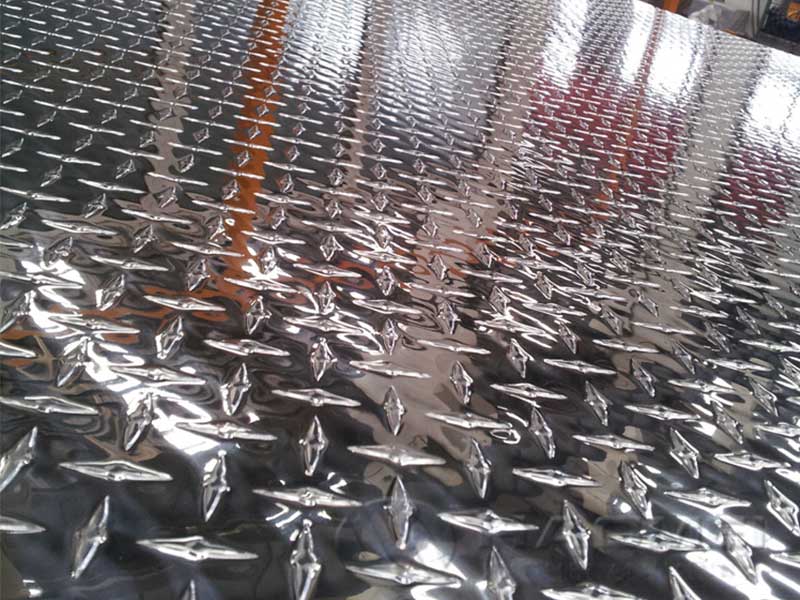
Marine Aluminum Tread Sheets
Marine Aluminum Tread Sheets are aluminum alloy plates featuring a raised surface pattern, commonly referred to as a tread design or diamond plate.
View Details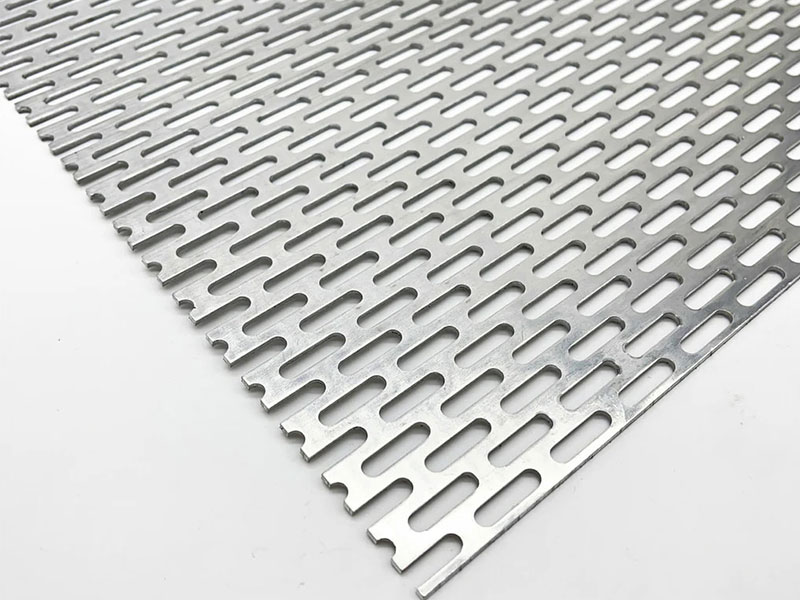
Marine perforated aluminum sheets
Marine Perforated Aluminum Sheets feature a series of uniform holes or shapes punched through the aluminum surface. These perforations can vary in size, pattern, and open area to tailor the sheets for specific applications.
View Details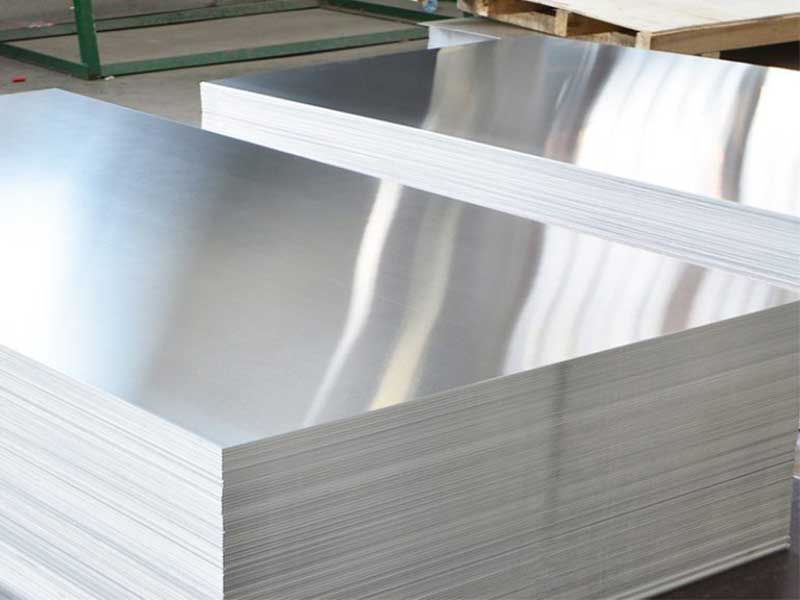
Marine anodized aluminum sheets
Marine Anodized Aluminum Sheets start with premium marine-grade aluminum alloys such as 5000 and 6000 series (typically 5083, 5052, and 6061).
View Details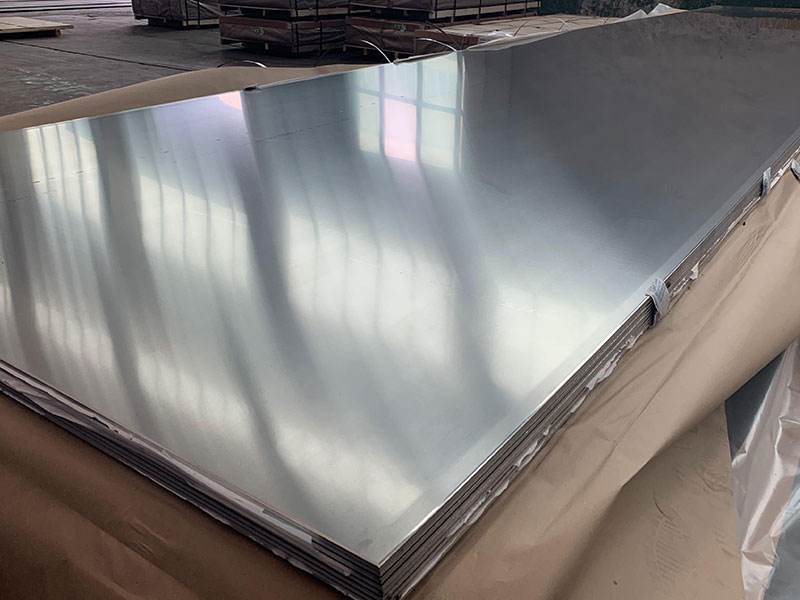
Marine 5086 aluminum sheet
This product article provides an in-depth and comprehensive understanding of Marine 5086 Aluminum Sheets, including their chemical composition, mechanical properties, corrosion resistance, fabrication capabilities, and typical marine applications.
View DetailsRelated Blog
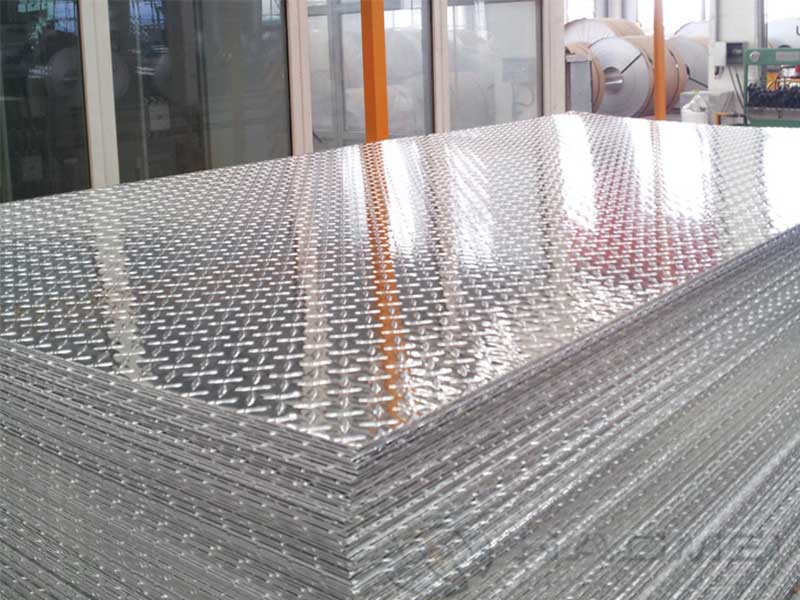
4mm thick 8x4 feet alloy 5083 aluminum sheet for ships
4mm Thick 8x4 Feet Alloy 5083 Aluminum Sheet for ShipsA Technical Deep Dive from the Hulls Perspective When naval architects choose a material for modern ship hulls, they are not just comparing alloys on paper.
View Details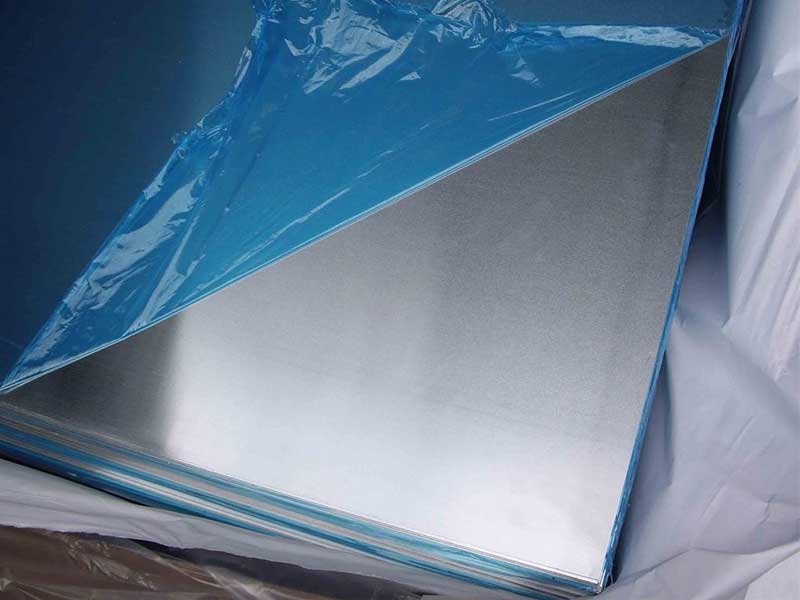
ASTM B209 aluminum sheet 5083 for ship
ASTM B209 Aluminum Sheet 5083 for Shipbuilding: A Functional View from the Waterline Up When ship designers choose materials, they are not just selecting metal; they are choosing how a vessel behaves at sea over decades.
View Details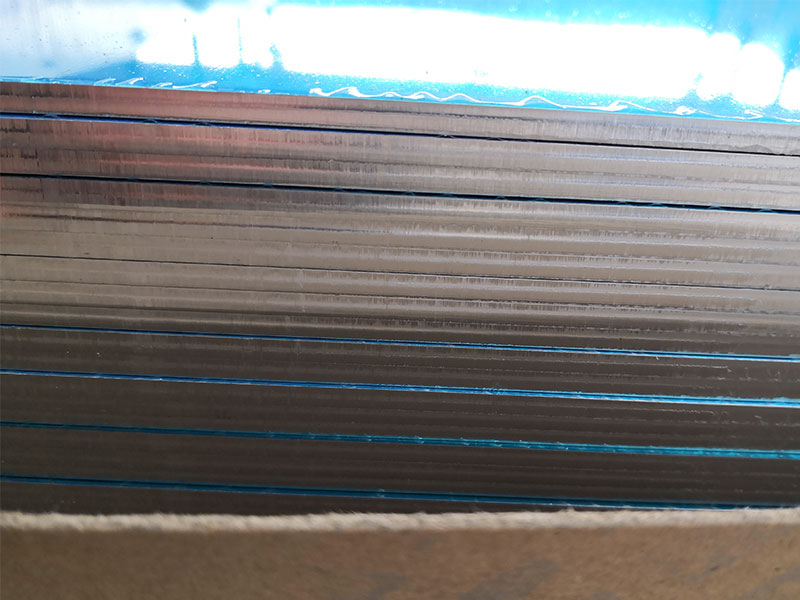
Aluminum Sheet for Boat 5083 H111 H112 H116 H32
The Aluminum Sheet 5083 series is notably recognized in marine and industrial applications, particularly aluminum sheets used for boat construction. Among the temper designations, H111, H112, H116.
View Details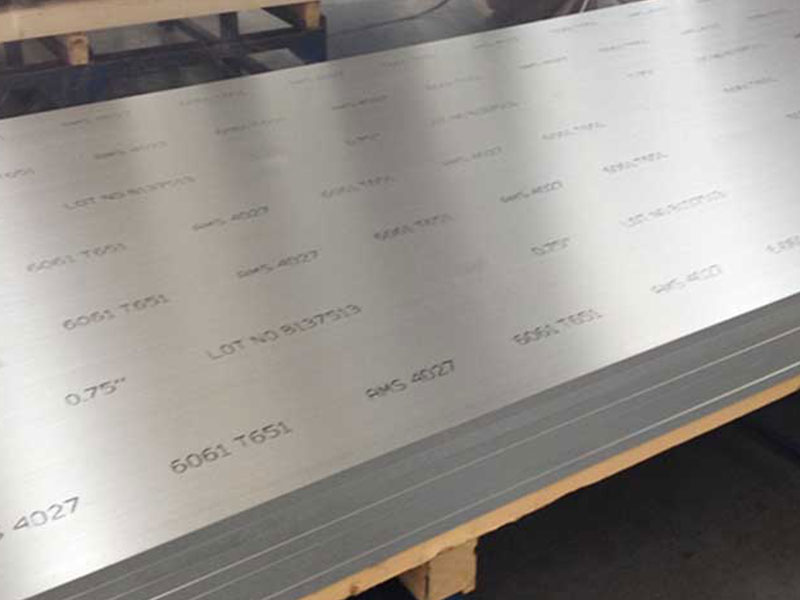
5083 H116 H321 Aluminum sheet for Ship or boat 5083
When it comes to marine applications, having sturdy and corrosion-resistant materials is essential for durability and safety. Aluminum, specifically the alloy grades 5083 in temper states H116 and H321.
View Details
AntiCorrosion 5083 Aluminum Sheet for Marine
Superior corrosion resistance and high strength of AntiCorrosion 5083 Aluminum Sheets, specifically designed for marine applications. Learn detailed specifications, alloy tempering, mechanical properties, and implementation standards in this comprehensive
View Details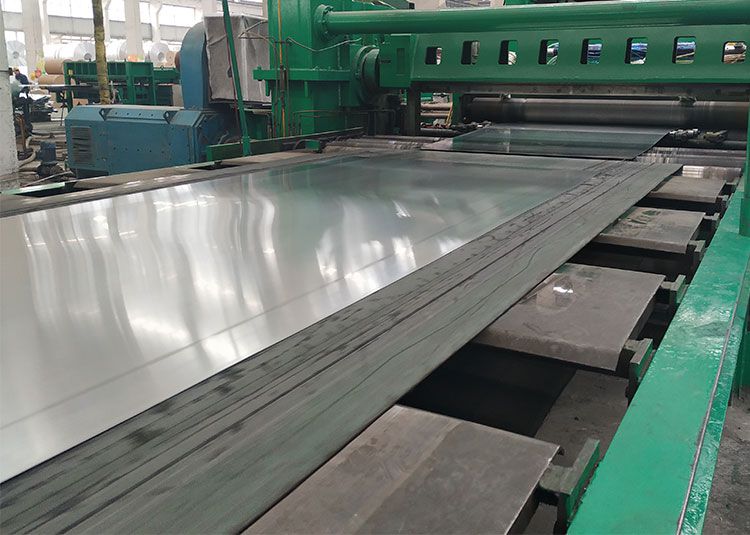
Aluminum sheet for boat 5083 5052 5754
When selecting aluminum sheets for marine applications, particularly boats, alloy choice plays a vital role in ensuring durability, corrosion resistance, and mechanical strength.
View Details
Leave a Message