
Aluminum Elbow for Offshore Offshore Emergency Water Systems
An aluminum elbow for offshore offshore emergency water systems is a directional pipe fitting engineered to turn water lines without adding unnecessary weight to a platform, vessel, FPSO, or offshore support structure. In emergency-water networks, every fitting must support dependable flow to wash-down points, deluge branches, utility stations, lifesaving equipment, and non-fire-critical emergency service lines.
Marine-grade aluminum elbows combine practical corrosion resistance with fast handling during fabrication and installation. They are particularly valuable where steel piping weight, difficult access, or atmospheric corrosion can increase project cost and maintenance exposure. Available in 45-degree, 90-degree, and custom-angle configurations, these elbows can be supplied with welded ends, plain ends, flanged ends, or project-specific connections.
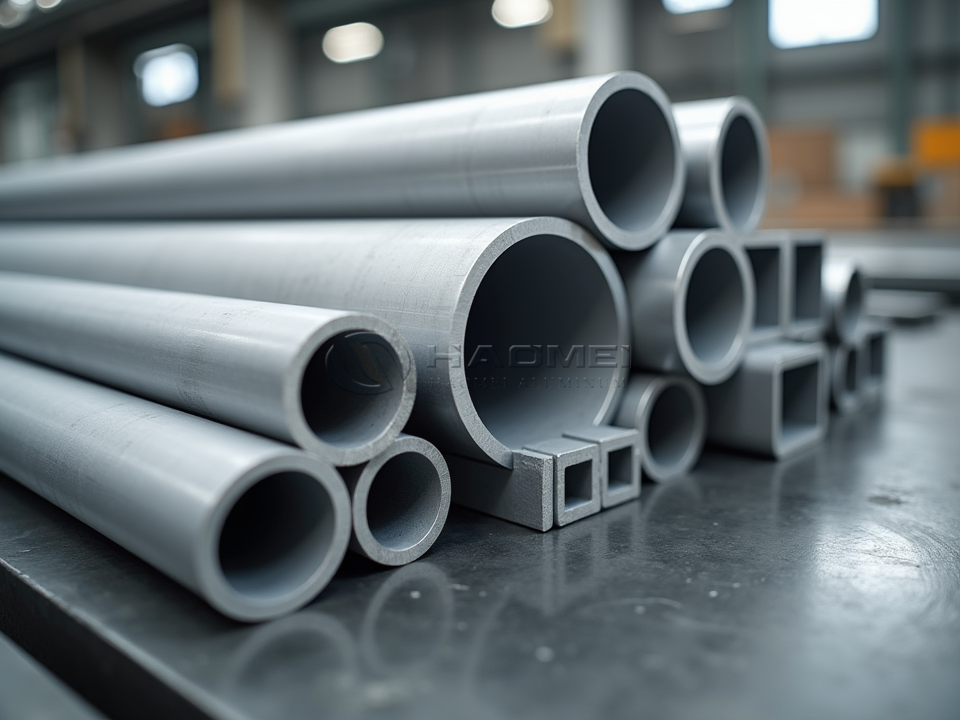
Built for Demanding Offshore Water Routing
Emergency-water piping rarely follows a straight route. Lines must pass around structural members, machinery foundations, bulkheads, cable trays, and access paths while retaining suitable flow characteristics. A properly formed aluminum elbow creates a controlled direction change with a smooth internal passage, helping reduce turbulence and localized pressure loss compared with sharply fabricated mitre joints.
For exposed offshore areas, aluminum alloys form a natural oxide film that provides a valuable first barrier against marine atmosphere. Alloy selection, weld procedure, insulation from dissimilar metals, and drainage design remain essential, especially in permanently wet, stagnant, or chloride-rich locations.
| Product characteristic | Customer value |
|---|---|
| Low density | Reduces suspended piping load and support demand |
| Corrosion-resistant marine alloys | Helps limit atmospheric corrosion and repainting needs |
| Smooth-radius flow path | Supports efficient water movement through direction changes |
| Weldable construction | Allows integration into fabricated piping spools |
| Custom dimensions | Matches established pipe sizes, routing constraints, and connection details |
| Non-magnetic material | Suitable where magnetic interference must be minimized |
Typical Offshore Applications
These elbows are used in seawater, fresh-water, treated-water, and utility-water systems where aluminum is approved by the project specification and applicable marine rules. Common installations include emergency wash-down circuits, deck cleaning lines, accommodation utility water lines, evacuation-area wash points, splash-zone drainage branches, and auxiliary water distribution piping.
They can also be paired with Marine Grade Aluminum Tubing to create lightweight prefabricated spool assemblies for modules, topsides, and marine vessels. For standard right-angle route changes, the 6061-T6 90-Degree Marine Aluminum Pipe Elbow is an appropriate option when its alloy condition and corrosion-control provisions meet the operating environment.
| Use case | Elbow role | Typical design consideration |
|---|---|---|
| Emergency wash-down line | Directs water around deck structures | Maintain accessible drain points |
| Deluge support piping | Routes branches to equipment zones | Confirm pressure rating and support spacing |
| Lifeboat station water service | Connects compact piping runs | Protect against impact and vibration |
| Accommodation utility water | Passes through confined modules | Select low-profile bend geometry |
| Offshore skid package | Completes prefabricated piping spools | Match flange, weld-end, or coupling standard |
| Drain and non-potable water lines | Changes direction near bulkheads | Avoid stagnant pockets where possible |
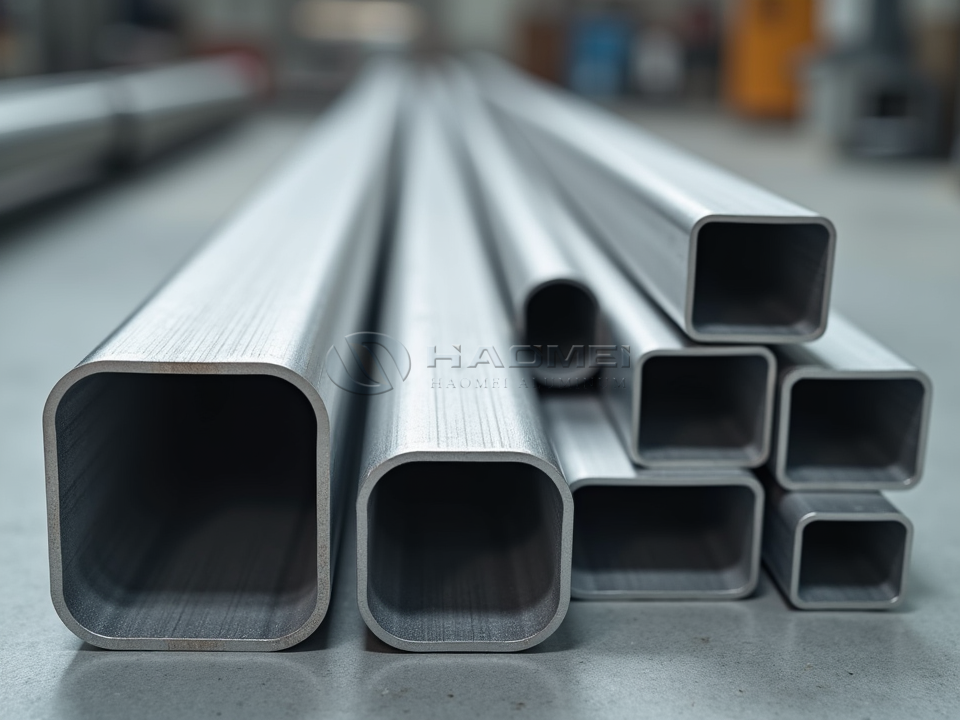
Material Options and Chemical Composition
Alloy choice depends on water chemistry, service temperature, welding requirements, pressure class, and corrosion-management plan. For welded seawater-exposed piping, 5xxx-series alloys such as 5083 and 5086 are frequently preferred for their marine corrosion behavior. Heat-treatable 6061-T6 can offer higher strength in selected applications, but requires careful attention to heat-affected-zone properties and galvanic isolation.
| Alloy | Si | Fe | Cu | Mn | Mg | Cr | Zn | Ti | Al |
|---|---|---|---|---|---|---|---|---|---|
| 5083 | 0.40 max | 0.40 max | 0.10 max | 0.40-1.00 | 4.0-4.9 | 0.05-0.25 | 0.25 max | 0.15 max | Balance |
| 5086 | 0.40 max | 0.50 max | 0.10 max | 0.20-0.70 | 3.5-4.5 | 0.05-0.25 | 0.25 max | 0.15 max | Balance |
| 6061 | 0.40-0.80 | 0.70 max | 0.15-0.40 | 0.15 max | 0.80-1.20 | 0.04-0.35 | 0.25 max | 0.15 max | Balance |
Values are typical alloy specification ranges in weight percent. Final material certification should govern procurement acceptance.
Technical Specifications
Dimensions and connection styles can be matched to the piping design. Long-radius elbows are generally preferred where space permits because they create a gentler flow turn. Short-radius designs can be useful in compact modules, provided the hydraulic and inspection requirements are met.
| Parameter | Typical offering | Project-controlled detail |
|---|---|---|
| Nominal pipe size | DN 15 to DN 300, or custom | Larger sizes available by fabrication route |
| Bend angle | 45°, 90°, custom | Custom offsets available |
| Bend radius | Short radius or long radius | Selected for space and pressure-loss needs |
| Wall thickness | 2.0 mm to 12.0 mm typical | Determined by design pressure and corrosion allowance |
| End connection | Plain end, butt-weld, flange, threaded adapter | Must match line class and joining method |
| Alloy | 5083, 5086, 6061 | Selected according to service environment |
| Surface condition | Mill finish, brushed, coated, anodized where suitable | Coating system must suit exposure and inspection plan |
| Inspection | Dimensional check, visual weld inspection, NDT as specified | Documentation can include MTC and inspection records |
Mechanical and Performance Data
Mechanical values vary with temper, product form, forming process, and welding. The figures in the table are useful for preliminary comparison rather than final engineering calculations. Welded elbows should be assessed using properties applicable to the actual welded condition.
| Property | 5083-H116 typical | 5086-H116 typical | 6061-T6 typical |
|---|---|---|---|
| Density | 2.66 g/cm³ | 2.66 g/cm³ | 2.70 g/cm³ |
| Tensile strength | 275-350 MPa | 260-330 MPa | 290-310 MPa |
| Yield strength | 125-240 MPa | 110-210 MPa | 240-275 MPa |
| Elongation | 10-16% | 10-16% | 8-12% |
| Elastic modulus | 70 GPa | 70 GPa | 69 GPa |
| Melting range | 570-640°C | 574-638°C | 582-652°C |
Aluminum weighs roughly one-third as much as carbon steel. This can reduce lifting effort, simplify support arrangements, and improve installation efficiency in offshore zones where crane time and access windows are limited. Its thermal conductivity also enables rapid temperature equalization, although insulation requirements should still be evaluated for personnel protection and process conditions.
Installation and Corrosion-Control Considerations
Reliable performance depends on the complete piping assembly rather than the elbow alone. Joints should be made by qualified personnel using approved welding procedures and compatible filler metals. Internal weld cleanliness matters in emergency-water service because rough deposits, crevices, and incomplete penetration can affect flow and long-term durability.
| Installation practice | Reason |
|---|---|
| Isolate aluminum from carbon steel and copper alloys | Reduces galvanic corrosion risk in wet marine conditions |
| Use compatible fasteners and insulating washers | Limits dissimilar-metal electrical paths |
| Provide clamps with non-abrasive liners | Prevents fretting and coating damage |
| Avoid water traps and unvented dead legs | Helps reduce stagnant-water exposure |
| Allow for thermal movement | Protects joints and supports during temperature changes |
| Inspect welds and exposed interfaces routinely | Identifies corrosion or mechanical damage early |
Value for Offshore Projects
An aluminum elbow provides more than a change in direction. It supports lighter emergency-water piping layouts, efficient spool fabrication, corrosion-conscious material selection, and practical routing through crowded offshore structures. With the correct alloy, wall thickness, bend radius, connection type, and installation controls, it becomes a durable component in emergency-water infrastructure designed for readiness when conditions are most demanding.
For critical service, confirm the final elbow design against project piping class, operating pressure, fluid composition, temperature range, classification requirements, and site-specific corrosion assessment.

Related Products
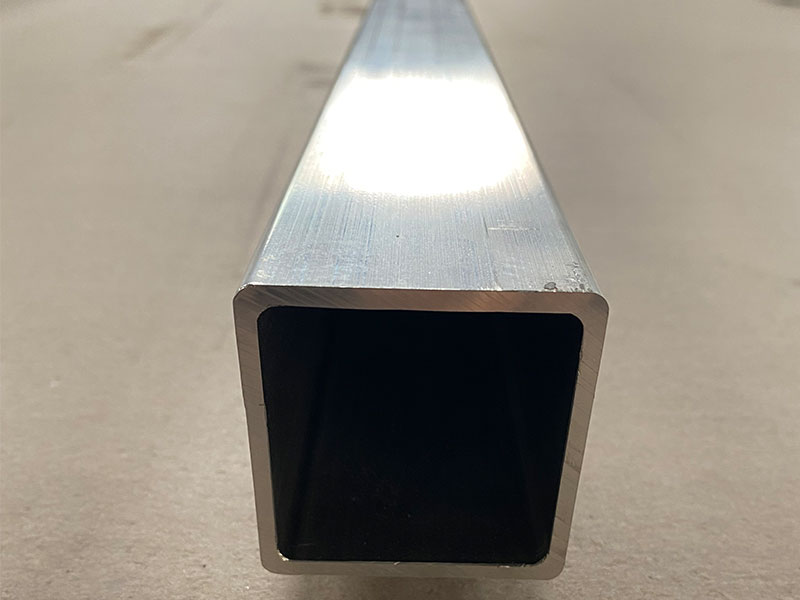
Marine aluminum square tubes
Marine Grade Aluminum Square Tubes are typically constructed from marine-grade alloys such as 5083, 5052, 6061, and 6082—well-known for their ability to withstand the aggressive effects of saltwater and marine atmospheres.
View Details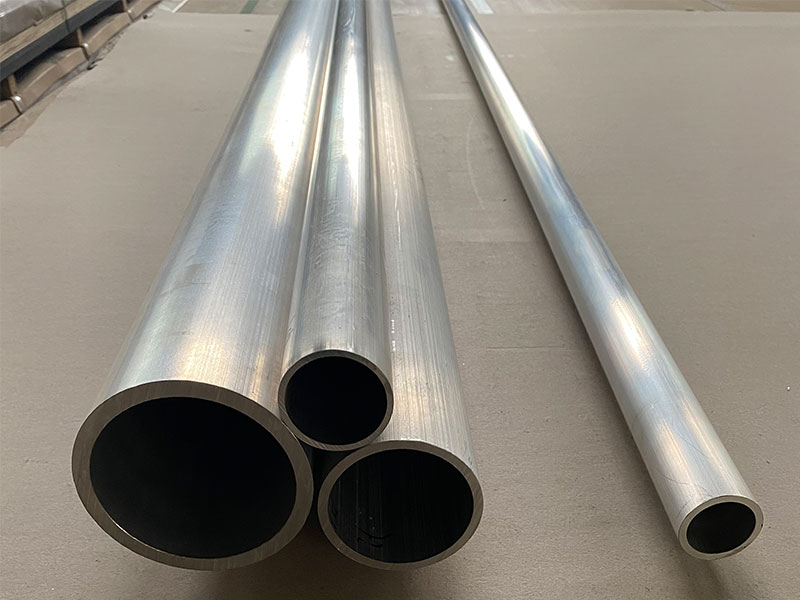
Marine aluminum round tubes
Marine Grade Aluminum Round Tubes are manufactured from premium marine alloys such as 5083, 5052, 6061, and 6082, all selected for their proven resistance to seawater corrosion and marine atmosphere degradation.
View Details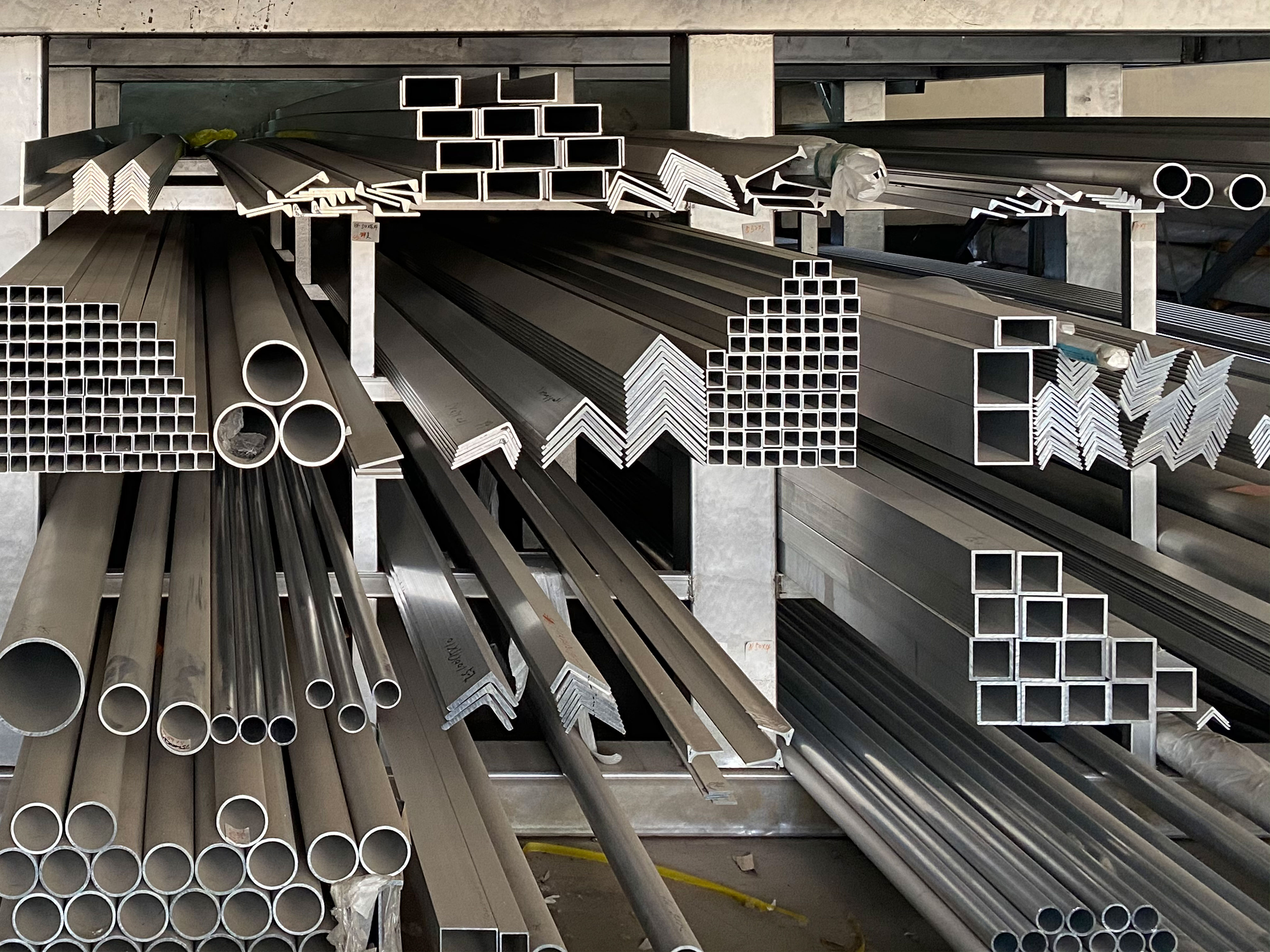
Custom marine aluminum profile tubes
Custom Marine Grade Aluminum Profile Tubes are manufactured from premium marine aluminum alloys such as 5083, 5052, 6061, and 6082.
View Details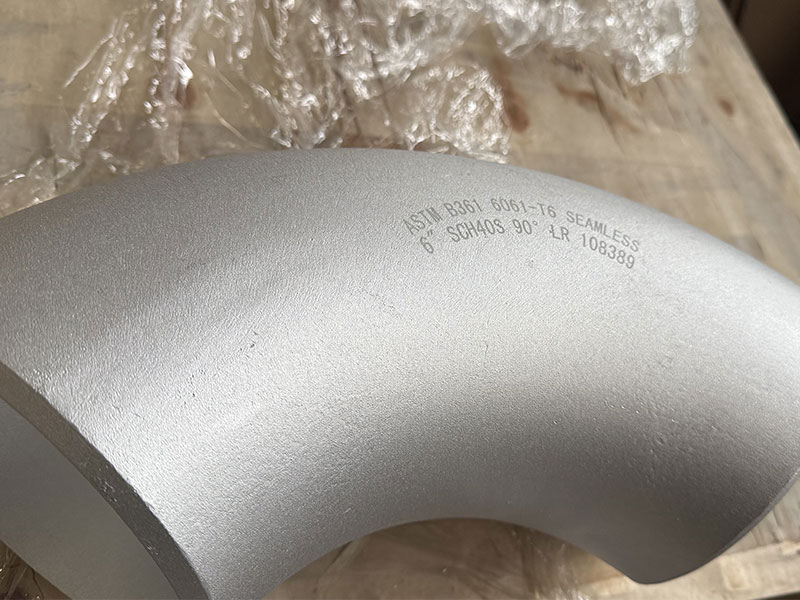
6061-T6 90-Degree Marine Aluminum Pipe Elbow
Manufactured from premium 6061-T6 marine-grade aluminum alloy, this elbow fitting is engineered to provide reliable and efficient pipe direction changes within shipbuilding, offshore platforms, and marine infrastructure systems.
View Details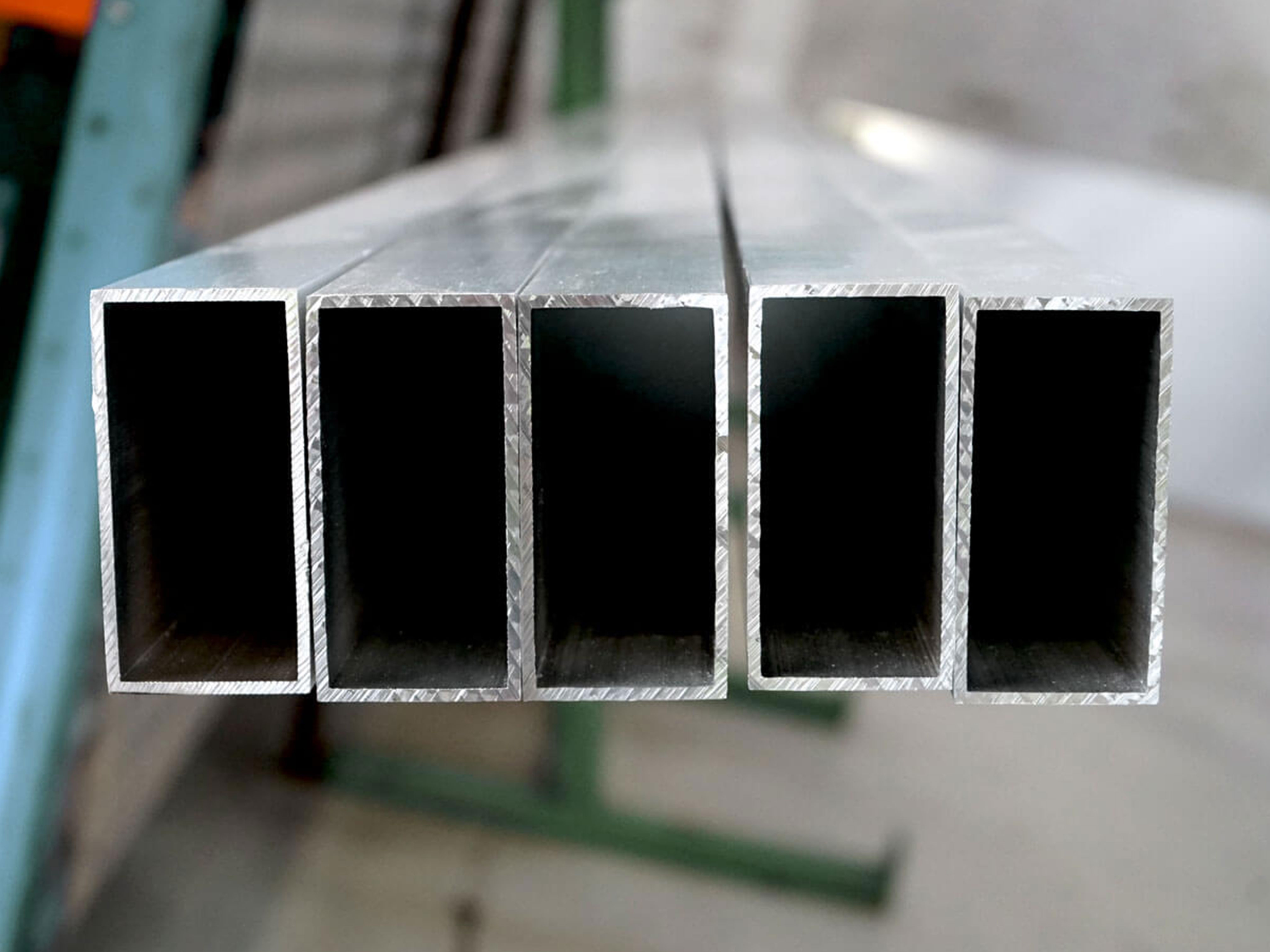
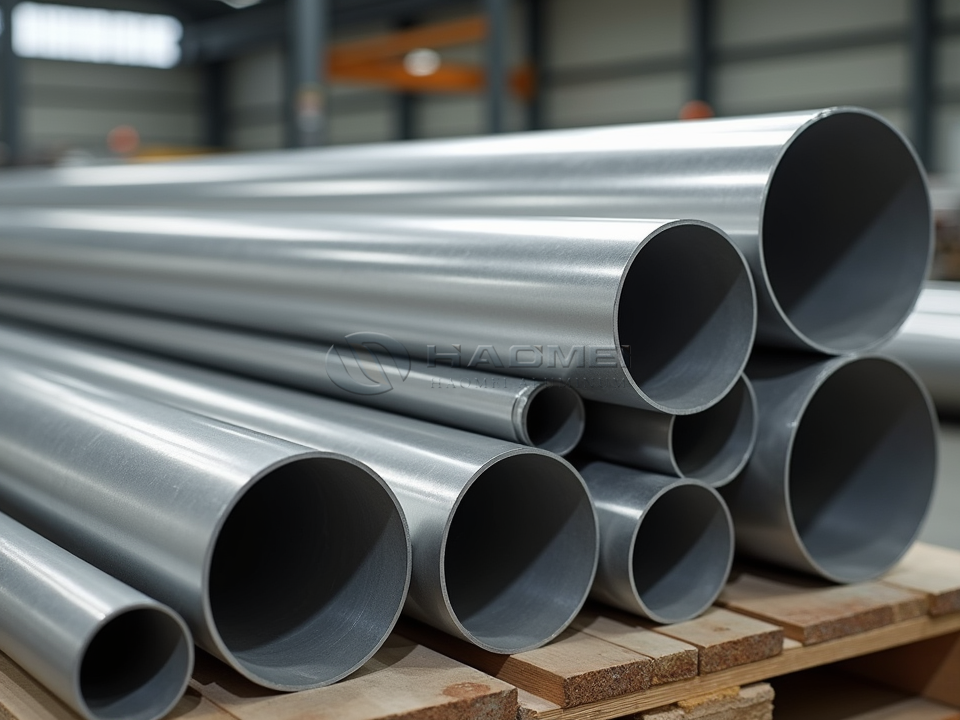
Marine aluminum rectangular tubes
Marine Grade Aluminum Rectangular Tubes are made from high-performance alloys such as 5083, 5052, 6061, and 6082. These alloys are renowned for their ability to resist corrosive seawater and marine atmospheres while providing excellent mechanical strength and toughness.
View DetailsRelated Blog
Aluminum Pipe Elbow for Shipboard Hydraulic Fluid and Gas Systems
Marine aluminum pipe elbows route hydraulic fluid and compatible gases through compact shipboard lines with low weight, smooth flow, and corrosion resistance.
View Details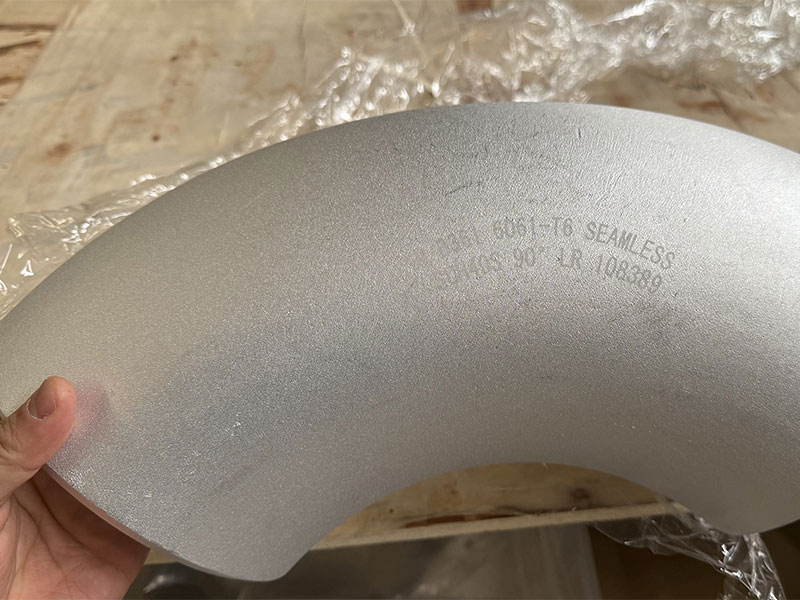
5083 Marine Aluminum Tubes for Offshore Marine Project Fabrication
Offshore structures demand materials that can survive saltwater exposure, variable loads, vibration, and long service cycles with minimal maintenance.
View Details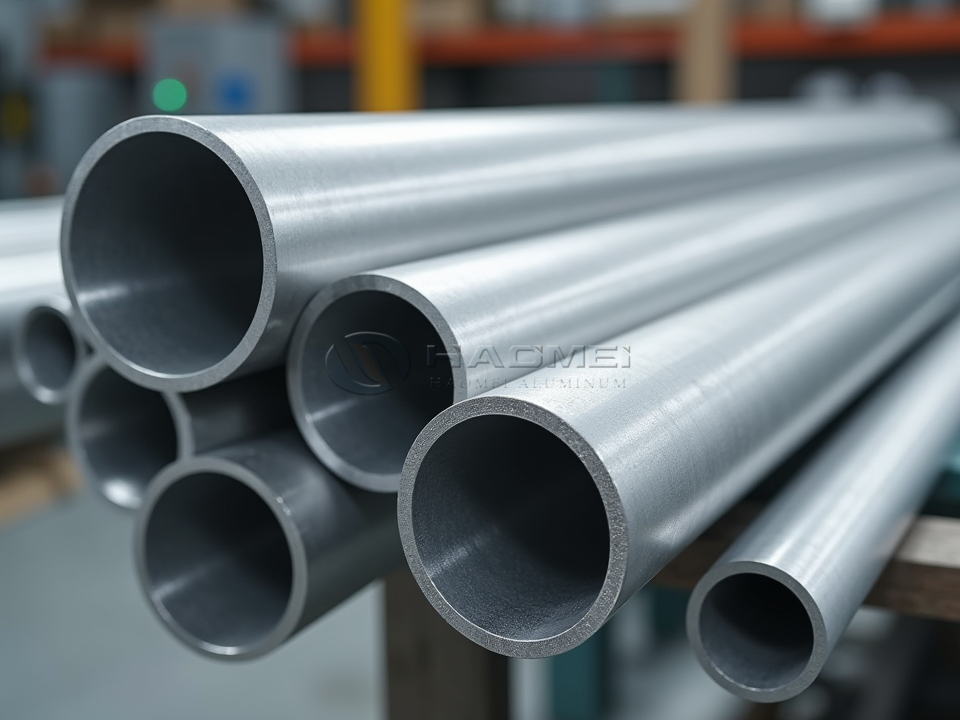
Marine Aluminum Elbow for Fluid Distribution and Control in Offshore Pipelines
Marine aluminum elbows guide offshore pipeline flow with low weight, corrosion resistance, smooth bends, weldability, and dependable pressure control.
View Details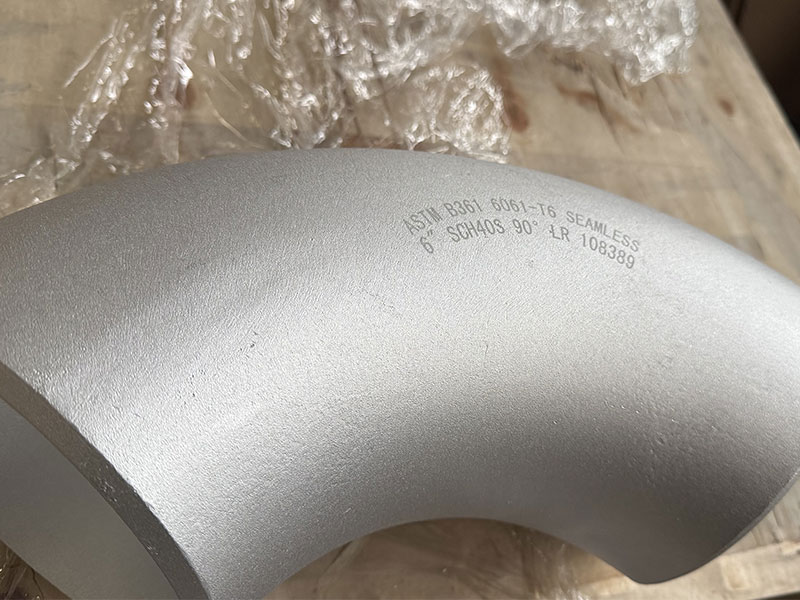
Marine Aluminum Elbow for Fuel System Installations
When it comes to designing and installing fuel systems in marine environments, using the right materials is paramount. Among these materials, Marine Aluminum Elbows is know due to their remarkable properties and advantages.
View Details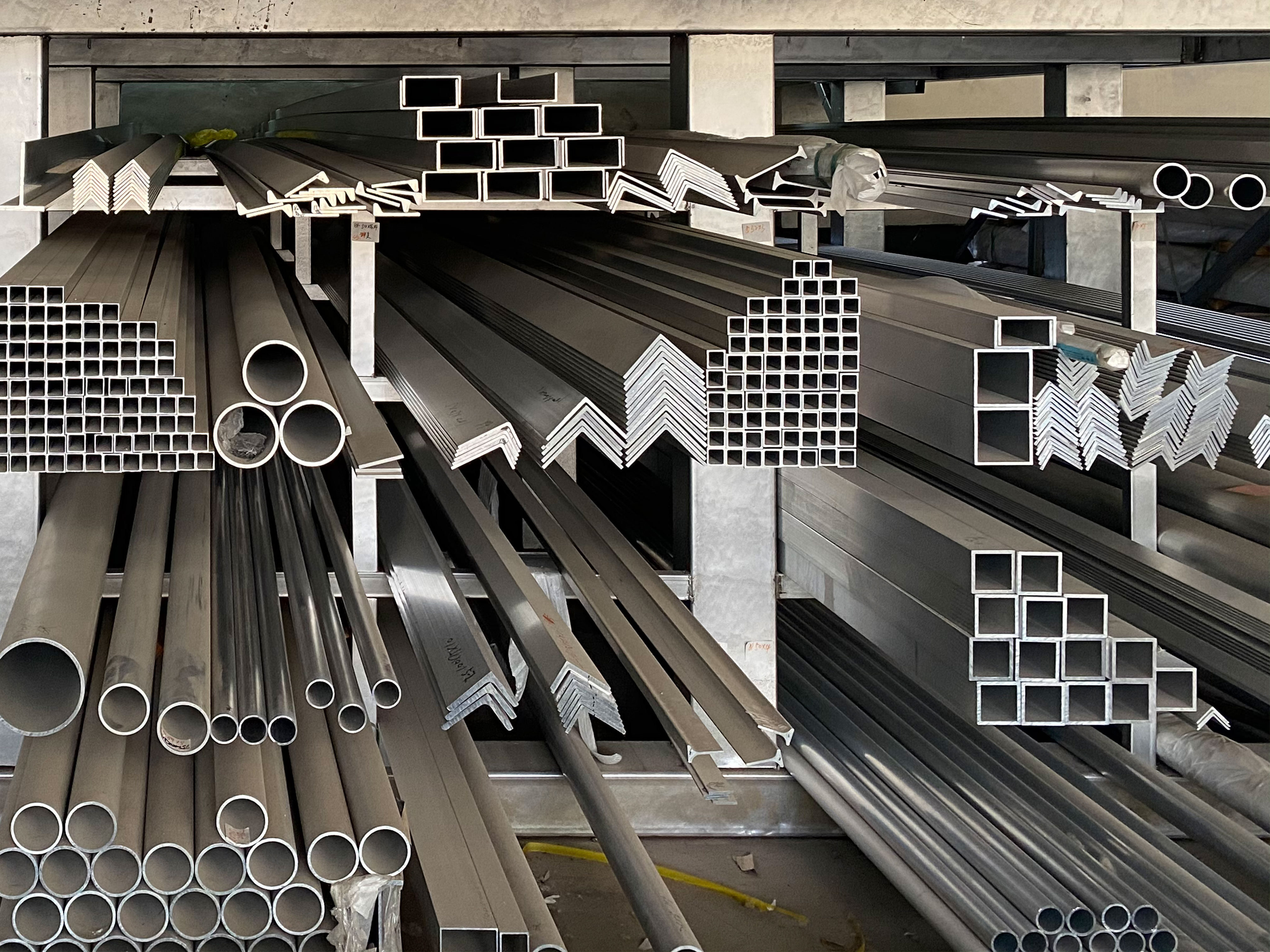
6061 Marine Aluminum Tubes for Long Term Marine Use
Marine environments punish materials relentlessly: salt spray drives corrosion, vibration loosens joints, UV and temperature swings fatigue structures, and maintenance access is often limited.
View Details
Marine Aluminum Elbow for Saltwater Inlet and Treatment Systems
Practical details on marine aluminum elbows for seawater inlet and treatment piping, covering corrosion behavior, materials, sizing, and applications.
View Details
Leave a Message