
Aluminum Pipe Elbow for Marine HVAC Systems and Heat Recovery
The Elbow Is More Than a Change of Direction
In a marine HVAC installation, an aluminum pipe elbow may look like a small fitting compared with a chiller, fan-coil unit, heat exchanger, or circulation pump. Yet it often decides whether a thermal route is clean and reliable or difficult to service for years. Every turn affects pressure loss, vibration behavior, drainage, insulation continuity, and the available space around nearby equipment.
This is especially true when the HVAC plant also supports heat recovery. A vessel may capture heat from engine cooling circuits, generator rooms, refrigeration condensers, or ventilation exhaust to preheat domestic water and reduce heating demand. These systems depend on carefully routed pipes in crowded machinery spaces. The elbow becomes a practical tool for guiding energy through a vessel without creating unnecessary restriction or corrosion risk.
Think in Terms of Thermal Paths, Not Individual Fittings
The strongest design approach is to consider every elbow as part of a complete thermal path. A 90-degree turn placed immediately at a pump discharge, for example, can disturb flow entering the next component. If the layout permits, a straight run after the pump gives flow a chance to stabilize. Where a turn cannot be avoided, a long-radius elbow usually provides gentler direction change and lower resistance than a tight bend.
For heat-recovery loops, smooth routing matters because circulation rates may be modest. A small increase in resistance can reduce flow through the recovery heat exchanger, limiting heat transfer precisely when the system is expected to save energy. Multiple sharp elbows also raise pump demand and can make balancing more difficult across several fan-coil branches or hot-water consumers.
An aluminum elbow should therefore be selected with the actual service conditions in mind: pipe outside diameter, wall thickness, bending radius, working pressure, fluid temperature, joining method, support spacing, and access for future inspection. A fitting that matches the tube visually but not mechanically can introduce a weak point into an otherwise capable system.
Why Aluminum Fits Weight-Sensitive Marine Installations
Aluminum is attractive aboard vessels because it reduces structural weight while offering good thermal conductivity and practical fabrication options. For yachts, patrol boats, ferries, and workboats, lower pipe-system weight can support payload, trim, and fuel-efficiency targets. Aluminum components are also easier to handle in narrow technical spaces than heavier alternatives.
For suitably designed closed loops, aluminum piping can serve chilled-water distribution, glycol circuits, tempered-water circuits, and selected heat-recovery duties. Compatibility must be reviewed rather than assumed. Water chemistry, inhibitor selection, oxygen exposure, temperature, and connections to other metals all influence long-term performance.
A correctly chosen Marine Grade Aluminum Tubing system gives fabricators a consistent basis for matching elbows, straight runs, supports, and welded assemblies. Material traceability is particularly valuable when replacement parts are needed after refit work or when a vessel operates across different climate zones.
Corrosion Control Starts at the Elbow
Marine air contains salt, moisture, and contaminants that settle in pipe supports and hidden corners. Elbows are natural collection points because they may sit close to bulkheads, insulation seams, clamps, and drain lines. The risk is not simply the aluminum alloy itself. Corrosion usually accelerates when water remains trapped, protective coatings are damaged, or aluminum contacts dissimilar metals in a damp environment.
Good detailing avoids these conditions. Use isolating materials between aluminum and stainless-steel supports where appropriate. Avoid bare copper contact. Seal insulation carefully so condensation cannot reach the pipe surface. Keep drain paths open, especially around low points in chilled-water lines. If the piping penetrates a bulkhead, protect the interface from abrasion and moisture accumulation.
For direct seawater service, aluminum requires much more caution. Chloride-rich seawater can be aggressive, and a general aluminum elbow is not automatically suitable for an untreated seawater circuit. In many marine HVAC arrangements, seawater is confined to properly selected condensers or heat exchangers, while aluminum pipework is used on a separated freshwater, glycol, or treated closed-loop side. This division protects the installation and makes maintenance more predictable.
Elbow Geometry Affects More Than Flow
A 45-degree elbow may use more length than a 90-degree elbow, but it can create a calmer route around equipment and reduce turbulence. Two 45-degree elbows are often useful where a pipe must shift position without a harsh directional change. Long-radius 90-degree elbows are commonly preferred in circulation lines where space allows. Short-radius fittings can be necessary in compact consoles or behind cabin linings, but they should be used deliberately rather than by default.
The elbow also needs to tolerate vessel movement. Engines, pumps, hull structure, and auxiliary equipment do not all vibrate at the same frequency. A rigid pipe run ending in an unsupported elbow can concentrate stress at a weld or mechanical joint. Proper hangers, flexible connections near vibrating machinery, and sensible spacing reduce this fatigue exposure.
Where a fabricated turn is required, a purpose-built 6061-T6 90-Degree Marine Aluminum Pipe Elbow can simplify fit-up and provide a more repeatable geometry than an improvised field bend. Fabricators should still inspect wall thickness through the bend area and confirm that welding procedures account for heat-affected zones.
Heat Recovery Adds a Condensation Question
Heat recovery systems frequently bring warm and cold services close together. That creates a hidden challenge: a pipe can be structurally sound while the surrounding insulation system fails. Cold chilled-water lines may sweat in humid machinery rooms. Warm recovery lines may pass through spaces where crews expect low surface temperatures. At elbows, insulation is harder to fit cleanly, making them common sites for vapor leakage and condensation.
Preformed elbow insulation, tightly sealed joints, and a continuous vapor barrier are worthwhile investments. The insulation should be installed after weld inspection and pressure testing, not used to conceal unfinished joints. Leave serviceable access to valves, strainers, sensors, and union points nearby. If an elbow is buried behind permanent panels, future leak checks become expensive.
Practical Specification Details That Save Time Later
Specify the alloy and temper, nominal pipe size, wall thickness, elbow angle, centerline radius, and allowable dimensional tolerance. State whether the part will be welded, flanged, mechanically coupled, or joined through another approved method. For welded assemblies, request clean preparation, compatible filler material, and inspection appropriate to the duty. For insulated chilled-water service, clarify the required surface finish and insulation interface.
Also consider installation sequence. In a crowded engine room, an elbow that cannot be rotated into place after adjacent equipment is installed may force unnecessary disassembly. Mock-up checks, digital routing models, or simple physical templates can prevent this problem before fabrication begins.
A Small Fitting With System-Level Value
Marine HVAC and heat recovery equipment performs best when piping directs fluid smoothly, stays dry under insulation, resists vibration, and remains accessible for service. Aluminum pipe elbows support that result by fitting thermal routes into the constrained geometry of a vessel without imposing excessive weight.
The best elbow is not merely the one that completes a turn. It is the fitting that preserves flow, respects corrosion boundaries, supports insulation continuity, and gives the crew a system they can inspect and maintain with confidence.

Related Products
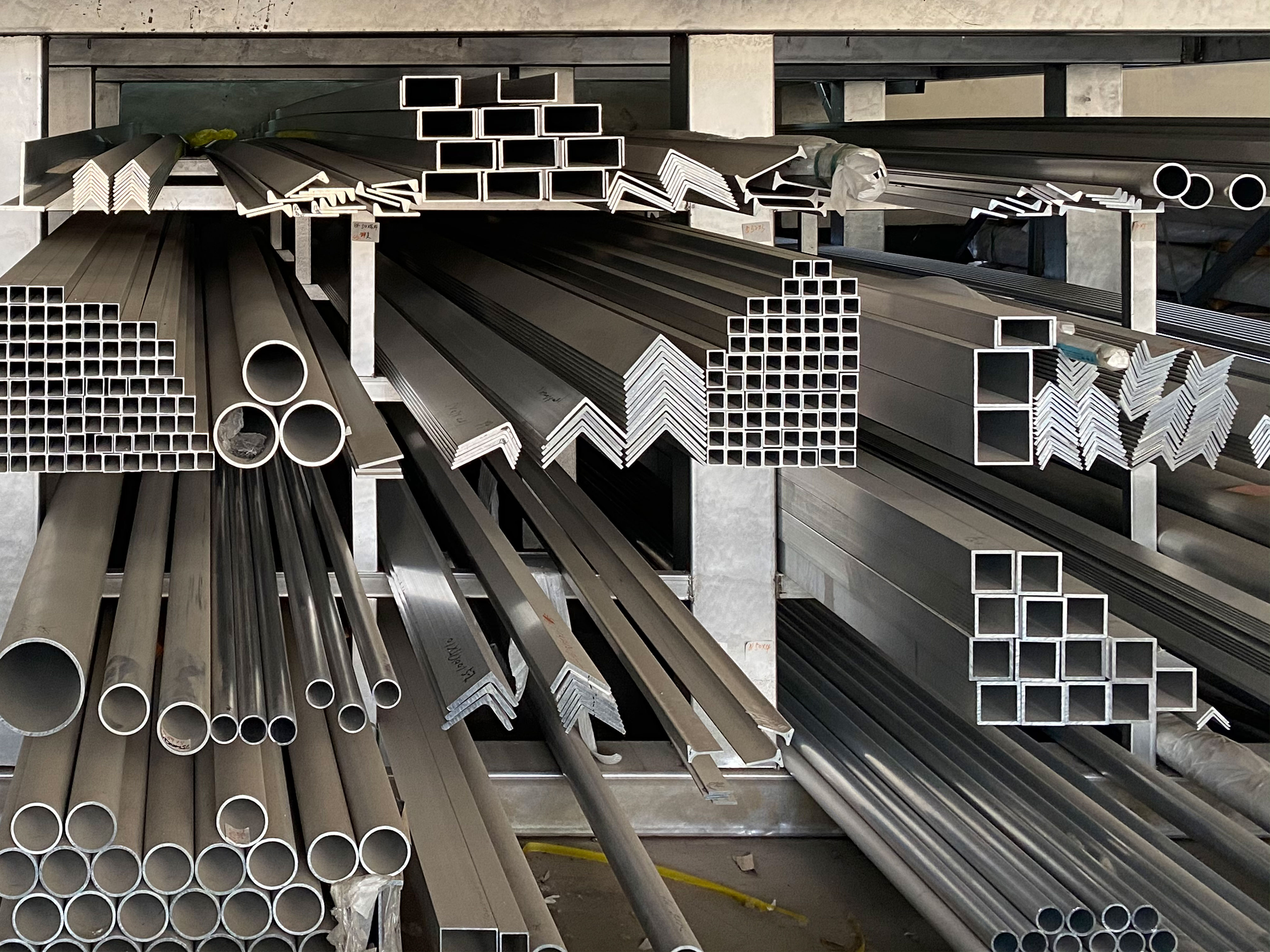
Custom marine aluminum profile tubes
Custom Marine Grade Aluminum Profile Tubes are manufactured from premium marine aluminum alloys such as 5083, 5052, 6061, and 6082.
View Details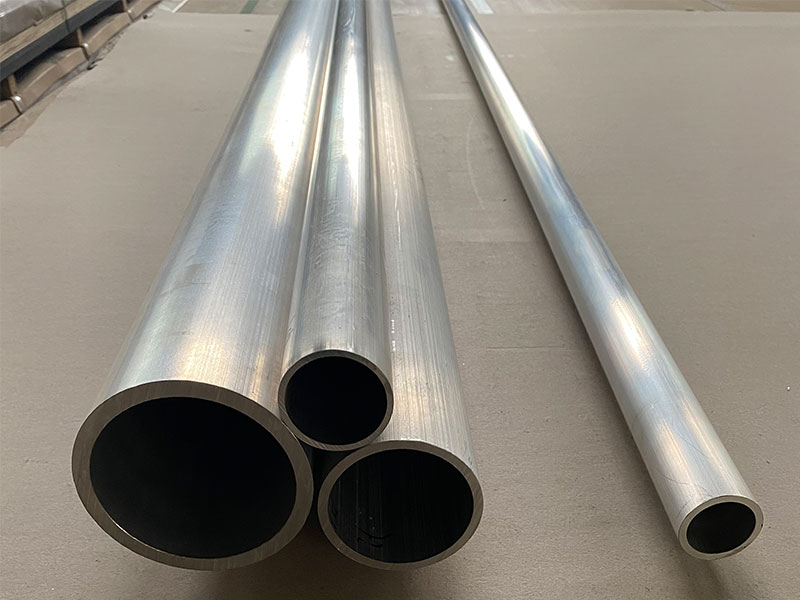
Marine aluminum round tubes
Marine Grade Aluminum Round Tubes are manufactured from premium marine alloys such as 5083, 5052, 6061, and 6082, all selected for their proven resistance to seawater corrosion and marine atmosphere degradation.
View Details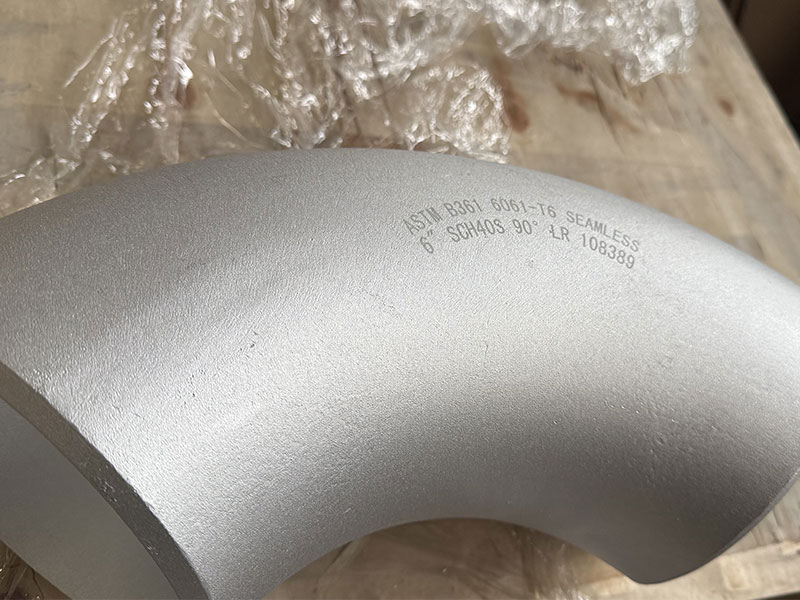
6061-T6 90-Degree Marine Aluminum Pipe Elbow
Manufactured from premium 6061-T6 marine-grade aluminum alloy, this elbow fitting is engineered to provide reliable and efficient pipe direction changes within shipbuilding, offshore platforms, and marine infrastructure systems.
View Details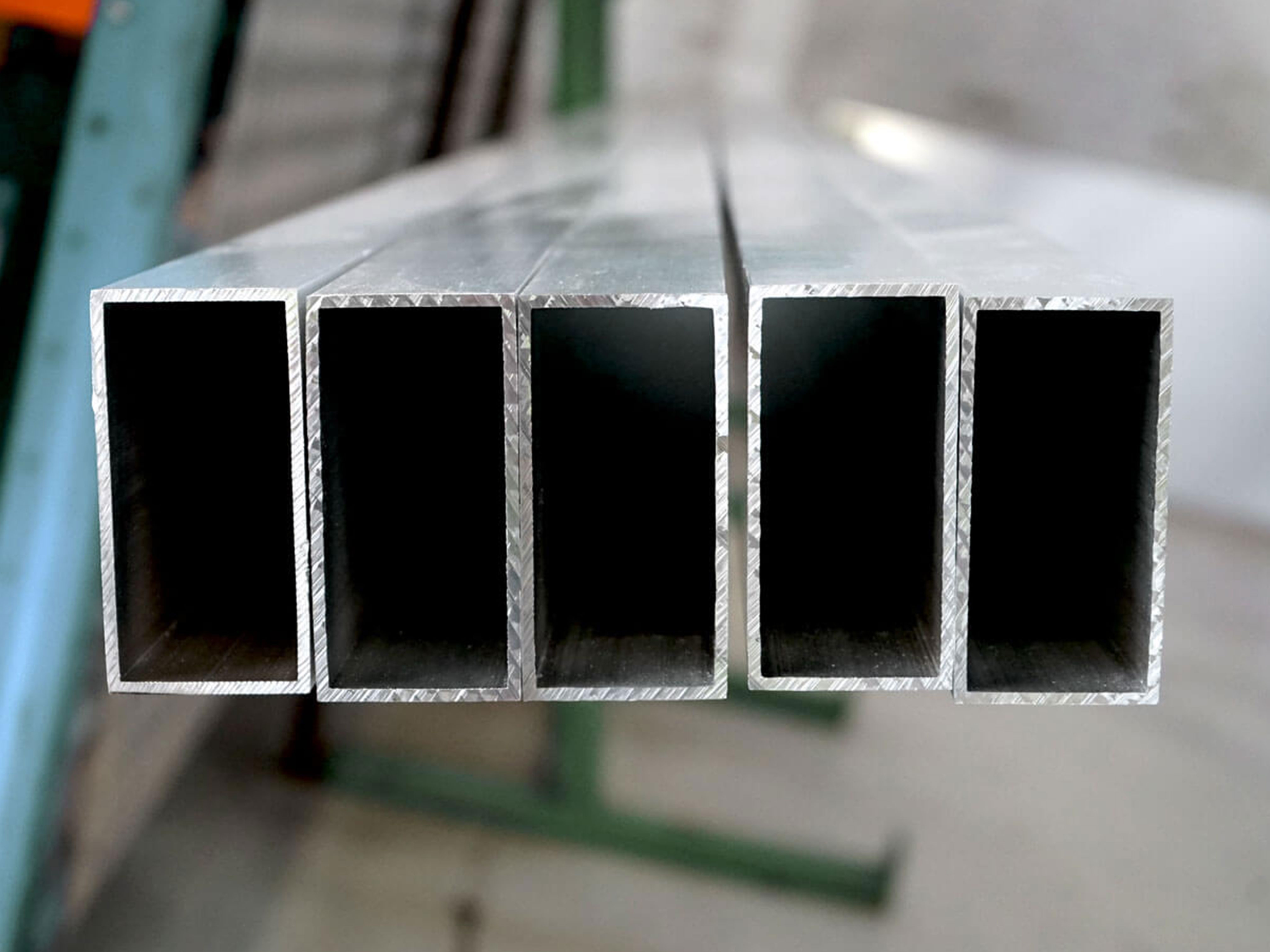
Marine aluminum rectangular tubes
Marine Grade Aluminum Rectangular Tubes are made from high-performance alloys such as 5083, 5052, 6061, and 6082. These alloys are renowned for their ability to resist corrosive seawater and marine atmospheres while providing excellent mechanical strength and toughness.
View Details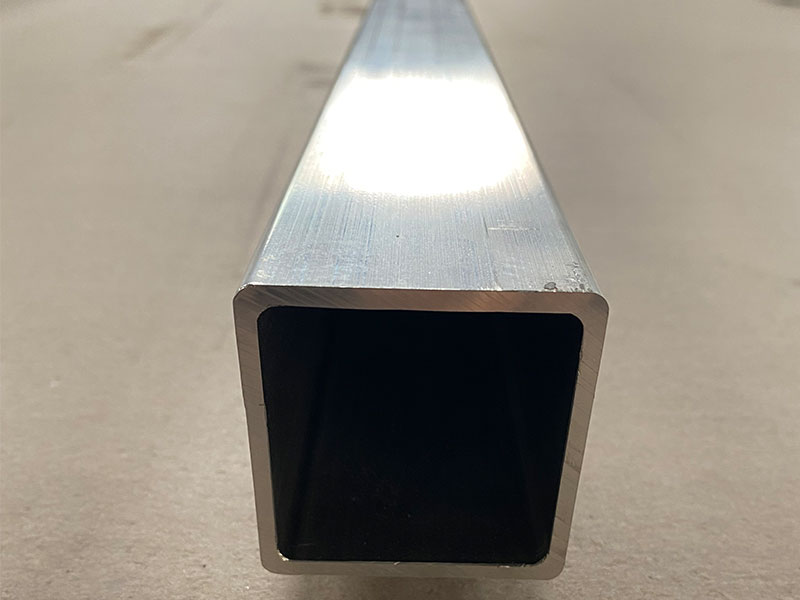
Marine aluminum square tubes
Marine Grade Aluminum Square Tubes are typically constructed from marine-grade alloys such as 5083, 5052, 6061, and 6082—well-known for their ability to withstand the aggressive effects of saltwater and marine atmospheres.
View DetailsRelated Blog
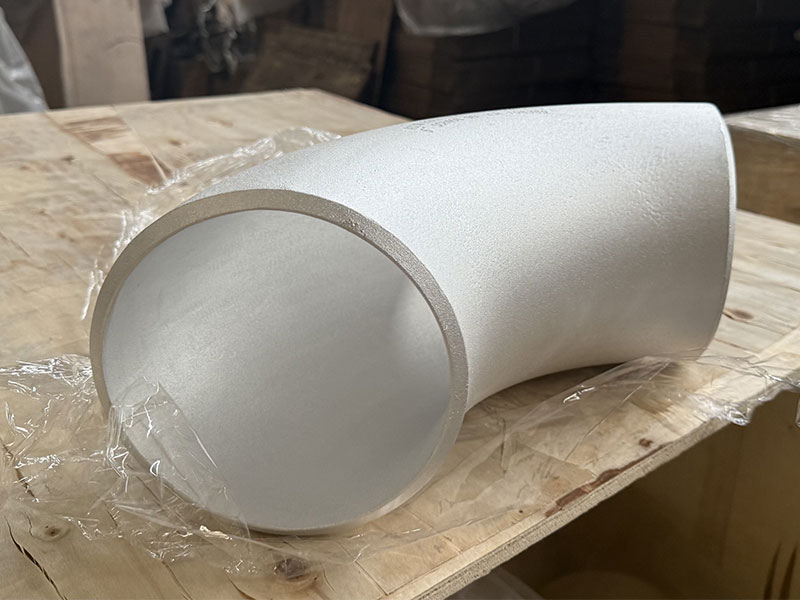
Marine Aluminum Pipe Elbow for High Flow Desalination Units
In the rapidly advancing realm of seawater desalination, marine aluminum pipe elbows play a pivotal role in ensuring the smooth and efficient operation of high flow desalination units.
View Details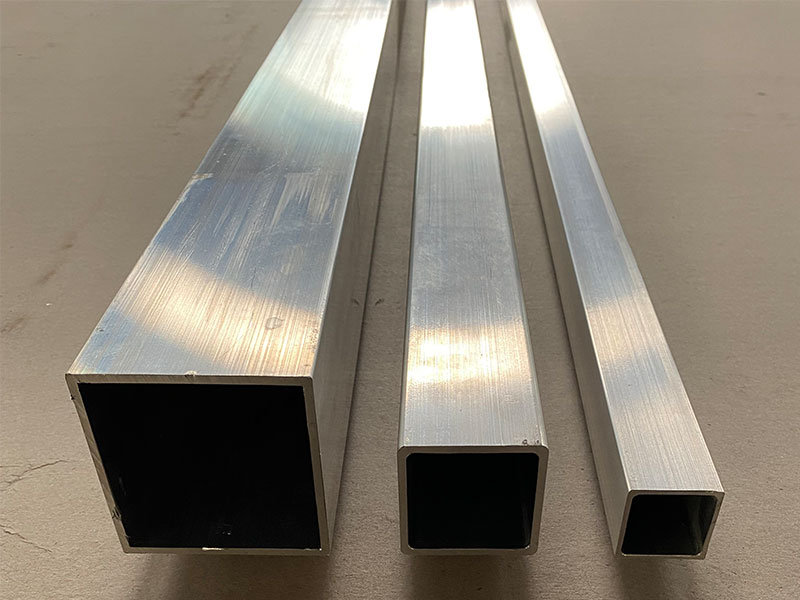
5052 Marine Aluminum Tubes for Heavy Duty Marine Applications
When durability, corrosion resistance, and strength are paramount in marine environments, 5052 aluminum alloy tubes is know as the premium choice. Specifically engineered to meet the demanding specifications of heavy-duty marine applications.
View Details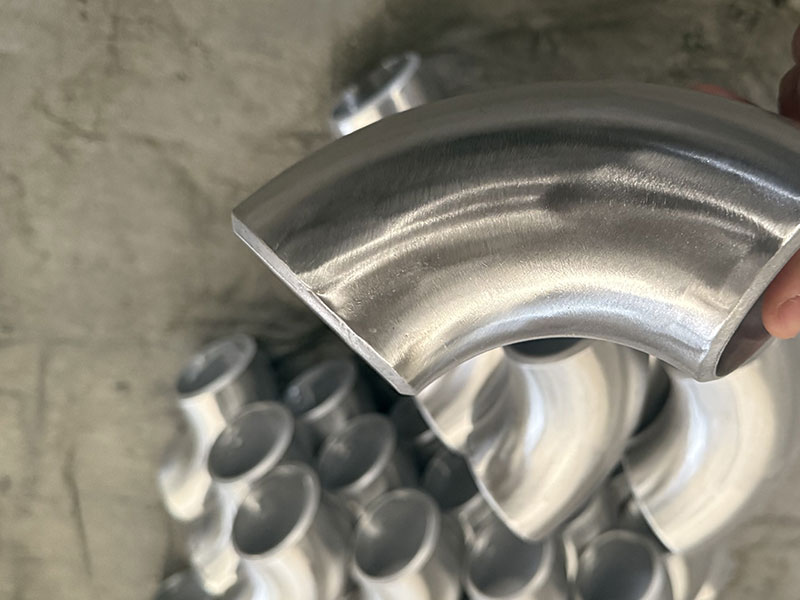
Marine Aluminum Elbow for Offshore Gas Storage Facilities
Offshore gas storage facilities represent some of the most challenging engineering arenas where materials must exhibit reliability, strength, and corrosion resistance under extreme marine conditions.
View Details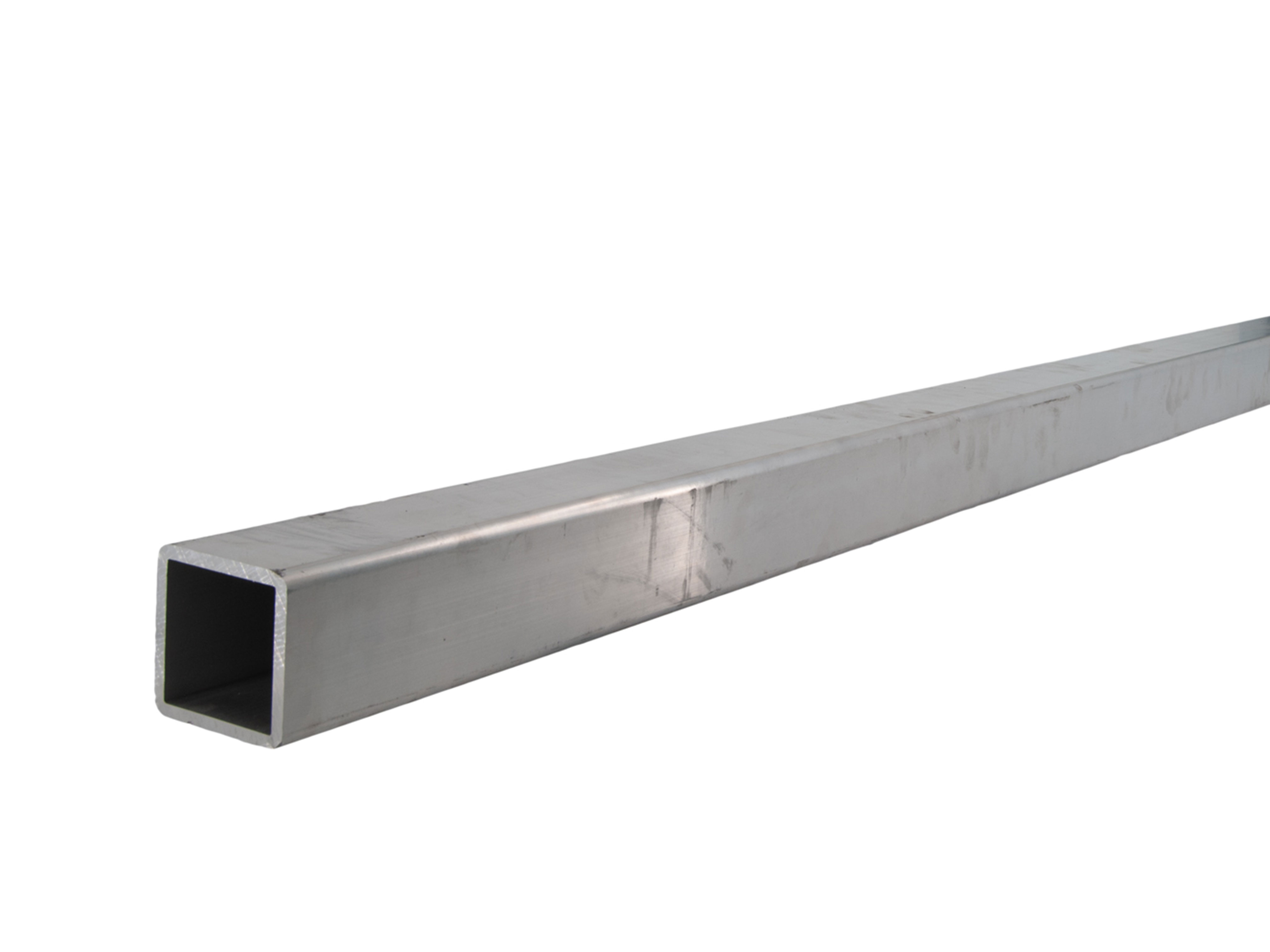
Marine Aluminum Tubes for Saltwater Resistance
Marine aluminum tubes are exceptionally designed for marine applications, specifically engineered to withstand the harsh conditions of saltwater environments. These tubes exhibit remarkable corrosion resistance and structural integrity.
View Details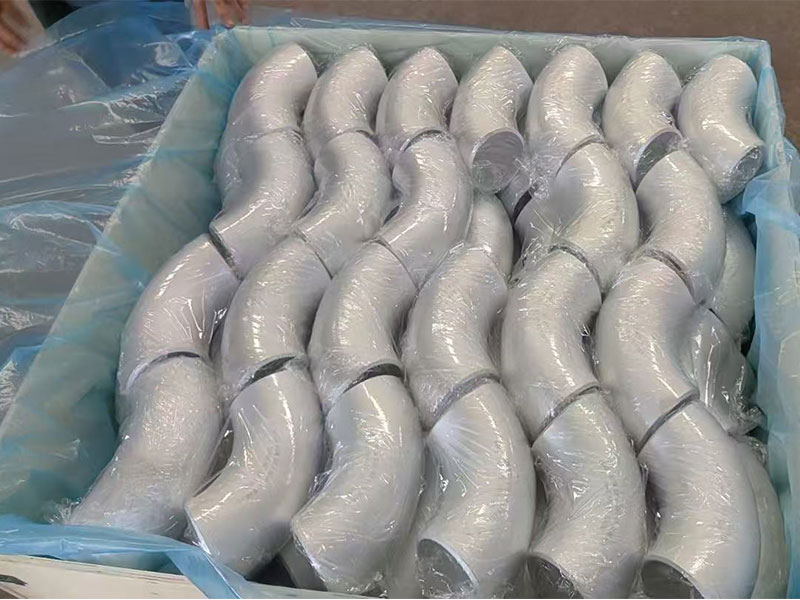
High Quality Marine Aluminum Elbow for Boat Exhausts
High Quality Marine Aluminum Elbow for Boat Exhausts: Functions, Applications and Technical Insight Marine exhaust systems work in one of the harshest environments on a vessel.
View Details
Marine Aluminum Pipe Elbow for Emergency Fire Suppression Lines
In the domain of marine safety systems, reliability and durability are paramount. Among the essential components in fire suppression systems onboard ships and offshore platforms is the Marine Aluminum Pipe Elbow used in emergency fire suppression lines.
View Details
Leave a Message