
5083 5086 6061 6082 Aluminum I Beam Marine Aluminum
Marine aluminum I beam is not just a lighter substitute for steel. In a boat, dock, gangway, deck frame or offshore platform, it behaves like part of a living structure: it flexes with waves, faces salt spray, accepts welds, and must keep its geometry after years of vibration. The choice between 5083, 5086, 6061 and 6082 depends on how the beam will meet seawater, load, fabrication heat and inspection rules.
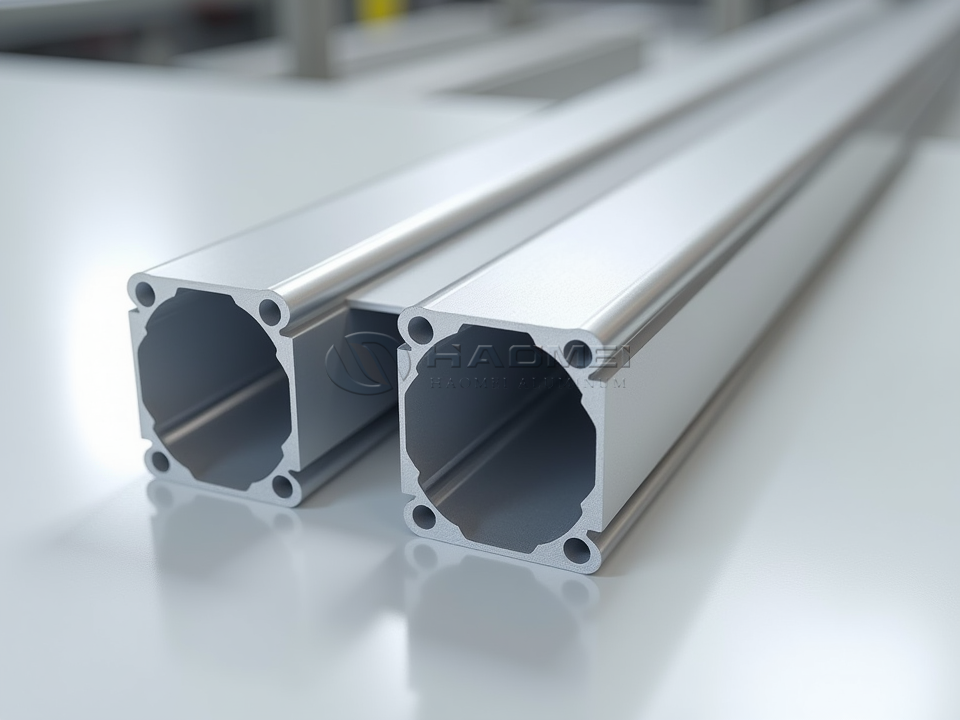
A Marine I Beam Is a Load Path in an Aluminum Hull
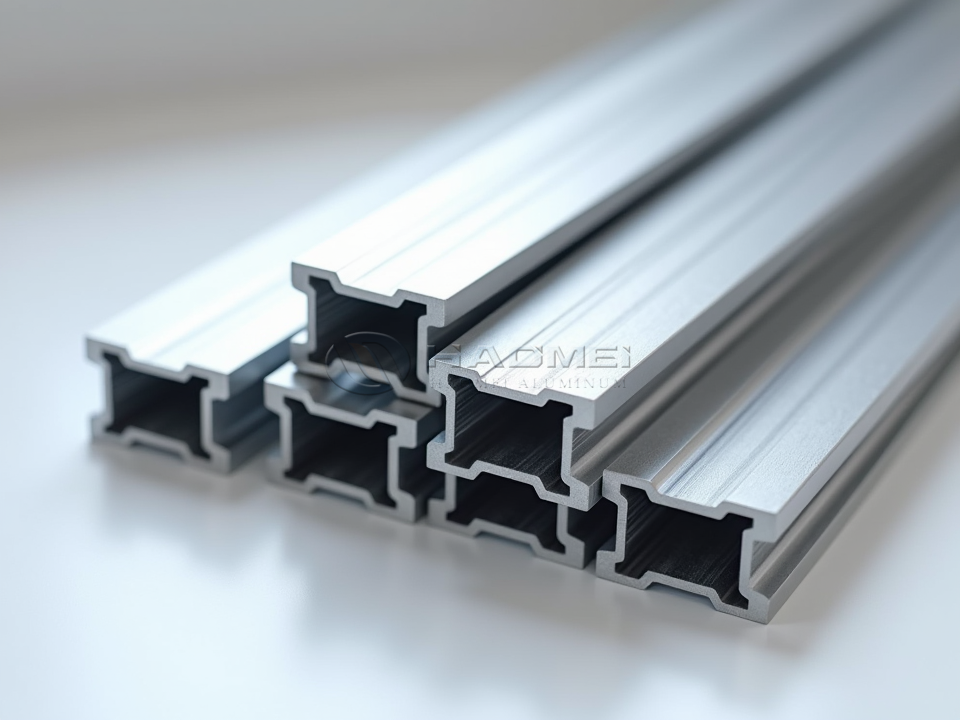
An I beam works because the flanges resist bending while the web carries shear. In marine aluminum, this simple shape becomes more demanding. The upper flange may be under deck compression, the lower flange may pull under wave impact, and the web may be welded to brackets, floors, stringers or bulkheads. A beam that looks strong on paper can underperform if the alloy loses strength in the heat affected zone or if corrosion resistance is mismatched to the service area.
For customers comparing Marine aluminum I-beams, the first question should not be only weight per meter. It should be: will this section be welded heavily, bolted lightly, exposed directly to seawater, or used in a dry superstructure? That answer quickly narrows the alloy choice.
Alloy Character in Real Marine Work
5083 aluminum is often selected for hull-related structures, deck supports, tank frames and components exposed to seawater. Its high magnesium content gives excellent corrosion resistance and strong welded performance. Since it is non-heat-treatable, its strength comes from strain hardening, not T6 heat treatment.
5086 aluminum is close to 5083 but slightly lower in strength. It is valued for good seawater resistance, weldability and forming behavior. It is a practical choice where corrosion resistance and fabrication reliability matter more than the highest static strength.
6061 aluminum is widely used for extruded structural shapes. It offers good machinability, attractive surface finish and strong T6 mechanical properties. It is suitable for boat frames, dock systems, ladders, small craft structures and fittings. However, welded areas of 6061-T6 soften unless post-weld heat treatment is applied, which is often impractical for large marine assemblies.
6082 aluminum is a high-strength 6000 series alloy with more manganese than 6061. It is popular in marine gangways, bridges, deck structures and heavy extrusions, especially in markets using EN standards. It has good corrosion resistance and high strength in T6 temper, with better structural performance than many common 6000 series alloys.
Typical Parameters for Marine Aluminum I Beam
| Parameter | Common condition for marine projects |
|---|---|
| Alloys | 5083, 5086, 6061, 6082 |
| Common tempers | 5083 H111, H112, H116, H321; 5086 H111, H112, H116, H32; 6061 T5, T6, T6511; 6082 T5, T6, T6511 |
| Beam height | Usually 50 mm to 300 mm, larger custom sections by agreement |
| Flange width | Often 30 mm to 150 mm depending on load design |
| Web thickness | Commonly 4 mm to 20 mm |
| Flange thickness | Commonly 5 mm to 25 mm |
| Length | 3 m, 6 m, 12 m or cut-to-length supply |
| Surface condition | Mill finish, brushed, anodized, powder coated, passivated or coated after fabrication |
| Fabrication | Cutting, drilling, CNC machining, welding, bending within section limits |
| Main use | Hull stiffeners, deck beams, pontoons, gangways, docks, marine frames, offshore access systems |
Dimensional tolerance depends on the production route. 6061 and 6082 I beams are commonly extruded. 5083 and 5086 are sometimes supplied as extruded profiles where available, but they are also used in welded beam assemblies made from plate or flat bar for heavy marine construction.
Chemical Composition of 5083, 5086, 6061 and 6082
Values are typical standard ranges by weight percent. Final certification should follow the purchase standard and mill test certificate.
| Alloy | Si | Fe | Cu | Mn | Mg | Cr | Zn | Ti | Al |
|---|---|---|---|---|---|---|---|---|---|
| 5083 | <=0.40 | <=0.40 | <=0.10 | 0.40-1.00 | 4.00-4.90 | 0.05-0.25 | <=0.25 | <=0.15 | Balance |
| 5086 | <=0.40 | <=0.50 | <=0.10 | 0.20-0.70 | 3.50-4.50 | 0.05-0.25 | <=0.25 | <=0.15 | Balance |
| 6061 | 0.40-0.80 | <=0.70 | 0.15-0.40 | <=0.15 | 0.80-1.20 | 0.04-0.35 | <=0.25 | <=0.15 | Balance |
| 6082 | 0.70-1.30 | <=0.50 | <=0.10 | 0.40-1.00 | 0.60-1.20 | <=0.25 | <=0.20 | <=0.10 | Balance |
The chemistry tells the story. Magnesium-rich 5083 and 5086 resist seawater well and keep good weld strength. Magnesium-silicon 6061 and 6082 gain strength from heat treatment, making them excellent for extruded profiles, but welding changes local mechanical properties.
Temper Selection and Mechanical Behavior
Temper is often more decisive than alloy name. 5083-H116 and 5083-H321 are frequently preferred for marine plate structures because they are controlled for exfoliation corrosion and stress corrosion resistance in severe environments. 5083-H112 is often used for extruded or rolled shapes requiring stable mechanical properties. 5086-H116 is a dependable choice for welded marine service with good corrosion resistance.
6061-T6 offers high strength for extruded beams, usually with tensile strength around 260-310 MPa and yield strength near or above 240 MPa, depending on section size and standard. 6082-T6 can reach similar or higher structural strength, often about 290-340 MPa tensile strength in suitable profiles. 5083-H116 may show tensile strength around 305 MPa with strong weld reliability, while 5086 tempers are slightly lower but still very suitable for saltwater fabrication.
For welded marine frames, designers should use allowable values that consider the heat affected zone. A beautiful T6 beam can lose a large part of its yield strength near welds. This is why 5083 and 5086 remain trusted in hulls and heavily welded assemblies, while 6061 and 6082 shine in bolted, riveted, machined or lightly welded extruded systems.
Standards and Inspection Conditions
Marine aluminum I beams can be supplied according to several international standards, depending on alloy and region. Common references include ASTM B221 for aluminum extruded bars, rods, wires, profiles and tubes; EN 755 for extruded aluminum bars, tubes and profiles; EN 573 for chemical composition; EN 485 for plate and sheet when welded beams are built from plate; ISO 6362 for wrought aluminum extruded products; and AWS D1.2 for structural aluminum welding.
For vessels and offshore use, classification society approval may be required, such as ABS, DNV, LR, BV, RINA or CCS. In that case, chemical composition, mechanical testing, ultrasonic inspection, surface quality, traceability and certificate format should be confirmed before production. For marine-grade profiles used with companion sections, Marine Grade Aluminum Extrusions help maintain consistent alloy behavior across the full assembly.
Surface, Corrosion and Joining Details
Mill finish aluminum naturally forms an oxide film, but saltwater service benefits from smart detailing. Avoid water traps, isolate aluminum from carbon steel with non-conductive gaskets, use compatible fasteners, and seal crevices where stagnant seawater can sit. Anodizing can improve surface durability for 6061 and 6082 architectural or deck applications, while marine coating systems are often used for 5083 and 5086 hull structures.
Welding filler should match the alloy and service. 5356 is common for 5xxx and 6xxx marine aluminum, while 5183 may be selected for higher-strength 5083 joints. After welding, distortion control matters because I beams have thin webs and wider flanges; balanced welding sequence, clamps and proper heat input help preserve straightness.
Choosing the Right Beam Without Overcomplicating It
If the I beam is part of a hull, wet deck support, pontoon or heavily welded structure, 5083 or 5086 is usually the safer marine answer. If the beam is an extruded frame, walkway, gangway, machinery support, hatch frame or dock component where precision and T6 strength are useful, 6061 or 6082 can be more efficient.
The best selection balances corrosion exposure, weld volume, required strength, extrusion availability, finish, certification and cost. A marine aluminum I beam should not be chosen as a catalog shape alone. It should be selected as a working member in a saltwater structure, with alloy, temper, standard and fabrication plan moving in the same direction.

Related Products
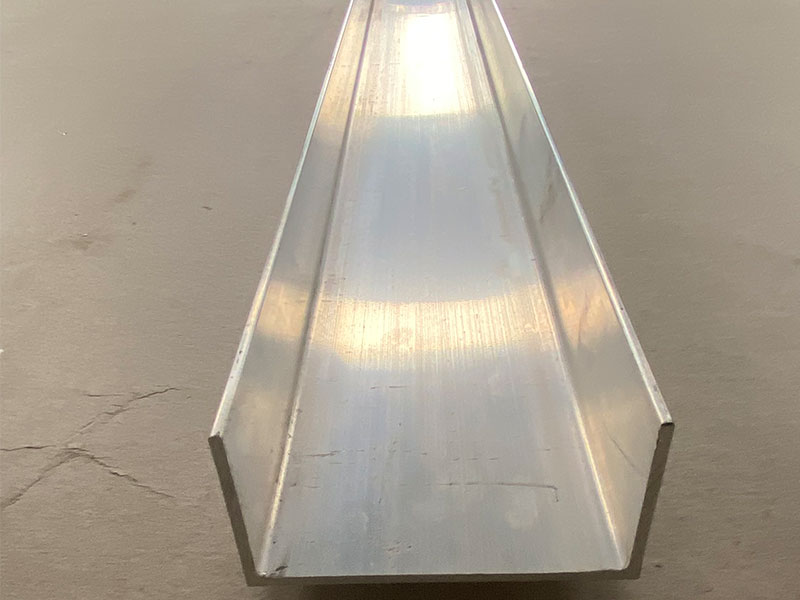
Marine aluminum channels
Marine Aluminum Channels are U-shaped aluminum profiles produced from alloys such as 5083, 5052, and 6061, known for their excellent marine corrosion resistance and superior mechanical strength.
View Details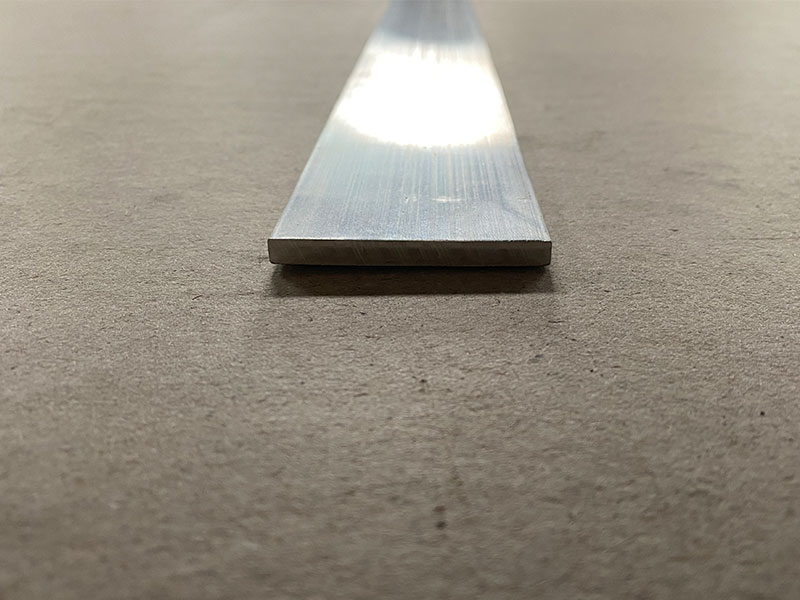
5083 marine aluminum flat bar
5083 aluminum flat bars belong to the 5xxx series of aluminum-magnesium alloys, known primarily for their superior resistance to seawater corrosion and salt spray.
View Details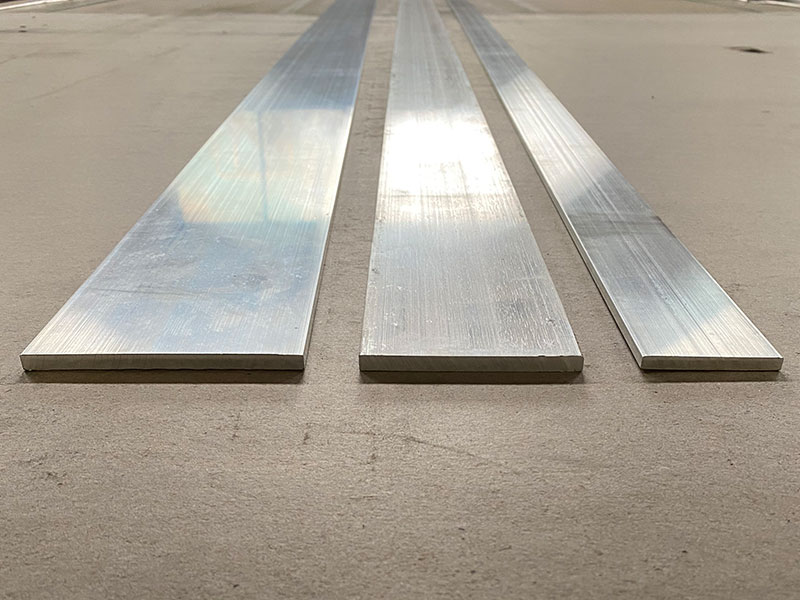
6061 T6 marine aluminum flat bar
6061 aluminum is classified as a heat-treatable 6xxx series alloy, alloyed primarily with magnesium and silicon. The T6 temper designation indicates that the flat bar has been solution heat-treated and artificially aged to achieve optimum strength and hardness.
View Details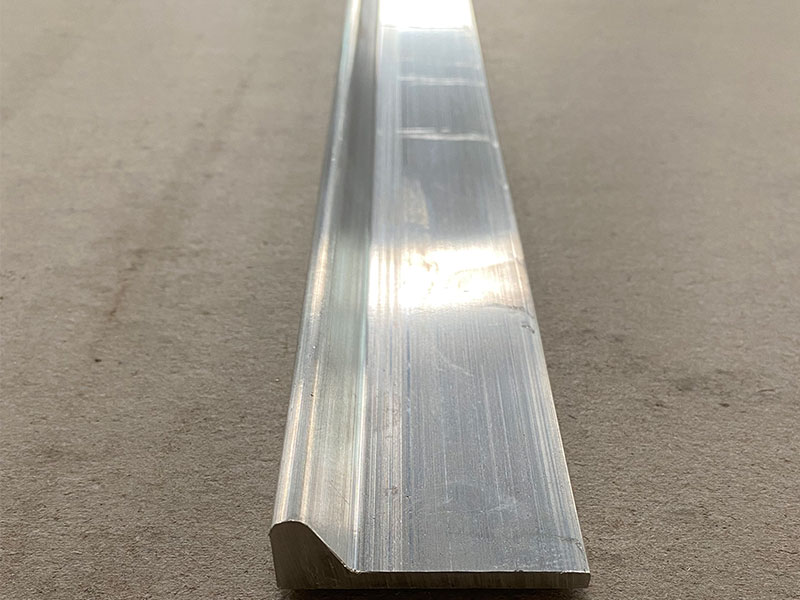
Marine aluminum I-beams
Marine Aluminum I-Beams feature the traditional “I” cross-sectional profile fabricated from marine-grade aluminum alloys like 5083, 5086, and 6061. These alloys are renowned for their outstanding corrosion resistance, especially in saltwater and marine atmospheres, making them ideal for offshore and naval construction.
View Details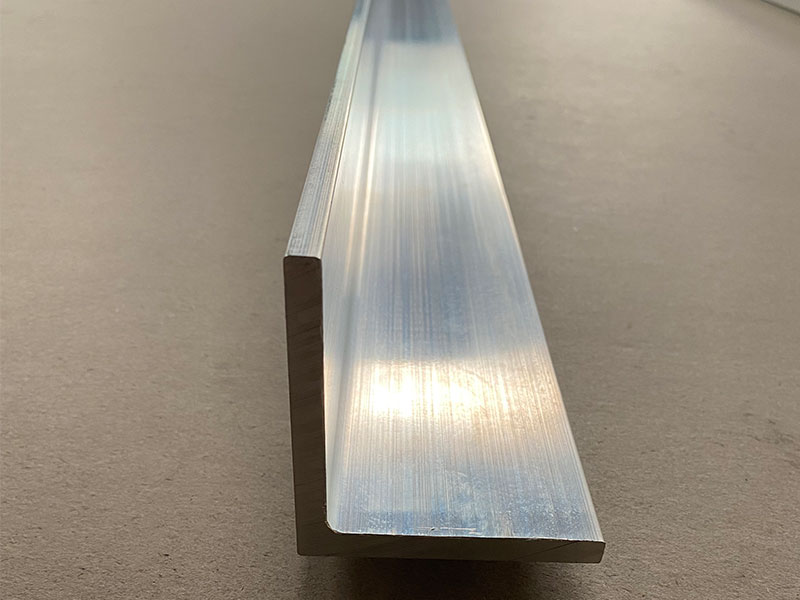
Marine aluminum angles
Marine Aluminum Angles are L-shaped cross-sectional aluminum profiles produced from marine-grade aluminum alloys such as 5083, 5052, and 6061.
View Details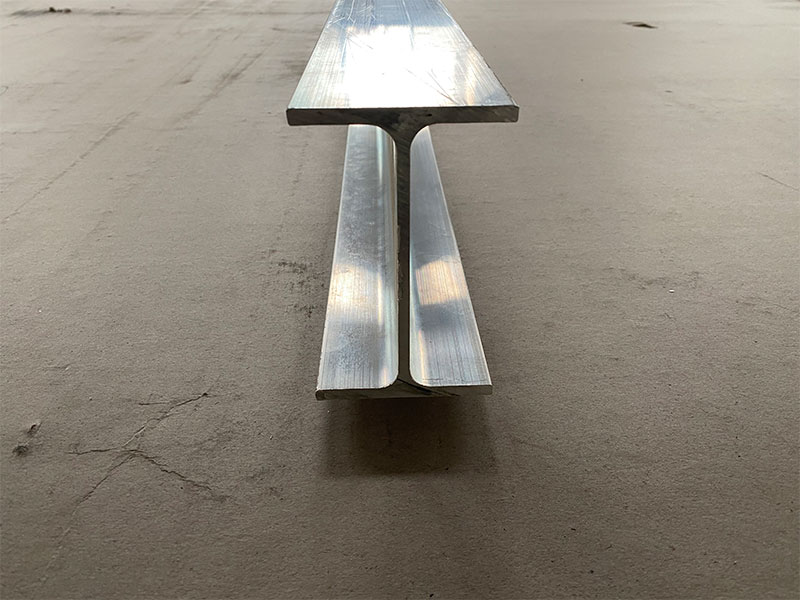
Marine aluminum Z-shaped sections
Marine Aluminum Z-shaped Sections are fabricated from premium marine-grade aluminum alloys such as 5083, 5052, and 6061. These alloys are well-regarded for their superior corrosion resistance in seawater and marine atmospheres, along with good mechanical strength and excellent weldability.
View DetailsRelated Blog
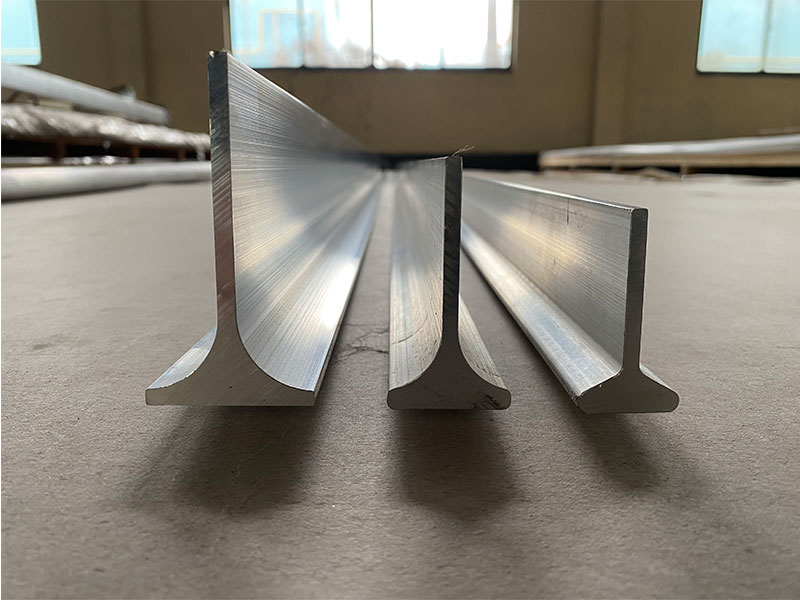
5052 Marine Aluminum Z Shaped Sections for Heavy Duty Offshore Design
Marine aluminum plays a crucial role in the formation of innovative and dependable solutions within the maritime industry due to its lightweight and excellent resilience to corrosion.
View Details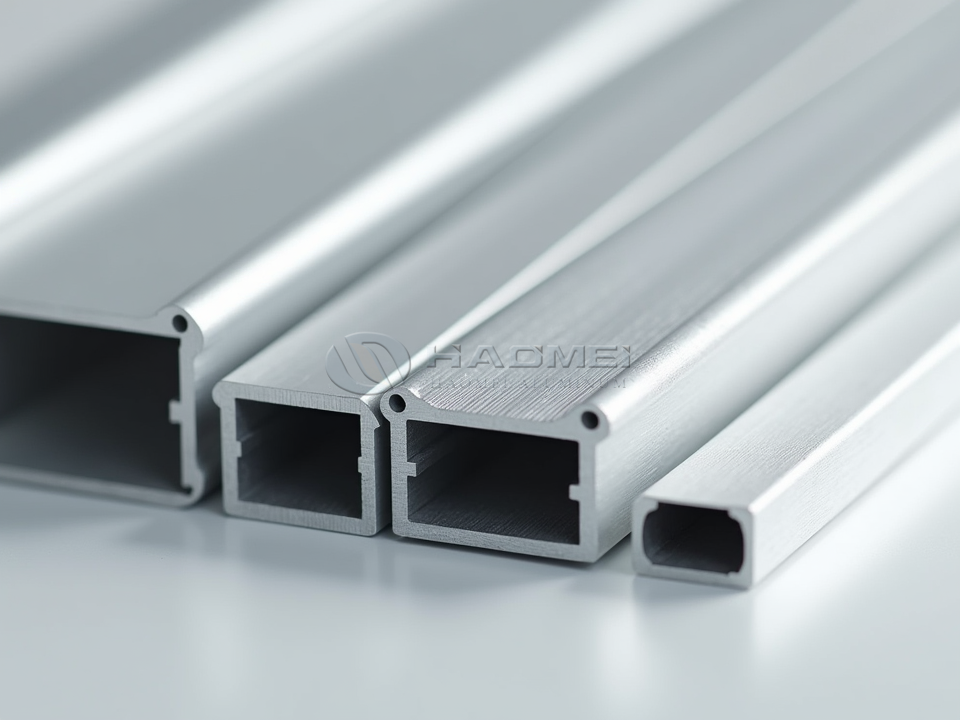
Marine Aluminum I Beams
Learn how marine aluminum I beams carry real boat and dock loads, with practical guidance on alloy choice, sizing, corrosion control, and installation.
View Details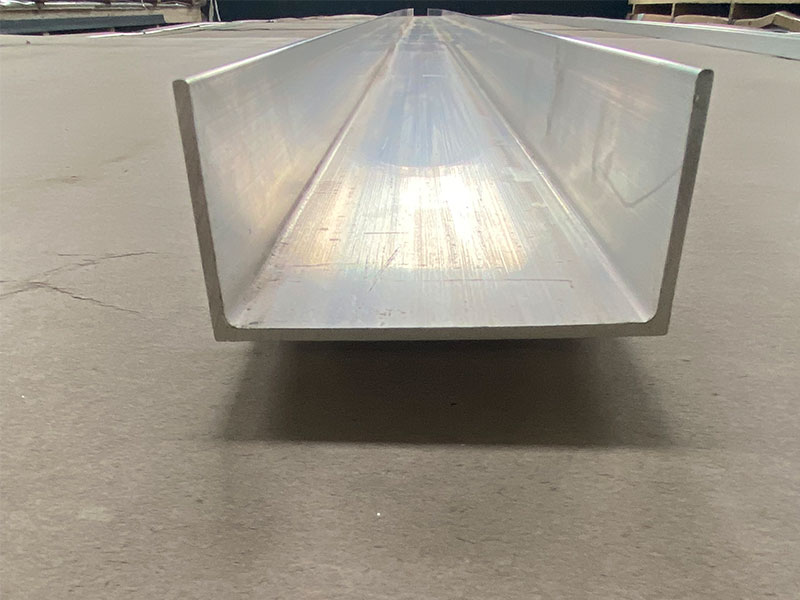
5083 Marine Aluminum I Beams for High Strength Coastal Engineering
5083 aluminum alloy belongs to the non-heat-treatable Al-Mg-Mn family. Known primarily for excellent corrosion resistance, welding ability, and strong mechanical properties without added heat treatment.
View Details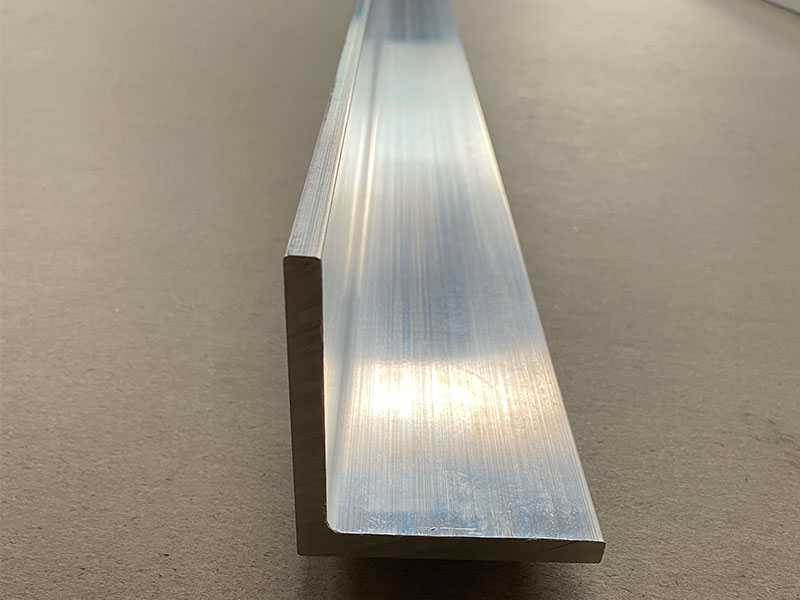
6061 Marine Aluminum Z Shaped Sections for Custom Boat Deck Parts
6061 marine aluminum Z shaped sections are engineered profiles used to build strong, lightweight deck structures-especially where you need a step, offset, or flange for fastening.
View Details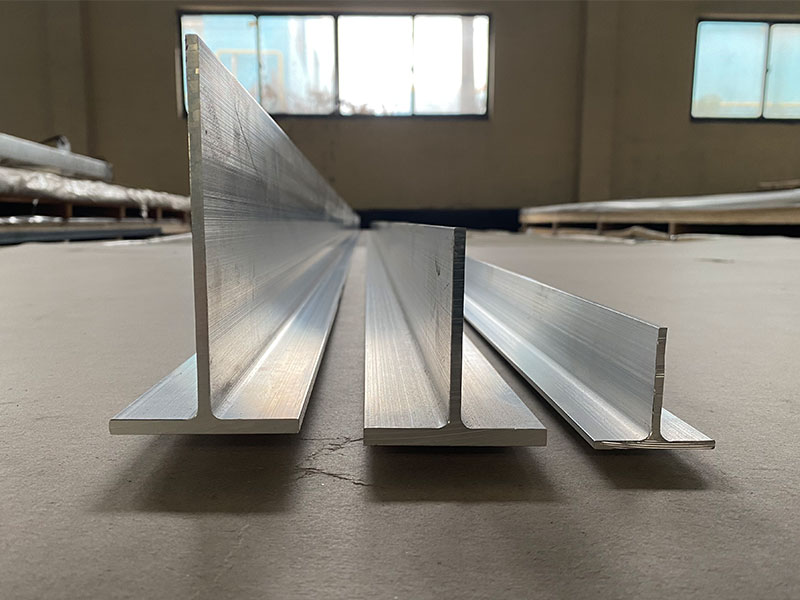
6061 T6 marine aluminum flat bar
6061 T6 marine aluminum flat bar is a widely used structural and fabrication material within the marine industry. Combining excellent strength, good corrosion resistance, weldability, and formability.
View Details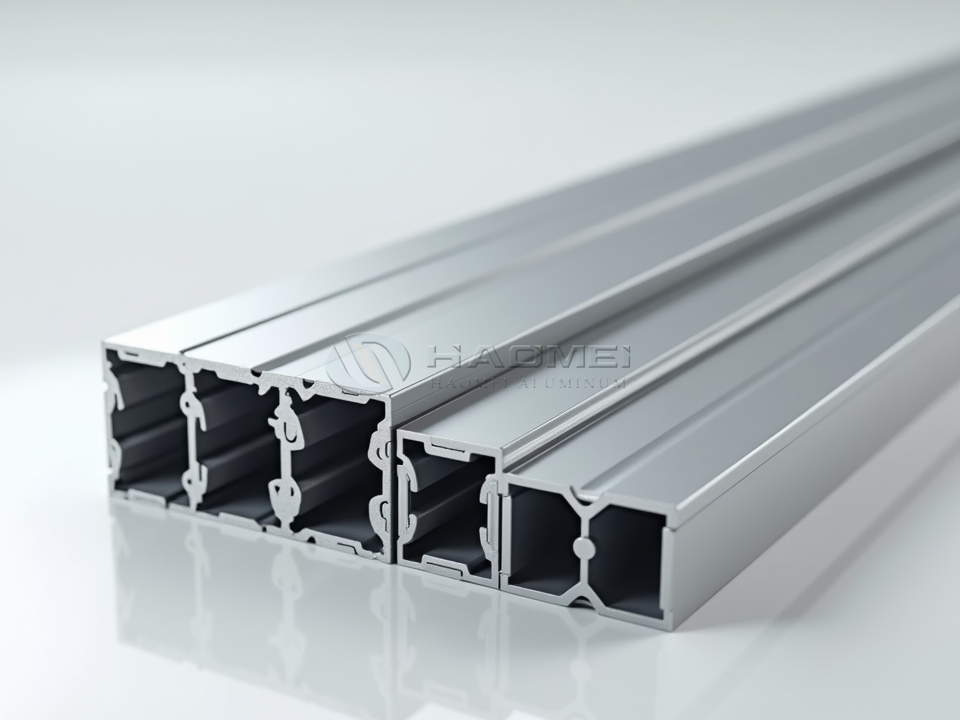
Marine Aluminum Channels
Marine aluminum channels offer lightweight strength, corrosion resistance, and clean installation for boat frames, decks, rails, and fittings.
View Details
Leave a Message