
Marine Aluminum Elbow for Pressure Control Systems on Marine Vessels
A marine pressure control system is only as dependable as its smallest directional component. Pumps, valves, gauges, accumulators, and filters may receive most of the attention, yet an elbow often determines whether fluid moves smoothly or creates turbulence, vibration, leakage risk, and unnecessary pressure loss. A properly selected marine aluminum elbow is therefore more than a connector. It is a controlled change of direction inside a demanding saltwater environment.
Marine aluminum elbows are used in seawater-adjacent piping, low- to medium-pressure hydraulic return lines, compressed-air networks, ballast support lines, cooling circuits, fuel-adjacent auxiliary systems, and instrument piping where low weight matters. Their role is especially valuable on high-speed craft, aluminum workboats, patrol vessels, passenger ferries, and offshore support vessels, where every kilogram removed from the piping arrangement improves payload, speed, or fuel efficiency.
Why Elbow Geometry Matters in Pressure Control
An elbow redirects flow, but it also changes the flow pattern. When liquid passes through a sharp 90-degree turn, velocity increases near the outer radius while a slower recirculation area can develop along the inner radius. If the bend is poorly formed, undersized, or internally rough, the result may be pressure drop, noise, vibration, and accelerated wear near valves and sensitive controls.
For this reason, long-radius elbows are commonly preferred in pressure control circuits with steady or high flow. Their larger centerline radius reduces turbulence and gives pressure-regulating equipment a calmer flow profile. Short-radius elbows remain useful in compact machinery spaces where installation clearance is limited, provided the pipe schedule, operating pressure, and flow velocity have been reviewed carefully.
A 45-degree elbow can be an effective alternative where a gentler route is possible. It may reduce flow disruption and simplify support placement, particularly in cooling-water and drainage-related systems. A 90-degree elbow is more common when space is limited or pipe runs must follow bulkheads, decks, and equipment boundaries.
Common Marine Aluminum Elbow Parameters
Marine aluminum elbows can be manufactured as seamless, welded, extruded, machined, or fabricated fittings. Selection depends on the pressure class, corrosion environment, fabrication method, and class approval requirements of the vessel.
| Parameter | Typical Range or Option | Engineering Relevance |
|---|---|---|
| Elbow angle | 45°, 90°, 180° | Determines routing and flow redirection |
| Outside diameter | 12 mm to 508 mm | Must match pipe OD and connection type |
| Wall thickness | 1.5 mm to 25 mm or project-specific | Governs pressure capacity and weld margin |
| Bend radius | Short radius, long radius, custom | Influences pressure loss and installation space |
| Connection end | Butt-weld, socket-weld, threaded, flanged | Chosen by system pressure and maintenance access |
| Material form | Seamless, extruded, welded, fabricated | Affects consistency, cost, and inspection scope |
| Surface condition | Mill finish, brushed, anodized, coated | Supports corrosion management and appearance |
| Operating temperature | Commonly -50°C to +80°C, subject to design | Must consider fluid, seals, and temper stability |
Actual pressure ratings should never be taken from diameter alone. The allowable pressure depends on wall thickness, alloy strength, temper, weld efficiency, corrosion allowance, design temperature, cyclic loading, and applicable vessel rules. Engineers commonly calculate piping stress and pressure containment using recognized piping design codes and project-specific classification requirements.
Alloy Choices and Temper Conditions
The alloy must suit both the fluid environment and the fabrication route. In marine service, the 5xxx and 6xxx aluminum families are widely used, but they behave differently.
5083-H111 is valued for excellent resistance to seawater corrosion and strong welded performance. It is a practical choice for fabricated elbows and systems exposed to marine atmosphere, spray, or seawater-related service. Because it is strain-hardened and stabilized rather than heat treated, it maintains useful strength after welding.
5086-H111 offers similarly strong corrosion resistance and is frequently specified where weldability and seawater durability are priorities. It is well suited to low- and medium-pressure piping assemblies that require formed or fabricated bends.
6061-T6 provides higher mechanical strength and good machinability. It is frequently used for precision-made elbows, especially where dimensional control, threaded features, or flange interfaces are required. However, the heat-affected zone adjacent to a weld loses the full T6 strength. If a 6061-T6 elbow is welded into place, design calculations should use the appropriate reduced welded-condition properties unless post-weld heat treatment is feasible and approved.
For compact, durable directional fittings, a 6061-T6 90-Degree Marine Aluminum Pipe Elbow can provide reliable alignment where controlled geometry and strong mechanical performance are required.
| Chemical Element, % by Weight | 5083 | 5086 | 6061 |
|---|---|---|---|
| Magnesium, Mg | 4.0-4.9 | 3.5-4.5 | 0.8-1.2 |
| Manganese, Mn | 0.4-1.0 | 0.2-0.7 | 0.15 max |
| Silicon, Si | 0.4 max | 0.4 max | 0.4-0.8 |
| Iron, Fe | 0.4 max | 0.5 max | 0.7 max |
| Copper, Cu | 0.1 max | 0.1 max | 0.15-0.40 |
| Chromium, Cr | 0.05-0.25 | 0.05-0.25 | 0.04-0.35 |
| Zinc, Zn | 0.25 max | 0.25 max | 0.25 max |
| Titanium, Ti | 0.15 max | 0.15 max | 0.15 max |
| Aluminum, Al | Balance | Balance | Balance |
Chemical ranges may vary slightly according to the governing material specification. Mill certificates should confirm the delivered chemistry, temper, mechanical properties, traceability, and heat or batch identification.
Standards and Compliance Considerations
A marine aluminum elbow should be produced and inspected against the standards stated in the vessel specification rather than selected by appearance alone. Material for aluminum pipe and tubular stock may be supplied to ASTM B241/B241M or EN 755-9, depending on the project market and material form. General aluminum chemical composition requirements are often referenced through EN 573-3, while mechanical-property conditions may be aligned with EN 755 or ASTM requirements.
For welded fabrication, ISO 15614 supports welding procedure qualification, ISO 9606 covers welder qualification, and ISO 3834 provides a quality framework for fusion welding operations. Where butt-weld fitting dimensions are specified by a project, ASME B16.9 dimensional conventions may be used when applicable to the selected size range and connection design. Threaded fittings may require NPT, BSPT, or BSPP compatibility according to the vessel's piping standard.
Classification society requirements from ABS, DNV, Lloyd's Register, Bureau Veritas, or ClassNK may apply to material certificates, welding procedures, pressure tests, and traceability. The final acceptance standard depends on the pipe service category, fluid type, operating pressure, vessel class, and flag-state rules.
Installation Practices That Protect Service Life
The elbow should be supported so that it is not carrying the weight of valves, hoses, or unsupported pipe spans. Vibration isolators, correctly spaced clamps, and flexible sections near pumps can reduce cyclic stress. In a pressure control line, an elbow placed too close to a pump outlet or pressure sensor can disturb readings; sufficient straight pipe length should be retained where instrumentation accuracy is important.
Galvanic corrosion also deserves attention. Aluminum elbows should be electrically isolated from dissimilar metals such as copper alloys and carbon steel when moisture or seawater can bridge the connection. Non-conductive gaskets, compatible fasteners, protective coatings, and controlled drainage help preserve the aluminum surface.
For welded systems, use filler metal compatible with the base alloy and service condition. Clean oxide, oil, moisture, and salt deposits before welding. After fabrication, inspect weld appearance, dimensions, and alignment, then conduct the required hydrostatic or pneumatic pressure test in accordance with the approved procedure.
For systems requiring matching straight runs, Marine Grade Aluminum Tubing can be specified with compatible alloy, wall thickness, and temper to create a more consistent piping assembly.
A Practical Selection Approach
The best marine aluminum elbow is selected by starting with the fluid and pressure duty rather than the bend angle. Confirm whether the line carries seawater, fresh water, hydraulic oil, air, glycol mixture, or another medium. Then evaluate pressure, temperature, pulse frequency, flow velocity, installation space, weld requirement, and corrosion exposure.
A well-made elbow keeps the pressure system quiet, stable, and easier to maintain. With the right alloy, temper, bend radius, wall thickness, and inspection controls, it becomes a durable part of the vessel's operating rhythm rather than a future maintenance concern.

Related Products
Marine aluminum rectangular tubes
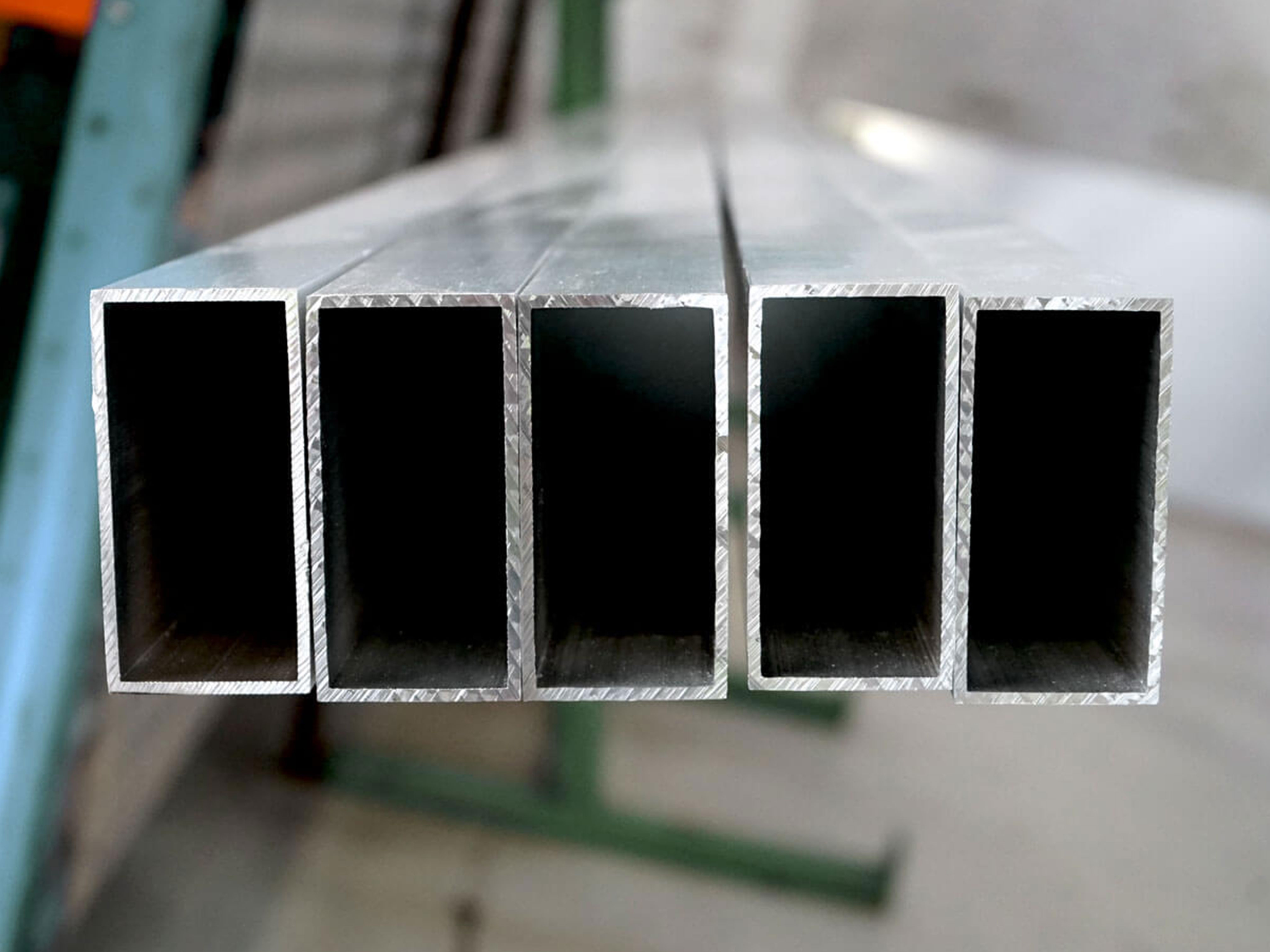
Marine Grade Aluminum Rectangular Tubes are made from high-performance alloys such as 5083, 5052, 6061, and 6082. These alloys are renowned for their ability to resist corrosive seawater and marine atmospheres while providing excellent mechanical strength and toughness.
View Details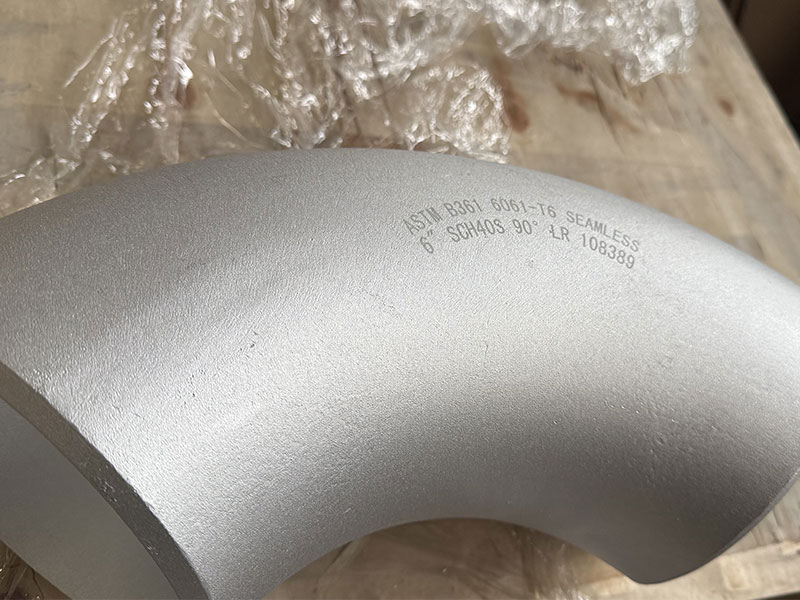
6061-T6 90-Degree Marine Aluminum Pipe Elbow
Manufactured from premium 6061-T6 marine-grade aluminum alloy, this elbow fitting is engineered to provide reliable and efficient pipe direction changes within shipbuilding, offshore platforms, and marine infrastructure systems.
View Details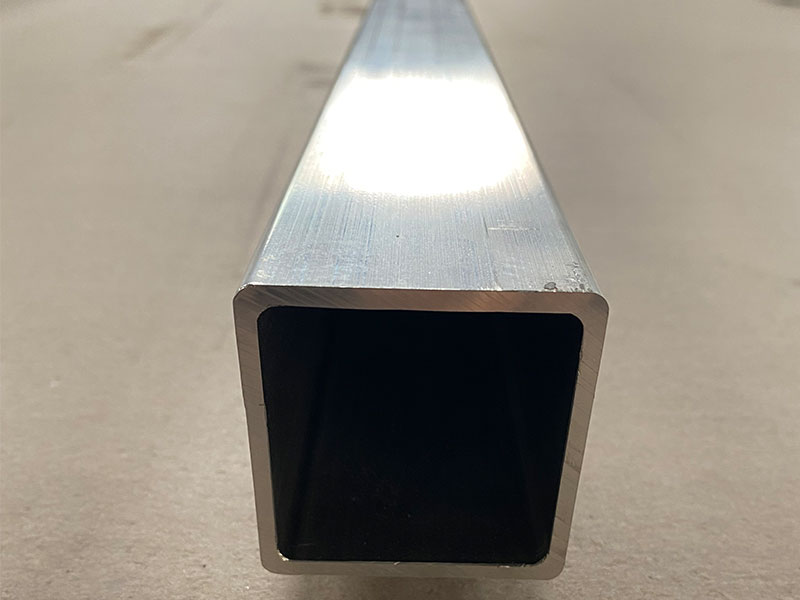
Marine aluminum square tubes
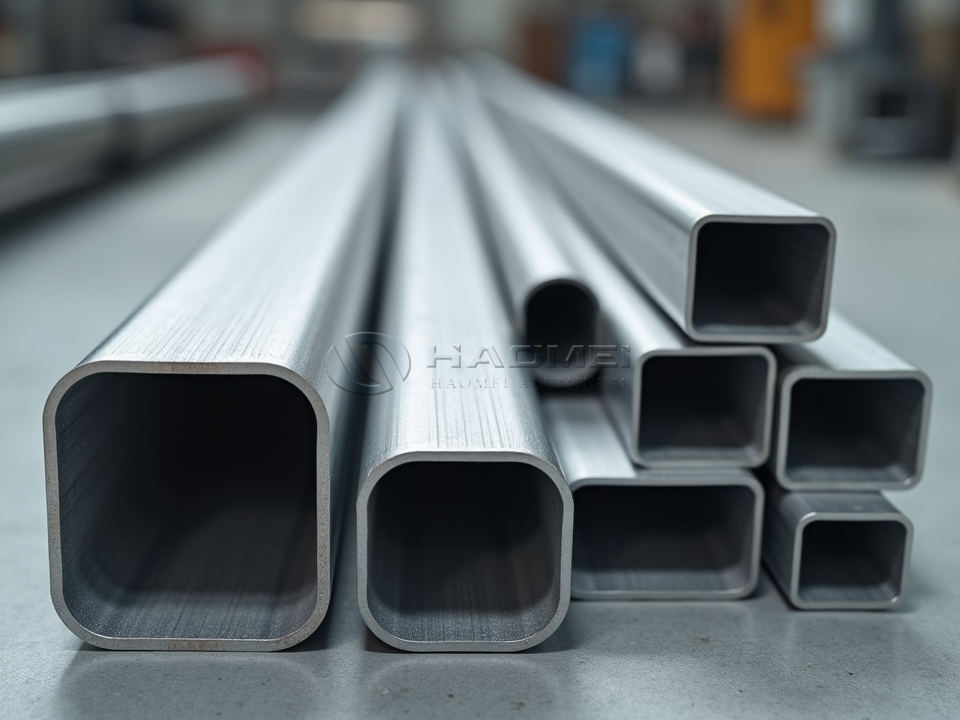
Marine Grade Aluminum Square Tubes are typically constructed from marine-grade alloys such as 5083, 5052, 6061, and 6082—well-known for their ability to withstand the aggressive effects of saltwater and marine atmospheres.
View Details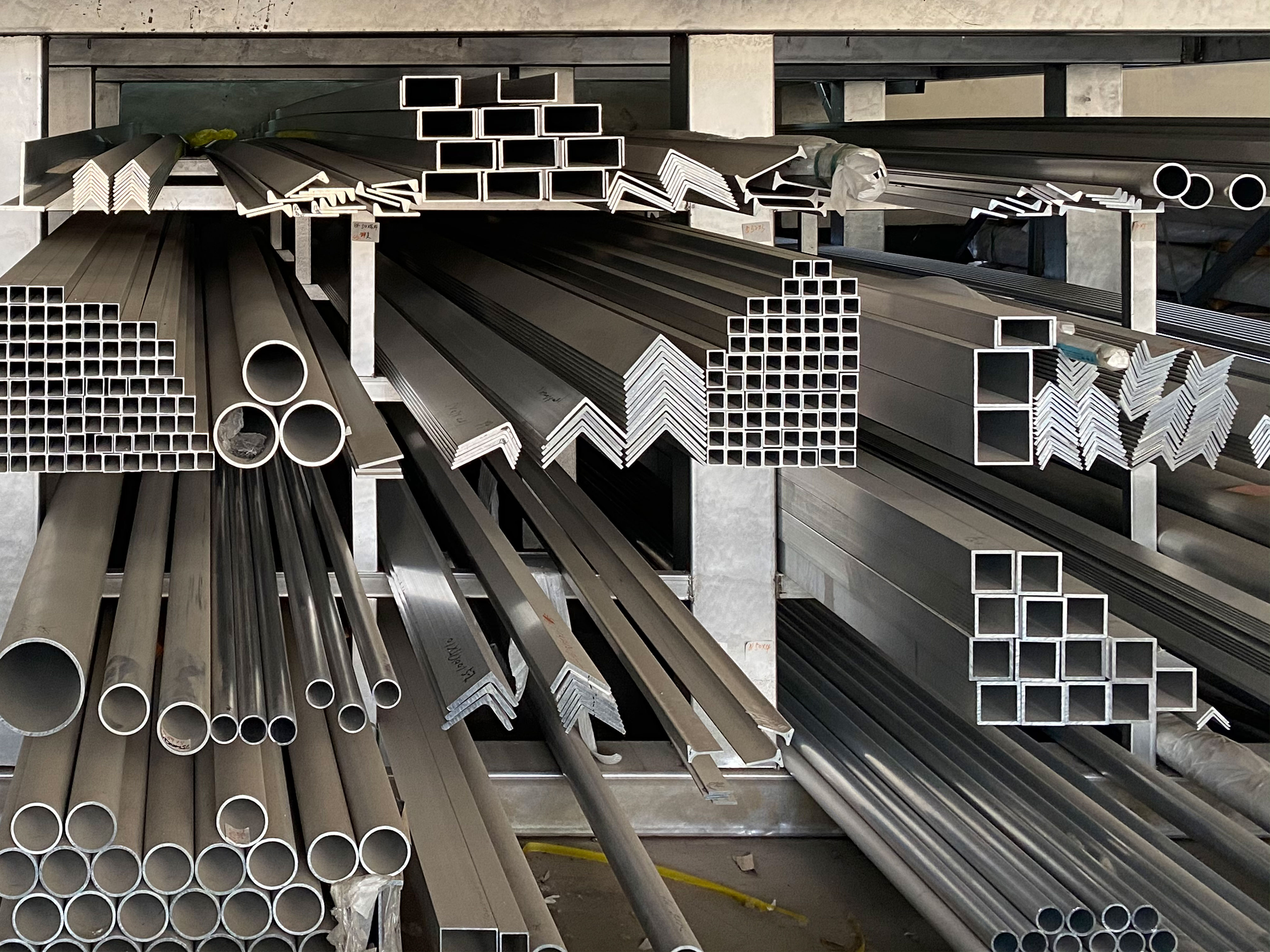
Custom marine aluminum profile tubes
Custom Marine Grade Aluminum Profile Tubes are manufactured from premium marine aluminum alloys such as 5083, 5052, 6061, and 6082.
View Details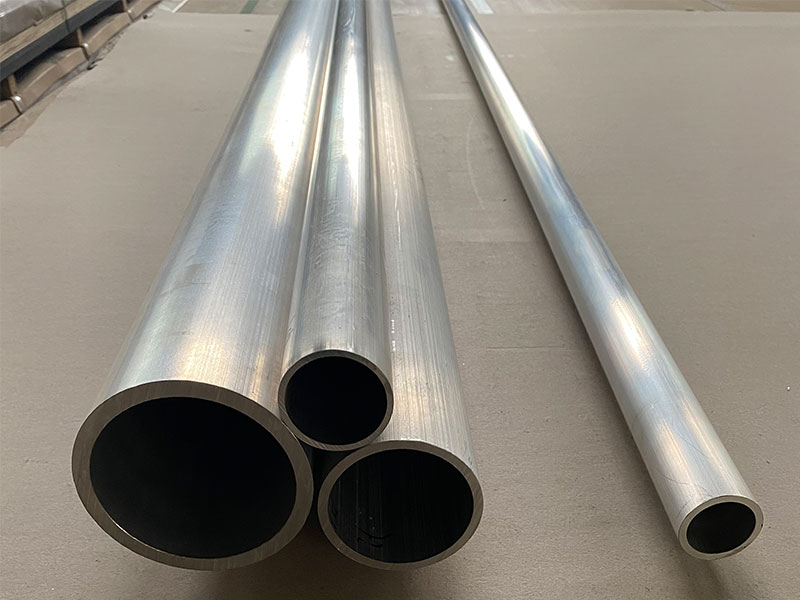
Marine aluminum round tubes
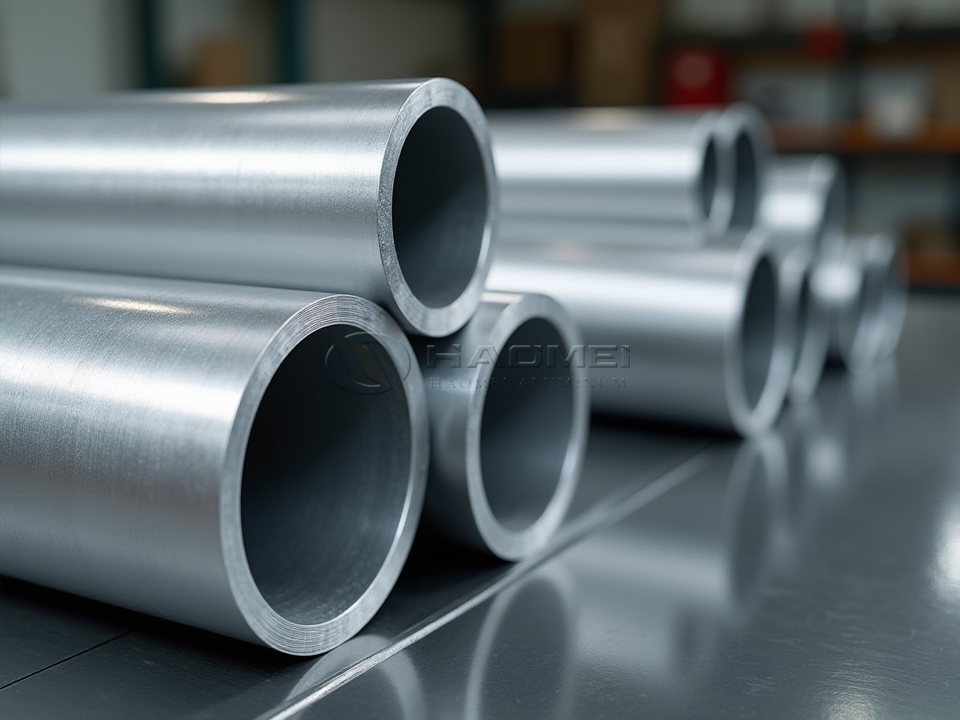
Marine Grade Aluminum Round Tubes are manufactured from premium marine alloys such as 5083, 5052, 6061, and 6082, all selected for their proven resistance to seawater corrosion and marine atmosphere degradation.
View DetailsRelated Blog
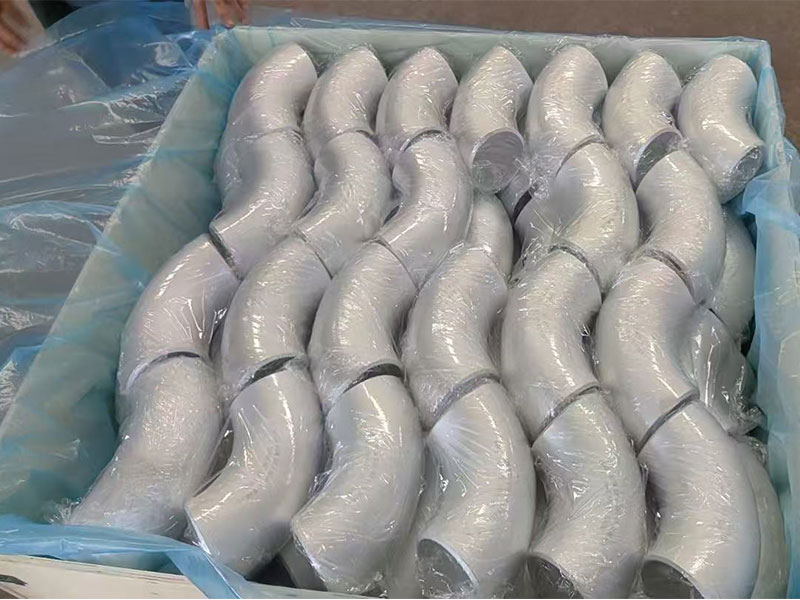
Heavy Duty Aluminum Elbow for Marine Oil and Gas Pipelines
The Heavy Duty Aluminum Elbow for Marine Oil and Gas Pipelines is engineered for long‑term performance in harsh offshore and coastal environments. Designed around corrosion‑resistant aluminum alloys and precision forming, th.
View Details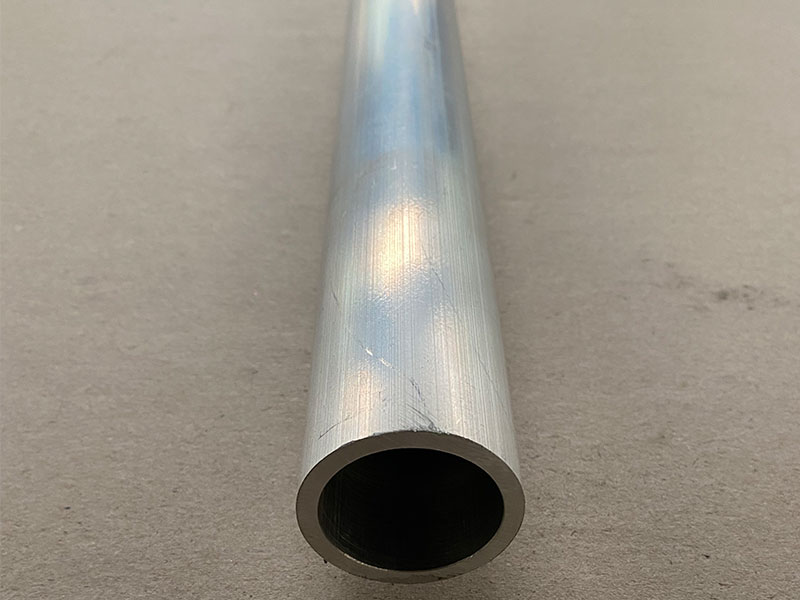
5052 Marine Aluminum Tubes for Heavy Duty Marine Structures
In heavy-duty marine structures, 5052 marine aluminum tubes occupy a very particular niche: they are not the strongest alloy in the shipyard, but they often become the most reliable part of the system when saltwater, vibration.
View Details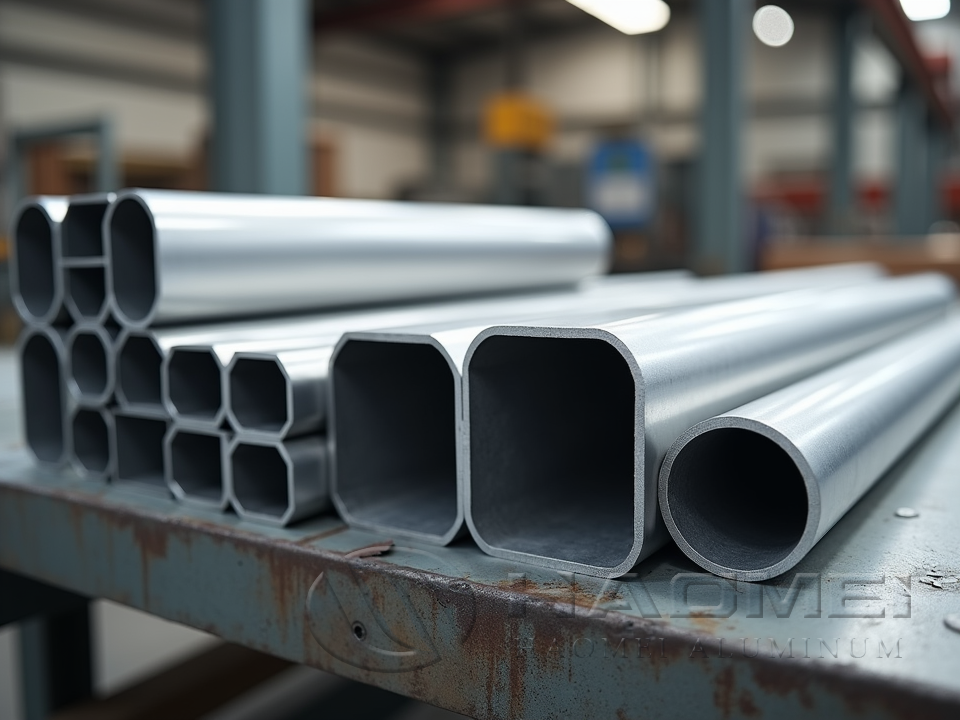
Marine Aluminum Pipe Elbow For Offshore Pipeline Pressure Relief
Marine aluminum pipe elbow for offshore pressure relief lines, covering materials, features, specifications, corrosion resistance, and practical uses.
View Details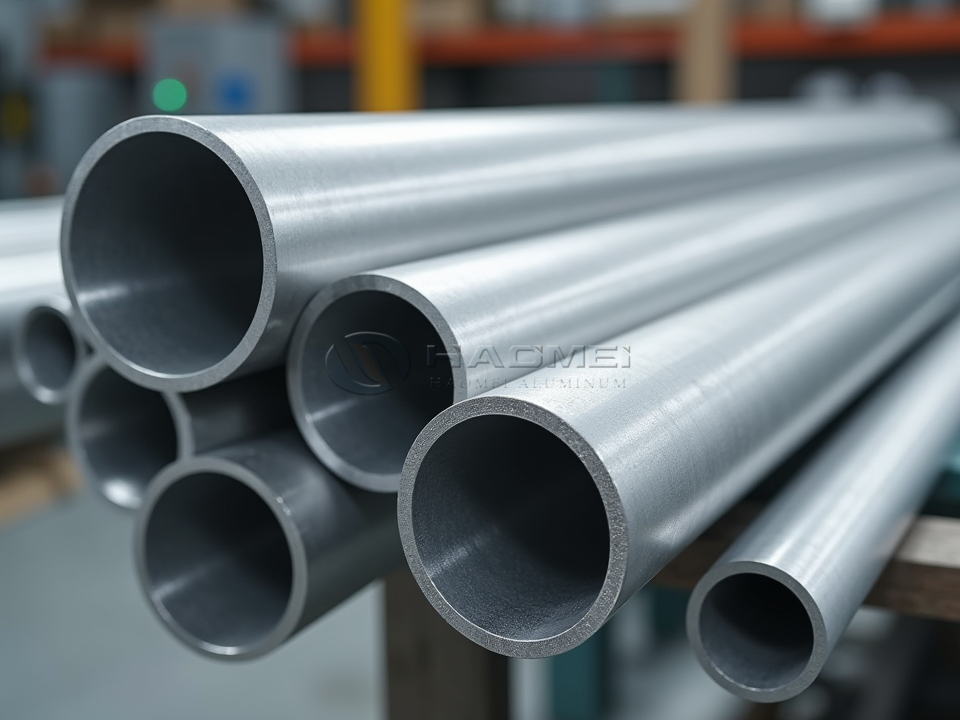
Marine Aluminum Elbow for Fluid Distribution and Control in Offshore Pipelines
Marine aluminum elbows guide offshore pipeline flow with low weight, corrosion resistance, smooth bends, weldability, and dependable pressure control.
View Details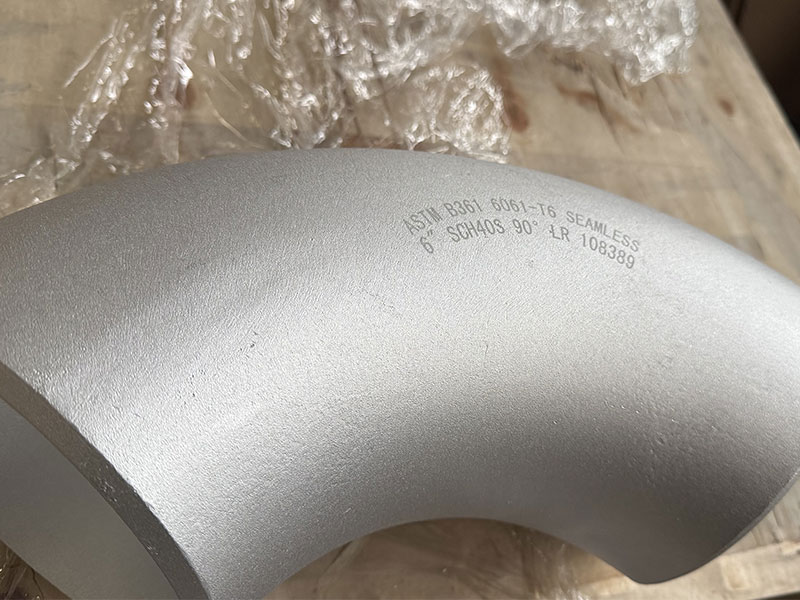
Aluminum Pipe Elbow for Shipboard Refrigeration Lines
In the world of marine refrigeration systems, maintaining integrity, durability, and corrosion resistance is critical to ensure onboard equipment functions on long sea voyages.
View Details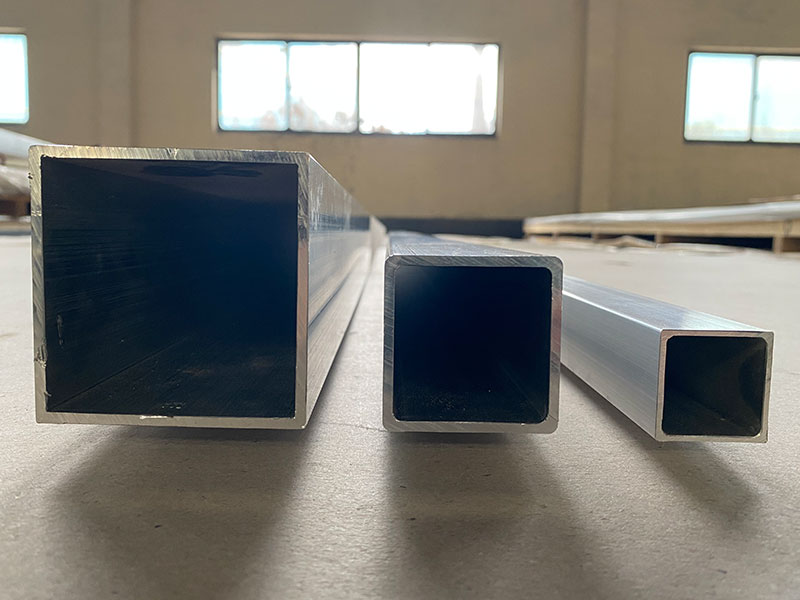
Marine Aluminum Tubes for Marine Equipment Manufacturing
Marine aluminum tubes are specialized aluminum alloy tubes designed specifically for the demanding conditions encountered in marine environments.
View Details
Leave a Message