
6061 Marine Aluminum Angles for Marine Frame and Hull Reinforcements
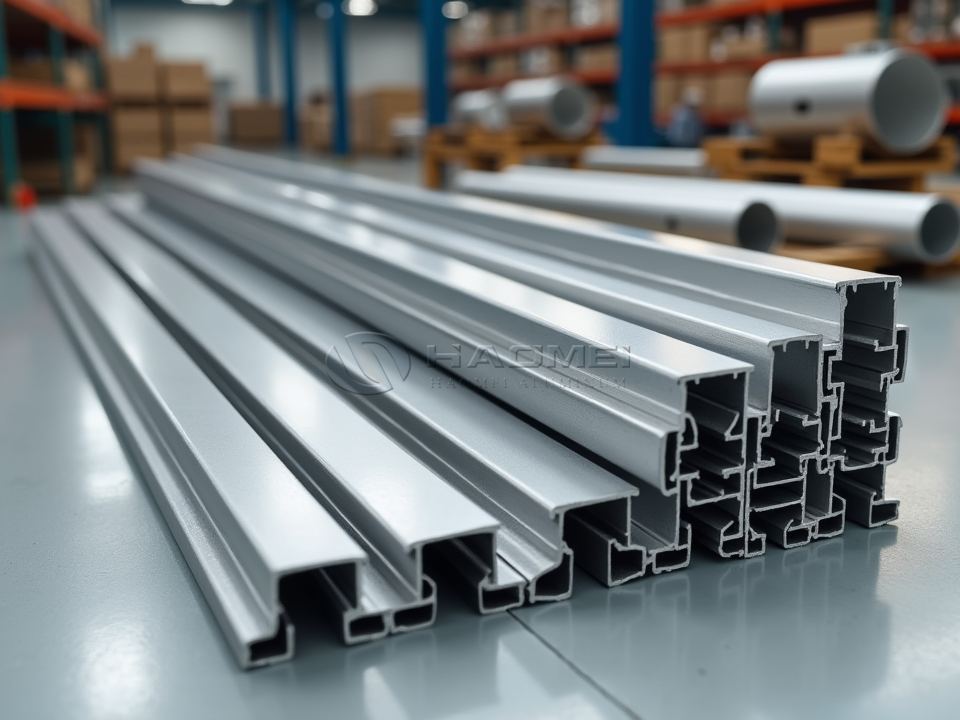
6061 marine aluminum angles are high-strength extruded sections designed for structural work where boats, work vessels, docks, and offshore equipment need a low-weight yet rigid support member. Their L-shaped geometry distributes loads efficiently across two perpendicular legs, making them practical for joining panels, strengthening corners, supporting decks, and reinforcing hull structures.
Compared with steel angles, 6061 aluminum angles reduce structural weight substantially while maintaining dependable mechanical performance. A lighter structure can improve vessel payload, fuel efficiency, acceleration, draft control, and handling. For fabricators, the alloy also offers clean machinability, consistent extrusion quality, and compatibility with common marine construction methods.
Why 6061 Aluminum Is Chosen for Marine Structural Angles
Alloy 6061 is an aluminum-magnesium-silicon alloy strengthened through heat treatment. In the T6 temper, it offers a strong balance of yield strength, hardness, dimensional stability, and fabrication flexibility. It is especially suitable for framework components that carry concentrated loads or require straight, durable members with a controlled cross-section.
A 6061 marine aluminum angle performs well in fabricated structures such as cabin frames, engine foundations, deck framing, transom supports, hull stiffeners, console supports, rail bases, and equipment brackets. Its smooth extruded surface also supports painting, powder coating, anodizing, and marine sealing systems.
For exposed hull plating in continuous saltwater immersion, 5xxx series alloys such as 5083 or 5086 are often preferred because of their stronger seawater-corrosion performance. However, 6061 remains an excellent structural option for angles, brackets, frames, and reinforced assemblies when good drainage, protective finishing, and dissimilar-metal isolation are applied.
Typical Product Parameters
| Property | Typical Specification for 6061-T6 Angles |
|---|---|
| Alloy | 6061 aluminum alloy |
| Common temper | T6, T6511, T4 available on request |
| Product form | Equal-leg and unequal-leg extruded angle |
| Leg thickness | Commonly 2 mm to 25 mm, depending on profile size |
| Leg width | Commonly 15 mm to 200 mm or custom extrusion sizes |
| Standard length | 3 m, 4 m, 5 m, 6 m, or cut-to-length |
| Surface finish | Mill finish, brushed, anodized, powder coated, painted |
| Fabrication methods | Cutting, drilling, CNC machining, bending, welding, bolting |
| Density | Approximately 2.70 g/cm³ |
| Elastic modulus | Approximately 69 GPa |
| Thermal conductivity | Approximately 167 W/m·K |
Dimensions, corner radii, straightness requirements, and leg tolerances can be matched to the vessel design. Equal-leg angles are common for corner reinforcement, while unequal-leg angles provide broader bearing surfaces where one side must support a panel, deck edge, or bulkhead flange.
Chemical Composition of 6061 Aluminum Alloy
The controlled magnesium and silicon content in 6061 forms magnesium silicide during heat treatment, giving the alloy its useful strength response. Chromium contributes to grain structure control, while copper supports strength development.
| Element | Typical Composition Range, % |
|---|---|
| Magnesium, Mg | 0.80 - 1.20 |
| Silicon, Si | 0.40 - 0.80 |
| Iron, Fe | 0.00 - 0.70 |
| Copper, Cu | 0.15 - 0.40 |
| Chromium, Cr | 0.04 - 0.35 |
| Zinc, Zn | 0.00 - 0.25 |
| Titanium, Ti | 0.00 - 0.15 |
| Manganese, Mn | 0.00 - 0.15 |
| Aluminum, Al | Balance |
Mechanical Performance for Marine Frames
6061-T6 marine aluminum angles provide strength that suits structural framing without adding unnecessary mass. Actual values vary with extrusion dimensions, testing direction, and applicable production standards, but the figures shown are representative for engineering reference.
| Mechanical Property | Typical 6061-T6 Value |
|---|---|
| Tensile strength | Approximately 290 MPa |
| Yield strength | Approximately 240 MPa |
| Elongation | Approximately 8% - 12% |
| Brinell hardness | Approximately 95 HB |
| Shear strength | Approximately 170 MPa |
| Melting range | Approximately 582 - 652°C |
The rigid L-profile helps resist local deformation at corners and junctions. When positioned along bulkhead intersections, deck-to-side connections, or hull framing lines, the angle can stiffen the assembly and reduce vibration. Proper leg orientation enables the section to carry bending, shear, and attachment loads efficiently.
Marine Frame and Hull Reinforcement Applications
6061 angles are widely used in recreational craft, patrol boats, fishing vessels, pontoon boats, ferries, utility vessels, and marine equipment platforms. Their practical shape makes them suitable for both visible and concealed structural zones.
Common uses include:
- Hull stringer connections and internal stiffening arrangements
- Deck perimeter framing and hatch opening reinforcement
- Cabin wall, windshield, canopy, and hardtop frames
- Bulkhead-to-hull and bulkhead-to-deck attachment sections
- Transom bracing and engine compartment supports
- Seating bases, console frames, storage modules, and equipment mounts
- Dock ladders, gangways, rail supports, and floating-platform frames
- Trailer supports and marine transport structures
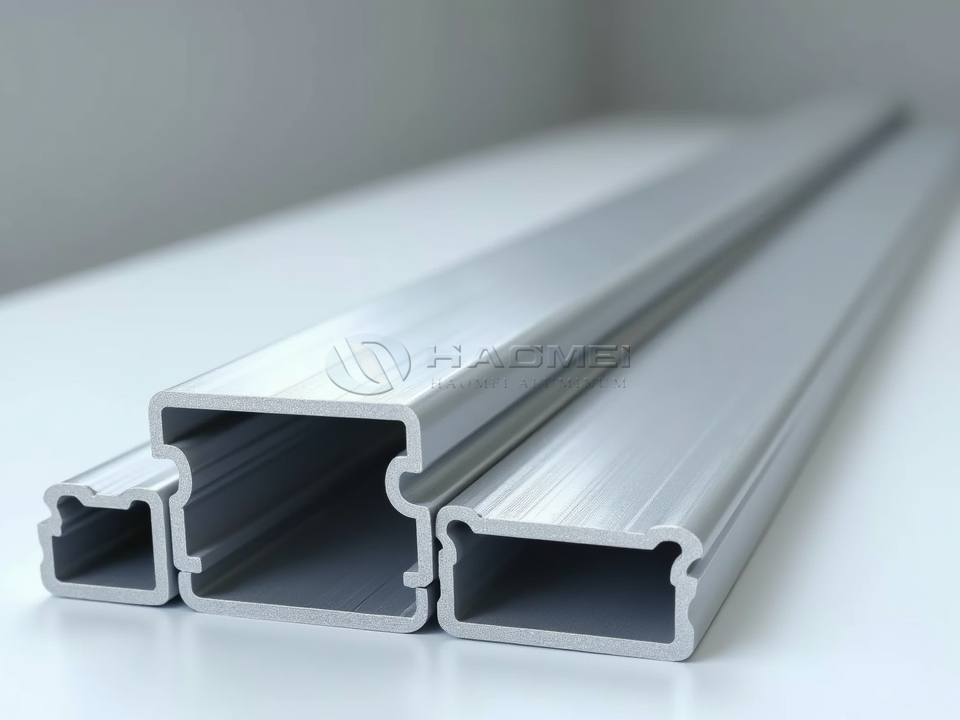
For fabricators building modular structures, Marine Grade Aluminum Extrusions can be combined with 6061 angles to form clean, lightweight support systems. Flat bars, channels, T-slots, and custom profiles may be integrated into the same framework for more efficient assembly.
Fabrication and Joining Considerations
6061 aluminum angles can be sawn, milled, drilled, punched, and CNC-machined with excellent consistency. Their extruded form reduces the need for extensive shaping, helping fabricators shorten assembly time and maintain repeatable dimensions across multiple vessels.
Welding should be planned carefully. The heat-affected zone of 6061-T6 loses part of its T6 temper strength adjacent to the weld. For many marine fabrications, 4043 or 5356 filler metal is selected according to design needs, corrosion exposure, finishing requirements, and welding procedure qualifications. Structural calculations should account for reduced post-weld strength where applicable.
Bolted construction is another practical route, particularly for removable frame modules and outfitting components. Stainless-steel fasteners should be electrically isolated from aluminum using suitable washers, sleeves, sealants, or protective coatings. This reduces galvanic corrosion risk in saltwater environments.
Where a wider reinforcement strip is required alongside the angle, a 6061 T6 marine aluminum flat bar can provide a compatible companion section for gussets, mounting plates, and load-spreading details.
Surface Protection in Saltwater Service
Although aluminum naturally develops a protective oxide film, marine structures benefit from added protection in aggressive environments. Mill-finish angles can be used in sheltered interior areas, but exposed members generally benefit from a suitable finishing system.
Anodizing improves surface hardness and corrosion resistance while preserving the metallic appearance. Powder coating and marine paint systems provide color options and create a barrier against moisture, salt spray, and atmospheric pollutants. Good design remains equally important: avoid water traps, provide drainage paths, seal crevices where practical, and prevent direct contact with copper, carbon steel, and incompatible metals.
A Lightweight Structural Choice for Modern Marine Construction
6061 marine aluminum angles give vessel builders a strong, versatile section for frames and reinforcements where accuracy, weight control, and fabrication efficiency matter. With suitable temper selection, welding design, corrosion protection, and installation practice, these angles deliver reliable performance across a broad range of marine structures. Their adaptable L-shaped profile supports efficient construction from small boat interiors to robust commercial vessel framing.

Related Products
Marine aluminum channels
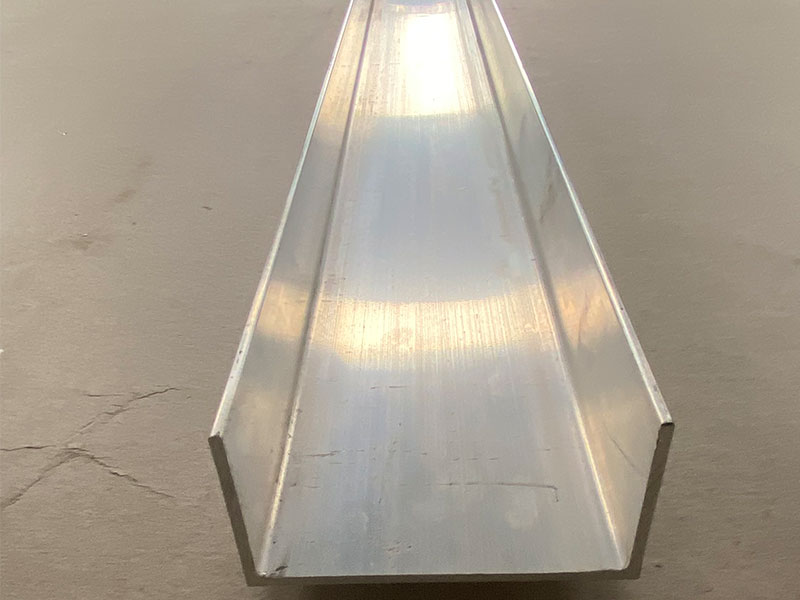
Marine Aluminum Channels are U-shaped aluminum profiles produced from alloys such as 5083, 5052, and 6061, known for their excellent marine corrosion resistance and superior mechanical strength.
View Details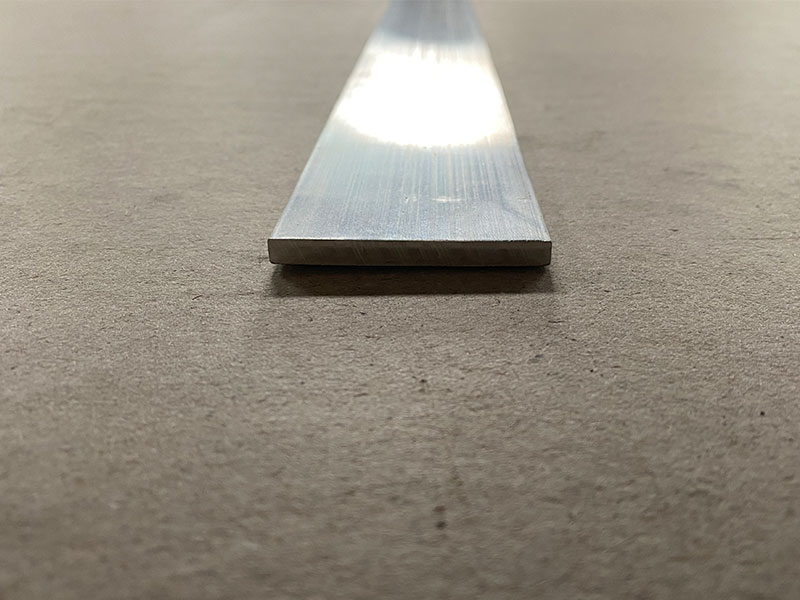
5083 marine aluminum flat bar
5083 aluminum flat bars belong to the 5xxx series of aluminum-magnesium alloys, known primarily for their superior resistance to seawater corrosion and salt spray.
View Details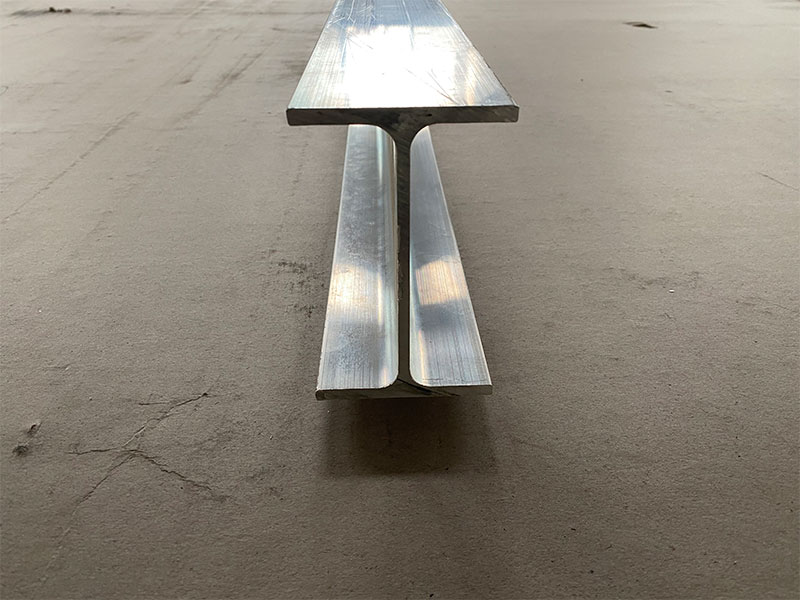
Marine aluminum Z-shaped sections
Marine Aluminum Z-shaped Sections are fabricated from premium marine-grade aluminum alloys such as 5083, 5052, and 6061. These alloys are well-regarded for their superior corrosion resistance in seawater and marine atmospheres, along with good mechanical strength and excellent weldability.
View Details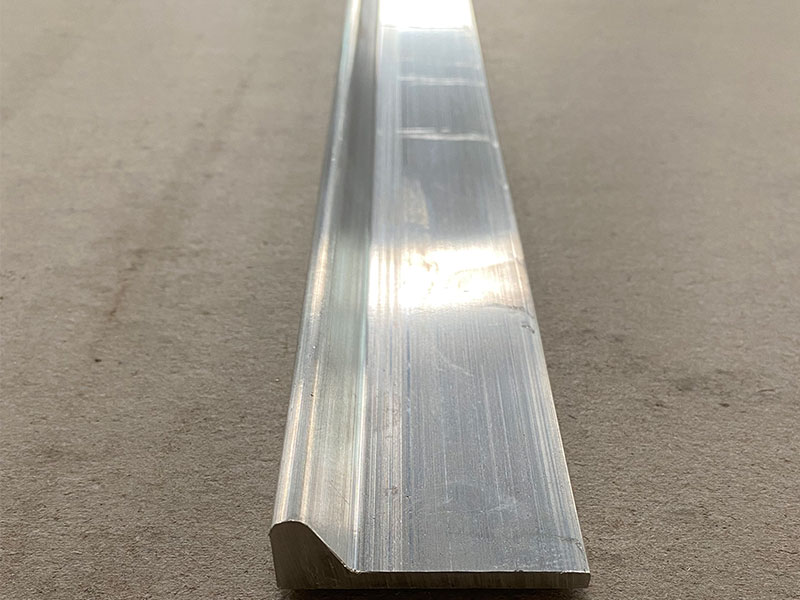
Marine aluminum I-beams
Marine Aluminum I-Beams feature the traditional “I” cross-sectional profile fabricated from marine-grade aluminum alloys like 5083, 5086, and 6061. These alloys are renowned for their outstanding corrosion resistance, especially in saltwater and marine atmospheres, making them ideal for offshore and naval construction.
View Details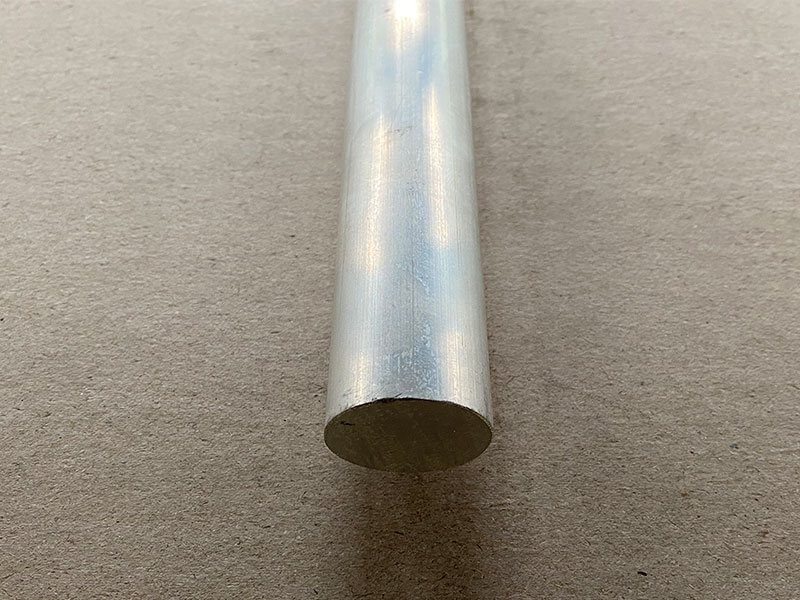
6061 marine aluminum round bar
6061 aluminum belongs to the 6xxx series alloys, alloyed primarily with magnesium and silicon. In the T6 temper, it undergoes solution heat treatment and artificial aging, resulting in enhanced mechanical properties while maintaining excellent corrosion resistance.
View Details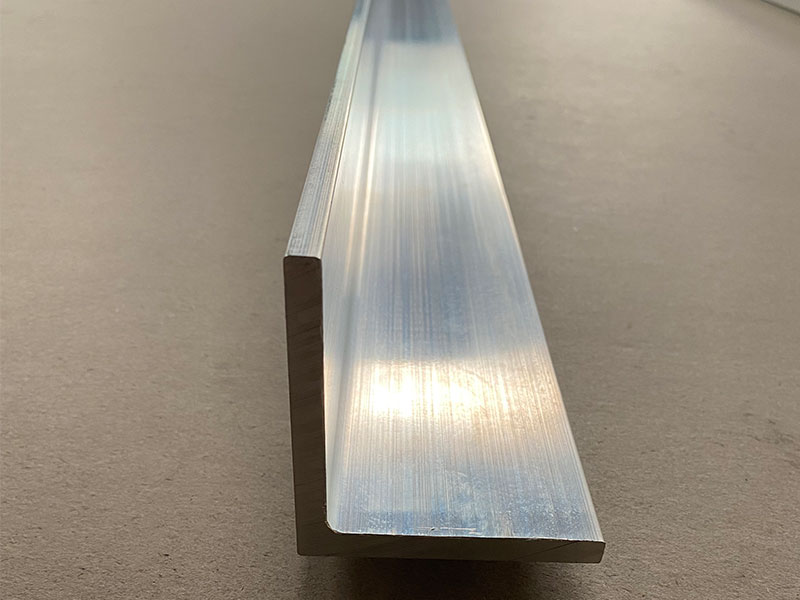
Marine aluminum angles
Marine Aluminum Angles are L-shaped cross-sectional aluminum profiles produced from marine-grade aluminum alloys such as 5083, 5052, and 6061.
View DetailsRelated Blog
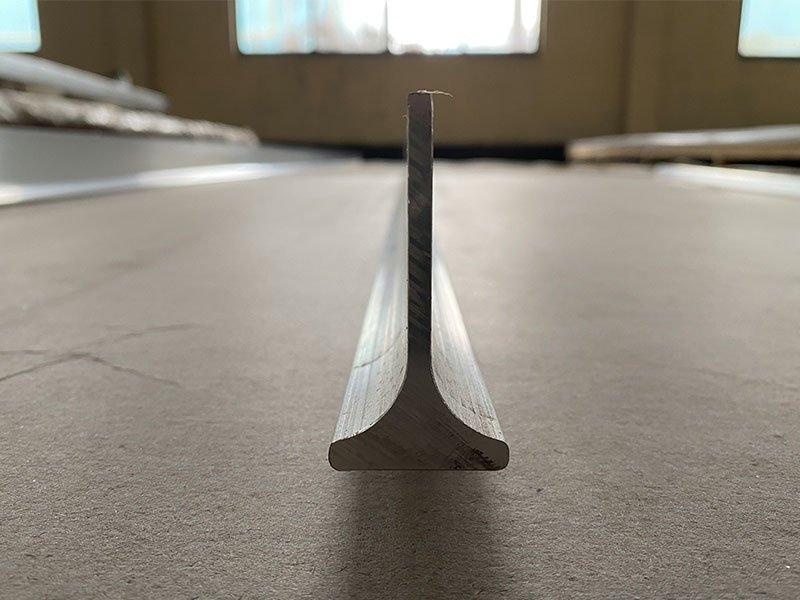
Marine Aluminum Angles for Offshore Boat Frame Reinforcement
In the realm of marine engineering, the design and construction of offshore boat frames are crucial for performance, safety, and longevity. Among the various materials available.
View Details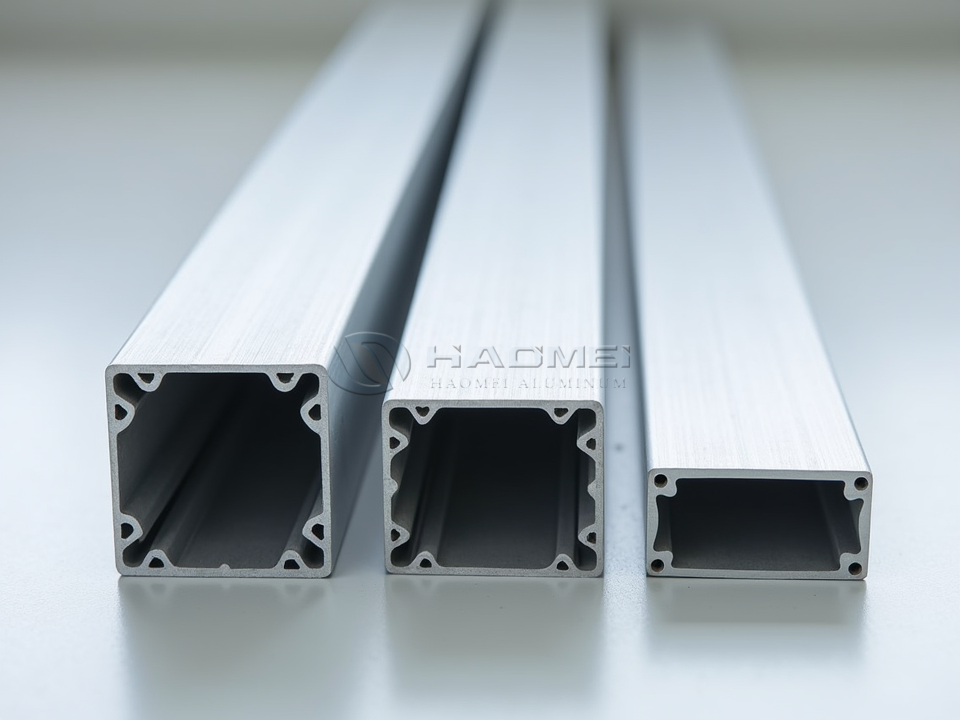
Marine Aluminum Flat Bar
Learn how marine aluminum flat bar performs in boats and docks, from alloy choice and corrosion control to fabrication, sizing, maintenance, and buying checks.
View Details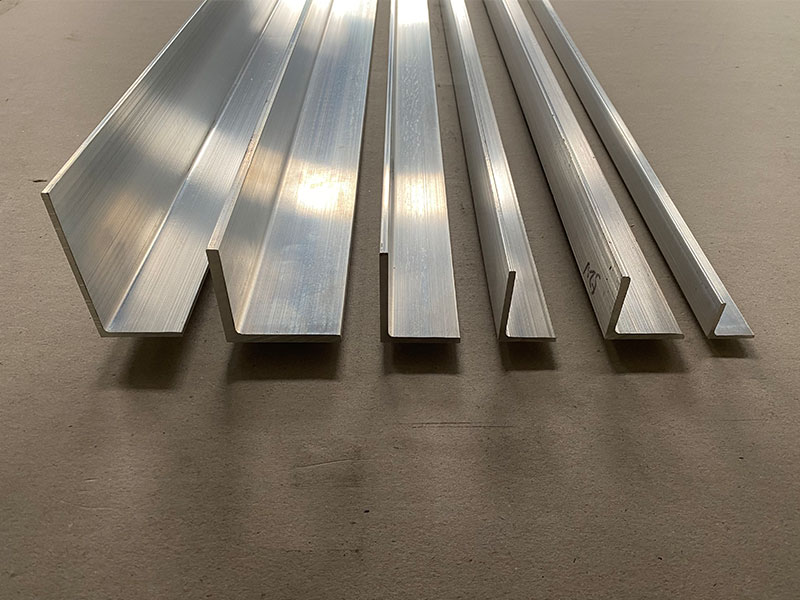
6082 marine aluminum rod & bar
When it comes to marine applications, selecting the right aluminum material is crucial. Among the various alloys available, 6082 marine aluminum rod and bar is know as the premier choice, perfectly balancing strength, corrosion resistance.
View Details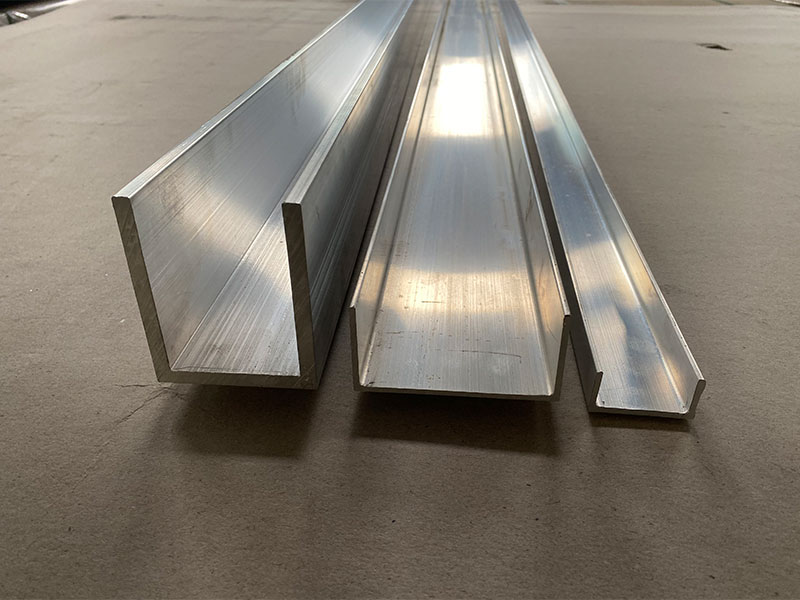
5083 Marine Aluminum Angles for Heavy Duty Boat Frame Customization
5083 marine aluminum angles are purpose-built structural profiles for boatbuilders who need rugged framing without the weight and corrosion risk of steel. Made from Al‑Mg alloy 5083 and supplied in marine-ready tempers, .
View Details
Marine Aluminum Flat Bar for Heavy Duty Coastal Shipbuilding
Marine aluminum flat bar designed for heavy-duty coastal shipbuilding: high-strength, corrosion-resistant aluminum alloys (commonly 5083, 5086, 6061, 5456) in plate/flat-bar form manufactured to marine grades and tempers.
View Details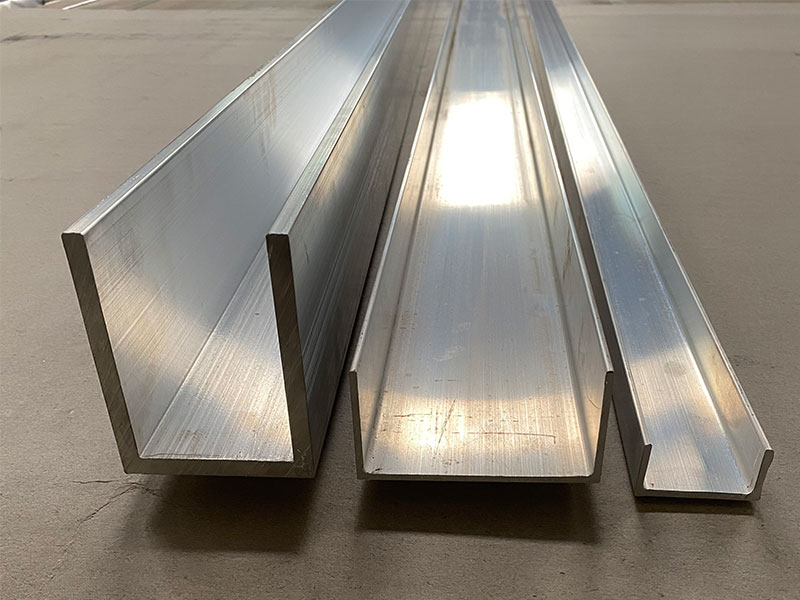
5083 Marine Aluminum Angles for Seawater Proof Boat Frame Parts
5083 marine aluminum angles are purpose‑designed profiles for high‑strength, corrosion‑resistant boat and ship structures. Based on the Al‑Mg 5083 alloy, these angles are widely used in hull framing, deck reinforcement, and su.
View Details
Leave a Message