
Marine Aluminum Elbow for Seawater Circulation in Marine Engines
A marine aluminum elbow is a precision-formed pipe fitting designed to redirect seawater safely through engine cooling circuits, heat exchangers, seawater pumps, strainers, and auxiliary marine equipment. By replacing bulky steel fittings with corrosion-resistant aluminum alloy elbows, vessel builders can reduce piping weight while maintaining dependable fluid flow in demanding saltwater environments.
For direct seawater circulation, the elbow must be selected as part of a complete system rather than as an isolated fitting. Alloy condition, wall thickness, flow velocity, joint design, electrical isolation, and coating strategy all affect service life. A properly engineered marine aluminum elbow provides a smooth flow path, dependable connection geometry, and a practical balance of weight, strength, and corrosion performance.
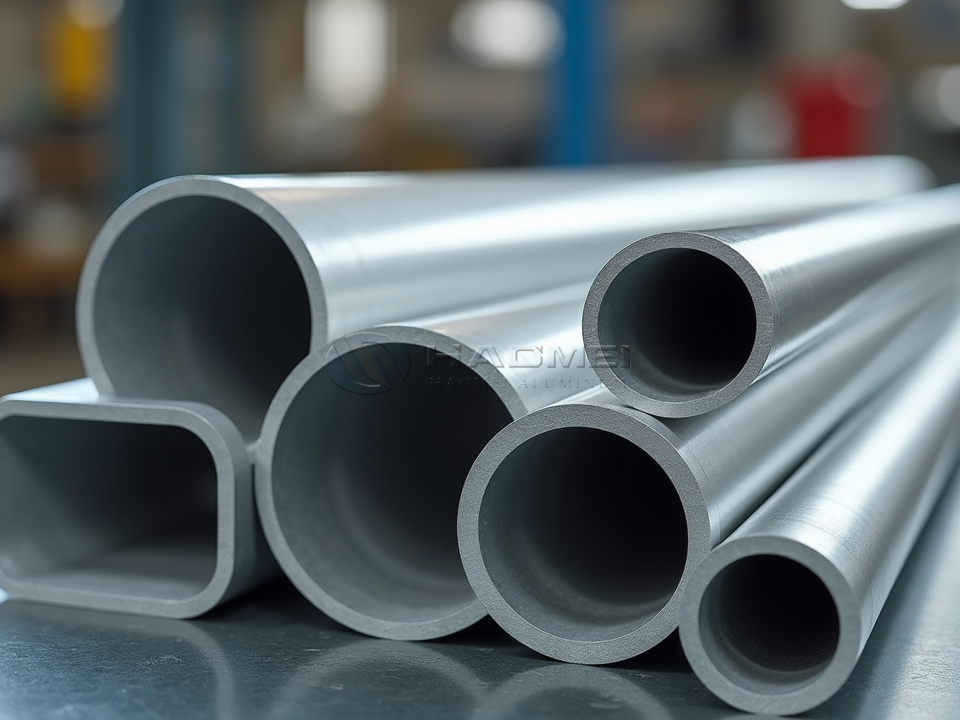
Built for Marine Cooling Circuits
Marine engines commonly use raw-water circuits to draw seawater through an intake, strainer, pump, cooler, and discharge path. Elbows are installed wherever piping must turn around machinery, bulkheads, structural members, or tight service spaces. Their curved internal passage reduces abrupt flow changes compared with fabricated sharp-angle connections.
A 90-degree elbow is the most common configuration, although 45-degree, 180-degree, long-radius, short-radius, reducing, and custom-angle versions can be produced for specific engine-room layouts. Long-radius elbows are generally preferred where space allows because they help lower pressure loss, turbulence, and localized erosion at the bend.
| Product characteristic | Typical value or option | Benefit in seawater service |
|---|---|---|
| Common bend angles | 45°, 90°, 180° | Matches routing requirements around engines and pumps |
| Nominal pipe sizes | DN20-DN200, custom sizes | Supports small auxiliary engines through large cooling headers |
| Wall thickness | 2.0-10.0 mm, project dependent | Balances pressure capability, weldability, and weight |
| Surface condition | Mill finish, pickled, coated, anodized where suitable | Supports corrosion-control strategy |
| End connections | Plain end, welded, flanged, grooved, threaded adapter | Fits new-build and retrofit piping systems |
| Construction | Seamless, extruded, bent, welded fabricated | Allows cost-effective selection by size and duty |
Alloy Selection for Saltwater Exposure
For seawater-contact service, 5xxx-series marine alloys are frequently favored because their magnesium-based chemistry offers strong resistance to general marine atmospheric corrosion and good weldability. Alloy 5083 and alloy 5086 are widely used in hull, tank, and pipe-related marine structures, especially where welded fabrication is required.
6061-T6 can also be used for machined or formed fittings where higher strength and dimensional control are needed. However, in continuously wetted raw-seawater circuits, it requires careful attention to coating condition, galvanic isolation, water chemistry, and maintenance. The selected alloy should always be confirmed against the vessel's design rules, temperature, pressure, and classification requirements.
| Chemical composition, typical limits | 5083 | 5086 | 6061 |
|---|---|---|---|
| Magnesium, Mg | 4.0-4.9% | 3.5-4.5% | 0.8-1.2% |
| Manganese, Mn | 0.4-1.0% | 0.2-0.7% | 0.15% max |
| Silicon, Si | 0.4% max | 0.4% max | 0.4-0.8% |
| Iron, Fe | 0.4% max | 0.5% max | 0.7% max |
| Chromium, Cr | 0.05-0.25% | 0.05-0.25% | 0.04-0.35% |
| Copper, Cu | 0.1% max | 0.1% max | 0.15-0.40% |
| Aluminum, Al | Balance | Balance | Balance |
Values are representative alloy ranges and should be verified against the applicable material standard and mill certificate.
Mechanical Performance and Flow Reliability
A seawater circulation elbow experiences more than static pressure. It must tolerate pump pulsation, vessel vibration, thermal cycling, pipe loads, and repeated engine-room maintenance. Sound forming practice and controlled bend geometry help prevent wall thinning at the outer radius and wrinkling at the inner radius.
| Mechanical property | 5083-H116/H321 | 5086-H116/H321 | 6061-T6 |
|---|---|---|---|
| Tensile strength | 275-350 MPa | 260-330 MPa | 290-310 MPa |
| Yield strength | 125-240 MPa | 110-220 MPa | 240-275 MPa |
| Elongation | 10-16% | 10-16% | 8-12% |
| Density | 2.66 g/cm³ | 2.66 g/cm³ | 2.70 g/cm³ |
| Elastic modulus | Approx. 70 GPa | Approx. 70 GPa | Approx. 69 GPa |
The smooth internal radius of a well-made elbow supports steady flow and reduces localized pressure drop. This matters in engine cooling systems, where restricted intake flow can contribute to pump cavitation, reduced heat-transfer performance, or elevated engine temperature. Elbow radius should be considered alongside pipe diameter, pump capacity, strainer condition, and the number of directional changes in the complete circuit.
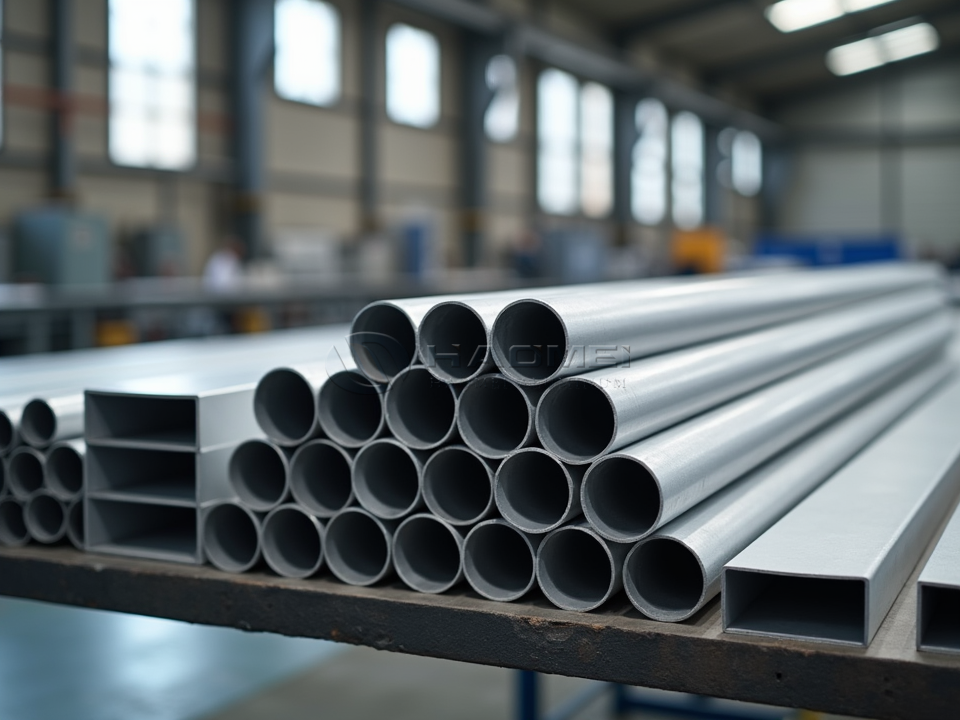
Corrosion Control in Mixed-Metal Systems
Aluminum performs best when galvanic corrosion risks are controlled. Copper alloys, stainless steel, carbon steel, and aluminum can create electrically active combinations in seawater when directly connected. A marine aluminum elbow should therefore be installed with suitable insulating gaskets, dielectric unions, nonconductive sleeves, compatible fasteners, and an effective vessel bonding strategy where required by the system design.
Protective coatings can add an important barrier in splash zones, bilges, and external pipe runs. Internal coatings may be considered when approved for the operating temperature, fluid chemistry, and maintenance program. Avoid designs that create stagnant pockets, trapped seawater, damaged coating edges, or crevices at flanges, as these conditions can accelerate localized attack.
For compatible straight-run material, Marine Grade Aluminum Tubing can be matched by alloy, outside diameter, and wall thickness to create a consistent lightweight piping assembly. Where a high-strength formed bend is required, the 6061-T6 90-Degree Marine Aluminum Pipe Elbow offers a practical option when system-level corrosion protection is properly specified.
Typical Applications
Marine aluminum elbows are used across commercial, recreational, and offshore vessels where reduced mass and corrosion-managed piping are desired.
- Raw-water engine cooling lines
- Generator cooling circuits
- Seawater strainers and pump connections
- Heat exchanger inlet and outlet piping
- Deck wash and fire-water auxiliary lines
- Livewell, ballast, and fish-hold circulation systems
- Hydraulic oil cooler seawater supply lines
- Compact yacht and workboat machinery spaces
Selection Guidance for Project Engineers
| Selection factor | Recommended consideration |
|---|---|
| Fluid | Confirm whether the line carries raw seawater, treated seawater, freshwater, or mixed media |
| Temperature | Check continuous and peak operating temperatures near engines and coolers |
| Pressure | Select wall thickness and joint type for design pressure, surge pressure, and test pressure |
| Bend radius | Use long-radius bends where low pressure loss and low erosion risk are priorities |
| Alloy temper | Match strength, forming requirement, weld procedure, and corrosion exposure |
| Connections | Specify flange standard, weld preparation, gasket material, and bolt isolation needs |
| Inspection | Require dimensional checks, visual examination, material traceability, and leak testing |
Practical Value for Vessel Builders and Operators
A marine aluminum elbow can reduce piping-system weight substantially compared with steel-based alternatives, helping improve payload capacity, vessel trim, and installation handling. Aluminum also simplifies fabrication in many marine workshops because it can be cut, formed, machined, and welded using established procedures.
Its value is strongest when the fitting is integrated into a properly designed seawater system. Correct alloy selection, controlled fabrication, clean internal surfaces, secure supports, and galvanic isolation work together to protect cooling reliability. With these measures in place, marine aluminum elbows provide an efficient route for seawater circulation while supporting durable, serviceable, and weight-conscious marine engine installations.

Related Products
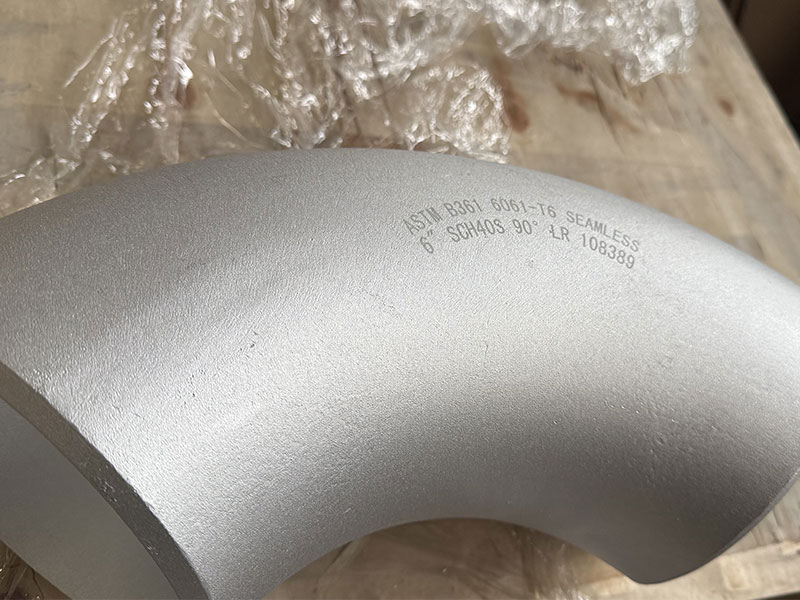
6061-T6 90-Degree Marine Aluminum Pipe Elbow
Manufactured from premium 6061-T6 marine-grade aluminum alloy, this elbow fitting is engineered to provide reliable and efficient pipe direction changes within shipbuilding, offshore platforms, and marine infrastructure systems.
View Details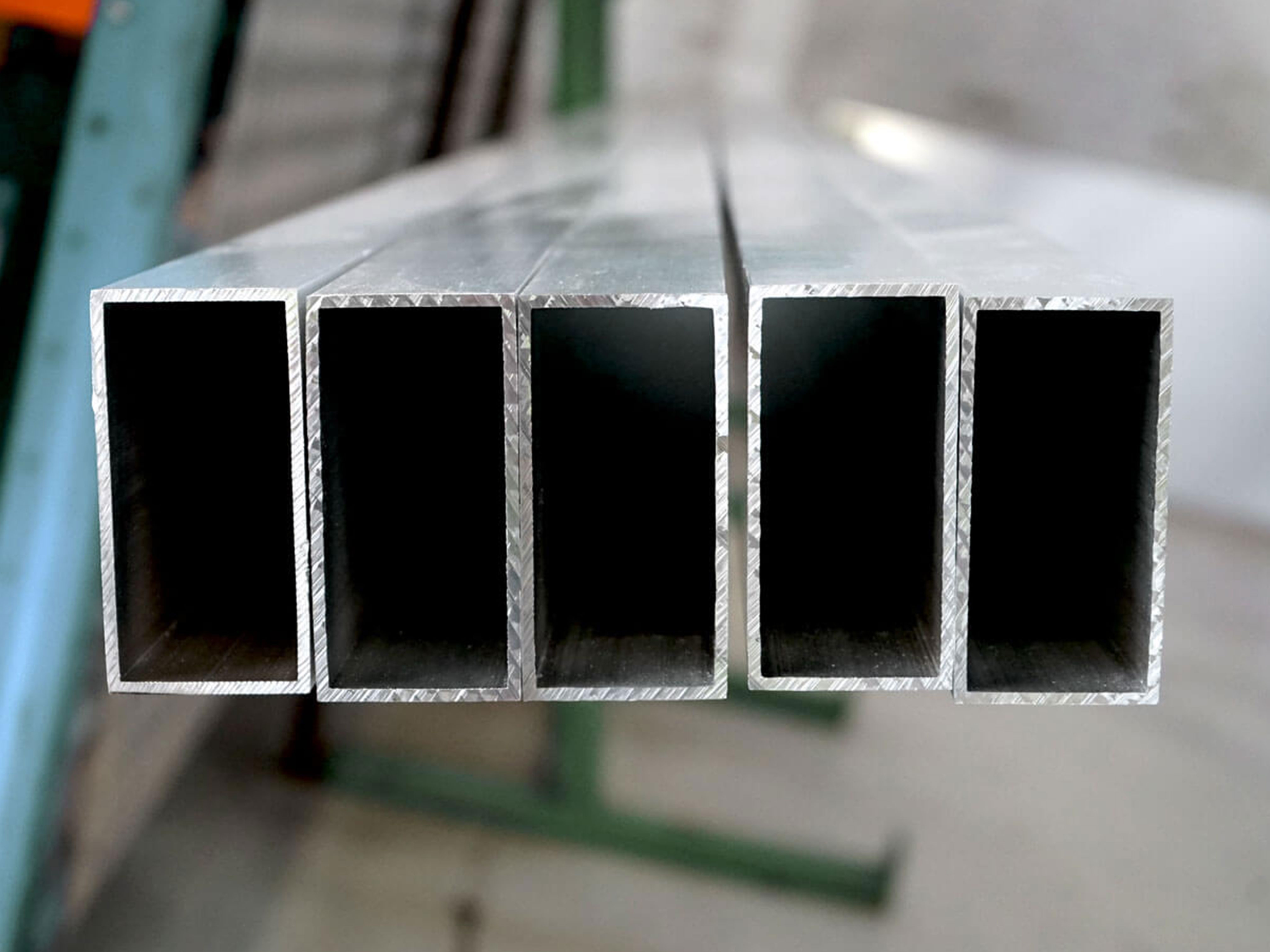
Marine aluminum rectangular tubes
Marine Grade Aluminum Rectangular Tubes are made from high-performance alloys such as 5083, 5052, 6061, and 6082. These alloys are renowned for their ability to resist corrosive seawater and marine atmospheres while providing excellent mechanical strength and toughness.
View Details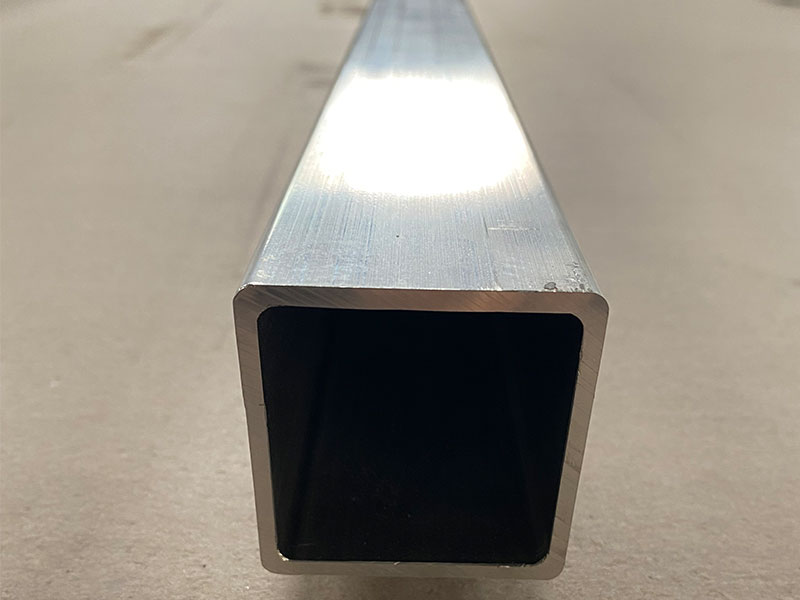
Marine aluminum square tubes
Marine Grade Aluminum Square Tubes are typically constructed from marine-grade alloys such as 5083, 5052, 6061, and 6082—well-known for their ability to withstand the aggressive effects of saltwater and marine atmospheres.
View Details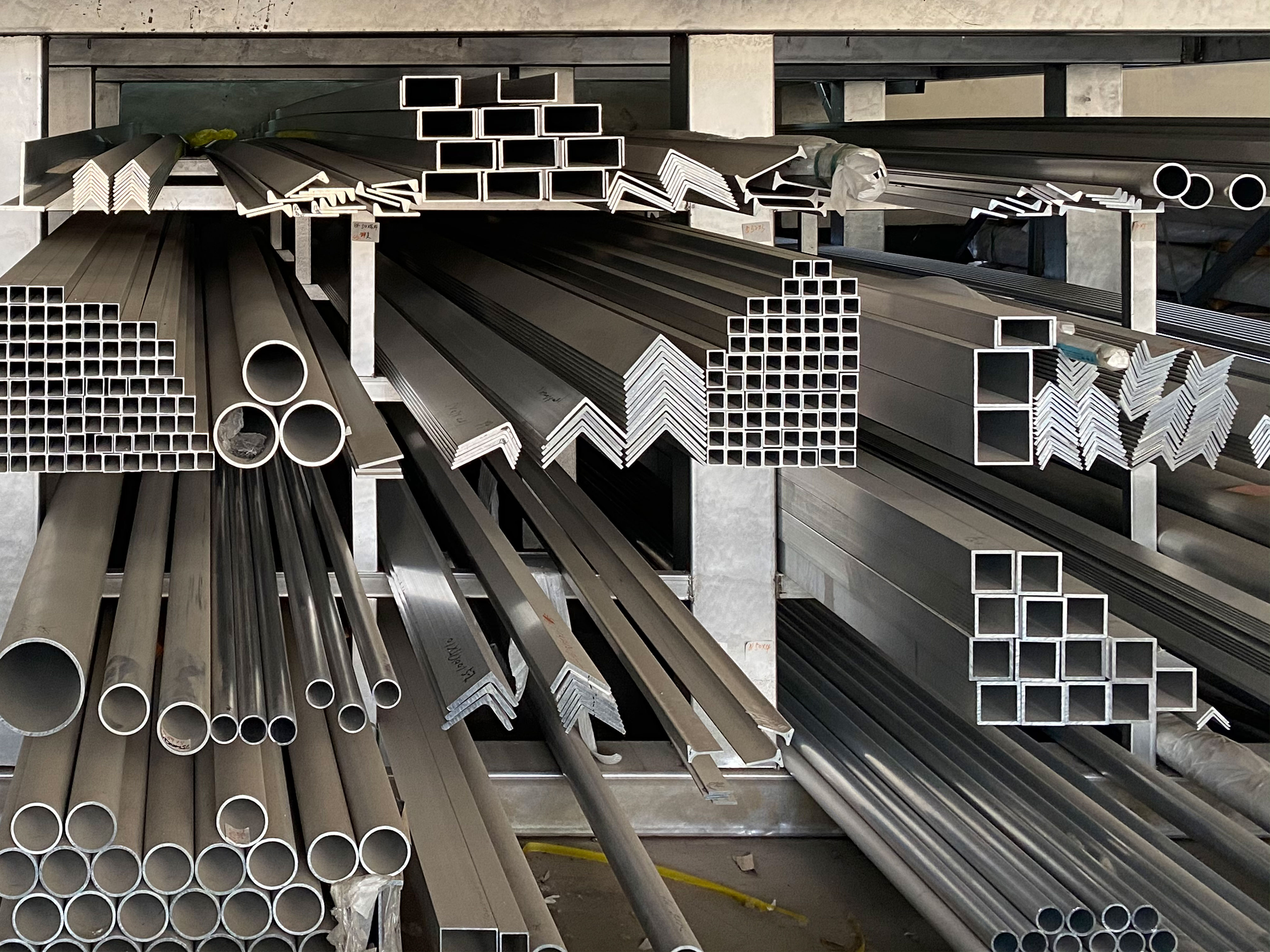
Custom marine aluminum profile tubes
Custom Marine Grade Aluminum Profile Tubes are manufactured from premium marine aluminum alloys such as 5083, 5052, 6061, and 6082.
View Details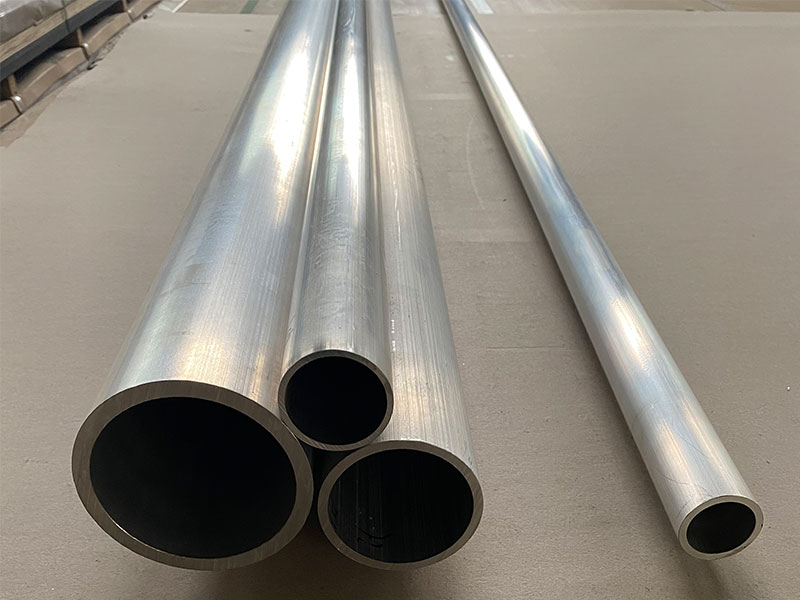
Marine aluminum round tubes
Marine Grade Aluminum Round Tubes are manufactured from premium marine alloys such as 5083, 5052, 6061, and 6082, all selected for their proven resistance to seawater corrosion and marine atmosphere degradation.
View DetailsRelated Blog
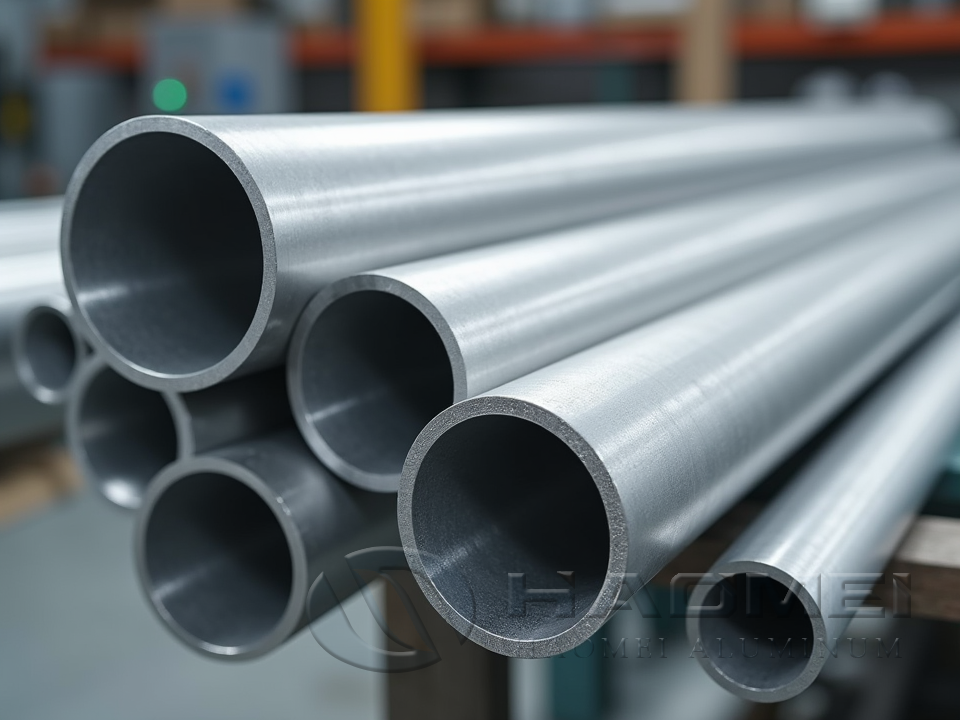
Aluminum Elbow for Marine Water Cooling and Temperature Control
Marine aluminum elbow for seawater cooling, heat exchange, and temperature control with corrosion resistance, light weight, and weldable design.
View Details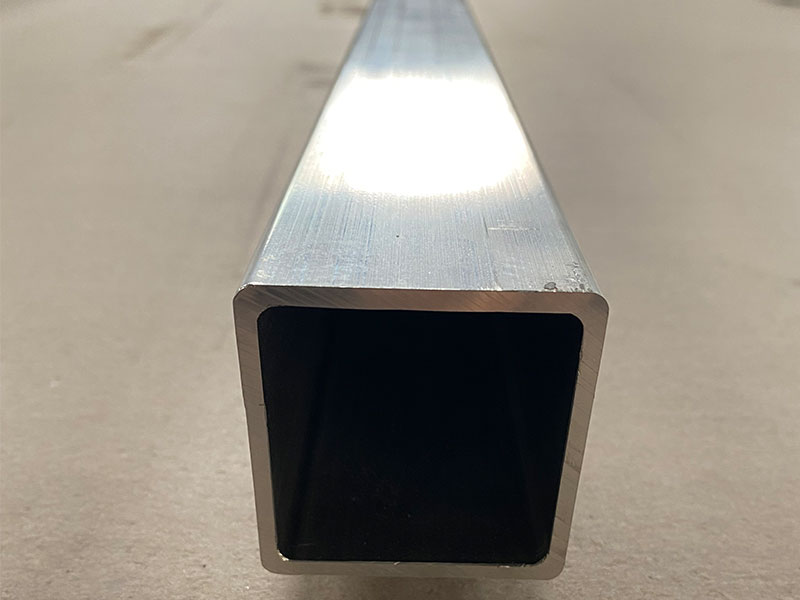
5052 Marine Aluminum Tubes for Marine Industrial Use
5052 marine aluminum tubes are widely used in shipbuilding, offshore structures, and marine equipment due to their excellent corrosion resistance in seawater, medium‑high strength, and good forming/welding performance.
View Details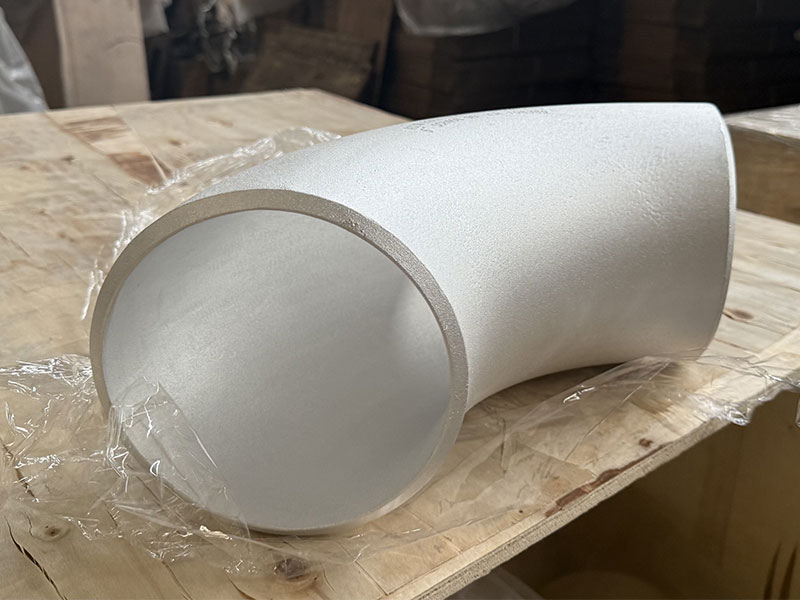
Seamless Marine Aluminum Elbow for Emergency Ventilation Systems
In the demanding realm of maritime safety and engineering, emergency ventilation systems serve as a cornerstone for onboard operational security and crew welfare.
View Details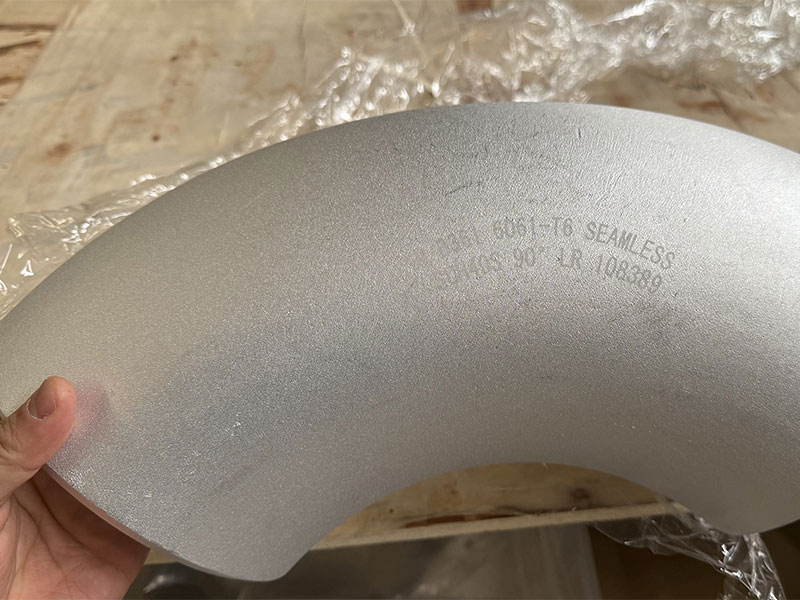
Aluminum Elbow for Marine Water Purification Systems
Aluminum elbows are specialized pipe fittings designed to change the direction of flow in piping systems, commonly at 45°, 90°, or 180° angles. In marine water purification systems, t.
View Details
6082 Marine Aluminum Tubes for High Strength Offshore Structures
In offshore engineering, every kilogram matters, but so does every moment of resistance against saltwater, wind loading, vibration, and long-term fatigue. This is where 6082 marine aluminum tubes stand out.
View Details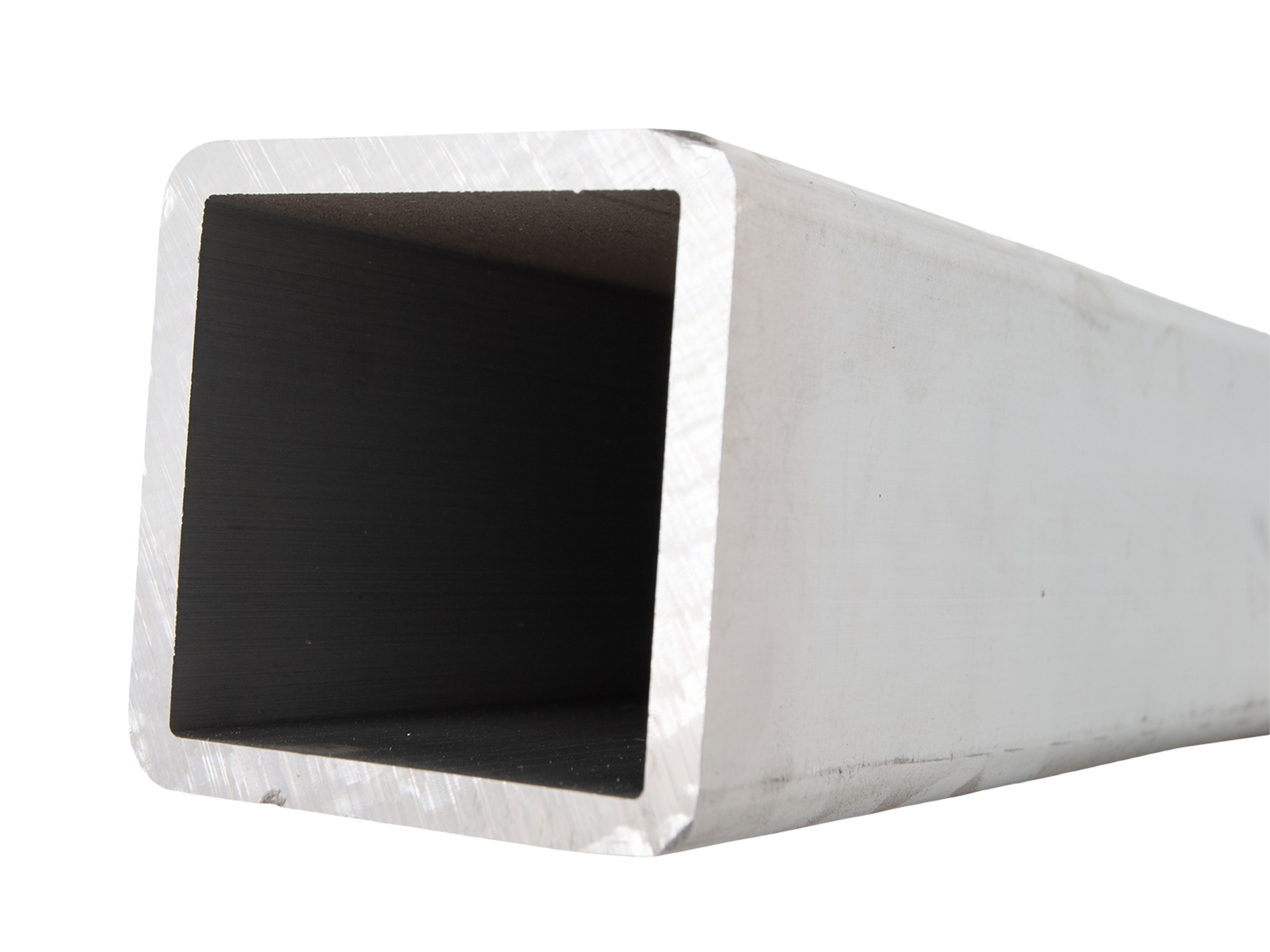
5083 Marine Aluminum Tubes for Ship Hull Reinforcement Materials
When it comes to building and reinforcing ship hulls, selecting the right material is critical for durability, strength, and resistance to the harsh marine environment.
View Details
Leave a Message