
Aluminum Marine Elbow for Subsea Pumping and Fluid Transport
An aluminum marine elbow is a directional pipe fitting engineered to redirect liquid flow through offshore, vessel, coastal, and protected subsea pumping systems. Available in 45-degree, 90-degree, and custom-angle configurations, these elbows connect aluminum pipe runs while reducing installation weight, preserving flow continuity, and supporting compact routing around pumps, valves, hull structures, and equipment skids.
Marine aluminum elbows are commonly produced from 5xxx or 6xxx series alloys. Selection depends on the operating medium, pressure level, fabrication method, corrosion exposure, joining process, and required mechanical strength. For fabricated piping systems, 5083 and 5086 offer excellent seawater corrosion performance. For machined, extruded, or higher-strength structural connections, 6061-T6 and 6082-T6 are widely used with appropriate corrosion-control practices.
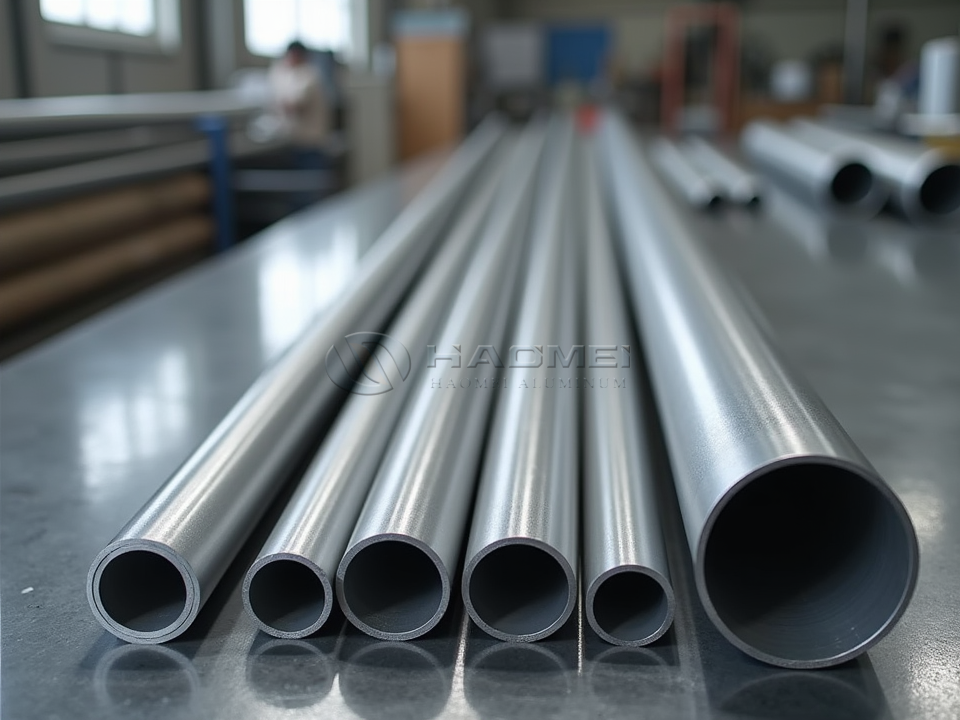
Product Characteristics
| Feature | Customer Benefit |
|---|---|
| Low density | Reduces piping weight, deck load, support demand, and handling effort compared with steel fittings. |
| Marine-grade alloy options | Supports alloy selection for seawater, ballast water, cooling loops, hydraulic oils, and process fluids. |
| Smooth bend geometry | Helps limit turbulence, localized pressure loss, and erosion at direction changes. |
| Multiple connection styles | Available with butt-weld, socket-weld, flange, threaded, grooved, or custom-machined ends. |
| Corrosion-control compatibility | Can be supplied mill finish, anodized, coated, painted, or electrically isolated from dissimilar metals. |
| Custom fabrication | Bend radius, wall thickness, angle, end preparation, and dimensional tolerance can be adapted to the project. |
| Non-magnetic material | Suitable for installations where magnetic interference must be minimized. |
The elbow design may be seamless, mandrel-bent, welded, forged, machined, or fabricated from marine aluminum pipe. Long-radius elbows are generally preferred where pumping efficiency and low pressure drop are important. Short-radius elbows are useful where installation space is restricted, provided the pressure-loss effect is considered during system design.
Typical Marine and Subsea Uses
| Application Area | Typical Fluid or Service | Elbow Function |
|---|---|---|
| Subsea pump modules | Treated seawater, cooling water, hydraulic fluid | Routes lines around pumps, manifolds, and support frames. |
| Vessel seawater cooling | Raw seawater, chilled-water circuits | Connects strainers, heat exchangers, pumps, and discharge lines. |
| Ballast and bilge systems | Ballast water, drainage water | Creates compact direction changes in onboard pipe networks. |
| Offshore platforms | Utility water, firewater, chemical dosing fluids | Supports lightweight modular piping assemblies. |
| Aquaculture systems | Seawater, oxygenated water, circulation water | Directs flow between filtration, pumping, and tank systems. |
| Coastal desalination units | Pretreated seawater, brine, service water | Connects corrosion-resistant transfer lines and compact skids. |
| Marine fuel and lubricant lines | Diesel, lubricating oil, non-aggressive fluids | Provides controlled routing where aluminum compatibility is verified. |
For highly demanding deepwater service, elbows must be selected as part of a fully engineered pressure-containing system. External hydrostatic pressure, fatigue loading, vibration, galvanic exposure, cathodic protection effects, and inspection access should be evaluated. Aluminum elbows are especially effective in protected, shallow-water, topside, splash-zone-controlled, and lightweight subsea enclosure applications where their corrosion and mass advantages can be fully utilized.
Alloy and Temper Options
| Alloy | Common Temper | Material Characteristics | Recommended Service Focus |
|---|---|---|---|
| 5052 | H32, H34 | Good formability and corrosion resistance | Light-duty marine fluid lines and fabricated fittings |
| 5083 | H111, H116, H321 | Excellent seawater resistance and weldability | Seawater transfer, hull-adjacent piping, welded systems |
| 5086 | H111, H116, H321 | Strong corrosion resistance with reliable weld performance | Marine piping, pump connections, offshore equipment |
| 6061 | T6 | Good strength, machinability, and dimensional stability | Machined elbows, flanged fittings, structural pipe connections |
| 6082 | T6 | Higher strength than 6061 in many applications | Heavy-duty fabricated fittings and offshore support systems |
For a common right-angle pipe connection, the 6061-T6 90-Degree Marine Aluminum Pipe Elbow is a practical option for systems requiring good mechanical strength, accurate machining, and controlled end geometry.
Chemical Composition
The following values are typical maximum or nominal alloy composition ranges in percent by weight. Final material certification should govern procurement requirements.
| Element | 5083 | 5086 | 6061 | 6082 |
|---|---|---|---|---|
| Silicon, Si | 0.40 max | 0.40 max | 0.40-0.80 | 0.70-1.30 |
| Iron, Fe | 0.40 max | 0.50 max | 0.70 max | 0.50 max |
| Copper, Cu | 0.10 max | 0.10 max | 0.15-0.40 | 0.10 max |
| Manganese, Mn | 0.40-1.00 | 0.20-0.70 | 0.15 max | 0.40-1.00 |
| Magnesium, Mg | 4.00-4.90 | 3.50-4.50 | 0.80-1.20 | 0.60-1.20 |
| Chromium, Cr | 0.05-0.25 | 0.05-0.25 | 0.04-0.35 | 0.25 max |
| Zinc, Zn | 0.25 max | 0.25 max | 0.25 max | 0.20 max |
| Titanium, Ti | 0.15 max | 0.15 max | 0.15 max | 0.10 max |
| Aluminum, Al | Balance | Balance | Balance | Balance |
Technical Specifications
| Parameter | Standard Range or Option |
|---|---|
| Elbow angle | 45 degrees, 90 degrees, 180 degrees, custom angle |
| Nominal pipe size | DN15-DN300, 1/2 in.-12 in., custom sizes available |
| Outside diameter | 21.3-323.9 mm, based on pipe schedule or project drawing |
| Wall thickness | 1.5-20 mm, subject to alloy, diameter, pressure, and fabrication method |
| Bend radius | Short radius, long radius, 1D, 1.5D, 2D, 3D, or custom |
| Manufacturing method | Seamless, bent tube, welded fabrication, forged, machined |
| End configuration | Plain end, beveled weld end, flange-ready, threaded, socket, grooved |
| Surface condition | Mill finish, brushed, anodized, epoxy-coated, marine paint system |
| Inspection options | Dimensional inspection, visual weld inspection, PMI, dye penetrant, pressure test |
| Documentation | Material certificate, dimensional report, welding records, coating report on request |
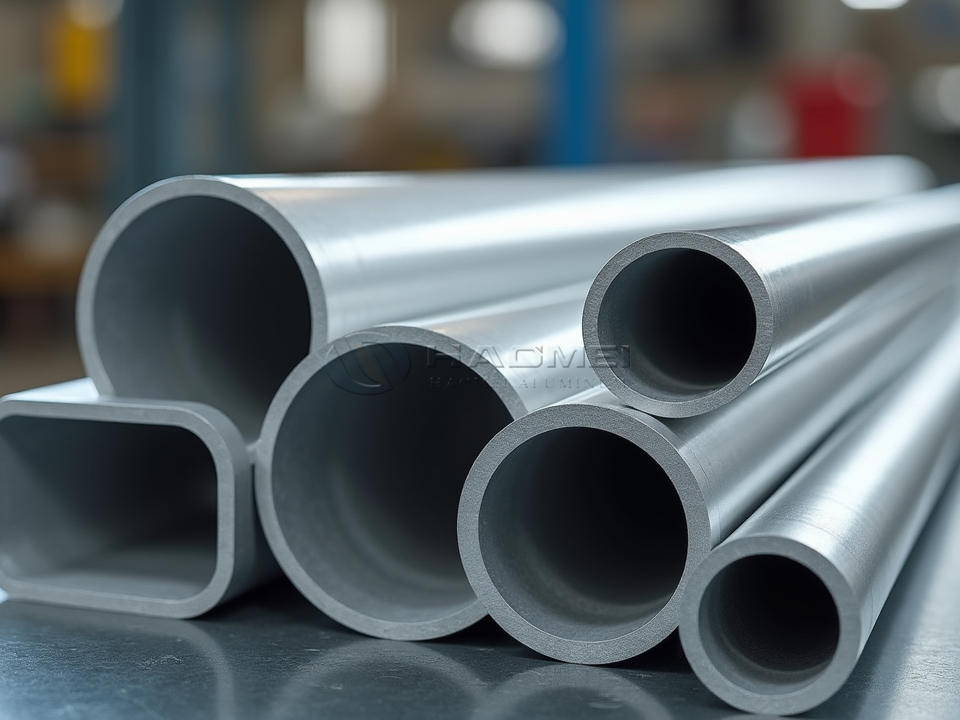
Mechanical and Physical Reference Data
| Property | 5083-H116 | 5086-H116 | 6061-T6 | 6082-T6 |
|---|---|---|---|---|
| Density | 2.66 g/cm³ | 2.66 g/cm³ | 2.70 g/cm³ | 2.70 g/cm³ |
| Tensile strength | 305-385 MPa | 275-350 MPa | 290-310 MPa | 310-340 MPa |
| Yield strength | 215 MPa min | 205 MPa min | 240 MPa min | 260 MPa min |
| Elastic modulus | Approx. 70 GPa | Approx. 70 GPa | Approx. 69 GPa | Approx. 70 GPa |
| Melting range | Approx. 574-638°C | Approx. 574-638°C | Approx. 582-652°C | Approx. 555-650°C |
Values are reference data and may vary with product form, thickness, temper, and applicable material standard.
Design Considerations for Reliable Fluid Transport
An elbow should be matched to the pipeline's pressure rating rather than selected by diameter alone. Wall thickness, bend radius, weld efficiency, corrosion allowance, fluid velocity, temperature, and support spacing all influence service life. Long-radius configurations can reduce pump energy demand by creating a smoother flow path, particularly in continuous seawater circulation systems.
Dissimilar-metal contact requires careful control. Aluminum connected directly to carbon steel, copper alloys, or stainless steel in a wet marine environment can experience galvanic corrosion. Use dielectric isolation, compatible gaskets, protective coatings, controlled drainage, and an appropriately designed cathodic protection strategy where required. Avoid copper-bearing contamination during fabrication and maintain clean weld preparation practices.
For welded elbows, 5xxx marine alloys are often selected where corrosion resistance after welding is a priority. Heat-treated 6xxx fittings may experience reduced strength in the heat-affected zone, so welding procedures and pressure calculations must account for the condition after fabrication.
Supply and Quality Options
Aluminum marine elbows can be supplied to project drawings, standard pipe dimensions, or integrated skid requirements. Available options include custom center-to-face dimensions, reinforced sections, flanged transitions, welded assemblies, matching pipe spools, identification marking, and protective export packaging.
A properly specified aluminum marine elbow provides a lightweight and durable flow-direction solution for subsea pumping and marine fluid transport. With the right alloy, bend geometry, joining method, and corrosion protection, it supports efficient operation across demanding saltwater and offshore environments.

Related Products
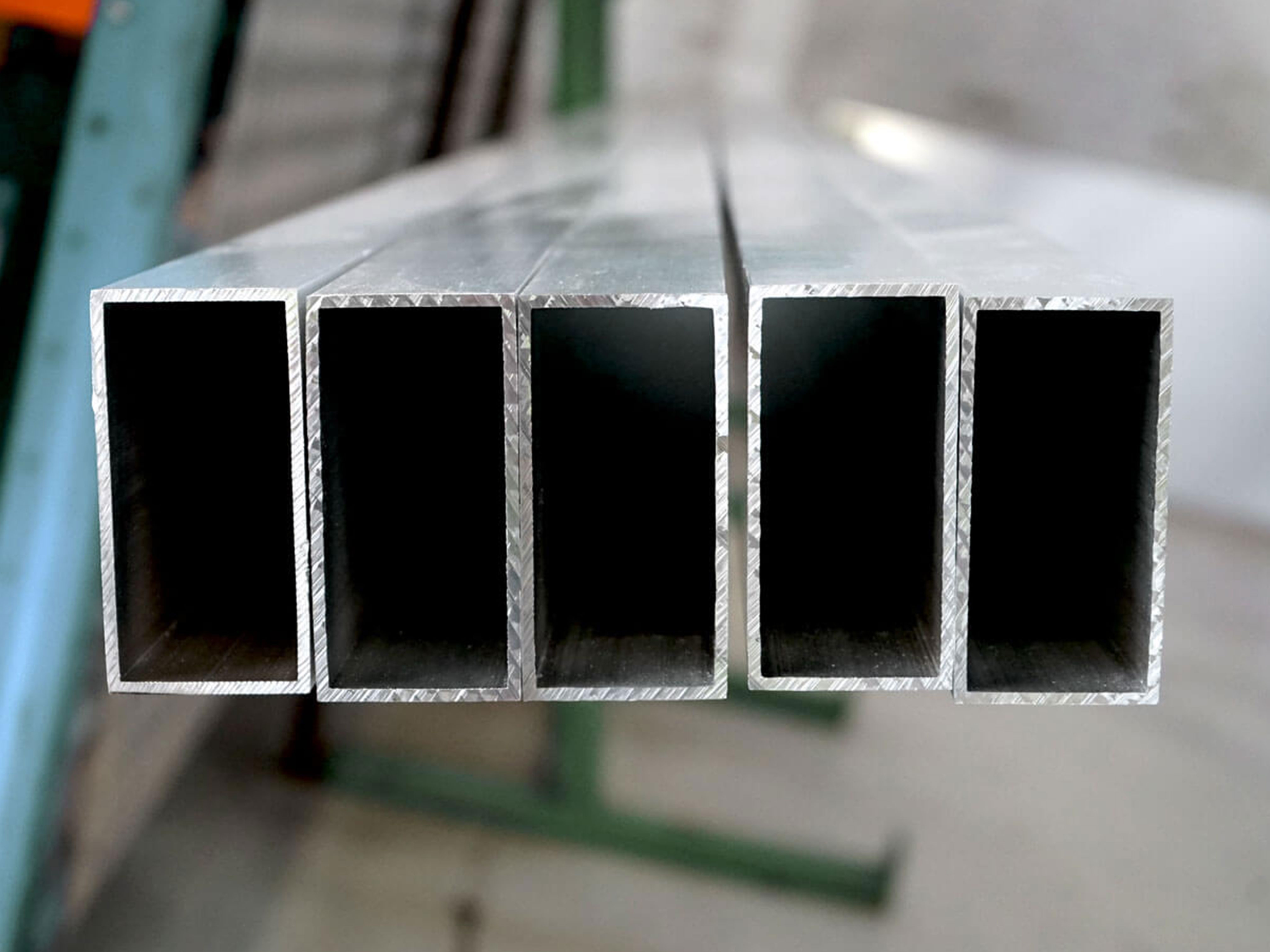
Marine aluminum rectangular tubes
Marine Grade Aluminum Rectangular Tubes are made from high-performance alloys such as 5083, 5052, 6061, and 6082. These alloys are renowned for their ability to resist corrosive seawater and marine atmospheres while providing excellent mechanical strength and toughness.
View Details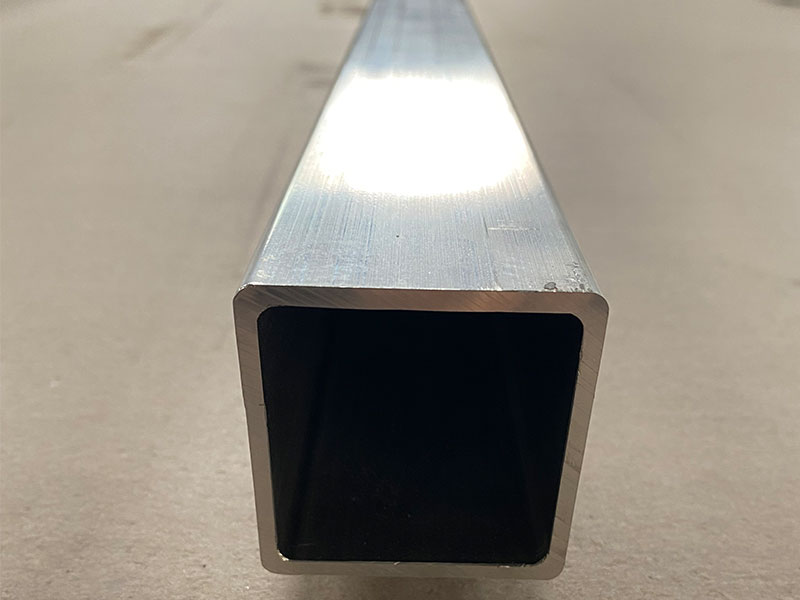
Marine aluminum square tubes
Marine Grade Aluminum Square Tubes are typically constructed from marine-grade alloys such as 5083, 5052, 6061, and 6082—well-known for their ability to withstand the aggressive effects of saltwater and marine atmospheres.
View Details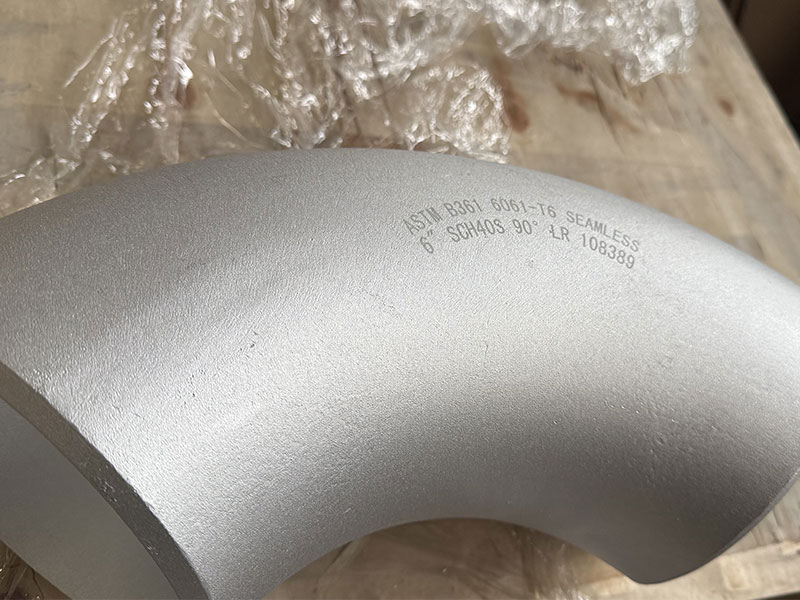
6061-T6 90-Degree Marine Aluminum Pipe Elbow
Manufactured from premium 6061-T6 marine-grade aluminum alloy, this elbow fitting is engineered to provide reliable and efficient pipe direction changes within shipbuilding, offshore platforms, and marine infrastructure systems.
View Details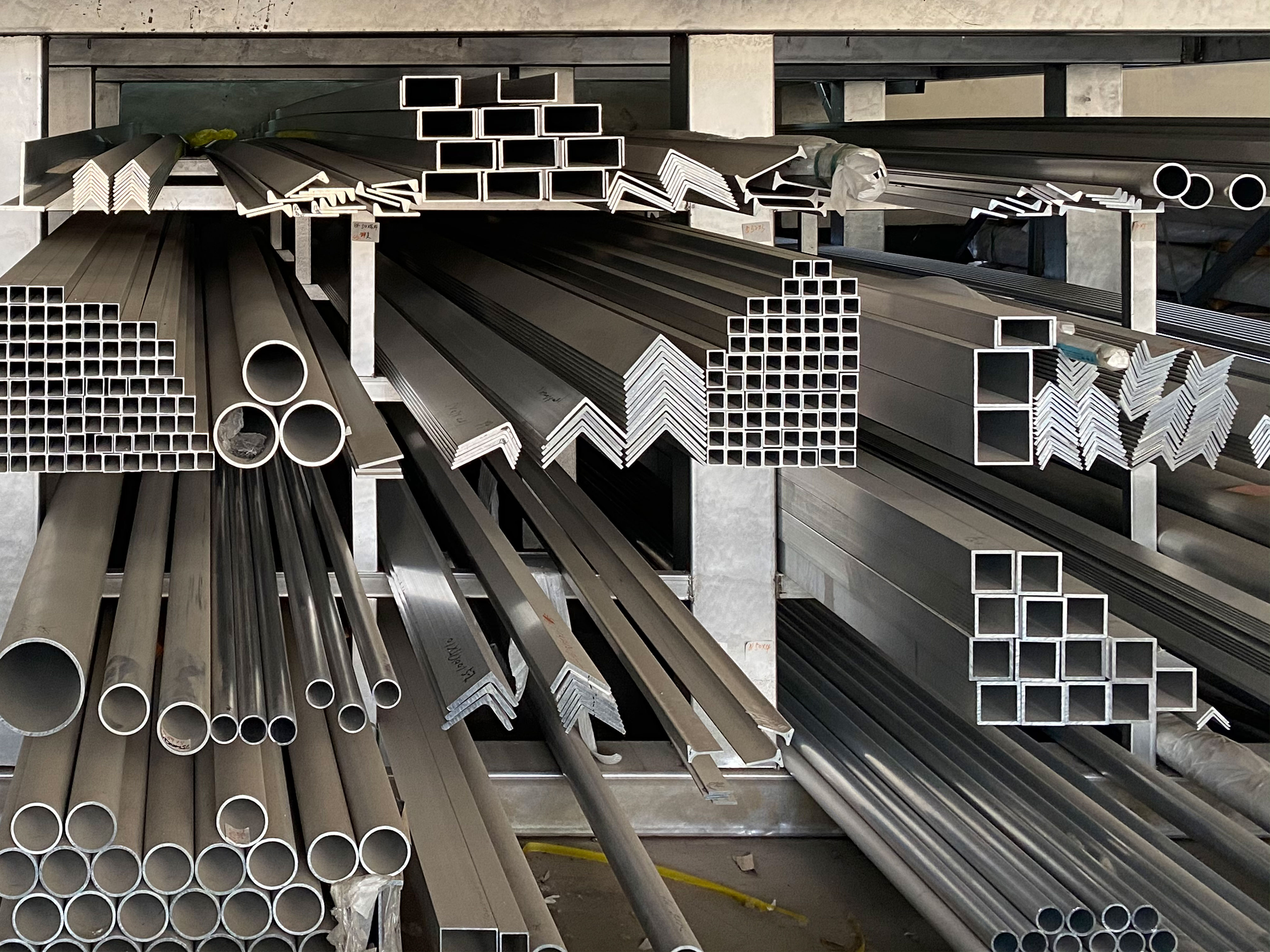
Custom marine aluminum profile tubes
Custom Marine Grade Aluminum Profile Tubes are manufactured from premium marine aluminum alloys such as 5083, 5052, 6061, and 6082.
View Details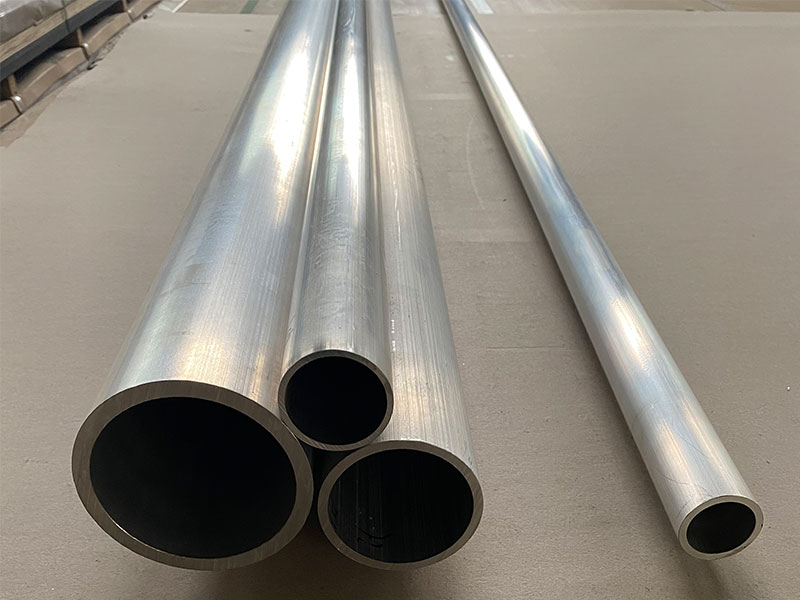
Marine aluminum round tubes
Marine Grade Aluminum Round Tubes are manufactured from premium marine alloys such as 5083, 5052, 6061, and 6082, all selected for their proven resistance to seawater corrosion and marine atmosphere degradation.
View DetailsRelated Blog
5083 Marine Aluminum Tubes for Coastal Boat Building
Marine Aluminum is a prominent material in the marine industry due to its exceptional properties, which makes it the perfect choice for constructing strong, lightweight vessels.
View Details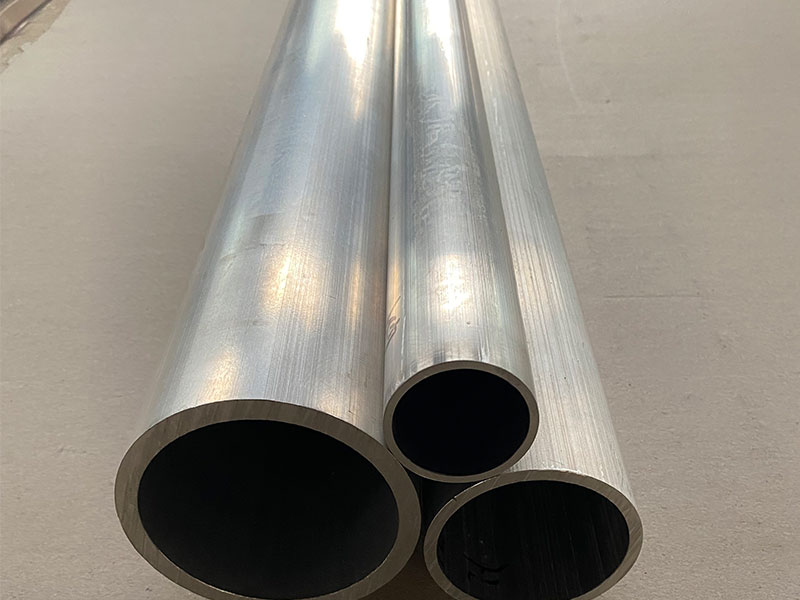
5083 Marine Aluminum Tubes for Coastal Boat Engineering Solutions
In coastal boat engineering, selecting materials that offer superior performance, durability, and resistance to harsh marine environments is critical. 5083 marine aluminum tubes present an exceptional solution.
View Details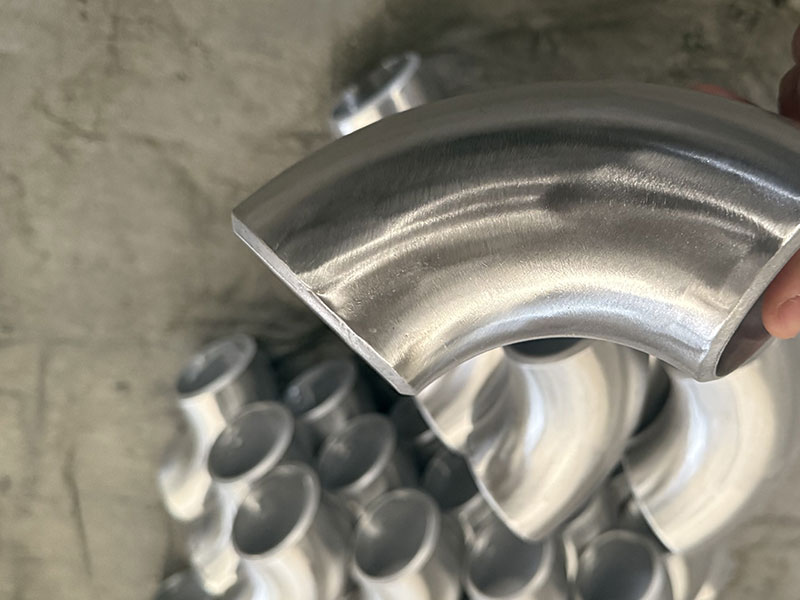
Aluminum Elbow for High Pressure Saltwater Pipelines on Ships
In modern shipbuilding and marine engineering, the integrity and durability of high pressure saltwater pipelines stand as a critical priority.
View Details
Marine Aluminum Elbow for Offshore Gas Storage Facilities
Offshore gas storage facilities represent some of the most challenging engineering arenas where materials must exhibit reliability, strength, and corrosion resistance under extreme marine conditions.
View Details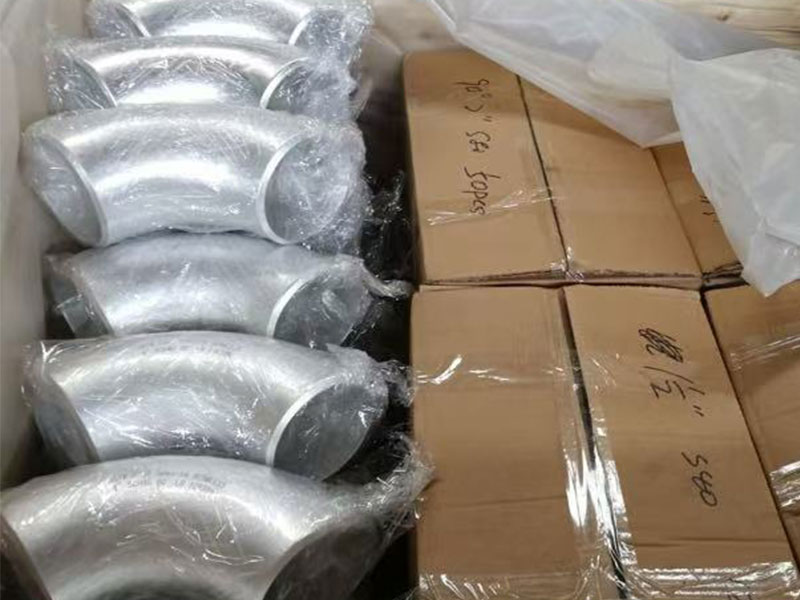
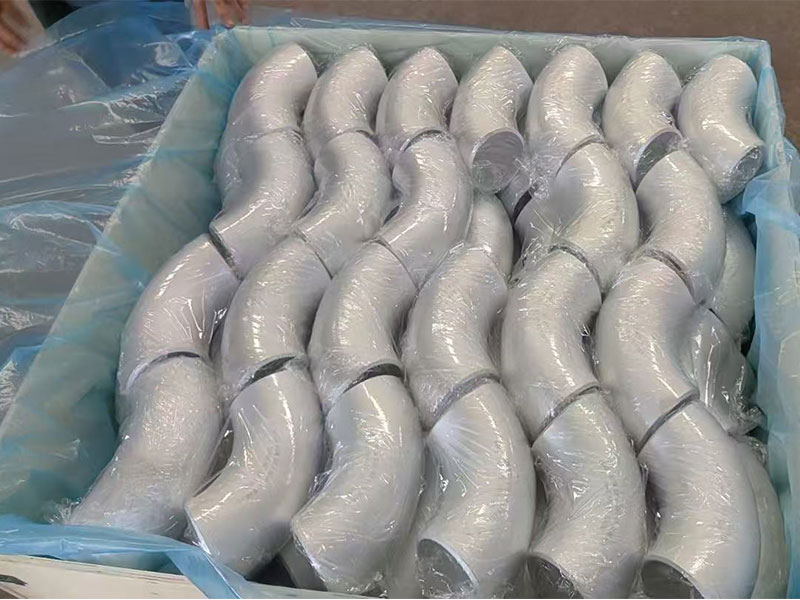
Customized Marine Aluminum Pipe Elbow for Marine Applications
Our high-performance Customized Marine Aluminum Pipe Elbows designed for demanding marine applications. Superior corrosion resistance, precision manufacturing, and compliance with marine standards ensure durability and optimal functionality in seawater en
View Details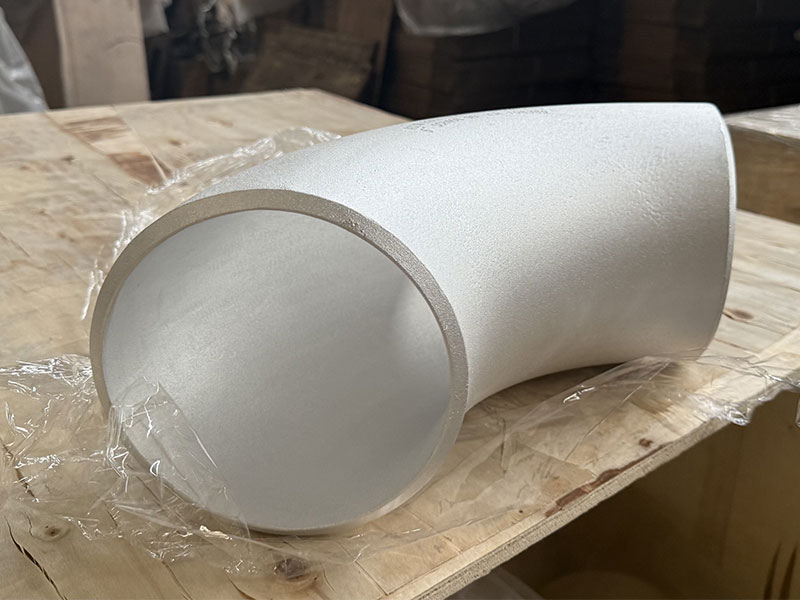
Seamless Marine Aluminum Elbow for Emergency Ventilation Systems
In the demanding realm of maritime safety and engineering, emergency ventilation systems serve as a cornerstone for onboard operational security and crew welfare.
View Details
Leave a Message