
Aluminum Elbow for Fuel Line and Hydraulic Piping on Vessels
An aluminum elbow may appear to be a small connection in a vessel piping system, yet it often determines whether a fuel or hydraulic line can be routed safely, maintained easily, and kept away from vibration hazards. Rather than treating the elbow as a simple change of direction, marine engineers should view it as a flow-management and stress-management component.
On a boat, workboat, yacht, patrol craft, or offshore support vessel, pipe routes rarely run in straight lines. Bulkheads, engine foundations, tanks, pumps, and cable paths force fuel and hydraulic lines to turn through confined spaces. A properly selected marine aluminum elbow provides that turn with less weight than steel fittings while helping preserve a clean, serviceable piping arrangement.
More than a corner in the pipe run
The primary function of an aluminum elbow is to redirect liquid flow without relying on sharply bent tube sections that can flatten, wrinkle, or develop uneven wall thickness. For fuel supply and return lines, this helps maintain predictable flow toward filters, day tanks, transfer pumps, and engines. For hydraulic piping, a smooth-radius elbow reduces unnecessary turbulence and localized pressure loss, particularly where fluid velocity and pressure pulses are high.
A 90-degree elbow is common where a line must move from a horizontal run to a vertical riser, pass through a bulkhead, or connect a deck-mounted unit to an engine-room system. A 45-degree elbow creates a gentler route where installation space permits. Long-radius elbows are generally preferred for higher-flow circuits because they reduce flow separation and pressure drop compared with short-radius designs.
The elbow also protects the line mechanically. A direct tube bend placed too close to a fitting can concentrate vibration at the flare, thread, weld, or clamp point. An elbow allows the installer to position supports more effectively, maintain bend clearance, and keep hose connections from being forced into an unnatural angle.
Where marine aluminum elbows are used
Typical vessel applications include low-pressure and medium-pressure fuel transfer lines, fuel return piping, lube-oil auxiliary systems, hydraulic steering lines, deck machinery circuits, davit hydraulics, trim-tab systems, crane controls, and compact machinery skids. They are especially useful on aluminum vessels, where compatible materials simplify fabrication and reduce unnecessary structural weight.
For systems built around Marine Grade Aluminum Tubing, elbows can be supplied with tube-stub ends, weld ends, threaded ends, flanged ends, or hydraulic fitting interfaces. The connection method must match the piping design rather than being selected only for convenience. A threaded elbow may be practical for a serviceable low-pressure line, while welded or qualified flare-type connections are often better suited to vibration-prone routes.
For a purpose-built directional fitting, a 6061-T6 90-Degree Marine Aluminum Pipe Elbow can provide a compact and rigid solution where dimensions, wall thickness, and connection geometry are coordinated with the rest of the line.
Typical dimensional and operating parameters
Actual ratings depend on alloy, temper, wall thickness, end connection, fabrication method, design code, temperature, pressure cycling, and fluid compatibility. The following values are common procurement parameters, not universal pressure ratings.
| Parameter | Typical Selection Range or Condition |
|---|---|
| Elbow angle | 45 degrees, 90 degrees, 180 degrees, or custom angle |
| Nominal tube outside diameter | 6 mm to 76 mm, or 1/4 in to 3 in |
| Centerline radius | Short radius, 1D, 1.5D, or custom long radius |
| Wall thickness | 1.0 mm to 6.0 mm, matched to tube and pressure duty |
| End type | Weld end, tube stub, NPT, BSPP, BSPT, JIC 37-degree flare, ORFS, flange |
| Common alloy | 6061, 6063, 5083, 5086, 6082 |
| Common temper | T6, T5, H32, H116, H111 |
| Surface condition | Mill finish, polished, anodized where appropriate, coated or isolated |
| Fluid service | Diesel fuel, hydraulic oil, lubricating oil, seawater-excluded auxiliary circuits |
A pressure rating should always be calculated or certified for the completed assembly, not assumed from the elbow diameter alone. The weakest feature may be the thread, flare, weld heat-affected zone, tube wall, seal, or attachment clamp rather than the elbow body.
Alloy and temper selection from a service-life viewpoint
6061-T6 is widely selected for machined, extruded, and forged-style elbows because it combines good strength, machinability, and corrosion resistance. It is well suited to rigid hydraulic and fuel piping when the design accounts for weld-related strength reduction. If a 6061-T6 elbow is welded into a line, the heat-affected area does not retain the full T6 condition. Engineering calculations should use properties appropriate to the post-weld condition unless a qualified heat-treatment process is specified.
5083 and 5086 are magnesium-rich marine alloys with excellent resistance to seawater exposure. They are often favored for welded piping sections and fabricated elbows, especially where marine atmosphere and splash exposure are demanding. Tempers such as H116 and H321 are frequently considered for corrosion-sensitive marine service. These alloys are not normally specified as T6 products.
6082-T6 provides higher strength in many structural and machined applications, while 6063-T5 or T6 is often selected for lighter extruded sections where complex geometry and surface finish matter. For a fuel or hydraulic elbow, alloy selection should consider not only strength but also fabrication route, fluid temperature, external salt exposure, and attachment to dissimilar metals.
Typical chemical composition limits, percent by weight
| Alloy | Si | Fe | Cu | Mn | Mg | Cr | Zn | Ti | Al |
|---|---|---|---|---|---|---|---|---|---|
| 6061 | 0.40-0.80 | 0.70 max | 0.15-0.40 | 0.15 max | 0.80-1.20 | 0.04-0.35 | 0.25 max | 0.15 max | Balance |
| 5083 | 0.40 max | 0.40 max | 0.10 max | 0.40-1.00 | 4.00-4.90 | 0.05-0.25 | 0.25 max | 0.15 max | Balance |
| 5086 | 0.40 max | 0.50 max | 0.10 max | 0.20-0.70 | 3.50-4.50 | 0.05-0.25 | 0.25 max | 0.15 max | Balance |
| 6082 | 0.70-1.30 | 0.50 max | 0.10 max | 0.40-1.00 | 0.60-1.20 | 0.25 max | 0.20 max | 0.10 max | Balance |
Composition values may vary slightly by applicable material specification and mill certification.
Standards and compliance considerations
Marine piping assemblies should be designed against the rules governing the vessel, its flag, class notation, service location, and fluid category. Depending on the project, reference may be made to ABS, DNV, Lloyd's Register, Bureau Veritas, or other classification requirements. Hydraulic tube and fitting interfaces are commonly coordinated with ISO 8434, SAE J514, SAE J1453, or project-specific fitting specifications. Piping design practices may also reference ASME B31.3 where applicable.
Fuel systems require added caution. Material acceptance for fuel piping can differ between open decks, machinery spaces, protected compartments, and high-fire-risk locations. Some class rules restrict aluminum use for particular fluid systems or require additional fire protection, shielding, testing, and installation controls. The vessel designer should confirm acceptance before final material selection.
Installation details that extend service life
An aluminum elbow performs best when it is not carrying the weight of an unsupported pipe run. Install clamps close enough to control vibration, while allowing thermal movement where required. Avoid forcing misaligned tube ends into the elbow, as assembly preload can create fatigue cracking over time.
Galvanic corrosion deserves close attention. Aluminum connected directly to stainless steel, copper alloys, or carbon steel in a wet saltwater environment can corrode rapidly. Use compatible fittings where possible, isolate dissimilar metals with approved nonconductive barriers, protect exposed surfaces, and prevent stagnant seawater from collecting around connections.
Before commissioning, pressure-test the complete piping section according to the approved vessel procedure. Inspect threads, flare faces, welds, seals, clamp spacing, and clearance from hot exhaust components. In hydraulic systems, confirm cleanliness requirements because contamination can damage pumps, valves, and actuators long before an elbow shows visible wear.
A well-chosen aluminum elbow keeps fluid moving efficiently while making the entire vessel piping route lighter, cleaner, and more durable. Its real value is not merely turning the line, but allowing the line to survive the vessel's motion, salt atmosphere, maintenance demands, and operating pressure over many seasons.

Related Products
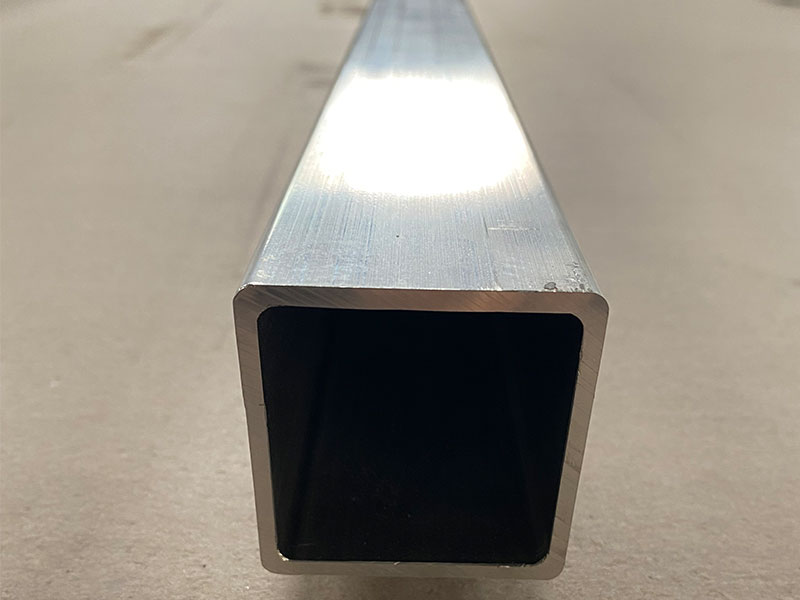
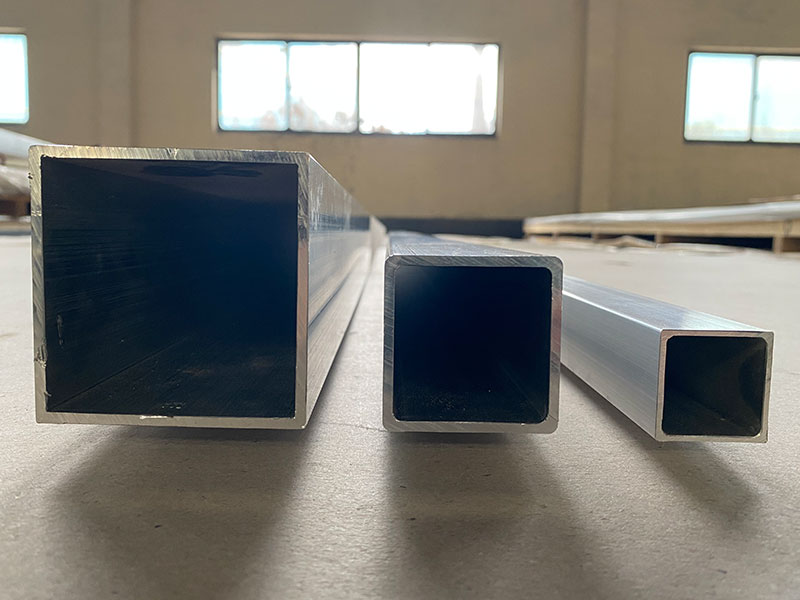
Marine aluminum square tubes
Marine Grade Aluminum Square Tubes are typically constructed from marine-grade alloys such as 5083, 5052, 6061, and 6082—well-known for their ability to withstand the aggressive effects of saltwater and marine atmospheres.
View Details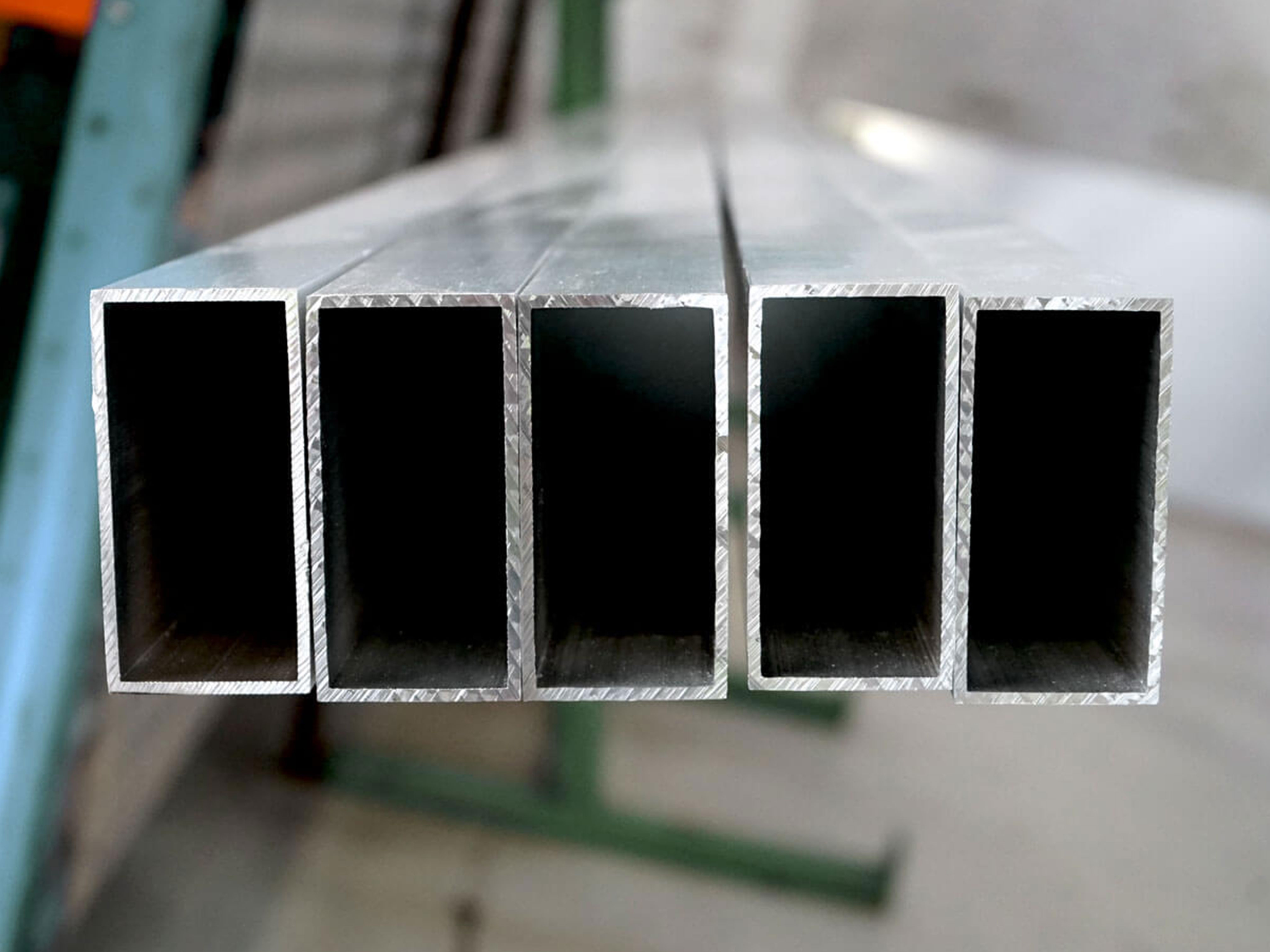
Marine aluminum rectangular tubes
Marine Grade Aluminum Rectangular Tubes are made from high-performance alloys such as 5083, 5052, 6061, and 6082. These alloys are renowned for their ability to resist corrosive seawater and marine atmospheres while providing excellent mechanical strength and toughness.
View Details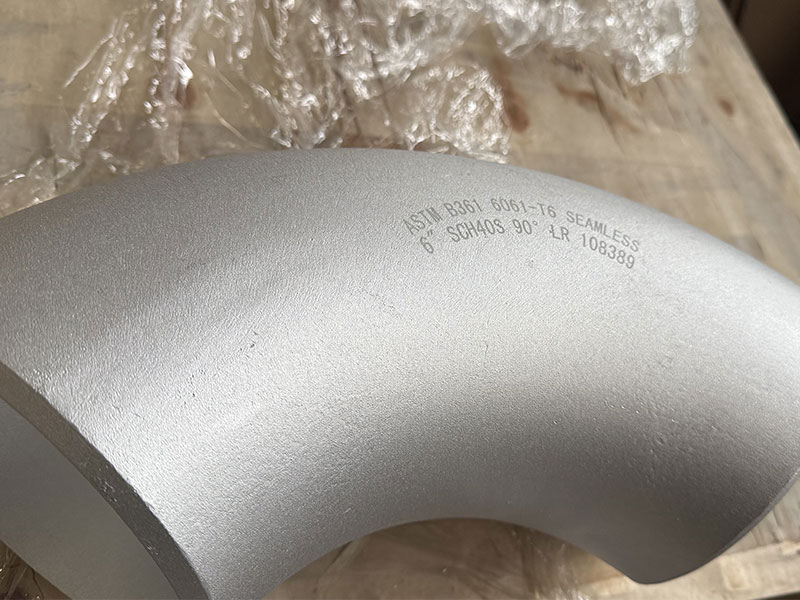
6061-T6 90-Degree Marine Aluminum Pipe Elbow
Manufactured from premium 6061-T6 marine-grade aluminum alloy, this elbow fitting is engineered to provide reliable and efficient pipe direction changes within shipbuilding, offshore platforms, and marine infrastructure systems.
View Details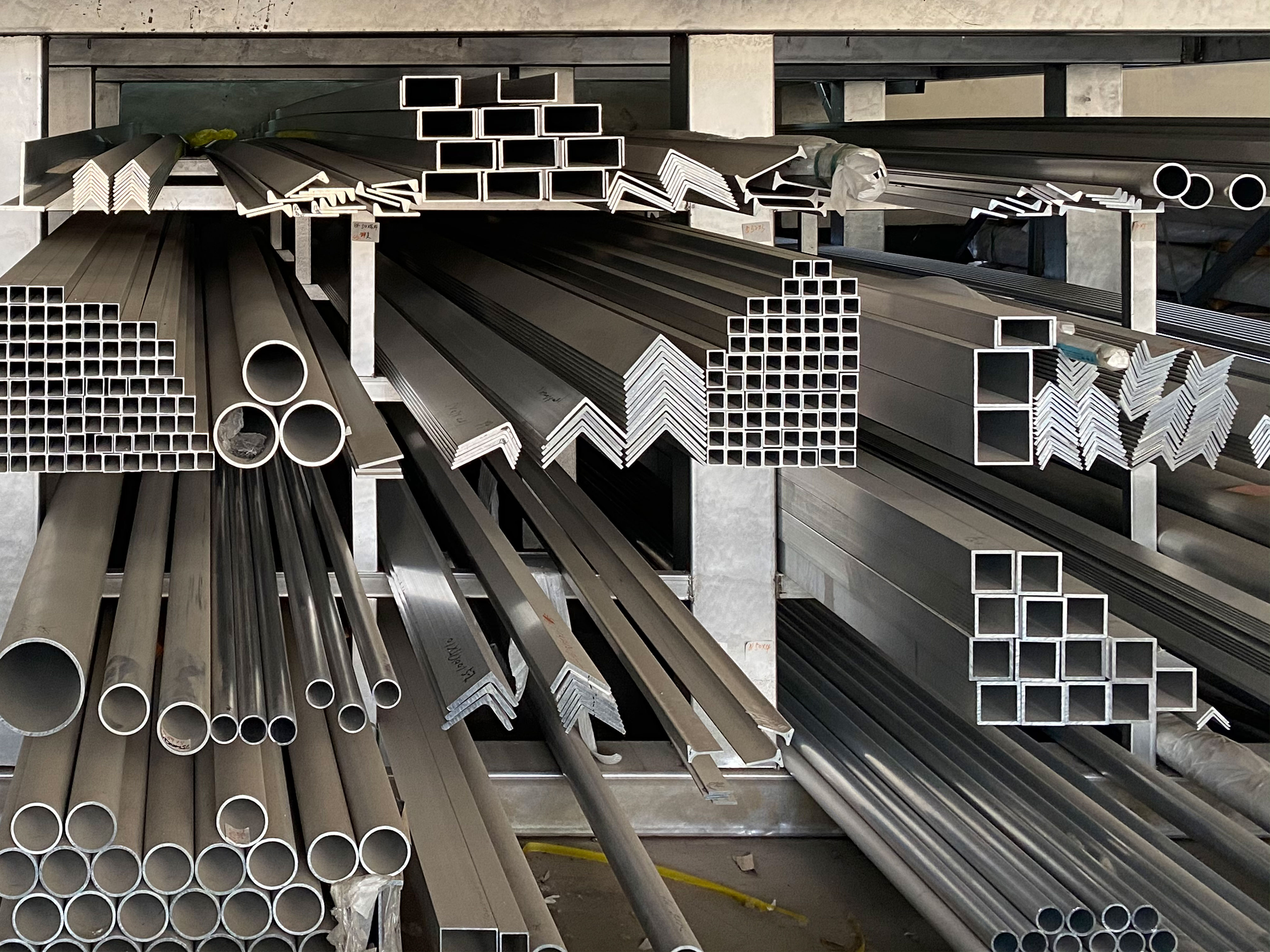
Custom marine aluminum profile tubes
Custom Marine Grade Aluminum Profile Tubes are manufactured from premium marine aluminum alloys such as 5083, 5052, 6061, and 6082.
View Details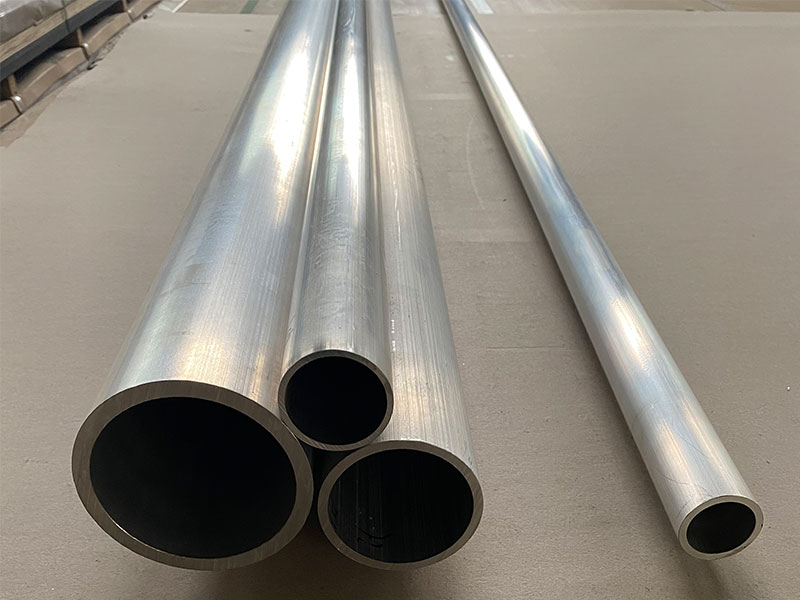
Marine aluminum round tubes
Marine Grade Aluminum Round Tubes are manufactured from premium marine alloys such as 5083, 5052, 6061, and 6082, all selected for their proven resistance to seawater corrosion and marine atmosphere degradation.
View DetailsRelated Blog
Marine Aluminum Tubes for Marine Equipment Manufacturing
Marine aluminum tubes are specialized aluminum alloy tubes designed specifically for the demanding conditions encountered in marine environments.
View Details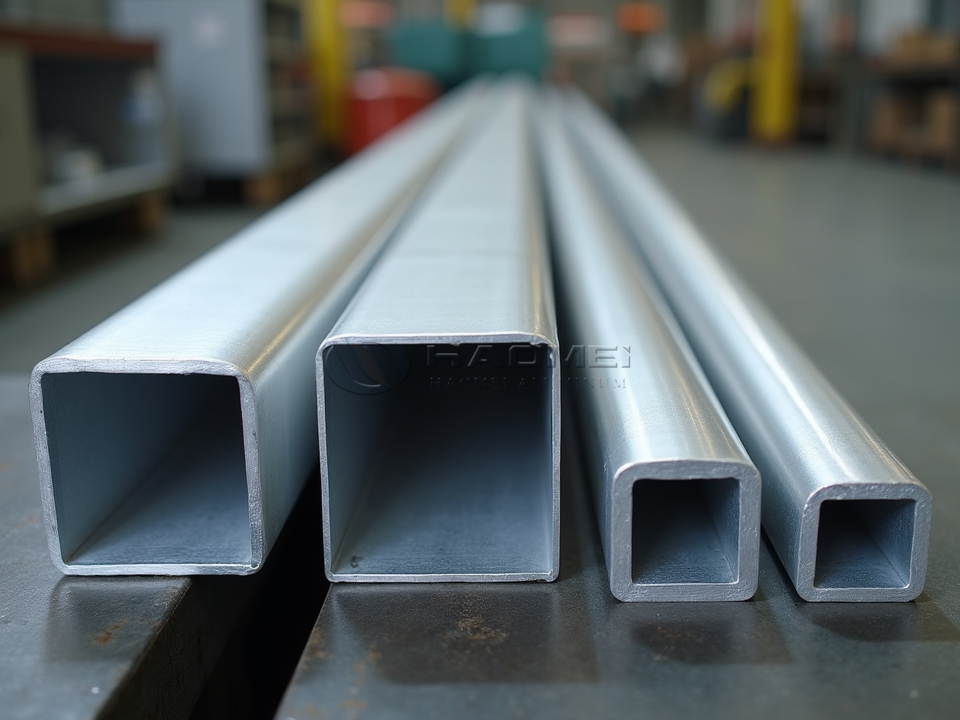
Marine Aluminum Pipe Elbow for Shipboard Air Conditioning and Ventilation
Marine aluminum pipe elbows provide lightweight, corrosion-resistant direction changes for shipboard air conditioning and ventilation piping systems.
View Details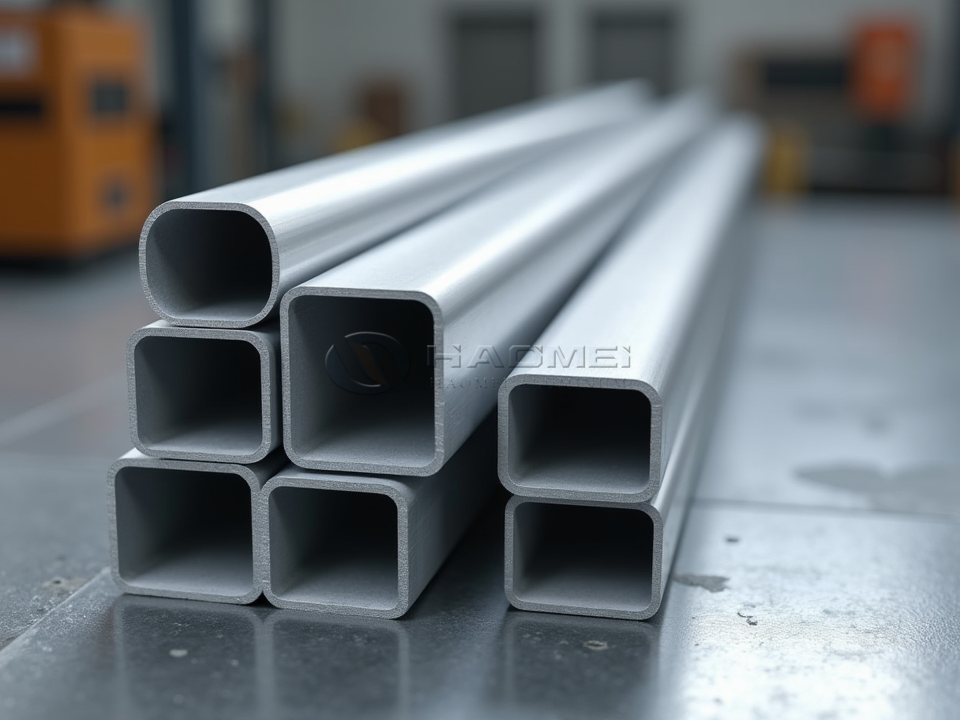
Aluminum Elbow for Offshore Water Injection and Supply Systems
Learn how marine aluminum elbows support offshore water injection and supply lines with low weight, corrosion resistance, and reliable flow control.
View Details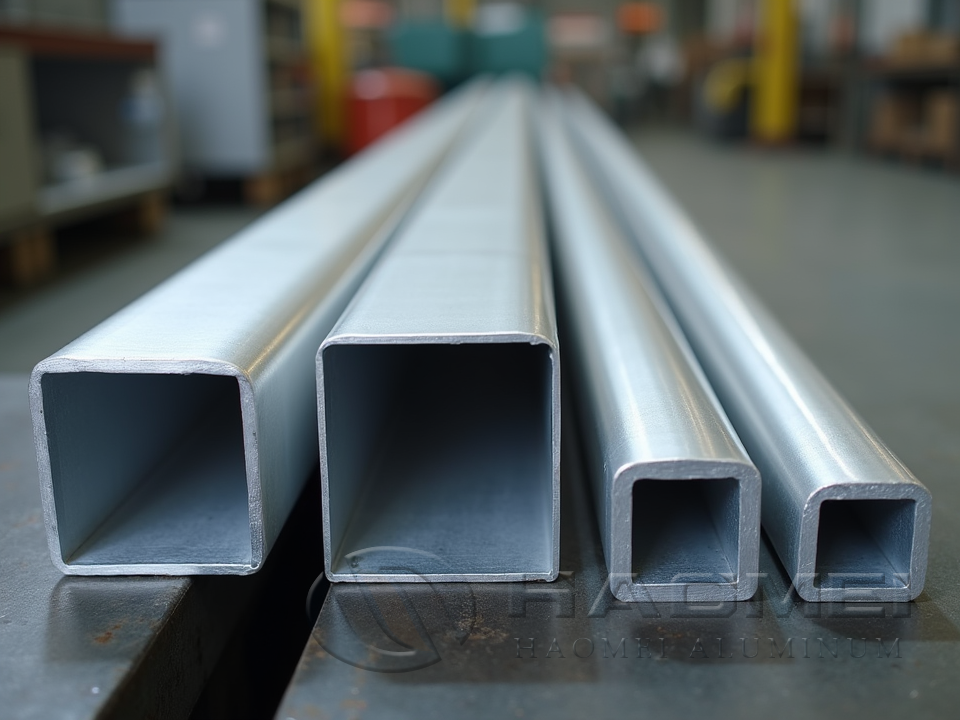
Marine Aluminum Elbow for Seawater Reverse Osmosis and Desalination
Technical guide to marine aluminum elbows for SWRO desalination, covering alloys, corrosion resistance, specs, installation, service life, and system value.
View Details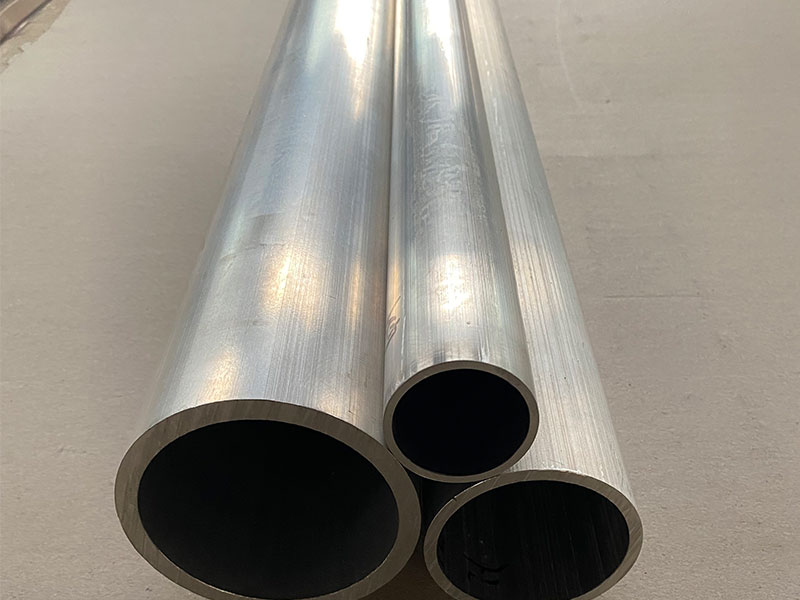
5083 Marine Aluminum Tubes for Coastal Boat Engineering Solutions
In coastal boat engineering, selecting materials that offer superior performance, durability, and resistance to harsh marine environments is critical. 5083 marine aluminum tubes present an exceptional solution.
View Details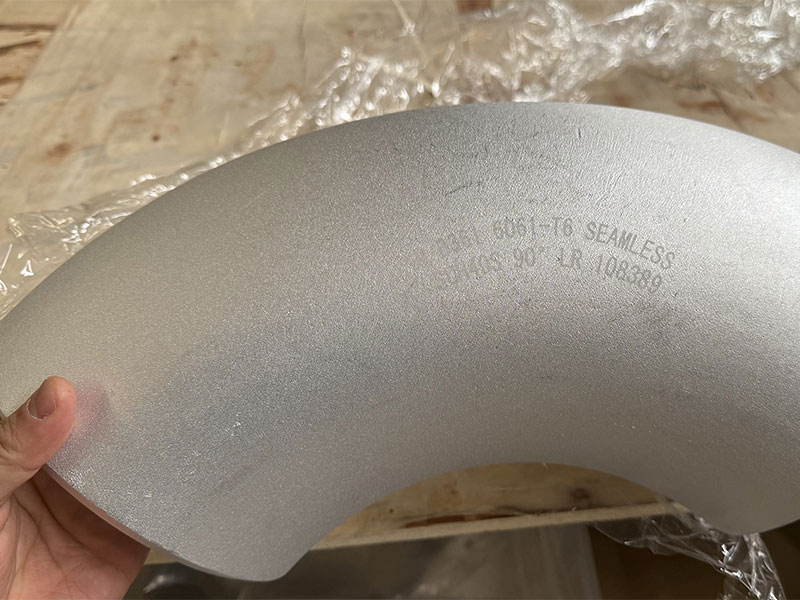
Custom Marine Aluminum Elbow for Ship to Ship Fuel Transfer
In the intricate and highly demanding marine environment, efficient and reliable fuel transfer is paramount — especially during ship-to-ship (STS) operations. Central to this process is the often unsung hero: the custom marine aluminum elbow.
View Details
Leave a Message